Last updated: Apr 19, 2026
This shoreline city sits directly on Lake Michigan, so roofs endure lake-effect weather patterns that crank up wind-driven rain, moisture loading, and winter icing far more than inland parts of Lake County. Shingle granules can erode faster when wind ramps up moisture on the upward slope of a storm, and flashing seams meet a harsher mix of salt, damp air, and freezing temps. In practice, that means vulnerable edges, valleys, and ridges should get extra attention during inspections after every significant wind event or rain storm. If gutters are clogged or flashing is loose, the effect isn't just a wet attic-it's a fast track to rot, ice damming, and accelerated underlayment wear.
The local risk profile includes spring hail and storms, a familiar rhythm in this market where storm-damage and insurance-claims roofing specialists are a steady presence in the contractor scene. Hail impact can deform shingles, bruise asphalt surfaces, and dent metal components, while heavy spring rains exploit any preexisting gaps. In practical terms, that means inspections after hail events should be thorough: look for bruising on asphalt shingles, lifting edges, and granule loss in areas where hail would have struck. Metal roofs aren't immune-pitted panels and compromised fasteners can emerge after a strong storm. Documentation with photos is crucial for insurance conversations, because the local market moves quickly and insurers expect timely, clear evidence of damage.
Cold winters with repeated freeze-thaw cycles define local wear patterns, especially where shingles, flashing, and underlayment already show storm-related damage. Every freeze-thaw cycle can push nails and fasteners toward loosening, widen existing gaps, and create microcracks in sealants. Ice dams can form along eaves when warm attic spots melt snow that refreezes at the edge, backing water under shingles and into fascia or soffits. This cycle is not theoretical here; it plays out each season and compounds existing wear. Addressing minor issues promptly prevents a cascade of interior leaks and insulation damage during periods of heavy snowfall or rapid temperature swings.
Key red flags include curling shingles along the edges, exposed fasteners on metal roofs, and flashing that's warped or cracked at joints. Inside, watch for damp ceiling spots, peeling paint near attic access points, and an unusual attic heat pattern that suggests compromised insulation or roof sheathing. If a contractor finds soft spots on decking, that's a sign that moisture has penetrated beyond the surface. In coastal-warmed regions, even small leaks can expand quickly under seasonal pressure, so early detection translates to lower risk and faster mitigation.
After a strong storm or hail event, schedule a professional roof inspection within days when possible. Before the insurer visit, gather evidence: dated photos of impacted areas, notes on any attic moisture, and a rough timeline of observed leaks. If shingles are visibly damaged or granules are missing en masse, prioritize a detailed inspection of valleys, hips, chimneys, and roof-to-wall interfaces where water intrusion tends to start. Keep the attic well-ventilated and remove stored items from the top floor or attic spaces to facilitate a clear inspection path. If a leak is active, use temporary tarps or boards to limit further interior water intrusion while arranging professional assessment.
Seasonal maintenance matters in this climate. Clear gutters and downspouts before winter storms, verify that attic insulation and ventilation are balanced to reduce ice dam risk, and reseal any flashing seams that show wear after the spring or fall storm season. Consider a maintenance plan that includes two annual roof checks-one after winter and one after the main spring storm window-to catch and address small issues before they escalate. In a shoreline market where insurance timing and replacements often hinge on documented storm damage, proactive upkeep isn't just prudent-it's practical, helping to align recovery timing with insurance expectations while protecting your home from the next lake-effect event.
You live in a place where humid summers meet cold winters, and the practical window for planned roof work is the milder shoulder seasons. In this market, late spring and early fall are your best bets for a replacement or major repair, especially if you want to avoid the peak of summer heat and the first hard freeze. Schedule during these periods when the lake breeze is still favorable, but the worst of the heat and humidity is past. That timing helps underlayment cure properly and gives shingles a more predictable installation environment, reducing the chance of heat-related wrinkling or accelerated aging from July humidity. Plan around a few days of dry weather and avoid the rainier spells that tend to roll off the lake.
Fall wind events are a real disruptor for roofing projects in this market. Gusts and blowing debris can push back start dates or force partial work that stretches into unsettled weather. If a replacement is on the calendar, aim for a window when the forecast shows a solid stretch of calmer days and lower wind risk. Have a backup plan for late-season delays, including crew arrival sequencing and material staging, so a weather hiccup doesn't leave the roof exposed or the project stalled mid-process. When fall storms loom, consider a temporary protective cover or quick-seal approach to reduce exposure to moisture without compromising your chosen schedule.
Winter brings freeze-thaw cycles that affect shingle performance and underlayment reliability. Once cold weather sets in, the risk of shingles becoming brittle, underlayment drying out, and fasteners losing grip increases. Delays into mid-winter can raise the stakes for moisture intrusion and post-install movement, especially on roofs with steeper pitches or high wind exposure along the shore. If a replacement slips into late fall or early winter, coordinate a contingency plan for expedited completion or temporary weatherproofing to bridge the coldest snaps. The goal is to avoid a scenario where a newly installed roof is compromised by a stretch of freezing temperatures before the sealants fully cure and the attic ventilation has stabilized.
Storm activity around the lake means insurance-driven roof work often follows claim settlement timelines rather than a fixed calendar. When an adjustment is approved, you still must pick a practical window that minimizes weather risk. Work with an insurer-friendly contractor who can forecast a sequence that fits the insurance timeline while aligning with favorable weather slots. If the claim outcome pins you to a tight timetable, push for a start date during a calm, dry stretch within the shoulder season and build in buffer days for wind delays. Keep documentation ready for weather-related stoppages so a delay doesn't become a financial headache.
Begin with a weather-aware calendar focused on late spring or early fall blocks. Check long-range forecasts for two to three-week dry spells, then lock a start date that allows for a clear, uninterrupted sequence. Ensure materials arrive ahead of the plan and that crews have access to the roof without competing with heavy leaves or late-season storms. Confirm roof deck conditions with a quick post-storm inspection if an early-season storm hits before work starts. Finally, coordinate with any homeowners' association or neighborhood considerations that might influence start times or noise buffers, so the project progresses smoothly through the chosen window.

Great Lakes Roofing Corporation
(847) 731-7200 www.greatlakesroofing.net
2430 W Wadsworth Rd, Waukegan, Illinois
4.3 from 6 reviews
Providing commercial and industrial roofing across the Midwest, we build community one roof at a time.
Brandon Roofing Contractor
(224) 541-8320 roofinggurnee.com
Serving
4.9 from 27 reviews
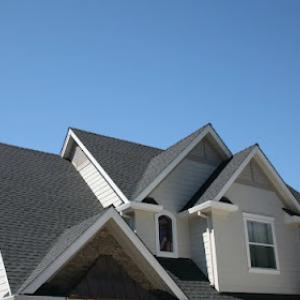
If you are looking for one of the best roofing companies in Gurnee, B&J Roofing Company is your answer. Our roofing contractors can provide roof repair, roof installation, and roof replacement services that you may need for your home. We only use the highest quality of materials for our leaking roof repair service so that you can make sure that it can face any weather conditions in the future. We are one of the roofing companies in Gurnee that provide affordable roofing to our customers. We make sure to inspect your roofing thoroughly so that your roof will be in its best shape. B&J Roofing Company is the one that you can trust.
Ridge Top Exteriors
(847) 718-8084 www.ridgetopexteriors.com
Serving
4.8 from 125 reviews
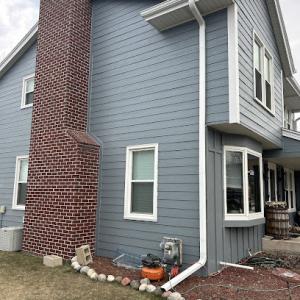
Ridge Top Exteriors in Gurnee provides professional roofing, siding, window, and gutter solutions for Illinois homeowners looking to improve and protect their homes. We use top-rated materials, including vinyl and fiberglass windows and durable LP SmartSide siding, installed by factory-trained professionals who deliver quality workmanship you can count on. With over 20 years of award-winning service and thousands of satisfied customers, we are proud to serve Gurnee and surrounding communities. From free consultations and transparent pricing to flexible financing, Ridge Top Exteriors is here to help you make your home look and perform its best.
Quality Home Restorations
(708) 965-9308 www.myhomerestorations.com
Serving
5.0 from 20 reviews
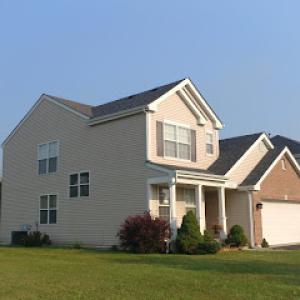
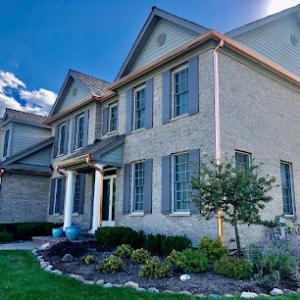
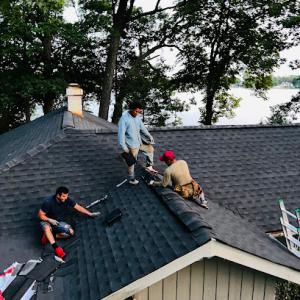
Quality Home Restorations, established in 2011, is a trusted home exterior contractor serving the Chicago area. With over a decade of experience, we specialize in roof replacement, siding installation, storm restoration, and seamless gutters. We are licensed, insured, and dedicated to delivering top-quality restoration services. Having helped over 2,000 clients restore their homes after storm damage, we prioritize using the best materials and ensuring exceptional workmanship. Choose us for reliable, professional service and a home that looks its very best. Trust Quality Home Restorations to make your home as good as new!
CasGo Roofing
(847) 922-8374 casgoroofing.com
Serving
5.0 from 31 reviews
We are a Licensed, Insured business and Certified Installers by GAF in the Chicago-land area and a full service company, trusted to meet your roofing and needs for commercial and your residential properties.
Sarmiento Construction
Serving
5.0 from 8 reviews
We are a family owed roofing company that specialize in installing and repairing roof systems of residential homes in northern Illinois. Victor(owner) has over 15 years experience in this industry. We offer you the security in knowing that we are not storm chasers. We have strong roots in Lake County, and take pride in helping the neighbors of our community. We appreciate the opportunity to serve you with all your roofing needs.
J&M Garcia Roofing
Serving
4.5 from 24 reviews
Your roof deserves some TLC and J&M Garcia Roofing is here to help. We offer a wide array of services including new roofing, roofing repair, siding installation and so much more. Proudly servicing residential and commercial clients in Zion, IL, and accepting jobs big and small. Whether your gutters are clogged or you need new siding installed, these professionals are qualified to handle all kinds of exterior maintenance services. From roof repair to chimney flashing repair, they’ll keep your property in excellent condition. This team even offers snow removal services during the winter months, making them your one-stop shop for handyman services no matter the time of year.
Zuniga Roofing
(847) 445-0546 zunigaroofinginc.com
Serving
5.0 from 4 reviews
Protect your largest investment with our reliable roofing services. We are a locally owned and operated roofing company currently serving Beach Park, IL and surrounding communities. If you want to make your roof last as long as possible, it is vital that you never put off a roof repair. Small issues with roofing become big issues in a hurry. No matter how major or minor the repair you need, we are here to help. We offer roofing contracting, roof replacement, and flat roofing.

Hetman Enterprises
(847) 796-8710 hetmanexteriors.com
Serving
4.8 from 67 reviews
At Hetman Enterprises, we're dedicated to providing quality home improvement services in the Gurnee area. From siding and gutters installation to window and roof replacement, we can help you get your home or business looking the way you want it. Our goal is to provide superior service at competitive rates, and we do our best to ensure that each customer's needs are met. We take pride in our ability to deliver quality work. We understand that your home is an investment and we want to ensure that it stays safe when it comes to weathering the elements. We have been trained by some of the best professionals in their field so we can offer our customers the best quality workmanship and installation available.
Promar Exteriors
(847) 496-3322 promarexteriors.com
Serving
4.6 from 5 reviews
Promar Exteriors is a leading exterior remodeling company in Gurnee, IL 60031 with emphasis on the Windows Replacement, Siding Replacement, Roofing Replacement, Gutters Replacement and related products. We have proudly served the Chicagoland Community since 2000 and have a superb reputation for providing the highest quality for the best price. At Promar our primary focus is on you, our customer. We are passionate about providing our customers caring and consultative service, only quality products and superior workmanship. Our experienced and professional team is ready to assist you throughout the project and geared to a most satisfactory completion. We guarantee it. Best Rooer in Gurnee, IL 60031 !
A Roofing Cedar Works
(847) 445-8869 aroofingcedarworks.com
Serving
5.0 from 3 reviews
🏠 Quality roofing services for your home
The residential roofing landscape in this area features a broad lineup: asphalt shingles, metal roofing, clay tile, concrete tile, wood shingles or shakes, and synthetic or composite shingles. This statutory variety reflects the lakefront climate, where wind-driven spray and seasonal temperature swings challenge every roof type in slightly different ways. Each material offers distinct advantages in handling the area's mix of sun, wind, and moisture, so choosing a match that balances aesthetic, durability, and maintenance needs matters more than chasing the latest trend.
Asphalt shingles sit at the intersection of affordability and performance, making them the most common choice for many homes. In this market, they're a practical starting point for homeowners weighing replacement timelines against weather patterns that can accelerate aging. Freeze-thaw cycles can push shingles toward cracking and granule loss, while summer UV exposure can shorten the effective lifespan of lighter formulations. When considering asphalt, look for architectural or dimensional options that offer better wind resistance and a thicker warranty, and plan for seasonal inspections after heavy storms to catch edge or flashing damage early.
Clay and concrete tiles provide robust, long-lasting performance in exposed environments, but their weight and installation requirements carry more significance in a city where structural changes invite closer scrutiny. If a roof is already near capacity, or if attic space, underlayment, or framing shows signs of stress, a retrofit may trigger additional evaluation. Heavier tile systems demand careful attachment methods and battens, especially in updraft-prone zones and near shoreline channels. Engineers and qualified roofers emphasize preserving ventilation and ensuring proper slope compatibility to prevent water infiltration, freeze-related cracks, and heat buildup in summer months.
Metal roofing offers excellent wind resistance and quick shedding of moisture, traits that align well with the lake-effect environment. Its reflective properties can also reduce heat buildup in peak summer, supporting energy performance. Wood shingles or shakes bring a traditional look but require diligent maintenance to resist moisture and insect exposure, which can be more pronounced in humid, lake-influenced summers. When selecting these, verify finish treatments and corrosion-resistance for any fasteners, and plan for more frequent service checks after severe storms, where hail exposure and wind can expose edges and seams.
Synthetic or composite options blend resilience with flexibility, often offering improved impact resistance useful for hail exposure. They can mimic the appearance of older or more expensive materials while maintaining lighter weight and easier installation. For homeowners, these choices provide a practical middle ground that supports varied roof geometries and long-term performance under climate stressors typical of a lakefront setting. In all cases, the key is to align material choice with structural compatibility, local weather history, and the homeowner's tolerance for ongoing maintenance.
In this lakefront market, asphalt shingles come in roughly 300 to 700 USD per square, a range you'll notice most often for standard homes. Metal roofing sits higher, from about 600 to 1500 USD per square, reflecting its durability against wind and hail. For more substantial or long-lasting options, clay tile runs about 900 to 2200 USD per square, and concrete tile from 800 to 1900 USD per square. Wood shingles or shakes fall in the 500 to 1100 USD per square band, while synthetic or composite shingles typically run 700 to 1400 USD per square. Those ranges aren't just sticker shock; they track long-term performance under lake-effect storms and the varying roof pitches common in this area. If you're weighing bids, use these anchors to evaluate value, not just upfront price.
Storm-driven demand spikes after hail and strong winds are a reality here. In a market like this, severe weather can push scheduling pressure and pricing volatility quickly. A contractor who can mobilize promptly after a storm may cost more, but waiting longer can raise costs as material prices shift and crews become scarce. Short windows between hail events mean you'll want to have a plan in place before the next storm season hits, so you're not scrambling for crew time or material stock when delays ripple through the calendar.
Costs can rise when the project includes ventilation changes or structural modifications, because Waukegan's permit and inspection process may require additional review and possible re-inspection. Even if the structural work seems straightforward, a roof that needs extra venting, upgraded decking, or reinforcement for high-wind loads will push square-foot costs higher. When you receive bids, ask each contractor to break out these potential adders so you can compare apples to apples and plan for the possibility of a mid-project adjustment if a re-inspection becomes necessary.
Don't let upfront costs delay a critical repair - these contractors offer payment plans to fit your budget.
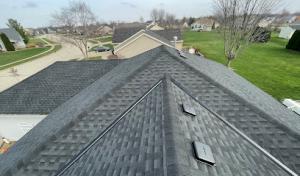
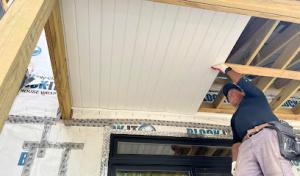
In this city, a roof replacement for a residence requires a roofing or building permit. The process is designed to keep storm-damaged roofs safe and compliant with local codes that address wind, moisture, and the freeze-thaw cycle. Because of the lake-effect exposure, inspections are not a formality you can stack away; they are the period-by-period checks that catch issues before they become costly failures.
Contractors typically handle the permit application, submitting the project scope along with the paperwork. Because the scope outlines ventilation changes, decked roof sections, or any structural alterations, the permit becomes a living document that guides the entire job. If you want to stay in the loop, ask for a copy of the submitted scope and a written plan that reflects attic intake and exhaust ventilation, underlayment, and shingle or panel choices compatible with local wind loads. Rushing or informal reroof work without a formal permit is a setup for delays and potential code violations that can complicate insurance claims after a storm.
Inspections occur both during the work and after the roof is installed. The on-site checks verify that nailing patterns, vent placement, and flashing meet code, and that the chosen materials handle lake winds and moisture. If the project includes any vent pairing or changes to the attic space, an interim inspection may be required to confirm that ventilation objectives are being met. Preparation for these inspections helps prevent rework, which is particularly painful when weather windows shorten in late fall or early spring.
A final inspection confirms that the work is complete and compliant. If the project includes structural changes or ventilation work, a re-inspection may be needed to verify that modifications meet current standards and function as intended. Failing to pass a final inspection can stall occupancy or trigger permit penalties, especially after a major storm season when timing is critical for insurance considerations. Work with a contractor who understands the scheduling pressure around inspections and how to align material deliveries, weather, and code compliance so the final seal of approval is earned on the first visit.
Illinois is a frequent hail and wind claim state, and that matters in Waukegan because local contractor specialization strongly skews toward storm damage and insurance-claim support. When a Lake Michigan-induced storm rolls through, many nearby roofs meet the test of hail impact, wind-driven shingle lift, or accelerated freeze-thaw cycles. The consequence is a market where reliable, experience-focused adjusters and roofers are in higher demand, and where timing can influence the outcome of a replacement rather than merely the repair.
Homeowners should expect insurers to request detailed photo documentation, before-and-after condition records, and timely adjuster site visits after storm events. Take clear, date-stamped photos from multiple angles of the entire roof, eaves, flashings, vents, and skylights. Photograph any interior signs of moisture promptly, especially in attic spaces where wind-driven nap and hail can cause hidden damage. Maintain a simple damage log that notes the date of each event, what part of the roof was affected, and any resulting leakage or interior staining. This record helps prevent disputes when the claim moves through the adjuster's process, which often tightens in the weeks following a hail season.
Claim activity can affect short-term premium considerations depending on claim history and local risk, so Waukegan homeowners need to document damage promptly and carefully. When an adjuster arrives, have your documentation ready and request a thorough inspection of all roofing components-shingles, underlayment, decking, flashing, and venting. Choose a contractor who understands storm-damage protocols and can provide an organized, itemized comparison between pre-storm and post-storm conditions. A dependable roofer will walk you through what constitutes hail damage versus normal wear, and how subsequent weather patterns could influence decisions about repair versus replacement.
Given the storm-claim-heavy market, the timing of a roof replacement can hinge on insurance appetite as much as physical need. If your roof shows widespread hail impact or elevated wind damage, prompt action may reduce the risk of further deterioration during the next season's cycles. In practice, preparing for a claim with robust documentation and selecting an experienced local contractor first can smooth the path from notification to resolution, even in a climate that keeps repairs constantly on the table.
Connect with contractors who help homeowners navigate the claims process from damage assessment to final approval.
Cedar Roofing Company LLC - CRC
(847) 247-4400 www.cedarroofingcompany.com
Serving
4.8 from 116 reviews
In Waukegan, freeze-thaw cycling is a primary local failure driver for shingles and underlayment, especially after winter moisture intrusion has already started. The repeated expansion and contraction can loosen adhesive seams and micro-crack membranes before any visible damage appears. You may notice granule loss on shingles or small, dark stains on the attic side that signal hidden leaks. Pay attention to attic ventilation, as poor airflow compounds moisture retention. If you see condensation on sheathing after a thaw, investigate the roof line and around penetrations for early signs of damage that will worsen with every freeze.
Spring hail and storms create sudden puncture and impact damage patterns that can turn into hidden leaks if not documented quickly in this insurance-active market. Even cosmetic dents can compromise shingle integrity and allow moisture to reach the underlayment. After a hail event, perform a careful exterior inspection, focusing on shingles with soft spots, scalloped edges, or bruising. Document all affected areas with photos from ground level and, if safe, from roof level. Do not rely on temporary patches; wind-driven rain can exploit unseen weaknesses rapidly, so arrange a professional assessment promptly to support timely claims and repairs.
Summer heat and UV exposure accelerate aging, drying out asphalt, flashing, and sealants. Shingle edges may begin to curl, and tabs can lift where granule loss is already present. In overheated afternoons, check for softened asphalt near valleys and vents. Proactive measures-like reinforcing loose edges and ensuring clean gutters to prevent water backing up under the roof line-help delay failure, especially in roofs with older underlayment or mixed materials.
Fall wind storms can worsen edge, flashing, and weathered-material vulnerabilities before winter arrives. Loose step flashing, compromised hip or ridge lines, and damaged shingle overhangs become leverage points for wind uplift. Targeted fall inspections of eaves, valleys, and penetrations reduce the chance of sudden leaks once snow and ice return, and help prioritize repairs before winter storms set in.
When you can't wait, these contractors offer fast response times to stop leaks and prevent further damage.
Mighty Dog Roofing of Northwest Chicago
(847) 649-6732 www.mightydogroofing.com
Serving
4.9 from 38 reviews
In this market, skylights are a common leak-prone failure point, especially where lake-effect moisture meets freezing cycles. When evaluating a home with existing skylights or planning new installations, focus on the flashing continuity around curb mounts, curb height, and the transitions between skylight base and roof plane. Expect more attention to sealant compatibility with asphalt or synthetic shingles common in the area, and verify that the skylight frame and moorings are rated for seasonal temperature swings. If an inspection reveals prior improper resealing or crown area damage, budget a dedicated glare and moisture check during the initial estimate rather than waiting for a rain test.
Flat and low-slope sections show up in more Waukegan homes than in many neighboring markets, so treat them as a separate scope item alongside pitched reroofing. Focus on uniform drainage, edge detailing, and the condition of underlayment in the transition zones. Ice dam risk is higher when low-slope pockets harbor poor valley or gutter junctions, so inspect these joints carefully for moisture intrusion paths. In reroof plans, specify compatible membranes and flashing details at all penetrations, including skylight openings, HVAC curbings, and vent paths, to reduce warranty disputes after a storm event.
Because inspections may involve added scrutiny when ventilation or structural work changes, accessory roof features and low-slope transitions deserve careful scope definition before permit submission. Document existing penetrations with photos and measurements, and map any required vent or attic fan relocations to avoid editing after the fact. When you plan for a skylight retrofit or replacement, ensure the scope clearly states flashing method, curb or curbless installation, and compatibility with the chosen roofing material. Clear, sent-in drawings help prevent back-and-forth that can delay a claim or project timeline after a wind or hail event.
Find contractors experienced in skylight installation, flashing, and leak repairs to bring natural light into your home.