Last updated: Apr 19, 2026
In the local pattern, hail and wind claims are common enough that many roof replacements begin with storm documentation rather than age alone. The neighborhood mix-dating back to mid-century bungalows and newer two-stories-means water intrusion often sits behind visible damage. When a storm hits, roofs can look fine from the ground while moisture slips into decking, underlayment, and flashing. The clock matters: once hail or wind creates even small openings, freeze-thaw cycles in the winter can turn those micro-damages into active leaks. The result is a faster-moving claim timeline than you might expect if you were only watching for curling shingles.
After a storm, collect thorough documentation immediately. Take dated photos of hail impact, dented flashing, damaged vents, and any staining or soft spots on decking once the sun moves on. Inaccurate claims can stall the process, but precise photos paired with a clear storm report from your insurer or a licensed adjuster can move things quickly. The local pattern means inspectors will look beyond cosmetic wear to hidden moisture damage, so your evidence should show both exterior changes and interior signs such as ceiling staining or warped sheathing toward the eaves. Because the spring season brings sudden damage while also delaying inspections and installation schedules, having a robust file ready can prevent a gap that leaves you exposed during a later thaw or another freeze.
Spring is a volatile window: heavy rain and hail arrive in bursts, yet appointments for inspection and installation can stretch due to demand and weather. The risk is twofold. First, freshly damaged shingles or flashing can fail as soon as a heavy rain hits, pushing for a timely claim response. Second, lingering storms can back up scheduling, and crews may be juggling multiple properties with similar damage. You're balancing urgency with reality: prompt documentation helps, but you should also understand that the system may push back schedule dates while crews wait for dry, wind-free weather to work safely and effectively. Keep a storm diary with timestamps from utility interruptions, hail reports, and local weather summaries to corroborate the timeline when the adjuster arrives.
Cold-season cycling compounds risk: micro-tears in shingles, cracked flashing sealants, and loosened vent seals can become active leaks as temperatures swing below and above freezing. In Mundelein, a small, storm-created defect can evolve into a noticeable leak before a full replacement is scheduled. This is not a flaw of your roof's age; it's a function of how rapidly moisture moves from surface exposure to interior framing when water infiltrates during a thaw and refreezes at night. The take-away is proactive action: you should not wait for a fully visible failure to pursue a claim or begin a staged replacement plan.
You should file a claim promptly after documentation is complete and insist on a storm-focused inspection that prioritizes hail impact and wind-related damage. Request a comprehensive assessment of decking, underlayment, and flashing, in addition to the visible shingle condition. If any moisture is detected, push for a staged approach that addresses the worst-affected areas first while keeping a clear end-date for a full replacement if warranted. Communicate your expected weather windows to the insurer and contractor, recognizing that spring schedules may shift; confirm test cuts or visible moisture checks can be performed while conditions are workable. Maintain ongoing contact with your adjuster and contractor, sharing new photos after any significant thaw or new storm event so the claim evolves with the weather rather than against it.
As timelines push and weather shifts, watch for signs that the claim is stagnating. If the documentation is solid but the inspection is delayed due to a backlog, request an interim repair plan that covers critical moisture ingress and temporary protections. If you notice a mismatch between observed interior leaks and exterior claims, request a re-inspection or a second adjuster review. The local climate can move fast from a simple cosmetic issue to a mandatory, time-sensitive replacement; your vigilance keeps the transition from storm damage to a safely completed roof on track.
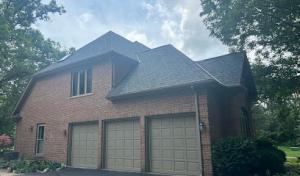
Asphalt shingles dominate local replacements because they balance cost with performance under snow, ice, and summer storm patterns. In a town where freeze-thaw cycles can push granules loose and wind-driven hail can chip edges, a good quality asphalt shingle with a stout granule coating and a solid underlayment often survives season after season with minimal fuss. The trick is to choose a product with a heavier warranty tier and to ensure the roof deck is solid and dry before installation. In the typical Mundelein home, a well-installed asphalt system provides reliable weather resistance without inviting heavy structural demands.
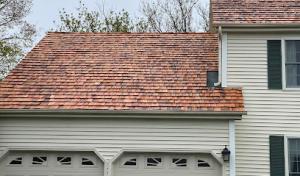
Wood shakes and shingles bring a natural look that some neighborhoods still covet, but they demand close attention in this region. Repeated moisture, snow retention, and freeze-thaw exposure can accelerate splitting and maintenance needs. If wood is your choice, select a product with advanced treatments to resist moisture uptake, and plan for more frequent inspections after winter storms. Proper ventilation and a robust attic insulation envelope help keep wood from absorbing excessive moisture. For homes with tall trees or heavy shade, be mindful of moisture retention patterns that can linger on shakes, increasing both rot risk and cleaning chores after storms.
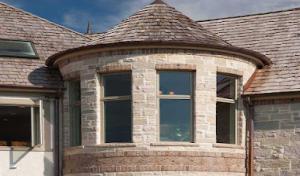
Heavier systems such as clay tile and slate are available in the market, but Mundelein homeowners need to weigh structural load, winter breakage risk, and higher replacement complexity. Clay tile and slate offer excellent durability in dry bands and can resist many hail impacts if properly installed, yet their weight requires a compatible frame and sometimes upgrades to support a longer roof span. In regions with harsh winters, the risk of frost-related deterioration under the tiles exists if underlayment or decking isn't up to the task. If choosing these, have a skilled installer assess structural readiness and plan for meticulous ice-dam protection and ventilation to prevent moisture from becoming a problem under the fastened surface.
After a hail or wind event, assess for missing granules, cracked or curled shingles, and any visible daylight through the decking. In this market, a timely inspection helps distinguish surface damage from deeper moisture intrusion, which matters for a potential insurance-driven replacement. When evaluating options, consider how the roof type will perform through repeated freeze-thaw cycles and whether venting and attic air control are aligned with the chosen system. In the end, the best path balances local climate demands with ongoing maintenance needs, avoiding over- or under-engineered solutions for the typical Mundelein home.
In this market, full replacement pricing is framed per square (100 sq ft). Asphalt shingles typically run about 350 to 650 per square, a range you'll see widely across older and newer homes alike. Metal roofs come in higher, from roughly 600 to 1100 per square, reflecting their longer lifespan and installation complexity. Clay tile sits at the premium end, commonly 1200 to 2500 per square, with weight and underlayment needs driving the cost. Wood shingles or shakes are generally 500 to 900 per square, depending on the type of wood and the complexity of the roof line. Synthetic or composite shingles land around 450 to 900 per square, offering a middle ground between traditional and specialty options. Slate sits in the top tier, about 1200 to 2600 per square, which aligns with its durability and labor-intensive installation. These figures reflect typical jobs in the area and can move with material pricing and roof complexity.
Mundelein costs can rise after regional hail and wind events when demand surges across Lake County and nearby suburbs at the same time. When a storm clusters occur, crews and materials can be in short supply, and that pressure tends to push quotes upward for a window of several weeks. If you're weighing replacement timing after a hail or wind event, expect a premium cycle for expedited work, especially if your roof requires rapid ventilation checks, decking assessments, or additional underlayment due to storm damage. In practice, a homeowner who schedules after a lull can often secure more favorable pricing, but that window can close quickly if neighbors are in the same situation.
Premium materials-like clay tile or slate-not only carry higher per-square costs but can influence overall project timing and scheduling, as specialized crews and transport logistics come into play. In addition, larger homes or those upgrading to premium materials may see permit-related cost movement beyond labor and material pricing, even though permits are handled separately. If you're replacing after hail or wind damage, document the condition of decking, flashing, and venting, as issues in those areas can affect both the quoted price and the actual work duration. A careful comparison among material options will help balance initial cost against expected lifespan and local climate resilience.
Custom Installations
(847) 786-5559 www.custominstallations.com
937 Campus Dr, Mundelein, Illinois
4.9 from 196 reviews
Since 1969, Custom Installations has provided homeowners, builders, and architects with an unparalleled commitment to our craft. Specializing in exterior remodeling, our services include roofing, siding, windows, gutters and sheet metal. From high-end custom homes to tract housing, to historic restoration and insurance renovation, we have the knowledge and experience to get the job done right the first time, on budget, with a goal of surpassing your expectation. Considered one of the most knowledgeable & dependable exterior contracting firms in the Chicagoland area, our culture is built on and embodies integrity, knowledge, reputation, and relationships.

TZC Roofing Company
(224) 509-6722 roofingmundelein.com
1267 Bradwell Ln, Mundelein, Illinois
4.9 from 42 reviews
For over 29 years, our roofing company has been at the pinnacle of the industry. The premiere roofing service provider in the area of Mundelein, IL, we differ from other roofing companies due to the fact that we were founded on the principles of excellence in service and customer satisfaction above all. We offer a wide range of licensed and highly-rated services that cater to both commercial and residential clients. We ensure you reasonable rates, along with the use of the highest quality materials and utilizing of the latest techniques available. Our highly trained roofing staff in Mundelein are always prepared to answer your roofing concerns. We’ll earn your trust with reliable service you can always depend on.
Mighty Dog Roofing of Northwest Chicago
(847) 649-6732 www.mightydogroofing.com
201 E Park St Ste D, Mundelein, Illinois
4.9 from 38 reviews
When it comes to your home’s exterior, Mighty Dog Roofing delivers top-of-the-line services matched with the neighborly customer care our clients have come to love. Our team of skilled experts will conduct a free, detailed inspection of your home, treating it as our own. Whether your home needs a simple repair or a full roof replacement, expect to receive the transparent guidance you deserve. Whatever the case, our team will work to meet your safety and budget needs. We take pride in operating with quality materials, hiring skilled roofers, and providing our customers with a high-quality experience. See for yourself; our reviews say it all. Schedule your free, home inspection today!
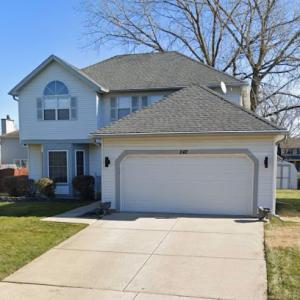
Suburban Roofing & Siding
(224) 677-6149 www.suburbanroofingandsiding.com
25663 Hillview Ct, Mundelein, Illinois
4.4 from 31 reviews
Suburban Roofing & Siding is an extension of Suburban Custom Builders and is a insurance restoration company servicing all of the Chicagoland area. We are also do business as Suburban Roofing and Siding. We added this because we were getting too many calls on building new homes. We are A+ rated with the BBB and have been in business for 12 years doing insurance restoration work on peoples homes. We use only the best materials on your home and give lifetime warranties on our workmanship. Our products we use are the Malarkey Vista class 4 impact rated polymer modified shingle and Mastic Quest .046 thick Siding. We are a certified Mastic siding installer as well as a Malarkey certified installer.
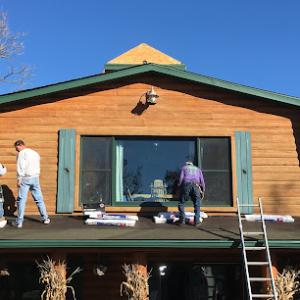
Advanced Roofing Technologies
(847) 606-8934 advancedroofingtek.com
1341 Kettering Rd, Mundelein, Illinois
4.7 from 13 reviews
Advanced Roofing Technologies is Northern Illinois’ premier roofing company serving Lake, Cook, and McHenry County’s for over 30 years. We specialize in repairing, maintaining and replacing commercial, industrial and residential roofing, siding, and gutters. For all your roofing needs, contact Advanced Roofing Technologies and see how your roof can be a work of ART!
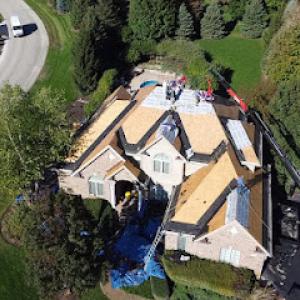
Patriot Builders
(847) 778-4523 www.patriotbuildersgroup.com
Serving
4.8 from 27 reviews
Patriot Builders Group serves as your reliable partner for exterior repairs and renovations for both homes and businesses. Originating as a roofing company, we adhere to the commitment of utilizing top-quality roofing and exterior products while delivering exceptional services. Additionally, our expertise extends to assisting homeowners in navigating insurance claims through our Public Adjuster License.
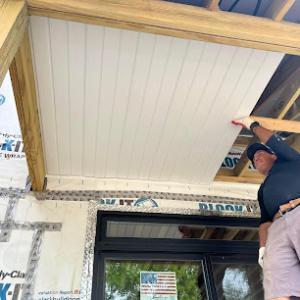
Diamond Lake Exteriors
(217) 673-0939 diamondlakeexteriors.com
Serving
4.8 from 32 reviews
Diamond Lake Exteriors, located in Long Grove, IL, is a trusted roofing and public adjusting company offering top-tier roofing services throughout the area. As GAF CERTIFIED roofing contractors in Illinois, we specialize in roofing, siding, gutters, and windows, delivering high-quality workmanship for both residential and commercial projects. We also provide roof financing options to help our clients achieve their goals without financial stress. Our team of experts is dedicated to providing the best roofing services with customer satisfaction. As a leading roofing company, we serve Long Grove, IL, and the surrounding areas. Reach out to Diamond Lake Exteriors today for a free estimate.
Waukegan Roofing
(847) 623-1625 www.waukeganroofing.com
956 Campus Dr, Mundelein, Illinois
3.7 from 6 reviews
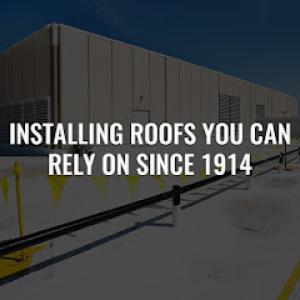
Serving Northern Illinois, Waukegan Roofing, Inc. offers superior quality industrial and commercial roofing services to their customers in Chicago, Wheeling, Mundelein, and surrounding areas. Founded in 1914, we have a legacy of exceptional roofing work, from installations to maintenance to repairs. Our Northern Illinois commercial & industrial roofers are available 24/7 to handle emergency roofing needs and deliver top-notch service to our clients. Whether you are an industrial customer looking for a new roofing system or a commercial client in need of last-minute repairs, Waukegan Roofing has you covered. For reliable roofing services when you need them most, call the community’s trusted commercial and industrial professionals today!
Cedar Roof Repair
(847) 496-0620 www.cedar-roofs.com
Serving
5.0 from 84 reviews
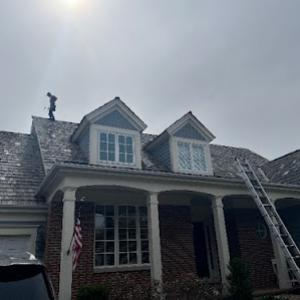
Cedar Roof is a roof repair and cedar roof treatment company. We specialize in cedar roof repairs, oil treatments, roof cleaning, roof inspections, roof coating for flat roofs and gutter cleaning. Our services area is Chicago Suburbs, Wisconsin and surrounding areas. For Cedar Shake roofs, we repair the roof with quality grade shake whether it’s heavy, medium or perfection. We replace all rotted, bad or missing shakes. We replace all bad or missing ridge-caps. We patch all holes. We caulk skylights, flashing, pipe jackets, and vents. Once the roof is repaired, we treat any moss, mildew or algae then scrub it with a brush.

Hetman Gutter Installation
(224) 348-7196 hetmangutters.com
Serving
5.0 from 33 reviews
For top-quality services by your local gutter company Vernon Hills, trust HETMAN Gutter Installation. At HETMAN, quality gutter service is what we do. We know gutters and our expert team will secure your property for protection against potential water damage. Our gutter installers Vernon Hills come with experience from serving both residential and commercial customers. When you need gutters, gutter guards, or downspouts, count on HETMAN Gutter Installation. Our seamless gutters are offered in K-style and half-round gutters with aluminum, steel, and copper options. Plus, we carry oversized gutters and oversized downspouts. Not sure what you need? Call us today and we’ll be glad to help.
Rebel Exteriors
(847) 529-2022 rebelexteriors.com
Serving
5.0 from 19 reviews
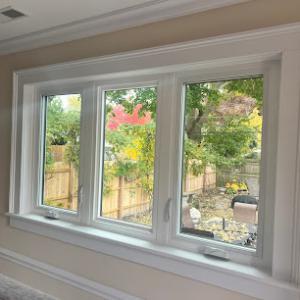
Professional Exterior Renovations and Restorations.
B&J Roofing Company
(224) 360-5201 vernonhillsroofing.com
Serving
5.0 from 21 reviews
For your roof repair in Vernon Hills, B&J Roofing Company has the professionals you’re looking for with years of experience serving the community. When you need a fast leaking roof repair, you can count on our team to get it done quickly. We stop at nothing to make sure you get service and quality that keeps your shelter in perfect condition. Not all roofing companies Vernon Hills can offer a high level of service and expertise at such an affordable price. Our top-level roofing contractors in Vernon Hills have honed their skills and acquired their knowledge through years of serving countless customers with great quality. Contact us today for your trusted leaking roof repair in Vernon Hills.
When the weather finally cooperates for a full roof replacement, the permitting process is typically the rule rather than the exception. Mundelein generally requires a building permit for a full roof replacement rather than treating it as informal maintenance. That means the project starts with a formal application, complete with scope, materials, and a plan for how the roof will re-vent and tie into existing systems. Skipping this step or rushing through can lead to delays, fines, or a halt to work until the proper paperwork is in place. If your contractor brushes past paperwork, you may be left waiting through a busy spring or fall, when inspections are in high demand.
The local building department reviews the permit application and requires inspections during and after the job to verify installation and roof venting. These inspections are not cosmetic-they're designed to ensure the roof system can handle the coming seasons and the specific climate of our area. In practice, that means inspectors will look beyond the shingles to confirm proper underlayment, ice and water shield placement in mandatory high-risk zones, leak barriers at vulnerable transitions, and, crucially, the venting strategy. If the venting is inadequate, you're looking at retrofit work that can extend the timeline and complicate the project. Understanding this upfront helps set expectations with your contractor and reduces the risk of surprise inspections that halt progress.
Because venting is part of the local inspection focus, replacement scope in Mundelein often involves more than just shingle tear-off and re-cover. A compliant project typically requires attention to attic ventilation balance, soffit and ridge vent integration, and compatibility with the home's existing ventilation and moisture controls. Inadequate venting can affect indoor comfort, energy efficiency, and the roof's long-term performance, potentially triggering additional work after the initial replacement. Plan for a comprehensive assessment of current attic conditions, and coordinate with the contractor to address any issues before or during the replacement. This reduces the chance of backtracking and helps ensure the new roof performs as intended through freeze-thaw cycles and spring wind events.
Snow load and freeze-thaw cycles in Mundelein can shorten the safe window for non-emergency replacement work and make temporary protection more important. When a storm dumps heavy snow or when a warm spell followed by a hard freeze hits, shingles and underlayment are stressed in ways that aren't obvious from ground level. If a roof is already compromised by hail or wind damage, those stress cycles can push the roof past the point of safe interim repair. If you're weighing whether to wait for a calm window or act now, prioritize protection and rapid assessment after each major storm. The impact of repeated freeze-thaw cycles is cumulative, so delay compounds risk.
Ice-related leak paths around penetrations and roof edges are a practical concern in Mundelein because repeated thawing and refreezing can reopen vulnerable details. Pay close attention to hips, valleys, vent pipes, chimney flashing, and attic penetrations. If stain lines or damp spots appear along ceilings beneath these areas after a melt, act quickly. Temporary tarps or secure protection over exposed roof areas can prevent water intrusion while you arrange a proper repair, but failures at flashing corners or boot straps often indicate a more thorough fix is needed once temperatures allow.
Emergency tarping demand rises locally after winter storms and spring severe weather, which affects how quickly homeowners can secure crews. In practice, you may face shorter lead times for urgent tarping services than for full replacements scheduled after a hail claim or wind damage. If you anticipate a storm cycle or a rapid thaw-freeze pattern, arrange immediate temporary protection first and preserve access to a trusted contractor for a prompt assessment. Document damage with photos before and after each event to streamline any insurance-driven response and ensure the temporary measures don't become a source of delay when a full repair becomes necessary.
When you can't wait, these contractors offer fast response times to stop leaks and prevent further damage.
Mighty Dog Roofing of Northwest Chicago
(847) 649-6732 www.mightydogroofing.com
201 E Park St Ste D, Mundelein, Illinois
4.9 from 38 reviews
High Tops Roofing
(847) 870-8677 www.hightopsroofing.com
330 S Lake St, Mundelein, Illinois
4.5 from 31 reviews
Storm claims after hail and wind arrive with a steady rhythm around these parts, and insurers run standard inspection timelines. Mundelein homeowners should expect insurers to require thorough photo documentation and timely adjuster inspections because hail and wind claims are routine in this part of Illinois. Gather clear images of the roof surface, gutters, vents, flashing, and any interior signs of leaks, dated to the event. Preserve all correspondence and note any access issues that could slow the adjuster, such as clutter or weather delays. Being organized before an inspection helps prevent avoidable setbacks.
Carrier practices vary on depreciation and settlement handling, so two Mundelein homeowners with similar storm damage may see different out-of-pocket timing. Some insurers apply depreciation at final settlement, others withhold portions until replacement is complete. Ask for a clear explanation of timelines, any holdbacks, and how replacements are paid when the policy uses actual cash value. If a contractor's scope differs from the adjuster's report, address those gaps early to minimize later adjustments.
Because regional storms can affect many nearby communities at once, claim backlogs can influence when a Mundelein roof is inspected, approved, and scheduled. Severe events in neighboring towns can stretch appointment calendars for days or weeks. Maintain steady contact with the insurer, document missed milestones, and keep a simple log of promised dates. Delays happen, but proactive follow-up helps protect the restoration window and reduces the risk of further weather damage while waiting for a decision.
Connect with contractors who help homeowners navigate the claims process from damage assessment to final approval.
Custom Installations
(847) 786-5559 www.custominstallations.com
937 Campus Dr, Mundelein, Illinois
4.9 from 196 reviews
Mighty Dog Roofing of Northwest Chicago
(847) 649-6732 www.mightydogroofing.com
201 E Park St Ste D, Mundelein, Illinois
4.9 from 38 reviews
Suburban Roofing & Siding
(224) 677-6149 www.suburbanroofingandsiding.com
25663 Hillview Ct, Mundelein, Illinois
4.4 from 31 reviews
Flat and low-slope roofing is an active specialty in the Mundelein market even though steep-slope residential re-roofing dominates overall. The combination of frequent spring rain, winter temperature swings, and nearby lake effects means the low-slope portions of a home can wear differently than the main roof. Expect nuanced care for these areas, especially if you have a flat section on a porch, garage, or addition.
On attached garages, additions, and porch sections in Mundelein, slower drainage and winter ponding risk can make low-slope details fail differently than the main shingle roof. Inspect low-slope drainage paths, scuppers, and edge terminations at least twice a year. Pay attention to the transitions where these sections meet steeper roofs, as misalignment or debris buildup here creates slow leaks that mimic more serious failures. A small ponding area is a red flag that invites membrane deterioration and edge flashing stress.
Heavy spring rain in the Mundelein area can expose drainage and flashing weaknesses on low-slope sections before the main field of the roof shows age-related failure. Check around scuppers, vents, and any curb-mounted equipment after heavy storms. Flashings should be continuous and well-sealed, especially where the low-slope roof ties into vertical walls or through-wall vents. If you notice damp spots near penetrations or along seams after rain, address those areas promptly to prevent water intrusion that travels into the attic or ceiling.
Seasonal cleaning, targeted resealing, and careful debris removal from low-slope areas help avert trouble. Keep gutters and downspouts clear, verify that slope and membrane connections remain tight at transitions, and monitor for membrane blistering or fastener loosening in high-wall corners. In this climate, proactive checks in late winter and after every major thaw pay off by catching failures before they extend into the main roof field.
Find specialists in TPO, EPDM, and built-up flat roofing systems for residential and commercial properties.
Mighty Dog Roofing of Northwest Chicago
(847) 649-6732 www.mightydogroofing.com
201 E Park St Ste D, Mundelein, Illinois
4.9 from 38 reviews