
Last updated: Apr 19, 2026
Spring in this area arrives with sirens and flash floods of insurance paperwork. When hail and gusty winds slam through, the pattern is predictable: a quick round of temporary repairs, then a measured march toward a full replacement for many homes. In this environment, your roof becomes a claim-trigger, not just a weather setback. The neighborhood rhythm is set by the timing of storms, not the calendar, and that means urgency matters from the first inspection. A single elevated shingle, a dented flashing line, or granules washed into the gutters can become the opening move in a larger recovery plan. You will notice that local crews gear up for storm-driven work first, with emergency responses shaping the approach to every house within days of hail events.
If you've lived here long enough, you've seen the same pattern: after a storm, contractors pivot to storm damage, emergency repair, and insurance-driven work. The market leans toward rapid assessment and documented damage, not slow, cosmetic fixes. A Bartlett roof isn't a one-off problem to patch; it's a slice of a larger claim process that often requires meticulous documentation to match insurer expectations. Your best neighborly move is to engage a contractor who treats the post-storm window as a coordinated project, not a quick shingle swap. Look for crews that can stage a reliable assessment, photograph damage from multiple angles, and outline a clear sequence for temporary protection, teardown, and full replacement if warranted. This isn't just about fixing the visible dent-it's about aligning with an insurer's process so you don't end up chasing a claim you could have documented more effectively upfront.
Illinois insurers typically want a thorough log: detailed, line-item estimates that distinguish each component; a robust photo set showing the damage before, during, and after any temporary repairs; and date-specific storm documentation tied directly to hail events. That's how a claim moves from the initial contact to a settled, paid-to-complete file. Your goal is to assemble materials that travel smoothly through that pipeline: clear before-and-after imagery, labeled by date, with notes that tie every visible issue to a probable cause from the storm. Keep a dated calendar of events, weather reports, and notes on any temporary fixes you implemented. If you approach the process with this level of organization, you're not just reacting to the next gust-you're shaping a claim path that aligns with how local insurers operate, reducing delays and increasing the likelihood of a timely resolution.
GM Roofing Contractor
(224) 394-5719 roofingcontractorbartlett.com
116 McClellan St, Bartlett, Illinois
5.0 from 56 reviews
GM Roofing Contractor is a professional roofing company Bartlett based, offering expert guttering and roofing services. We specialize in roof repair and roof replacement Bartlett services as well as gutter repair and gutter installation Bartlett services. If you are looking for a roofing contractor that is reliable, highly qualified, and experienced our roofers are knowledgeable, skilled, and have the experience to deal with any roofing problem you may have. If you have a shingle roofing issue, our specialist shingle roofing contractor Bartlett based is available and able to help. Or maybe, you're in need of gutter repair or gutter replacement? Whatever you need, our roofing contractors are available and ready!
Storm Guard Roofing Company | Roof Repair
(224) 242-8227 roofersbartlett.com
19 McClellan St, Bartlett, Illinois
5.0 from 51 reviews
There are a lot of roofing companies in Bartlett, IL, but our company stands out amongst the rest. Our years of experience are proof that there are no too small or too big of a roof for us to handle. Our roofing contractors are very skilled and are well equipped with the latest tools. We can replace, install, and repair any type of roof that you may have. Whether it’s your home or commercial roof that needs work, we can bring our expertise to the table. Our services are affordable and well accessible to all of our customers. We pride ourselves on the high quality of workmanship. We work with the highest quality in order for us to ensure that you will have a roof that will last you for years!
Elite Roofing & Restoration
344 S Main St, Bartlett, Illinois
5.0 from 36 reviews
Elite Roofing and Restoration stands as a leading authority in Chicago for hail storm restoration. Our commitment to excellence is reflected in our use of premium materials and the expertise of our representatives, who boast a proven track record in effectively negotiating with adjusters to maximize your policy benefits. All of our work comes with a manufacturer's warranty and the steadfast support of Elite Roofing and Restoration.
Halmer
Bartlett, Illinois
5.0 from 19 reviews
At HALMER, we specialize in public adjusting, roofing, gutters, soffit, siding, and more. Our comprehensive services cover a wide range of exterior home needs, ensuring that your property remains protected, functional, and aesthetically pleasing. With our expertise in public adjusting, we navigate insurance processes seamlessly to maximize your coverage. From roofing installations to gutter repairs, we handle every aspect of your project with professionalism and attention to detail. Trust us to deliver top-quality solutions for all your exterior home improvement needs.
Harris Roofing, Siding, Windows & Doors
(630) 883-5367 harrisexteriors.com
Serving
4.9 from 101 reviews
For top-notch window, door, siding, and roofing services in Streamwood, IL, look no further. Our expert contractors specialize in window installation and replacement, offering high-quality, energy-efficient options for new and existing homes. We also provide comprehensive door installation and replacement services, ensuring your entryways are secure and stylish. Our siding services include installation and replacement, using durable materials to enhance your home's exterior. Additionally, our roofing contractors offer reliable roof installation and replacement services, ensuring long-lasting protection for your home. Serving Streamwood, IL, and nearby areas.
Chicagoland Roofing Companies
(708) 583-9904 chicagolandroofingcompanies.com
Serving
5.0 from 35 reviews
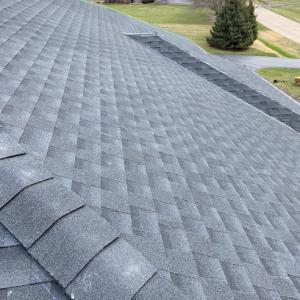
We are one of the most respected, established roofing companies in the city. We work with many different types of roofing materials, and we take pride in the quality of our work. Our estimates are accurate and thorough. Our people are professional and personable; some of the most highly skilled roofing contractors in the area. We finish our roofing jobs on time and we leave things clean and neat when done. We do both residential roofing and commercial roofing. No roofing installation is too big or too small. When you invest in a new roof, we want you to get the best value for your money. Our goal is to provide the best quality roof, with professional installation for the best possible price.
Sunrise Adjusting Solutions
(630) 850-3374 sunriseadjusting.com
Serving
4.9 from 194 reviews
As a public adjusting company our goal is to help policy holders successfully file claims and work directly with insurers to mitigate during loss from perils. It is not an easy process for policy holders, it can be confusing and frustrating. Our company was founded in order to make this process easy for policy holders, you’re safe in our hands.
Optimal Home Improvement
(630) 988-0029 optimalhomeimprovements.com
Serving
5.0 from 67 reviews
As Optimal Home Improvement, we specialize in shingle, metal, and flat roofs, alongside custom aluminum and copper gutter systems. With years of experience, our team delivers exceptional roofing and gutter solutions, including installation and replacement. We are also leaders in copper works, offering services like copper flashing, chimney flashings, and copper awnings. Our high-quality materials ensure top performance and durability, backed by outstanding customer service that sets us apart in the industry. * Roofing * Gutters * Siding ***Best price and quality***
Halo Exteriors
(630) 441-5745 www.haloexteriors.com
Serving
5.0 from 28 reviews
Halo Exteriors is a Family owned and operated business with years of experience in the local area repairing homes. We are BBB accredited and our goal is to make a positive impact on any property or community we have the pleasure to work with. We offer a full service which handles every step along the way so you can focus on your priorities knowing your property is in good hands.
Global Adjusting & Construction
(773) 726-0182 www.adjustingglobal.com
Serving
4.9 from 177 reviews
Global Adjusting and Construction can help you get free roof repairs by coordinating with your homeowners insurance, to get you the most amount of money to go towards your repairs.
StRoof Roofing Contractors
(224) 347-7594 roofingcompanyschaumburg.com
Serving
5.0 from 55 reviews
There are roofing companies in Schaumburg, IL, and then there is StRoof Roofing Contractors. We are family owned and operated so we are a roofing company that cares about the community we serve. For years we have offered a range of roof installation and roof repair services that are second to none. Our expert roofing contractors in Schaumburg are able to handle any roofing project from minor roof repairs to full roof replacement. We are always ready for any residential or commercial roofing you may need. With fully licensed, bonded, and insured roofing contractors on our team, our roofing company in Schaumburg has the trusted professionals ready to work on any roof with the skill and experience you expect.
4All Roofing Contractors
(224) 242-8228 southelginroofers.com
Serving
5.0 from 34 reviews
4All Roofing Contractors is the roofing company in South Elgin that has your back when it comes to your roofing needs. We provide services for both your commercial roofing and residential roofing. Our services include roof repair and roof replacement that are done by professional roofing contractors. We offer a free and accurate estimate at the initial meeting so that there wouldn't be any surprises along the way. Our team of roofers ensures to keep smooth communication during the process so that you will be updated on the progress of your roof. We are equipped with roofing contractors that can determine the problem of your roof and can turn into something once again. Call one of the best roofing companies in the South Elgin area today!
In Bartlett, spring to early summer is commonly preferred for reroofing because Chicago-area weather is more workable before peak summer heat and before autumn rain and wind disrupt schedules. That window lets crews complete tear-off, installation, and inspections without the pressure of heat swelling asphalt shingles or sudden storm delays. If a storm-driven claim lands late in spring, aim to start promptly so the project doesn't spill into the heat of July, when crews juggle schedules and roof work slows.
Winter freeze-thaw cycles in the western Chicago suburbs put extra stress on flashings, sealants, and shingle edges, making late-winter leak discoveries common before the main replacement season. The moisture and repeated freezing can reveal underlying deficiencies that aren't obvious in milder weather. If a leak is found in late winter, plan the reroofing sequence so the critical flashing work and edge sealing are addressed during the first warm spell, then proceed with full replacement as soon as the ground and access constraints improve.
Autumn weather in the Bartlett area can complicate installation timing with rain and wind, which matters in a market where many projects are storm-driven and contractors book quickly. Proximity to winter means shorter daylight hours and tighter work windows, so aim to lock a start date when a good stretch of dry, moderate days is forecast. If a storm interrupts progress in autumn, the crew may need to pause or shift to temporary coverings, which changes the project cadence and can affect inspections.
You start by surveying visible damage and documenting it with photos, especially around flashings, eaves, and valleys where leakage trends show up after rain. This documentation becomes useful when communicating with your insurer and the contractor, helping to determine whether a full tear-off is needed or if a re-roof without decking replacement could suffice. Coordinate with the chosen contractor to map a risk-light sequence: remove irreparably damaged shingles, repair or replace compromised flashings, reseal edges, install underlayment where needed, and then lay the new shingles. If weather windows tighten-autumn storms or a late-winter thaw-you may need to adjust to shorter daily targets but keep the critical flashing and edge work non-negotiable.
Because many projects in this area are storm-driven, maintain clear, written expectations with the contractor about weather-related contingencies and inspection timing. Ensure that tear-off, deck, and underlayment installation align with Bartlett's typical spring or early-summer schedule to avoid being caught mid-project by an unseasonable storm. Schedule final inspections for a dry day and before the next season's heavy wind risk, so any small issues are caught while the roofing crew is still in proximity to the site. Proper documentation of weather gaps and progress helps keep the project steady and reduces the chance of back-and-forth delays when storms push back decisions.
Get a clear picture of your project costs upfront - no commitment required.
Greater Chicago Roofing - Bloomingdale
(630) 283-8173 www.greaterchicagoroofing.com
Serving
5.0 from 42 reviews
Asphalt shingles are the workhorse of Bartlett-area reroofing because they align with the region's suburban housing stock and remain the most common replacement choice after hail and wind losses. They pair well with a wide range of existing roof pitches and eaves, typically delivering reliable performance through repeated freeze-thaw cycles and the hot, humid summers that stress underlayment and flashing. For homeowners who anticipate a straightforward, broadly supported install, asphalt shingles offer a familiar, accessible option with a robust local service ecosystem.
Metal roofing, cedar shake, clay tile, concrete tile, and synthetic/composite systems do show up in the Bartlett market, but each must handle Chicago-area snow, freeze-thaw movement, and summer heat differently. Metal panels respond quickly to heat and can shed snow well, yet edge details and fastener choices need careful planning to avoid expansion-related movement. Cedar shakes bring a distinct aesthetic and good hail resistance when properly installed, but they demand attention to rot risk and maintenance in freeze-thaw cycles. Clay and concrete tiles offer strong wind and hail resistance in many Bartlett neighborhoods, yet their weight and installation tolerances matter to the underlying structure during heavy snow years. Synthetic or composite shingles can mimic other materials while often delivering improved hail resilience and lighter weight, but performance varies by formulation and installation specifics. The key is selecting a system that matches both the roof shape and the local climate realities while ensuring that proper underlayment and ventilation are incorporated.
The local contractor signal mix shows meaningful specialization in asphalt shingles, metal roofing, cedar shake, and tile roofing, which suggests Bartlett homeowners can find targeted installers for less-common systems. When surveying contractors, look for evidence of climate-focused detailing: wind-driven rain barriers, ice-damming prevention strategies, and snow-shedding considerations that align with Chicago-area winters. A contractor with demonstrated experience across multiple materials can help you weigh trade-offs between weight, ventilation needs, and the structural load for your particular house. In practice, this means you'll likely encounter builders who are comfortable installing asphalt shingles as a baseline, then offer seasoned guidance if you're exploring metal, tile, or synthetic options.
In homes dominated by suburban layouts, the roof line often reflects a straightforward design, which simplifies material transitions. Consider the long-term performance under hail events and freeze-thaw cycles, as well as how the chosen system responds to summer heat and UV exposure. If hail exposure or prior storm damage is a concern, document the roof's condition and work with a contractor who has a track record of handling insurance-driven projects, since the timing and material choice can be influenced by settlement outcomes. For most Bartlett roofs, pairing a durable, hail-resistant underlayment with the selected surface material-and ensuring proper attic ventilation-will yield the most reliable performance across seasons.
When you're planning a roof replacement in this area, you'll see pricing move in clear steps by material. Typical Bartlett-area pricing runs about $320-$550 per square for asphalt shingles, $650-$1100 for metal, $1000-$1800 for clay tile, $900-$1700 for concrete tile, $700-$1100 for wood shingles or shakes, and $800-$1200 for synthetic/composite shingles. Those ranges reflect the local market's balance between material cost and the labor needed to install it on a suburb with many two-story homes and varied roof lines.
Storms and hail have a direct impact on timing and pricing in this neighborhood. After a regional hail event, costs can rise as the market responds quickly and many homeowners look to reroof at once. If a roof is carrying hail damage or if an insurer is involved, you'll likely see more urgent scheduling and potentially higher demand for crews who can handle tear-off and disposal alongside installation. That spike isn't universal, but it's a real pattern in Bartlett's storm-prone months, and it can affect both price and the sequencing of your project.
The cost picture changes with material choice and roof complexity. Asphalt shingles remain the most budget-friendly entry, but even here, local crew availability and supply can push the lower end toward the middle of the range during peak season. Metal roofs bring higher upfront material costs, yet they can offer longer lifespans and better performance in freeze-thaw cycles, which matter in frigid winter snaps. Clay and concrete tiles bring distinctive aesthetics and high durability, but their weight, mounting requirements, and long-term maintenance profile require a capable crew and precise structural assessment. Wood shingles or shakes provide a traditional look but demand more maintenance in humid periods and may carry higher insurance considerations in some layouts. Synthetic/composite shingles strike a balance between cost and performance, often offering good impact resistance and variety of styles.
To quantify a specific project, start with a roof square count (each square equals 100 square feet) and multiply by the per-square range for your chosen material. Then add factors for roof pitch, complexity (dormers, skylights, or numerous penetrations), and any moisture-related repairs discovered during inspection. In Bartlett, planning around potential storm-driven demand and material availability will help align expectations with the actual bids you receive. Keep in mind that the end price will reflect both material choice and the labor required to safely tear off, inspect sheathing, and complete a thorough installation that stands up to the area's freeze-thaw cycles.
Don't let upfront costs delay a critical repair - these contractors offer payment plans to fit your budget.
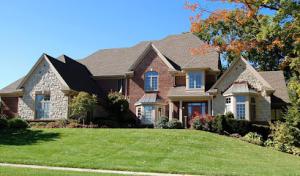
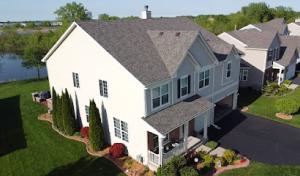
For a full roof replacement, you typically file with the Village of Bartlett Building Department rather than treating the project as permit-free maintenance. That means your contractor should establish the permit application, pull the required evidence of project scope, and keep you informed about what the village will need to review. Skipping this step can create headaches at the end of the job, especially if a final inspection flags something off. In Bartlett, the process drives accountability: you should expect the permit to be tied to the actual reroof work, not a casual, no-inspection teardown-and-recover.
The inspection sequence in this village commonly includes at least a tear-off inspection and a final inspection to verify code compliance on reroofing work. A tear-off inspection confirms the roof deck and underlying structure are exposed and sound before new materials go on, so any deck issues or hidden damage can be addressed up front. The final inspection checks that ventilation, flashing details, underlayment installation, and the finished roof meet code and the permit's scope. If your contractor plans for a staged schedule, be aware that missing or delayed inspections can stall the project and potentially trigger rework, so coordinate dates with your contractor and the village ahead of time.
The Village may require wind-mitigation details for certain roof systems, which can impact both the necessary documentation and the inspection milestones. If you have asphalt, metal, or tile components, your permit packet may include specific wind-resistance attestations or calculations. Prepare to provide manufacturer specs, installation methods, and proof of contractor qualifications as part of the submission. Having this paperwork ready can smooth the review and reduce back-and-forth during processing.
Permit processing commonly runs about 1-3 weeks depending on department workload. That window can shift if additional information is requested or if weather delays occur. From a practical stance, align your project timeline with these realities: expect some lag between permit submission and the first inspection, and plan for possible weather-driven pauses that push the schedule further. Keeping steady communication with your contractor and staying on top of inspection dates helps prevent lull periods and confusion when the village steps in to verify compliance.
In this Illinois market, Bartlett homeowners contend with regular hail and wind claim activity, which shapes how insurers approach a roof replacement. The way a deductible is structured can influence whether filing a claim makes sense, and the interplay between your policy and the roofer's scope of work matters when the weather turns severe. You'll want to understand that carriers often look at storm history in your area when evaluating a claim, and that a straightforward hail story can become more complex once the adjuster reviews the details.
After major hail events, insurers in this region may adjust deductibles or scrutinize scope more closely. That makes pre-repair photos and contractor-ready measurements especially important in Bartlett. Take clear, time-stamped photos of shingles, flashing, and gutters before any work begins, and have a professional provide a measured drawing of the roof area. These records help justify the repair or replacement plan and reduce back-and-forth with the insurer about what's required to restore the roof to its pre-storm condition.
Coverage availability in Illinois remains generally steady but varies by insurer, so Bartlett owners comparing replacement options should confirm how their carrier treats matching, depreciation, and storm-related roof claims. Some policies may require you to replace like-for-like to avoid depreciation delays, while others provide different allowances for color, texture, or material class. Ask about how wind and hail damage is defined in your policy and whether matching issues could impact the final payout or the timeline for settlement.
If you suspect a claim might be warranted after a hail event, coordinate with a reputable local roofing contractor who can deliver contractor-ready measurements and a professional assessment tailored to Illinois weather patterns. Be prepared for potential shifts in deductible or scope after the initial adjuster visit, and keep a clear, ongoing record of communications and documentation to support a smooth, transparent process.
In this climate, freeze-thaw cycling stresses weaknesses first at flashings and sealant-dependent transitions rather than in the field shingles themselves. Metal step and vent flashings can loosen, lift, or corrode where corners and joints meet. Roof-to-wall transitions, dormer skirts, and chimney detailing are common weak spots that develop small openings over time. You can often spot hairline gaps around flashing beads, patchwork around pipe boots, or dried-out sealants that no longer seal effectively. Regular inspections after thawing cycles help catch these vulnerabilities before a leak forms.
Spring hail in the Chicago area can shorten the service life of asphalt roofs even when leaks are not yet visible inside the attic. That means many Bartlett replacements begin with documented hail impact rather than active interior water damage. When storms pass, look for dented shingles, bruised granules, or soft spots that indicate compromised fibers. Photograph and date obvious impacts, especially near ridge lines, edges, and intersections with flashings. Insurance-ready documentation is valuable, but the goal is to track any hail-driven wear that signals future failure points.
The hot months push asphalt aging faster, softening sealants and accelerating wear at exposed edges and ridge cap zones. Silicone- or asphalt-based sealants can dry out, crack, or lose adhesion, creating micro-leaks that worsen with the next rain. Look for dried or cracking sealants around vents, coping, and where shingles butt against metal. Proactive resealing in mid-summer can help, but the key is to monitor these transitions as the sun angle and heat peak.
Autumn brings heavier rains and brisk winds, turning small deferred defects into scheduling emergencies before winter. A loose edge, lifted shingle, or marginal flashing seal can cascade into a leak during a windy, soaking rain. This period is when proactive tarping, temporary weatherproofing, and quick assessments become valuable. Keeping a close eye on the roof after storms and noting shifts in roof lines or a sudden attic dampness can prevent an urgent repair from becoming a full replacement.
Although Bartlett is primarily a pitched-roof residential market, local contractor signals show meaningful flat-roof specialization, pointing to recurring work on low-slope sections over additions, porches, garages, and multifamily or commercial structures. These flat or near-flat zones tend to blend with the main roof line, but their exposure and drainage behavior differ enough to demand separate planning during storm damage evaluation and replacement steps.
These low-slope areas in the Bartlett climate face the same freeze-thaw and heavy-precipitation exposure as the main roof, but drainage and flashing details become more failure-prone. Look for standing water after storms, fast-moving ice dams at edges, and flashing that seems to bow or lift where membranes meet parapets or wall penetrations. Minor ponding or misaligned drip edges can escalate into leaks if not addressed promptly.
Homeowners with mixed rooflines should evaluate low-slope sections separately from the main shingle roof during storm inspections and replacement planning. When documenting hail impact or wind damage, keep a distinct record for additions or garages with flat or low-slope tops. If a low-slope area shows signs of membrane wear, ply separation, or edge failures, treat it as its own failure zone and plan targeted repairs rather than assuming the main roof cover will handle it.
In Bartlett, expect crews to bring specialized flat-roof tools and materials for these zones, including compatible membranes and flashing configurations that seal against both wind-driven rain and thaw-melt cycles. Coordinate timelines so replacement or resealing of low-slope sections aligns with the overall roof project, reducing the chance of storm-driven leaks reappearing in adjoining areas.
Find specialists in TPO, EPDM, and built-up flat roofing systems for residential and commercial properties.
The Bartlett market signals show homeowners repeatedly hiring for re-roofing, quick response, cleanup included, and affordable pricing rather than niche luxury installation alone. When a storm hits, you'll notice a flurry of contractor names and flashy signs, but the ones that endure are the crews that can show up fast, finish the job cleanly, and stand behind a solid, practical roof replacement. Look for teams that emphasize reliability, clear scheduling, and straightforward warranty language. In this suburban, referral-driven scene, reputation matters as much as any specific shingle choice.
Because storm work is so prevalent locally, you should distinguish between permit-and-inspection reroofing contractors and crews focused only on rapid post-storm sales. A true reroofing contractor will start with an inspection of the existing roof deck, provide a written scope that includes tear-off when needed, and outline a complete replacement plan that covers attic ventilation, underlayment, and proper drip edge. They will also coordinate or clearly explain the necessary inspections and ensure the crew removes and disposes of debris in a thorough, orderly way. Short-term, high-pressure storm crews may offer quick fixes or partial replacements that save time but leave hidden problems; be wary of those that press for decisions before you've seen a full assessment.
In this market, many contractors market themselves as long-established or family-owned, signaling tenure and neighborhood trust. When evaluating bids, prioritize those with a track record in Bartlett's housing stock and climate stress. Ask for local references, photo timelines of previous re-roofs, and a concrete plan for clean-up and waste management. Favor contractors who can demonstrate a methodical approach-deck and ventilation checks, proper underlayment, and a clear, written warranty-over crews that only promise a fast delivery. The right choice blends dependable service with neighborhood credibility.