Last updated: Apr 19, 2026
Carol Stream sits in the Chicago-area storm belt where spring hail and strong wind events are a recurring roofing trigger rather than a rare event. That exposure means your roof endures repeated impacts and brisk winds that can compromise shingles, underlayment, and vent seals long before you notice a leak. After a hail season, the risk isn't just about a few dented shingles; hidden granule loss, lifted flashing, and stressed joints can quietly accelerate deterioration. In practical terms, this means you should treat storm activity as a trigger for proactive inspection and targeted repairs, not a once-a-year inconvenience. A roofing plan built around predictable seasonal risk helps keep water out and stops minor issues from spiraling into costly damage.
Local insurers commonly ask for photo documentation of existing damage, slope-by-slope condition evidence, and installation specifications for replacement roofs after hail seasons. That means a simple "looks okay" answer won't cut it when storm season hits. You should build a concise, organized record: current roof photos from multiple angles, close-ups of damaged shingles or granule loss, and a clear map of the roof slopes with notes on each area's condition. If a contractor recommends a full tear-off, have dated, high-resolution images showing the roof's condition prior to any work, plus a written assessment of underlayment and flashing. Retain product specs for your current roof and any proposed replacement-insurers will want to see materials, lay pattern, and install details. Being prepared with precise, slope-specific evidence speeds claims and reduces back-and-forth during a peak demand period.
Because storm-driven demand spikes across DuPage County and nearby suburbs at the same time, homeowners in Carol Stream can face scheduling pressure and more insurer scrutiny after major events. That combination can push a claim timeline into tight windows, making decisions under stress risky. The practical move is to establish a pre-season plan with a trusted roofing pro. Get a documented roof health check before hail season, so you know what's truly compromised versus what's cosmetic. When a storm comes, you'll have a ready-to-share damage packet and a realistic repair or replacement path that you can present to the insurer quickly. If a large event occurs, consider securing a temporary protective measure (like tarping) to limit water intrusion while the claim progresses, but ensure any temporary fix is properly documented to avoid complications later.
The mix of homes in this area-many with asphalt shingles, some with metal or tile-means your choice after damage should align with local climate realities. Asphalt remains common for a reason: good wind resistance, repairability, and affordable maintenance. Metal roofs can excel in hail resistance but require proper installation to avoid fastener wear. Clay or concrete tile offers durable resistance but can be brittle in freeze-thaw cycles if unsupported. Wood shingles or shakes bring a distinct look but demand meticulous detailing to endure hail and saturated attic spaces. Synthetic or composite shingles can blend resilience with ease of repair. When hail has driven up the replacement window, match the material to the structural and attic ventilation realities of your home, and ensure the installer can demonstrate proper substrate preparation for Carol Stream's freeze-thaw pattern.
Start with a targeted inspection focused on impact zones-upper slopes, edges, and areas near vent pipes and chimneys. Photograph each slope separately and annotate any granule loss or curling shingles. Collect installation specs for your current roof and any replacement plan, including underlayment, flashing, and venting details. Build a simple damage timeline: date of hail events, observed damage, and the dates of any professional assessments. With insurer documentation in hand, you'll face the post-storm window with confidence and minimize delays in a crowded claims season.
Gio Pro Roofing Company
(773) 897-5322 rooferscarolstream.com
1113 Concord Ln, Carol Stream, Illinois
5.0 from 48 reviews
Are you in search of reliable roofing contractors in Carol Stream who specialize in variety of roofing styles? Look no further! We offer a comprehensive range of services including roofing maintenance, flat roof repair, flat roof replacement, and other roofing needs. We prioritize the use of high-quality materials to ensure that both your residential and commercial properties are well-protected against any weather conditions. Our years of experience is proof that we know the ins and outs when it comes to your roof. During your free estimate, we will provide you with detailed information about the services we offer, ensuring clarity and transparency!
TruMast Roofing Company
(331) 716-2707 carolstreamroofers.com
359 N Gary Ave, Carol Stream, Illinois
5.0 from 42 reviews
Welcome to TruMast Roofing Company, where quality and expertise come together to elevate your roofing experience. With years of dedicated service in the roofing industry, we specialize in tailored solutions for both residential and commercial properties. Whether you're looking for reliable repairs, comprehensive installations, or routine maintenance, our experienced team is committed to delivering results that exceed your expectations. We understand that a sturdy roof is vital for your comfort and security, and we’re here to make that a reality. Contact us today for a free estimate, and let TruMast Roofing Company transform your roofing aspirations into a stunning achievement. Your satisfaction is our mission.
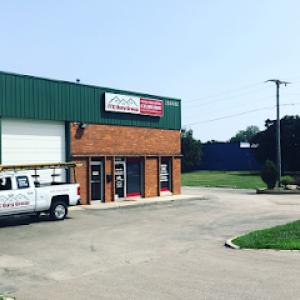
FTC Oury Group
(630) 866-6888 www.ftcourygroup.com
25W450 Geneva Rd, Carol Stream, Illinois
4.8 from 116 reviews
FTC Oury Group, LLC offers excellent roofing services for residential as well as commercial needs in Illinois. We specialize in home siding, roofing, and water diversion systems and top-notch customer service.
AR Roofing Companies
(331) 215-8807 roofingcarolstream.com
113 Concord Ln, Carol Stream, Illinois
5.0 from 32 reviews
We are a leader among roofing companies in Carol Stream that can bring you the highest level of service and the best quality roofing material possible. We have vast experience handling all kinds of roofing materials, so we can far exceed your expectations to give you the perfect roof for your home or business. Whether your roof needs replacement or roof repairs, AR Roofing Companies can help with expert advice and incredible workmanship. With AR Roofing Companies here, you don’t need to look any further for Carol Stream roofing companies. Check our Angie’s List customer reviews to find out about our great service and quality work, and then call us to be your.
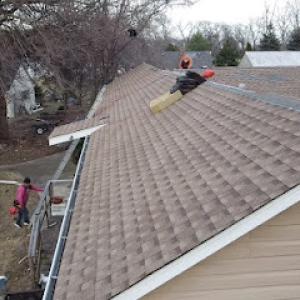
Chicago Advanced Roofing
(773) 960-3002 advancedroofingchicago.com
268 Arlington Ct, Carol Stream, Illinois
4.9 from 40 reviews
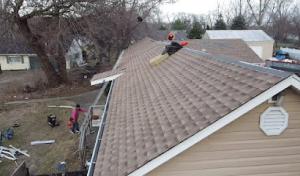
Chicago Advanced Roofing brings over 25 years of expertise to the roofing industry, specializing in roof leak repair, flat roofing, and complete tear-offs. Serving the Chicago area, including surrounding suburbs, we cater to both residential and commercial clients. As a family-owned business, we pride ourselves on using top-quality materials and providing exceptional workmanship. Contact us for a free onsite estimate to address your roofing needs with confidence.

Funderburk Roofing
(630) 622-4100 www.funderburkroofing.com
Serving
5.0 from 40 reviews
Since 1991, Funderburk Roofing has become the preferred commercial/industrial roofing contractor in the Chicagoland area. With thousands of successful projects under our belt, we can proudly say that we are one of the most trusted commercial roofing companies in the Midwest.

Boxer Exteriors
(630) 570-0269 www.boxerexteriors.com
Serving
4.9 from 126 reviews
Roofing at a higher level. Experience the "Boxer Standard". Specializing in roofing, siding, windows, and gutters. We knock out roofing for you! Our mission is to provide the higest quaity service to satisfy our client's roofing needs through professional, well-trained, and honest employees. We do what is right, even when it is hard. Boxer Exteriors is proud members of the BBB, National Roofing Contractors Association, National Women In Roofing, and The Wheaton Chamber of Commerce.
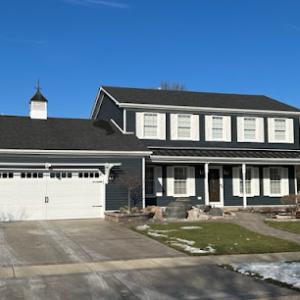
Greater Chicago Roofing - Bloomingdale
(630) 283-8173 www.greaterchicagoroofing.com
Serving
5.0 from 42 reviews
Greater Chicago Roofing - Bloomingdale is an experienced and well-established roofing company. If you require an installation, repair or complete replacement, you’ll be satisfied with the outcome of our work. Our staff has over 40 years of combined expertise in construction and roofing work. The quality of our work is unmatched and our dedication to our customers is what makes us the best choice. What keeps us apart from the competition? These: * 15% price match guarantee * Free estimates * Warranties We’re committed to your complete satisfaction. We will always go beyond to offer you top-quality service. Call us now for your FREE estimate!
Iron Roofing
Serving
4.6 from 85 reviews
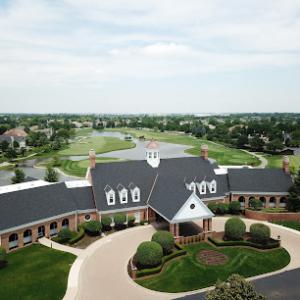
At Iron Roofing we specializes in Commercial/Residential Roofing, and Siding. We also have a team of specialists that help Business owners/homeowners through the insurance claims process of storm damage. With over 30 years of experience we guarantee excellence and quality on every job. We treasure our relationships with our customers, for they are our family, friends and neighbors. Let us help you today with your project.
Roof One
Serving
5.0 from 30 reviews
Protecting your family is an absolute necessity and it begins with a durable roof over your head.
Noah's Roofing
(630) 822-0393 noahsroofing.org
Serving
5.0 from 81 reviews
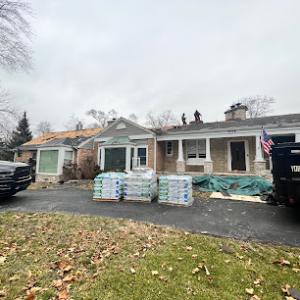
Noah’s Roofing is family owned and Experienced since 1984 specializing in all types of roofing. Free estimates on site. 24-hour emergency service. We are Licensed bonded and insured for Commercial, residential, industrial, We have over stock for most projects. no need to wait to get the job done With Noah’s roofing we are prepared and ready to complete jobs right away. offering 15% off all projects. we offer roof repairs and roof replacements. We service SHINGLES. BUR. TPO. PVP. EPDM. 24 hour emergency dispatch. All work comes with a full job warranty. to help you extend the life of your roof and avoid the high cost of repair or replacement. Call or text anytime to schedule an appointment.
Integrity Exteriors
(630) 868-3935 www.integrityexteriorsllc.com
Serving
4.8 from 79 reviews
Integrity Exteriors works with homeowners to restore and/or replace roofing, siding, gutters and other home exterior needs. In addition to exterior home remodeling, Integrity works with homeowners on the insurance claim process when it comes to storm damage impacting their home.
A full roof replacement in Carol Stream generally requires a permit through the Village of Carol Stream Building Department. The permit review process commonly runs about 1-2 weeks, with the possibility of added delay if ventilation, decking, or plan details need revision before approval. This means you should plan for the permit to be in motion early in the project, not as an afterthought. If you are coordinating with a contractor, confirm who is responsible for pulling the permit and who will handle any required revisions to plans. Delays in submitting revised drawings or specifications can push the start date back, so having clean, contractor-supplied details ready for review helps keep things on track.
Expect your contractor to initiate the permit with the Building Department and to supply the village with a basic project scope, roof venting details, and any required decking or flashing updates. In Carol Stream, inspections are typically scheduled after tear-off and again after completion. That sequencing means tear-off timing becomes part of the permit impact, not just a separate scheduling item. Ask your contractor to provide a verified tear-off window that aligns with your installation crew's availability and weather prospects. If a ventilation or decking change is requested by the village, have your roofing team prepared to respond quickly with the needed revisions. Clear communication between you, the contractor, and the Building Department minimizes back-and-forth delays.
The first inspection usually occurs after roof removal, when the decking and underlayment are exposed. During this visit, the village inspector will verify that the old roof is fully removed, the deck is sound, and the ventilation and flashing details meet code requirements. The second inspection occurs after completion, to confirm that the new roof is installed properly, flashing is integrated, and ventilation and drip edge are in place. If the inspector notes issues at either milestone, you may receive a list of corrections to address before final clearance is given. Having the project window and crew schedule aligned to accommodate these inspections helps avoid rework and potential hold-ups.
A common source of delay is missing or incomplete submittals. Ensure the permit package includes all requested drawings, venting plans, and decking details before submission. Another frequent bottleneck is a mismatch between the completed work and what was approved; discrete deviations should be reported to the Building Department with a quick addendum and, if needed, an amended drawing. Weather can push the tear-off window, complicating inspection timing, so discuss a realistic tear-off plan with your contractor that accounts for seasonal weather patterns. Finally, confirm who will be present during inspections and how access will be provided to the inspector to keep the process moving smoothly.
Spring in this area brings a steadier pattern of days without the deep freezes and sudden snow that plague winter. You'll likely see fewer weather delays as days warm and storms are more predictable, which helps crews finish before the peak summer heat arrives. If you had hail events over the prior winter, spring inspections can catch material weaknesses early and prevent minor issues from turning into leaks once the growing season begins. Plan for a window after the last hard freeze but before the humidity climbs, so shingles seat properly and sealants cure without rapid drying or warp. Scheduling early in the season also gives you breathing room to address minor decking repairs that sometimes surface after a tear-off.
Fall offers another reliable window, with cooler days that keep crew hours stable and comfortable. The goal is to complete replacement before the first hard frost, so materials aren't stressed during the final curing stages. In a neighborhood with wind-driven storms and past hail exposure, fall work can wrap up before leaves pile up and before winter's vigilance is required. A late-season start can still align with moderate temperatures if the forecast shows a clear run of dry days. Fall installations also allow a thorough inspection for any snow-load concerns on taller or steeper roofs once temperatures drop.
Cold Chicago-area winters can complicate replacement timing with freeze-thaw stress, snow loads, and reduced flexibility for some roofing materials. If a roof is already compromised by hail or wind, waiting through a heavy winter can risk interior damage from water intrusion, but spring delays are not uncommon either. When conditions permit, a mid-winter completion is possible if the contractor can maintain safe access and materials stay workable. In practice, planning around a brief winter window is about balance: avoid both the deepest cold and the most unpredictable storms, and be prepared to shift to spring if the forecast tightens.
Hot summer periods in the western Chicago suburbs increase ventilation importance and can accelerate aging on roofs already weakened by prior storm exposure. Ventilation plays a larger role when heat pushes underlayment and shingles to soften and expand, so a season with consistently dry days helps the installation go smoothly. If a heat wave spikes during a planned tear-off, crews may pause to protect asphalt and composites and resume when temperatures moderate. Coordinating shade strategies and midday work breaks can keep the crew and the roof in better shape, reducing the chance of heat-related setbacks.
Asphalt shingles dominate replacements in this market because they fit the mainstream suburban housing stock and hold up well under Carol Stream's mix of sun, hail, and freeze-thaw cycles. When a shake or tile roof is no longer viable, asphalt provides a straightforward path back to reliable protection with a straightforward installation process that aligns with typical home layouts in the area. For most homes, the grading, underlayment compatibility, and color choices available with modern asphalt shingles make it easy to match or modernize the curb appeal without overhauling roof framing or drainage details. In a neighborhood where wind-driven granules and storm debris are common, look for laminated or architecturally shingled designs that offer better tear resistance and a longer cosmetic life, while still keeping installation and replacement logistics simple.
Metal roofing exists locally and serves homeowners seeking longer service life and stronger performance against hail and wind. It competes with asphalt on upfront cost, which becomes a practical consideration when insurance outcomes and out-of-pocket affordability are weighed after a storm event. In Carol Stream, metal panels or standing-seam installations can deliver excellent wind uplift resistance and faster, cleaner replacements, but require precise assessment of existing roof deck structure and roof geometry. If choosing metal, prioritize corrosion-resistant finishes and panel profiles that minimize noise and allow for effective attic ventilation. Matching metal color and profile to nearby homes can also support consistent resale appeal in neighborhoods with traditional curb lines.
Clay tile, concrete tile, wood shakes, and synthetic products exist in the local market, but each brings distinct considerations. Clay and concrete tiles offer timeless aesthetics and solid durability, yet their weight demands a reevaluation of the roof structure and fastener patterns, especially after hail events that may stress the deck. Freeze-thaw cycles in this climate can cause subtle cracking if water infiltrates through damaged fasteners or sealants. Wood shakes and synthetic options present unique looks but require careful attention to moisture management and impact resistance. In many Carol Stream homes, synthetic or composite shingles provide a middle ground between traditional asphalt and high-end tiles, balancing appearance with practical maintenance. For all non-asphalt options, ensure a professional assessment of roof load capacity, underlayment compatibility, and the implications for attic ventilation and insulation-factors that influence long-term performance in Chicago-area weather.
In Carol Stream, storm-cycle demand drives prices up when hail and high winds sweep through the Chicago suburbs. When a large enough storm hits, contractors line up to replace or repair roofs, and that surge can push both materials and labor into higher-than-typical ranges for a few weeks. You'll notice wait times lengthen and scheduling becomes tighter, which affects overall project timing and cost. Keep in mind that the final bill can exceed the base material range if a tear-off reveals decking or ventilation issues that require attention or updates. This region tends to see more step-ups in labor time because many houses feature steeper pitches, detached garages, and other features that complicate access and safety during work.
The table of typical material costs per square (one square equals 100 square feet) reflects broad market conditions, not a guaranteed bid. Asphalt shingles commonly fall in the 350 to 600 USD per square range, depending on shingle class and curb appeal. Metal roofing, which is chosen for durability against hail and wind, generally ranges from 900 to 1,500 USD per square. For concrete or clay tile options, expect higher base numbers-clay often lands around 900 to 1,500, and concrete from 700 to 1,300 USD per square. Wood shingles and synthetic/composite shingles sit between 500 and 1,000 USD per square or slightly below for premium synthetic products. In Carol Stream, those base figures can be eclipsed by storm-demand pricing and the need for specialized installation techniques on steeper roofs or non-standard layouts.
Hail and wind events are not rare here, and the resulting demand spikes concentrate during peak storm seasons. When several neighboring towns are booking replacements at once, you may see bid competition tighten and crews move quickly between jobs, which can compress scheduling but raise labor rates. If a tear-off exposes damaged decking, or if ventilation corrections are identified during removal, expect costs to rise beyond the base material price. This region's typical homes often feature steeper suburban rooflines, which increases the time and safety measures required for proper installation. Accurately budgeting means planning for these contingencies so replacement can proceed without delay when the weather window opens.
Get a clear picture of your project costs upfront - no commitment required.
Gio Pro Roofing Company
(773) 897-5322 rooferscarolstream.com
1113 Concord Ln, Carol Stream, Illinois
5.0 from 48 reviews
TruMast Roofing Company
(331) 716-2707 carolstreamroofers.com
359 N Gary Ave, Carol Stream, Illinois
5.0 from 42 reviews
Chicago Advanced Roofing
(773) 960-3002 advancedroofingchicago.com
268 Arlington Ct, Carol Stream, Illinois
4.9 from 40 reviews
Carol Stream roofs endure repeated winter freeze-thaw cycling that can widen small defects and turn minor flashing or shingle issues into active leaks. Ice dams, granular loss, and tiny splits in shingles may look insignificant, but the daily thaw-and-freeze rhythm pushes water under edges and into attic or ceiling gaps. A quiet attic drip after a thaw often signals something more than a simple nuisance-it's a warning that a small flaw has become a moisture pathway. In this climate, those micro-cracks and loose flashings rarely repair themselves; they compound year after year with each winter.
The Village permit process specifically reviews ventilation and decking conditions, so poor attic airflow often becomes a practical replacement issue rather than just a maintenance concern. When soffit, ridge, or baffle ventilation is insufficient, warm summer air can trap moisture from winter and spring, promoting condensation near decking and in soffits. In Carol Stream, a roof with inadequate intake or exhaust can accelerate deck deterioration and invite mold, rot, and warped decking that undermines a solid roof install. Proper ventilation is not just a comfort feature-it directly influences the roof's lifespan and performance.
Summer heat in the Chicago area compounds the problem by stressing under-ventilated attics after winter moisture and ice-related wear. Heat buildup worsens the effects of any lingering moisture, drying out shingles unevenly and accelerating delamination or curling. This creates a cycle where a roof that started with minor issues ends up needing more extensive work sooner than expected. Addressing insulation and airflow now helps prevent a cascade of leaks and interior damage when the next hot stretch arrives.
If attic access reveals damp or musty odors, or if shingles show sudden cupping and cracking after a warm spell, call a local roofer for an attic inspection that includes decking and ventilation checks. Prioritize improvements to balance intake and exhaust, seal gaps around penetrations, and ensure decking is solid before any replacement. A well-ventilated roof keeps moisture in check and reduces the risk of costly, recurring repairs.
In the storm-prone environment, roofs here often reveal leaks first at skylight transitions and chimney feet when wind-driven rain follows hail or shingle loss. Those areas sit at corners where flashing meets masonry, and a single failure can draw water deep into attic sheathing before a homeowner notices an stain on the ceiling. A missing granule or a lifted shingle over the edge of a vent can push moisture toward a vulnerable seam. Pay close attention to flashing around the chimney, as winter freeze-thaw cycles stress masonry joints just as much as the roof deck.
After a hail event or strong wind, a careful inspection is essential. Field shingles can look damaged, yet the real leak source may be an accessory at skylights, vents, or wall intersections. Water can track along the underlayment, then leak low, behind gutters, or around a chimney chase. In Carol Stream, evidence often hides in plain sight: dark streaks at soffits or around vent collars, or a damp spot where a wall meets the roof. A professional should verify whether flashing needs resealing or replacement rather than only shingle repair.
Many local contractors market chimney-related exterior work alongside roofing because flashing and masonry intersections frequently fail after hail and wind. If a storm coincides with roof loss, the chimney flashing can loosen and allow water to follow the brick to the interior. Skylight seals are equally vulnerable to vibration and temperature swings. When leaks appear, assess both the field of shingles and the accessories to avoid repeated calls and ongoing damage. Guard against complacency by inspecting after every heavy storm, and document both the roof surface and access points with photos to share with tradespeople. That record helps ensure shingles and flashing are addressed together, not separately during the repair.
Find contractors experienced in skylight installation, flashing, and leak repairs to bring natural light into your home.
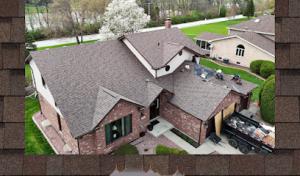
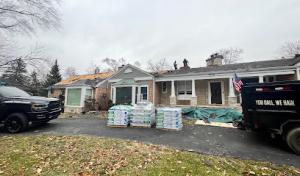
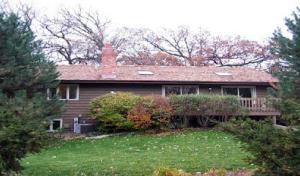
Flat and low-slope roofing is not the dominant citywide roof type, but it appears often enough on additions, porches, and some mixed-use or commercial structures to warrant separate attention. When you're planning or replacing a main shingle roof, these low-slope sections can be easy to overlook, yet they often age on a different timeline than the steep-slope main roof. In additions or covered transitions, align the materials and detailing so that drainage, fastener choices, and flashing meet the same standard you expect from the primary roof.
Chicago-area snow retention and slower drainage make low-slope sections more vulnerable to ponding-related wear and leak complaints than the main steep-slope roof. Pay close attention to interior-facing gutters, scuppers, and penetrations where water tends to back up during heavy storms or rapid thaw cycles. Ensure that roof penetrations-such as skylights, drains, and roof vents-are integrated with robust pyrolitic flashing and properly sealed transitions to the main roof. In Carol Stream, where winter conditions can linger, a plan that anticipates seasonal ponding will help prevent slow leaks from developing into noticeable interior damage.
Homeowners replacing only the main shingle roof in Carol Stream often overlook attached low-slope sections that age differently and may need separate scope planning. When planning replacement, coordinate the low-slope and steep-slope work to match flashing details, underlayment expectations, and warranty conditions. Consider whether the low-slope area should receive a distinct membrane or coating system compatible with the primary roof to minimize mismatches in expansion, contraction, and color fade over time. Address limited attic ventilation in these zones, as poor ventilation can accelerate wear on low-slope materials exposed to roof-edge wind and temperature swings.
Find specialists in TPO, EPDM, and built-up flat roofing systems for residential and commercial properties.
Gio Pro Roofing Company
(773) 897-5322 rooferscarolstream.com
1113 Concord Ln, Carol Stream, Illinois
5.0 from 48 reviews
Chicago Advanced Roofing
(773) 960-3002 advancedroofingchicago.com
268 Arlington Ct, Carol Stream, Illinois
4.9 from 40 reviews

In this market, hail and wind events are common, and the drive after a storm is real. Homeowners in Carol Stream expect crews to arrive promptly, tarp and protect, and leave the yard in presentable condition once work is done. Local messaging that emphasizes quick response times and thorough cleanup resonates when damage is fresh and debris is blowing around the street. A practical contractor prioritizes not just the roof, but the surrounding area-dumpster placement, wind-blown debris containment, and a clear plan for temporary cover if weather shifts.
Trust in local hire patterns runs deep. The market includes many long-established and family-owned roofing companies, so tenure and residential re-roofing experience carry weight with neighbors deciding whom to hire. When a company has a track record of working on familiar Chicago-area housing stock-bungalows, brick-and-wood porches, and two-story layouts common to Carol Stream-the specifics of venting, skylight integration, and chimney flashing become more than theoretical. Homeowners look for a team that has seen the types of damage hail can cause to shingles, underlayment, and edge details, and can address those issues within a single storm-cycle timeline.
Warranty messaging is active in this market, making manufacturer-backed installation quality a practical differentiator after insurer-driven replacements. A solid warranty shows the crew's commitment to the long run: quality fasteners, correct nailing patterns for wind resistance, proper sealing at roof-to-wall transitions, and a plan for post-install inspection. For homeowners, this means less guesswork if ballooning hail or wind-related issues resurface after a storm. The most credible claims path typically involves a project that can demonstrate documented inspections, proper tear-off procedures, and a transparent handoff from contractor to insurer.
Attention to crew behavior matters too. Neighbors expect tidy staging, respectful job-site conduct, and a clear end-to-end schedule. A company that communicates daily progress, documents every step, and coordinates with the property owner for access and disposal aligns with Carol Stream's practical, home-focused approach. In practice, that combination of rapid response, local know-how, and warranty-backed workmanship turns a stressful storm repair into a well-managed project one year after the next.
In Carol Stream, solar roofing is a minor but active specialty rather than a dominant replacement path. Your decision to go solar should align with how your current roof is engineered, how it will perform in Chicago-area hail and wind events, and how the upcoming roof will accept solar hardware without compromising its integrity. When a storm-damaged roof is replaced, the window for future solar work becomes practical to plan for, rather than chasing a retrofit soon after a brand-new install.
For homeowners already replacing storm-damaged roofs, the goal is to choose components and an installation approach that support later solar attachment without adding penetrations or compromising flashing details. Select a roof that has a solid, uniform deck and a well-sealed, wind-resistant underlayment. Favor systems and fastener patterns that allow clean integration of a racking plan in the future. Consider a roof with a compatible surface finish and edge details that won't require aggressive trimming or re-flashing when solar hardware is added later. Avoid materials and layouts that force awkward penetrations or complicated flashing transitions at the edges.
Hail and wind exposure in this area demand durable substrates and reliable waterproofing. If asphalt or synthetic shingles are on the table, verify that the shingle profile and color can carry a solar attachment without compromising warranty or performance. For metal options, ensure the roof is designed with attachment points that minimize deck penetration and provide solid backer support for mounting rails. In a straight-forward, plan-ahead approach, the installer should coordinate with any future solar contractor on fastener spacing, ridge and slope access, and potential shading from nearby trees or vents. This coordination reduces the risk of rework and keeps the project efficient when solar work begins.
Find contractors who integrate solar panels or solar shingles into your roof for long-term energy savings.
Greenlight Construction Group
(844) 934-7336 greenlightconstructiongroup.com
Serving
4.7 from 48 reviews