
Last updated: Apr 19, 2026
In this area, damage from the winter freeze-thaw cycle and spring hail can strike in the same year, and your roof will feel both at once. Flashing around dormers, valleys, skylights, and chimney penetrations can crack or lift as ice forms and expands. Underlayment adjacent to those flashing points can degrade from repeated moisture intrusion, and shingle surfaces-especially aging asphalt layers-can become brittle and split after a harsh winter. The result is a cascade: a failing edge seal or vent boot lets in snow or ice, moisture migrates under shingles during melt, and hail accelerates surface wear, exposing underlayment and decking sooner than expected. This is not a single-event risk; it's a year-round pattern that West Chicago roofs must endure.
DuPage County's inland pattern means you'll experience snow cover, ice formation, and rapid temperature swings that stress roof edges, penetrations, and older decking. Cold snaps followed by sudden warm spells create movement in fasteners and flashing, which can loosen over time. In late winter into early spring, sun-heated shingles and stressed underlayment meet residual moisture from melting snow, inviting leaks that appear only after the air turns humid and skies clear. By midspring, attic moisture or damp rafters can become visible as mildew, musty odors, or staining on ceilings, even if the exterior looks intact. That delayed visibility is a hallmark of West Chicago roof wear.
Because warm, humid summers follow cold winters, damage often starts in winter but only becomes obvious later. You should not wait for a visible leak to act. Conduct a targeted, attic-focused inspection after winter and again after the first major thaw of spring. Look for softened or curling shingle edges near hips and ridges, rusted or cracked flashing, loose vent boots, and any staining or damp spots on decking you can access from the attic. Check for granule loss dans gutters and downspouts, which signals surface wear that will accelerate under hail impact. In the attic, inspect insulation for compressed or damp patches, which indicate hidden leaks. If you find even small signs, mark them and address them promptly-delaying repairs multiplies risk.
First, reinforce exterior edges and penetrations with dedicated, corrosion-resistant flashing that overlaps properly and seals well against wind-driven rain and ice. Upgrade underlayment to a more robust, sealed membrane that resists ice damming and allows controlled moisture drainage to reduce hidden deck damage. Ensure all penetrations-vent pipes, chimneys, skylights-receive new, pliable flashing that maintains a watertight bend around curves and fasteners. Ventilation matters: adequate soffit and ridge ventilation helps maintain a balanced attic temperature, reducing condensation that can rot decking from the inside out. Maintain a clean roof surface so hail impacts do not push granules deeper into underlayment; consider a higher- or better-rated asphalt shingle option or alternative materials that withstand freeze-thaw cycles without cracking in high sun exposure.
Treat the year as a single roof health plan, not a string of separate events. Coordinate a mid-winter inspection focusing on flashing joints and attic entry points with a full spring follow-up that confirms shingles show no new signs of wear or curling. Use a high-slope, close-to-surface assessment after any storm with hail to verify that surface damage did not propagate into underlayment or decking. If the roof shows frequent issues across multiple zones-ridges, edges, and penetrations-prioritize flashing replacement and a thorough underlayment renewal to prevent a recurring cycle of winter-spring damage. This approach limits unseen deterioration and protects against the twin threats that West Chicago roofs face every season.
Asphalt shingles dominate the local market, which matters in West Chicago because hail, summer heat, and winter thermal cycling all directly affect granule loss, seal strips, and service life. When evaluating options, start with a familiar, widely available asphalt shingle that has a robust micro-vented underlayment and a wind-resistant cap. This helps offset the wear patterns created by hail impact and repeated freeze-thaw cycles that stress sealant bonds and shingle edges. If a system relies heavily on granule retention, consider warranties that specifically address hail resistance and granule adhesion, because aggressive hail seasons can accelerate granule loss and surface aging.
Metal, clay tile, concrete tile, synthetic/composite, and slate are all present locally, but heavier systems can raise structural and installation considerations on older Chicagoland housing stock compared with standard shingle tear-offs. Before choosing a heavier material, verify attic spacing, truss capacity, and roof loading with a qualified roofer or structural engineer. In many West Chicago homes, a full tear-off paired with reinforcing struts or updated rafter tails may be safer than trying to retrofit a heavy roof onto marginal framing. For flatter or lower-slope sections, heavier materials can also demand more precise flashing integration to mitigate water ingress during rapid temperature swings.
Material choice in West Chicago is closely tied to storm resilience, snow shedding behavior, and how well flashing and ventilation details hold up through repeated cold-season expansion and contraction. Asphalt shingles are forgiving during a quick thaw-snow cycle, but granule loss can expose the asphalt layer sooner under repeated freeze-thaw events. Metal roofs, when installed with proper cold-weather flashing, shed light snow effectively but may require more attention to snow guards and edge detailing to prevent ice damming at eaves and along parapets. Clay and concrete tiles offer excellent durability and hail resistance, yet their heavier weight and potential for brittle fracture under sudden impact must be weighed against the existing roof framing. Synthetic/composite shingles often provide a middle ground with improved impact resistance and lighter weight, while slate delivers superior longevity but demands careful structural review.
With a focus on flashing and ventilation, West Chicago homes benefit from a roofing approach that emphasizes proper underlayment over the entire deck, continuous ridge ventilation, and well-sealed flashing transitions at valleys, chimneys, and roof-to-wall interfaces. Hail can lift weaker seal strips, so choose materials with robust sealant systems and ensure fasteners are corrosion-resistant in the salty air of storm surges or road salt exposure. Ventilation plays a key role in tempering summer heat that accelerates asphalt aging and in reducing ice dam risk during cold snaps. A well-vented attic keeps roof temperatures closer to the ambient, reducing thermal expansion stress on all roof assemblies.
Start with a baseline asphalt shingle system that includes a strong wind-resistance package and hail-rated granules, then compare lighter synthetic options for a better impact profile without greatly increasing weight. If considering heavier options like clay, concrete, or slate, schedule a structural assessment and plan for enhanced flashing details and ventilation adjustments. For homes with prior roof work, check for existing vibrations or movement around penetrations, and plan for upgraded step and continuous flashing to prevent failure through seasonal cycles. In the end, the best choice balances hail performance, cold-season resilience, and the ability of flashing and ventilation details to hold up through repeated freeze-thaw cycles.
In the DuPage County area, the usable window for a full roof tear-off and dry-in is narrow. Winter brings strict cold-weather installation limits that can stall or suspend work, leaving a project sitting mid-tear-off as temperatures dip below practical thresholds. Spring storms can abruptly interrupt schedules, forcing crews to pause before sheathing is fully exposed or before underlayment and flashing are properly secured. Plan with your contractor for a realistic sequence that avoids piling tasks during peak freeze-thaw cycles, and build a buffer for potential weather delays that frequently show up after a late-season storm.
Summer heat in inland DuPage County accelerates shingle aging and can alter installation pace. Asphalt products may soften on a hot roof, which affects nail alignment and overall bond quality if crews rush to beat the clock. Asphalt-heavy roofs benefit from cool morning starts and midday breaks, with crews adjusting activation of ventilation to keep indoor spaces comfortable and the steady-paced installation that preserves shingle longevity. If you anticipate a hot spell, discuss staging options with your contractor to avoid overexposure of roof deck or underlayment.
Fall is a favored time to schedule, but wind-driven debris and late-season storms can tighten calendars and stretch material lead times after active periods. If a hurricane of activity has just passed through, it's prudent to confirm material availability and crew capacity before committing to a fall start. A carefully timed fall project is workable, provided the contractor has a plan for securing all components against early winter conditions and for completing proper dry-in before temperatures drop.
If roofs show widespread granule loss, pronounced curling or cupping, recurrent leaks in multiple areas, or consistent interior staining after storms, replacement becomes more practical than iterative repairs. Freeze-thaw cycles commonly propagate hairline fractures into shingles and flashings; if flashing around chimneys, skylights, or penetrations shows repeated failure, schedule with a contractor who emphasizes comprehensive underlayment, proper ventilation, and durable flashing details. For a complete replacement, align a sequence that leaves no critical work exposed to cold or wet weather, ensuring a solid dry-in before winter.
Communicate clearly about expected weather buffers and preferred sequencing. In West Chicago, a well-structured plan keeps underlayment protected and flashing correctly sealed during the critical stages. Confirm scaffold safety, access routes for debris removal, and a realistic timeline that accounts for potential spring interruptions or fall storms. A thoughtful timetable reduces the risk of rushed work, improves long-term performance, and minimizes the chance of rework due to weather-induced delays.
Get a clear picture of your project costs upfront - no commitment required.
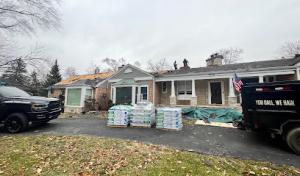
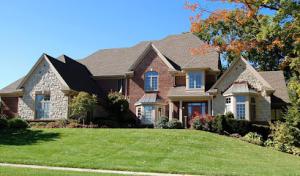


Legend Exteriors & Construction
(630) 296-5885 legendexteriors.com
33W239 Roosevelt Rd, West Chicago, Illinois
4.9 from 296 reviews
Legend Exteriors & Construction: Your A+ BBB rated, licensed roofing & siding contractor in West Chicago. We specialize in full replacement & repairs of all roofing systems & offer premium siding options like vinyl, Hardie Board & stone veneer. As gutter installation experts, we provide complete gutter systems & leaf guards. Our window replacement services help you find the best options for your home & budget. We are highly experienced in claims assistance and storm damage restorations, offering Free comprehensive inspections & damage assessments. Uniting unmatched quality, expert claims assistance & a commitment to delivering a LEGENDARY experience to every customer, Legend's the #1 choice for your roofing, siding, gutter, & window needs!
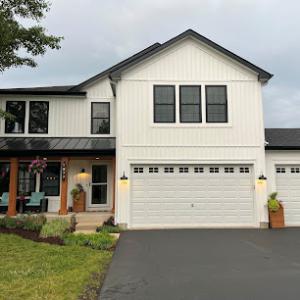
Rise Exteriors
(630) 254-2591 www.riseexteriors.com
245 W Roosevelt Rd, West Chicago, Illinois
5.0 from 22 reviews
Rise Exteriors, Inc. focuses on Roofing, Siding, Gutters, and Windows. Our goal is to give our customers the excellent service and products they deserve, with fair prices
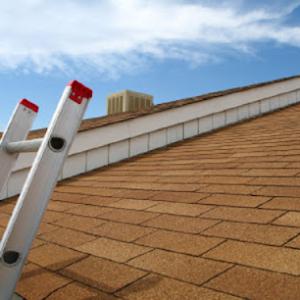
Top To Bottom Exteriors
(630) 206-8260 www.toptobottomext.com
160 W York Ave, West Chicago, Illinois
4.5 from 44 reviews
Top To Bottom Exteriors, Inc. is a professional residential roofing company serving communities surrounding Naperville, St. Charles, Campton Hills, Batavia, Geneva, Glen Ellyn, Wheaton, Bartlet, South Elgin, North Aurora, Bloomingdale, Palatine, Oak Brook and Elmhurst for the past 20+ years. Since we first opened our doors in the early 2000’s, our local family-operated roof installation experts have been doing everything from repairing existing roofing, installing new roof systems, repair and replace sidings, gutters and replacement windows. Ready to start planning your own roof replacement or repairs? Then trust the job to Top To Bottom Exteriors, Inc.!
Wheaton Roofing
141 W Grand Lake Blvd, West Chicago, Illinois
4.2 from 19 reviews
Wheaton Roofing is family-owned and operated right here in Wheaton, IL. Since our company opened its doors in 1959, we've treated every customer like they were a part of our family. Other companies may offer similar services, but our services are

Clem Davis Roofing Company
(630) 325-5339 clemdaviscompany.com
Serving
5.0 from 85 reviews
Clem Davis Company provides exceptional residential and commercial roofing services, including roof repair and construction, in Hinsdale, Downers Grove, Oak Brook, and throughout Chicago's western suburbs. Our crew is part of our family and the best in the business, as such we have many long-term employees and we don't subcontract jobs. In addition to our roofing services, Clem Davis is proud to announce we have expanded our available services to now offer handyman services and home remodeling services, including kitchen remodeling, bath remodeling, basement remodeling, deck repairs and remodeling, and more!
Expert Roofing
(630) 864-6840 expertroofinginc.com
Serving
5.0 from 149 reviews
Expert Roofing in Geneva, IL specializes in roof replacements and professional roofing services for homes and businesses across the Fox Valley area. Our skilled roofers handle complete tear-offs, re-roofs, and new installations designed to protect against Northern Illinois weather challenges, including heavy snow, ice, high winds, and seasonal storms. We also address issues like leaks, storm damage, and aging shingles to restore both protection and curb appeal. Known for quality craftsmanship and responsive service, we are committed to delivering lasting results for our community. Expert Roofing is licensed, insured, and trusted in Geneva as experienced roofing contractors.
Sunrise Adjusting Solutions
(630) 850-3374 sunriseadjusting.com
Serving
4.9 from 194 reviews
As a public adjusting company our goal is to help policy holders successfully file claims and work directly with insurers to mitigate during loss from perils. It is not an easy process for policy holders, it can be confusing and frustrating. Our company was founded in order to make this process easy for policy holders, you’re safe in our hands.
Top Quality Roofing & Siding
(630) 520-0576 www.alltopqualityroofing.com
Serving
4.7 from 93 reviews
Discover the pinnacle of roofing and siding craftsmanship with Top Quality Roofing & Siding. Since 2011, we have been a trusted name in the industry, delivering over a decade of excellence in the installation and repair of roofs, siding, and gutters. Our commitment to superior workmanship and outstanding customer service is reflected in every project we undertake. With a highly skilled team and the use of premium materials, we ensure durable, high-quality results that stand the test of time. At Top Quality Roofing & Siding, we prioritize client satisfaction by fostering transparency, reliability, and lasting relationships through our dedication to unmatched quality.
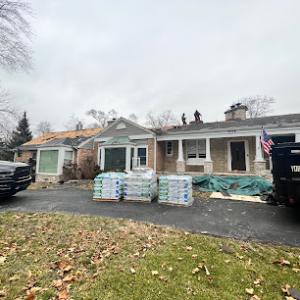
Noah's Roofing
(630) 822-0393 noahsroofing.org
Serving
5.0 from 81 reviews
Noah’s Roofing is family owned and Experienced since 1984 specializing in all types of roofing. Free estimates on site. 24-hour emergency service. We are Licensed bonded and insured for Commercial, residential, industrial, We have over stock for most projects. no need to wait to get the job done With Noah’s roofing we are prepared and ready to complete jobs right away. offering 15% off all projects. we offer roof repairs and roof replacements. We service SHINGLES. BUR. TPO. PVP. EPDM. 24 hour emergency dispatch. All work comes with a full job warranty. to help you extend the life of your roof and avoid the high cost of repair or replacement. Call or text anytime to schedule an appointment.
Randall & Son
Serving
5.0 from 739 reviews
With over 43 years of dedicated local service, Randall and Son Roofing & Exterior has become a trusted name in the industry. We pride ourselves on providing high-quality products, an industry-leading warranty, and unmatched customer service. Our commitment to excellence ensures that every exterior project meets the highest standards of quality and customer satisfaction.

ACE Roofing Services
(630) 444-7575 www.ace-roofs.com
Serving
4.9 from 64 reviews
ACE Roofing Services, Inc. is the residential roofing contractor you can rely on for dependable & affordable service. No matter if it’s your roof, siding, or windows, we have the experience to repair or replace any part of your home’s exterior. We also provide roof and exterior inspection to find the source of the problem and ensure that your repairs are necessary. Although we’re based in St Charles, IL, we are proud to serve all of Kane County and much of the western Chicagoland suburbs. We look forward to providing first class roof repair, installation, and home exterior services for our valued customers. If your home has experienced storm damage, we’ll even help guide you through insurance claims!
FTC Oury Group
(630) 866-6888 www.ftcourygroup.com
Serving
4.8 from 116 reviews
FTC Oury Group, LLC offers excellent roofing services for residential as well as commercial needs in Illinois. We specialize in home siding, roofing, and water diversion systems and top-notch customer service.
When planning a full replacement, price is typically tracked per square (100 square feet). In this market, asphalt shingles run roughly 350 to 700 per square, metal roofs 600 to 1100 per square, clay tile 1000 to 2000, concrete tile 800 to 1400, synthetic/composite 450 to 900, and slate 1500 to 3000. Local pricing should be framed per square using these ranges, rather than a single lump figure. In West Chicago, storm-driven demand can push scheduling pressure across the broader Chicagoland contractor pool, which can nudge quotes upward after hail events. Keep this in mind when comparing bids: a 10-20 percent swing isn't unusual during a busy spring and early summer window.
Hail exposure plus repeated freeze-thaw cycles in DuPage County can accelerate wear, especially on asphalt-heavy roofs. Expect more rapid wear of shingles, underlayment punctures, and flashing fatigue after a harsh winter and a heavy spring storm. Because replacement jobs here emphasize underlayment, ventilation, and flashing, a bid that looks cheaper upfront may expose you to higher ongoing risk if these details aren't addressed. Think of it as a bundled approach: stronger underlay, better attic ventilation, and properly flashed roof transitions can save trouble on future freeze-thaw cycles and wind-driven events.
If you're choosing between materials, use the per-square ranges to estimate a target budget, then add a contingency for possible storm-season scheduling impacts. For an asphalt-heavy roof, set aside a cushion within the 350-700 range per square; for metal, plan 600-1100; for tile options, expect 800-1400 for concrete or 1000-2000 for clay, and higher still for slate. Because hail events can compress contractor availability, factor in a potential slight premium on lead times and material delivery when storms have recently occurred.
A full replacement here isn't just about shingles. Expect the scope to address underlayment integrity, ventilation adequacy, and flashing at valleys, chimneys, and roof-to-wall transitions. If decking shows signs of swelling or damage, that can add to the square-foot cost. A careful replacement that corrects these elements now reduces the risk of future leaks after freeze-thaw cycles and next hail season.
Don't let upfront costs delay a critical repair - these contractors offer payment plans to fit your budget.
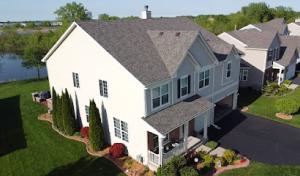
In this local setting, a full roof replacement almost always triggers a building permit handled by the city's Building Department, not a DIY or informal repair. This isnures that the project plan, materials, and installation approach are reviewed before work begins. The emphasis in the permit review is on ensuring the roof system is integrated with proper underlayment, ventilation, and flashing details, given the region's freeze-thaw cycles and spring hail. If you are replacing a limited section or performing non-structural repairs, the approach may differ, but for full replacements the permit process is the norm. Expect the department to request documentation such as the proposed roof material, underlayment type, venting plan, and flashing details for around-the-edges and penetrations.
Once the crew finishes, the inspection check becomes specific and thorough. The city's inspectors zero in on how the underlayment is installed, whether attic ventilation meets code requirements, and how flashing around valleys, chimneys, skylights, and roof-to-wall transitions are integrated. Hail exposure in this climate makes correct flashing and edge detailing especially critical, so the inspector will look for consistent fastening patterns, proper shingle nailing placements, and secure penetration sealing. A clean, well-fastened ridge vent or soffit intake, paired with continuous eave ventilation, helps manage moisture during freeze-thaw cycles and reduces the risk of wind-driven leaks that commonly accompany hail impact. Because the inspection is tied to the permit, any notable deviations from the approved plan can lead to rework requests or additional sealant and flashing work.
To align with city expectations, begin with clear communication to the contractor about the permit timeline and required documentation. Have the contractor provide a finished roof plan that highlights underlayment type and ventilation calculations, plus a flashing schematic for walls and chimneys. Schedule the inspection window promptly after the roof is installed-delays can extend the project and complicate weather-related risks. During replacement, ensure attic access is kept clear for inspection and that any penetrations through the roof deck are properly sealed to prevent moisture entry during thaw cycles. If you notice weathered flashing, disproportionate shingle overhangs, or inconsistent nail patterns during the job, address them with the contractor before the final inspection to avoid last-minute rework. The goal is a durable system whose details-underlayment, ventilation, and flashing-are visible to the inspector and up to code at the moment of approval.
Avoid assuming the permit process is a mere formality. In this market, inspectors look closely at the integration of all roof components and how they perform in seasonal shifts. Do not overlook the importance of a well-documented installation plan; missing or unclear details can stall approval. Lastly, plan for a thorough post-installation walkthrough with the contractor so that you can verify ventilation paths and flashing terminations align with the inspector's expectations and stand up to a West Chicago winter.
After a spring storm rolls through DuPage County, roof damage can feel subtle at first, but Illinois insurers commonly ask for roof age, hail history, and post-storm photos. Documentation is not a chore to dodge; it's a practical path to clarity when a claim is on the line. In West Chicago, having a ready photo log of the roof before any incident, plus timestamped shots of new hail impacts, can prevent disputes about what existed versus what happened after a storm. Keep copies of contractor notes, past repairs, and any visible wear around flashing and penetrations.
Adjusters in this market may request roof specifications and attic ventilation details, so replacement decisions often intersect with how well the system can be documented and explained. If a replacement is considered after hail and freeze-thaw cycles, be prepared to describe attic vents, underlayment, and flashing quality in straightforward terms. A well-documented system-photos of vent placements, attic air flow, and any added moisture barriers-speaks directly to the claim review and can influence the scope of coverage the insurer views as necessary.
Coverage terms can tighten for older roofs or certain materials, which matters locally because homeowners may be comparing repair versus replacement after repeated hail and freeze-thaw exposure. In practice, that means the insured should track notable hail events, the roof's reported age, and any maintenance history tied to shingle granule loss or flashing corrosion. The goal is to present a clear narrative: how the roof has stood up to West Chicago winters and springs, what was observed after a storm, and how the proposed remedy aligns with the documented condition.
In this town, inspections place particular emphasis on flashing, so skylights and chimney intersections can become leak paths if not properly detailed. Freeze-thaw cycles push and pull at flashing seals, widening gaps over time. When planning or repairing, verify that step flashing along roof-to-wall transitions is continuous and that counter-flashing seats firmly against masonry or vented metal, not just overlaid with caulk. If a skylight is older or shows staining around its flange, consider upgrading to a shingle-on-flash design with metal or pre-finished flashing that resists ice buildup and wind-driven leaks.
The local contractor market's demand for skylight work and flat-roof service signals a recurring concern with penetrations and low-slope sections. Flat or near-flat areas collect melting snow and run-off, which can pool and find weak seals at seams or around penetrations. Ensure that transition curbs for skylights and any roof penetrations have integrated drainage, sealed seams, and vertical drainage paths that prevent ponding. For lower-slope zones, aalgae-resistant underlayment plus a robust edge detailing helps deflect early water ingress during spring thaws and rainstorms.
Many homes in suburban stock feature mixed rooflines, where steep-slope shingles meet a lower-slope section. Freeze-thaw movement can flex these joints, opening small gaps that become bigger with seasonal stress. Pay close attention to ridge and hip intersections where different substrates meet, and reinforce with compatible flashing materials that allow for movement without cracking. Look for hairline cracks in sealant at transitions after heavy snow or wind events, and plan proactive resealing or flashing refresh before the next season begins.
When you walk the roof, test for soft areas near skylights, chimneys, and transitions; listen for drumming noises after a rapid thaw-signs that wind-driven moisture is finding its way through. Keep a close eye on any landscaping pressure against roof edges, which can trap moisture and abrade flashing. A thoughtful inspection cadence-especially after severe winter storms or spring hail-helps catch developing leaks before interior damage occurs.
Find contractors experienced in skylight installation, flashing, and leak repairs to bring natural light into your home.
Top To Bottom Exteriors
(630) 206-8260 www.toptobottomext.com
160 W York Ave, West Chicago, Illinois
4.5 from 44 reviews
In this market, you'll notice that cleanup speed and a smooth re-roofing experience often outrank finding the absolute lowest bid. Hail season and freeze-thaw cycles have trained many homeowners to prioritize a project that minimizes exposure to leaks and weather disruptions. When you're interviewing bidders, look for responses that show a plan for rapid tarping, debris removal, and a clean, professional job site at the end of each day. A contractor who explains how they protect your landscape, your attic, and your interior during heavy rain events demonstrates the practical mindset that keeps a project moving smoothly through West Chicago's seasonal swings.
Because storm work is so prevalent here, you should press for clear coverage details beyond the basic manufacturer warranty. Ask how the contractor coordinates with shingle or underlayment manufacturers to address hail-related impact and premature wear, and whether a post-installation inspection is included or readily scheduled. Look for a written plan that outlines inspection timing after storms, what constitutes acceptable workmanship, and how quickly any issues are triaged. A trustworthy response will tie warranty language to concrete steps you can expect if hail damage or seal failures surface in the first couple of seasons.
West Chicago features many long-established, family-owned firms that focus on residential projects. This reality translates into reputations built on responsiveness and personal accountability. During conversations, notice whether the contractor assigns a consistent project lead, follows up promptly, and treats your home as a long-term relationship rather than a quick turnover. Ask for local references and confirm how the company handles warranty claims, local weather contingencies, and scheduling during peak storm months. A mature, neighborhood-oriented team often delivers faster, more predictable service when a hail event requires rapid assessments and coordinated repairs.
If asphalt shingles dominate your roof, verify that the contractor plans for hail impact considerations, including shingle alignment and flashing around vents and chimneys that stand up to freeze-thaw cycles. Request an outline of the ventilation strategy paired with proper underlayment and attic air sealing, since these factors critically affect performance after winter stress. Ensure the proposal includes a phased plan for temporary protections, leak prevention, and a reliable cleanup protocol, so a storm-charged schedule doesn't compromise your home's interior or surrounding landscaping.