Last updated: Apr 19, 2026
Glendale Heights homeowners commonly deal with hail and wind-driven insurance claims, making post-storm roof assessment a primary local roofing concern. After a hail event or a strong gust, you need to inspect the roof within 24 to 48 hours if safe to access. Look for dented or bruised shingles, granule loss in gutters and downspouts, and curled edges that can indicate compromised integrity. Don't overlook the deck or felt underneath; a fast look at attic spaces for moisture or roof-penetration tracks can reveal hidden damage. If you see exposed decking or dark staining, treat it as an alarm bell-timely evaluation prevents progressive failure through harsh western Chicago winters.
Cold winters with snow and repeated freeze-thaw cycles in the western Chicago suburbs can worsen shingle edge lifting, flashing movement, and decking moisture problems. When temperatures swing above and below freezing, water can seep into small gaps and freeze, expanding enough to lift edges or loosen fasteners. In Glendale Heights this means shingles that seemed solid in fall storms may become brittle and crack with the first hard freeze. Pay special attention to the roof edges, valley sections, and mechanical penetrations around vents and chimneys. If you notice abnormal edge lift, curling, or displaced flashing, treat it as a priority repair item before more moisture penetrates the attic or walls.
Fall hail and wind events can create a second damage season that disrupts scheduling before winter shutdowns and temporary repairs become more common. In this market, timely coordination with crews is critical. Delays due to weather, insurance inspections, or crew availability can leave your roof exposed to early winter precipitation. Arrange an evaluation promptly after a severe autumn storm, and secure a plan for rapid temporary protection if a full roof replacement cannot be completed before the cold season. Early action helps prevent blowing rain, ice dam formation, and moisture tracking into the attic-problems that tend to escalate as temperatures drop.
The village approach to re-roofing often places emphasis on flashing, ventilation, and underlayment details. A careful Glendale Heights assessment should include checking for uplift-resistant flashing around chimneys, skylights, and vents, ensuring adequate attic ventilation for moisture control, and verifying that underlayment is properly installed to shed water. If those components shift or show wear after a storm or during a freeze-thaw cycle, moisture can travel quickly from the roof into the interior. Prioritize a contractor who can document and address these elements with a methodical plan, so the roof remains watertight through the next season.
Given the local climate and claim dynamics, schedule a proactive inspection after any significant hail or wind event, and again after the first major freeze completes. Establish a recurring seasonal check that targets edge integrity, flashing seals, and attic moisture. In Glendale Heights, a proactive, detail-focused approach reduces the risk of surprise failures during the harsh winter months and helps keep your home's structural and interior envelope intact.
Asphalt shingles are the dominant local choice because they fit the area's large re-roofing market and typical suburban housing stock. In Glendale Heights, many homes were built with standard 3-tab or architectural shingles, and the neighboring homes nearby reinforce a familiar, compatible look. For a re-roof, asphalt shingles offer straightforward installation, good wind resistance when properly nailed, and a wide selection of colors that blend with the neighborhood. In practice, you'll notice crews can complete most re-roof projects in a day or two, keeping disruption to a minimum. If the home sits on a mid-sized lot with standard rafters, asphalt remains the closest match in terms of repairability, maintenance, and long-term performance under our freeze-thaw cycles. The result is a dependable, familiar roof that preserves curb appeal without introducing excessive weight or specialized framing.
Metal roofing is present locally but competes with asphalt largely on snow shedding, hail resistance, and longer-term durability in Illinois temperature swings. If you face frequent hail activity or want a roof that sheds snow more readily, metal can be appealing, especially on homes with steeper slopes where the metal's efficiency and appearance align with winter expectations. In practice, metal tends to require precise installation around flashing and vent connections, and the initial fit and finish must be handled by an installer with experience in midwestern snow cycles. For reroof scenarios where the existing structure is sound and the attic has adequate ventilation, metal can extend the life of the roof, reduce some maintenance concerns, and offer a distinctive look. However, the cost-to-benefit balance often tips toward asphalt when the priority is a straightforward, reliable re-roof that fits the neighborhood aesthetic and standard framing.
Heavier systems such as clay tile and slate exist in the market but can raise structural and installation complexity compared with the more common asphalt re-roof. In Glendale Heights, homes with traditional rafters and modest attic space may not be ideal candidates for clay tile or slate without structural reinforcement. The weight of these materials demands careful assessment of decking, supports, and insulation details, as well as specialized fasteners and installation sequences. If a home has a history of attic insulation challenges or limited ceiling height, the added complexity can complicate ventilation and underlayment coordination, which are already scrutinized in the local repair culture. For most suburban homes that need a balance of durability, cost, and ease of repair, heavier options tend to be a more selective choice rather than the default.
When evaluating options, start by inspecting the existing roof shape, attic space, and rafter condition. If the goal is a familiar look with predictable maintenance and quick turnaround, asphalt shingles align with the common housing stock and local re-roofing rhythm. For those facing harsh winter expectations or recurring hail, metal can offer advantages in longevity and snow management, provided the installation is handled by someone experienced with midwestern climates. If consideration turns toward a heavier material for a distinctive style, prepare for a deeper structural review and a more deliberate installation plan. In most Glendale Heights neighborhoods, the practical path remains asphalt, with metal as a respectable alternative for specific site advantages and heavier options reserved for select lots and homes with the proper structural support.

Funderburk Roofing
(630) 622-4100 www.funderburkroofing.com
1987 Quincy Ct, Glendale Heights, Illinois
5.0 from 40 reviews
Since 1991, Funderburk Roofing has become the preferred commercial/industrial roofing contractor in the Chicagoland area. With thousands of successful projects under our belt, we can proudly say that we are one of the most trusted commercial roofing companies in the Midwest.
Iron Roofing
2000 Bloomingdale Rd #100, Glendale Heights, Illinois
4.6 from 85 reviews
At Iron Roofing we specializes in Commercial/Residential Roofing, and Siding. We also have a team of specialists that help Business owners/homeowners through the insurance claims process of storm damage. With over 30 years of experience we guarantee excellence and quality on every job. We treasure our relationships with our customers, for they are our family, friends and neighbors. Let us help you today with your project.
Roof One
Serving
5.0 from 30 reviews
Protecting your family is an absolute necessity and it begins with a durable roof over your head.
Gio Pro Roofing Company
(773) 897-5322 rooferscarolstream.com
Serving
5.0 from 48 reviews
Are you in search of reliable roofing contractors in Carol Stream who specialize in variety of roofing styles? Look no further! We offer a comprehensive range of services including roofing maintenance, flat roof repair, flat roof replacement, and other roofing needs. We prioritize the use of high-quality materials to ensure that both your residential and commercial properties are well-protected against any weather conditions. Our years of experience is proof that we know the ins and outs when it comes to your roof. During your free estimate, we will provide you with detailed information about the services we offer, ensuring clarity and transparency!
AR Roofing Companies
(331) 215-8807 roofingcarolstream.com
Serving
5.0 from 32 reviews
We are a leader among roofing companies in Carol Stream that can bring you the highest level of service and the best quality roofing material possible. We have vast experience handling all kinds of roofing materials, so we can far exceed your expectations to give you the perfect roof for your home or business. Whether your roof needs replacement or roof repairs, AR Roofing Companies can help with expert advice and incredible workmanship. With AR Roofing Companies here, you don’t need to look any further for Carol Stream roofing companies. Check our Angie’s List customer reviews to find out about our great service and quality work, and then call us to be your.
Chicago Advanced Roofing
(773) 960-3002 advancedroofingchicago.com
Serving
4.9 from 40 reviews
Chicago Advanced Roofing brings over 25 years of expertise to the roofing industry, specializing in roof leak repair, flat roofing, and complete tear-offs. Serving the Chicago area, including surrounding suburbs, we cater to both residential and commercial clients. As a family-owned business, we pride ourselves on using top-quality materials and providing exceptional workmanship. Contact us for a free onsite estimate to address your roofing needs with confidence.
Greater Chicago Roofing - Bloomingdale
(630) 283-8173 www.greaterchicagoroofing.com
Serving
5.0 from 42 reviews
Greater Chicago Roofing - Bloomingdale is an experienced and well-established roofing company. If you require an installation, repair or complete replacement, you’ll be satisfied with the outcome of our work. Our staff has over 40 years of combined expertise in construction and roofing work. The quality of our work is unmatched and our dedication to our customers is what makes us the best choice. What keeps us apart from the competition? These: * 15% price match guarantee * Free estimates * Warranties We’re committed to your complete satisfaction. We will always go beyond to offer you top-quality service. Call us now for your FREE estimate!
TruMast Roofing Company
(331) 716-2707 carolstreamroofers.com
Serving
5.0 from 42 reviews
Welcome to TruMast Roofing Company, where quality and expertise come together to elevate your roofing experience. With years of dedicated service in the roofing industry, we specialize in tailored solutions for both residential and commercial properties. Whether you're looking for reliable repairs, comprehensive installations, or routine maintenance, our experienced team is committed to delivering results that exceed your expectations. We understand that a sturdy roof is vital for your comfort and security, and we’re here to make that a reality. Contact us today for a free estimate, and let TruMast Roofing Company transform your roofing aspirations into a stunning achievement. Your satisfaction is our mission.
Premier Group
(331) 343-3590 premiergrouproofs.com
Serving
4.8 from 118 reviews
Premier Group: Bloomingdale Roofing Contractors provides a wide range of residential, industrial, and commercial roofing services, as well as additional services such as siding installation, architectural drawings, masonry work, and more. We offer NDL warranties on all of our projects, and have many available options for financing available. If your property has been damaged, we help clients to settle property damage claims by evaluating and documenting damages, negotiating with insurance companies on the client’s behalf, and working to reach the ideal settlement for the policyholder, maximizing coverage and minimizing risk.
FTC Oury Group
(630) 866-6888 www.ftcourygroup.com
Serving
4.8 from 116 reviews
FTC Oury Group, LLC offers excellent roofing services for residential as well as commercial needs in Illinois. We specialize in home siding, roofing, and water diversion systems and top-notch customer service.
Chicagoland Exteriors
(630) 847-7863 chicagolandexteriorsinc.com
Serving
4.9 from 162 reviews
Roofing, Siding, and exterior remodeling contractor

UltraRoof Flat Commercial Roofing
(331) 236-5057 roofingcompanyaddison.com
Serving
4.8 from 49 reviews
UltraRoof Flat Commercial Roofing is a roofing addison company that helps install and make repairs any day the sun is shining. Help to protect your home and keep you warm with roofing companies addison il. Winter is the perfect time to call roofing contractor addison to make repairs or installations. Roofing contractors Addison specializes in working with commercial property owners as well as private homeowners. Experience the excellent quality, superior customer service, and reliable performance that our service team offers. Prepare for the seasons with our roofing company Addison. Our roofs are ecologically friendly and affordable. Use our expert team for a roofing contractor Addison to fit your budget and needs.
A roofing permit is required in Glendale Heights, with applications submitted through the City of Glendale Heights Building Department. Before any shingle torn-off work begins, verify that the permit is active and the project details match what the inspector will expect to see on site. The building department favors clear documentation of flashing details, ventilation plans, and underlayment type, so have those items specified in the permit package. The process tends to run smoothly when the contractor's submittal includes a concise roof layout, vent locations, and the exact product lines for underlayment and flashing. Keep in mind that permit review can include a formal plan check, which may introduce an extra layer of review time into the schedule.
Inspections are scheduled during and after installation rather than treated as a single signoff. This means project timing must account for municipal coordination, weather windows, and the sequence of work. In practice, the team should coordinate with the Building Department to lock in inspection milestones that align with key stages of the tear-off, underlayment installation, flashing integration, and final ventilation checks. Delays can occur if a check is missed or if the inspector requests a minor revision to flashing or vent details. Because inspections are spread over the project, keep the temporary material storage organized and accessible for quick review when the inspector arrives.
Glendale Heights tends to place particular emphasis on flashing, ventilation, and underlayment details, reflecting local freeze-thaw cycles and the region's exposure to hail and wind. The plan review may require a specific flashing detail around valleys, chimneys, and wall penetrations, as well as a documented venting strategy that aligns with current code and the home's attic space. Expect questions about how ice dam protection is implemented, the type of underlayment chosen, and the method used to secure roof penetrations for vents, turbines, and exhausts. If the plan review spots a gap between the installed materials and the approved details, the permit may be held until the discrepancies are resolved. In such cases, a revised submittal or stamped drawing might be requested, with a potential 1 to 2 week extension to the timeline.
Because hail, wind, and freeze-thaw cycles drive many re-roof projects in this market, the permit and inspection path should accommodate the typical timing of weather-induced damage. If hail or high-wind events occur, a homeowner may pursue expedited coordination, but the city's focus remains on ensuring proper flashing fit, adequate attic ventilation, and correct underlayment installation. Plan for a phased approach: early teardown and underlayment install, mid-course inspection to confirm flashing continuity and vent placement, and a final inspection after all finish materials are secured and the roof is sealed. Coordination with the Building Department should be kept proactive to minimize downtime between phases.
Illinois carriers commonly scrutinize hail and wind claims, and Glendale Heights homeowners should expect requests for roof age, photos, and contractor invoices. That means documentation gathered now pays off later: keep a dated photo log from before and after the event, and have a trusted contractor ready to provide a detailed itemized report and proof of recent work. The more transparent your files, the smoother the adjuster's assessment can be, especially when the storm impact looks uneven across the roof and surrounding components.
Adjuster reinspections are common after storm events in this market, especially when damage is mixed between shingles, flashing, and accessory items. Be prepared for a revisit if a first pass centers on one element while other areas show related issues. In Glendale Heights, flashing and roof penetrations-think vents, skylights, and edge details-often reveal secondary water intrusion after hail events or rapid wind shifts. Have your contractor emphasize not just the cosmetic wear but the underlying substrate and ventilation conditions that influence long-term performance.
Depreciation and mitigation issues matter locally because temporary tarping and leak prevention can affect claim handling after severe storms. If you must tarp a damaged area, document the process and keep receipts, dates, and photos. Avoid delaying permanent repairs, but ensure the temporary measures are clearly visible and scheduled with your insurer or contractor. Persistent leaks or unfinished mitigations can lead to adjustments in the claim or questions about maintainability, so coordinate timelines with the adjuster and your roofer to demonstrate that you prioritized safety and prevention.
Start with an organized storm file: a timeline of events, pre- and post-storm photos, and a roster of involved tradespeople. When the insurer requests documentation, respond promptly with complete copies of invoices, the roof's age, and a clear explanation of any mixed-damage findings. If a reinspector visits, walk through the roof with the adjuster, pointing out hail impact patterns, edge damage, and any compromised flashing or vents. Your goal is a transparent, well-supported claim that reflects both the immediate storm effects and the roof's long-term condition.
Connect with contractors who help homeowners navigate the claims process from damage assessment to final approval.
Iron Roofing
2000 Bloomingdale Rd #100, Glendale Heights, Illinois
4.6 from 85 reviews
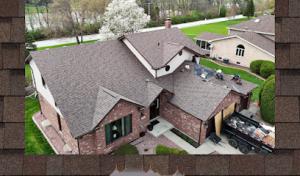
In this high-volume re-roof market, storm-driven demand spikes can tighten scheduling and labor availability. When a hail event or strong winds hits nearby neighborhoods, you'll notice more crews bidding jobs and tighter calendars for several weeks. That dynamic can push onset of work from a typical week or two into longer waits, especially for busy weather windows. Planning ahead and securing a firm start date early in the process helps avoid the worst of the rush. If your roof is in decent shape but has signs of moisture or aging components, expect pricing to move with the demand cycle, not just the base material cost.
Material choice ranges locally from asphalt shingles at 350 to 650 USD per square up to slate at 1500 to 3200 USD per square, with metal, wood, tile, and fiber cement in between. Asphalt shingles remain the most common value pick for Glendale Heights homes, balancing cost and performance against typical Midwestern freeze-thaw cycles. Metal roofing can offer longer service life and better wind resistance, but the upfront price climbs quickly, and installation details matter-especially where flashing and venting are concerned. Fiber cement shingles provide a middle ground with better impact resistance than standard asphalt, while keeping installation costs lower than natural clay or slate. Wood shingles and shakes bring classic curb appeal but require proactive maintenance to prevent moisture-related issues in freeze-thaw seasons. Clay tile and slate provide the longest potential life and best resistance to hail damage, but their weight and price push many projects into specialty framing and engineering considerations, which can extend timelines and costs. Consider your roof's slope, attic ventilation, and existing underlayment when weighing these options, since those factors influence both performance and labor requirements.
In practice, you'll see the biggest swings in price tied to material selection and labor availability during peak storm seasons. A mid-range fiber cement or metal option can land closer to the per-square midpoints, while a premium slate or clay choice will push costs higher, especially if the roof has complex geometry or requires additional bracing or retrofit of ventilation and flashing. For homeowners with a budget cap, asphalt remains the most predictable path, but it's wise to discuss underlayment quality and flashing details with the contractor, because those elements drive long-term performance in our freeze-thaw climate. Your final estimate should itemize material, installation, and finish work clearly, with attention to the details that affect durability under repeated hail and wind exposure.
Get a clear picture of your project costs upfront - no commitment required.
Greater Chicago Roofing - Bloomingdale
(630) 283-8173 www.greaterchicagoroofing.com
Serving
5.0 from 42 reviews
Winter projects can be delayed by snow cover and freeze-thaw conditions that affect decking evaluation and shingle sealing. When snow lingers, your roofer may need to pause inspections to verify plywood integrity and any soft spots safely. If the decking shows real winter wear-delamination risk from repeated freeze-thaw cycles or exposed gaps-the window for a proper seal and flashing installation tightens. In practice, plan for a cautious, staged approach: a weather forecast can help schedule a daylight tear-off during a stretch of clear days, with ventilation and underlayment checks prioritized as soon as ground conditions allow.
Spring rains and temperature swings in northern Illinois can slow tear-off and underlayment installation windows. You may encounter damp mornings, muddy yards, and fluctuating temps that challenge adhesive performance. Workability improves after several consecutive dry days, but the calendar can fill quickly with storm-driven delays. If a roof is nearing the end of its life, a proactive mid-spring assessment helps you identify lingering moisture in the attic, inspect flashing around chimneys and valleys, and verify proper ventilation before a full replacement starts.
Summer heat and humidity can accelerate crew fatigue and material handling issues, while fall storm activity can suddenly fill contractor calendars. Heat pushes crews to longer lunch breaks and can affect shingle sealant performance, particularly on reflective or dark shingles. If your area experiences a heavy storm season, aim to complete critical flashing and underlayment work before the peak fall period, then schedule the final roof installation for cooler, drier days to ensure a durable seal and proper ventilation alignment.
Hail, wind, and freeze-thaw cycles push on skylight flashings and roof-to-wall transitions more than you might expect. In this market, skylights often become recurring problem spots because those edge details endure rapid temperature swings and driving rain. When the sun bakes the flashing and a late-season storm hits, you can see small leaks turn into noticeable dampness along ceilings and walls. The key is to treat every skylight like a potential weak point, not an afterthought.
The service demand for flat-roof work in this area isn't random; it reflects real life on the roof where water finds every seam. Flat-roof drainage transitions, in particular, are prone to standing water and misdirected runoff after heavy storms. If drainage paths aren't carefully sealed and pitched, you end up with slow seepage around skylights or along the wall line. Don't assume a single-layer approach will last; the climate tests these details with every freeze-thaw cycle.
Flashing is the line between a dry attic and a wet one. Glendale-area homes show a pattern: failure often begins at corners, step flashing where a roof meets a wall, and at skylight flanges that aren't integrated with durable sealants. If flashing isn't integrated with a continuous underlayment and properly lapped, wind-driven rain drives beneath, and every wind gust can push the problem further into the attic.
Low-slope sections demand careful attention to drainage transitions and membrane continuity. In our climate, a small uplift or seam gap can become a stream of water during a winter thaw followed by a gusty rain event. Inspect every seam, caulking bead, and termination bar as if your attic depends on it-because it does.
When inspecting skylight installations or flat-roof sections, look for matching sealants, clean drainage paths, and properly integrated flashing into the surrounding roofing. If you notice damp spots after a storm or see wind-driven moisture along the wall line, flag these areas for a closer, timely check. Regularly scheduled maintenance focusing on these weak points keeps neighborhoods dry and headaches at a minimum.
Find contractors experienced in skylight installation, flashing, and leak repairs to bring natural light into your home.