
Last updated: Apr 19, 2026
Belvidere homeowners face a recurring spring hail risk that directly affects shingle bruising, granule loss, flashing damage, and insurer involvement after storms. That bruising can hide under a dull surface, making the roof look fine while water pathways form beneath. Granule loss accelerates aging and reduces UV protection, meaning small hits can become big problems in a hurry. Flashing around chimneys, vents, and skylights is especially vulnerable to hail-driven impacts, and a once-simple leak can emerge after a windy weather line shifts. The pattern here is clear: a storm might not cause a full roof replacement right away, but it will trigger the need for a precise, documented assessment and timely action to keep the structure dry and the interior from escaping its expensive winter repairs into spring claims.
The local contractor market strongly skews toward storm damage and insurance-claims work, indicating that post-storm roof assessments are a central part of roofing decisions in Belvidere. After a hail event, many crews descend quickly, offering rapid assessments and claims-focused approaches. That speed can be a double-edged sword: urgency is essential, but so is accuracy. Insurers often rely on independent adjusters and roofer-filings to define scope, and that dynamic can push toward swift replacements even when an immediate full swap isn't strictly necessary. Your objective is to build a small, defensible file: dated photos of each area hit, notes on flashing and edge damage, and a clear timeline from storm to assessment to estimate. If a contractor promises a fast replacement solely to win the claim, you should pause and verify the underlying condition and the necessity of the scope.
Autumn wind and rain events can delay replacement scheduling, so storm-damaged roofs often need fast triage before full replacement can be completed. In Belvidere, the transition from sudden hail aftermath to a scheduled install commonly stretches across weeks as weather windows open and insurance decisions finalize. The practical approach is to triage promptly: identify visible damage, secure temporary protection if leaks exist, prioritize structural and flashing repairs, and document roof sections that show bruising or granule loss. This triage buys critical time for a measured decision about full replacement, ensuring you aren't left exposed as autumn storms roll in. Keep the dialogue with the insurer linear and factual: what was damaged, what is being repaired now, and what requires a full replacement to restore long-term performance. The path to a stable roof in this climate hinges on rapid, accurate assessments and disciplined follow-through despite the seasonal schedule.
Find local contractors experienced in assessing and restoring roofs after hail, wind, and severe weather events.
Last Stop Roofing
(815) 482-3954 www.laststoproofing.net
321 N State St, Belvidere, Illinois
4.9 from 162 reviews

RENAISSANCE Historic Exteriors
(815) 547-1725 www.historicexteriors.com
2231 Hawkey Dr, Belvidere, Illinois
4.8 from 49 reviews
Prestige Contractors
(630) 425-8757 prestigecontractorsllc.net
140 N State St, Belvidere, Illinois
4.9 from 28 reviews
Last Stop Roofing
(815) 482-3954 www.laststoproofing.net
321 N State St, Belvidere, Illinois
4.9 from 162 reviews
Established in 1998 and rooted in Belvidere, Illinois, Last Stop Roofing has been the trusted roofing contractor for Boone, McHenry, and Winnebago counties for over two and a half decades. With an unwavering commitment to quality craftsmanship and customer satisfaction, Last Stop Roofing has earned a reputation as the premier roofing specialist in the region.
RENAISSANCE Historic Exteriors
(815) 547-1725 www.historicexteriors.com
2231 Hawkey Dr, Belvidere, Illinois
4.8 from 49 reviews
Since 1992, Renaissance Historic Exteriors has provided nationally-recognized historic renovation services to customers throughout Illinois, Iowa, and Wisconsin. Our restoration specialists combine true craftsmanship with state-of-the-art processes to restore copper roofing, slate roofing, tile roofing, architectural sheet metal, historic masonry, historic carpentry, and more. Our detailed discovery process identifies areas of restoration work and helps create a project plan designed to keep you informed every step of the way with total transparency and clarity. With a Renaissance historic renovation, your structure will be restored with the utmost care and attention to help ensure your building lasts for generations to come.
Twins Construction of Rockford
(779) 423-7681 twinsconstructionofrockfordllc.us
1640 Cedardale Dr, Belvidere, Illinois
5.0 from 24 reviews
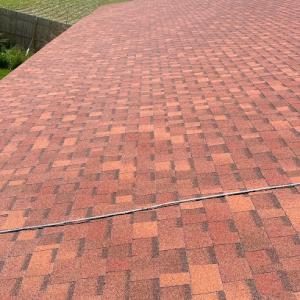
Twins Construction of Rockford Llc offers a variety of interior and exterior Industrial and commercial Contractor services for your property. Whatever your reasons or needs for your interior or exterior Industrial or commercial Construction and Remodeling project, the experts at Twins Construction of Rockford Llc are here to help. ROOFING & SIDING AND PUBLIC ADJUSTER SERVICES .AND GENERAL CONTRACTOR
Prestige Contractors
(630) 425-8757 prestigecontractorsllc.net
140 N State St, Belvidere, Illinois
4.9 from 28 reviews
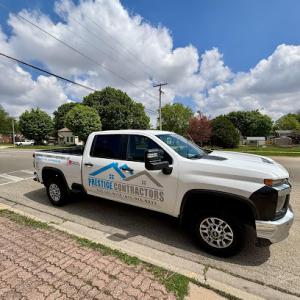
Prestige Contractors, a beacon of reliability in the Belvidere community, provides exceptional roofing, siding, and gutter services. With meticulous craftsmanship and no-cost inspections/estimates, we ensure impeccable results, delivering safety and beauty to your residential or commercial property. From repairs and replacements to prompt response to storm damage, we have you covered.
Top A1 Contracting
(833) 867-2100 topa1contracting.com
1800 Doc Wolf Dr #16, Belvidere, Illinois
4.8 from 26 reviews
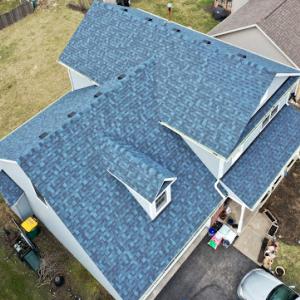
We provide the highest quality in Roofing, Siding, Gutter services in Northern Illinois! Our mission is to provide only a Top A1 Service to all our customers! Need a Estimate for your next Dream Project? Has your home sustain Storm Damage from Hail & Wind? The Consultation is FREE & the VALUE Is yours to gain! Call us today (815)375-0038
R&F Roofing
484 Williamsburg Way, Belvidere, Illinois
5.0 from 11 reviews
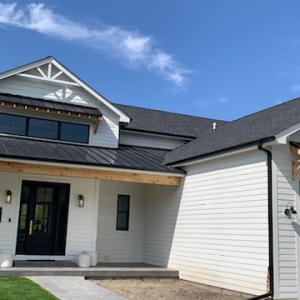
Looking for a reliable roofing company? Our expert roofing contractors specialize in roof replacement, roof installation, and more. Whether you need commercial roofing or residential roofing, we offer top-notch services to meet your needs. From flat roofing to steep-sloped roofs, our team handles every type of roofing project with precision and care. We are committed to delivering high-quality craftsmanship and durable roofing solutions for both homes and businesses. Trust our experienced professionals to protect your property with the best roofing services available. Contact us today for a free consultation!
Luxury Roofing
(815) 601-0464 www.luxuryroofingpllc.com
8410 Huber Rd, Belvidere, Illinois
5.0 from 11 reviews
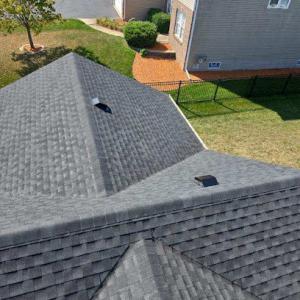
At Luxury Roofing, we specialize in providing premium roofing solutions that combine elegance and durability. Our expert team is committed to delivering unparalleled craftsmanship, using the finest materials available to create roofs that not only protect but also enhance the aesthetic of your home. From bespoke designs to meticulous installations, we ensure every project reflects our dedication to quality and sophistication. Trust us to elevate your home with the ultimate in roofing excellence.
EcoHome Expert, Inc. KANGA ROOF
2231 Hawkey Dr, Belvidere, Illinois
4.3 from 58 reviews
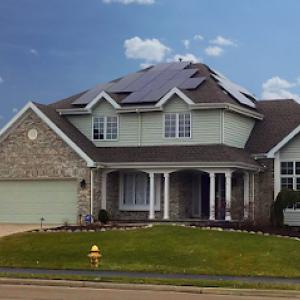
We are the area’s leading authority in the design and installation of Solar Photo voltaic Electrical Energy Systems. We are proud to offer our customers the cleanest, safest, and most maintenance-free source of electrical power available. Many customers are unsure where to start or how many panels to purchase for their home. We established the Kanga Roofing brand in Boone and Winnebago counties in 2009 to bring high service and quality to the market. Our full service roofing operations serves both the residential and commercial markets!

Infinity Exteriors
(815) 515-6911 www.infinityroofing.com
600 S State St ste 300, Belvidere, Illinois
5.0 from 8 reviews
Established in 1997, Infinity Exteriors is the most trusted home exterior company in Belvidere, Illinois specializing in roofing, siding, windows, and gutter replacement services. As a locally owned and trusted contractor, our licensed technicians provide residential and commercial customers with roof repair and replacement, siding and window installation, and gutter systems. Infinity Exteriors prioritizes honest communication and offers no-pressure inspections for all projects. Since our founding, we have completed thousands of projects and earned an A+ rating with the Better Business Bureau. No roofing contractor in Belvidere, Illinois offers the same high caliber of roofing installation and repair at prices as competitive as ours.
GF your Home Exterior Experts since 1974
130 S State St #310, Belvidere, Illinois
3.0 from 10 reviews
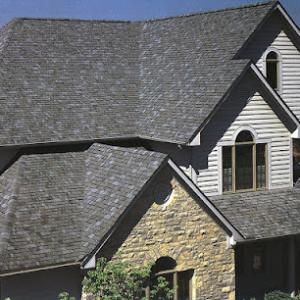
Serving homeowners in and around Belvidere, Illinois for more than 44 years now, GF Company is a trusted, leading, locally-operated and family-owned home exterior company driven by strong customer-commitment and fueled by passion to deliver excellence. We are insured, fully-licensed and accredited by BBB with an A+ Rating. We are also VSI (Vinyl Siding Institute) Certified Installers and EPA Lead Safe Certified. At GF Company, we offer you top of the line, innovative and full-scale exterior home improvement services on time and on budget to your complete satisfaction with great attention to detail and utmost professionalism. From installing new roofing systems using a multitude of roofing shingles in different styles and colors
NexGen Contracting
(815) 756-0557 www.nexgencontracting.com
Serving
5.0 from 29 reviews
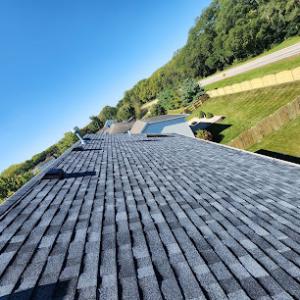
Roof replacement services, Professional roof replacement, best roofing contractors, Residential roof replacement, Affordable roof replacement, Roof repair specialist, Expert roof repair services, Emergency roof repair, Roof leak repair, Reliable roofing contractors, quick roof repair services, flat roof repair, storm damage restoration, storm damage roof repair, siding installation services, professional siding installers, quality siding installation, residential siding installation, Affordable siding installation Commercial siding contractors roofing contractors near me siding repair specialists, Expert siding repair services, siding panel replacement, siding damage repair, reliable Siding repair contractors Quick siding repair solution...
Central Point Restorations
(815) 914-5754 centralpointrestorations.com
Serving
5.0 from 41 reviews
Roofing Contracting Company Central Point Restorations, Inc. was established in 2017. Since then, we have created a team whose vision is to establish a successful company within the Rockford area. With commitment and perseverance our company has been able to grow and expand in the pursuit of improving quality work, materials and costumer service. We are excited to see our company progress further and continue to establish strong relationships in our community.
The spring hail and winter freeze-thaw cycles in this area repeatedly stress roofing systems. A roof lives through expansion and contraction with moisture cycling, so the choice needs to stand up to granular erosion, potential cracking, and moisture migration deep into the deck. The roof system should tolerate sudden storm impacts after long winters and still shed water reliably. This means prioritizing materials and details that resist hail impact, maintain a solid seal, and provide resilience during rapid temperature swings.
Cold winters shine a harsh light on asphalt shingles. Repeated freezing and thawing encourage micro-cracks and accelerated granule loss, which bleeds energy efficiency and protection over time. When a hail event is part of the picture, shingles that feature enhanced moisture resistance and thicker overloads tend to age more gracefully. A practical plan is to inspect for granule loss after storms and consider upgrades that improve wind resistance and impact durability. If asphalt remains the practical baseline, ensure proper nailing patterns and ridge ventilation to minimize heat buildup that can exacerbate aging on sun-exposed peaks.
Warm, humid summers intensify attic heat and humidity, which accelerates deck delamination and shingle aging if venting is inadequate. In Belvidere, the attic should have a balanced approach: sufficient soffit intake paired with ridge or non-ridge ventilation to move moist air out efficiently. A well-ventilated attic reduces condensation risk on the underside of the deck and helps shingles perform as designed for longer. Consider vapor barriers in the attic space and look for signs of trapped moisture around penetrations. Proper ventilation is not optional in a region where heat and humidity linger into the evening.
Asphalt shingles remain the practical baseline for most homes in this climate, thanks to relative ease of installation and repair, plus solid performance with proper maintenance. However, the attic and deck condition should steer choices when upgrading. Heavier systems can offer longer service life in theory, but they demand structural confirmation. Clay and concrete tile, while durable, require a load-bearing check and possible reinforcement on older northern Illinois homes that were not originally framed for tile loads. If a tile system is considered, a thorough structural assessment is essential before deciding, to avoid costly retrofits after installation.
If the plan shifts toward heavier tile options, anticipate a structural evaluation by a qualified contractor or structural engineer. Typical old-house framing in this area may not easily bear the load of full clay or concrete tiles without reinforcement. In contrast, asphalt roofs generally align with existing framing, but still benefit from a robust deck inspection for signs of prior moisture damage or sagging. In all cases, ensure that the roof sheathing, rafters, and connectors can handle the anticipated load and wind forces, especially after a hail event that can accelerate existing weaknesses.
After storms, conduct a careful yard-and-roof surface check for missing granules, lifted shingles, or damaged flashing. Pay attention to the valleys and chimney joints, where water intrusion tends to begin if flashing isn't seating properly. Regular inspections in early spring and late fall help catch issues before winter freeze-thaw cycles magnify them. When choosing a replacement strategy, align with the long-term climate realities here: plan for protection against hail, ensure solid attic ventilation, and verify structural readiness if considering tile. This approach keeps a roof durable through Belvidere's weather swings while supporting sensible maintenance and timely, insurance-aligned decisions when damage occurs.
The most popular roofing material in the US. Find pros who install, repair, and replace asphalt shingles.
EcoHome Expert, Inc. KANGA ROOF
2231 Hawkey Dr, Belvidere, Illinois
4.3 from 58 reviews

Late spring through early fall is the preferred replacement window for a roof in this area. The Rock River Valley climate brings spring hail and winter freeze-thaw cycles that stress materials, so installations in milder shoulder seasons tend to hold up better and carry fewer weather-related delays. When planning, target a stretch with three solid weeks of dry, moderate days and evenings that aren't pushing into heat waves or late-season cold snaps. Storm seasons still require readiness, but a stable stretch helps crews keep quality control where it belongs-on every seam, vent flash, and ridge cap.
During the main roofing season, northern Illinois heat can affect adhesive behavior and crew productivity. Heat makes underlayment movements and shingle sealing more finicky, so scheduling becomes a matter of daily weather windows rather than a single start date. If a long, hot spell is forecast, consider shifting the plan to begin or pause projects to avoid the peak heat hours. Early morning starts or cooler afternoon windows help crews maintain pace without compromising the integrity of starter courses and nailing patterns. Communication with the contractor about daily heat expectations keeps the project moving without surprises.
Spring storms can create sudden demand spikes, which means Belvidere homeowners often face tighter scheduling right after severe weather events. When hail or strong winds hit, local crews are in high demand and lead times can extend beyond a typical window. If a replacement is anticipated after a storm, prepare for potential prioritization of emergency or insurance-related work, and stay flexible with start dates. Having a clear plan for temporary protective steps-such as tarping exposed areas or securing valuables in attic spaces-helps minimize further damage while awaiting a window.
Your best approach is to align the project with a forecast that balances dry periods with manageable heat. Build in a small weather buffer at the start and end of the planned window so a stray storm or an unexpectedly hot week doesn't derail the whole timeline. Confirm with the contractor which days are most likely to succeed given historical spring through fall patterns, and ask how they handle days when morning temperatures or humidity push adhesive performance limits. A practical cadence-target a stable block of dry days, monitor upcoming forecasts, and stay in touch with the crew-keeps a Belvidere roof replacement on track without sacrificing quality.
Get a clear picture of your project costs upfront - no commitment required.
Prestige Contractors
(630) 425-8757 prestigecontractorsllc.net
140 N State St, Belvidere, Illinois
4.9 from 28 reviews
Superior Roof Repair of Rockford
(815) 313-4220 www.superiorroofingil.com
Serving
4.9 from 46 reviews
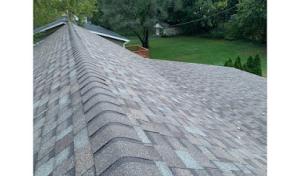
For Belvidere projects, roof permits are typically handled through the City of Belvidere and Boone County, and a full roof replacement generally requires a permit. That means pulling the right paperwork before any shingle lift or flashing change happens. Skipping permit steps can lead to scrutiny from inspectors, denial of insurance claims, or trouble with resale. Start by confirming which agency issues your permit, what forms are needed, and the expected timeline for approval. If a contractor offers to begin work without pulling a permit, treat that as a red flag.
Local inspections commonly verify installation details including venting, flashing, and roof deck condition during and after the project. Venting must align with the attic space and local code to prevent moisture buildup and ice dam risks, especially after harsh springs and freeze-thaw cycles. Flashing around chimneys, skylights, and transitions should be watertight and properly secured to resist Belvidere's seasonal wind and hail exposure. The roof deck needs to be sound-rotted boards can hide under new shingles and compromise long-term performance. Expect inspections at key milestones: during the roof removal, after underlayment and flashing are installed, and at project completion. If anything doesn't meet code, corrections are typically required before pass.
Homeowners should confirm that the permit is posted on site and that final clearance is obtained before closeout, which is a practical local compliance step in this jurisdiction. A visible permit card helps inspectors and insurers verify the project status at a glance. Keep a copy of the permit and any inspection reports in a readily accessible place for reference during insurance reviews or future repairs. If the permit posting is missing or unreadable, contact the issuing office and the contractor to remedy the issue promptly to avoid delays at closeout.
In a market shaped by storm response, timing can feel pressured, but permits and inspections should not be skimped for speed. Insurance-driven replacements emphasize proper documentation, so use the permit as a roadmap: ensure warranties align with local approvals, and hold contractors to a clear schedule for inspections. If hail or wind damage is involved, request written notes from inspectors about venting or deck concerns that may affect future performance, so that repairs address not just the visible surface but the underlying conditions exposed by Belvidere's climate.
Belvidere pricing isn't driven by material alone. Storm-driven demand surges after hail and wind events tighten labor availability, which can push both scheduling and install windows. When a big storm rolls through, the market tightens quickly and every contractor is short-handed for a few days or weeks. That constraint translates to longer wait times and, sometimes, higher edge-case pricing for expedited projects. If your roof needs to be torn off, that pressure layer compounds-as crews shift from repairs to full replacements and back, you may see a noticeable jump in daily labor rates. Plan for these rhythms if a hail event hits during a busy season.
Asphalt shingles are the most budget-accessible option in this market. On a typical Belvidere roof, asphalt shingles come in at roughly 350 to 650 USD per square installed, making them a common choice for homeowners facing insurance-driven timelines. Metal roofs and tile systems, by contrast, carry higher installed costs and may involve added structural or detail work. Metal generally runs 700 to 1100 USD per square, while clay tile and concrete tile can push past 1000 to 1800 USD per square for the right structure and underlayment. Wood shingles and synthetic or composite shingles fall in between, with the higher end of wood and upper ranges for synthetic options. The specific structure of your house, attic ventilation, and roof deck condition will influence final numbers, especially if more substantial underlayment or flashing work is needed after a storm.
In Belvidere, full replacements can trigger more thorough inspections, and older roof decks discovered during tear-off can elevate final costs. The established housing stock means you're more likely to encounter days of deck and roof-structure evaluation, which adds time and cost. If a tear-off reveals damaged or warped decking, expect adjustments to materials and labor estimates. Scheduling a project with a contingency for deck repair or replacement can help prevent sticker shock when the crew opens up the roof.
Don't let upfront costs delay a critical repair - these contractors offer payment plans to fit your budget.
Last Stop Roofing
(815) 482-3954 www.laststoproofing.net
321 N State St, Belvidere, Illinois
4.9 from 162 reviews
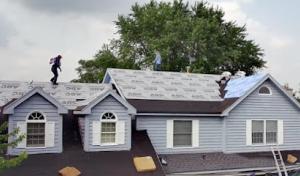
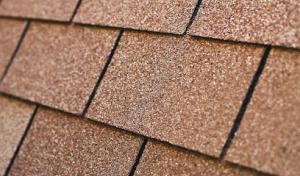
Belvidere is a high-claim roofing market during severe weather seasons, so insurers commonly expect detailed photo documentation tied to specific wind or hail events. If a claim arrives without clear, event-linked images, adjusters may question the cause or scope, leading to delayed decisions or partial coverage. Documentation that ties damage to a named storm helps establish a credible link between the event and the roof's condition, reducing back-and-forth during the claim process. Be prepared to show not only the damaged areas but also the surrounding attic or ceiling signs that corroborate a recent event rather than long-term wear.
Adjusters in this market often distinguish between fresh storm damage and pre-existing wear, making pre-storm roof records especially valuable for local homeowners. Before a storm, take dated photos of key roof areas, penetrations, and vents, plus attic insulation and visible rafters where accessible. After a storm, photograph from multiple angles, close-ups of hail impact patterns on shingles, and any granule loss at the gutters or yard. Include weather notes, wind gust estimates, and the exact date of the event when possible. If you don't have prior records, a contemporaneous set of photos showing clean lines of edge and cap materials can still help demonstrate an abrupt change.
Document in a consistent, date-stamped manner: capture the main three roof planes, flashing around chimneys, vents, and skylights, plus interior signs of leakage. Use a common reference object in each shot to gauge size, and note the time, location, and any observed moisture or staining. When in doubt, preserve the sequence: pre-storm photos if available, event-specific images, and post-storm repair progress. Coverage decisions can be influenced by local risk patterns and code-related requirements, so replacement scope may depend on both storm evidence and compliance needs.
Connect with contractors who help homeowners navigate the claims process from damage assessment to final approval.
Last Stop Roofing
(815) 482-3954 www.laststoproofing.net
321 N State St, Belvidere, Illinois
4.9 from 162 reviews
RENAISSANCE Historic Exteriors
(815) 547-1725 www.historicexteriors.com
2231 Hawkey Dr, Belvidere, Illinois
4.8 from 49 reviews
Twins Construction of Rockford
(779) 423-7681 twinsconstructionofrockfordllc.us
1640 Cedardale Dr, Belvidere, Illinois
5.0 from 24 reviews
In Belvidere, emergency calls often follow storm events rather than slow aging alone, which is why rapid tarping and leak response are so prevalent in the local market. When hail moves through the Rock River Valley or a strong wind drives rain under shingles, moisture can flood quickly from the attic to living spaces. The clock starts the moment a storm passes, not when a leak finally appears in the ceiling.
Inspection focus should zero in on flashing and venting, the two spots most likely to fail fast once wind-driven rain or freeze-thaw movement presses against seams. Look for lifted or loose flashing around the chimney, skylights, and dormers, then check vent boots at plumbing and attic fans for cracks or displacement. In Belvidere, those points tend to deteriorate first due to seasonal temperature swings and sudden pressure changes, so rapid assessment during or immediately after a storm can prevent widespread interior damage.
Chimney-adjacent roof details matter in this market because many established homes in the area have masonry penetrations that create recurring flashing maintenance needs. Inspect the step and counter-flashing where brick or stonework meets the roof deck, paying attention to staining, calcium deposits, and loose sealant. If flashing shows gaps or corrosion, prioritize a quick reseal or membrane repair to stop water migration into the attic or wall cavities.
If a storm has just passed, implement a temporary tarping plan to cover the most exposed areas within hours. Document the area with photos, then contact a local roofer who can assess flashing and venting as a first priority. Prompt attention to these points can limit interior damage and shorten the path to a lasting repair, especially in a market tuned to storm response.
When you can't wait, these contractors offer fast response times to stop leaks and prevent further damage.
EcoHome Expert, Inc. KANGA ROOF
2231 Hawkey Dr, Belvidere, Illinois
4.3 from 58 reviews
The Belvidere storm repair market moves fast after hail and heavy wind, and many crews come with a storm-restoration mindset rather than specialty craftsmanship. When you first talk with a contractor, confirm they can handle your exact roof type and size, not just generic repair. If your home has asphalt shingles, metal panels, or tile, ask for recent projects that match that setup, including the same exposure and underlayment approach you need. This helps ensure the crew can reproduce the correct fastening pattern, venting considerations, and drip-edge details for your particular roof.
Quick response and cleanup are unusually prominent local hiring priorities, reflecting how often homeowners choose roofers after active leaks or storm debris events. A dependable storm roofer should provide an on-site assessment within 24 to 48 hours after contact, outline a practical repair or replacement plan, and set clear expectations for temporary protections if rain is imminent. Watch for teams that offer a written timeline with milestones for debris removal, tarp installation (if needed), and final cleanup. Avoid contractors who rush essential steps or skip a thorough inspection in favor of "get it done fast" tactics.
Belvidere homeowners will encounter a mix of residential and commercial roofers, so it is important to confirm that the contractor's recent work matches the home's roof type and scope. Request detailed references, ideally from homeowners with similar roof styles and ages. Visit a few completed jobs if possible, and ask about how the crew handled hail-related damage, underlayment integrity, and flashing around chimneys and vents. A trustworthy roofer will explain any incidental repairs to ancillary systems (gutters, skylights, attic insulation) and how those tie into a robust, long-lasting fix, rather than delivering a quick patch that shifts problems elsewhere.