
Last updated: Apr 19, 2026
In this Chicago-area storm pattern, hail and wind claims are common enough that many local contractors actively market storm-damage and insurance-claim help. The reality on the ground is that a heavy spring or summer burst can hit quickly, leaving a roof exposed and homeowners racing to respond. When a storm hits, the clock starts ticking on decisions, and the risk of secondary damage-soft underlayment, attic leakage, and interior staining-rises fast. You need to act with clear purpose, not delay out of uncertainty or fear of disruption.
Post-storm roofing decisions in this market almost always begin with documentation. Insurers frequently ask for detailed photos and a contractor assessment before approving any scope. Your immediate goal is to capture a precise record of damage from multiple angles: roof surfaces, gutters, vents, chimney caps, and nearby property elements that could suffer collateral damage. Take date-stamped shots, include close-ups of hail impact marks, curling or broken shingles, and any interior signs of water intrusion. Create a simple map of affected areas on your roof and note any gaps or sagging sections. This documentation smooths the claim process and helps prevent scope creep later.
Spring and summer storm bursts in the western Chicago suburbs create sudden demand spikes that delay scheduling for full replacements. In those windows, the practical focus is temporary protection to prevent further damage. Use sturdy tarps or board up exposed openings promptly after a storm, secure them against wind, and avoid leaving vulnerable areas exposed for days. The goal is to limit moisture intrusion and wind-driven debris until a full plan is in place with a trusted local contractor who understands the neighborhood's typical roof assemblies and common re-roofing configurations.
Look for common indicators in this area: hail bruising on asphalt shingles at abnormal angles, rounding or splitting along edges, and wind uplift signs on metal or composite shingles. In homes with older underlayment or mixed roof lines, water intrusion can appear in attic corners or along ceiling seams even if the exterior surface seems superficially intact. If you notice damp rafters, musty smells in the attic, or stained drywall near the top story, treat it as urgent and call for an on-site assessment promptly. A local contractor with storm experience can help you separate cosmetic blemishes from structural risk.
With seasonal spikes, scheduling can slip. Start with a contractor who offers a thorough inspection, documented findings, and a transparent plan for temporary protection, hail and wind repair, and, if needed, a full replacement. Ask for recent local project references and proof of insurance. In a market where storm-damage claims drive the workflow, the best choice is a nearby firm that understands the typical Addison home profile-the steep pitches, vent-rich ridges, and the way wind can lift edge shingles or loosen flashing.
After the contractor's assessment, you'll receive a documented scope anchored in the photo evidence and onsite findings. Expect an itemized plan that distinguishes temporary measures from permanent repairs, aligns with the insurance review, and provides a realistic timeline. While you navigate approvals, maintain the temporary protection plan and stay in close contact with your chosen contractor to avoid delays and ensure the restoration proceeds with minimal gap in coverage.
Find local contractors experienced in assessing and restoring roofs after hail, wind, and severe weather events.
Max Roofing
(773) 766-9988 www.maxroofings.com
23 W Fullerton Ave, Addison, Illinois
5.0 from 79 reviews
UltraRoof Flat Commercial Roofing
(331) 236-5057 roofingcompanyaddison.com
3N441 2nd Ave, Addison, Illinois
4.8 from 49 reviews
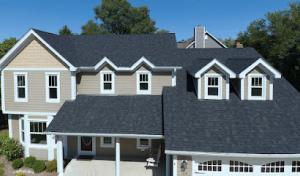
Davis Roofing
(630) 948-5000 davisroofing.us
36 Industrial Rd, Addison, Illinois
4.5 from 60 reviews
Max Roofing
(773) 766-9988 www.maxroofings.com
23 W Fullerton Ave, Addison, Illinois
5.0 from 79 reviews
LICENSED MAX ROOFING COMPANY ADDISON, IL. Residential and commercial emergency roofing replacement services contractors in Addison, IL, Glencoe, IL, Elmhurst, IL, Norridge, IL, Naperville, IL, Lake Forest, IL, Northbrook, IL 60062, Lake in the Hills, IL, South Barrington, IL, Glen Ellyn, IL, Hinsdale, IL. Certified GAF Master Elite Roofing Chicagoland. Chicago Certified Installers of Da Vinci Roofscapes near me. Get a Quote for Roof Repair from local roofers. Insurance Claims Roof Installation Contractors in Addison Illinois. As trusted local roofers, we offer extensive roof repair services, even specializing in the challenging task of repairing flat roofs near Addison, Glencoe, Elmhurst, Norridge, Naperville, Lake in the Hills, Barrington.

UltraRoof Flat Commercial Roofing
(331) 236-5057 roofingcompanyaddison.com
3N441 2nd Ave, Addison, Illinois
4.8 from 49 reviews
UltraRoof Flat Commercial Roofing is a roofing addison company that helps install and make repairs any day the sun is shining. Help to protect your home and keep you warm with roofing companies addison il. Winter is the perfect time to call roofing contractor addison to make repairs or installations. Roofing contractors Addison specializes in working with commercial property owners as well as private homeowners. Experience the excellent quality, superior customer service, and reliable performance that our service team offers. Prepare for the seasons with our roofing company Addison. Our roofs are ecologically friendly and affordable. Use our expert team for a roofing contractor Addison to fit your budget and needs.
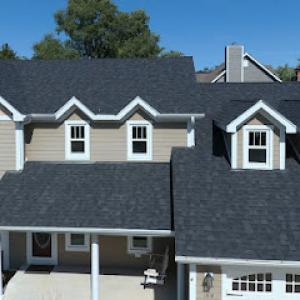
Davis Roofing
(630) 948-5000 davisroofing.us
36 Industrial Rd, Addison, Illinois
4.5 from 60 reviews
Davis Roofing, Co. is a trusted family-owned roofing contractor serving Addison, Bensenville, Elmhurst, Lombard, and nearby suburbs for over 70 years. We specialize in roof replacements, new roof installations, and storm damage repairs for both homes and businesses. As an Owens Corning Platinum Preferred Contractor, we offer some of the strongest warranties available along with expert craftsmanship and honest pricing. Our licensed and insured team handles asphalt shingles, TPO, EPDM, flat roofs, and full tear-offs. Financing is available, and we’re here to make the process simple. Contact us today for a free roof inspection.
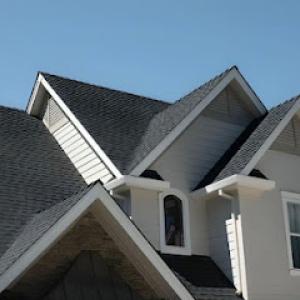
R.K. Roofing
Serving
4.9 from 71 reviews
For expert re-roofing, skylight replacement, gutter work, and service that is second to none, call on the local team that gets the job done right.
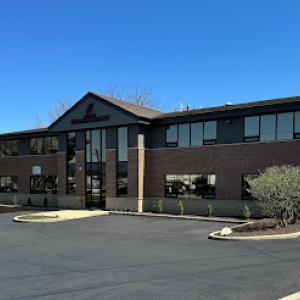
Aegis Construction Group
Serving
4.9 from 70 reviews
Welcome to Aegis Construction Group in Villa Park, IL! As a family-owned and operated business, we specialize in a variety of exterior restoration services. Proudly licensed as an Illinois roofing contractor and a General Contractor in the City of Chicago, we cater to residential, commercial, and industrial needs across the Illinois suburbs, including Villa Park. With a steadfast commitment to service and quality, we've delighted over a thousand customers in the Chicagoland area. Our dedication to excellence is backed by a 10-year craftsmanship warranty on all our work. We offer complimentary property inspections and strive to make the process hassle-free for homeowners, whether it's an insurance claim for storm damage or simple updates.
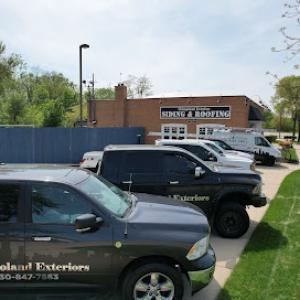
Chicagoland Exteriors
(630) 847-7863 chicagolandexteriorsinc.com
Serving
4.9 from 162 reviews
Roofing, Siding, and exterior remodeling contractor
Champion Roofing
(847) 673-7663 championroofing.com
Serving
4.8 from 230 reviews
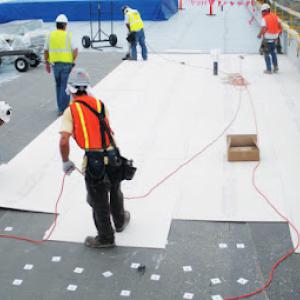
Champion Roofing, Inc is a recognized leader in commercial and residential roofing. As a trusted Chicago roofing contractor, Champion Roofing has a complete line of commercial and residential roofing systems to best meet your needs. Our dedicated roofing experts are available to help you design your new roof or help with your Chicago roof repair. Due to the quality our materials, we offer some of the best warranties in the industry, from 5-30 years. Our fully licensed, bonded, and insured commercial roofers have the experience to provide you with the assurance of quality installation due to our excellent workmanship. Give yourself and your business the peace of mind that comes from a trusted commercial roofing company. Learn more today.
Elite Exteriors
(312) 599-1032 www.eliteext.com
Serving
4.9 from 114 reviews
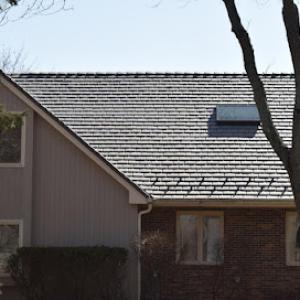
ELITE EXTERIORS - Residential & Commercial Roof Installation, Replacement & Repair Experts- has more than 30 years of experience in the construction industry. Not only are we a licensed roofing contractor, but we can also handle your insurance claims in-house. Our team of professionals has the experience to tackle any residential or commercial projects resulting from property damage caused by natural events. Elite Exteriors is Elmhurst’s top choice for exterior repair projects when Mother Nature causes damage to your home or business. Roofing, siding, gutters, decks, and almost any other exterior repairs you could ask for — Elite Exteriors can handle them all.
GC Roofing Company
(331) 267-8166 roofingcompanyvillapark.com
Serving
4.9 from 54 reviews
GC Roofing Company Villa Park based, specializes in providing top-tier roofing solutions tailored to meet the specific needs of each client. Our skilled team, equipped with the latest technology and materials, ensures every project is completed with the highest standards of quality. We take pride in our commitment to customer satisfaction and our ability to deliver exceptional results, whether it's for residential or commercial properties. Our services include new roof installations, repairs, maintenance, and inspections, all delivered with unmatched professionalism. Trust our company for reliable, efficient, and cost-effective roofing services. For a free consultation or to discuss your roofing needs, don't hesitate to contact us.
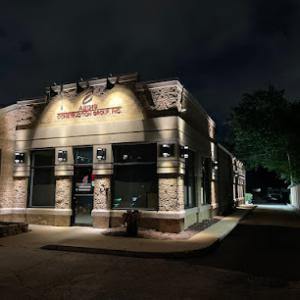
Aegis Construction Group
(773) 812-3447 www.aegiscgi.com
Serving
5.0 from 291 reviews
Aegis Construction Group in Elmhurst, IL delivers trusted exterior contracting and restoration services for homeowners and businesses throughout DuPage County and the Chicagoland area. As a family‑owned and Illinois licensed roofing and general contractor since 2015, we specialize in premium roofing replacements, roof repairs, siding installation, seamless gutters, windows, and garage doors backed by industry‑leading workmanship and materials. We manage storm damage repair, insurance claims, and offer free property inspections. Our team prioritizes quality, communication, and customer satisfaction, delivering durable, energy-efficient solutions that enhance curb appeal and long-term protection for your commercial or residential property.
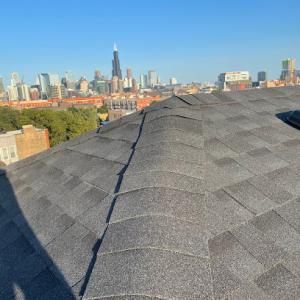
Sealed Tight Roofing
(630) 631-7496 www.sealedtightroofingandpaving.com
Serving
4.9 from 82 reviews
Here at Sealed Tight Roofing and Paving, we provide comprehensive roof installation, roof repair, modified bitumen, TPO roofs, flat roofs, asphalt shingles, snow removal, roof coating, gutter installation & repair services for homeowners and business owners across Chicago, Illinois and the surrounding communities. We are experts in our field and are dedicated to providing superior workmanship and customer support. With over 30 years of professional experience, customer satisfaction is always our top priority.
Late spring through early fall is the preferred replacement window in this area because Chicago-area winter freezes and snowpack can slow tear-offs and installation quality control. When you plan a re-roof, aim for a stretch from May through September, aligning with milder temperatures and more predictable drying times for the deck and underlayment. By scheduling during this window, the crew can keep a steady pace, minimize weather-driven delays, and reduce the chance that lingering cold snaps abruptly pause work. If a late-season project is necessary, factor in buffers for potential cold snaps and keep cooling and lighting plans ready for early fall sessions.
Freeze-thaw cycling in the shoulder seasons is a regional wear pattern that can accelerate flashing fatigue and expose older decking once shingles are removed. If a tear-off happens when temperatures swing from warm days to cool nights, you may see more condensation, fastener fatigue, and potential mortar-stone effects on flashing joints. The practical implication: anticipate a longer inspection window for the decking and a staged approach to flashing replacement if aging components show signs of movement. Discuss with the crew how they will sequence removal and reinstallation to minimize decking exposure and to protect any attic insulation from sudden temperature shifts.
Summer heat and humidity in northeastern Illinois can affect crew productivity and shingle handling, so project timing matters even during the main roofing season. High heat can slow operations when roofs reach extreme surface temperatures, and humidity can impact adhesive performance on synthetic or composite products. Plan for reflective or shaded staging areas, and consider scheduling the most labor-intensive tasks for the cooler portions of the day. If the forecast calls for prolonged heat waves, coordinate water access, break times, and on-site shade to maintain safety and material performance. You can expect some days to run longer if temperatures spike, so build in realistic milestones that account for heat-related slowdown without compromising quality.
A well-timed sequence helps manage freeze-thaw risk and heat effects. Begin with a thorough surface inspection to identify compromised decking, damaged alignment, or worn underlayment before shingles go down. If you encounter older decking, plan for a measured replacement strategy rather than rushing the deck expose-and-re-seat phase. Ensure this sequencing remains flexible enough to shift a portion of work into the cooler morning hours on particularly hot days. Discuss contingencies for wind events, which can be a recurring consideration in this region, and confirm secure staging and edge protection to keep shingles intact during high-wind forecasts. By coordinating timing with these local patterns, the project maintains quality control while reducing the chance of material or workmanship setbacks.
Asphalt shingles dominate the local market, matching the suburb's large re-roofing volume and the strong signal of contractor specialization you'll notice from one block to the next. For Addison homes, the practical choice hinges on performance under Chicago-area winters, hot summers, and the occasional hail event. When selecting shingles, look for high-availability impact resistance, good warranty coverage, and a color that helps reflect heat without sacrificing curb appeal. Proper attic ventilation and a solid underlayment become more than comfort features here; they help your roof weather freeze-thaw cycles and wind-driven rain without exposing sheathing to moisture. A quality installation with sealed edges, accurate nail pattern, and thoughtful drip edge installation reduces the risk of wind uplift on gusty spring days.
Metal is present but more specialized in Addison. It can excel where longevity and hail resistance matter, yet it comes with considerations for heavier system loads and flashing details that must be coordinated with existing roof geometry. If your home has complex ridges, multiple penetrations, or older framing, a metal system should be planned with a crew experienced in their integration. The material's reflective properties can help manage attic temperatures in hot summers, but flashing quality and proper sealant choices along valleys and transitions matter just as much as color and profile. A metal roof may require re-ventilation checks to avoid heat pockets and condensation in winter.
Tile and cedar shake exist as niche options that demand crews familiar with heavier assemblies and higher-maintenance setups in a freeze-thaw climate. Clay or concrete tiles carry substantial weight, so structural evaluation is essential before installation. Cedar shakes offer a distinctive look but demand regular maintenance to prevent rot and insect activity, especially where moss or ice dam development is a concern. In Addison's climate, expect more frequent inspection of fasteners, flashing around dormers, and the condition of underlayment beneath any durable tile system.
Because Chicago-area winters, hot summers, and sporadic hail shape performance, prioritize impact-resistant underlayment, robust flashing around chimneys and skylights, and ventilation that keeps attic air moving. Your choice of roof material should align with a system that manages moisture, wind uplift, and thermal expansion. In practice, that means collaborating with a crew that treats every detail-nailing patterns, step-flashing, ridge venting, and proper attic ventilation-as an integrated package rather than isolated steps.
Addison homeowners should expect local pricing to move with Chicago-area labor costs, permit requirements for full replacements, and storm-driven demand surges after hail or wind events. In practice, a sudden surge can tighten crews for days or weeks, driving up both crew availability and material lead times. When a regional storm hits, the local market sees price spikes as insurers and homeowners compete for the same crews. Having a plan and a short list of trusted, ready-to-quote contractors can help you avoid inflated bids and last-minute delays.
Material choice matters sharply here because the local contractor base is deepest for asphalt systems, while metal, tile, and cedar work is available through a smaller specialist pool. Typical costs per square (one square equals 100 square feet) reflect this mix: asphalt shingles range roughly from 500 to 900 USD per square, metal Roofing from 800 to 1500 USD, clay tile from 1500 to 3500 USD, concrete tile from 1400 to 2600 USD, wood shingles/shakes from 500 to 1100 USD, and synthetic/composite shingles from 450 to 900 USD. In practical terms, a homeowner should budget a mid-range asphalt replacement for the most predictable pricing path, with metal or tile as a premium option that may require longer lead times for the right installer.
If hail or high winds have damaged your roof, you'll want to document damage promptly with photos and keep a steady line of communication with your insurer and chosen contractor. In Addison, the speed at which crews can mobilize after a storm correlates closely with local demand; be prepared for flexible scheduling and potential short-notice start dates. When assessing bids, compare not only the sticker price but also material quality, warranty terms, and the contractor's readiness to coordinate with insurance adjusters.
Look for a company with a strong local presence, solid references, and transparency about material options and timelines. Given the mix of pricing drivers after a storm, a contractor who can offer a clear phased timeline-from tear-off to installation to final inspection-will help you stay on track. Ask about breakup of costs by material, labor, and disposal, and verify that the bid reflects the specific underlayment and ventilation needs for the region's freeze-thaw cycles.
Get a clear picture of your project costs upfront - no commitment required.
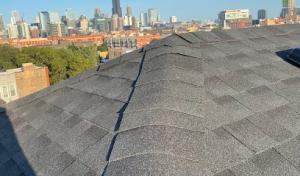
A full roof replacement usually requires a building permit submitted to the local building department with the project scope and roof type. The process can feel slow, especially after a hail or wind event when many homeowners are trying to move projects forward at once. The permit review will pause or slow if the scope isn't clearly defined, or if the chosen roofing material triggers additional code considerations. Plan for coordinate timing with weather windows, especially since spring and fall can bring sudden storms that push schedule changes. If the project includes unusual details, such as venting changes or a nonstandard roof deck, expect a longer review path and extra documentation requests.
Inspection scheduling is handled through the local building department, and homeowners should expect at least a final inspection after the roofing work is completed. It is not unusual for the final inspection to catch small discrepancies in flashing, ventilation, or attic access that were not visible from the ground. Keeping the contractor's permit number and the inspector's contact information handy helps reduce back-and-forth delays. If access is restricted or the site isn't ready at the agreed time, the inspector may reschedule, which can impact the overall timeline and downstream approvals for punch-list items.
Because permit review is tied to scope and roof type, Addison homeowners should confirm whether accessory work such as skylight changes or structural repairs alters the permit path. Even seemingly minor changes-like adjusting an existing skylight or adding a new vent-can require an updated permit application or new plan review. If the roof line is expanded or if a metal roof is chosen where shingles were anticipated, the project may follow a different permit track. Communicate any anticipated changes to the roofer and the permit official early, so there is a clear, continuous path from permit approval to final inspection and occupancy readiness.
Addison is a hail- and wind-claim environment where carriers commonly request thorough pre-repair documentation and may want contractor verification of storm-related damage. Before a storm hits or as soon as you suspect damage, take clear photos from multiple elevations, focusing on roof edges, gutters, vents, and any visible soft-metal impacts. Create a simple timeline: last known roof age, notable weather events, and any prior repairs. Keep a file of key roof measurements and snapshots of attic insulation and deck conditions when accessible. This groundwork helps ensure the adjuster sees a complete picture rather than a fragmented report.
Because claim handling can vary significantly by insurer in this region, Addison homeowners benefit from documenting elevations, soft-metal hits, interior leaks, and prior roof age before the adjuster visit. When the adjuster arrives, have your independent verification ready from a trusted roofing contractor confirming storm-related damage if you've already had a preliminary assessment. Point out specific issues: buckled shingles, torn flashing, dented vent caps, and any interior signs of leakage aligned with attic or ceiling spots. If wood decking or underlayment shows damage, note that as well. A calm, organized walkthrough helps prevent misinterpretation of minor cosmetic wear as major storm loss.
After the visit, request a written summary of what the adjuster inspected and any items deferred for depreciation or future patchwork. If contractors recommend immediate temporary protection or safety measures (such as tarping exposed areas), implement them promptly and document the work. Keep all contractor emails, repair estimates, and follow-up photos in the claim folder. The goal is to prevent gaps between what was observed and what is approved for repair, especially in a season known for rapid weather shifts.
Before and after photos from the attic, elevations, and interior spaces are valuable. Record any prior roof age details, known hail exposure points, and incidents of interior leaks that correlate with roof events. If you have prior claim history or previous contractor notes, keep those on hand as well. Consistency between your documentation and the contractor's verification reduces back-and-forth and supports a smoother settlement process during Addison's storm season.
Connect with contractors who help homeowners navigate the claims process from damage assessment to final approval.
Max Roofing
(773) 766-9988 www.maxroofings.com
23 W Fullerton Ave, Addison, Illinois
5.0 from 79 reviews
UltraRoof Flat Commercial Roofing
(331) 236-5057 roofingcompanyaddison.com
3N441 2nd Ave, Addison, Illinois
4.8 from 49 reviews
Davis Roofing
(630) 948-5000 davisroofing.us
36 Industrial Rd, Addison, Illinois
4.5 from 60 reviews
Even though pitched residential roofs dominate, a meaningful demand exists for flat and low-slope work on additions, porches, and attached garage sections. In the DuPage County setting near O'Hare, these transitions face a unique mix of wind-driven hail, freeze-thaw cycles, and frequent spring showers. Ponding water on a low-slope edge or transition can mask underlying failures and accelerate edge-detail wear, especially where older homes blend roof geometries.
When the main roof still looks serviceable, low-slope transitions reveal their vulnerabilities first. Look for irregular ponding after heavy spring rain, streaking or staining along parapets, and edge-detail distortions where flashing meets the membrane. Drainage details tend to become weak points where additions connect to existing roofs. Ice dam potential also lingers along low-slope edges, even if the primary roof surface is in decent shape. In winter, freeze-thaw cycles can loosen flashing, seam laps, and fasteners around these transitions.
Schedule a post-storm check focusing on the low-slope areas attached to the main roof. Inspect for pooling, scupper or gutter overflow, and any edge-water infiltration behind fascia. Ensure the transition flashing is continuous and properly sealed, with compatible membranes that can bridge from the main roof to the low-slope surface. Consider extending downspouts and adding scuppers or overflow paths tailored to typical Addison precipitation patterns. For additions, deliberate detailing at the connection point-often a line of tension between materials-helps reduce wind uplift risk and keeps water moving toward the drainage system.
Low-slope sections benefit from membranes designed for sustained drainage and hail resistance. Choose a system that integrates well with the existing roof deck and flashing strategy, with attention to curb/appurtenance compatibility and UV exposure at edge-lines. Regular maintenance of every drain outlet and edge termination is essential to prevent slow leaks from developing into larger interior issues after a storm.
Find specialists in TPO, EPDM, and built-up flat roofing systems for residential and commercial properties.
Max Roofing
(773) 766-9988 www.maxroofings.com
23 W Fullerton Ave, Addison, Illinois
5.0 from 79 reviews
UltraRoof Flat Commercial Roofing
(331) 236-5057 roofingcompanyaddison.com
3N441 2nd Ave, Addison, Illinois
4.8 from 49 reviews
Davis Roofing
(630) 948-5000 davisroofing.us
36 Industrial Rd, Addison, Illinois
4.5 from 60 reviews