
Last updated: Apr 19, 2026
In this part of DuPage County and the western Chicago suburbs, you're navigating a hail- and wind-claim environment that can turn roof replacements into ongoing negotiations. Roof age and prior repairs often become part of claim review, so a stubbornly aging deck or patched valleys can complicate coverage decisions. If your shingles have more than a decade on them, or if you've seen uneven patches or recurrent leaks, expect the adjuster to scrutinize history closely. Weather events here don't just scratch a surface; they set up a domino effect that can push an ordinary repair into a larger reroof decision. Your best defense is documentation early: photos of aging conditions, dates of prior fixes, and a precise note of any changes in a roof's performance after the last major storm.
Spring in Wheaton brings lightning-fast combinations: hail that dents and cracks, paired with heavy rain that can drive water into compromised layers. Impact damage may not be obvious on first glance, especially if the hail was driven by thunderstorms and left only microscopic bruising on shingles or around flashings. But when rain follows, leaks can appear in unexpected places, including attic spaces and below valleys. This pattern often overloads contractor schedules citywide, leading to longer wait times for timely tarping and repairs. If you notice new stains on ceilings after a spring shower, or an unusual damp smell in the attic after a storm, treat it as an urgent signal. Immediate water intrusion can escalate into structural risks and more expensive later repairs. Prioritize rapid assessment after a hail event, and keep a careful record of any water ingress, including dates, affected rooms, and the level of standing water.
Autumn winds in established, tree-heavy neighborhoods bring a practical, day-to-day risk. Branches and leaf buildup can accelerate shingle wear, and valley blockages from fallen debris can trap moisture and accelerate deterioration. Wind-driven debris can pry up edges or loosen flashing, creating pathways for water entry even when the surface looks intact from the ground. After a windy day, perform a quick exterior check: look for lifted shingles, displaced shingles at the rake and eave lines, and debris in gutters that suggests more extensive valley and roof-capping issues. If a limb overhangs your roof after a storm, consider trimming it back promptly to reduce future impact risk and leaf buildup. Regular autumn inspections help catch wear before it compounds into a rapid, storm-driven claim spike.
Wheaton's cold winters and repeated freeze-thaw cycles make ice dam formation a recurring risk along eaves and overhangs. When heat from the attic escapes to the roof deck, particularly near the edges, snow on the roof melts and refreezes at the colder gutters and overhangs. The result is a dam that traps additional meltwater, seeping under shingles and into vulnerable joints. The problem tends to show up first on older homes with shallower attic insulation or imperfect ventilation, where heat loss is uneven and the roof edge stays warmer for longer.
Ice dams are not just an ice sculpture on the gutter line; they signal underlying moisture problems that can lead to rot, leaks, and interior staining. In Wheaton, where mature trees drape yards and roofs with debris, ice dams often ride along the eave lines and roof-to-wall intersections. When a dam forms, it creates a backpressure that forces water upward under shingles, which can compromise flashing, underlayment, and the attic air barrier. The consequences extend beyond a wet ceiling: mold risk grows, fascia and soffits can decay, and repeated freeze-thaw cycles amplify the damage over successive winters.
Prevention starts with the attic. Target a balanced approach: adequate insulation and proper ventilation to keep the roof edge cooler in winter. If insulation is aged or uneven, consider upgrading to reduce heat transfer without overburdening the space. Seal air leaks around soffits, attic hatches, and chases to minimize warm-air escape to the roof deck. Clear gutters and downspouts of leaves and icicles to encourage proper drainage, but avoid aggressive scraping that can damage the roof edge. In the colder months, when safe access is possible, a trained pro can inspect for damaged shingles, flashing, or venting issues that contribute to edge icing. Regular inspections are especially important after heavy snows or ice storms, since symptoms may worsen with each season.
Snow and ice in winter can limit safe roof access in Wheaton, which affects both emergency response timing and the practicality of full replacement work. In practice, response may hinge on daylight, temperature swings, and overnight frost. If ice dams appear or leaks are detected, delay for safe access is a reality you may need to plan around. A cautious homeowner approach prioritizes temporary protections - such as tarping exposed areas or redirecting interior moisture away from affected ceilings - while awaiting a professional assessment. Proactive maintenance now can reduce the likelihood of a reactive, crisis-driven repair later, especially in homes with older attic ventilation or inconsistent insulation.
When you can't wait, these contractors offer fast response times to stop leaks and prevent further damage.
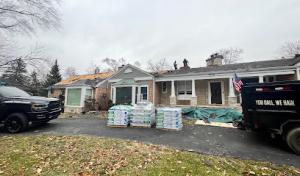
Noah's Roofing
(630) 822-0393 noahsroofing.org
1480 Stonebridge Cir, Wheaton, Illinois
5.0 from 81 reviews
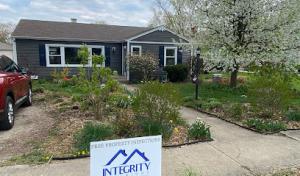
Integrity Exteriors
(630) 868-3935 www.integrityexteriorsllc.com
400 W Roosevelt Rd Suite 220, Wheaton, Illinois
4.8 from 79 reviews
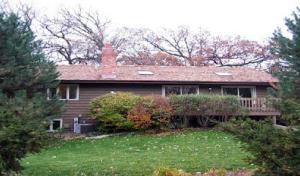
Late spring through early fall is the practical window for planned roof replacement in this area. Wheaton's mature neighborhoods mean crews often encounter complex eaves, vent stacks, and stubborn (and sometimes reinvigorated) flashing around tall trees. Snowpack in winter and quick swings into rain in spring can stall projects, so planning starts with a firm start date and a back-up plan for weather delays. If you're coordinating around family schedules or a busy summer calendar, aim to lock in a date early, with a clear expectation for possible rescheduling due to storms or heat.
Warm, humid summers in this market affect material handling and installation conditions. Shingle bundles become heavier in the heat, and asphalt and synthetic products can soften if exposed too long in direct sun. Crews will typically stage work to avoid the peak afternoon heat, meaning early starts or mid-morning shifts, with safety protocols for roof access and ladder use. For tile or slate options, heat during the season can impact cutting and fitting, so discuss moisture management and ventilation plans ahead of time to keep underlayment and fasteners performing as intended.
Spring storm surges can create local backlogs, so homeowners often face longer lead times for non-emergency reroofing after hail events. In practice, this means you should expect a tighter scheduling window if a large hail event hits your area. Communication matters: confirm estimated arrival windows for crews, and establish a signal for weather-related delays. If a storm has recently passed, you may have to be flexible with start days while suppliers and crews triage backlog.
In mature neighborhoods with mature trees, wind-driven debris and hail can influence material selection. Asphalt shingles offer solid performance with a reasonable profile for local aesthetics, while synthetic shingles provide good impact resistance without adding excessive weight. For those seeking more durable curb appeal, concrete or clay tiles can handle wind better but require a sturdier roof structure and careful attic ventilation planning to prevent heat buildup in summer. Slate delivers longevity and a classic look but demands a compatible structure and professional handling to avoid fracture during harsh weather cycles.
A typical sequence starts with a pre-installation assessment that checks for loose or damaged decking, flashing integrity, and tree-related abrasion risks. Weather planning follows, coordinating tarp protection for gutters and landscaping, moisture barriers, and ensuring proper attic ventilation to combat summer heat and humidity. During the work, expect periodic inspections for wind-driven debris ingress and irrigation of valley flashings to manage spring moisture. After completion, a thorough cleanup and a final walk-through with the roofer helps confirm that underground or concealed vulnerabilities haven't developed in the wake of seasonal shifts.
Get a clear picture of your project costs upfront - no commitment required.
Noah's Roofing
(630) 822-0393 noahsroofing.org
1480 Stonebridge Cir, Wheaton, Illinois
5.0 from 81 reviews
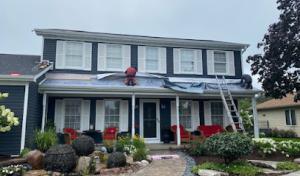
Greater Chicago Roofing
(331) 236-0317 www.greaterchicagoroofing.com
Wheaton, Illinois
5.0 from 54 reviews
Noah's Roofing
(630) 822-0393 noahsroofing.org
1480 Stonebridge Cir, Wheaton, Illinois
5.0 from 81 reviews
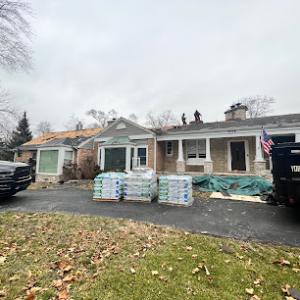
Noah’s Roofing is family owned and Experienced since 1984 specializing in all types of roofing. Free estimates on site. 24-hour emergency service. We are Licensed bonded and insured for Commercial, residential, industrial, We have over stock for most projects. no need to wait to get the job done With Noah’s roofing we are prepared and ready to complete jobs right away. offering 15% off all projects. we offer roof repairs and roof replacements. We service SHINGLES. BUR. TPO. PVP. EPDM. 24 hour emergency dispatch. All work comes with a full job warranty. to help you extend the life of your roof and avoid the high cost of repair or replacement. Call or text anytime to schedule an appointment.

Boxer Exteriors
(630) 570-0269 www.boxerexteriors.com
130 W Liberty Dr #200, Wheaton, Illinois
4.9 from 126 reviews
Roofing at a higher level. Experience the "Boxer Standard". Specializing in roofing, siding, windows, and gutters. We knock out roofing for you! Our mission is to provide the higest quaity service to satisfy our client's roofing needs through professional, well-trained, and honest employees. We do what is right, even when it is hard. Boxer Exteriors is proud members of the BBB, National Roofing Contractors Association, National Women In Roofing, and The Wheaton Chamber of Commerce.
Greater Chicago Roofing
(331) 236-0317 www.greaterchicagoroofing.com
Wheaton, Illinois
5.0 from 54 reviews
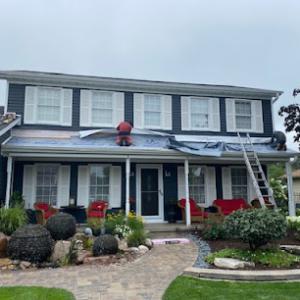
Greater Chicago Roofing - Wheaton offers top-notch roof installation and replacement services for residential and commercial properties in Wheaton IL and surrounding areas. Our experienced team is dedicated to providing high-quality results and exceptional customer service. We offer free estimates and work to ensure your roofing project is completed with precision and care. Trust Greater Chicago Roofing - Wheaton for reliable, professional roofing solutions. Call us now for your free estimate!
Integrity Exteriors
(630) 868-3935 www.integrityexteriorsllc.com
400 W Roosevelt Rd Suite 220, Wheaton, Illinois
4.8 from 79 reviews
Integrity Exteriors works with homeowners to restore and/or replace roofing, siding, gutters and other home exterior needs. In addition to exterior home remodeling, Integrity works with homeowners on the insurance claim process when it comes to storm damage impacting their home.
FTC Oury Group
(630) 866-6888 www.ftcourygroup.com
Serving
4.8 from 116 reviews
FTC Oury Group, LLC offers excellent roofing services for residential as well as commercial needs in Illinois. We specialize in home siding, roofing, and water diversion systems and top-notch customer service.
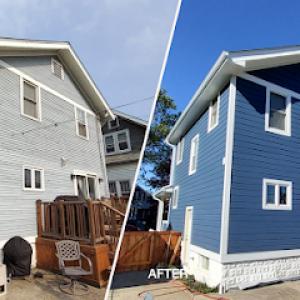
(331) 236-5044 gutterinstallationglenellyn.com
Serving
4.9 from 33 reviews
With over 15 years of experience serving the South-Western regions of the Chicago area, we provide only quality gutter service Glen Ellyn property-owners rely on. Maintain your home out of the gutter through custom-fit aluminum gutters that are made to endure and to protect your home from any water leaks. Our gutter installers in Glen Ellyn can even provide K-Style, half-round gutters and seamless gutters in Glen Ellyn in order for you to obtain the look you seek for your home with equal amounts of protection from each. When you require new gutters, you can rely on us, we are capable of doing it all!.
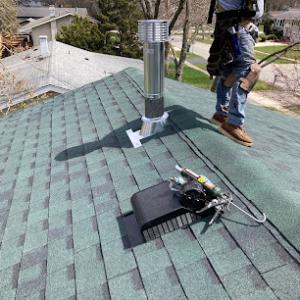
Pro Home Services
(630) 790-0800 prohomeservices.com
Serving
4.9 from 160 reviews
Since 2003, Pro Home Services has been the trusted choice for exterior home improvements in Chicagoland. We’re dedicated to delivering quality craftsmanship with integrity and honesty, all at affordable prices. Our certified team has completed thousands of projects, transforming homes with precision and care. Looking for a reliable contractor for your next project? Contact us today for a hassle-free consultation.
Gio Pro Roofing Company
(773) 897-5322 rooferscarolstream.com
Serving
5.0 from 48 reviews
Are you in search of reliable roofing contractors in Carol Stream who specialize in variety of roofing styles? Look no further! We offer a comprehensive range of services including roofing maintenance, flat roof repair, flat roof replacement, and other roofing needs. We prioritize the use of high-quality materials to ensure that both your residential and commercial properties are well-protected against any weather conditions. Our years of experience is proof that we know the ins and outs when it comes to your roof. During your free estimate, we will provide you with detailed information about the services we offer, ensuring clarity and transparency!
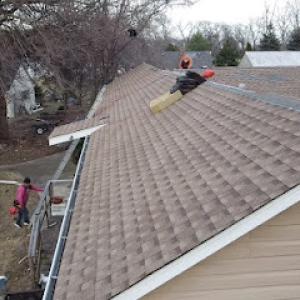
Chicago Advanced Roofing
(773) 960-3002 advancedroofingchicago.com
Serving
4.9 from 40 reviews
Chicago Advanced Roofing brings over 25 years of expertise to the roofing industry, specializing in roof leak repair, flat roofing, and complete tear-offs. Serving the Chicago area, including surrounding suburbs, we cater to both residential and commercial clients. As a family-owned business, we pride ourselves on using top-quality materials and providing exceptional workmanship. Contact us for a free onsite estimate to address your roofing needs with confidence.
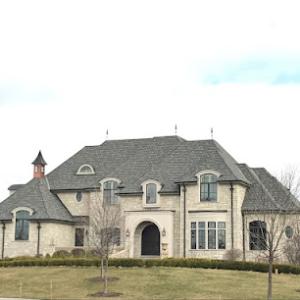
Greenlight Construction Group
(844) 934-7336 greenlightconstructiongroup.com
Serving
4.7 from 48 reviews
Mission & Motto - Your Contractor For Life We are dedicated to providing our clients with top-quality craftsmanship, innovative solutions, and a commitment to environmental stewardship. By prioritizing Performance-Grade building materials, we strive to make a positive impact on the planet while exceeding our clients' expectations. Our mission is to build with integrity, passion, and a forward-thinking mindset, ensuring that every project we undertake contributes to a greater future. SOLAR * ROOFING * CONSTRUCTION A FEDERAL CONTRACTOR FOR THE UNITED STATES GOVERNMENT 2021, 2020 & 2019 GreenLight Construction Group was considered for Award in Innovation, Design & Creativity
AR Roofing Companies
(331) 215-8807 roofingcarolstream.com
Serving
5.0 from 32 reviews
We are a leader among roofing companies in Carol Stream that can bring you the highest level of service and the best quality roofing material possible. We have vast experience handling all kinds of roofing materials, so we can far exceed your expectations to give you the perfect roof for your home or business. Whether your roof needs replacement or roof repairs, AR Roofing Companies can help with expert advice and incredible workmanship. With AR Roofing Companies here, you don’t need to look any further for Carol Stream roofing companies. Check our Angie’s List customer reviews to find out about our great service and quality work, and then call us to be your.
TruMast Roofing Company
(331) 716-2707 carolstreamroofers.com
Serving
5.0 from 42 reviews
Welcome to TruMast Roofing Company, where quality and expertise come together to elevate your roofing experience. With years of dedicated service in the roofing industry, we specialize in tailored solutions for both residential and commercial properties. Whether you're looking for reliable repairs, comprehensive installations, or routine maintenance, our experienced team is committed to delivering results that exceed your expectations. We understand that a sturdy roof is vital for your comfort and security, and we’re here to make that a reality. Contact us today for a free estimate, and let TruMast Roofing Company transform your roofing aspirations into a stunning achievement. Your satisfaction is our mission.
In this area, asphalt shingles are the dominant practical choice for typical residential roofs, offering solid durability and straightforward maintenance at a reasonable price. Higher-end or architecturally distinctive homes-the ones with prominent façades, steep pitches, or complex rooflines-tend to feature clay or concrete tile, slate, wood shingles or shakes, or synthetic systems. These materials come with noticeably different installation dynamics and long-term performance, so the choice often reflects both the home's style and the level of maintenance you're prepared for.
Asphalt Shingles: 350-750 USD per square
Clay Tile: 1100-2800 USD per square
Concrete Tile: 900-1900 USD per square
Wood Shingles/Shakes: 800-1400 USD per square
Synthetic/Composite Shingles: 500-1200 USD per square
Slate: 1800-4000 USD per square
These figures provide a practical baseline for planning. In practice, you'll notice costs rise with steeper rooflines, multiple intersecting valleys, chimney flashing work, and the need for meticulous debris management in mature neighborhoods with heavy tree cover. In neighborhoods with dense tree canopies, the labor and disposal portions can add noticeable run-up, especially if seasonal cleanup or additional protection measures are required during installation.
Storm-driven demand spikes in DuPage County, including Wheaton, can tighten labor availability after hail events when many homeowners seek inspections at once. If a hail event occurs, the timing of when you replace or retrofit your roof may hinge on crew availability and the scope of damage found in multiple nearby homes. Valleys and flashing around chimneys or dormers, plus ensuring proper underlayment and ventilation in older homes, can push prices upward compared with simple, single-slope installations.
Freeze-thaw cycles and ice dam risk tilt decisions toward shingles that shed water swiftly and resist cracking, while higher-end materials offer longer lifespans under Chicago-area weather patterns. If the roof is visible from the street and complements a distinctive architectural style, tile or slate may justify the premium. For most mid-range homes with mature trees, asphalt remains the practical benchmark, with premium options reserved for special designs or lasting curb appeal.
In Wheaton, asphalt shingles fit the dominant reroof market because they balance cost with repairability after hail and wind events common in the western suburbs. The practical choice for most aging roofs is a high-quality asphalt system with a reinforced underlayment and accurate attic ventilation. When damage occurs, shingles are easier to replace in partial areas without reworking the entire roof line, and the repair time can reduce the risk of wind-driven leaks during late winter storms.
Clay tile, concrete tile, and slate require attention to structural load and specialized repair planning, which matters on homes with more custom or older architectural profiles. In this area, roof rafters, plywood deck, and attic framing need to be evaluated before selecting heavier materials. If the structure isn't upgraded, tile and slate can overwhelm supports and increase installation complexity. For a Victorian-era or ranch-style roof with ornate dormers, expect careful detailing around chimneys, valleys, and skylines. When damage occurs, storm events can creep into fastener failures or cracked slates that propagate along your fascia, so plan for targeted replacement rather than a full reroof if possible.
Wood shingles and cedar shakes need close monitoring in the humid summer conditions and after storm seasons that can introduce moisture and debris retention. Cedar products respond to moisture with dimensional changes, so gaps and cupping can appear after heavy rains. In mature neighborhoods with tall trees, branches and needles collect on the roof and in gutters, accelerating decay or rot if left unattended. Regular cleaning, prompt replacement of split shakes, and periodic sealing or staining help extend life. If hail strikes, wood shingles may show bruising on the surface, and need careful inspection to determine if surface repair or full segment replacement is warranted.
Synthetic or composite shingles offer a balance between installation ease and long-term resilience. For homeowners who want a durable finish that can mimic heavier materials without the same load, synthetic products can be a pragmatic middle path, especially when paired with a proper underlayment and ventilation. In blocks with mature oaks and maples, choosing a product with good impact resistance and UV stability helps retain color and roof integrity through the region's seasonal extremes.
Choosing among these options should start with a professional assessment that considers attic ventilation, existing deck age, and the way your home sits relative to neighboring trees. A experienced contractor can tailor a plan that balances resilience with long-term maintenance in this climate. Have the assessment address attic sealing, gutter protection, and seasonal inspections to catch problems before they spread and keep your roof performing through Wheaton's freeze-thaw cycles well. Regular homeowner maintenance, especially after storms, can save time and reduce the chance of unexpected leaks.
The most popular roofing material in the US. Find pros who install, repair, and replace asphalt shingles.
Greenlight Construction Group
(844) 934-7336 greenlightconstructiongroup.com
Serving
4.7 from 48 reviews
In Wheaton, a building permit is typically required for a full reroof rather than being treated as purely over-the-counter maintenance. Before any roofing crew arrives, verify that a reroof project is treated as a full replacement in the permit category, not a minor repair. The permit process helps ensure the chosen underlayment, ventilation, and fastener schedule meet local standards for the climate and mature-tree neighborhoods common here.
The city reviews roofing plans and material selections before work proceeds, so product choice and scope can affect permit processing. Have your proposed roofing system and underlayment type, along with attic ventilation details, documented for review. If the area experiences wind events or hail, be prepared to show impact-resistant underlayment or equivalent code-compliant features. The review step can influence start timing, especially if material selections differ from the typical local stock or if an energy-efficient option is pursued.
A final inspection is typically scheduled after completion, and permit issuance plus inspection timing can vary with workload at the DuPage County building department. Coordinate with the roofing contractor to align the project timeline with the inspection window, and keep copies of all permit documents accessible on site during the job. If a supervisor or inspector finds a discrepancy, be prepared for a quick plan adjustment to stay compliant and avoid hold-ups. After the final sign-off, ensure all debris and waste are cleared promptly to restore curb appeal in the mature neighborhood.
Illinois insurers commonly scrutinize hail and wind claims in markets like Wheaton by asking about roof age, prior patching, and whether damage is storm-related or wear-related. The adjuster is looking for patterns that distinguish an isolated incident from long-term deterioration. In practice, that means expect questions about when the roof last saw a professional inspection, whether patches were applied after previous weather events, and how the current damage aligns with the storm window. Being prepared with honest, dated information about past roof health can help keep the process from getting tangled in disputes over causation. In a mature neighborhood with mature trees, engineering and alignment concerns can complicate whether a hail hit is the primary trigger or a preexisting condition.
Wheaton homeowners should expect adjusters to request photo documentation and a roof condition assessment before settlement decisions are finalized. Clear photos of hail impact points, wind-stripped shingles, and signs of granule loss matter, as do close-ups of flashing and any patchwork that may have occurred previously. A professional roof condition assessment gives an independent view of current safety and remaining life, which can influence how damages are categorized. Gather dates, weather notes, and a log of who inspected the roof and when. These details help prevent later disagreements about what the storm and what preexisting conditions contributed to the damage.
Because storms can affect many homes in Wheaton at once, documentation taken immediately after an event can matter when claim timelines stretch and visible conditions change. A rapid collection of photos from different angles, plus a dated record from a local roofer or contractor, helps anchor the claim in the moment. If rain or snow follows, the temporary appearance of issues can fade; timely evidence keeps the history intact and supports a straightforward settlement path.
Connect with contractors who help homeowners navigate the claims process from damage assessment to final approval.

Boxer Exteriors
(630) 570-0269 www.boxerexteriors.com
130 W Liberty Dr #200, Wheaton, Illinois
4.9 from 126 reviews
Integrity Exteriors
(630) 868-3935 www.integrityexteriorsllc.com
400 W Roosevelt Rd Suite 220, Wheaton, Illinois
4.8 from 79 reviews
Although pitched roofs dominate the neighborhood, the low-slope sections over additions, porches, and transitions are common leak points during heavy spring rain. In Wheaton developments, those rubber or membrane interfaces near exterior walls and door transoms sit right under the drip line where runoff slows. Watch for subtle weeps at transitions between living spaces and sunrooms, or where a new addition ties into an existing roof. In practice, inspect the seam lines at the top edge of a porch roof, and test with a careful bucket check during a steady drizzle to confirm whether standing water or slow seepage appears at fasteners, terminations, or roll joints. Seasonal freeze-thaw cycles tend to push up edge details and widen small gaps, so prioritize resealing and flashing where misalignment is most evident after the first thaw.
Skylights are a recurring specialty in the local contractor market, reflecting the need to watch flashing and curb details through freeze-thaw cycles and wind-driven rain. A recurring failure path is where the curb is not properly sealed to the deck or where flashing folds are misaligned with the surrounding roof surface. In practice, inspect skylight casings for rusting or loose fasteners after heavy storms or ice build-up. During spring, pay attention to the vertical flashing along the curb and the edge where the skylight meets the shingle field. When resealing, ensure the step-flashes extend adequately onto the shingles and that the sealant remains flexible through temperature swings. If the curb shows uneven settling or the flashing cap sits high on one side, plan a targeted repair rather than a full replacement to address the leak path precisely.
Mixed roof geometries on remodeled homes can create vulnerable transitions where standard shingle repairs do not address the actual leak path. In Wheaton, add-on rooms or reconfigured gambrels may channel water toward a narrow junction that hides behind a skylight or a dormer. The repair approach should map the actual drainage flow rather than rely on surface smoothing. Trace moisture inland from the leak to its source, check for mismatched flashing at valleys, and verify that counter-flashing overlaps are adequate where roof planes meet. When a transition feels "off," test with a controlled water path to reveal whether the leak follows the seam, the nail line, or the edge of a metal apron.
Find specialists in TPO, EPDM, and built-up flat roofing systems for residential and commercial properties.
Noah's Roofing
(630) 822-0393 noahsroofing.org
1480 Stonebridge Cir, Wheaton, Illinois
5.0 from 81 reviews
Because Wheaton's market is heavily reroofing-oriented, homeowners should compare how quickly contractors can inspect, document storm damage, and complete cleanup rather than focusing only on sales speed. A prompt, structured intake helps establish the timeline for storm documentation, photos, and initial mitigation steps.
In the first 24 to 48 hours after a storm, look for a contractor that prioritizes on-site assessment, debris removal, and temporary tarping if leaks are active. Local crews with ready crews for rapid mobilization tend to avoid cascading damage from freeze-thaw cycles and lingering moisture in attic spaces.
Documentation matters for insurance deadlines and claim accuracy. Choose a roofer who uses a consistent, photograph-driven approach: dated scope of damage, clearly labeled measurements, and a written estimate with itemized components. A clear checklist helps homeowners compare bids without guessing about what was seen or promised.
For ongoing work, prioritize contractors with visible presence in mature neighborhoods and a track record of finishing jobs. Follow-through on punch lists, warranty questions, and final inspection coordination should be straightforward, not contingent on chasing the contractor for weeks. Stability matters when a crew returns to address touch-ups or warranty items.
Communication is essential because storm events can bring leaks, debris, and back-to-back appointments. A local contractor with established relationships among nearby suppliers and inspectors can streamline material access and scheduling, reducing the friction that delays cleanup and inspections during peak storm seasons.
Finally, consider the contractor's staffing model and internal processes. Family-owned teams often provide the consistent follow-through homeowners need, from the initial inspection through to the final sign-off on the roof's condition and any required warranty documentation.
Get a clear picture of your project costs upfront - no commitment required.
Noah's Roofing
(630) 822-0393 noahsroofing.org
1480 Stonebridge Cir, Wheaton, Illinois
5.0 from 81 reviews
Greater Chicago Roofing
(331) 236-0317 www.greaterchicagoroofing.com
Wheaton, Illinois
5.0 from 54 reviews