
Last updated: Apr 19, 2026
Lombard homeowners deal with both winter freeze-thaw cycling and warm-season hail exposure, so roof aging often shows up as a mix of granule loss, cracked seal lines, flashing movement, and leak events rather than one single failure mode. That means you can't rely on a single telltale sign. After a harsh winter, you may notice flashing seams loosening and shingle edges curling, while a mid-spring hail event can deliver unseen damage that only becomes obvious once rain finds its path. Vigilance matters: inspect after the first heavy thaw and again after any sizable storm. If granules are accumulating in gutters, or you see dark staining on the underside of roof edges, those are warning flags that warrant a closer look from a trained eye.
Spring storm season in the western Chicago suburbs can interrupt inspections and repairs just as winter damage becomes visible, which makes timing documentation especially important after hail or wind events. The days immediately following a hailstorm are brutal for decisions: shingles can appear intact yet have microcracks that propagate under freeze-thaw cycles, and wind can push flashing out of position without obvious immediate leaks. You need to document the date, severity, and any observable damage the very next business day. Capture photos showing adjacent shingles, flashing, vents, and ridge lines, and keep a log of any attic moisture or staining you notice indoors. This record becomes your map for a measured response, preventing rushed, emergency repairs that may not align with actual roof condition.
In this area, freeze-thaw cycles don't wait for a calendar year-they sync with the calendar's shoulder seasons. A roof that looks fine in March can show accelerated deterioration by May if a storm pack knocked loose seal lines or displaced flashing. The timing isn't about a single failure window; it's about sequencing: cold snaps stressing sealant, then sun-heated expansion loosening fasteners, then a storm hammering in new damage. Because of that, plan for phased assessments rather than a one-off check. If you've experienced hail, schedule an expert roof evaluation promptly, but be prepared for follow-ups as temperatures swing. Early action can stop a growing leak from turning into attic mold or structural concerns within a single season.
Because Lombard has a high concentration of storm-damage and emergency-repair contractors, homeowners are operating in a market where post-storm demand surges quickly and scheduling can tighten after regional weather events. That urgency can tempt quick fixes that don't address root causes, so you must approach repairs with a clear sequence: immediate temporary protections to prevent water entry, then a thorough assessment, then a documented plan that covers ventilation and flashing as the permit process emphasizes. If a contractor arrives within hours after a storm offering a "band-aid" patch, pause and request a full diagnostic before agreeing to large-scale reroofing work. Your best protection is a documented condition, a prioritized repair plan, and a realistic schedule that aligns with genuine roofing needs rather than market speed.
Asphalt shingles are the dominant roofing choice in Lombard, and that familiarity shapes what homeowners worry about most. Shingle wear shows up as lifted tabs, exposed nail lines, and granule loss after hail and fast temperature swings. Those issues are not abstract in this neighborhood: they're the everyday signs you'll spot after a harsh winter or a windy afternoon. The local mix of older suburban homes means you'll also encounter aging underlayers and flashing details that matter a lot when a reroof is on the table.
Lombard's freeze-thaw cycles and seasonal temperature swings drive when a reroof really makes sense. If your shingles are curling, granules are washing down gutters, or you notice persistent leaks after a heavy rain, those are prompts to re-evaluate sooner rather than later. In practice, many homeowners see hail and wind damage accumulate across the winter and spring, then choose to reroof in late spring or early summer when the attic is comfortable to work in and crews can complete a full tear-off. The timing isn't just about the roof surface; the attic's condition often drives whether a reroof should be a full tear-off or a careful overlay, particularly on older assemblies.
This area is where Lombard inspections tend to press hardest. Proper attic ventilation paired with meticulous flashing details is not optional on a full reroof-it's a central criterion inspectors check, especially for older inner-west suburban homes. If the attic is stuffy or there's evidence of heat buildup around the roof deck, ventilation work becomes a key part of the project. Ventilation not only keeps the attic cooler during long Illinois summers but also reduces the risk of shingle warping and adhesive failure that can occur with heat buildup under new shingles. Flashing around chimneys, skylights, and wall flashings must be integrated with the new shingles so that wind-driven rain and ice dams don't find a gap to exploit.
In a market where reroofing is far more prevalent than new construction, many Lombard projects involve tear-offs over aging assemblies rather than first-time installs. A tear-off gives you a clean deck and a better chance to address deck rot, old underlayment, and compromised flashing. However, older homes may have complex roof lines, multiple penetrations, and vent locations that require careful coordination with the new shingle layout. If a full tear-off isn't feasible, expect the contractor to justify a reroof over the existing layer with a sharp eye on venting and flashing compatibility.
Before work begins, walk the roof with your contractor and check for lifted tabs, missing granules, and any signs of moisture intrusion around penetrations. Ask specifically about the attic's ventilation setup: ridge vents, soffit intake, and any baffles, and confirm that the plan includes flashing upgrades where necessary. If you see warmth radiating from the attic during a sunny day, bring it up as a signal that ventilation deserves a priority in the reroof plan.
With Lombard's climate, the right combination of durable shingle selection, proper ventilation, and robust flashing is what keeps a reroof from becoming a recurring problem after the first season. Asphalt shingles can perform well for many years when the installation accounts for heat buildup and wind-driven rain, and when the deck and underlayment are solid enough to support the new layer.
The most popular roofing material in the US. Find pros who install, repair, and replace asphalt shingles.

Owen Enterprises
(630) 620-7100 www.owenenterprises.com
146 Eisenhower Ln N, Lombard, Illinois
4.9 from 54 reviews
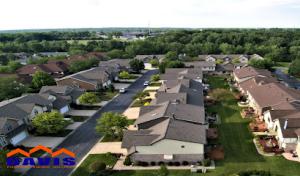
Davis Roofing
(708) 926-2450 www.davisroofing.com
2 E 22nd St, Lombard, Illinois
4.8 from 59 reviews
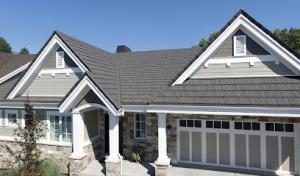
Chicagoland Exteriors
(630) 847-7863 chicagolandexteriorsinc.com
609 E St Charles Rd, Lombard, Illinois
4.9 from 162 reviews
Roofing, Siding, and exterior remodeling contractor
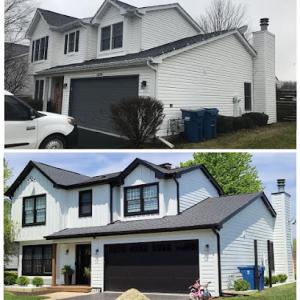
In N Out Exteriors
(847) 899-9212 innoutexteriors.com
Lombard, Illinois
4.9 from 62 reviews
In N Out Exteriors understands how important your home is. As a reputable and professional General contractor with a focus on roofing, siding, gutters, windows, doors and storm damage restoration we offer years of experience that includes a complete and comprehensive range of exterior services that are designed to enhance curb appeal, provide energy efficiency and increase the value of your home. We have extention insurance claims experience. We know that it is difficult to choose a contractor, but want you to understand that our biggest goal is to make you a very satisfied customer. We know that in order to make an impression that big, we have to work for it, we look forward to working with you, and hope to hear from you soon.

Owen Enterprises
(630) 620-7100 www.owenenterprises.com
146 Eisenhower Ln N, Lombard, Illinois
4.9 from 54 reviews
Owen Enterprises, a BBB A+ rated roofing company with over 30 years of experience, is your trusted choice for roofing in Chicagoland, as well as siding and window services. Our award-winning team installs premium roofing systems like DaVinci Slate & Shakes, Cedar Shakes, and Asphalt shingles. As a DaVinci Masterpiece Contractor, we hold top credentials with leading manufacturers. Transform your home with James Hardie Fiber Cement, PVC, Vinyl Siding, and Versetta Stone. Update your windows with Marvin Wood Extruded Aluminum Clad or Simonton Fiberglass and Vinyl options. We also offer Therma-Tru Fiberglass Doors. Serving Chicagoland and surrounding areas. Contact us for a free estimate today!
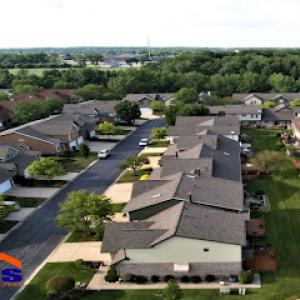
Davis Roofing
(708) 926-2450 www.davisroofing.com
2 E 22nd St, Lombard, Illinois
4.8 from 59 reviews
Davis Roofing is a 3rd generation family business, founded in 1962 and owned by brothers Jon and Jeff Walsh. Over the last +50 years, Davis Roofing has evolved into a full-service home exterior improvement company, offering only the highest grade materials products on the market coupled with superb installation procedures and production management. We are known for our outstanding customer service by receiving the highest ratings from firms such as Angie’s List, Better Business Bureau, and Consumer Checkbook. We have proven to be Top Ranked professionals in our market by earning Preferred Contractor status for Owens Corning, Corporation, Atlas Pro+ Contractors from Atlas Roofing, as well as LP BuildSmart Preferred Contractors.
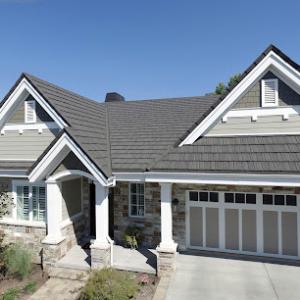
Erie Home
414 Eisenhower Ln N, Lombard, Illinois
4.5 from 230 reviews
Since 1976, Erie Home has manufactured, supplied, and installed the best-performing roofing on the market. By providing ironclad warranties and convenient financing, we ensure that every homeowner we work with receives top quality service and value for their homes and properties. Erie Home professionals are the roofing company of choice in the greater Chicago, IL area. Whether you need roof inspections or roof damage repair services, Erie Home has been the go-to roofing contractor for nearly 50 years because of our attention to detail and dedication to making sure our customers are satisfied with their results. Contact us today for a quote and see why we're the trusted roofing company Chicago counts on.

Allied Emergency Services, Roofing, Siding, Windows
(800) 792-0212 www.alliedemergencyservices.com
Lombard, Illinois
4.1 from 47 reviews
Allied Emergency Services, INC | Comprehensive Restoration & Emergency Services in Illinois, Wisconsin, Indiana. Welcome to Allied Emergency Services, INC, the premier full-service restoration contractor in the greater Chicago area and beyond, including Illinois, Wisconsin, and Indiana. Our expert team is dedicated to providing immediate and professional storm damage restoration and emergency services, ensuring your property is restored to its pre-damage condition with efficiency and care. Roofing, Siding, Window Replacement, Interior Water Damage Repair, Emergency Services, Storm Damage Restoration, Emergency Services, Roofing Replacement, Water Damage Repair, Insurance Restoration, Illinois, Wisconsin, Indiana, Property Damage Claim
GC Roofing Company
(331) 267-8166 roofingcompanyvillapark.com
Serving
4.9 from 54 reviews
GC Roofing Company Villa Park based, specializes in providing top-tier roofing solutions tailored to meet the specific needs of each client. Our skilled team, equipped with the latest technology and materials, ensures every project is completed with the highest standards of quality. We take pride in our commitment to customer satisfaction and our ability to deliver exceptional results, whether it's for residential or commercial properties. Our services include new roof installations, repairs, maintenance, and inspections, all delivered with unmatched professionalism. Trust our company for reliable, efficient, and cost-effective roofing services. For a free consultation or to discuss your roofing needs, don't hesitate to contact us.
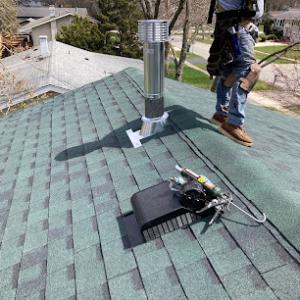
Pro Home Services
(630) 790-0800 prohomeservices.com
Serving
4.9 from 160 reviews
Since 2003, Pro Home Services has been the trusted choice for exterior home improvements in Chicagoland. We’re dedicated to delivering quality craftsmanship with integrity and honesty, all at affordable prices. Our certified team has completed thousands of projects, transforming homes with precision and care. Looking for a reliable contractor for your next project? Contact us today for a hassle-free consultation.
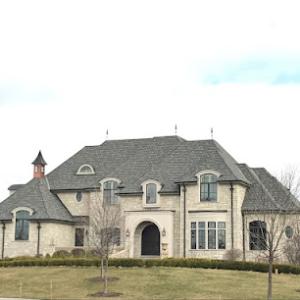
Greenlight Construction Group
(844) 934-7336 greenlightconstructiongroup.com
Serving
4.7 from 48 reviews
Mission & Motto - Your Contractor For Life We are dedicated to providing our clients with top-quality craftsmanship, innovative solutions, and a commitment to environmental stewardship. By prioritizing Performance-Grade building materials, we strive to make a positive impact on the planet while exceeding our clients' expectations. Our mission is to build with integrity, passion, and a forward-thinking mindset, ensuring that every project we undertake contributes to a greater future. SOLAR * ROOFING * CONSTRUCTION A FEDERAL CONTRACTOR FOR THE UNITED STATES GOVERNMENT 2021, 2020 & 2019 GreenLight Construction Group was considered for Award in Innovation, Design & Creativity
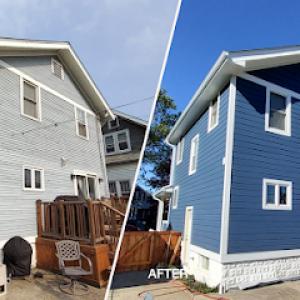
(331) 236-5044 gutterinstallationglenellyn.com
Serving
4.9 from 33 reviews
With over 15 years of experience serving the South-Western regions of the Chicago area, we provide only quality gutter service Glen Ellyn property-owners rely on. Maintain your home out of the gutter through custom-fit aluminum gutters that are made to endure and to protect your home from any water leaks. Our gutter installers in Glen Ellyn can even provide K-Style, half-round gutters and seamless gutters in Glen Ellyn in order for you to obtain the look you seek for your home with equal amounts of protection from each. When you require new gutters, you can rely on us, we are capable of doing it all!.
Aegis Construction Group
Serving
4.9 from 70 reviews
Welcome to Aegis Construction Group in Villa Park, IL! As a family-owned and operated business, we specialize in a variety of exterior restoration services. Proudly licensed as an Illinois roofing contractor and a General Contractor in the City of Chicago, we cater to residential, commercial, and industrial needs across the Illinois suburbs, including Villa Park. With a steadfast commitment to service and quality, we've delighted over a thousand customers in the Chicagoland area. Our dedication to excellence is backed by a 10-year craftsmanship warranty on all our work. We offer complimentary property inspections and strive to make the process hassle-free for homeowners, whether it's an insurance claim for storm damage or simple updates.
Max Roofing
(773) 766-9988 www.maxroofings.com
Serving
5.0 from 79 reviews
LICENSED MAX ROOFING COMPANY ADDISON, IL. Residential and commercial emergency roofing replacement services contractors in Addison, IL, Glencoe, IL, Elmhurst, IL, Norridge, IL, Naperville, IL, Lake Forest, IL, Northbrook, IL 60062, Lake in the Hills, IL, South Barrington, IL, Glen Ellyn, IL, Hinsdale, IL. Certified GAF Master Elite Roofing Chicagoland. Chicago Certified Installers of Da Vinci Roofscapes near me. Get a Quote for Roof Repair from local roofers. Insurance Claims Roof Installation Contractors in Addison Illinois. As trusted local roofers, we offer extensive roof repair services, even specializing in the challenging task of repairing flat roofs near Addison, Glencoe, Elmhurst, Norridge, Naperville, Lake in the Hills, Barrington.
In Lombard, a full reroof typically requires a permit through the local Building Department before work begins. The process is designed to ensure the roof replacement integrates with existing systems and public safety expectations, especially given the region's freeze-thaw cycles, hail exposure, and wind-driven debris patterns. You'll find that the permit isn't merely a formality; it anchors the project in a defined sequence that protects your home and your neighbors.
The local process generally involves plan submission, installation-stage inspection activity, and a final inspection rather than a purely contractor-self-certified reroof process. Plan submission is where you'll present roof material choices, underlayment details, attic ventilation strategy, flashing approach, and any structural considerations. Expect a careful review of the roof's edge details, penetration points, and eave vents, because those are the areas most scrutinized in this climate. If your home has an older inner-west suburban stock, the plans should clearly show how the new roof will tie into existing drainage and venting without compromising attic ventilation.
During the installation phase, inspectors typically visit to verify that the work aligns with the approved plans and applicable code requirements. They will check fasteners, nailing patterns, underlayment installation, and flashing around chimneys, skylights, and transitions. In this part of the county, inspectors are vigilant about ensuring that the roof's ventilation is not just present but effectively sized and arranged to manage moisture and temperature swings. Your contractor should schedule inspections in a timely manner, but you should also be prepared to adjust the work calendar if the inspector requests clarifications or minor plan adjustments.
Lombard inspections specifically verify that ventilation and flashing meet code expectations, so homeowners should expect those details to receive attention at closeout. The final inspection confirms that all permit conditions have been satisfied, including proper attic venting, inlet and exhaust balance, and flashing integrity around penetrations and perimeters. If there are any discrepancies, corrective work will be required before the permit can be closed, which can influence the overall project timeline and the warranty standing on the roof system.
Recognize that rushing through permit steps can create downstream headaches. Skipping a step or misrepresenting plan specifics may result in rework, delays, or even a stop-work order. Communicate openly with the contractor about inspection timelines, required documentation, and any observed issues on site. A careful, compliant reroof process protects the home's structure, the neighborhood's safety, and your investment over the long haul.
Provided local pricing runs about $350 to $750 per square for asphalt shingles, $700 to $1200 for metal, $1100 to $2100 for clay tile, $900 to $1700 for concrete tile, $600 to $1100 for wood shingles or shakes, and $500 to $1000 for synthetic or composite shingles. After a sizable hail or wind event, expect bids to drift upward as demand spikes across the western suburbs and contractor calendars fill quickly. In a typical Lombard pattern, storms concentrated in late spring and fall tend to compress scheduling, so you'll often see a cluster of assessments and bids within a short window.
In DuPage County's freeze-thaw cycles, early spring after a harsh winter is when latent damage first shows up. Hail damage may be invisible under shingles until water intrusion or curling surfaces reveal themselves after a few thaw cycles. If wind-driven granule loss is evident and there are visible shingles lifted or loosened, that's a sign to start real damage evaluation sooner rather than later. A roof that has endured repeated hail strikes over a few seasons is more likely to require a full tear-off rather than a cosmetic patch, especially on older structures common in Lombard's inner-west suburban stock.
Tear-off complexity on older homes can move project pricing up from the low end of the range. Ventilation corrections required to pass final inspection and the need to properly address attic intake and exhaust vents after a full reroof are common, especially when the original roof was never well ventilated. Cleanup logistics during leaf-heavy fall scheduling can also nudge costs higher. If you're weighing partial repairs versus full replacement, factor in the likelihood that an older roof may need better ventilation and updated flashing details to avoid future leaks, which adds to both materials and labor time.
When storm damage is confirmed, compare material options against long-term performance in our climate. Asphalt remains the most economical and widely available choice here, but after a hail event you may lean toward metal for durability, or concrete tile for extended life in areas with heavier wind exposure. Clay tile offers aesthetic appeal but can require reinforcement on older structures. Synthetic or composite shingles provide a middle ground for cost and resilience. For a careful Lombard approach, plan for a phased assessment: start with a thorough roof inspection, then obtain multiple bids, and anticipate a tighter schedule after a major local storm.
Don't let upfront costs delay a critical repair - these contractors offer payment plans to fit your budget.
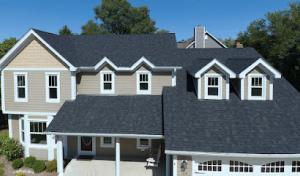
Illinois insurers regularly handle hail and wind claims, and this area sits in the Chicago suburban market where roof condition documentation after storms is especially important. After a hail or wind event, carriers expect a clear picture of what happened to your roof, not a memory of what you think occurred a few months later. In Lombard, every missed detail can influence how a claim is processed, what is covered, and how quickly a settlement moves. Having solid documentation helps keep your claim on track and reduces the risk of later disputes over pre-existing conditions.
When a storm claim is filed, homeowners should expect carriers to request dated photos, close-ups of damaged slopes, and records showing pre-loss roof condition. Take pictures that show whole elevations and individual damaged areas, with dates stamped on the files if possible. Include close-ups of cracked shingles, punctures, lifted flashing, and any granule loss. Preserve receipts for recent maintenance or temporary tarps, and keep a simple log noting dates of storms, wind speeds if known, and any accompanying hail reports. If a contractor has provided an opinion, request a written summary that links observed damage to the event date and to the roof's age and materials. This neighborhood often faces longer winters that reveal gradual wear; a well-documented timeline can help distinguish new damage from pre-existing wear.
Because some carriers have tightened underwriting on older roofs and certain higher-risk materials, Lombard homeowners often need to think about insurability at the same time as replacement timing. A thorough, organized file now can prevent later gaps between a claim decision and a needed roof upgrade. Consider independent inspections when significant damage is suspected, and ensure that all images and reports align with storm dates and the insurer's standards. Being proactive with documentation reduces surprises when the adjuster reviews the claim and helps you move toward a durable, properly supported reroof decision.
Connect with contractors who help homeowners navigate the claims process from damage assessment to final approval.
Chicagoland Exteriors
(630) 847-7863 chicagolandexteriorsinc.com
609 E St Charles Rd, Lombard, Illinois
4.9 from 162 reviews
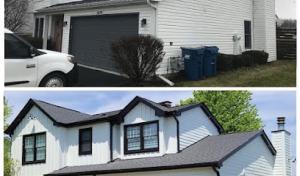
Owen Enterprises
(630) 620-7100 www.owenenterprises.com
146 Eisenhower Ln N, Lombard, Illinois
4.9 from 54 reviews
Although asphalt dominates the local market, active contractor signals show meaningful demand for metal roofing, tile roofing, cedar shake work, skylight repair, and flat or low-slope roof service. In Lombard, every reroof decision for these materials must account for DuPage County winters that bounce between freezing and thawing, plus hail and wind events that can strike with little warning. Metal, tile, and cedar bring durability and distinct aesthetics, but they also demand careful integration with existing structures, especially on mixed-roof homes where old fascia, flashing transitions, and vent penetrations are common. The right choice depends on the roof's slope, exposure, and how the roof transitions to walls, skylights, and chimneys common in the inner-west suburb's housing stock.
In mixed-roof configurations, low-slope sections and skylight penetrations can become the first leak points during freeze-thaw periods and storm-driven rain. Metal and tile installations react differently to thermal movement: metal expands and contracts, while clay and concrete tiles can crack if fasteners or underlayment are not matched to the deck. Cedar shakes respond to moisture cycles with potential cupping or splitting, particularly where drainage is uneven or gutters are overloaded by storm runoff. In Lombard's climate, the timing of interior leaks often traces back to flashing transitions around skylights, chimneys, and roof-to-wall junctions-areas that require meticulous detailing during replacement or major repairs.
These roof types are less common than standard shingle reroofs, so selecting a capable, detail-focused contractor matters more here. In Lombard, the emphasis is on precise flashing transitions at step and counter-flashings, accurate underlayment choices for high-humidity periods, and compatibility between roofing material and existing venting for proper attic ventilation. For flat or low-slope sections, ensure the contractor can address drainage plane integrity, edge detailing, and parapet terminations without compromising wind uplift performance. On cedar or tile installations, confirm the deck is prepared for weight and that fasteners align with the substrate to prevent early wear from freeze-thaw cycles.
In these material categories, early signs of trouble tend to appear at penetrations and transitions. Pay attention to the skylight perimeters, vent stacks, and any area where the roof changes pitch. After a storm or a cold snap, inspect for lifted edges, loose fasteners, or hairline leaks near flashing seams. In Lombard, where the housing stock includes many older inner-west homes, expect more attention to detail in these zones to maintain long-term performance and minimize later repairs.
Explore specialists in steel, aluminum, and standing seam metal roofs built to last 50 years or more.
Greater Chicago Roofing - Bloomingdale
(630) 283-8173 www.greaterchicagoroofing.com
Serving
5.0 from 42 reviews