
Last updated: Apr 19, 2026
Rolling Meadows sits in the Chicagoland hail and wind corridor, making spring storm damage and claim activity a routine roofing issue rather than an occasional event. The sky can flip from blue to brutal in a matter of minutes, and the most vulnerable parts of a roof-shingles edges, drip edges, and vents-bear the first brunt. Shingle granules clog gutters, dent vents, and warp flashing. In a neighborhood with a mix of asphalt, metal, and synthetic shingles, repeated cycles of hail and high wind accelerate wear on every roof assembly. Understanding this pattern means planning for more frequent inspections, not just after a storm but as a standing maintenance mindset.
Local contractor demand spikes after hail events, which can compress scheduling and push many homeowners into temporary repairs before full replacement. When the sky clears, your priority is to secure the attic and roof deck from further moisture intrusion while you set up a proper assessment. If shingles are blistered, curled, or missing granules, treat it as a real red flag rather than cosmetic wear. Photograph damage from multiple angles within 48 hours if possible, focusing on hail impacts, wind-driven shingle displacement, and any signs of interior leakage appearing in the attic or ceilings. Create a concise condition narrative: date and time of the storm, observed damage, and any accompanying leaks or attic condensation. Small problems can cascade quickly in the freeze-thaw cycle, so temporary patches should be monitored and scheduled for professional evaluation promptly.
Because the area sees repeated severe-weather losses, insurers commonly expect detailed photo documentation, condition notes, and line-item estimates for larger roof claims. Gather sequences of images that show the roof boundary, the extent of damage to shingles, flashing, vents, and the roof-to-wall intersections. Note roof age, roof deck exposure, and visible signs of prior repairs that might influence claim outcomes. If the home has architectural features or a complex roof line, map the damage to specific planes and elevations. A clear, organized packet that pairs photos with a short repair log helps carriers and adjusters move faster through the claim process and reduces back-and-forth. In a high-claim market, clarity becomes a negotiator on your behalf.
During peak storm seasons, scheduling with local crews can resemble a battle against the clock. Roofs with widespread hail injury or wind-derived damage often trigger rapid inspection needs, creating tight timelines for bids and scope refinement. Expect insurers and adjusters to request a detailed scope with line-item pricing for larger projects. To avoid gaps, insist on a written contractor assessment that highlights decking integrity, ventilation notes, and any felt or underlayment concerns discovered during inspection. Ventilation and decking are under particular scrutiny in this region, so a truthful appraisal should address potential insulation risks and attic moisture dynamics that could threaten long-term performance.
Prioritize storm-ready maintenance: confirm attic ventilation paths are clear, confirm gutters are free of debris that can trap moisture near the roof edge, and verify flashing around chimneys and walls is intact. If damage exists, do not delay a professional evaluation, even if temporary patches were installed to stop leaks. Seek a contractor with a proven track record in hail and wind damage, who can provide a detailed, line-by-line estimate and a documented communication trail for the insurer. In this market, choosing a trusted local partner can make the difference between a smooth, accurate claim and a drawn-out, disputed process. The goal is a durable repair plan that survives the next storm, not a quick patchwork.
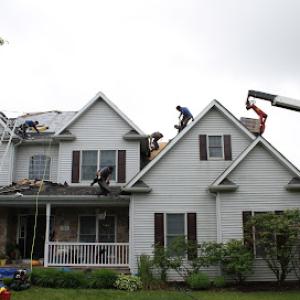
Dynamic Home Restoration
(847) 730-5780 www.dynamichrc.com
Serving
5.0 from 49 reviews
Dynamic Home Restoration is a leading insurance restoration company that specializes in restoring homes and commercial properties back to their pre-damaged condition. With years of experience in the industry, we are committed to providing our customers with high-quality roofing, siding, gutter, and window services. We are your one-stop-shop for all your restoration needs, from smoke and fire damage to water damage claims. Our team of experts will work with your insurance company to ensure that you receive the compensation you deserve. At Dynamic Home Restoration, we take pride in providing exceptional customer service and delivering the best solutions for your restoration needs. Contact us today
Robin Hood Roofing
1841 Hicks Rd STE A, Rolling Meadows, Illinois
3.9 from 37 reviews
Industry leading Storm Restoration service, specializing in insurance claims and roof, siding and gutter installation

Roofing Aid
Serving
4.9 from 109 reviews
Roofing Contractor specializing in insurance claims
American Building Contractors
Serving
5.0 from 33 reviews
American Building Contractors (ABC) has been helping Homeowners, Property Managers and Board Members since 1998 with their roofing, siding, windows and gutter needs. We believe in always putting the wants, needs and concerns of our customers first. Our team is committed to delivering on our promise of safety and respect for you, your time and your property. We appreciate "It's Not Just a House...It's Your Home!"® Our Insurance Restoration Services Department helps our customers before, during and after mother nature strikes, with understanding the claims process to complete restoration. ABC's headquarters is in Burnsville, MN and we are licensed to do business in 44 states. Our regional offices are in Illinois and Florida.
Buzz Home Pros
(847) 796-8724 www.buzzhomepros.com
Serving
4.8 from 161 reviews
For top-of-the-line materials installed by experienced local professionals, choose Buzz Home Pros. We only use the very finest installers. We were built on a foundation of professionalism, attention to detail and quality services. Our goal is to help you transform your home with quality materials that last the test of time. Specializing in roofing, siding, and windows, we pride ourselves on working directly with the homeowner, so we can target services and achieve 100 percent satisfaction. Learn more about us by calling now for a free estimate!
M&M Home Remodeling Services - Arlington Heights
Serving
4.9 from 428 reviews
M&M Home Remodeling Services provides comprehensive roofing, siding, insulation, and window installation in Arlington Heights. We serve residential and commercial clients, including HOAs, manufacturers, retail, churches, multi-family, healthcare, veterinary, and hospitals. Services include roof repair, installation, inspection, gutter, skylight, and storm damage repair. An annual maintenance program is available for commercial clients.

NorthCrest Roofing Company
(224) 347-1055 roofing-arlingtonheights.com
Serving
5.0 from 48 reviews
When you talk about roofing services in the area of Arlington Heights, we are the roofing contractor that stands out from everyone else. This is because, for 29 years and counting, we have provided quality roofing services with no exceptions. We’ve seen, done, and know almost everything there is when it comes to roofing. Catering to both commercial and residential roofing in Arlington Heights, IL, we install, replace, and repair roofs that are made to last, using the best materials in the market. We employ professionals who are continuously trained in the latest business trends, all aimed at providing our clients with the excellent service they deserve. For quality and affordability, call us.
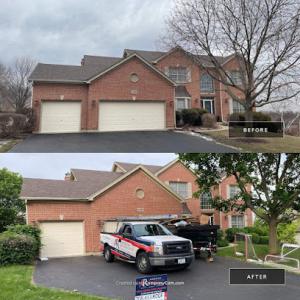
American Restoration Group
(708) 453-7663 americanrestoration.group
Serving
4.8 from 64 reviews
As a roofing, siding, gutter installer and general contractor, American Restoration Group manages and coordinates every aspect of the design, build and budget throughout your project. We work with homeowners on retail projects and insurance companies alike with open communication for a smooth process. With over fifty years combined experience our team is ready to handle your next project. We also offer contactless inspections, virtual meetings and paperless documents.
JT Public Adjusters
Serving
4.7 from 70 reviews
JT Public Adjusters conduct total property inspections to find and gather evidences of weather damage in the roof, sidings, gutters, vents, interior leaking and throughout the property. We are not just a roofing company, we are also Public Adjusters. A public adjuster is someone with same license as the insurance adjusters, but representing on behalf of the homeowners. JT Public Adjusters participate in meeting with insurance adjusters to go over the damage and ensure the claim is fairly evaluated, not just written up as Wear and Tear. Call us now for free consultation!
Phoenix Exteriors Roofing & Solar
(630) 998-8140 phoenixexteriors.com
Serving
4.7 from 177 reviews
At Phoenix Exteriors we focus on the use of the highest quality materials. Our product line will help you conserve energy, lighten your carbon footprint and save money in the process. A large portion of our work comes from referrals simply because our hard work has been noticed by the neighbors of our customers. Our team brings many years of roofing and solar installation experience to our customers. Contact us today for an inspection or if you would like a bid on your next project.
UV Exteriors
Serving
4.9 from 54 reviews
At UV Exteriors, our mission is energy efficiency. We provide roofing, siding, windows, gutters, and solar solutions that reduce energy costs, improve comfort, and protect your home year-round. Serving all of Chicagoland’s Northwest Suburbs, our skilled team handles roof repairs, complete roof replacements, siding repairs and installations, energy-efficient window upgrades, and durable solar panel systems. We combine expert craftsmanship with eco-friendly products to deliver stylish, long-lasting, and sustainable results. To make improvements more accessible, we also offer affordable financing options. With a commitment to quality, transparency, and customer care, UV is the trusted choice for homeowners seeking value and efficiency!
Robins Roofing Contractors
(224) 985-0877 roofingpalatine.com
Serving
4.9 from 70 reviews
Robins Roofing Contractors are number one among roofing companies in Palatine. We offer a comprehensive array of roofing services, including commercial and residential roofing, re-roofing, roofing installation, and roofing repair. No matter what type of roofing you’re working with, our experienced roofing contractors can handle it all. We offer the widest selection of premium materials, as well, like shingle, metal, rubber, and flat roofing. There’s no need to hire multiple specialist roofing companies anymore. Our highly-trained and friendly roofing contractors will provide expert craftmanship as well as top-quality customer service. To top it all off, we offer the lowest rates you’ll find among any roofing companies in Palatine.
Winter in this neighborhood brings snow cover that melts and refreezes, creating a relentless cycle of expansion and contraction across shingles, flashing, and fastener seals. Those repeated moves stress the edges of asphalt, metal, or composite layers, and over multiple seasons that stress compounds. When temperature swings swing through the day, small failures become bigger gaps: a little lift in a corner here, a hairline crack there, and suddenly you've got more potential for leaks when the next warm spell hits. The most forgiving thing to do is acknowledge that every freeze-thaw cycle wears a little more on the roof's delicate seams and fasteners, especially around joints, valleys, and penetrations where sealants take the brunt of wind-driven moisture.
Autumn in the northwest suburbs brings brisk days and strong gusts that push the attic boundary just before the snow season starts. These winds can expose weak flashing and loosened shingles, which then face a colder, harsher environment as winter arrives. If that flashing isn't seated securely or if shingles show signs of lifting, the first big snowpack multiplies the risk of wind-driven ice dam formation and water intrusion. You'll often see these vulnerabilities just as the calendar turns from mild to chilly, so a careful inspection of ridge caps, step flashing, and vent openings during October can catch problems before they snowball.
Most full replacements are scheduled in milder months locally because winter conditions reduce access, slow installation, and can affect how materials perform during installation. Cold temps harden sealants, and crews lose time dealing with frost delays, which means a hastily finished job may leave flashing and fasteners with imperfect seals. If a replacement must occur in late fall or early winter, expect extended timelines and heightened importance of attic ventilation and decking integrity. A proper assessment of the roof deck-looking for moisture intrusion, soft spots, or rot-becomes more critical when crews are racing toward snow.
Pay attention to shingle edges that look cupped or lifted, especially along eaves and in valleys. Listen for subtle hammering sounds in high-welt areas after a snowfall melts, which can indicate loose flashings flexing with wind. Centered, well-seated fasteners and clean flashing joints reduce the risk of leaks once the next freeze hits. If the attic reveals elevated humidity after a cold night, that's a signal to recheck ventilation and sealant integrity. In a climate shaped by cold snaps and rapid swings, catching these issues early saves much more trouble when the white stuff starts piling up.
Asphalt shingles dominate the local market, matching the area's large volume of suburban re-roofing work and broad contractor familiarity. You'll find a wide range of styles and colors here, and most roofing crews are comfortable with the typical suburban home footprint that dominates the Northwest suburbs. This makes asphalt a practical, predictable choice when you want reliable performance with familiar installation practices.
Metal, clay tile, concrete tile, synthetic/composite, and slate are all present in this market, but heavier systems can trigger closer attention to deck condition during project review. If you're considering a heavier option, plan for a thorough deck inspection, especially if the current deck shows signs of aging, prior damage, or inconsistent support. A solid substrate and properly spaced rafters help ensure the heavier roof doesn't create long-term issues with fasteners, sag, or wind uplift under our local wind patterns and hail exposure.
The city review process looks closely at decking and ventilation considerations, so material choice is tied to substrate condition and attic airflow planning. Before selecting a premium or heavier roof, verify that the attic ventilation is adequate to manage heat and moisture load, and confirm the decking is solid and free of soft spots or moisture damage. If the attic is cramped or poorly vented, even a top-tier roof can underperform. In practice, this means pairing any non-asphalt option with a careful ventilation assessment and, if needed, upgrades to soffit, ridge, or gable vents to ensure efficient air exchange.
The majority of local homes feature roofs with standard pitch, typical 3:12 to 6:12 angles, and existing deck layouts designed for asphalt or lighter assemblies. If you're re-roofing and want to minimize surprises, choose systems that align with those known decking and venting configurations. For steel or tile options, expect a potential upgrade in substructure checks and a more detailed plan for attic air management. If you prefer a lighter, conventional approach, asphalt shingles offer straightforward installation, reliable hail resistance within typical home footprints, and broad contractor familiarity that translates to smoother project execution and predictable results.
In practice, the best outcome comes from aligning roof type with substrate health and airflow strategy. If the deck shows age or damage, or the attic lacks adequate ventilation, address those factors before committing to a beyond-typical material. This approach helps you maintain long-term durability against hail, wind, and freeze-thaw cycles while keeping the project aligned with local expectations and inspection emphasis.
In this market, pricing reacts quickly to storm-driven demand across the northwest suburbs, especially after hail events when contractor schedules fill up. You'll feel the ripple as crews shift to high-priority hail repairs, which can push project timelines and daily rates higher than typical, even for standard re-roofs. That dynamic matters most when a project sits on a tight weather window or when a claim triggers rapid material and crew movement.
Material choice matters sharply here because the market supports everything from standard asphalt shingles to slate and tile, creating a wide spread in labor complexity and replacement cost. Asphalt shingles sit at the lower end of the range, roughly 350 to 550 USD per square, while metal roofs climb to 700 to 1100 USD per square. For those aiming for long life or distinctive curb appeal, clay or concrete tile and slate bring much higher price tags, with clay tile around 1000 to 1800 USD per square, concrete tile about 900 to 1500 USD, and slate ranging from 1500 to 3000 USD per square. Synthetic/composite shingles offer a middle path at roughly 500 to 900 USD per square. In practice, the choice you make has a direct, practical impact on both upfront cost and ongoing performance against hail, wind, and freeze-thaw cycles.
Local pricing is affected by storm-driven demand surges across the northwest suburban market, especially after hail events when contractor schedules fill quickly. When a large hail event hits, expect not only higher material prices in some cases but also premium for expedited scheduling, assessment, and removal of damaged decking or other structural concerns. Even during standard seasons, the mix of crews and supply chain pressures can nudge costs up or down week to week. If a claim results in a rushed timeline, plan for possible additional charges tied to faster procurement and labor, rather than assuming a flat rate.
Costs can rise when city review or field findings require decking replacement or ventilation corrections, since this market specifically reviews those items during permitting. If moisture or prior improper ventilation surfaces, a replacement deck section or upgraded attic ventilation can add to the project scope and price. The incremental cost will depend on the extent of decking work and the type of ventilation system specified, but it's a common variable in high-claim, post-storm repairs. Budget accordingly and discuss exact scope with the contractor after the initial inspection, so the numbers reflect actual field conditions rather than assumptions.
Start with your target material and a mid-range nailing/installation plan, then build in a contingency for rapid scheduling or deck/ventilation upgrades. If hail is fresh in memory, anticipate potential elevated prices in the near term as crews balance demand with supply. For a typical re-roof on common housing stock, use the listed per-square ranges as guardrails, and adjust for deck and ventilation needs once an inspector's findings are in.
Get a clear picture of your project costs upfront - no commitment required.

A roofing project in this area typically begins with a permit before any tear-off or replacement work proceeds. The Building Department expects timely permit filing to keep the project on track and to ensure the work complies with local codes and safety standards. Starting without the permit risks delays, rework, or penalties, especially during the busy fall and spring windows when inspections are ramping up for high-claim seasons. Plan your timeline so the permit review can align with material delivery and crew scheduling.
Because the city reviews roofing submissions with particular focus on decking and attic ventilation, making the scope crystal clear matters more here than in places with lighter review. The submission should present a precise project scope, not just a general description. Include a current site drawing or sketch that shows the roof layout, any changes to decking, and how attic ventilation will be addressed. Indicate the types of materials to be used and any venting or insulation modifications planned to meet energy codes. Detailing access points, crane or ladder locations, and debris containment helps reviewers understand the full impact of the work.
Contractor details are essential. The package should list the licensed contractor's name, address, license number, and a point of contact for questions during inspections. If subcontractors are involved, specify their roles and credentials. For a successful submission, attach manufacturer installation guidelines or product data sheets when relevant, particularly for ventilation components or specialty decking underlayment. Clear, organized documents reduce back-and-forth and keep the project moving.
Inspections occur during progress and again after completion. The first inspection typically happens as work nears the sheathing or decking stage, allowing the inspector to verify that decking replacement or reinforcement, and attic ventilation strategies, meet code expectations. A second inspection gates the project once the roof has been fully installed and weatherproofed, before any final surfaces or siding are finalized, ensuring flashing details and venting pathways are properly integrated. Being prepared for these checks-having access to the eaves, attic space, and any mechanical penetrations-helps avoid delays.
Coordinate with the inspector to address any issues promptly. If elevated wind or hail exposure influenced the plan, have documentation ready on how the new decking and ventilation account for those conditions. Rolling Meadows projects often require meticulous attention to how attic ventilation interacts with insulation and vapor barriers, so ensure those components are visible and accessible for review. Keep copies of all permits, inspection stickers, and any field changes approved during the process in a readily accessible location on site.
Before work begins, provide the municipality with a single source of truth: one permit package, one set of site drawings, and one point of contact for questions. After inspections, promptly address any corrective work and schedule follow-up reviews as needed. Clear communication with the Building Department reduces downtime, helps maintain project momentum, and supports a durable, code-compliant roof that stands up to this climate.
Rolling Meadows homeowners operate in a high-claim Chicagoland environment where hail and wind losses are common enough to influence underwriting and claim scrutiny. After a major storm, the path from damage to settlement is not automatic. Insurers increasingly expect you to demonstrate both the extent of hail and wind impact and the long-term condition of the roof, not just the visible patchwork. A claim may be evaluated more like a reconstruction project than a quick repair, with attention to how typical seasonal wear compounds the initial damage. Being prepared for a thorough review can help keep the process moving.
Detailed estimates and organized documentation matter more in this market because repeated regional storm activity has made carriers more documentation-driven. Photographs should capture each roof plane, with close-ups of hail hits on shingles and flashings, plus a clear overall view for context. Record attic and decking observations if accessible, and document any related interior signs of water intrusion. Maintain a dated log of communications, adjuster visits, and any temporary protections installed after a storm. When the replacement route is chosen, a clean chain of evidence-from contractor assessments to material specifications-helps support a fair appraisal.
In the current climate, insurers may request updated roof condition assessments in addition to damage photos, especially for larger replacement claims. If a claim involves multiple storms or extended wind exposure, expect the carrier to revisit the roof's overall health, ventilation, and potential prior concerns. A contractor's second-opinion report that aligns with the initial assessment can smooth the review, but be prepared for questions about decking, ventilation, and prior maintenance. Being proactive with precise, organized records reduces delays and clarifies expectations when the next storm season arrives.
Although pitched residential roofs dominate, the local contractor market shows meaningful demand for flat-roof work, reflecting the area's mix of residential additions, multifamily, and commercial structures. Flat and low-slope sections are common on additions, garages, and some multifamily builds, so understanding where trouble tends to start helps you catch issues early. In these spots, drainage, flashing, and edge details deserve extra attention, especially after storms.
Flat roofs rely on careful drainage planning. Look for standing water after rain and verify that the scuppers or internal drains carry water away promptly. Flashing at terminations, penetrations (vents, skylights, pipes), and transitions to higher pitched roofs should be continuous and well-sealed. In northwest suburbs, freeze-thaw cycles turn minor low-slope drainage or flashing issues into recurring leak paths over winter. If you notice hairline leaks near a wall seam or a curb-mounted unit, inspect the sealant and backing material for cracking or loosening. Prioritize any signs of membrane wear, punctures, or wrinkles that could harbor moisture.
Winter cycles make flat-roof vulnerabilities worse. Small gaps or deteriorated edge insulation can wick moisture that freezes, expands, and widens gaps over successive seasons. Edges and parapets are particularly susceptible because wind-driven snow and ice can lift flashing and membranes. Schedule a mid-winter inspection if a thaw followed by rapid refreeze creates visible moisture at seams or around drains. Quick reseals or reinforcing flashings during milder spells can prevent bigger leaks when harsh weather returns.
Skylight penetrations are notable locally, and these penetrations are especially vulnerable when hail, wind-driven rain, and winter seal movement combine. The most common failure points are the skylight curb flashing, sealant around the glass or polycarbonate, and the corner joints where the membrane meets the flashing. Inspect skylights for condensation lines, brittle sealant, and loose or cracked curb flashing after hail events or strong winds. If a skylight shows any moisture intrusion, address the flashing and sealant promptly before it migrates to the surrounding roofing membrane.
Establish a routine twice-yearly walk-around focusing on flat sections, edges, and skylight surrounding areas. Keep the membrane clean of debris that can trap moisture, and replace compromised sealants before winter. When planning repairs, choose systems designed for low-slope compatibility and confirm proper curb detailing for skylights to minimize future leaks under freeze-thaw stress.
Find specialists in TPO, EPDM, and built-up flat roofing systems for residential and commercial properties.

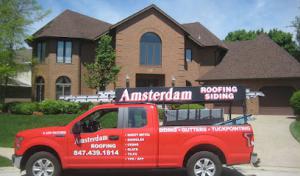
Amsterdam - Roofing, Siding, Windows, Doors & Masonry Contractor
(847) 439-1814 amsterdamcontractor.com
Serving
4.9 from 115 reviews
In a market with frequent storm-response roofing, workmanship consistency matters because rushed post-hail scheduling can affect flashing details and cleanup quality. A sturdy warranty isn't just a promise on the product; it backs the installer's care for attic ventilation, deck repair, and the clean-up after debris. When hail and wind damage are common, you want to know that a contractor will still stand behind the job long after the crew has left, not just during the first few months. The right warranty helps you sleep better through freeze-thaw cycles, where small leaks can become bigger problems if flashing wasn't finished properly.
Rolling Meadows homeowners often compare contractors on whether they are established, responsive, and cleanup-focused after re-roofing rather than on price alone. Look for a company with a clear service window for adjustments and a defined process for addressing storm-related call-backs. Ask for written timelines for warranty service, what constitutes an eligible claim, and how quickly a technician can visit after you report an issue. A dependable contractor will provide contact points, a project diary, and follow-up inspections to ensure that what was promised is what shows up in the finished roof line and surrounding trim.
Manufacturer-backed warranty options are relevant here because many homeowners replace roofs after storm losses and want stronger documentation for future resale or claims. Verify what the warranty covers-shingle or panel defects, workmanship on flashing, vents, and underlayment, as well as wind resistance ratings where applicable. Ensure the contract outlines transferability, maintenance requirements, and any conditions that could void coverage. For resale value, keep a neatly organized file with the manufacturer warranty certificates, the installer's workmanship warranty terms, inspection notes from post-install visits, and a record of any service calls. This creates a clear trail that supports future claims or replacement needs.