
Last updated: Apr 19, 2026
The Chicago metro insurance environment sits with hail and wind claim activity high enough that adjuster reviews and added documentation are common. In Palatine, that means a storm can trigger a sudden backlog of claims in your neighborhood, especially after a spring storm rolls through. Adjusters may request multiple photos, detailed timelines, and clear evidence of damage across your roof and exterior. Expect the process to unfold in waves: you file, the insurer assesses, and the next round of hail-season inquiries arrives a few days later. Being prepared with thorough documentation can push your claim past the "repairable only" line to a full replacement when warranted.
Spring storms in this area don't just threaten your roof for a weekend; they create scheduling pressure that shuffles contractor calendars for weeks. In Palatine, you'll see crews moving from one hail-damaged home to the next, sliding into backlogs as the storm season peaks. If a region-wide hail event hits, the demand for new shingles, underlayment, and skilled installers can outpace local supply. The result: longer wait times for inspections, approvals, and actual work. Plan for a window that could extend into several weeks, with the strongest surge typically in late March through May. If your roof shows visible signs of damage, don't delay-start the documentation draft now to avoid last-minute scrambling when the backlog hits.
Local decisions hinge on whether damage is an isolated repair or widespread enough to prompt insurers to favor a full roof replacement. In Palatine, a single damaged area may still justify a full-coverage approach if the overall roof has significant wear or multiple impact points. Conversely, a minor puncture near a vent or edge might be deemed repairable. The nuance matters: insurers increasingly look for patterns-shingle granule loss across valleys, exposed decking, or widespread hail tenderness-to justify replacement rather than patchwork. The homeowner who can demonstrate a broader pattern of impact across the slope holds a stronger position in the claim discussion.
Prepare a detailed damage log: dates of storms, locations, and how the damage appeared over time. Photograph the entire roof from multiple angles, close-ups of hail hits, and any interior signs of leaks. Gather contractor reports, original construction details, and prior repair records. Create a simple timeline showing when the storm hit, when you first noticed damage, and when you contacted the insurer. In Palatine's environment, insurers often request a second opinion after a first assessment; having a robust file with dated evidence makes that second review smoother and faster.
If you suspect hail damage, contact a local roofer who understands the Palatine climate and the typical claim flow. Schedule a no-pressure inspection to document damage while the backlog is still manageable. Collect your storm dates and any prior claim notes, and be ready to discuss patterns of damage across the roof, skylights, and cedar details common in local homes. When you file, present a clear case: show both isolated hits and any broader wear that could indicate slope-wide impact. If the insurer asks for additional documentation, respond promptly to avoid stalls in the claim timeline. Acting decisively now helps secure the right outcome before spring storms renew the surge.
Holda Construction Roofing & Siding
(847) 847-2883 holdaconstruction.com
317 W Colfax St Suite 102, Palatine, Illinois
4.9 from 264 reviews
Holda Construction Roofing and Siding is a family-owned and operated roofing and siding contractor based in Palatine, IL. Licensed, insured, GAF-certified, and with over twenty years in the business, we specialize in roof replacement, siding replacement, roof repair, siding repair, gutter installation and installing new windows. We pride ourselves on our close customer relationships: providing a thorough inspection of the issues, a clear and transparent quote process, a detailed scope of work, and dedicated follow up. Feel free to learn more about us by visiting our Google reviews, YouTube channel, website, and by following us on social media.
Robins Roofing Contractors
(224) 985-0877 roofingpalatine.com
178 S Greeley St, Palatine, Illinois
4.9 from 70 reviews
Robins Roofing Contractors are number one among roofing companies in Palatine. We offer a comprehensive array of roofing services, including commercial and residential roofing, re-roofing, roofing installation, and roofing repair. No matter what type of roofing you’re working with, our experienced roofing contractors can handle it all. We offer the widest selection of premium materials, as well, like shingle, metal, rubber, and flat roofing. There’s no need to hire multiple specialist roofing companies anymore. Our highly-trained and friendly roofing contractors will provide expert craftmanship as well as top-quality customer service. To top it all off, we offer the lowest rates you’ll find among any roofing companies in Palatine.
Concord Roofing
(224) 323-3424 concordroofs.com
553 N North Ct Suite 170, Palatine, Illinois
5.0 from 32 reviews
Concord Roofing is a trusted roofing company serving the Chicagoland area, specializing in residential and commercial roofing services. We provide roof inspections, replacements, and storm damage restoration for both homeowners and businesses. Our team also offers expert insurance claim assistance, helping customers navigate the process to maximize their coverage for wind and hail damage.
AH Soffit Repair Gutter Installation
(224) 295-0196 palatinesoffitgutters.com
42 S Northwest Hwy, Palatine, Illinois
5.0 from 32 reviews
We specialize in providing high-quality solutions for soffit repair and gutter installation needs. With a focus on excellence and precision, we offer expert services to ensure your home's exterior remains in top condition. Our dedicated team brings years of experience and skill to every project, delivering reliable repairs and seamless gutter installations that enhance both the functionality and aesthetics of your property. Whether it's repairing damaged soffits or installing efficient gutter systems, we prioritize customer satisfaction and strive to exceed expectations with every job.
Meridian Restoration
(847) 533-2905 www.meridianresto.com
625 N North Ct #180, Palatine, Illinois
4.8 from 75 reviews
Meridian Restoration was founded on the guiding principles of service and helpfulness. Our primary purpose is to help you restore and reclaim the integrity of your home, while providing you with the best in service, always!
RIDG Roofing Contractors
(224) 295-0182 roofrepairpalatine.com
8455 E Morris Dr, Palatine, Illinois
5.0 from 27 reviews
If you are looking for affordable, and long-term, then look no further! RIDG Roofing Contractors has got your home covered. We offer a variety of roofing services you can choose from. This includes roof replacement, roof installation, and roof repair, including leaking roof repair Palatine. For years, home and business owners have entrusted our roofing contractors in Palatine with their roofing needs. This makes us the leading roof repair company in the area. We strive to keep this reputation. With our commitment to excellent roofing services, we can provide your home with a sturdy roof and keep you safe in your shelter at all times. Contact us at RIDG Roofing Contractors today.
W Brothers Roofing
(847) 991-1902 www.wbrothersroofing.com
115 Palatine Rd, Palatine, Illinois
4.6 from 30 reviews
W. Brothers Roofing has served northern Illinois since 2002 with roofing, siding, and exterior services. As a family-owned business, we care for your home like our own.
American Building Contractors
Serving
5.0 from 33 reviews
American Building Contractors (ABC) has been helping Homeowners, Property Managers and Board Members since 1998 with their roofing, siding, windows and gutter needs. We believe in always putting the wants, needs and concerns of our customers first. Our team is committed to delivering on our promise of safety and respect for you, your time and your property. We appreciate "It's Not Just a House...It's Your Home!"® Our Insurance Restoration Services Department helps our customers before, during and after mother nature strikes, with understanding the claims process to complete restoration. ABC's headquarters is in Burnsville, MN and we are licensed to do business in 44 states. Our regional offices are in Illinois and Florida.
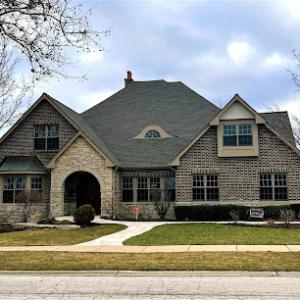
Smart Roofing
(847) 797-0404 www.smartroofers.com
Serving
4.9 from 65 reviews
SMART Roofing, Inc. is a full service roofing contractor serving Arlington Heights and its surrounding suburbs. From roof assessments and repairs to installations of virtually every type of new residential roof and commercial roof, our commitment to excellence, stellar customer service and exceptional results are the "SMART" roofing difference. We provide unbiased and customized solutions based on your specific needs along with years of experience in every possible roofing and sheet metal situation. If you need a roof replacement, we can provide you with the right reasons for each roof type and which solution is best for you.
M&M Home Remodeling Services - Arlington Heights
Serving
4.9 from 428 reviews
M&M Home Remodeling Services provides comprehensive roofing, siding, insulation, and window installation in Arlington Heights. We serve residential and commercial clients, including HOAs, manufacturers, retail, churches, multi-family, healthcare, veterinary, and hospitals. Services include roof repair, installation, inspection, gutter, skylight, and storm damage repair. An annual maintenance program is available for commercial clients.
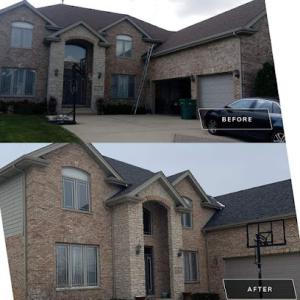
Revived Exteriors,
(847) 305-2866 www.revivedexteriors.com
Serving
4.8 from 255 reviews
Revived Exteriors: Your Trusted Partner for Roofing, Siding, and Windows At Revived Exteriors, we pride ourselves on being a leading local roofing contractor based in Arlington Heights, Illinois, serving a wide range of areas including (not limited to) Chicago, Elk Grove, Rolling Meadows, Palatine, Mount Prospect, Prospect Heights, Long Grove, Schaumburg, Barrington, Long Grove and Buffalo Grove. Our commitment to excellence is evident in our comprehensive range of services, tailored to meet the unique needs of both residential and commercial properties. Roofing Excellence: Specializing in both commercial and residential roofing, our team offers top-quality installation, repair, and replacement services. Whether you're looking for state-...
Style Exteriors
(847) 865-3069 styleexteriors.com
Serving
4.8 from 115 reviews
Discover superior roofing solutions with Style Exteriors, your trusted roofing contractor located at 20876 N Rand Rd. Specializing in roof repair and replacement, we provide top-tier services in residential roofing, commercial roofing, and flat roof repair. Our team of dedicated professionals ensures precision in every project, from asphalt shingle roof installation to skylight leak repair and gutter installation. With a focus on quality and customer satisfaction, we are committed to meeting all your roofing needs with excellence and reliability. Trust Style Exteriors for all your roofing solutions and experience unmatched craftsmanship in every detail.
You'll notice ice dam risk peak when attic heat leaks up the roof in winter and the snow on top starts to thaw during warmer days, only to refreeze as temps drop again. That cycle is common in this area's cold, snowy winters and can create a recurring bottleneck at the eaves. If the attic isn't well insulated or ventilation is sluggish, melting water can back up under shingles and into soffits, fascia, or ceiling planes. In Palatine, storms and wind-driven snow can aggravate this by piling additional snow near gutters and valleys, where dam formation is most likely.
Freeze-thaw cycling itself is a slow, persistent stressor. Each thaw-and-freeze alternation pushes on shingles, sealants, and flashings, especially around penetrations and flashing details at chimneys, chimneys, skylights, and vent boots. Over time, that stress can loosen fasteners, loosen sealant joints, and create micro-leaks that worsen after every big storm. The result is not always dramatic at first glance; stains inside the attic or ceiling, warped decking, or minor exterior soffit rot can be the first signs. Left unchecked, these issues multiply and can shorten the roof's service life.
Winter replacement and repair work can be slowed by low temperatures that affect shingle handling and sealing performance. Materials may stiffen, adhesive bonds weaken, and crew productivity drops when surfaces are slick or temperatures approach freezing. Planning around the coldest stretches helps crews achieve better sealants and faster, more durable install work. If an active leak exists, prompt, targeted repairs to the affected area can buy time, but those patches should be treated as temporary until warmer weather allows a proper, full-area evaluation.
Address attic heat loss and ventilation as a first line of defense. Ensure insulation levels meet outdoor temperature realities and that soffit vents, ridge vents, and any attic fans work without obstruction. Gutters and downspouts should be cleared of ice and debris so meltwater can move away from the roof edge rather than back into the eave. When a storm arrives, document any damage with photos and notes, focusing on shingles' edges, flashing, and penetrations. This documentation becomes important because a timely, organized record helps with insurance discussions and scheduling during Palatine's seasonal backlog, where weather-driven delays are common. If you're faced with a looming repair that requires roof access during winter, coordinate with a trusted local contractor about safe, temporary protections to minimize further water intrusion.
When you can't wait, these contractors offer fast response times to stop leaks and prevent further damage.
Holda Construction Roofing & Siding
(847) 847-2883 holdaconstruction.com
317 W Colfax St Suite 102, Palatine, Illinois
4.9 from 264 reviews

Asphalt shingles are the dominant practical choice in Palatine, and that means they bear the brunt of two tough seasons each year: the hot, sun-bleached days of summer and the freeze-thaw cycles that follow brutal winters. The combination of summer heat and winter moisture makes product grade and ventilation more consequential here than in milder climates. A lower-quality shingle or marginal attic ventilation invites faster granule loss, more rapid curling, and sooner mid-surface failure around valleys and roof edges. Shingle age is accelerated by shading from nearby trees, gaps around flashing, and improper attic exhaust. In other words, a seemingly solid asphalt setup may deteriorate quickly if the ventilation stack, soffit intake, and ridge vent aren't working in concert with a correctly matched underlayment.
Palatine's market shows meaningful demand for cedar shake, metal, and cement or clay tile, signaling many homes carry mixed roof details rather than a single-plane system. Cedar shakes age fastest when quick drying out of the attic isn't achieved, or when moisture gets trapped under the shake due to insufficient ventilation or improper nailing patterns. Metal roofs tend to outlive shingles when installed with proper insulation and a solid deck, but exposure to fluctuating temperatures can cause panel seams to tighten or loosen, especially on low-slope transitions where thermal movement is more pronounced. Tile (clay or concrete) holds up well in dry heat but can suffer from cracking and underlayment wear in winter freeze-thaw cycles, particularly if fasteners are exposed to recurring cycles of expansion and contraction. Skylight penetrations and surrounding flashing require precise installation, as water migration often begins at those junctions. In mixed roofs, the fastest-aging sections are often the most weather-exposed and least vented, underscoring the need for a unified drainage and flashing strategy across materials.
Low-slope areas over additions, porches, garages, or multifamily sections need different drainage and membrane attention than the steep-slope main roof common in suburban layouts. These zones are more vulnerable to pooled water, ice damming at transitions, and puncture risks from foot traffic or maintenance activity. Properly chosen membranes that match the adjacent steep-slope system, plus careful edge detailing and integrated drainage, help slow the deterioration that would otherwise be accelerated by repeated ponding and UV exposure from sunlit surfaces. In mixed roofs, ensure that transitions between steep and low slopes are treated as a continuous water control zone, not as separate, isolated problems.
In Palatine, roof choices must account for serious freeze-thaw cycles, heavy snow accumulation, and the risk of ice dams along gutters. A roof that sheds snow reliably reduces weight, keeps attic ventilation productive, and minimizes meltwater trying to back up under shingles. Materials with good dimensional stability and strong wind resistance perform best here, especially on steeper layouts common in the area. When evaluating options, match the panel or shingle profile to the typical snow depth you see each season and plan for proper attic ventilation and insulation to minimize ice dam formation.
Hail activity in the Chicago corridor means you want a surface that resists denting and intrusion from hail impacts. Summer humidity adds an extra layer of stress on seams and fasteners, so a system with robust fastener patterns and corrosion resistance matters. In Palatine's mixed housing stock, you'll find both steep-slope and low-slope sections, so your material choice should address both impact performance and the ability to shed moisture efficiently after storms. Look for products with reinforced surfaces and thicker wear layers, especially if your home sits under frequent hail exposure.
Heavier roofing materials such as clay or concrete tile can offer long-term durability, but many established suburban homes were designed for lighter roofing. Before selecting a heavy system, verify that the underlying structure can carry the added weight or plan for structural reinforcement. In Palatine, where homes range from early 20th-century bungalows to newer ZIP code clusters, this assessment is essential. If a retrofit isn't feasible, prioritize materials that provide excellent impact resistance and wind performance without imposing excessive loads.
Synthetic and metal options stand out when impact resistance and lower maintenance are priorities. Metal roofs deliver strong wind performance and can help with rapid shedding after winter storms, while synthetic or composite shingles offer resilient surfaces that cope well with hail and humidity without the heft of traditional tiles. If wood-based products are preferred for their look, consider treated, dimensionally stable options and ample ventilation to manage moisture. For steep slopes with strong sun exposure, selecting a material with proven weathering in humid summers helps prevent early fading and surface degradation. In areas with cedar details, pairing cedar accents with a more durable underlayment or secondary barrier can extend roof life while preserving the character homeowners appreciate.
The most popular roofing material in the US. Find pros who install, repair, and replace asphalt shingles.
M&M Home Remodeling Services - Arlington Heights
Serving
4.9 from 428 reviews

Palatine cost swings are heavily influenced by storm-driven demand surges common in the Chicago metro, which can tighten labor availability after hail and wind events. When a severe hail season hits, crews get booked up quickly and material lead times stretch, pushing project start dates from a few weeks to a few months. That backlog matters because it can compress or stretch your replacement timeline, especially if your roof spans steep-slope areas or includes nonstandard details like skylights or chimney flashing. Planning for that tempo helps keep you from paying a premium for rush work or weather-driven delays.
Costs for common roofing systems fall into expected ranges, with asphalt shingles at the lower end and premium options at the higher end. Asphalt shingles run roughly 350 to 750 USD per square, metal 600 to 1300, clay 1000 to 2800, concrete 800 to 2000, wood 450 to 1100, and synthetic or composite 500 to 1200 per square. In Palatine, the price pressure you'll feel most often comes from mixed-system homes: steep-slope shingles paired with low-slope sections, skylights, or extensive flashing around chimneys. Those add-ons push both labor and waste-haul costs higher. If a project includes cedar, metal, tile, or advanced composites, expect premiums beyond the base material price, amplified by the storm-driven backlog that can extend installation windows.
Storm damage claims become more complex when the backlog narrows contractor availability. Insurance-related work often aims for quicker starts but may require additional inspection steps, photos, and scope updates after a hail event. To keep the process moving, assemble documentation early: dated photos of hail impact, a summary of damaged components, and a line-item estimate that reflects the exact materials you plan to use. This clarity helps avoid back-and-forth during peak demand and reduces the chance of scope disputes once the roofer is on site.
Build your budget with a realistic cushion for delays and material backorders tied to post-storm periods. If your home includes low-slope areas or skylights, account for higher installation time and potential flashing upgrades. For lower-stress planning, consider scheduling the project during a calmer window in the shoulder seasons, when crews are more available and price tension is typically lower than during the immediate post-storm peak. Having an upfront, detailed scope and a phased payment plan aligned with milestones helps keep the project on track through the seasonal backlog.
Get a clear picture of your project costs upfront - no commitment required.
Holda Construction Roofing & Siding
(847) 847-2883 holdaconstruction.com
317 W Colfax St Suite 102, Palatine, Illinois
4.9 from 264 reviews
Meridian Restoration
(847) 533-2905 www.meridianresto.com
625 N North Ct #180, Palatine, Illinois
4.8 from 75 reviews
When replacing a roof in this village, a building permit through the Village of Palatine Building Department is the standard requirement. The permit process is designed to document the scope and ensure the work meets local codes, stormwater rules, and safety standards that frequently surface with hail and wind events. The permit application may be submitted by either the contractor or the homeowner, but the responsibility for scheduling and coordinating inspections remains with the party who holds the permit. In practice, this means you should have a clear point of contact-whether it's the contractor's project manager or your own designated person-so inspections are requested in a timely manner and all required checkpoints are logged with the village.
Inspections in Palatine follow the village process, which typically means multiple touchpoints: an initial build/rough-in review, a mid-project progress check if required, and a final inspection. Do not assume the first inspection is a formality; hail-prone seasons can see backlog, so plan ahead and request inspections early in the work window. Coordinate dates with the village well in advance, especially after severe weather when the inspector roster can tighten up. If a particular day becomes unavailable, have a contingency plan with the contractor to keep the project on track without losing permit validity.
A final inspection is required to close the permit and officially close the project. Until that closeout occurs, the permit remains active, and work cannot be deemed complete by the village. Make sure the contractor tracks the final inspection appointment and confirms the closeout paperwork is filed immediately after approval. After the inspector signs off, keep a copy of the final paper for your records, since it validates the roof replacement as compliant and officially finished. If any punch-list items appear during the final walkthrough, address them promptly to avoid delaying the closeout.
When a hail or wind event hits, insurers in this area expect clean, dated photo documentation that clearly shows the extent of damage across distinct roof areas. Take wide shots of the whole roof, then close-ups of shingles, flashing, vents, and any bowed or cracked components. Include skylights, edges, and any cedar details, since they can complicate claims. Pair photos with a line-by-line estimate that itemizes shingles, underlayment, flashing, and any necessary repairs. A clear linkage between the storm date, observed damage, and the dated property file helps prevent disputes later.
Seasonal claim backlogs can push approvals and scheduling timelines into the next window, so homeowners benefit from documenting damage immediately after hail or wind. Keep a written log of observed changes, even if a claim isn't filed right away. If a storm vulnerability is suspected, contact the insurer sooner rather than waiting for leaks to manifest. Early documentation also supports faster triage when adjusters visit, reducing the chance of temporary fixes becoming permanent gaps.
Because local settlement practices may support full replacement after qualifying damage, accurate slope-by-slope documentation matters more than a simple leak report. Note variations in roof planes, flashing around skylights, and any cedar detailing that might complicate reconstruction. Photograph each slope separately, labeling areas by exposure and suspected damage severity. Provide notes about previous repairs that could affect settlement decisions, as insurers may request a clear history to justify replacement versus repair.
Ask for a written scope that mirrors the detailed estimate, broken down by component and roof plane. If possible, have the contractor participate in the initial adjuster walk-through to translate on-site observations into verifiable repair or replacement needs. Maintain organized records: claim numbers, adjuster names, dates of inspections, and all correspondence. A thoughtful, well-documented file reduces back-and-forth and helps ensure the claim reflects actual condition rather than a best-guess assessment.
Connect with contractors who help homeowners navigate the claims process from damage assessment to final approval.
Holda Construction Roofing & Siding
(847) 847-2883 holdaconstruction.com
317 W Colfax St Suite 102, Palatine, Illinois
4.9 from 264 reviews
Concord Roofing
(224) 323-3424 concordroofs.com
553 N North Ct Suite 170, Palatine, Illinois
5.0 from 32 reviews
Meridian Restoration
(847) 533-2905 www.meridianresto.com
625 N North Ct #180, Palatine, Illinois
4.8 from 75 reviews
Palatine homeowners are shopping in a market where re-roofing is the norm and quick response is a major differentiator, especially after storms. The landscape blends long-established, family-owned firms with storm-focused operators, so the real choice isn't only price but who can show up, diagnose, and plan the work without delay.
When you call, notice how quickly the contractor asks questions about your roof's layout, skylights, and any cedar details. A clear written scope matters in this market, where low-slope sections and steep pitches coexist. Expect a candidate to outline sheet count, underlayment, ventilation, and storm-damage assessment steps before any material is discussed.
Storm-driven projects in this area benefit from a defined plan: rapid tarping if needed, secure staging to protect landscaping, and a documented sequence for removing the old roof while keeping driveways and siding clean. Ask for a temporary calendar that reflects potential backlog after hail events, and whether the crew will handle debris containment and nail clean-up on day one.
Cleanup is unusually prominent in this market. Look for a contractor who commits to daily site tidying, nail removal, and protective measure for landscaping and driveways. Request a written post-job walkthrough to confirm there are no nails, shingle fragments, or fasteners left behind, and that all debris is hauled away promptly.
The contractor pool includes both long-established, family-owned outfits and operators who pivot to storm work. Compare responsiveness and scope clarity rather than price alone. Check references for timely communications during peak season and for how they handled last-minute storm backlog. A solid local partner will explain how they coordinate with you, your insurance adjuster, and the project schedule.
Get a clear picture of your project costs upfront - no commitment required.
Holda Construction Roofing & Siding
(847) 847-2883 holdaconstruction.com
317 W Colfax St Suite 102, Palatine, Illinois
4.9 from 264 reviews
Meridian Restoration
(847) 533-2905 www.meridianresto.com
625 N North Ct #180, Palatine, Illinois
4.8 from 75 reviews