
Last updated: Apr 19, 2026
Spring in this area hits hard with hail and sudden severe storms that hammer roofs and set the insurance process in motion. When a mid-March or April storm rolls through, you'll often see a wave of claims, even if the damage isn't obvious from ground level. In this climate, the timing matters: if you wait, you risk missing the initial documentation window and facing a backlog as adjusters are flooded with files. You should act quickly after a hail event by visually surveying for obvious damage-granules in gutters, shallow dents on metal flashing, or curled shingle edges-then plan a professional inspection within days. Because the newer materials and installation methods common in our market can hide issues beneath the surface, a thorough assessment is essential before any claim decisions are made. In practice, that means scheduling an on-roof evaluation promptly, providing a photo set that captures multiple angles, and securing roof measurements while the memory of the storm is fresh in your contractor's and adjuster's minds. Delays compound risk: delayed reporting may complicate coverage determinations once the insurer is reviewing a flurry of spring claims. Neighbors who stay ahead tend to navigate the process smoother, keep disruptions shorter, and avoid secondary water intrusion from unseen damage that worsens with spring rain.
Illinois hail and wind activity make Schaumburg a documentation-heavy market where photo sets and roof measurements matter early. Your contractor should deliver a clear inventory of damaged components, along with close-up shots that capture the extent of impact on shingles, vents, and flashing. Keep a dated record of all communications, inspections, and photos. If you have prior roof records, pull them into the mix to show pre-storm conditions; insurers like to compare. In this climate, measurements are not optional-accurate square footage, pitch assessment, and vent positions all feed into material selection and the sequencing of repairs. Expect adjusters to request a complete, itemized scope, and be prepared to walk through the roof with them or provide high-quality drone or ladder-access footage. Rectifying gaps in documentation early can prevent costly back-and-forth later, reduce the chance of uncovered secondary damage, and speed a fair settlement. When you're gathering proof, coordinate with your contractor to ensure every visible condition is accounted for, from shingle granule loss to hairline cracks in flashing that could allow moisture infiltration.
Autumn wind and precipitation create a narrow decision window for homeowners trying to finish roof work before winter freeze-thaw conditions return. As soon as you notice wind-driven debris, lifting, or moisture infiltration, you're entering a race against time. The work needs to proceed before temperatures plunge, and daylight hours shorten. In practice, that means initiating inspections and securing temporary protection promptly, then advancing through a tightly scheduled sequence of repairs with dependable crews. The window can close quickly if storms push projects back, so alignment with a responsive contractor who can stage materials, coordinate weather downtime, and manage multi-day re-roofing sequences is essential. If you're balancing a storm-driven claim with the reality of late-season weather, prioritize staged progress over perfection: you want a solid, protective roof membrane in place before freeze-thaw cycles start, even if some ancillary repairs must be scheduled for spring. In this market, recognizing the telltale signs early and mobilizing a plan now can save you from freeze-thaw risks that magnify minor issues into major headaches.
Optimal Home Improvement
(630) 988-0029 optimalhomeimprovements.com
1107 Lunt Ave Unit #3, Schaumburg, Illinois
5.0 from 67 reviews
As Optimal Home Improvement, we specialize in shingle, metal, and flat roofs, alongside custom aluminum and copper gutter systems. With years of experience, our team delivers exceptional roofing and gutter solutions, including installation and replacement. We are also leaders in copper works, offering services like copper flashing, chimney flashings, and copper awnings. Our high-quality materials ensure top performance and durability, backed by outstanding customer service that sets us apart in the industry. * Roofing * Gutters * Siding ***Best price and quality***
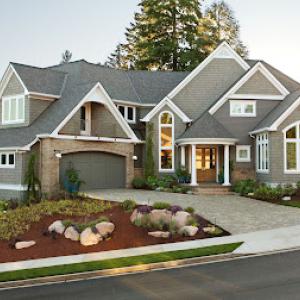
Roofing Aid
1900 E Golf Rd #950, Schaumburg, Illinois
4.9 from 109 reviews
Roofing Contractor specializing in insurance claims
StRoof Roofing Contractors
(224) 347-7594 roofingcompanyschaumburg.com
904 Lunt Ave, Schaumburg, Illinois
5.0 from 55 reviews
There are roofing companies in Schaumburg, IL, and then there is StRoof Roofing Contractors. We are family owned and operated so we are a roofing company that cares about the community we serve. For years we have offered a range of roof installation and roof repair services that are second to none. Our expert roofing contractors in Schaumburg are able to handle any roofing project from minor roof repairs to full roof replacement. We are always ready for any residential or commercial roofing you may need. With fully licensed, bonded, and insured roofing contractors on our team, our roofing company in Schaumburg has the trusted professionals ready to work on any roof with the skill and experience you expect.
Patrick Roofing Companies
(312) 680-3730 roofingcompaniesschaumburg.com
2633 717 Viola Ct, Schaumburg, Illinois
5.0 from 54 reviews
Patrick Roofing Companies is a roofing contractor Schaumburg that has served the community since 1998. They offer quality roofing made out of plenty of materials. There are different kinds of rubber roofs, metal roofs and other materials for commercial and residential projects. For roofing Schaumburg IL contact Patrick Roofing Companies. They provide free estimates for projects of all sizes. Whether you’re inquiring about a repair or installation, they can help you get the job done. Patrick Roofing Companies is one of the top roofing contractors schaumburg that you can contact any day of the week for quality customer service at a reasonable price. They use all of the best materials for a quality job that will last.
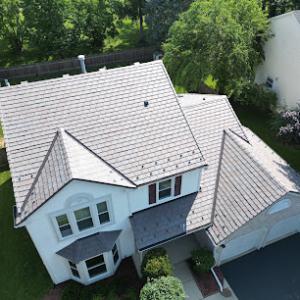
Global Adjusting & Construction
(773) 726-0182 www.adjustingglobal.com
1937 Wright Blvd, Schaumburg, Illinois
4.9 from 177 reviews
Global Adjusting and Construction can help you get free roof repairs by coordinating with your homeowners insurance, to get you the most amount of money to go towards your repairs.
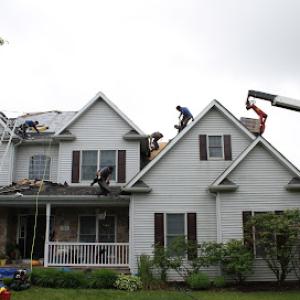
Dynamic Home Restoration
(847) 730-5780 www.dynamichrc.com
2020 E Algonquin Rd #302, Schaumburg, Illinois
5.0 from 49 reviews
Dynamic Home Restoration is a leading insurance restoration company that specializes in restoring homes and commercial properties back to their pre-damaged condition. With years of experience in the industry, we are committed to providing our customers with high-quality roofing, siding, gutter, and window services. We are your one-stop-shop for all your restoration needs, from smoke and fire damage to water damage claims. Our team of experts will work with your insurance company to ensure that you receive the compensation you deserve. At Dynamic Home Restoration, we take pride in providing exceptional customer service and delivering the best solutions for your restoration needs. Contact us today
TM & S Construction & Remodeling
1530 Mohawk Dr, Schaumburg, Illinois
5.0 from 48 reviews
Welcome to TM&S Shingle Roofing Contractor, your trusted roofing expert! With years of experience and a team of skilled professionals, we deliver top-notch shingle roofing solutions that stand the test of time. Whether it's roof installation, repair, replacement or maintenance, we've got you covered. Our commitment to quality craftsmanship and exceptional customer service sets us apart. We take pride in using premium materials and employing industry-leading techniques to ensure your complete satisfaction. Don't compromise on the safety and beauty of your home – contact us today for a free consultation. Let TM&S Shingle Roofing Contractor safeguard your property with excellence!
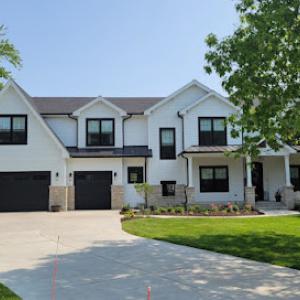
Buzz Home Pros
(847) 796-8724 www.buzzhomepros.com
1189 Tower Rd, Schaumburg, Illinois
4.8 from 161 reviews
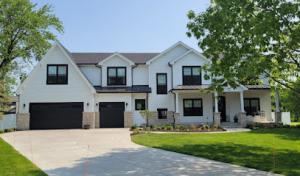
For top-of-the-line materials installed by experienced local professionals, choose Buzz Home Pros. We only use the very finest installers. We were built on a foundation of professionalism, attention to detail and quality services. Our goal is to help you transform your home with quality materials that last the test of time. Specializing in roofing, siding, and windows, we pride ourselves on working directly with the homeowner, so we can target services and achieve 100 percent satisfaction. Learn more about us by calling now for a free estimate!
UV Exteriors
890 E Higgins Rd Ste 158, Schaumburg, Illinois
4.9 from 54 reviews
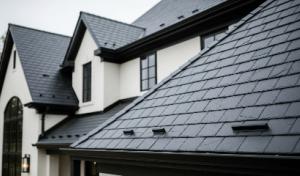
At UV Exteriors, our mission is energy efficiency. We provide roofing, siding, windows, gutters, and solar solutions that reduce energy costs, improve comfort, and protect your home year-round. Serving all of Chicagoland’s Northwest Suburbs, our skilled team handles roof repairs, complete roof replacements, siding repairs and installations, energy-efficient window upgrades, and durable solar panel systems. We combine expert craftsmanship with eco-friendly products to deliver stylish, long-lasting, and sustainable results. To make improvements more accessible, we also offer affordable financing options. With a commitment to quality, transparency, and customer care, UV is the trusted choice for homeowners seeking value and efficiency!
Chicagoland Roofing Companies
(708) 583-9904 chicagolandroofingcompanies.com
1460 Fairlane Dr #518, Schaumburg, Illinois
5.0 from 35 reviews
We are one of the most respected, established roofing companies in the city. We work with many different types of roofing materials, and we take pride in the quality of our work. Our estimates are accurate and thorough. Our people are professional and personable; some of the most highly skilled roofing contractors in the area. We finish our roofing jobs on time and we leave things clean and neat when done. We do both residential roofing and commercial roofing. No roofing installation is too big or too small. When you invest in a new roof, we want you to get the best value for your money. Our goal is to provide the best quality roof, with professional installation for the best possible price.
SoffiCare Soffit Gutter Installation
(224) 278-1021 schaumburgsoffitgutters.com
32 W Schaumburg Rd, Schaumburg, Illinois
5.0 from 30 reviews
Looking for expert soffit and fascia repair or gutter installation services? Our team specializes in soffit repair, ensuring your home’s exterior remains secure and well-protected from the elements. We also offer comprehensive soffit and fascia repair to keep your roofline looking great while preventing damage. In addition to repairs, we provide professional gutter installation and gutter repair services to keep your home safe from water damage. Trust our skilled team for all your exterior repair and installation needs. Contact us today for reliable, affordable solutions!
Canga Roofing
(224) 222-1642 www.cangaroof.com
922 W Irving Park Rd, Schaumburg, Illinois
4.7 from 205 reviews
Canga Roofing is the leading Roofing Company near Chicago, IL & the surrounding areas. We proudly offer Roofing Contractors, Roof Repair, and Window Replacements near Chicago! Get in touch with us if you require Roofing Companies. Canga Roofing’s mission is to provide all the home and business owners we work with in the Chicago Area with high-quality artistry that leaves them 100% satisfied. We strive at every job to provide work up to the highest standards of professionalism. You can depend on us for reliable service when you need it. If You need your home to be in great shape, we'll be there to ensure it always is. Contact Canga Roofing can help you with all of your Roofing needs in Chicago Today!
Schaumburg's cold winters bring repeated freeze-thaw cycles that can quietly wear on a roof year after year. When nighttime temperatures dip below freezing and daytime sun nudges them back up, moisture trapped in shingles, underlayment, and fasteners can expand and contract. Over several seasons, this subtle movement accelerates wear, loosens edges, and narrows the roof's usable life. The effect isn't dramatic in a single storm, but the cumulative stress adds up, especially on aging roofs or those that already show signs of hail or wind impact. That pattern is a real concern for homeowners who expect their roofs to stand up to many harsh winters between replacements.
Winter access can be slowed by snow load and icy conditions, which affects both inspections and active repair work in Schaumburg. When the driveway and ladder angles are glazed with ice, safety takes precedence for anyone on the roof. The result is scheduling delays, longer windows for critical fixes, and a higher chance that minor issues evolve into bigger problems if left untreated through the cold season. Snow build-up can also mask underlying damage, making early detection harder. It's prudent to plan for potential staggered inspections, with the understanding that weather windows may compress the typical warm-weather replacement cadence.
Material selection in Schaumburg has to account for expansion-contraction stress from winter cold followed by warm summer conditions. Different roofing materials respond differently to this swing. For example, asphalt shingles can manage daily fluctuations but may show edge curl or granule loss if stressed by repeated cycles. Metal roofing resists some deformation but can suffer from panel movement at fasteners if under metal-to-substrate movement or improper sealing. Tiles-whether clay or concrete-are more susceptible to crack or hinge under severe freeze-thaw pressure, while wood shingles and shakes may warp or cup. The key practical takeaway is that your choice should align with the neighborhood's typical climate pattern, ensuring the system can accommodate vertical and lateral movement without compromising waterproofing or fastener integrity.
In this climate, routine inspections should be tied to seasonal transitions, with a focus on lingering ice dam risk, shingle edge lift, and flashing integrity after severe cold snaps. A thoughtful approach includes prioritizing roofs with visible prior hail or wind damage that could have accelerated fracture points. Proper sealing and fan-out of ventilation help limit condensation-driven issues inside attic spaces, which in turn protects the roof's outer layers from moisture intrusion. The goal is to protect against the creeping deterioration that freeze-thaw cycles invite, while staying mindful of the compressed inspection windows imposed by winter weather in this neighborhood.
The typical replacement window in this market runs from late spring through early fall. Winter conditions and freeze-thaw cycles can seriously reduce installation reliability, so most homeowners push projects to the warmer months. If an unusual cold snap or heavy snowfall stretches into early spring, it's common for crews to pause and wait for more stable temperatures. Planning a project to land squarely in the late spring to early fall sweet spot helps minimize weather-related delays and keeps shingles laying flat and sealed as designed.
This area features Village inspection steps that can slow a project's start and progress. Permit processing and multiple inspections add lead time, especially during busy storm seasons when many roofs are being replaced at once. To avoid backlogs, coordinate with your contractor early and lock in a realistic start date before the first warm stretch of weather. If a storm event hits and hail damage is suspected, expect a surge in demand and potential scheduling shifts. Having a clear, date-based plan with your contractor helps you absorb these shifts without scrambling.
Summer heat and UV exposure are real in this market. Even an ordinary-alignment roof that's aged could face accelerated aging once the thermometer climbs, which coincides with higher contractor demand. If your roof is already approaching the end of its life, that heat-driven vulnerability can push it from "likely to fail later" to "needs replacement sooner than planned." Conversely, a newer roof benefits from the heat in the sense that proper installation during warm months ensures better shingle seals and a longer-term seal against wind-driven rain. The key is to avoid installing in the dead heat of peak afternoon if possible, and to ensure crews manage hydration and heat safety so the installation stays on track.
Aim to initiate a replacement project before the peak of summer heat and while Village inspection cycles are more predictable. If your area is experiencing a heavy storm season, discuss with your contractor the likelihood of staged inspections and potential scheduling buffers. Have a contingency plan for weather delays, including temporary protection for exposed areas and an agreed-upon sequence with the crew. By aligning your project with the late spring to early fall window and understanding inspection rhythms, you reduce surprises and keep the project moving through Schaumburg's specific roofing cycle.
Get a clear picture of your project costs upfront - no commitment required.

Roofing Aid
1900 E Golf Rd #950, Schaumburg, Illinois
4.9 from 109 reviews
Patrick Roofing Companies
(312) 680-3730 roofingcompaniesschaumburg.com
2633 717 Viola Ct, Schaumburg, Illinois
5.0 from 54 reviews
Buzz Home Pros
(847) 796-8724 www.buzzhomepros.com
1189 Tower Rd, Schaumburg, Illinois
4.8 from 161 reviews
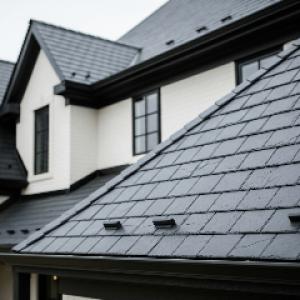
The dominant roofing materials in Schaumburg include asphalt shingles, metal roofing, clay tile, concrete tile, wood shingles or shakes, and slate. This mix reflects a suburban housing stock that often pairs value with performance, while accommodating varied roof pitches and retrofits. Asphalt shingles remain the default choice for many re-roofs, thanks to rapid installation, compatible insulation decks, and broad color options. Heavier materials such as tile and slate are seen on select homes and add architectural character, but they require closer attention to the structure, attic ventilation, and the ability to handle increased dead load. In neighborhoods with diverse rooflines, you will also encounter wood shingles or shakes and metal profiles that bring different aesthetics and performance traits to the street. Understanding how these materials respond to local weather helps you plan the right approach for a given house.
In this market, storm activity and seasonal temperature swings shape material choice and replacement timing. Hail and wind damage patterns often show up first on asphalt shingle edges, exposed fasteners on metal, or the surface of clay and concrete tiles, especially on sloped sections with higher exposure. Freeze-thaw cycles can accelerate wear on coatings and fasteners, particularly in roofs with older underlayment or mixed material transitions. If a roof has existing tile or slate, the risk of cracking or breakage from hail is higher, and individual pieces may need selective replacement rather than a full roof replacement. For wood shingles or shakes, freeze-thaw and wind-driven debris can loosen fasteners or cause splitting, which may necessitate more frequent inspections and careful re-seaming or resealing.
Selecting a material in this community should balance curb appeal, structural load, and the timing window between late summer and mid-fall. Asphalt shingles are typically the easiest to coordinate during short warm-weather replacement windows, but if a home features a heavier roof profile, consider the implications of tile or slate on framing and attic capacity. Clay and concrete tiles bring long-term durability and a distinct look, but their weight demands confirmation of the roof structure and potential reinforcement. Metal roofing provides excellent wind resistance and a lighter payload compared to tile or slate, with fast installation and a leaner underlayment requirement. Wood shingles or shakes offer a rustic aesthetic but may require more maintenance and moisture considerations in certain seasons. Slate delivers timeless longevity and a premium appearance, yet the investment and structural needs are substantial. For any material choice, ensure compatibility with existing roof decking, ventilation, and drainage to mitigate the impact of hail and freeze-thaw cycles while supporting a reliable, seasonally resilient roof.
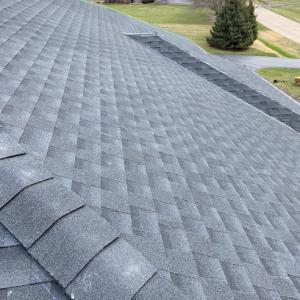
In this market, the practical takeaway is that local weather cycles and an active hail season shape what you'll pay for a re-roof. Asphalt shingles sit in a broad, predictable band, but storm-driven demand can tighten scheduling and nudge prices upward, especially after spring hail events that hit the northwest suburbs. The typical range you'll see for asphalt in this area runs from 350 to 550 USD per square, depending on shingle quality and installation specifics.
For most homes with a conventional pitched roof, asphalt remains the baseline choice. You'll notice the cost cushion when crews need to address hail-related surface damage or underlying deck checks, which can extend project duration during busy periods. Material pricing alone sits in the 350-550 USD per square zone, with higher-end 3-tab or architectural blends edging toward the upper end when terrain, access, or attic ventilation add complexity.
Metal brings longer life and better wind resistance, but it also introduces crew logistics that can affect timing in Schaumburg's tight replacement window. Expect wide variance as you balance panel profiles, fasteners, and underlayment choices. The local market typically sees metal priced from about 600 to 1,000 USD per square, with higher-end finishes or standing-seam systems pushing toward the top end when intricate roof geometry or long runs come into play.
Tile options push the budget and schedule due to weight and installation intricacies. Clay tile tends to run higher than concrete tile, with energy-efficient underlayment and careful nailing patterns adding to labor. In this area, clay typically lands near the upper mid-range, while concrete tiles sit a notch below clay but still above asphalt in many projects. Expect overall per-square costs that reflect material choice, plus the need for robust roof decks or reinforcement on older structures.
Wood adds curb appeal but brings weather-driven maintenance considerations. In Schaumburg's climate, shakes may require more frequent sealing or treatment after winter freeze-thaw cycles, which can influence cycles of re-roof preparation. Material pricing for wood shingles and shakes generally falls in the middle range of options, with installation labor sensitive to roof pitch and overhangs.
Slate remains the premium path, favored for longevity and a distinct look. In this market, slate is the standout in cost, with prices stretching from 1,000 to 1,800 USD per square. Weight and handling requirements, along with the need for skilled fabricators, push scheduling and budgeting higher. Slate projects often become the most complex and longest to complete, but the payoff is a highly durable, visually timeless roof.
Don't let upfront costs delay a critical repair - these contractors offer payment plans to fit your budget.
Buzz Home Pros
(847) 796-8724 www.buzzhomepros.com
1189 Tower Rd, Schaumburg, Illinois
4.8 from 161 reviews
UV Exteriors
890 E Higgins Rd Ste 158, Schaumburg, Illinois
4.9 from 54 reviews
M&M Home Remodeling Services - Arlington Heights
Serving
4.9 from 428 reviews
A building permit is typically required for a full re-roof in Schaumburg through the Village of Schaumburg Building Department. Start the process before any tear-off begins to ensure any zoning or tagging needs are settled. The permit packet usually asks for project details, including the roof type, square, and contractor information. If the project runs into any code updates or amendments, expect a quick addendum request rather than a full restart. Having the permit in hand helps keep the project on a steady schedule even when the weather window tightens.
Schaumburg inspections commonly occur at multiple stages: pre-installation or tear-off, during underlayment and final installation, and a final inspection. The pre-installation check confirms the deck is sound, underlayment is appropriate for the selected system, and ventilation needs are understood. During installation, inspectors will verify underlayment, nailing patterns, and fastener exposure, then again at final install to confirm the finished roof meets code and Village requirements. Plan for potential minor adjustments if the inspector notes gaps between the chosen materials and local standards. Scheduling around these staged inspections helps prevent weather-related delays from cascading.
Ventilation is specifically part of what Schaumburg inspections verify, so scope and attic airflow details can affect approval and timing. Ensure attic vents, soffit intakes, and ridge or turbine vents are addressed in the plan. If upgrades are needed for code compliance, coordinate them with the contractor early to avoid rework after a staged inspection. Proper ventilation not only satisfies the checklist but supports long-term roof performance in this climate.
Schaumburg sits in an Illinois insurance environment with notable hail and wind claim frequency, which directly affects roofing timelines and approvals. The pattern of summer storms and rapid wind shifts means a roof damage report can become a storm of its own: multiple homeowners filing, adjusters stretched thin, and scheduling delays that ripple into project start dates. Hail events often prompt a surge of activity that can linger into the following weeks, especially when the area experiences back-to-back storms. For a homeowner, this reality means expectations about how quickly a claim moves from notice to resolution should be tempered with the understanding that every storm season brings more competition for contractor attention and for available inspection slots.
Insurers may request thorough documentation including photos and roof measurements, and adjuster resolution can take longer during active storm periods. The most effective approach is to have clear, timestamped images from multiple angles and to keep a dated log of communications. Roof measurements are not a luxury; they help prevent questions later about the extent of damage and the scope of work. In Schaumburg, where many roofs share similar angles and surface materials, precise records reduce back-and-forth and keep the process from stalling on technical disputes.
Because storm activity is a common roofing trigger in Schaumburg, insurance coordination is often part of the contractor selection process rather than a rare add-on. When choosing a contractor, it helps to verify that the team is prepared to coordinate with insurers, provide detailed scope of work, and offer a realistic, storm-aware timeline. The goal is a scheduling plan that respects the Village's inspection cadence and the realities of busy storm seasons, without promising timelines that cannot be met.
Connect with contractors who help homeowners navigate the claims process from damage assessment to final approval.
Optimal Home Improvement
(630) 988-0029 optimalhomeimprovements.com
1107 Lunt Ave Unit #3, Schaumburg, Illinois
5.0 from 67 reviews
Roofing Aid
1900 E Golf Rd #950, Schaumburg, Illinois
4.9 from 109 reviews
Global Adjusting & Construction
(773) 726-0182 www.adjustingglobal.com
1937 Wright Blvd, Schaumburg, Illinois
4.9 from 177 reviews
In Schaumburg, flat-roof specialization is meaningfully present in the contractor market, signaling that low-slope sections-additions, porches, and attached areas-are a real local service need. These zones often accumulate water differently from the main pitched roof, so a dedicated approach to drainage, edge detailing, and membrane continuity matters. When selecting a contractor, verify experience with low-slope substrates common to suburban homes here, such as older deck transitions, built-up membranes, and modern single-pply systems. Plan ahead for the unique details that connect flat sections to surrounding pitched roofs, including flashing transitions and ventilation considerations.
Autumn precipitation before winter can turn minor low-slope drainage issues into cold-weather leak problems. In this climate, standing water on flat sections or slow-drying puddles near parapets can lead to membrane degradation, edge ravel, or fastener corrosion. Prioritize a reliable slope-even if modest-and ensure that parapet edges have full, clean termination. Materials chosen for these areas should tolerate freeze-thaw cycles without cracking or puncturing; verify warranty coverage for cold-weather conditions and confirm that flashing collars and joint sealants remain flexible in low temperatures. For existing structures, inspect seam locations and field joints annually, paying close attention to areas where debris can accumulate and impede drainage.
Low-slope sections require a focused inspection plan aligned with Schaumburg's seasonal patterns. Conduct a mid-summer check to catch sun-induced adhesive failures and minor surface wear. Schedule a late-fall inspection to document any winter-related movement or ice dam risk on transitions. If a low-slope roof shows consistent drainage issues-slow drainage, recurring damp spots, or edge leaks-address the concern before heavy autumn rain begins, so the system can perform through freeze-thaw cycles. Keep a simple, repeatable maintenance habit: after heavy rains, walk the edge lines to observe runoff behavior and verify that interior signs of moisture do not track from these zones into living spaces.
Find specialists in TPO, EPDM, and built-up flat roofing systems for residential and commercial properties.
Optimal Home Improvement
(630) 988-0029 optimalhomeimprovements.com
1107 Lunt Ave Unit #3, Schaumburg, Illinois
5.0 from 67 reviews
RogoPro Flat Roofing Company
(224) 242-8220 flatroofingschaumburg.com
966 Lunt Ave, Schaumburg, Illinois
4.9 from 33 reviews
Relianz Restorations & Exteriors
(847) 447-3511 www.werestore4u.com
627 Estes Ave, Schaumburg, Illinois
4.6 from 89 reviews