
Last updated: Apr 19, 2026
After Chicago-area wind and hail events, Des Plaines streets fill with shingle debris and the sound of tarps flapping in spring gusts. The local market swings from quiet to urgent in a heartbeat, because the storm season collides with a high density of older homes and flat-hip roofs that are common in the area. When a hailstorm or a strong wind event rips through, roofs can fail in ways that aren't obvious from ground level: lifted shingles, compromised underlayment, and hidden damage around chimneys, vents, or skylights. Storm damage and insurance work become front-and-center, and the timeline from damage to repair can accelerate quickly if crews and adjusters are working at capacity.
Illinois insurers often want a clear, documentable narrative before approving roof-related claims. Expect to be asked for photo documentation that captures the entire roof surface, close-ups of hail impact sites, and any visible signs of wind distress, such as lifted shingles or fractured edge tiles. In many cases, a contractor estimate is requested to validate the scope of work and to justify the cost of repairs or replacement. Some carriers push for ventilation details or wind-uplift information to ensure the roof system will meet current performance standards. Having a prepared package can speed up the approval process, but the specifics matter: the more of the requested documentation you can provide, the less back-and-forth there will be with the insurer.
Leaks don't wait for a calendar and never respect business hours. When a storm hits, you should plan for a rapid response window to protect your interior from further damage. A small leak can escalate quickly in Des Plaines with sudden temperature swings and spring rainstorms. Immediate temporary measures-such as covering exposed areas with a sturdy tarp and redirecting water away from ceilings and walls-can buy critical time while you secure a proper repair plan. If water intrusion is detected around vents or at roof penetrations, prioritize those zones so that interior damage, including insulation and drywall, doesn't compound the repair.
Seasonal claim activity means adjusters and roofing crews may be booked out during peak times. After a storm, expect a flurry of calls and on-site inspections that may incline to prioritizing larger residential clusters or multi-unit buildings. You can mitigate delays by scheduling an on-site assessment promptly and presenting a unified claim package that includes photos, a detailed roof assessment, and a contractor estimate. If you own a home with a complex roof layout, or if there are attached structures, make note of these complexities for the adjuster so the scope of work is accurately captured from the outset.
Keep a dated storm photo log focused on roof features: ridge lines, vents, skylights, and any shingle anomalies. When wind or hail events occur, secure your home by documenting damages within the first 24 to 48 hours, then contact your roofer or a restoration contractor who can provide a formal assessment and a written estimate. Clarify with your insurer whether they require wind-uplift calculations or ventilation details as part of the claim package, and ensure those elements are included if applicable. If a storm disrupts scheduling, request a written timeline from your contractor and insurance adjuster, and maintain a clear line of communication to avoid misinterpretations that can stall repairs.
Des Plaines neighbors frequently exchange recommendations for reputable local roofers who handle storm damage, photography, and expedited claim documentation. Lean on those trusted referrals to identify crews that understand the nuances of wind-driven damage in this area, including how to present a claim package that aligns with insurer expectations. In the aftermath of a major event, moving quickly while staying organized is the best defense against extended leaks and longer repair timelines.
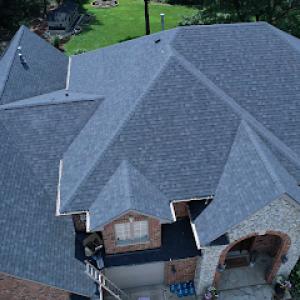
Proven Roofing & Construction
960 Rand Rd Suite 103 Ste 103, Des Plaines, Illinois
4.9 from 165 reviews
Proven Roofing & Construction provides roofing, siding, soffit and fascia, gutters, tuckpointing, windows and storm damage repair to the Des Plaines, IL area.
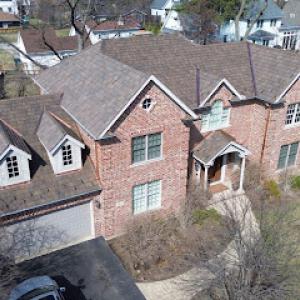
Lion Roofing Corporation
(847) 312-0666 www.lionroofingchicago.com
1773 E Oakton St, Des Plaines, Illinois
4.9 from 78 reviews
Lion Roofing, a family-owned business in Mount Prospect since 1999, with offices in Mount Prospect and Des Plaines, is committed to providing superior workmanship, professional customer service, and a stress-free experience. We specialize in residential shingle, Brava, and DaVinci roofing, as well as commercial modified and TPO roofing, offering durable solutions to withstand Chicago's weather. Whether you need a new roof, repairs, gutters, or siding, we're here to help. We also offer assistance with the insurance claim process. We provide prompt, reliable service, including 24-hour emergency response, and strive to provide affordable options to fit your budget. From start to finish, we aim to be the most trusted roofing company!
Advanced Roofing Team
(877) 945-6565 www.advancedroofingteam.com
975 Rand Rd, Des Plaines, Illinois
4.7 from 202 reviews
Insurance claim specialist
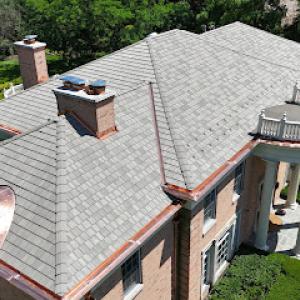
Liberty Restoration Group
(800) 881-5740 www.libertyrg.com
2454 E Dempster St, Des Plaines, Illinois
4.9 from 33 reviews
Liberty Restoration Group is a trusted residential and commercial roofing, gutter, siding, and exterior restoration company serving Des Plaines, IL, and the greater Chicago area. With licensed, bonded contractors and decades of combined experience, we deliver high-quality roof replacements, storm damage repair, seamless gutter installation, siding upgrades, and window services using premium materials from trusted manufacturers. We work closely with homeowners and insurance providers to ensure smooth project management and exceptional results that protect and enhance your property. Proudly serving communities throughout Chicago with integrity, expertise, and a commitment to customer satisfaction.
Alcor Construction Roofing & Siding
1283 Rand Rd, Des Plaines, Illinois
4.7 from 55 reviews
For top-notch construction services in Chicago, Illinois, choose ALCOR Construction & Restoration. We specialize in Residential Roofing, Gutters, Windows, and Interior Demolition, as well as commercial roofing. Our dedication to superior craftsmanship and outstanding customer service distinguishes us. We ensure customer satisfaction for both residential and commercial projects. ALCOR Construction & Restoration excels in commercial roofing with our extensive expertise and commitment. Our team forms the foundation of our success, continuously updated with the latest industry knowledge and resources. This expertise enables us to offer innovative, cost-effective solutions.
Portillo's Roofing
(224) 775-7770 portillosroofing.com
Serving
5.0 from 122 reviews
Seeking a trusted roofing contractor who treats you like family? Portillo's Roofing is your one-stop solution. Our licensed and insured team of experts is dedicated to providing exceptional service, educate you on your options, and help you understand the process.

Topline Roofing - Roofing Contractors, Public Insurance Adjusters
(773) 814-6005 toplineadjusting.com
Serving
5.0 from 107 reviews
Discover TOP LINE ROOFING dba PRO SERVICES ROOFING, a top-rated residential and commercial roofing and masonry contractor in Chicago, partnering with insurance adjusters to offer superior craftsmanship, attention to detail, and exceptional customer service. Our skilled team provides a wide range of services, including emergency roof repair, hail damage as well as slate and tile roof repair, storm damage roof repair, chimney restorations, and masonry services like waterproofing, repointing, and lintel beam installation. Trust PRO SERVICES ROOFING for all your roofing and masonry needs, where quality, honesty, and professionalism meet. Contact us now for a free estimate!

Mountain Roofing Contractors
(224) 401-1496 mountainroofingcontractors.com
Serving
5.0 from 49 reviews
When it comes to your roof, you need the experts. Mountain Roofing Contractors is where you’ll find the right roofing contractors in Mount Prospect that have provided outstanding service to countless customers over the years. If you need a leaking roof repair in Mount Prospect, our team is the one you can count on to get it done right and fast. Our years of experience are proof that we go the distance to ensure that you have the roof that keeps your home safe under harsh weather conditions. We stand out from other roofing companies in Mount Prospect for affordability, quality materials, and extensive skill. Contact Mountain Roofing Contractors in Mount Prospect today for service you can trust.

Hamler Soffit Fascia Gutters Repair
(224) 490-2116 soffitguttersrepair.com
Serving
5.0 from 43 reviews
We are a trusted name in the realm of exterior maintenance and repair services. Specializing in soffit and fascia repair nearby Mount Prospect, as well as gutter installation and repair, we bring years of expertise to every project we undertake. Our team is dedicated to delivering top-notch craftsmanship, ensuring that your home's exterior not only looks fantastic but also functions optimally. With meticulous attention to detail and a commitment to customer satisfaction, we pride ourselves on exceeding expectations. Whether it's fixing damaged soffits, or ensuring proper drainage with gutter solutions, we are your go-to partner for all your exterior repair needs.

Stanley Roofing Contractors Chicagoland
(847) 796-8257 stanleyroofingcompany.com
Serving
5.0 from 71 reviews
Introducing Stanley Roofing Contractors Chicagoland, where trust meets craftsmanship! With a legacy spanning over three decades, we are the unparalleled experts in roofing solutions throughout the Chicagoland area. Our team of dedicated professionals brings together unmatched expertise and unwavering commitment to deliver exceptional results for all your roofing needs. From residential to commercial projects, we pride ourselves on providing reliable, durable, and aesthetically pleasing roofing installations, repairs, and replacements. With Stanley Roofing Contractors Chicagoland, you can trust that your roof is in the hands of skilled artisans who value quality, safety, and customer satisfaction above all else.
Peterson Roofing
(847) 590-5290 www.petersonroofinginc.com
Serving
4.8 from 109 reviews
Peterson Roofing is a full service exterior company that has been proudly serving the Chicagoland area and Northwest suburbs since 1978. Whether it is a small repair or a complete replacement project, Peterson Professionals have the experience to meet your exterior needs. We have dedicated and experienced crews that specialize in roofing, siding, gutters, preventive maintenance, attic insulation, masonry and more. Our crews are continually trained in-house in our training facility to keep up-to-date with all OSHA regulations and installation procedures. Give us a call today and see for yourself the difference a Peterson Professional makes.
Fritz Roofing Service
(847) 641-4155 www.fritzroofingservices.com
Serving
4.4 from 53 reviews
Professional Roofing, Gutters and Siding Contractors Serving Chicagoland for Over 60 Years. Fritz Roofing Service offers an array of exterior services including roofing repairs, siding installation, gutter installation, and more! Our BBB-accredited business was founded in 1953 and has been serving the Chicagoland area ever since. We are a locally and family-owned company. Call us to schedule a service!
In this climate, the roof faces repeated freeze-thaw cycles that can shorten life and make leak patterns worse around flashing and penetrations. When temperatures swing above and below freezing, any existing gaps or compromised flashing can open and close with the cold, amplifying tiny leaks into noticeable water intrusion. That means timing your work to avoid the worst of the winter cycle is not just convenient-it's protective for the roof deck and underlayment.
Spring and fall are the most practical replacement windows locally because winter snow and freezing conditions can delay tear-offs and affect material performance. If you plan a replacement in the shoulder seasons, aim for periods when daytime temperatures stay above freezing most days and nights stay above 20°F for the initial set. Late spring can bring spring storms, so you'll want a weather window long enough to complete tear-off, underlayment, and shingling in a single stretch. The fall slate should be solidified before the first hard freeze, allowing crews to complete roof finishing and any final flashing before snow arrives. Expect the schedule to shift if a late-season hail event or wind storm hits, which can delay work and complicate materials handling.
Leak patterns tend to cluster around flashing, vents, and chimneys after a freeze-thaw cycle, especially on older homes with compromised seals. Before work begins, inspect flashing around all roof penetrations and the knuckles where the flashing meets the wall line. If the attic shows signs of condensation or if the deck has been softened by moisture, postpone finish work until the roof is dry and warm enough for sealants to cure properly. During installation, ensure proper sealant selection for cold-weather cure and keep flashing sleeves warm and pliable to prevent cracking as temperatures drop.
During warm spells, production can speed up, but that pace brings its own risks. Aluminum fasteners and metal edging heat up quickly and expand, while asphalt shingles can soften and sag if laid out in direct sun for long periods. Schedule the most technical steps-like careful ridge vent installation and precise alignment of starter courses-for mornings when temperatures are moderate. In the heat of summer, plan for shorter daily shifts, more water management around the eaves, and shade or reflective materials to reduce heat buildup on the decking and underlayment.
After a wind or hail event, begin with a rapid, aim-first inspection to identify any acute leaks and obvious damaged sections. If a leak is detected, cover it with a tarp temporarily and isolate it to protect the interior while a crew determines the extent of removal and replacement needed. Storm-season decisions should consider replacing compromised sections sooner rather than later to prevent further deterioration from freeze-thaw cycles during the waiting period for a full replacement.
Asphalt shingles remain the dominant practical choice for typical suburban homes in this market. They handle Chicago-area wind and hail exposure well enough when properly installed, and they fit most roof pitches common on nearby ranch and split-level styles. In Des Plaines, wind resistance is strengthened by sealing methods and the use of reinforced starter strips, which help keep shingles from lifting during strong gusts. Freeze-thaw cycles can stress any roof, but asphalt remains forgiving with good attic ventilation and adequate attic insulation. For homeowners facing storm-related leaks, asphalt often provides a fast path to repair or patch work, since replacement shingles and matching products are readily available and installation crews are common in the area.
Metal roofs offer excellent resistance to wind-driven damage and can shed large hail with less immediate cosmetic impact than asphalt. They also shed snow more predictably, which is helpful during Chicago winters. The key considerations here are weight and flashing details: in this market, metal often requires a more robust deck and carefully designed flashing around chimneys, skylights, and wall transitions to handle freeze-thaw movement. Because the area sees rapid temperature swings, panels and sealants must be selected for thermal expansion. When choosing metal, ensure a local installer can address the specific load and insulation needs of common Des Plaines homes, and plan on discussing reseal intervals after heavy hail seasons.
Clay and concrete tile are available in this market, but their weight and repair complexity make them more specialized than standard shingles on typical suburban homes. The structure must be assessed to carry the extra load, especially on two-story layouts or homes with older framing. Tile roofs bring longevity and a distinctive appearance, yet local wind events and hail can cause tile breakage, requiring careful matching and timely replacements. Maintenance tends to focus on checking for cracked or displaced tiles after storms and ensuring underlayment remains sound to prevent interior leaks during freeze-thaw cycles.
Wood shingles and shakes remain a niche local option, but they demand close attention to weathering, moisture intrusion, and seasonal swings. In Des Plaines, fungal growth and splitting can accelerate with fluctuating temperatures and heavy snow loads. If opting for wood, expect more frequent inspections, especially after storms or rapid temperature shifts, to identify warped or cupped boards and to prevent edge rot around eaves and valleys. Proper ventilation and moisture control are essential to maximize their life in this climate.
Synthetic or composite shingles offer variety in appearance and improved impact resistance, which can be appealing after severe wind events. They often combine the best traits of traditional materials-durability, lighter weight, and easier maintenance-with better performance under freeze-thaw stress. Choose products tested for Chicago-area exposure and select local installers who can ensure proper flashing compatibility and ventilation. This option can be a middle ground for homeowners seeking a contemporary look without sacrificing resilience during storm seasons.
On newer additions, garages, or mixed residential-commercial buildings around town, you'll see a meaningful share of low-slope roofs. The practical world for flat or near-flat roofs here involves drainage that isn't always obvious from the ground and flashing details that must stay watertight through Chicago-area wind-driven rain and winter freezes. If a flat section is left too long without a proper slope or with insufficient edge containment, pooled water can work its way toward seams, joints, and curb details around skylights. The consequence is not cosmetic: consistent leaks can quietly undermine insulation, raise indoor humidity, and invite wood rot or mold in the attic and ceiling planes. When a flat roof project is planned, anticipate careful material selection for weather exposure, dependable slope checks, and a clear strategy for maintenance access so you can monitor drainage over the years.
Skylight repair is a notable specialty in this market, and curb-mounted or flashed openings are frequent leak sources around homes with flat or low-slope roofs. In practice, leaks often trace back to flashing laps, corner fasteners, or aging sealant around the curb itself. The heat and cold swings here test those joints, especially where a skylight sits near a wall parapet or where a change in pitch meets a vertical curb. If condensation or damp spots appear on a ceiling, inspect the interior side of the curb and the surrounding flashing first, then verify that any roof patching did not compromise the skylight's drainage path. Regular checks after storms can prevent a small weep from becoming a major interior issue.
Freeze-thaw cycles intensify the stakes on low-slope roofs and around skylight penetrations. Water that sits in a minor depression or along a poorly terminated edge freezes, expands, and lifts flashing or roofing area beads. In honest terms, a neglected valley or poorly sealed edge can allow moisture to travel laterally across the deck and find its way under flashing on a cold morning. The practical takeaway is simple: schedule a focused inspection after severe wind or hail events, verify that scuppers or internal drains aren't blocked, and pay attention to any new signs of edge rot or flashing displacement around skylights.
Flat-roof work plus skylight tracing demands a contractor who understands Des Plaines' wind patterns, freeze cycles, and the way coverage needs to tie into existing curb details. Look for a crew with documented experience in curb-mounted skylights, proven flashing evaluations, and a track record of thorough leak tracing rather than quick sealants. A quality diagnosis today helps prevent a cascade of interior damage tomorrow.
Find specialists in TPO, EPDM, and built-up flat roofing systems for residential and commercial properties.
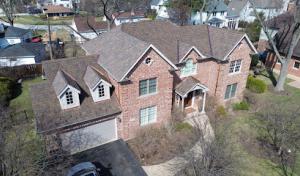
Lion Roofing Corporation
(847) 312-0666 www.lionroofingchicago.com
1773 E Oakton St, Des Plaines, Illinois
4.9 from 78 reviews
Advanced Roofing Team
(877) 945-6565 www.advancedroofingteam.com
975 Rand Rd, Des Plaines, Illinois
4.7 from 202 reviews
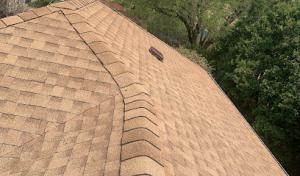
Alcor Construction Roofing & Siding
1283 Rand Rd, Des Plaines, Illinois
4.7 from 55 reviews
In this market, material costs span a wide range. Asphalt shingles sit around 350 to 550 USD per square, while clay tile climbs to 1600 to 2800 USD per square. Metal roofing generally lands between 800 and 1400 USD per square, with concrete tile from about 1200 to 2000 USD per square, and synthetic or composite shingles around 450 to 900 USD per square. This spread reflects the local Chicago-area labor market, where storm-driven demand can push scheduling and replacement costs upward after major weather events. Expect these numbers to tighten or widen based on the project's specifics.
Project costs in Des Plaines can move based on tear-off complexity, low-slope sections, skylights, and whether work must be coordinated around permit inspections. A full tear-off adds labor time and disposal costs that aren't present with a layover. Low-slope portions require specialized materials and protection, raising both material waste and labor hours. Skylights add flashing and integration work that multiplies the project's complexity. All of these factors can nudge the final bill beyond the base material price.
If you're weighing asphalt shingles against higher-end options, remember the cost spread from 350 to 550 USD per square for asphalt up to 1600 to 2800 USD per square for clay tile is deliberate. In Des Plaines, the labor market and weather-driven demand can widen the gap after a severe wind or hail event. For homeowners facing storm damage, fast decisions on shingle type should balance long-term durability with current budget, knowing that the fast local response to leaks matters as much as the sticker price.
A practical plan is to budget toward the higher end of the chosen material's range if tear-offs or skylights are involved, and to expect some variability around 10-20% due to scheduling pressure after storms. If a replacement must tie into a sequence of inspections, set aside time and contingency for potential re-inspections and staging, which can extend the project timeline and cost in this market.
Get a clear picture of your project costs upfront - no commitment required.
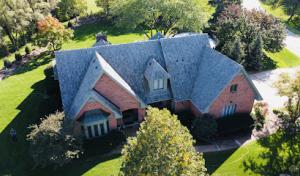
Topline Roofing - Roofing Contractors, Public Insurance Adjusters
(773) 814-6005 toplineadjusting.com
Serving
5.0 from 107 reviews
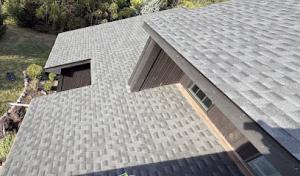
Most roofing projects in Des Plaines require a permit from the City of Des Plaines Building Department. The permit process is the first step to ensure the work will be inspected for safety and code compliance after a storm or wind event. Before lifting a shingle, you should confirm that a permit is in place to avoid any potential fines or rework when the city pulls a permit record during inspections.
The city process typically involves submitting a permit application through the city's portal along with proof of contractor license and a brief scope of work. The portal is designed to streamline the filing, but it helps to have your contractor's license number, the planned tear-off if applicable, and a concise description of the roof system being installed. If a tear-off is required, the scope should clearly note the removal and disposal plan for old roofing materials. Expect to attach a survey or photos of the existing roof to help the reviewer understand the project.
Des Plaines commonly performs inspections after roof removal and again after completion to verify proper installation. The post-removal inspection confirms that the structure is sound and that the deck, underlayment, and flashing are prepared correctly. The final inspection checks that the new roof is installed to code, including proper nailing patterns, ventilation, and flashing around chimneys, skylights, and ridges. Scheduling timelines can vary, but coordinating with the building department and your contractor early helps align tear-off, delivery, and weather windows.
Keep digital copies of all permit documents and inspection approvals accessible on site. Notify tenants or neighbors if work areas will impact access or parking. When wind and hail events trigger quick-response work, prioritize obtaining the permit promptly so inspections can occur in a timely manner and avoid delays on the project's critical path.
Do not begin any roof work without an active permit; city records can flag unpermitted work during a reinspection or sale. If inspections fail, review notes carefully with your contractor, make the required corrections, and request a re-inspection window as soon as the adjustments are complete.
Wind and hail are among the most common causes of roof damage for homeowners in this area. Des Plaines storms can come fast, leaving visible shingle bruising, lifted edges, and granules in gutters. Insurance decisions often hinge on timely documentation and the ability to show the impact of a storm event, so recognizing the signs early matters.
Insurers serving Illinois frequently require detailed documentation before a roof claim moves forward. That means clear photos of all affected areas, close-ups of damaged shingles or flashing, and a logical record of the date and scope of the damage. Contractor estimates supporting the claim are typically reviewed, so having a prepared, professional assessment helps prevent delays and second-guessing.
Because adjusters may inspect on site in this market, it is helpful to arrange access promptly and have your documentation ready. If a roof is partially covered by tarps or temporary repairs, note that these can influence the adjuster's assessment. A calm, organized presentation of the damage-with dates and weather context-can reduce back-and-forth and speed up the process.
Des Plaines homeowners benefit from documenting damage immediately after storms and before temporary repairs are removed. Take dated photos from multiple angles, include neighboring homes for comparison when relevant, and keep a simple log of observed issues. This creates a credible baseline for the adjuster and helps protect the claim if later, more damage appears due to delayed leaks or secondary effects.
When a storm hits, do not delay photographing the roof from the ground and, if safe, from the attic or interior spaces where leaks show. Communicate any temporary mitigation you undertake with your insurer, so the record reflects your proactive response. If a contractor is consulted, insist on thorough, itemized estimates tied to verifiable damage, not conjecture. The path to a fair settlement is paved by precise documentation and timely, accurate reporting.
Connect with contractors who help homeowners navigate the claims process from damage assessment to final approval.
Proven Roofing & Construction
960 Rand Rd Suite 103 Ste 103, Des Plaines, Illinois
4.9 from 165 reviews
Lion Roofing Corporation
(847) 312-0666 www.lionroofingchicago.com
1773 E Oakton St, Des Plaines, Illinois
4.9 from 78 reviews
Advanced Roofing Team
(877) 945-6565 www.advancedroofingteam.com
975 Rand Rd, Des Plaines, Illinois
4.7 from 202 reviews
After storms, homeowners in this area actively shop for re-roofing, rapid response, and thorough cleanup. When evaluating bids, look for contractors who promise quick mobilization, on-site protection, and a clean, predictable tear-off. The market also frequently features chimney-related work; if your home is older and has masonry intersections, expect crews to propose repairs or flashing work around the chimney as part of the package. Use these patterns to separate reliable teams from general handymen.
Many local firms highlight re-roofing as their core service. A solid appointment should include a clear plan for inspection, roof decking check, and a documented sequence for tear-off and replacement. If a contractor focuses on cosmetic repairs but glides over structural concerns, walk away. Similarly, note whether the bid covers debris removal, ground protection, and the cleanup you expect after a storm-driven project. A contractor who can articulate how they handle access around the chimney and masonry joints demonstrates practical experience with older suburban homes.
Because some firms advertise affordability while fewer explicitly highlight licensing, insurance, or manufacturer certification, homeowners should verify credentials rather than assume them. Start by asking for proof of general liability and worker's compensation coverage, and request the contractor's current manufacturer certifications for starter, underlayment, and preferred shingles. Ask for recent projects with similar chimney and masonry intersections, then call those references to confirm reliability and cleanup quality. A responsive contractor will provide documentation promptly and set up a site visit with a written plan.
Storms drive urgency; prioritize a roofer who can schedule a rapid inspection within 24-48 hours of contact and deliver a detailed scope within a couple of days. For leak response, confirm how the crew isolates the affected area, protects interior spaces, and coordinates temporary containment if weather remains unsettled. In practice, you want a team that communicates clearly about sequencing, accelerates essential damage mitigation, and follows through with a complete, written report.