Last updated: Apr 19, 2026
Mount Prospect sits in the Chicago-area hail and wind corridor where spring storms commonly drive roof inspections, temporary tarping, and insurance documentation requests. That reality means your roof faces repeat onslaughts every year, and damage can accumulate quickly if left unaddressed. The combination of frequent hail, gusty winds, and long winter freeze-thaw cycles creates a high-stakes environment for aging shingles and flashing. When a storm hits, the clock starts ticking on the potential for leaks, attic moisture, and hidden underlayment damage that isn't obvious from the ground.
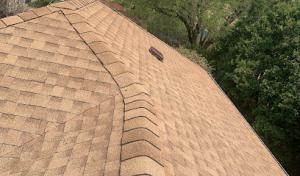
The region experiences winter freeze-thaw cycles that weaken shingles and flashing long before spring storms arrive. Then, as spring winds and hail pick up, exposed defects rapidly become visible failures. In practical terms, you may see loose granules, curling or cracked shingles, and chipped edges after a hail event. Beneath the surface, flashing around chimneys, vents, and valleys can suffer hairline cracks or movement that only shows up after a heavy rain. In your assessment, treat winter wear as a preexisting condition and spring weather as the trigger that reveals true, active damage. If a shingle shows signs of lift, or if flashing looks wavy or detached at any point, address it promptly before water finds its way inside.
In this market, storm damage and emergency repairs dominate the local contractor roster. After a major hail or wind event, many homeowners find themselves navigating rapid assessments, temporary tarping, and insurance documentation requests. That dynamic creates a sense of urgency: a single wind-driven leak can escalate into attic moisture, mold risk, and accelerated roof deck deterioration if not tackled quickly. If you notice any damp spots on ceilings, sudden attic heat, or unusual paneling in the attic, treat it as a red flag. Do not delay a professional roof inspection after a storm-even if the roof looks intact from the ground. Quick, targeted fixes can prevent far larger costs down the line.
With a market heavily oriented toward storm-related work, you'll want a contractor who can demonstrate a clear storm-response process: prompt inspection, documented findings, and a transparent plan that includes temporary measures like tarping when needed. Ask for recent local references and evidence of settled insurance claims for similar homes in the area. Prefer contractors who pair rapid response with thorough diagnostics-especially focused on shingles, flashing, and attic ventilation health. A reliable team will provide a detailed assessment that differentiates between winter damage that can worsen with another freeze, and new damage caused by the latest storm swings. In this climate, a methodical, documented approach helps you protect the home and streamline insurance discussions when the next storm hits.
Asphalt shingles are the dominant practical choice for most Mount Prospect homes, delivering solid value, easy repairs, and straightforward replacement. But the local material mix also includes clay tile, concrete tile, wood shakes, slate, and copper on older or higher-end homes. When selecting a roof type, consider what's most compatible with the underlying deck, flashing, and underlayment you already have, since aging residential roofs in this area often carry long histories of weather exposure. If a home sits on a shaded, windy lot or has a long run of eaves, the choice may hinge on how the roof handles wind-driven rain and ice buildup on the venting and fascia.
Heavy materials such as slate, clay tile, and concrete tile matter more in this region because snow load and freeze-thaw stress can expose underlayment, flashing, and deck issues on aging homes. Before committing to a heavy system, verify the structural support in the attic and rafters. Older nailed decks may require reinforcement or a staged approach to installation to prevent post-placement deflection. If the home already has a substantial second layer, you might review whether a lighter option, such as asphalt or composite shingles, could deliver similar longevity with less structural modification. In any case, plan for a robust ice and water shield at eaves and along penetrations to guard against ice damming and wind-driven leaks, especially where roof lines meet cornices or dormers.
Wood shingles and shakes in the local market need close attention after wet autumns and snowy winters because moisture retention and seasonal temperature swings accelerate splitting, curling, and maintenance needs. Expect more frequent checks for cupping, splitting, and edge checks in wood products exposed to prolonged wet periods. If choosing wood, opt for properly treated or naturally durable species, with a careful assessment of attic ventilation to minimize moisture buildup. Regular cleaning of moss or lichen on shaded sections is prudent, as these organisms can trap additional moisture and promote decay over time. If the home has a history of attic condensation issues, a continuous soffit-to-ridge vent strategy plus a well-sealed attic air barrier becomes essential to protect the wood from accelerated aging.
Clay tile and concrete tile provide striking durability and a longer service life when properly installed, but they demand precise integration with flashing and penetrations. In aging homes, slipped or cracked tiles can expose underlayment and deck components to freeze-thaw stress. If a tile roof is present, ensure that broken or displaced tiles are replaced promptly and that the moisture barrier beneath remains intact. Slate, while exceptionally long-lasting, carries a higher risk of shattering if sudden hail impact occurs, which is common in this area. A cautious inspection after hail events is wise, focusing on high-profile ridges and near skylights where impact damage is most likely to propagate leaks.
For most homeowners, the best approach is to match a roof type to the existing roof's structure and the attic's ventilation dynamics, then prioritize a full inspection of underlayment, flashing, and deck condition before replacement. Heavy materials require thoughtful load assessments and staged installation plans when upgrading on aging homes. If damage from hail or wind has occurred, plan inspections that specifically target fasteners, drip edges, valley flashings, and chimney/vent connections, since these are common failure points in Mount Prospect's climate. A well-chosen roof, paired with a meticulous inspection routine, helps ensure the home remains weather-tight through freeze-thaw cycles and seasonal temperature swings.
When planning a roof replacement, you'll see pricing quoted per square (100 square feet). In Mount Prospect, asphalt shingles run roughly from 350 to 750 USD per square, while the higher-end options escalate to copper roofing at 1800 to 3200 USD per square. This per-square approach helps you compare material choices without getting lost in confusing total-script figures. Expect the spread to reflect material durability, weight, and labor intensity, with simpler installations costing closer to the lower end and premium materials reflecting greater complexity.
During major hail or wind events, prices can rise across the Chicago suburban labor market. In Mount Prospect, that spike shows up as longer lead times and tighter scheduling, especially for crews with the expertise to handle mixed roof lines and older decking. If your neighborhood was hit recently, be prepared for higher bids and a more defined staging plan. This isn't a local quirk alone; it's regional demand lifting both material and labor costs for a window of weeks to a couple of months.
Older homes in established neighborhoods frequently feature tear-off complexity, decking repairs, and added work around chimneys, flashings, and transitions between additions, dormers, or attached garages. In practical terms, that means the base per-square price can increase once the contractor uncovers degraded decking or uneven substrate. Expect extra costs for careful removal of existing layers, repairs to flashing around dormers, and ensuring transitions between additions are watertight. These details matter in Mount Prospect where many roofs blend original construction with later additions, sometimes creating multi-planed ridgelines that demand precise flashing and higher labor time.
If you're weighing materials, asphalt shingles offer the widest affordability range per square, while copper commands the top end. Clay and concrete tiles bring distinct weights and installation considerations in our climate, with clay leaning toward moderate costs and concrete skewing higher depending on thickness and underlayment needs. Wood shingles, slate, and concrete options contribute their own unique labor demands, often increasing time on site during tear-off and re-decking. In practice, you'll likely see the low-to-mid end for basic tear-off and re-decking paired with mid- to high-range pricing for premium materials and intricate details around chimneys and dormers.
Begin with a candid assessment of your roof's age and condition, then gather multiple bids that list per-square costs and any additional line items for decking, flashing, and transitions. If hail damage is suspected, budget for potential decking repairs and enhanced ventilation checks. For established homes, set aside contingency for tear-off complexity and the longer installation windows that premium materials may require. In the end, your total comes from material choice, the extent of tear-off work, and how your contractor sequences the staged inspections and replacements to fit within the local demand cycle.
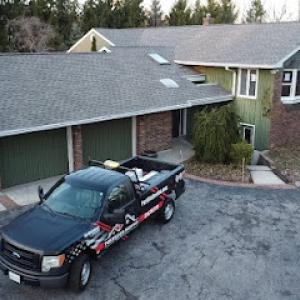
Portillo's Roofing
(224) 775-7770 portillosroofing.com
Mount Prospect, Illinois
5.0 from 122 reviews
Seeking a trusted roofing contractor who treats you like family? Portillo's Roofing is your one-stop solution. Our licensed and insured team of experts is dedicated to providing exceptional service, educate you on your options, and help you understand the process.
Mountain Roofing Contractors
(224) 401-1496 mountainroofingcontractors.com
Serving
5.0 from 49 reviews
When it comes to your roof, you need the experts. Mountain Roofing Contractors is where you’ll find the right roofing contractors in Mount Prospect that have provided outstanding service to countless customers over the years. If you need a leaking roof repair in Mount Prospect, our team is the one you can count on to get it done right and fast. Our years of experience are proof that we go the distance to ensure that you have the roof that keeps your home safe under harsh weather conditions. We stand out from other roofing companies in Mount Prospect for affordability, quality materials, and extensive skill. Contact Mountain Roofing Contractors in Mount Prospect today for service you can trust.
Hamler Soffit Fascia Gutters Repair
(224) 490-2116 soffitguttersrepair.com
Serving
5.0 from 43 reviews
We are a trusted name in the realm of exterior maintenance and repair services. Specializing in soffit and fascia repair nearby Mount Prospect, as well as gutter installation and repair, we bring years of expertise to every project we undertake. Our team is dedicated to delivering top-notch craftsmanship, ensuring that your home's exterior not only looks fantastic but also functions optimally. With meticulous attention to detail and a commitment to customer satisfaction, we pride ourselves on exceeding expectations. Whether it's fixing damaged soffits, or ensuring proper drainage with gutter solutions, we are your go-to partner for all your exterior repair needs.
Proven Roofing & Construction
Serving
4.9 from 165 reviews
Proven Roofing & Construction provides roofing, siding, soffit and fascia, gutters, tuckpointing, windows and storm damage repair to the Des Plaines, IL area.
Peterson Roofing
(847) 590-5290 www.petersonroofinginc.com
Serving
4.8 from 109 reviews
Peterson Roofing is a full service exterior company that has been proudly serving the Chicagoland area and Northwest suburbs since 1978. Whether it is a small repair or a complete replacement project, Peterson Professionals have the experience to meet your exterior needs. We have dedicated and experienced crews that specialize in roofing, siding, gutters, preventive maintenance, attic insulation, masonry and more. Our crews are continually trained in-house in our training facility to keep up-to-date with all OSHA regulations and installation procedures. Give us a call today and see for yourself the difference a Peterson Professional makes.
Advanced Roofing Team
(877) 945-6565 www.advancedroofingteam.com
Serving
4.7 from 202 reviews
Insurance claim specialist
Exteriors & More by Carden
(847) 791-2134 www.exteriorsandmorebc.com
Serving
5.0 from 46 reviews
Exteriors and More by Carden is a family owned business specializing in roofing, siding, and window services, dedicated to delivering top-notch customer service that will exceed your expectations. Serving, but not limited to; the Palatine, Prospect Heights, Rolling Meadows, Wheeling, Arlington Heights, Buffalo Grove, Des Plaines, and Mount Prospect areas in Illinois. As well as service areas in Lake Geneva, Delevan and Elkhorn Wisconsin areas too!
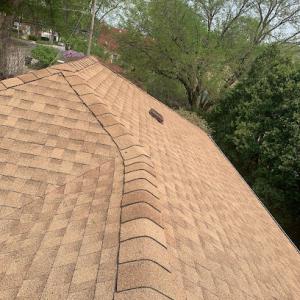
Alcor Construction Roofing & Siding
Serving
4.7 from 55 reviews
For top-notch construction services in Chicago, Illinois, choose ALCOR Construction & Restoration. We specialize in Residential Roofing, Gutters, Windows, and Interior Demolition, as well as commercial roofing. Our dedication to superior craftsmanship and outstanding customer service distinguishes us. We ensure customer satisfaction for both residential and commercial projects. ALCOR Construction & Restoration excels in commercial roofing with our extensive expertise and commitment. Our team forms the foundation of our success, continuously updated with the latest industry knowledge and resources. This expertise enables us to offer innovative, cost-effective solutions.

NorthCrest Roofing Company
(224) 347-1055 roofing-arlingtonheights.com
Serving
5.0 from 48 reviews
When you talk about roofing services in the area of Arlington Heights, we are the roofing contractor that stands out from everyone else. This is because, for 29 years and counting, we have provided quality roofing services with no exceptions. We’ve seen, done, and know almost everything there is when it comes to roofing. Catering to both commercial and residential roofing in Arlington Heights, IL, we install, replace, and repair roofs that are made to last, using the best materials in the market. We employ professionals who are continuously trained in the latest business trends, all aimed at providing our clients with the excellent service they deserve. For quality and affordability, call us.
Amsterdam - Roofing, Siding, Windows, Doors & Masonry Contractor
(847) 439-1814 amsterdamcontractor.com
Serving
4.9 from 115 reviews
Amsterdam Enterprises is a trusted roofing contractor in Arlington Heights, IL, serving Chicago and nearby suburbs since 1982. With over 44 years of experience, we provide expert residential and commercial roofing, including roof installation, roof replacement, roof repair, inspections, and maintenance using shingle, cedar, slate, copper, and flat roofing systems. We also specialize in siding installation and siding repair, tuckpointing and masonry restoration, window installation, window replacement, and window repair, gutter installation and gutter repair, soffit and fascia work, and historical building restoration. Every project is completed with skilled craftsmanship, durable materials, and dependable service.
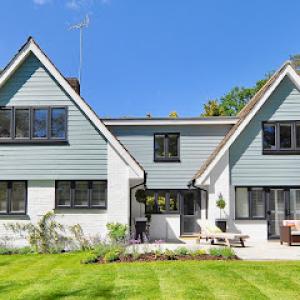
U.S. Exterior Chicago
(224) 455-8600 www.usexteriorchicago.com
Serving
5.0 from 143 reviews
Established in 1970, we have proudly served the Prospect Heights, IL community for over five decades. Specializing in roofing, siding, exterior painting, windows, and gutters, we bring a wealth of experience to every project. Our dedication to quality craftsmanship and customer satisfaction has allowed us to grow from a small, locally rooted business to a trusted name in the industry. These unique qualifications set us apart, ensuring the safety and longevity of your property.
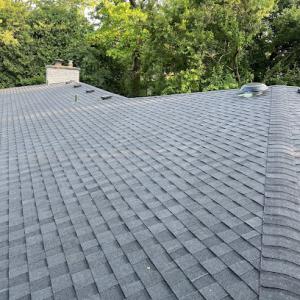
Fritz Roofing Service
(847) 641-4155 www.fritzroofingservices.com
Serving
4.4 from 53 reviews
Professional Roofing, Gutters and Siding Contractors Serving Chicagoland for Over 60 Years. Fritz Roofing Service offers an array of exterior services including roofing repairs, siding installation, gutter installation, and more! Our BBB-accredited business was founded in 1953 and has been serving the Chicagoland area ever since. We are a locally and family-owned company. Call us to schedule a service!
In this village, a full roof replacement requires a building permit issued by the village Building Department before any work starts. This isn't a courtesy-it's the rule that keeps your project on track with inspections and code compliance. Diving into tear-off or replacement without that permit creates not only a risk of fines but also the potential for delays that stretch well beyond weather windows. Treat the permit as the foundation of the project, not an afterthought.
The local process includes inspections during and after the job, with rough-in and final inspection stages rather than a single closeout visit. That means you'll see inspectors more than once, and each checkpoint has its own purpose: confirming proper installation, ventilation, flashings, and moisture control mid-project, then verifying a complete, weather-tight roof at the end. Plan for those visits in your schedule and coordinate access for shingles, underlayment, and any structural work. Skipping or rushing an inspection is not an option if you want the permit to stay active and the project to finish without setback.
Homeowners should confirm the permit is active before tear-off begins because the village requires permit status and inspection sequencing as part of the replacement process. A lapse in permit activity can trigger stoppages, backtracking on work already done, and added administrative hurdles. Before lifting the first shingle, verify the permit online or with the Building Department, and keep the confirmation handy for your contractor. If any part of the process is delayed or if inspections are pushed, the tear-off might sit open longer than anticipated-exposing your home to weather and the elements. Stay proactive, stay compliant, and coordinate closely with the permit holder and contractor to keep the project moving on schedule.
This is a high-claim regional environment for hail and wind, so insurers commonly ask Mount Prospect homeowners for roof condition documentation, photos, and post-storm assessments. Having clear, dated records can help move claims forward and reduce delays when the adjuster arrives after a storm.
Because claim activity follows broader Illinois and Chicago-area storm patterns, homeowners here benefit from documenting roof age, prior repairs, and storm dates before adjuster visits. A simple binder or digital folder kept in a safe place lets you pull details quickly when the insurer asks for the history of the roof.
Insurance decisions in this market are closely tied to whether damage is storm-related versus age-related wear, which makes prompt local inspection after hail or wind especially important. If a conservatively documented early inspection finds new damage, it strengthens the case that a claim should address replacement or major repairs rather than just cosmetic fixes.
After a hail or wind event, take wide-angle exterior photos of the entire roof, then close-ups of damaged shingles, dented gutters, and damaged flashing. Note the date of the storm, the approximate time, and any nearby property impacts. Keep a running record of any leaks inside the home and when they were first noticed.
Schedule a same-season roof inspection with a reputable local contractor who understands the typical Northwest suburban housing stock and common storm damage patterns. Have that professional provide a written assessment and photos that show damage progression over time, so you can share cohesive documentation with the adjuster.
When taking photos, aim for consistency: same elevation, same time of day, and repeated shots after each storm. Use a simple calendar note on each image and back up files in the cloud or a drive you trust. If a contractor provides an assessment, request annotated photos that point to specific failure points, such as shingle fractures or loose nail heads, so adjusters see the progression clearly.
Finally, expect that some hail-damage claims touch on age-related wear too. The difference matters: storm damage can prompt replacement or major repair, while age wear often leads to repair limits. If your roof is near the end of its typical life, plan for long-term replacements even if a first inspection suggests only partial fixes. Your insurer may require expert opinions and more documentation, and local weather cycles in Illinois and Chicago-area markets mean timing your claim with a calm, not storm-heavy season helps communication and outcomes. Keep it organized for faster resolution.
Connect with contractors who help homeowners navigate the claims process from damage assessment to final approval.
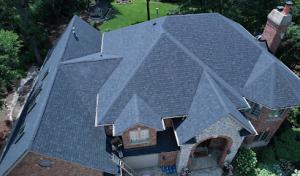

In Mount Prospect, the cold season tightens the window of opportunity for a proper roof swap. Freezing temps hamper adhesive performance, and the deck's condition becomes harder to assess when surface moisture lingers. Ice build-up and stubborn thaw cycles can conceal moisture intrusion, so the timing of a winter project hinges on a string of mild days and steady temperatures above freezing for critical stages like underlayment and sealant application. If a project starts in late fall, expect careful scheduling to avoid mid-winter delays when crews may be limited by safety concerns and material handling challenges. Pros will often prefer a brief stretch of consistently above-freezing weather to ensure sealants cure as designed and to verify flashing and vent work without repeated freeze-thaw stress.
Spring in this market brings a renewed risk of hail, and autumn brings rain that can disrupt or push back staged inspections. Scheduling becomes a delicate balance: you want to address aging or damaged roofing before the next hailstorm, but sudden weather fronts can force temporary pauses. Expect weather windows to dictate the pace, with back-to-back roofer visits and material deliveries needing to align with favorable conditions. For aging suburban roofs, crews may stage work to cover vulnerable areas during wet periods while pursuing critical components like ventilation, ridge details, and drip edge when the forecast looks calmer. Clear communication with the contractor about anticipated weather gaps helps prevent surprises when inspections are required.
Summer in the Chicago suburbs offers the most predictable production pace, but heat and humidity still shape on-site handling and installation conditions. Shingle bundles can become stiff or awkward to maneuver in high heat, affecting cut accuracy and panel alignment. Moisture management becomes crucial if dew or rain occurs after long dry spells, and solar heat can influence sealant performance and underlayment swelling. Efficient crews plan early starts to beat the sun, but occasional afternoon heat can slow progress. If an unexpected heat spike coincides with a critical step-like securing valley metal or mounting ridge caps-expect a brief pause to preserve workmanship quality.
Effective timing hinges on lining up a window when multiple weather scenarios align favorably, especially given the area's older housing stock and the prevalence of wind and hail events. Communicate preferred timelines with a contractor who understands seasonal swings and can propose staged inspections that respect the village's typical inspection cadence. For homes with aging decks or damaged flashing, early evaluation in late winter or early spring can help determine whether a conservative or expedited approach best protects interior spaces during the upcoming seasons.
Although steep-slope residential roofs dominate, the active local market for flat-roof specialists suggests recurring issues on low-slope sections over porches, additions, garages, and multifamily or commercial properties. These areas often age differently from the main roof and can be overlooked during routine maintenance. In Mount Prospect, it is common to see low-slope patches that do not shed water as reliably as the rest of the roof, leading to hidden trouble that only shows up after heavy storms or seasonal freeze-thaw cycles.
Freeze-thaw cycling and autumn rain are especially relevant on low-slope sections in this region because drainage problems can turn minor ponding into leak pathways at seams and penetrations. Check every low-slope surface after a rain event or light snowfall to identify standing water that persists for more than 48 hours. Pay particular attention to transitions where low-slope runs connect to vertical wall flashings, parapets, and skylight collars, as those joints are common leak points once water sits on the surface.
Homeowners in Mount Prospect should evaluate low-slope roof sections separately from the main house roof because replacement timing, materials, and leak behavior often differ. When approaching a replacement, inspect the condition of flashing around penetrations, edge details, and any vent pipes as a group rather than as an afterthought to the primary roof. Plan for proactive resealing or flashing upgrades at seams, especially where old sealants have begun to shrink or crack.
Material selection for low-slope areas should consider wind-driven rain, hail exposure, and seasonal temperature swings. Standing-water tolerance and slip-resistant surface options can influence long-term durability. A practical approach is to pair a durable deck- or membrane-compatible surface with robust edge terminations and reinforced flashings at transitions to the main roof. This helps maintain a consistent barrier across the entire roof envelope, reducing the chance of unseen moisture migrating into the structure.
Create a simple seasonal checklist focused on low-slope sections: verify drainage scuppers and drains are clear, inspect seams and penetrations for signs of movement or cracking, and review edge details after major wind events. Document any ponding areas with photos and plan targeted maintenance or repairs before the wet season resumes. Regular attention to these zones helps prevent small issues from becoming costly repairs later on.
Find specialists in TPO, EPDM, and built-up flat roofing systems for residential and commercial properties.