
Last updated: Apr 19, 2026
In Wheeling, spring hail and strong winds are a major trigger for roof damage inspections and insurance claim activity across the northwest Chicago suburbs. After a storm, you should act fast: long-drive weather windows can close quickly, and the window to file accurate claims with clear photographs narrows as gutters fill, shingles lift, or flashing fatigues creep in. Start with a rapid exterior check the day after a storm-look for bruised shingles, granule loss, impact dents on vents, and any loose flashing at hips, valleys, or chimneys. If anything looks off, document it with dates and close-up photos before inspectors or adjusters arrive.
Chicago-area freeze-thaw cycles can turn small shingle, flashing, or sealant damage into active leaks by winter, so homeowners often need to decide quickly whether to patch through cold weather or schedule full replacement for late spring or early fall. A patch can buy time, but it's not a cure for compromised underlayment or widespread granule loss. If a persistent drip appears during a cold snap, the risk isn't just water inside the attic; ice damming can magnify damage and force more intrusive repairs later. Consider how much wind-driven rain or snow load your roof was carrying, and weigh the likelihood that a temporary fix will hold through the next cold snap.
Local replacement demand can spike after regional storm events, which affects scheduling availability and can compress the best installation windows in Wheeling. When big storms hit, crews move fast and schedules fill up, sometimes weeks in advance, especially for steep-slope homes with multiple angles and complex ridge lines. If a claim is approved, you may find preferred shingle patterns, color-match challenges, and noticeable lead times. On the other hand, a quieter period could yield more flexible scheduling but carries the risk of lingering exposure to attic moisture if leaks aren't addressed promptly. Communication with your insurer matters: get a written estimate, confirm scope with your adjuster, and align your chosen contractor's plan with the anticipated weather lull.
To navigate the timing minefield, establish a two-track plan. Track A is immediate mitigation: tarp or temporary cover to minimize water entry, sealant as a temporary fix, and quick attic clearance to prevent further interior damage. Track B is long-game replacement: a full-roof replacement that accounts for ladder access, material delivery, and the best dry-weather window. In practice, that means coordinating with your roofer to stage repairs around warm, dry spells, and prioritizing days with a reliable stretch of weather to avoid stepped leaks or rushed work that could compromise the result. A proactive approach reduces the chance of back-to-back storm season damage and keeps your home drier through the next round of winds.
In this area, residential roofing costs are quoted per square (100 square feet) for most materials, with EPDM quoted per square foot. Use these local ranges: asphalt shingles 350 to 550 USD per square, metal 700 to 1100 USD per square, clay tile 1100 to 1900 USD per square, concrete tile 900 to 1500 USD per square, wood shingles or shakes 550 to 900 USD per square, and EPDM 4 to 7 USD per square foot. These figures reflect typical Wheeling projects and give you a practical starting point when you're comparing bids.
Asphalt remains the most common choice for steep-slope homes in Wheeling. Expect bids clustered around the lower end if your roof is straightforward, with higher quotes if the roof line is complex or if ice dam prevention and ventilation upgrades are part of the scope. A hail event or strong winds can push prices higher quickly, as local claim volume tightens labor and scheduling. Durability against freeze-thaw cycles is good, but ensure that flashing and edging details are updated to prevent wind-driven leaks.
Metal bids run higher but can pay back with longevity and wind resistance. In Wheeling, metal roofs often require careful flashing details to handle attic ventilation and condensation, which can influence the final price. Hail impacts tend to elevate both material and labor costs due to the need for inspection and potential replacement of fasteners or panels. If you're aiming for a longer service life and better solar reflectivity, metal is a solid match for the area's seasonal swings.
Clay tile is popular in certain architectural styles around Wheeling, especially on homes with distinctive curb appeal. The cost range reflects the weight and specialized installation, including accurate underlayment and reinforced decking considerations. Hail and wind events can complicate tile repairs, sometimes requiring more extensive roof work beyond a straight tear-off. Expect longer lead times after hailstorms for this material, due to the precision labor involved.
Concrete tile is another durable option that handles freeze-thaw cycles well. Prices mirror the material's heft and installation complexity. In practice, you'll see price bumps if the roof is steep or if the attic ventilation and drainage details need upgrading. After hail or strong winds, you may encounter temporary labor bottlenecks and more meticulous inspection requirements to ensure proper tile alignment and sealing.
Wood shingles or shakes bring a distinct look but can incur higher maintenance costs in this climate. The price range reflects the cost of material plus careful installation to minimize shrinkage and warping. If hail or wind affects your area, additional repair or replacement of damaged wood components is common, which can push total costs up due to the need for sealing, flashing adjustments, and enhanced ventilation to prevent moisture buildup.
EPDM is a practical choice for flat or low-slope roofs. The per-square-foot pricing suits the quick, broad-area coverage typical of commercial sections or modern low-slope homes. In Wheeling, EPDM projects can see price shifts after hail events as crews adjust for increased demand and longer lead times. For flat commercial or modern homes, consider the long-term energy and waterproofing benefits, balanced against the upfront cost.
Costs in Wheeling can rise after hail and wind events because regional claim volume across the Chicago area tightens labor availability and extends lead times. Material choice matters locally because freeze-thaw exposure, summer heat, and ventilation and flashing details reviewed during the project can increase scope beyond simple tear-off and replacement. In practice, a straightforward replacement may evolve into a more involved job if inspectors flag ventilation or flashing upgrades, or if your roof has unusual geometry that demands additional underlayment or custom flashings. Plan for these contingencies in your budget and schedule, especially in the peak repair seasons after a storm.
U.S. Exterior Chicago
(224) 455-8600 www.usexteriorchicago.com
Wheeling, Illinois
5.0 from 143 reviews
Established in 1970, we have proudly served the Prospect Heights, IL community for over five decades. Specializing in roofing, siding, exterior painting, windows, and gutters, we bring a wealth of experience to every project. Our dedication to quality craftsmanship and customer satisfaction has allowed us to grow from a small, locally rooted business to a trusted name in the industry. These unique qualifications set us apart, ensuring the safety and longevity of your property.
A.B. Edward Enterprises
414 Mercantile Ct, Wheeling, Illinois
4.9 from 104 reviews
Since 2003 A.B. Edward has been providing Chicagoland homeowners with exterior services such as roof replacement, roof repair, roof maintenance, siding replacement, siding repair, gutter replacement, gutter repair, masonry, carpentry, window and door installation. Since 2003, we have completed more than 36,000 jobs for 11,000 homeowners in places like Glenview, Highland Park, Winnetka, Northbrook, Chicago, Kenilworth, Evanston, Deerfield, Glencoe and Barrington. We use products from reputable brands such as GAF, DaVinci, Brava, James Hardie, Certainteed, Owens Corning, CUPA, Pella, Velux and Marvin. We are a family-owned company employing more than 40 people. Our pride is in our customer relationships, which often last decades.
Mr Roof & Remodeling Company
(877) 408-5405 mrroofcompany.com
529 N Wolf Rd Suite 1, Wheeling, Illinois
4.7 from 153 reviews
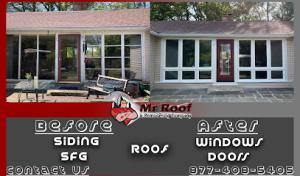
At Mr Roof & Remodeling, we specialize in full replacements of roofs, windows and doors along with professional roof repair and maintenance. Based in Wheeling, IL, we serve homeowners and commercial property owners across Chicagoland and Milwaukee. Our certified crews install high-quality roofing systems for homes and commercial buildings and provide repair & maintenance services to extend the life of your roof. We also replace old windows and doors with energy-efficient units and stand behind our work with excellent customer service. Contact us today for a free quote.
Fusion Exteriors
(224) 201-6028 www.fusionexteriors.com
Serving
5.0 from 60 reviews
Fusion Exteriors is your trusted, local and family owned residential roofing contractor and siding installation expert. We provide replacement, repair and storm restoration service. We are located in Prospect Heights, IL and serve greater Chicago area as well as surrounding NW suburbs with one ultimate goal- provide you with complete satisfaction. We are certified and use top of the line roofing and siding products, quality and dependable workmanship and unmatched customer service to protect your most valuable asset - your home. Our staff is trained to perform a thorough inspection of your roof and house exterior, review details of restoration and draft a prompt and concise estimate of all the work that needs to be performed.
Dynasty Restoration
(224) 425-9376 www.dynastyresto.com
Serving
4.9 from 29 reviews
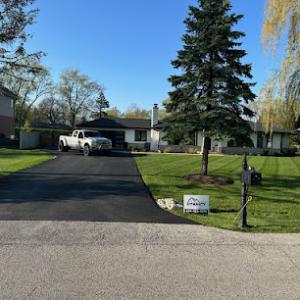
WE DELIVER AFFORDABLE HOME RESTORATION Dynasty Restoration, Inc delivers affordable home restoration on time, every time. Our team is your Trusted Roofing and Exterior Restoration Experts in the Greater Chicagoland area.
Covera Roofing Company
(224) 899-7044 buffalogrove-roofing.com
Serving
5.0 from 31 reviews
We handle a variety of commercial roofing in Buffalo Grove and its neighboring areas. Our company boasts years of experience in the roofing industry. If you decide to work with us, all your roofing needs will be accommodated. As one of the best commercial roofing companies in Buffalo Grove, we have a good reputation in providing superior roofing services including roof repair and replacement. Our contractors have the dedication to undergo ongoing training to ensure the best roofing installation and roof repair in Buffalo Grove. We only use the best materials and provide long-lasting solutions to make your investment a worthy one. Our professionals are eager to work with you to add safety and security to your home.
Zdan Roofing Contractors
(224) 458-1937 roofingnorthbrook.com
Serving
5.0 from 32 reviews
We are the roofing company in Northbrook for your total roofing needs. If you are looking for a roofing contractor who cares more about the customer than simply making a quick buck, we are your best choice in IL. The roofing services we provide include installation, repair and replacement. Our standards for quality and reasonable pricing have earned a long-standing, excellent reputation in the area. Your roofing installation is best left in the hands of experts with almost 30 years of experience in the industry and employ skilled roof inspectors. Residential and commercial customers alike count on our roofing contractors to bring the best roofing services and the most reliable products for your money.
E&L Roofers Commercial & Shingle
(224) 348-7166 flatroofinglincolnshire.com
Serving
5.0 from 25 reviews
If you’re looking for a professional, reliable roofing company in Lincolnshire, E&L Roofers Commercial & Shingle is the team you can trust. We’re a well-established roofing company offering expert roofing services at competitive prices. Don’t let roofing issues leave you vulnerable to bad weather—our services cover commercial roofing repair and replacement, as well as flat roofing solutions, including flat roof repair and roof replacement. With our skilled commercial roofing contractors and experienced flat roofers, you can rest assured your building will stay safe, secure, and comfortable inside. Reach out to E&L Roofers today to learn more and protect your property with confidence!
NorthRise Roofing Company
(224) 900-1743 roofingcompanydeerfield.com
Serving
5.0 from 36 reviews
As an established roofing company in Deerfield, NorthRise Roofing Company has become the areas most trusted and most called upon roofing company for roofing repairs and roofing replacements. We care about our customers and want to know they are safe and dry through all the seasons. If you are wondering about your roof’s validity, we can send out a qualified inspector to check out your shingles, gutters, flashings, and facias. We also check for potential hazards, like falling tree limbs. All these components working together ensure that you have a solid roof over your head. Our professional roofing contractors will look for potential problems and report back with some remedial ideas to keep your home’s roof in working order.
Revived Exteriors,
(847) 305-2866 www.revivedexteriors.com
Serving
4.8 from 255 reviews
Revived Exteriors: Your Trusted Partner for Roofing, Siding, and Windows At Revived Exteriors, we pride ourselves on being a leading local roofing contractor based in Arlington Heights, Illinois, serving a wide range of areas including (not limited to) Chicago, Elk Grove, Rolling Meadows, Palatine, Mount Prospect, Prospect Heights, Long Grove, Schaumburg, Barrington, Long Grove and Buffalo Grove. Our commitment to excellence is evident in our comprehensive range of services, tailored to meet the unique needs of both residential and commercial properties. Roofing Excellence: Specializing in both commercial and residential roofing, our team offers top-quality installation, repair, and replacement services. Whether you're looking for state-...
Smart Roofing
(847) 797-0404 www.smartroofers.com
Serving
4.9 from 65 reviews
SMART Roofing, Inc. is a full service roofing contractor serving Arlington Heights and its surrounding suburbs. From roof assessments and repairs to installations of virtually every type of new residential roof and commercial roof, our commitment to excellence, stellar customer service and exceptional results are the "SMART" roofing difference. We provide unbiased and customized solutions based on your specific needs along with years of experience in every possible roofing and sheet metal situation. If you need a roof replacement, we can provide you with the right reasons for each roof type and which solution is best for you.
Cittrix Roofing
Serving
5.0 from 121 reviews
Cittrix Roofing is a roofing contractor in Buffalo Grove, IL that services Chicagoland, Lake County, Buffalo Grove and nearby areas. Our roofing company offers residential roofing, commercial roofing, asphalt shingle roofing, and much more. What make us standout is our lifetime labor and material warranty plus our storm damage insurance claims assistance. We also have industry certifications such as Haag Roof Inspector and Malarkey Preferred Contractor. If you want to experience how your most trusted Buffalo Grove roofing company embrace our motto “The Last Roof You'll Ever Need”, call us now for free estimate!
A roofing permit is typically required in Wheeling for a full roof replacement, and homeowners should confirm the contractor pulls it before work begins. If the permit isn't tracked properly, you risk delays, code violations, or a stop-work order that can push your project into a less favorable weather window. Before signing any contract, ask the contractor to provide the permit number and a copy of the permit application. Verify that the scope of work in the paperwork clearly matches what will be replaced-no hidden add-ons after the crew arrives. A responsible contractor will treat the permit as part of the project timeline, not as an afterthought that appears mid-build.
The Village of Wheeling building department reviews roofing applications for code compliance and may require plans or notes covering decking, ventilation, and flashing details. This is not a mere formality; it's your defense against moisture problems, ice damming, and wind uplift issues that become costly later. Expect questions about attic ventilation and overall roof ventilation strategy, especially if your home has an older deck or unusual eave configurations. If the village requests drawings or notes, have your contractor supply them promptly. Delays in this review can push out the start date, which matters in Chicago-area swings of cold and thaw. If you recently had interior renovations, share any changes to soffit or ridge lines that affect airflow; the village will want to see that the planned roof system will operate safely with existing ventilation.
Inspections in Wheeling can occur during the job and after completion, including a final inspection, so scheduling and close-out depend on coordination with the village. The contractor should arrange the required inspections and be present to address any questions from the building department on-site. Plan for an inspection mid-project if decking or ventilation work is being upgraded or if there are deviations from the approved plan. A misaligned inspection timeline can trigger rework and additional permit reviews, which delays the project and can leave you exposed to weather hazards longer than anticipated. Keep a clear line of communication with your contractor about when inspections are expected, and confirm who will meet the inspector on site.
Weather swings in this region demand careful timing. If you are waiting on permits or a post-inspection close-out, use the window of milder days to minimize the risk of weather damage during construction. Have a ready folder of documentation: permit numbers, plan notes, ventilation specs, and any inspection approvals. If a storm interrupts work, know that the village may require re-approval or an updated plan to proceed. A proactive approach-keeping the permit active, maintaining all required notes, and coordinating inspection dates-helps ensure the project moves efficiently from permit approval to final seal of completion.
Asphalt shingles remain the dominant steep-slope choice in this market, and that status is tied to Wheeling's typical suburban roof lines and the seasonal realities of the Chicago area. Hail, wind uplift, and winter temperature swings are the local stressors that most affect service life. When selecting asphalt, you'll want a high-quality overlay with a strong warranty and a wind-resistant underlayment. Look for shingle profiles that resist impact and, where possible, opt for heavier granule counts that fare better after freeze-thaw cycles. In practice, you should also plan for more frequent inspection after hail events and after major temperature swings, since exposed edges and ridge lines can wear first. Pay attention to edge gaps along fascia and transitional areas where water can pool or wind uplift can pry the material loose. A well-sealed attic vent strategy helps reduce condensation that can accelerate shingle deterioration in this climate.
Metal roofing is present in this market and can appeal to homeowners planning for long-term durability through snow, ice, and summer heat. The material's strength against impact and wind makes it a compelling choice when planning a roof that may endure multiple harsh Chicago-area seasons. However, detailing at flashing transitions remains critical in this climate. Pay particular attention to how metal panels meet walls, chimneys, and vent stacks. In Wheeling's freeze-thaw environment, expansion and contraction around fasteners and seals can open gaps if not properly engineered. Choose a metal system with a proven color and coating warranty to resist thermal fading and corrosion from winter road salt. A seasoned installer should pre-plan drip edges, valley pans, and closure around penetrations to minimize potential leaks during heavy snow melts and seasonal storms.
EPDM rubber roofing is a relevant local option because there is enough low-slope roof demand that flat-roof specialization is a meaningful part of the contractor market. For commercial and some high-traffic residential applications, EPDM stands up well to standing water and broad temperature swings. The key is selecting a system that provides reliable sealing at seams and penetrations, especially around HVAC curbs and skylights. In snow-prone periods, ensure proper drainage design so meltwater doesn't pond on the surface and contribute to accelerated wear. For retrofit projects, confirm compatibility with existing insulation and ensure proper ballast or fastening methods to resist wind uplift. If choosing EPDM, ask about curb plastics or edge detailing options that improve wind resistance and ease of maintenance in this climate.
Find contractors experienced in skylight installation, flashing, and leak repairs to bring natural light into your home.
U.S. Exterior Chicago
(224) 455-8600 www.usexteriorchicago.com
Wheeling, Illinois
5.0 from 143 reviews
A.B. Edward Enterprises
414 Mercantile Ct, Wheeling, Illinois
4.9 from 104 reviews
Your roof lives through repeated freeze-thaw cycles each winter, which can widen tiny flaws around flashing, penetrations, and exposed fasteners. In practice, a pinhole leak near a vent stack or a loose shingle edge may not show up in mild spells, but as temperatures swing above and below freezing, water sneaks into micro-cracks and then freezes, making the problem grow. This is especially true on older roofs with aging sealants or misaligned flashings. If a storm hits and drops a rapid freeze, you'll see leaks move from a small drip to a more noticeable intrusion in a matter of hours. In Wheeling, that means planning for the possibility of escalating damage even after the sky clears.
Snow accumulation compounds the risk: wet snow that sits on a compromised edge can melt and refreeze, guiding water toward attic penetrations and up under shingles. Full replacement work becomes impractical when heavy snowfall or sustained cold snaps lock in place; the immediate priority is containment. Tarps and leak control become your first line of defense, especially after a storm that harshly tests flashing joints or chimney margins. If you notice daylight or moisture in the attic after a storm, treat it as urgent: prioritize securing temporary coverings, ensuring downspouts and gutters are clear, and monitoring for active drips that worsen with each subsequent freeze-thaw cycle. In practice, small leaks left unmanaged in winter can translate into larger interior damage once spring warmth returns and moisture moves again through the roof deck.
Late spring and early fall emerge as the most stable windows for a proper replacement in this area because they dodge the coldest installation conditions and the peak summer heat. If a storm has already compromised the roof and the issue is urgent, move to a temporary fix now but align the longer-term plan with the milder shoulder seasons. Plan for a weather-safe installation calendar that avoids the depths of winter when tarping and temporary repairs may fail under heavy snow, and avoid peak heat when sealants cure poorly. In short, you gain the best results by sequencing repairs to align with the milder shoulder months, while maintaining vigilant leak control through the cold stretch.
When you can't wait, these contractors offer fast response times to stop leaks and prevent further damage.
Mr Roof & Remodeling Company
(877) 408-5405 mrroofcompany.com
529 N Wolf Rd Suite 1, Wheeling, Illinois
4.7 from 153 reviews
Wheeling sits in a Chicago-area insurance environment where hail and wind losses drive higher roofing claim activity and premium volatility. That pattern means insurers may scrutinize every detail of the roof failure and the surrounding conditions before approving a repair or full replacement. Understanding that nuanced backdrop helps you prepare for a smoother claim process.
Insurers serving this market often want detailed photo documentation, contractor estimates, and clear damage records before approving scope. Start with wide shots of the roof, attic, and eaves, then close-ups of hailImpact, wind-related lifting, curling shingles, and any interior signs of water entry on ceilings or walls. Include photos of the surrounding property for context, such as vent stacks, skylights, and gutters. Timestamp each set and store them in a labeled folder to show a clear timeline of damage progression after a storm.
Adjusters may inspect on-site or review photo-based documentation, and replacement decisions can be influenced by broader Illinois and local loss history. A written damage summary from the contractor, paired with the photo set, often helps calibrate expectations. Ensure your contractor's estimate aligns with observed damage patterns, and request itemized line items for shingles, underlayment, flashing, and ventilation where applicable. If an adjuster arrives in person, accompany them to point out hail marks, wind damage, and any preexisting conditions that could affect scope.
Maintain a central file with storm date, claim number, insurer contact, and all communications. For Wheeling households, a consistent, well-documented narrative - supported by photos and estimates - can accelerate approvals and reduce back-and-forth during the claim review, especially when the weather swings demand timely action.
Connect with contractors who help homeowners navigate the claims process from damage assessment to final approval.
U.S. Exterior Chicago
(224) 455-8600 www.usexteriorchicago.com
Wheeling, Illinois
5.0 from 143 reviews
A.B. Edward Enterprises
414 Mercantile Ct, Wheeling, Illinois
4.9 from 104 reviews
Mr Roof & Remodeling Company
(877) 408-5405 mrroofcompany.com
529 N Wolf Rd Suite 1, Wheeling, Illinois
4.7 from 153 reviews
In Wheeling, after a storm you'll notice a surge of crews offering quick fixes and tarp work. The danger is rushing into a temporary seal that shifts into bigger problems once the weather changes. Your goal is to stabilize leaks, protect interior spaces, and set the stage for a proper, long-lasting repair or replacement. Expect to spend time coordinating with the crew, because once a roof is damaged, the clock starts on mitigating interior damage, not on delivering a flawless finish.
Because Wheeling has a high concentration of storm-damage and emergency-repair contractors, homeowners should verify who is actually handling permits, inspections, and final close-out with the village. A reputable team will clearly identify responsibilities before any tear-off begins, and will follow up with you after work is complete to confirm that the job has been properly documented and inspected. If a contractor deflects on these details, pause and reassess. The discrepancy between initial claims and final paperwork can create confusion and delay when you need a clear, clean close-out.
With many re-roofing-focused contractors active in this area, homeowners should compare experience with the exact roof type on the house, especially cedar, tile, metal, skylights, or low-slope sections. A crew that routinely handles cedar shakes, for example, will approach fastener patterns and surface preparation differently than one focused on asphalt shingles. Likewise, a metal roof or tile installation has precise underlayment, flashing, and ventilation considerations that matter for performance under freeze-thaw cycles and high winds.
The local market signals demand for fast stabilization, but fast does not have to mean sloppy. Look for crews who outline a cleanup plan that leaves the property orderly and free of loose debris after tear-off. Storm-damaged systems deserve a repair path that preserves attic insulation, emphasizes proper ventilation, and minimizes the chance of recurrent leaks through the next thaw cycle. A cautious, thorough approach now reduces the likelihood of stress and additional damage later.