
Last updated: Apr 19, 2026
Northern Illinois storm activity makes roof damage claims common in Buffalo Grove, especially after spring hail and thunderstorm events. When a storm hits, you need to treat every roof impact as potentially cumulative: a small bruise today can grow into a leak or structural risk tomorrow. Start with a rapid exterior check for obvious damage-granule loss, lifted shingles, dented flashing, or compromised vent boots. If any of these signs appear, document them with clear daylight photos from multiple angles. Timely action reduces the chance of water intrusion sneaking in through unseen pathways during spring thaws or summer storms.
Local insurers often want a licensed contractor estimate plus photo documentation of both storm damage and any pre-existing roof wear before approving claim scope. Gather your evidence before contacting the insurer: take wide shots of the entire roof, close-ups of damaged areas, and images of the attic or ceiling stains from below if present. Have a licensed contractor provide a written assessment that identifies new storm-related damage versus pre-existing wear. This distinction matters for claim scope and recovery, so clarity matters more than volume of photos. Keep a dated log of all storm-related events and subsequent leaks or interior damage to support the claim narrative.
Because Buffalo Grove also sees winter snow and freeze-thaw cycling, homeowners need to separate sudden storm damage from older deterioration when documenting a claim. Freeze-thaw cycles can exacerbate small pre-existing weaknesses, creating a tricky claim landscape. Your documentation should map out when pre-existing wear began and how the spring storm altered or accelerated issues. For example, note if granules were already missing before the most recent hail event, or if a flashing seam showed rust or looseness prior to the last storm. Insurance adjusters look for a clear line between new damage caused by the storm and material fatigue from years of exposure, so precise dating and condition notes are essential.
Rely on a licensed contractor who understands how local storms interact with common Buffalo Grove roof lines and materials. A reputable pro can provide the precise scope the insurer requests and translate it into a repair or replacement plan that withstands the next round of weather. When you secure an estimate, ensure it includes a line item for carefully documenting both storm-caused damage and any associated pre-existing conditions. A contractor who can deliver professional photos, labeled diagrams, and a documented assessment increases the likelihood of a smooth claim approval.
Timing a roof replacement or repair around the spring and early summer storm window is critical. If a claim is approved but weather delays push work into late spring or early summer, the risk of further weather-related damage rises. Plan with the contractor a practical timeline that aligns with forecasted storm activity and the insurer's documentation requirements. Short, decisive action after a storm minimizes exposure to additional precipitation and avoids compounding damage that could complicate the claim.
As storms roll through, keep interior protection in place to prevent water intrusion while awaiting inspections. Use tarps or temporary coverings over exposed roof sections if you notice active leaks, but avoid creating further damage by walking on weakened areas. Prompt, organized documentation paired with a licensed contractor's assessment sets the stage for a claim that accurately reflects immediate storm damage and underlying aging wear, reducing surprises when the adjuster reviews the file.
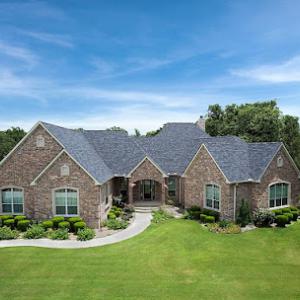
Cittrix Roofing
1674 Barclay Blvd, Buffalo Grove, Illinois
5.0 from 121 reviews
Cittrix Roofing is a roofing contractor in Buffalo Grove, IL that services Chicagoland, Lake County, Buffalo Grove and nearby areas. Our roofing company offers residential roofing, commercial roofing, asphalt shingle roofing, and much more. What make us standout is our lifetime labor and material warranty plus our storm damage insurance claims assistance. We also have industry certifications such as Haag Roof Inspector and Malarkey Preferred Contractor. If you want to experience how your most trusted Buffalo Grove roofing company embrace our motto “The Last Roof You'll Ever Need”, call us now for free estimate!

Covera Roofing Company
(224) 899-7044 buffalogrove-roofing.com
55 Oak Creek Dr, Buffalo Grove, Illinois
5.0 from 31 reviews
We handle a variety of commercial roofing in Buffalo Grove and its neighboring areas. Our company boasts years of experience in the roofing industry. If you decide to work with us, all your roofing needs will be accommodated. As one of the best commercial roofing companies in Buffalo Grove, we have a good reputation in providing superior roofing services including roof repair and replacement. Our contractors have the dedication to undergo ongoing training to ensure the best roofing installation and roof repair in Buffalo Grove. We only use the best materials and provide long-lasting solutions to make your investment a worthy one. Our professionals are eager to work with you to add safety and security to your home.
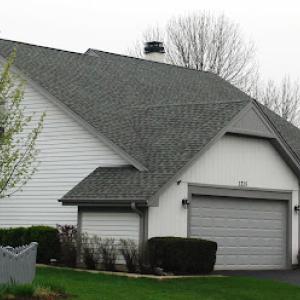
Titan Roofing
(847) 274-6404 www.thetitanroofing.com
932 Country Ln, Buffalo Grove, Illinois
4.8 from 39 reviews
Since 2002, Titan Roofing is helping customers to get the best roofing solutions. We are family owned residential Roofing Company servicing Chicago Northwest suburbs. Fully bonded, licensed & insured. IL license #104-016206. New Roofs, Flat Roof tear-off, Roof Repair & Maintenance. Gutter cleaning, roof Inspection & flat roof coating. We pride ourselves on Quality workmanship & reputation in the community, and stand behind our work 100%. Understanding our Customers' needs and their satisfaction is our #1 priority.

E&L Roofers Commercial & Shingle
(224) 348-7166 flatroofinglincolnshire.com
Serving
5.0 from 25 reviews
If you’re looking for a professional, reliable roofing company in Lincolnshire, E&L Roofers Commercial & Shingle is the team you can trust. We’re a well-established roofing company offering expert roofing services at competitive prices. Don’t let roofing issues leave you vulnerable to bad weather—our services cover commercial roofing repair and replacement, as well as flat roofing solutions, including flat roof repair and roof replacement. With our skilled commercial roofing contractors and experienced flat roofers, you can rest assured your building will stay safe, secure, and comfortable inside. Reach out to E&L Roofers today to learn more and protect your property with confidence!
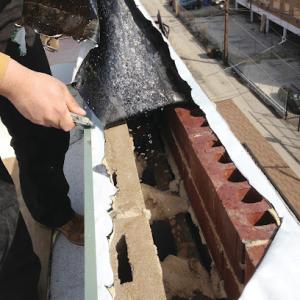
WickRight General Contracting
(312) 720-1467 www.wickrightgeneralcontracting.com
Serving
4.8 from 20 reviews
Licensed Roofing, Masonry and General Contractor providing complex water, moisture intrusion and leak diagnosis and repair in Chicago. We fix wet buildings, repair leaking roofs, masonry, siding, windows and doors. We provide wet building evaluations, repair design and planning, engineering reports. We install flashings to prevent water intrusion and ventilation to dry wet masonry parapets and walls and prevent leaks in flat roofs. 35+ years experience Services: wet building evaluation, leak diagnosis, structural analysis, leaking roof repair, truss repair, leaking parapet repair, flashing and ventilation, leaking masonry repair, masonry sealant, masonry flashing and ventilation, leaking split face block repair, stucco repair and venting

State Restoration Services
(866) 992-2982 staterestoration.us
Serving
4.9 from 81 reviews
State Restoration Services was established as a Chicago-based roofing company, which was providing full-service roofing and exterior home improvement services and become an industry leading family owned and operated construction company in the State of Illinois. Building on our early success, we have grown from general residential roofing company to a full size Residential and Commercial Roofing & General Construction company that is now proud to fill a void in the marketplace and provide a quality building code compliant workmanship services such as: roofing, siding, windows, gutters… Emergency Repair Service Available 24/7
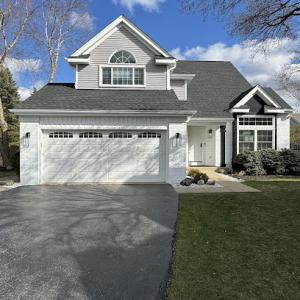
Markside Construction
(847) 257-9008 www.marksideconstruction.com
Serving
5.0 from 22 reviews
Are you looking for a company you can trust for your roofing, siding and windows repair and installation needs? MARKSIDE CONSTRUCTION offers your premium Roofing, Windows, and Siding products and services
Smart Roofing
(847) 797-0404 www.smartroofers.com
Serving
4.9 from 65 reviews
SMART Roofing, Inc. is a full service roofing contractor serving Arlington Heights and its surrounding suburbs. From roof assessments and repairs to installations of virtually every type of new residential roof and commercial roof, our commitment to excellence, stellar customer service and exceptional results are the "SMART" roofing difference. We provide unbiased and customized solutions based on your specific needs along with years of experience in every possible roofing and sheet metal situation. If you need a roof replacement, we can provide you with the right reasons for each roof type and which solution is best for you.
A.B. Edward Enterprises
Serving
4.9 from 104 reviews
Since 2003 A.B. Edward has been providing Chicagoland homeowners with exterior services such as roof replacement, roof repair, roof maintenance, siding replacement, siding repair, gutter replacement, gutter repair, masonry, carpentry, window and door installation. Since 2003, we have completed more than 36,000 jobs for 11,000 homeowners in places like Glenview, Highland Park, Winnetka, Northbrook, Chicago, Kenilworth, Evanston, Deerfield, Glencoe and Barrington. We use products from reputable brands such as GAF, DaVinci, Brava, James Hardie, Certainteed, Owens Corning, CUPA, Pella, Velux and Marvin. We are a family-owned company employing more than 40 people. Our pride is in our customer relationships, which often last decades.

Mr Roof & Remodeling Company
(877) 408-5405 mrroofcompany.com
Serving
4.7 from 153 reviews
At Mr Roof & Remodeling, we specialize in full replacements of roofs, windows and doors along with professional roof repair and maintenance. Based in Wheeling, IL, we serve homeowners and commercial property owners across Chicagoland and Milwaukee. Our certified crews install high-quality roofing systems for homes and commercial buildings and provide repair & maintenance services to extend the life of your roof. We also replace old windows and doors with energy-efficient units and stand behind our work with excellent customer service. Contact us today for a free quote.
MTS Shingle Roofing
(224) 899-7098 mtsshingleroofing.com
Serving
5.0 from 26 reviews
At MTS Shingle Roofing, we are dedicated to providing top-quality roofing solutions for your residential needs. With decades of experience, we take pride in our skilled team of roofing experts who deliver excellence, professionalism, and customer satisfaction. Our services include shingle roof installations, repairs, and replacements, ensuring your property remains safe and protected from the elements. We use premium materials and cutting-edge techniques to guarantee long-lasting and durable results. Contact us today for a free consultation and estimate. Let us handle your roofing needs with precision and care. Experience peace of mind with MTS Shingle Roofing at your service.

Fusion Exteriors
(224) 201-6028 www.fusionexteriors.com
Serving
5.0 from 60 reviews
Fusion Exteriors is your trusted, local and family owned residential roofing contractor and siding installation expert. We provide replacement, repair and storm restoration service. We are located in Prospect Heights, IL and serve greater Chicago area as well as surrounding NW suburbs with one ultimate goal- provide you with complete satisfaction. We are certified and use top of the line roofing and siding products, quality and dependable workmanship and unmatched customer service to protect your most valuable asset - your home. Our staff is trained to perform a thorough inspection of your roof and house exterior, review details of restoration and draft a prompt and concise estimate of all the work that needs to be performed.
Spring is often the most practical window for full roof replacements in this area. After the cold, access improves as temperatures rise and snow recede, but you still want to avoid the lingering freeze-thaw cycles that can complicate tear-offs. The spring schedule tends to line up with more predictable access for dumpsters, equipment, and crew, so long as the weather cooperates. Plan for a few fingertips-on-deck days where the crew can stage materials without worrying about sudden cold snaps or late-season freezes. When the ground is thawed and footing is stable, roof deck work proceeds more smoothly, and underlayment and flashing can be installed with the consistency that inspectors expect during a full replacement. If the project runs into a stretch of wet days, crews in this area typically move to interior or salvage work rather than letting the roof sit half-dipped; that flexibility helps keep timelines more reliable.
Fall is a close second and often preferred for its balanced temperatures and improved material performance before the winter. By this time of year, outdoor conditions are generally settled, making it easier to coordinate a full tear-off, venting installation, and flashing upgrades ahead of winter. The challenge in autumn is wind and leaf debris; planning around peak leaf fall and brisk gusts reduces the risk of debris causing damage to exposed decking or flashing assemblies. If a late-season storm rolls through, the crew can adjust by prioritizing critical flashing and ventilation work to protect the interior, while the remaining steps finish once conditions stabilize. For homes with tall or complex venting configurations, fall often provides a calmer schedule to complete precise flashing details that hold up in a freeze.
Winter weather can slow progress, so scheduling a mid-winter project in this climate should be approached with realistic expectations. Snow and ice can delay tear-offs, and weather windows that close mid-project can leave decking exposed to freeze-thaw cycles, which stresses plywood and underlayment. If a winter start becomes necessary, plan for a contingency: protect exposed decking, keep ventilation work staged, and maintain equipment readiness so a quick push during a warmer spell can resume. In this season, communication with the crew about anticipated disruption, snow removal, and ice prevention becomes essential to avoid misalignment with the local freeze-thaw rhythm. Buffalo winters can flip from calm to volatile quickly, so flexibility and a clear sequence for stormproofing details help prevent backtracking on flashing and underlayment.
Summer work is routinely interrupted by thunderstorms that sweep through with little warning, especially in the late afternoon. A practical approach is to build short, clearly defined daily goals and to coordinate with weather forecasts to shield exposed decking during peak storm hours. High humidity and heat also slow certain tasks, so crews often stagger underlayment and ventilation installs to align with cooler parts of the day. If a fall or spring slot opens up, many homeowners choose to shift to those seasons to minimize weather interruption and ensure that venting, flashing, and decking are fully addressed before the next heating season. In this climate, the interplay between seasonal storms, wind events, and leaf debris in fall should guide scheduling decisions to minimize rework and protect lasting performance.
Asphalt shingles are the dominant practical choice for this area, balancing approachable cost with reliable performance under snow, hail, and repeated freeze-thaw cycles. In Buffalo Grove, where winter moisture moves through roofing assemblies and spring storms roll in with thunder and impact, asphalt brings predictable installation and straightforward repairs. The standard shingle system also makes it easier to match existing roofing surfaces on many mid-century and newer homes without heavy structural changes. When replacing, expect a blend of durability and ease of maintenance that keeps common Buffalo Grove weather events from turning into frequent, disruptive leaks.
Buffalo Grove's material mix also includes clay tile, concrete tile, wood shakes, slate, and copper, which means replacement planning often has to account for heavier or specialty systems rather than a simple shingle swap. Clay and concrete tiles, for example, can offer superb longevity and a distinct profile, but they demand a solid roof deck and careful framing to avoid weight-related concerns. Wood shakes provide a traditional look with excellent insulating value, yet they require more vigilant maintenance against sun exposure and moisture. Slate delivers extraordinary durability and a classic aesthetic, while copper presents long-term resilience and a distinctive patina that can influence flashing and edge details. Each of these materials brings different flashing and underlayment considerations, and they interact with attic ventilation and roof geometry in ways that influence long-term performance during our cold-to-warm transitions and spring wind events. When choosing a material beyond asphalt, homeowners should plan for compatibility with existing vent stacks, skylights, and chimney touches, ensuring transitions are properly integrated to resist wind uplift and water intrusion after winter movement.
The local climate places extra emphasis on flashing transitions and roof penetrations across all materials. After winter movement and spring storms, seals around venting, skylights, chimneys, and edge details are put to the test. Proper underlayment and a meticulous flashing plan become essential, not optional, whether you're sticking with asphalt or upgrading to tile, slate, or copper. If a replacement involves heavier materials, the flashing details may need to be redesigned to accommodate the different edge conditions and fastener patterns. In short, every roof type here benefits from a careful, material-aware approach to details that keep stays secure and water out, especially where roofs meet walls or step and counter-flashing intersect with dormers, chimneys, and valleys.
Typical Buffalo Grove material pricing runs about $350 to $650 per square for asphalt shingles, $900 to $1500 for clay tile, $800 to $1300 for concrete tile, $600 to $1100 for wood shingles or shakes, $1100 to $1900 for slate, and $2500 to $6000 for copper roofing. This range reflects the mix of housing stock around the village-from modest two-car garages to larger, more ornate designs with attic venting and flashing that must meet precise standards during replacement. When planning, size the project by roofing squares (one square = 100 square feet) and multiply to compare bids; most quotes will present price per square, plus disposal and any scaffold or debris handling charges.
Costs in Buffalo Grove can rise after regional storm events because demand surges for tear-offs, emergency dry-in work, and insurance-scope replacements across northern Illinois. If a hailstorm or severe thunderstorm week hits, you may see a temporary premium on both labor and materials as crews clear backlogs. It helps to align timing with calmer weeks if the schedule allows, but be mindful that insurers may push to accelerate replacements when a claim is involved. Documentation of damage, including dated photos and a detailed scope of work, becomes part of the negotiation as the project moves toward settlement.
Projects involving unusual roof geometry or structural changes may trigger plan review by the Village, adding coordination time compared with a straightforward re-roof. Yard you may encounter complex valleys, skylights, or multiple dormers that require stricter flashing, underlayment, and venting checks. A straightforward replacement-keeping or updating the same vent layout and flashing lines-tends to move faster and avoid additional inspections. If the roof plan includes significant changes (new frontage, altered eaves, or retrofits), expect a longer timeline and potential cost adjustments.
Start with a conservative estimate by listing three material options in your price range and request itemized bids that separate tear-off, disposal, underlayment, and flashing. Storm-season timelines can compress schedules, so ask for a phased timeline with milestones and weather contingencies. For clay or concrete tile, confirm the roof deck is prepared to support the weight, and verify fastener patterns match the manufacturer's guidelines. In any case, insist on proof of proper venting and flashing installation, since Village expectations emphasize these details for full replacements.
Get a clear picture of your project costs upfront - no commitment required.
Cittrix Roofing
1674 Barclay Blvd, Buffalo Grove, Illinois
5.0 from 121 reviews

Covera Roofing Company
(224) 899-7044 buffalogrove-roofing.com
55 Oak Creek Dr, Buffalo Grove, Illinois
5.0 from 31 reviews
Buffalo Grove generally requires a building permit for a full roof replacement through the Village Building Department. That means before any shingle starts to lift, a permit application should be filed, plans reviewed, and the project logged. If the project is handled by a licensed contractor, they will usually pull the permit, but you still carry the responsibility to ensure the paperwork is in place and the work complies with local codes. Skipping permit steps can lead to penalties, delays, and trouble with future resale.
The Village typically schedules inspections during and after the job, with attention to venting, underlayment, and flashing details rather than only the finished shingle surface. Expect at least one rough-in inspection while materials are off and underlayment or roof venting is visible. A final inspection confirms the roof meets venting requirements and flashing interfaces are properly sealed around chimneys, vents, and valleys. If the inspector spots something out of spec, the clock starts again until corrections are made and a follow-up pass is achieved. This is where attention to the details you may not notice until a cold snap or spring rain matters most.
If a Buffalo Grove project includes structural changes or unusual roof geometry, the Village may require a quick plan review before work proceeds. That review can slow momentum but protects against missteps that would complicate later permit compliance or jeopardize structural integrity. Be prepared to provide load paths, rafter or truss adjustments, and updated drainage or venting calculations if the plans tilt toward significant modification. A proactive submission saves time and reduces the risk of mid-project hold-ups.
Timing matters in this climate, where freeze-thaw cycles and sudden spring storms test roofs. Coordinate with the contractor to align permit milestones with weather windows, and keep the Village informed of any schedule shifts. Unpermitted or inadequately inspected work not only invites fines but can complicate insurance claims after a storm. A careful, compliant process protects both the roof and your home's long-term durability.
In Buffalo Grove winters bring heavy snow loading and repeated freeze-thaw cycles that can worsen small flashing gaps into active leaks. The combination of weight on the roof and water expansion during thaw can push vulnerable seams open, especially where flashing seals meet valleys or around vent penetrations. If a small gap exists, a routine snow melt can turn it into a visible drip within hours. Homeowners should treat any fresh spotting after a storm as a red flag and inspect the attic for dampness, especially after warm spells followed by another cold snap.
Exposed decking during a winter tear-off in Buffalo Grove is especially vulnerable if snow or meltwater refreezes before dry-in is complete. If crews must leave sections exposed overnight, runoff can refreeze on deck boards and in roof joints, sealing moisture inside the roof system rather than allowing a proper dry-in. This creates hidden rot risk and invites ice damming later. Ensure temporary coverings are properly installed, and insist on continuous drying-in until the roof is fully sealed and all vents are properly vented.
Homes with older roof systems in Buffalo Grove often show problems first around valleys, chimneys, and vent penetrations after a thaw. Those areas commonly harbor gaps that widen with every freeze-thaw cycle. After a thaw, perform a careful exterior and attic inspection focusing on flashing seams, chimney boots, and vent collars. If leaks appear, address them promptly before more water intrusion amplifies interior damage and dampens insulation. Immediate attention to these zones can prevent cascading damage through the winter.
Although Buffalo Grove is primarily a pitched-roof replacement market, the contractor signal mix shows meaningful local demand for flat and low-slope roof work. Low-slope sections sit lower in the weather pattern and tend to collect rainwater or snowmelt longer after thunderstorms and ice events. That slow drainage increases the risk of standing water, which can accelerate membrane wear and encourage edge leaks if flashing or transitions aren't detail-perfect. Expect a careful assessment of drainage paths, scupper or gutter connections, and the condition of any underlayment when a low-slope area is involved.
On Buffalo Grove homes and attached structures, low-slope sections are more exposed to ponding, slow drainage, and leak tracing challenges after thunderstorms and snowmelt. When a storm causes rapid moisture entry, moisture signs often appear at the joints where flat sections meet steeper planes or around penetrations like vents, vents boots, and skylights. A practical approach is to map all low-slope zones and conduct a two-pass inspection: first for visible moisture or membrane defects, then for latent signs behind trim and fascia. Early discovery reduces the guesswork during replacement or repair.
Mixed rooflines in Buffalo Grove can complicate replacement scope because low-slope tie-ins must be coordinated with flashing and ventilation details on adjacent steep-slope sections. The most common pain point is ensuring flashing transitions are continuous and that venting for the attic area remains balanced across the new layout. A plan that treats the low-slope area as part of the whole roof system-not a separate patch-will improve long-term performance and help avoid unexpected failures at the intersection of roof planes.
Find specialists in TPO, EPDM, and built-up flat roofing systems for residential and commercial properties.
Titan Roofing
(847) 274-6404 www.thetitanroofing.com
932 Country Ln, Buffalo Grove, Illinois
4.8 from 39 reviews
E&L Roofers Commercial & Shingle
(224) 348-7166 flatroofinglincolnshire.com
Serving
5.0 from 25 reviews
WickRight General Contracting
(312) 720-1467 www.wickrightgeneralcontracting.com
Serving
4.8 from 20 reviews
In this northern Illinois high-claim environment, storm-related roof losses are common enough that the way you document damage can affect how quickly a claim moves and how broad its scope is. When a hailstorm or strong thunderstorm hits, a solid set of records helps the adjuster see what happened, what was damaged, and what was already wearing down before the event.
Adjusters serving this market may ask for photos showing the roof condition before the storm, the current damage, and any signs of long-term wear to distinguish covered loss from maintenance issues. Photos should clearly show representative areas, eave lines, valleys, flashing, and any visible fasteners. Keep a dated log of when you noticed damage and when repairs were made.
Some policies in this region apply material-specific scrutiny, so installation quality and proof of proper flashing and underlayment matter more on premium systems such as tile, slate, wood shake, and copper. If you have one of these systems, have any existing inspection reports, warranty documents, and a record of professional workmanship ready for submission.
Documentation quality matters because the storm cycle in this climate combines freeze-thaw stress with rapid spring storms. A clear narrative showing pre-event condition, event impact, and subsequent maintenance can streamline review. Include receipts or contractor notes that tie workmanship to proper flashing, underlayment, and venting as applicable.
Avoid altering or concealing damage, and coordinate with a trusted local roofer who understands how Buffalo Grove interprets weather-driven claims. The goal is a truthful, organized file that supports a fair settlement while protecting long-term roof performance.
In practice, use a simple three-step plan: photograph, log, preserve. Photograph attic vents, gutters, and signs of leaks; keep digital copies organized by date and location for reference.