Last updated: Apr 19, 2026
Spring in this valley brings dramatic weather swings, and Yorkville homeowners know hail can strike when you least expect it. Unlike purely age-based decisions, many local roofs are assessed and replaced because a storm left dents, granule loss, or compromised decking. The window for a proper, coverage-aligned repair or replacement often hinges on what the adjuster documents after a claim, not just how old the shingles look. That means you must treat spring hail as a trigger for action, not a cue to wait and see if it "holds up." A roof that's been hail-damaged can deteriorate quickly under rain, freeze-thaw cycles, and ongoing UV exposure, turning a manageable claim into a more complex, multi-day project and a bigger disruption to your home routine.
In Yorkville, the contractor signal mix is dominated by storm damage and insurance claims work. That reality shapes how quickly crews can mobilize, how materials flow, and how the project progresses from assessment to completion. The adjuster's documentation becomes your roadmap: photos, measurements, and statements about the extent of damage often determine whether a full replacement is approved or if only localized repairs are funded. When a hail season hits, expect a surge in demand for rooffers who can coordinate with adjusters, schedule inspections, and line up the right material and crew to meet coverage expectations. The timing of your project will hinge on how promptly the storm claim moves through the insurer's review, how quickly a legitimate need is documented, and how your choose-your-own-material responses align with coverage.
Cold winters in Yorkville push many owners to avoid winter work, chasing the idea of a spring or summer replacement when conditions are milder. That preference collides with spring storm activity: a sequence of large hail events can create sudden scheduling bottlenecks as multiple homes in the area seek priority with the same set of storm-damage-capable crews. When a window opens after an initial inspection, crews can get booked fast, leaving you to navigate a backlog you didn't anticipate. The risk is not just delay; it's losing the optimal moment to match your shingles or metal choice with the insurer's claim timeline. If a claim lands early in spring, you may face a compressed schedule that demands ready decisions about materials, color choices, and underlayment options to avoid overruns.
Start with a fast, thorough roof evaluation after any hail event. Document damage with clear photos, and keep a written log of dates, conversations, and who you spoke with-this accelerates the adjuster process and reduces back-and-forth. If a claim has been filed, request a detailed scope from the adjuster and a projected timeline for the review, notice of approval, and expected start date. Have a short list of preferred materials ready-understand how different options perform in Yorkville's climate and how they respond to storm debris and wind-so you can move quickly once approval comes through. Build a contingency plan for scheduling: identify a few trusted local contractors who can accommodate a tight spring timeline, and confirm their capacity to coordinate with insurers. Finally, set expectations with your family about potential disruptions-storm-driven replacements can require rapid access to your attic space for tarps, temporary heat protection, and material staging, so plan access and storage accordingly. In a town shaped by weather swings and claim-driven decisions, acting decisively after the hail hits helps keep the project on track and minimizes the chance of spring backlog bowling over your original plan.
Advanced Roofing
(630) 553-2344 www.advancedroofing.biz
311 E Van Emmon St, Yorkville, Illinois
4.8 from 184 reviews
As a family-owned business, we know that the quality of your roof is essential to the well-being of your home or business, and the family or employees it protects. Advanced Roofing was recently voted the best roofing company near Yorkville, Naperville, Oswego, Plainfield, St. Charles, and the entire Fox Valley area.
S & H Contracting
(815) 766-3040 sandhcontracting.com
Yorkville, Illinois
5.0 from 17 reviews
S and H Contracting has proudly served Minooka, Illinois and the surrounding communities since 2008. As a female owned and operated construction company, we are dedicated to delivering reliable service, quality craftsmanship, and clear communication from start to finish. Our team works with residential, commercial, and industrial clients, offering full roof replacement, remodeling services, and gutter and downspout replacements. We approach every project with a commitment to excellence and a focus on meeting each customer’s specific needs. Whether you are planning new construction or restoring an existing structure, we provide solutions designed to get the job done correctly and efficiently.
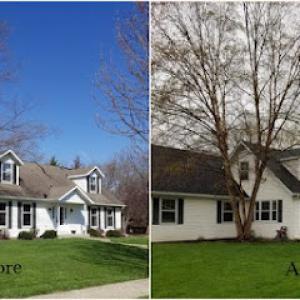
A.R Roofing, Siding, & Gutters
(630) 554-3317 www.arroofingsidinggutters.com
1308 Sunset Ave, Yorkville, Illinois
4.8 from 33 reviews
A.R Roofing, Siding, and Gutters is proud to be a family-owned and operated contractor serving Yorkville, IL, and surrounding areas since 2011. We specialize in new roof installations, siding repairs, and maintenance, always ready to deliver outstanding service with free estimates on all projects. Our dedicated team is friendly and knowledgeable, ensuring no job is too big or small. By staying up-to-date with the latest products, we aim to provide significant savings on your next home improvement project. Our commitment is to excellence, ensuring complete customer satisfaction as we continue to grow in the community. We Are Open Saturdays By Appointment Only.
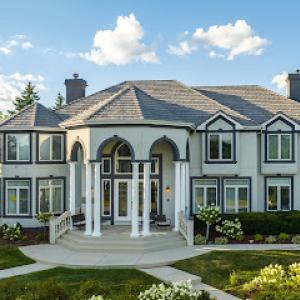
The Best Roofing
9620 Walter Payton Memorial Hwy, Yorkville, Illinois
5.0 from 8 reviews
There is no doubt that the roof is one of the most important parts of a building. It protects the whole structure from bad weather, and rodent infestations. If you are in Yorkville, Naperville, Orland Park or any surrounding area, and looking for a reliable roofing contractor, THE BEST ROOFING should be your number one choice. As the best local roofer, the specialists we employ are trained to handle all types of roof repairs and replacements.
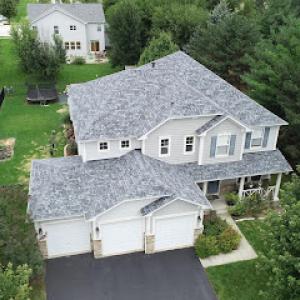
Amenity Roofing & Siding
(630) 636-9954 www.amenityroofing.com
Serving
4.9 from 93 reviews
Amenity Roofing and Siding is a locally-owned roofing contractor that takes pride in every job we complete. Whether you need a new roof, roof repairs, siding, gutters, inspections, or more, contact Amenity Roofing and Siding in Oswego, IL and as of 2022 - Genoa City, WI. We specialize in residential roofing but offer our high-quality services to commercial and industrial customers. We work on various types of roofing, including asphalt shingles, EPDM, TPO, Granulated metal roofing, Decra, Stone coat, Boral, and many others. With over 20 years of combined experience in the Oswego, IL, area, we provide comfort you can trust.
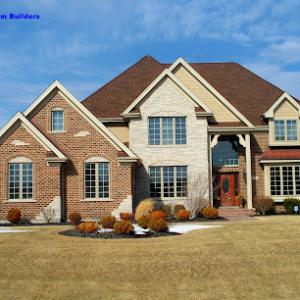
Extreme Exteriors
(630) 664-6793 extremeexteriorsinc.com
Serving
4.8 from 83 reviews
Extreme Exteriors specializes in exterior home remodeling. The exterior of your home is intended to protect you from the elements, a barrier to keep Mother Nature out. The state of Illinois has seen some extreme examples of weather that can really take a toll on the products used on your home. We firmly believe that a home’s exterior is the most important part of your home. Without proper maintenance, the interior of your home can become vulnerable. We offer exterior inspections to keep you and the interior of your home safe from the problems that could occur. We offer work ranging from, but not limited to, siding, roofing, windows, gutters, masonry, soffits, decks, fencing, additions and more.
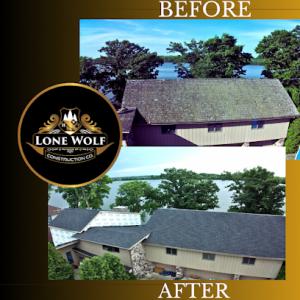
Lone Wolf Construction Company
(630) 254-9928 lonewolfincllc.wixsite.com
Serving
5.0 from 5 reviews
Commercial & Residential Roofing Contractor Illinois Unlimited Roofing License IL Lic# 104-019637 BBB A+ Memeber
C&H Home Exteriors
(630) 273-2476 chexteriors.com
Serving
4.3 from 35 reviews
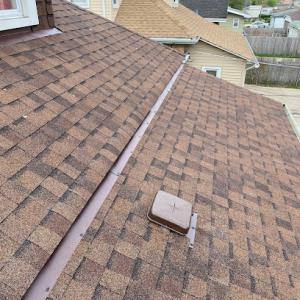
C&H Home Exteriors is known to provide our customers with exceptional service for their roofing, siding, and window needs. We strive to provide total satisfaction for all our customers and each job. We use only expert craftsmen who meet the high standards we require. We have a 3-year labor warranty with all of work. Our goal is to build lasting relationships with our customers by gaining their trust and respect through dedication, integrity, honesty, and the understanding of their needs. We specialize in roofs, vinyl siding, and insurance claims.
A & B Exteriors
(815) 786-3100 abexteriors.com
Serving
4.6 from 67 reviews
We install roofing, siding, soffit & fascia, gutters, windows & doors
Reputable Roofing & Siding
(630) 849-4548 reputableroofing.net
Serving
5.0 from 61 reviews
Reputable Roofing & Siding is a leading roofing and siding contractor specializing in roof repair, roof replacement, and siding installation services for both residential and commercial properties. Our expert team is skilled in providing high-quality, durable roofing solutions, including asphalt shingles, metal roofing, flat roofs, and more. We also offer premium siding services, including vinyl siding, fiber cement, and wood siding, to enhance the beauty and energy efficiency of your home or business. At Reputable Roofing & Siding, we prioritize customer satisfaction and provide free, no-obligation estimates to ensure you get the best value for your investment. Our experienced, licensed professionals are dedicated to providing A+ service.
Best Roofing & Exteriors
(331) 575-1747 bestroofingandexteriors.net
Serving
5.0 from 17 reviews
From small repairs to complete roof and siding replacement we have you covered! Call today! free estimates!
Advantex Roofing & Restoration
(464) 224-0082 www.advantexrestorationil.com
Serving
4.9 from 168 reviews
Advantex Roofing & Restoration, Inc is a trusted provider of residential and commercial roofing services, known for delivering quality craftsmanship and dependable results. With a focus on integrity and customer satisfaction, the company offers a full range of services including roof repair, replacement, storm damage restoration, and insurance claim assistance. Their experienced team uses top-grade materials and modern techniques to ensure long-lasting protection and curb appeal. Advantex Roofing & Restoration, Inc stands out for its prompt service, transparent communication, and commitment to exceeding client expectations, making them a go-to choice for reliable roofing and restoration solutions.
Yorkville's residential roofs come in a mix of asphalt shingles, metal roofing, clay tile, concrete tile, wood shingles or shakes, and synthetic or composite shingles. That variety matters because each material responds differently to seasonal swings. Freeze-thaw cycling puts extra stress on brittle or aging components, especially where flashing, underlayment, and penetrations are already vulnerable. Warm, humid summers affect shingle sealing conditions and installation comfort, which can influence when contractors prefer to schedule larger replacement projects. When you're planning, think about how the upcoming season's weather will interact with your roof's specific makeup: a metal roof can shed heat and shed water quickly in a storm, while clay or concrete tiles demand careful installation and maintenance to keep joints sealed as temperatures swing.
After a heavy spring storm, walk the interior and exterior with a critical eye. Look for curling, missing, or cracked shingles and granule loss in the gutters. Inspect flashing around chimneys, vents, and skylights for signs of movement or gaps. If you notice damp spots on ceilings or water stains in the attic, don't assume you can ride out the problem. In Yorkville's climate, hail can nick or bend components that aren't obvious from ground level, and brittle flashing may fail during a freeze-thaw cycle. Start by listing suspected problem areas and taking clear photos from multiple angles. This creates a simple record you can share with insurers and contractors to compare quotes and recommended repairs.
Weather patterns in this area can push contractors toward scheduling larger replacement projects when conditions are favorable for a clean, long-lasting install. If hail has damaged multiple roof planes or compromised underlayment, you may face a decision driven by insurance timelines and weather windows rather than the calendar. When planning a replacement, prioritize ensuring proper sealing and integration of components compatible with your roof type-whether asphalt, metal, tile, or composite. For clay or concrete tile, ask about underlayment compatibility and accurate tile layout to prevent future breakage under freeze-thaw stress. For asphalt or composite shingles, confirm nail and adhesive edge sealing practices that hold under humid heat and sudden storms. In all cases, insist on a thorough inspection of attic ventilation and insulation, since a well-ventilated attic supports longer shingle life and better energy efficiency in Yorkville's climate.
In this market, material choice drives the big swing in costs. Asphalt shingles sit at the lower end, while tile systems push toward the upper end of the local range. If you're watching the pocketbook, plan for asphalt shingles around the low-to-mid range, roughly 350 to 650 USD per square, versus metal, slate-like composites, or tile that can climb well into the higher end. Concrete and clay tiles tend to be on the upper side, with concrete varying from about 850 to 1600 USD per square and clay around 900 to 1800 USD per square. Wood shingles and synthetic composites land in between, but still spread enough to matter in a tight budget. For a typical home, your project total will depend heavily on square footage, roof pitch, and any extra components like underlayment upgrades or ventilation.
Spring hail storms in this valley can create sudden demand spikes that tighten scheduling and push prices higher for a few weeks after a storm. When a hail event hits, contractors may shift to fast-response mode, which can compress timelines and affect material choices if stock moves quickly. Expect lead times to grow and crews to book out, especially for larger or steeper roofs. If you're evaluating replacement after a hail event, confirm the anticipated start window early and align it with your insurer's expectations. Insurance-driven timing often requires documentation and scope alignment that can extend decision-making, so having a clear plan for payment, deductibles, and approved scope helps keep the project on track.
Because storm-driven demand can spike pricing temporarily, get written quotes that specify material type, warranty terms, and estimated start-to-finish schedule. If you're torn between lower-cost asphalt and a higher-end system, weigh not just the upfront price but long-term value: a longer-lasting tile or metal roof may reduce maintenance calls and future leaks, which matter in quarterly budgeting after severe weather. For homes with complex framing or older decks, anticipate possible structural considerations that may trigger extra inspection or framing work. In practice, the most reliable path is to lock in a scope with your chosen contractor, secure a clear payment schedule, and plan for a mid-spring installation window that aligns with both weather patterns and insurance documentation timelines.
Get a clear picture of your project costs upfront - no commitment required.
A.R Roofing, Siding, & Gutters
(630) 554-3317 www.arroofingsidinggutters.com
1308 Sunset Ave, Yorkville, Illinois
4.8 from 33 reviews
In this area, roof replacements are not treated as permit-exempt work. When you plan a re-roof, you must secure a building permit through the local building department. That permit process helps ensure the project complies with the village's codes, wind and snow loads, and proper installation practices that hold up under Yorkville's spring hail cycles. Starting with a permit helps prevent delays if a storm event triggers inspections or if a post-storm insurance claim requires documentation of code-compliant workmanship.
Contractors in Yorkville file permit applications that include project scope and roof material details before replacement begins. It is common for the permit to specify not only the new roof type but also underlayment, flashing, and venting plans. If the project involves any structural changes, the filing will outline those details as well. Because insurance-driven timelines can push rapid replacements, ensure your contractor's submittal clearly states material types, color, and attachment methods so the permit review aligns with the policy repair or replacement timeline.
Yorkville inspections are conducted after rough framing and again at final completion, and the building department may also ask for material and waste disposal documentation or setback confirmation when structural work is involved. The first inspection after rough framing is to verify that any structural components tied to the roof's integrity-the decking, rafters, and supports-are correctly installed before closing up the attic or pulling in underlayment. The final inspection confirms that the roof, flashings, gutters, and penetrations meet code, and that waste disposal from removals has been handled in an approved manner. If there is any deviation from the approved plan, the inspector will require corrections before occupancy or coverage finalization.
When a hail event creates an insurance-driven urgency, it's tempting to accelerate decisions. Keep in mind that permit acquisition and adherence to inspection steps remain essential to avoid later rework or compliance issues. If the project includes structural elements or adjustments to eave lines, setbacks, or replacement of venting fixtures, have the contractor document how these aspects meet setback confirmations and material specifications. Establish a clear line of communication with the building department early in the process to anticipate any documentation requests, including waste manifests or recycling receipts, which may arise during or after the replacement. Proper coordination between the insurer, contractor, and the permit office helps ensure the project proceeds without unexpected holds and aligns with Yorkville's housing stock and weather realities.
Winter in this valley brings snow, ice, and freeze-thaw cycles that can turn small flashing or shingle failures into active interior leaks. A single ice dam or a hidden lift in shingles can crack a rain jacket of valley flashing, and suddenly water is tracing along soffits and into ceilings. Because the pattern repeats after heavy snowfall and thaw, what looks like a minor repair today can become a bigger indoor problem tomorrow if not addressed promptly.
In Yorkville, full roof replacements are harder to schedule when the weather stays cold and the slate of projects gets tight. Homeowners often need temporary stabilization first, then a permanent replacement later when the season shifts. Tarping and quick-seal measures become essential to buy time without letting interior damage spread. The goal is to stop the current leak fast and set up a durable fix for the spring window when crews can work with full access and dry conditions.
The strong local prevalence of emergency repair contractors reflects real demand for fast tarping and leak response during cold-weather events. When a storm hits or a rapid freeze occurs, those crews arrive with weatherproof tarps, heat blankets, and temporary patching to keep attic spaces safe. You should have a plan to contact an emergency contractor promptly if water is actively leaking, and you should keep a log of where water is entering and how much affected area there is. After stabilization, map out a defined, timeline-backed plan for a permanent fix so winter exposure doesn't linger into spring.
When you can't wait, these contractors offer fast response times to stop leaks and prevent further damage.
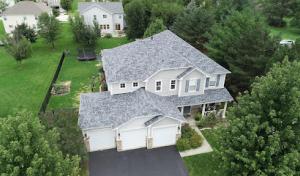
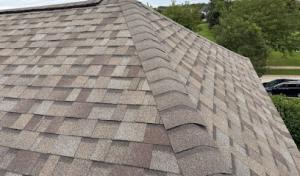
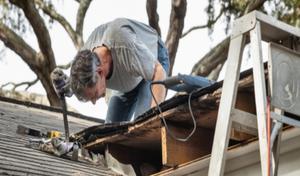
In this area, the adjusting process often hinges on what you can show in photos and written notes. After a hail event, a clear set of images of damaged shingles, gutters, and flashing helps an adjuster evaluate quickly. Delayed or blurry photos can stall approvals and leave you stuck with a temporary fix that isn't a true remedy. Maintain a dated gallery from spring storms and from after heavy rain.
Many homeowners carry high-deductible policies, which shifts the decision from insurer to homeowner on whether to patch, replace, or upgrade materials after damage. If an adjuster suggests a settlement that doesn't cover expectations, the appraisal route can shape the outcome. The appraisal process can take time and may require professional estimates that reflect the local weathering on your roof. If patching is a reasonable stopgap, make sure the chosen materials and color blend with the surrounding roofscape.
Because claims activity is frequent, the timing of when you file and how thoroughly you document can directly affect roofing decisions. A rapid response after a storm often reduces the risk of secondary leaks and interior damage. Rushing to replace without finalized paperwork can result in a mismatch of material, warranty coverage, or future claim eligibility. In practice, you want a documented path showing the damage, the proposed remedy, and the insurer's written position before committing to a full upgrade.
Keep an organized file: claim numbers, photos, contractor notes, and any appraiser reports. When storm season peaks, expect a busy market and competing opinions from local contractors. You owe it to your roof and your wallet to stay precise, patient, and informed before any major replacement decision.
Connect with contractors who help homeowners navigate the claims process from damage assessment to final approval.
Advanced Roofing
(630) 553-2344 www.advancedroofing.biz
311 E Van Emmon St, Yorkville, Illinois
4.8 from 184 reviews
A.R Roofing, Siding, & Gutters
(630) 554-3317 www.arroofingsidinggutters.com
1308 Sunset Ave, Yorkville, Illinois
4.8 from 33 reviews
In Yorkville, storm damage often drives the hiring decision, so you'll want contractors who demonstrate rapid cleanup and emergency leak control. Look for the ability to tarp, assess interior exposure quickly, and plan a staged approach that minimizes further weather-related damage. Practical execution on the first day after a hail event usually signals solid crews you can count on when the next storm hits.
Longstanding, family-owned firms with a steady local footprint matter here. Contractors that have weathered many local springs tend to understand the Fox River valley's swings in temperature and moisture, plus the quirks of typical Yorkville homes. A contractor's resume should emphasize residential re-roofs, proven schedules, and no-nonsense communication about progress and setbacks.
Manufacturer-certified credentials and warranty offerings exist, but residents prioritize what they can actually rely on during a fast-moving repair cycle. Homeowners screen for real-world performance-how risks are handled, how cleanups are executed, and whether crews leave a neat, intact attic and exterior. Brand prestige alone is rarely decisive; practical performance carries more weight.
Given insurance-driven replacement timing, you'll want a crew that can help gather and present the required documentation promptly. A good Yorkville contractor understands the insurer's expectations for photographs, dated rooves, and material specs, and will guide you through the claim coordination without delaying progress.
Storm damage often isn't isolated to shingles. Look for teams that coordinate with interior cleanup, attic ventilation checks, and flashing repairs without leaving the job half-done. A local contractor with a consistent presence will map a repair path that keeps the roof and nearby systems aligned, reducing resale and moisture risk down the line.
Flat or low-slope roofing is present in Yorkville's contractor market but is clearly secondary to steep-slope storm replacement work. When you face a hail event or spring thaw, expect quick attention to any blisters, standing water, or edge flashing issues on these surfaces. Pay attention to drainage gaps and confirm that scuppers and parapet details are sealed properly. In rain-heavy springs, a small leak at a roof-to-wall juncture can escalate fast if a contractor skips rigorous water testing. Insist on a careful material compatibility check with the existing deck and flashing so you don't chase recurring leaks after the first storm passes.
Skylights are a common failure point during freeze-thaw cycles and storm cycles in the area's climate. For a Yorkville home with skylights, plan for extra attention to curb flashing, gasket aging, and the seal between glazing and the curb. When replacement is needed, specify reinforced flashing at the skylight boot and consider larger, cooler flashing options if you notice consistent ice damming around the skylight flange. Regular edge seal checks and prompt resealing after heavy rains help prevent interior water intrusion.
Roof coating appears minimally in this market, suggesting it's a niche solution rather than a mainstream residential path. If choosing a coating, treat it as a supplemental layer rather than a primary roof system. Verify the coating's compatibility with existing substrates and any underlying membrane, and be prepared for more frequent maintenance cycles in Yorkville's fluctuating spring conditions. Coatings can be a temporary fix on certain low-slope sections, but a full assessment should confirm long-term performance against hail and freeze-thaw patterns.
Find specialists in TPO, EPDM, and built-up flat roofing systems for residential and commercial properties.