
Last updated: Apr 19, 2026
Spring and summer thunderstorm lines marching along the Fox River corridor bring sudden roof claim activity that home owners in this area notice quickly. Hail and strong wind can strike with little warning, and the impact tends to happen on homes that sit along the mature neighborhood streets where trees line every curb. That combination-storm intensity plus tree canopy-means debris, dents, and shingle bruising stack up fast. In a few minutes, a quiet attic can turn into a leaky forecast if the damage isn't spotted and addressed promptly. Your roof becomes a first line of defense against rapid weather swings, and acting fast matters when a storm passes through.
Geneva's older, tree-filled neighborhoods throw a second layer of risk onto the storm equation. Wind-driven branches and decorative heavy debris land on roofs and get under flashing, in valleys, and around vents. The result isn't just cosmetic: punctures, lifted tabs, and granule loss can expose underlayment to the next rain cycle. Frequently, damaged shingles aren't obvious from ground level, especially when a branch rests on the ridge cap or along a shady slope. After a storm, walk the perimeter and look for shiny bruising, dark granule specks in gutters, and any suspicious waviness on the shingle line. If you see what looks like a hinge or curled tab, treat it as a red flag.
Cold winters followed by freeze-thaw cycles turn once-small bruises into leaks by spring. Shingle bruising can fracture enough to trap moisture under the surface, and lifted tabs create routes for water to infiltrate underlayment. In older homes, where flashing around chimneys, vent stacks, and dormers can already show age, even minor storm bruising increases the chance of water tracking underneath and finding a seam to exploit. The early warning is moisture inside the attic or stained walls near ceilings-those are signals to scrutinize the roof penetration points first. When temperatures swing below and above freezing, every exposed seam becomes a potential leak path, especially after a hail event has already compromised the surface.
After a hail or high-wind event, do a careful walk-around inspection with a ladder only if safely possible. Start at the drip edge and work inward toward the valleys and chimney flashing. Look for lifted tabs, exposed underlayment along ridges, and any dark spots that may indicate bruising beneath the surface. Pay special attention to valleys, near tree limbs, and along the eaves where debris tends to accumulate. If a branch impacted the roof and left a visible ding or missing granules, mark the area for closer inspection. Inside the attic, check for daylight peeking through rafters or obvious damp spots after a rain; those are signs that moisture breached the roof plane. In weather permitting days, arrange a professional roof inspection as soon as possible after a storm; quick assessment minimizes the chance of hidden damage turning into bigger leaks.
Time matters when storms hit this area. If damage is suspected, prioritize a professional assessment to determine whether immediate temporary protection is warranted and to map out a targeted repair plan. The combination of hail, wind, and freeze-thaw cycles in these neighborhoods makes a proactive approach essential: catching bruising and flashing issues early reduces the risk of escalating leaks and more extensive repairs down the line.
Expert Roofing
(630) 864-6840 expertroofinginc.com
611 E State St #101, Geneva, Illinois
5.0 from 149 reviews
Expert Roofing in Geneva, IL specializes in roof replacements and professional roofing services for homes and businesses across the Fox Valley area. Our skilled roofers handle complete tear-offs, re-roofs, and new installations designed to protect against Northern Illinois weather challenges, including heavy snow, ice, high winds, and seasonal storms. We also address issues like leaks, storm damage, and aging shingles to restore both protection and curb appeal. Known for quality craftsmanship and responsive service, we are committed to delivering lasting results for our community. Expert Roofing is licensed, insured, and trusted in Geneva as experienced roofing contractors.
Gravico Commercial Roofing Company
(331) 265-5120 genevaroofingcompany.com
645 7th St, Geneva, Illinois
5.0 from 19 reviews
Established in 1994, our company stands as a premier provider of commercial and flat roofing services in the Chicagoland area. We specialize in complex tasks such as flat roof construction and insulation, and have consistently excelled due to our high technical skill level. Our team of seasoned specialists with over 30 years of experience and our use of top-tier materials define our approach. Customer satisfaction is our guiding principle and a top priority in everything we do. Trust in our reliability, professionalism, and commitment to quality for all your roofing needs.

Legend Exteriors & Construction
(630) 296-5885 legendexteriors.com
Serving
4.9 from 296 reviews
Legend Exteriors & Construction: Your A+ BBB rated, licensed roofing & siding contractor in West Chicago. We specialize in full replacement & repairs of all roofing systems & offer premium siding options like vinyl, Hardie Board & stone veneer. As gutter installation experts, we provide complete gutter systems & leaf guards. Our window replacement services help you find the best options for your home & budget. We are highly experienced in claims assistance and storm damage restorations, offering Free comprehensive inspections & damage assessments. Uniting unmatched quality, expert claims assistance & a commitment to delivering a LEGENDARY experience to every customer, Legend's the #1 choice for your roofing, siding, gutter, & window needs!
Rogoz Roofing Company
(630) 326-6352 bataviaroofers.com
Serving
5.0 from 39 reviews
At our roofing company, we are a leader in the roofing industry, renowned for our commitment to quality, durability, and customer satisfaction. Our roofing contractors serve as a testament of dedication to excellence and innovation in roofing solutions. With a team of certified roofers, we specialize in residential roofing, offering a wide range of services including roof installation, roof repair, and roof replacement. Our use of cutting-edge technology and high-quality materials ensures that each project is completed to the highest standards. Our roofing company Batavia, IL based prides itself on its impeccable service record, integrity, and the lasting relationships built with clients, making us the top choice for all roofing needs.

Jeremy's Roofers
(773) 654-4637 roofingcontractorstcharles.com
Serving
5.0 from 60 reviews
We are a leading roofing company specializing in professional roofing services for residential and commercial properties. Our team of expert roofers take care of your roof, offering installation, repair and replacement of all types of roofs. We install asphalt shingles, metal, flat roofs and much more. We use only highest-quality materials and the latest techniques to ensure that your roof is durable, long-lasting and energy-efficient. We're committed to customer satisfaction and strive to exceed expectations with every project we undertake. Whether you need a new roof installed or a repair job done, our team of skilled professionals is ready to provide you with the highest quality roofing services at competitive prices.
Randall & Son
Serving
5.0 from 739 reviews
With over 43 years of dedicated local service, Randall and Son Roofing & Exterior has become a trusted name in the industry. We pride ourselves on providing high-quality products, an industry-leading warranty, and unmatched customer service. Our commitment to excellence ensures that every exterior project meets the highest standards of quality and customer satisfaction.
ACE Roofing Services
(630) 444-7575 www.ace-roofs.com
Serving
4.9 from 64 reviews
ACE Roofing Services, Inc. is the residential roofing contractor you can rely on for dependable & affordable service. No matter if it’s your roof, siding, or windows, we have the experience to repair or replace any part of your home’s exterior. We also provide roof and exterior inspection to find the source of the problem and ensure that your repairs are necessary. Although we’re based in St Charles, IL, we are proud to serve all of Kane County and much of the western Chicagoland suburbs. We look forward to providing first class roof repair, installation, and home exterior services for our valued customers. If your home has experienced storm damage, we’ll even help guide you through insurance claims!
Roberts Restorations
(630) 340-8026 robertsrestorations.com
Serving
5.0 from 37 reviews
The leader in home exterior improvement and restoration in Kane and DuPage Counties, the team at Roberts Restorations has been providing exceptional service to clients for more than 15 years. We offer both residential and commercial roofing, gutter and siding installation, and free roof inspections. We offer free estimates and convenient financing is available. We pride ourselves on client communication, making things as easy as possible during the insurance claim process, and providing premier services from design to installation.

Landmark Roofing
(847) 587-0872 lriexteriors.com
Serving
4.9 from 47 reviews
Landmark Roofing, are your home improvement experts - Veteran owned, providing quality work in the Greater Chicagoland area since 2005. We offer complete solutions from start to finish for every project, starting with a free on-site evaluation and written estimate. And before it's completed, every job is personally inspected by the owner to ensure that the customer is 100% satisfied with the results.
Klemm Exteriors
(630) 232-9010 klemmexteriors.com
Serving
5.0 from 75 reviews
Formerly known as G Klemm Roofing, we’ve expanded into Klemm Exteriors, bringing over 31 years of trusted, family-owned experience to a full range of exterior services. Based in the Fox Valley, we specialize in residential and commercial roofing, siding, gutters, skylights, and repairs. Our reputation is built on honest communication, quality craftsmanship, and long-lasting results. Whether it’s a full roof replacement, storm damage repair, or seasonal maintenance, we deliver expert service backed by local know-how and industry-leading warranties.
Roofland
Serving
5.0 from 102 reviews
At Roof Land, we're dedicated to providing top-quality roofing solutions for residential and commercial properties alike. With years of experience in the industry, our team of skilled professionals offers a wide range of services tailored to meet your roofing needs. Roof Installation Roof Repair Roof Replacement Roof Inspection Leak Detection and Repair Gutter Installation and Repair Storm Damage Repair
Marty Shingle Roofing Contractor
(630) 937-3492 shingleroofingbatavia.com
Serving
5.0 from 25 reviews
If you're in need of a specialist in shingle roofing that is reliable and skilled, Marty Shingle Roofing Contractor Batavia is the company to call. We specialize in shingle roofing Batavia services, including roof repair Batavia and gutter repair Batavia. Our roofing contractors are highly trained and have extensive experience working on shingle roofs and performing gutter services. Whatever shingle roofing Batavia problem you may have; we have the skills and experience to solve it. It is important that your roof is maintained for the safety of you and your family. Our competitive prices mean that our services are affordable and we can look after your roof without you worrying about emptying your wallet. Contact us today!
Geneva's older homes sit on a winding pattern of leafy streets where attic insulation and ventilation often lag modern standards. That mismatch means heat tends to escape into the attic more readily, feeding the very conditions that grow ice dams during prolonged cold snaps. When a consistent cascade of subfreezing days follows a warmer spell, the resulting freeze-thaw cycle can trap meltwater along eaves and in lower roof facets. In a neighborhood with dormers, valleys, chimneys, and additions, those warming spots multiply, creating more opportunities for water to back up under shingles and into the attic or ceiling. The consequence is not just a nuisance; prolonged moisture can damage wooden sheathing, deteriorate attic insulation, and invite mold growth in reach of living spaces.
Snow retention on older Geneva homes is a practical local issue. Snow sits on steep roof lines and in intricate roof transitions until a sunny day or a momentary warm spell prompts daytime melt. Overnight temperatures then plunge again, refreezing the edge of the melted layer into a rigid dam. The attic can act like a heat source, especially in kitchens, living rooms, or sunlit second-floor rooms where radiant heat leaks upward. Over time, repeated cycles push ice into the gutters and under underlayment, forcing water to find any available path inward. In homes with multiple transitions-dormers, chimney stacks, and long add-ons-water finds more routes, making the damage spread beyond a single rafter or corner.
In older neighborhoods, dormers are frequent, and their differing planes create narrow channels for meltwater to pool. Valleys where roof planes meet concentrate ice buildup because melting water can pool and refreeze repeatedly. Chimneys add vertical heat leaks that create warm lines along a roof edge, encouraging ice to back up at the seam where flashing should shield the wall. Additions, especially those not perfectly matched to the original roofline, introduce concealed channels where ice can press against shingles and underlayment. In short, any place where two roof sections meet or where there's a gap between the attic and the exterior can become a breach point when snow melts and refreezes happen in quick succession.
Targeted ventilation and insulation are your best defenses. Check attic insulation levels-aim for a consistent, well-sealed layer that limits heat leakage into the attic. Ensure soffit vents are clear and that ridge or soffit-vented systems are balanced so air can circulate above the insulation, reducing heat buildup. Weatherize attic access doors and seal around penetrations such as pipes and electrical cables to prevent warm air from leaking into the attic space. Keep snow off critical roof features when possible with careful removal from safe access points, but avoid creating new hazards or damaging shingles. Consider adding heat cables or a secondary drainage plan for at-risk valleys or along the bottom edge, particularly near dormers or large chimneys, but communicate with a local roofing professional to ensure flashing and underlayment aren't compromised in the process.
If water intrusion occurs, address it promptly to minimize interior damage. Start by removing standing water from affected ceilings carefully and avoid pulling on sagging drywall. Protect stored belongings and floors with tarps, and ventilate the space to dry out the attic and living areas. Investigate the penetration points once the weather allows safe access; common culprits are flashing around chimneys, valley seams, and the transition between dormers and main roof planes. A local roofer who understands Geneva's age of homes can diagnose whether failures are due to insulation gaps, ventilation imbalances, or damaged flashing, and can tailor a repair that respects the home's historic rooflines while reducing future ice-dam risk.
Asphalt shingles are the default choice for a broad mix of postwar suburban homes and the most common replacement in the local contractor market. They align with a wide range of roof pitches, dormer details, and garage configurations found in the area, and they respond well to the Fox River valley's weather swings. For many homeowners, asphalt provides reliable performance, straightforward repair options, and ready color/edge profiles that blend with established neighborhoods. In practice, a modern architectural asphalt line can mimic the look of more premium options while staying compatible with a variety of shingle profiles and sealing mats used on older homes.
Geneva's housing mix includes several older character homes and newer, higher-end builds where the aesthetic is as important as the roof's service life. Cedar shake panels, metal roofing, clay and concrete tiles, and synthetic products are used to match or enhance original architectural cues. Cedar shakes can reproduce a classic look, especially on gables and front-facing facades, while metal roofing offers long-term durability and a distinctive profile that complements steep pitches or modern additions. Tile options-clay or concrete-provide durable, rain-shedding performance and a high-end appearance, which fits neighborhoods that prize historic charm or custom home details. Synthetic or composite shingles can mimic the look of natural products with improved resistance to freeze-thaw cycles and reduced maintenance in tree-covered lots.
In practice, the right roof material in this market balances performance with the surrounding streetscape. Hail potential, wind exposure from open corners, and the need to shed snow efficiently all influence the choice. A roof that matches the neighborhood rhythm-whether flush with the home's original color palette or contrasting for emphasis-tosters the curb appeal while maintaining practical repairability after a storm. For homes tucked among mature trees, lighter, easily repairable options may win out if they offer quick patchwork after hail or wind damage, provided they still align with the house's style. In contrast, a steeply pitched, tile-based roof can excel on an older, stately home where the tile profile honors the original silhouette and the long-term performance offsets the higher upfront effort.
Assess the visual cues of your street and house style. If your roofline remains faithful to postwar suburban character, asphalt shingles with a durable architectural profile will usually satisfy both performance and aesthetic requirements. For older character homes or those with distinctive dormers and decorative details, explore cedar, metal, or tile options that mirror historical cues while leveraging modern coatings and underlayments to improve wind and snow resistance. When considering replacements, prioritize material that can maintain curb appeal for decades, withstand the local freeze-thaw cycles, and align with the neighborhood's look so that the new roof reads as part of the whole house, not an outlier. If unsure, consult a local contractor familiar with classic Geneva streetscapes to compare edge profiles, color warranties, and compatibility with existing gutters and flashing.
Replacement pricing in this market reflects a mix of simple suburban rooflines and more complex older or custom homes with dormers, chimneys, valleys, and detached structures. Asphalt shingles run roughly from $380 to $650 per square, while metal roofs land around $600 to $1,100 per square. Clay and concrete tile options sit higher, at about $1,100-$1,800 and $900-$1,500 per square, respectively. Wood shingles or shakes typically fall in the $700-$1,100 range, and synthetic or composite shingles come in around $550-$800 per square. For a homeowner, that spectrum matters because a house with dormers or multiple valleys can push material and labor costs toward the upper end, even before storm season dynamics.
Storm seasons in Kane County can create temporary demand spikes that tighten scheduling and push replacement pricing upward after hail and wind events. In Geneva, a big hail day or a string of windy weekends often compresses timelines and squeezes contractor margins. If a storm hits, expect longer lead times for material delivery and available crews, and be prepared for potential price adjustments on both labor and disposal. Planning a roofing project to avoid peak storm periods can help stabilize costs and scheduling, but real weather-driven spikes are a fact of life here.
Cleanup expectations are high in this market, which matters in landscaped neighborhoods where driveway protection, magnet sweeps, and debris handling are part of homeowner expectations. A thorough crew will lay down protective tarps, use magnetic finds to collect nails, and manage disposal cleanly, especially around driveways and curb appeal focal points. Talk to the contractor about how scraps and nails are managed, where debris will be staged, and how lawn protection is maintained to prevent damage to mature plantings.
Material choice affects long-term value as much as initial cost. In Genève-style lots, clay and concrete tiles offer durability but add weight and may require structural assessment. Metal provides a good blend of longevity and performance in wind-prone seasons, while asphalt remains a common balance between upfront cost and service life. For complex rooflines, ensure the bid accounts for additional flashing, transitions, and potential re-removal if repairs are needed mid-project.
Get a clear picture of your project costs upfront - no commitment required.
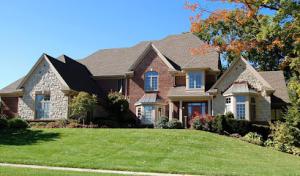

A full roof replacement in Geneva typically requires a building permit submitted to the city with project scope, planned materials, and estimated timeline. This is not a formality to skip; it shapes how the project proceeds, especially in older neighborhoods where tree cover and historic housing stock can complicate access and staging. The city's building department wants a clear record of what's happening on the roof, from underlayment choices to venting adjustments, so the permit packet helps ensure that the new roof will meet current wind, ice dam, and fire safety standards. Before work starts, you'll typically need to provide details such as shingle type, underlayment, fastener choices, and any attic ventilation upgrades that might be part of improving performance in freeze-thaw cycles. In practice, this means coordinating with your roofer to assemble a complete scope that aligns with city expectations rather than scrambling to fill gaps mid-project.
Geneva's process includes city inspections at rough-in when applicable and at final completion to verify code compliance before the job is considered complete. Rough-in inspections are common when structural or deck modifications accompany the roof refresh, or when venting, attic insulation, or radiant barriers are being added or altered. In many cases, the inspector will verify that eaves and drip edges, ice and water shield, and starter strips are installed to code, and that any roof-to-wall connections and ventilation paths meet local standards. The final inspection confirms that the installed materials and workmanship align with the permit package and city code, and that no concealed damage or deviations exist that could affect long-term performance in wind and hail-prone weather. Plan for access during these checks and keep the work area neat so inspectors can move about without delays.
Because Geneva is an established municipality with a formal building department process, homeowners should confirm permit responsibility up front rather than assume the roofer has already filed. Start by contacting the city's building department to confirm who is responsible for pulling the permit and obtaining any required endorsements, especially if the project touches adjacent property lines, gutters, or tree protection zones. Provide the exact project scope, including material selections and a realistic timeline, to synchronize permit approval with contractor scheduling. Maintain open communication with the roofer about inspection milestones so rough-in items are addressed early, reducing the risk of delays at final review. Finally, keep copies of all permit documents, inspection notices, and signed checklists in a dedicated folder so that at any point you can demonstrate compliance if questions arise from neighbors or municipal staff.
Illinois roof claims tied to hail and wind are reviewed closely, and Geneva homeowners should expect detailed photo documentation and professional estimates. In practice, the adjuster will want clear images of shingles, granule loss, hail impact marks, and any accompanying interior signs of water intrusion. Take wide shots of roof exposure and close-ups of damaged areas, including flashings and vents. Property damage from tree limbs or gutter hits may factor into the assessment, so include those collateral details in the file. A well-documented claim reduces back-and-forth and helps ensure the scope reflects actual conditions rather than initial impressions.
After active hail seasons in the western Chicago suburbs, adjusters may revisit files or compare multiple inspections before approving full replacement scope. This means your claim could be paused or revisited as new reports arrive, especially if you had multiple contractors already evaluating the roof. Be prepared for follow-up questions and refinements in the proposed work. It helps to keep a consistent record: dates of storms, any temporary repairs, and notes on when leaks first appeared or worsened. Clear communication with the insurer can prevent surprises when the final decision lands.
In Geneva, documenting collateral signs like gutter impact, downspout marks, soft metal hits, and interior leak timing can help support a storm-related roof claim. Photograph gutter and fascia damage, marks on downspouts, and any dents on exterior metal components. Note the timing of interior leaks tied to storms, and track whether attic condensation or staining follows heavy rainfall. This contextual evidence often makes the difference between a partial repair and a full replacement, especially when the roof is older or weathered from repeated freeze-thaw cycles.
Connect with contractors who help homeowners navigate the claims process from damage assessment to final approval.
Expert Roofing
(630) 864-6840 expertroofinginc.com
611 E State St #101, Geneva, Illinois
5.0 from 149 reviews
Geneva's older and custom homes often feature masonry chimneys, multiple roof planes that intersect, and additions that crease leak points where flashing is stressed. When planning maintenance, start with a pocket-by-pocket scan: the chimney flashing should have step flashing that runs up the sides and counterflashing that seats over the step pieces. Look for lifted metal, broken sealant, or rust stains on the wall clay joints. Where roof lines meet the chimney collar, a cricket or saddle should funnel water away; if that feature is missing or undersized, plan a targeted repair rather than a full roof tear-off. In practice, inspect after a heavy storm or a freeze-thaw cycle, and then re-check during a warm, sunny day when any residual moisture is visible.
Homes near downtown and established neighborhoods often have additions that create new leak points where flashing was not originally intended. Pay attention to transitions: where a dormer meets a main plane, where a shed roof ties into a bay window, or where a standing seam panel meets shingles. The most common failure comes from flashing seams that aren't adequately sealed or are compressed by seasonal movement. A competent roofer will re-flash these joints with proper sealant and mechanically secure flashing at every intersection. Do not assume a single long run of flashing will suffice; multiple planes require careful segmentation and coordinated flashing layers.
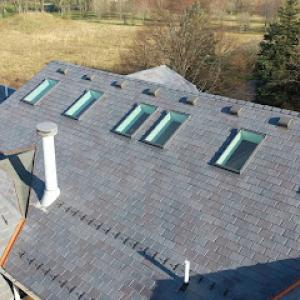
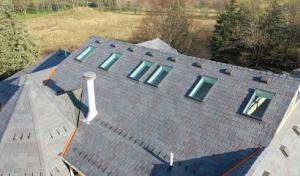
Skylights are a meaningful specialty in this market. Seal failure and flashing issues often emerge after freeze-thaw cycles and storm exposure. Before cold weather, examine curb sealant, flashing tar, and any internal glazing caulk. From the attic, look for active moisture, staining, or frost on the skylight edges. If glass or plastic panes show microcracks, replace them promptly, since even small breaks can invite water intrusion around the flashing. When planning skylight work, ensure flashing is matched to the roof material and that nearby joints are weather-sealed to resist wind-driven rain. In complex roof configurations, reinforce skylight surrounds with additional flashing and consider an elevated inspection after significant storms.
Find contractors experienced in skylight installation, flashing, and leak repairs to bring natural light into your home.
Expert Roofing
(630) 864-6840 expertroofinginc.com
611 E State St #101, Geneva, Illinois
5.0 from 149 reviews
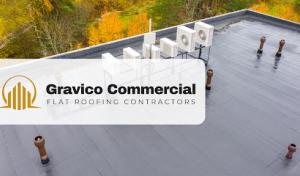
Even where the main house has a steep residential roof, Geneva homes often have low-slope sections over porches, additions, garages, or rear extensions that age differently. Those areas are exposed to more shade from mature trees, plus more debris and pine needles in fall, which slows drainage and accelerates wear. In winter, snow ponding and slower drainage on these low-slope areas can make them fail earlier than the main shingle roof in this climate.
Start with a seasonal walk around after a heavy snow or a thaw-to-freeze cycle. Look for small, persistent blisters, lifted edges, or dark staining where moisture lingers on the low-slope surfaces. Check membranes at transitions where the low-slope roof meets vertical walls or skylights, which are common leak paths in mixed systems. Pay attention to any signs of ponding, frost pockets, or ice dams near porches and rear extensions. If you notice granule loss along the lower edges, that's a sign the surface is aging faster in that zone. In Geneva, these symptoms often appear sooner than on the main roof.
Prioritize clearing debris from low-slope sections and ensuring proper drainage paths to scuppers or gutters. Consider a dedicated low-slope membrane or a compatible cap sheet that can tolerate freeze-thaw cycles and tree debris without rapid wear. Seal around penetrations-vents, skylights, and HVAC curbs-more frequently, since those joints endure repeated temperature swings. If a remodel adds a low-slope area, match the new section to the existing system with a seamless transition to avoid edge failures.
Because many local contractors serve both residential and commercial work, homeowners in Geneva can often find crews familiar with mixed steep-slope and low-slope roof systems on the same property. When you call, ask specifically about experience with low-slope membrane detail, flashing at projections, and integration with the surrounding steep-slope roof. A coordinated crew reduces the risk of mis-matched materials and emphasizes durable transitions.
Find specialists in TPO, EPDM, and built-up flat roofing systems for residential and commercial properties.
Gravico Commercial Roofing Company
(331) 265-5120 genevaroofingcompany.com
645 7th St, Geneva, Illinois
5.0 from 19 reviews

Atlas Roof Roofing Companies & Roof Repair
(331) 212-8509 roofreplacementaurora.com
Serving
4.9 from 59 reviews
After a hailstorm or heavy winds, the market can fill with quick-turn crews that move around fast. In Geneva, it's vital to distinguish between long-established local re-roofing companies and short-term storm chasers chasing quick jobs along the western suburbs. A company with roots in the area tends to have a track record of reliable repairs, better access to matching materials, and a consistent crew who understands local roof geometries and tree-related debris patterns. Short-term outfits may promise speed but can drop workmanship quality or leave you without reliable follow-up if a leak shows up after a season of freeze-thaw cycles. Ask for references from neighbors with similar homes and verify a steady local presence before committing.
Residential roofs in this market sit near landscaping, mature trees, and neighboring properties where debris control matters. Debris flying from a roof can damage skylights, windows, and siding, and a messy cleanup can leave you with nail hazards or hedges littered with shingle fragments. When you interview contractors, insist on a clear plan for rapid meeting times after storms, prompt tarping of vulnerable areas, and a thorough, site-clean finish that leaves no stray fasteners or shingle granules. A responsible crew will treat cleanup as part of the job, not an afterthought, because the consequences of careless debris handling show up quickly in nearby yards and driveways.
Geneva's housing stock spans straightforward subdivision homes to older, detail-heavy roofs with intricate slopes, dormers, and rim courses. That variety demands hands-on experience with complex geometry, correct shingle or tile alignment, and careful flashing around chimneys and valleys. Favor contractors who can demonstrate projects that resemble your roof's specifics-sloped transitions, overhangs, and tree-rooted debris challenges. If a crew cannot explain their approach to your roof's unique angles and ornamentation, walk away. A local neighbor will tell you straight: experience with Geneva's older homes translates into fewer call-backs and a more durable finish.