Last updated: Apr 19, 2026
Spring hail and high-wind storms dominate the roof life in central Indiana, and those events hit Shelbyville's neighborhoods with surprising speed. A handful of granule loss on shingles, dented metal, lifted edges, or sudden leaks after a late-day thunderstorm are not cosmetic problems-they're warning signs. The typical homeowner here notices a pattern: inspections spike right after a storm, repairs follow closely, and full replacements get flagged when damage crosses a certain threshold. Because storm damage compounds quickly in this climate, delaying a diagnosis by even a few days can turn a manageable repair into a full-coverage replacement scenario. If you see new dark streaks on interior ceilings or feel attic air drafts after a wind event, treat it as a storm issue, not a routine wear-and-tear concern.
In this market, storm damage service is the strongest specialty, and insurers expect a precise, timely narrative. Gather dated photos from the storm day, including close-ups of missing shingles, lifted tabs, and any granule loss visible on the gutters or driveway. Keep a simple log noting the exact time of the event, wind speeds if you have them, and which trees or debris impacted your property. When meeting with a restoration professional, request a written assessment that ties each observed fault to a likely wind or hail cause, not to age alone. Insurance repair work in Shelbyville often hinges on the ability to prove sudden damage rather than chronic wear, so prioritize documentation that creates a clear before-and-after file. If you're dealing with a claim, designate one local contractor who can speak the insurer's language and coordinate the two parties, preventing mixed signals and weather-related delays.
Autumn wind and winter snow-and-ice stress matter here, but the most disruptive replacement decisions hinge on spring storm impacts documented for insurance. The window from late March through early June in Shelbyville can feel like a storm relay race: a hail event, then a flurry of field-adjuster visits, then a rush to schedule work before the next round of weather. A practical approach is to start with a strong inspection as soon as the hail rattle fades, prioritizing roofs showing visible damage over those with only interior concerns. When a claim is approved, align the project timeline with daylight and predictable weather forecasts to minimize the risk of a mid-project freeze or a fresh storm forestalling progress. If neighbors have already advanced to replacement after a spring event, that can create a temporary backlog-coordinate, not compete, to keep disruption at a minimum for your household. In Shelbyville, fast response isn't just helpful; it's essential to control exposure to water intrusion and interior damage through the wet seasons. Seek a contractor who can commit to a realistic, weather-conscious schedule, and who provides steady updates so you can adjust plans promptly if spring storms reappear.
Find local contractors experienced in assessing and restoring roofs after hail, wind, and severe weather events.
Nationwide Contracting
(463) 282-3358 www.nationwidecontractingllc.com
Addison Township, 1632 IN-44, Shelbyville, Indiana
5.0 from 37 reviews

Curry Construction & Roofing
(317) 846-9480 williamcurryconstruction.com
4980 W Range Rd, Shelbyville, Indiana
4.9 from 57 reviews
B & F Roofing
(317) 604-1952 roofersnearme247.com
420 W McKay Rd, Shelbyville, Indiana
4.8 from 51 reviews
Nationwide Contracting
(463) 282-3358 www.nationwidecontractingllc.com
Addison Township, 1632 IN-44, Shelbyville, Indiana
5.0 from 37 reviews
Nationwide Roofing & Contracting, based in Shelbyville, IN, is your trusted local roofing contractor. We specialize in roof repairs, replacements, and installations for both residential and commercial properties. Our experienced team is committed to delivering top-quality workmanship and exceptional customer service, ensuring every project is completed on time and within budget. With a focus on durability and customer satisfaction, we use high-quality materials to provide long-lasting roofing solutions. Contact Nationwide Contracting today for reliable roofing services you can count on!
B & F Roofing
(317) 604-1952 roofersnearme247.com
420 W McKay Rd, Shelbyville, Indiana
4.8 from 51 reviews
B & F Roofing is a professional roofing company located in Shelby County, Indiana. With over 15 years of experience in the roofing industry, the company is well-equipped to handle all types of roofing projects with expertise and precision. From start to finish, the owner works closely with customers to ensure complete satisfaction. B & F Roofing is highly recommended by previous customers, and referrals are available upon request. The company's work speaks for itself, and their commitment to quality and customer service is evident in every project they undertake. B & F Roofing is fully insured and licensed, and takes pride in providing a detail-oriented clean-up process. Tasks are always completed on time, ensuring that customers are happy
Indy Exterior Services
(317) 965-2295 indyexteriorservices.com
5577 Wilson Meadows Dr, Shelbyville, Indiana
5.0 from 21 reviews
Indy Exterior Services is Shelbyville’s best-rated roofing and exterior contractor, proudly serving Shelbyville and surrounding communities. Locally owned and fully licensed, bonded, and insured, we specialize in roofing, siding, and gutters for residential and commercial properties. Known for our honest service and quality craftsmanship, we’re experts in storm damage repair and insurance claims. We offer free roof inspections for wind, hail, and general wear and tear. From homes to businesses, we’re here to help protect your investment with trusted local service you can count on. We also work with property managers and multi-family units, bringing reliable exterior solutions to projects of all sizes.
Affordable Roofing
(317) 861-7663 affordableroofingindy.com
Serving
4.9 from 33 reviews
Affordable Roofing is a family owned and operated business that has been servicing the state of Indiana since 1995. We offer affordable options for your home's exterior - roofs, gutters, siding, and more. In addition, we offer free inspections and repair estimates. Affordable Roofing is licensed and insured. Contact us today to schedule your free inspection!
AC Roofing & Construction
(317) 797-3168 acroofingconstruction.com
Serving
5.0 from 15 reviews
For more than 15 years, AC Construction, located in Shelbyville, IN, has been the go-to specialist in storm damage repair, roofing, remodeling, and general contracting across central Indiana. Serving areas like Edinburgh, Fairland, Greenfield, Morristown, and Indianapolis, we are experts in handling insurance claims and collaborate with all insurance providers. Our team promptly assesses storm or tornado damage, making necessary temporary repairs to secure your home. We then work diligently with your insurer to expedite the claims process and gather estimates for restoring your home to its former condition. Our services include roof, siding, gutter, and window repair and replacement, as well as custom home builds and remodels.
Storm Warrior Roofing & Restoration
(463) 219-1703 stormwarriorroof.com
Serving
4.9 from 157 reviews
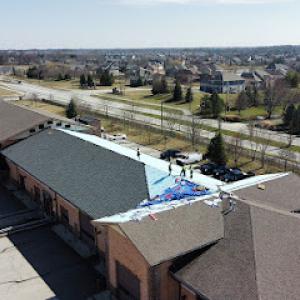
Storm Warrior Roofing is a local, family-owned, roofing and exterior business located in Franklin, Indiana, providing roofing and exterior construction services to the Indianapolis, Greenwood, Whiteland, Franklin, Bargersville, Trafalgar, Mooresville, Wannamaker, Beech Grove and Southport areas. Storm Warrior Roofing has a special menu of services designed to meet the needs of every homeowner to provide a complete solution to their home’s exterior. With over 30 years of roofing experience, our consultants can meet the needs of every residential and commercial building owner.
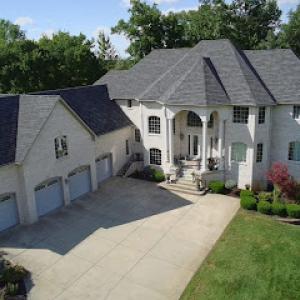
Guardian Exteriors
(317) 830-3305 www.guardiandefends.com
Serving
5.0 from 85 reviews
Guardian Exteriors is your trusted roofing contractor in New Palestine, IN, offering expert roof repair and installation services tailored to both residential and commercial properties. As one of the top roofing companies in the area, we specialize in roof inspections, storm and wind damage repair, and attic venting. Our team of skilled roofers is dedicated to providing comprehensive exterior renovations, including siding repair and replacement, gutter installation and repair, and fascia repair. We also excel among local roofing companies by providing painting services and expert navigation of insurance claims. Count on Guardian Exteriors for reliable exterior services and complementary roof inspections in your area.

SPG Roofing & Exteriors
(317) 707-6637 www.spgroof.com
Serving
4.9 from 212 reviews
Since 2018, SPG Roofing & Exteriors has served residential and commercial customers across the Indianapolis area with high-quality exterior construction. Our services include residential and commercial roofing, low-slope roofing, siding, windows, and gutters. We provide complimentary roof inspections to identify issues early and our team assists with storm and hail damage insurance claims from start to finish. You will get clear communication at every step of your roofing, siding, window, and gutter projects. We aim to exceed expectations and remove the stress from protecting your property. Call today to schedule a free inspection.
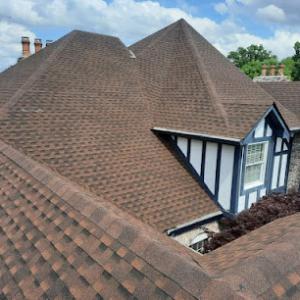
White River Exteriors
Serving
4.7 from 47 reviews
Reimagine your home's exterior with the expert craftsmanship of White River Exteriors. We are your one-stop shop for all roofing, siding, gutter, and awning needs, delivering top-quality materials, meticulous workmanship, and affordable solutions to suit your budget. Roofing Contractor Siding Contractor Gutter Contractor local contractor near me roof replacement roof repair siding replacement siding repair gutter replacement gutter repair awning attic insulation free estimate affordable roofer affordable contractor free inspection free estimate free quote storm damage hail damage wind damage
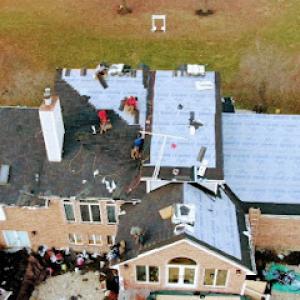
DC Roofing & Exteriors
(317) 739-6546 www.dcroofingexterior.com
Serving
4.8 from 135 reviews
DC Roofing and Exteriors is your trusted roofing contractor in Franklin, IN. We provide expert installation, repair, and maintenance for all your roofing needs. From asphalt shingles to metal roofing, we handle it all. We also offer exterior services like siding, gutter, window and door, deck, brick, stone, installation for a complete home makeover. Contact us today for a free inspection and experience to top-notch knowledge and craftmanship. We also specialize in ensuring that insurance companies do not take advantage of our customers in the time of need. We have a 100% success rate in ensuring a claim is approved properly. Our motto is the "The Difference Is In The Details". That means more to us than just a catchy phrase.
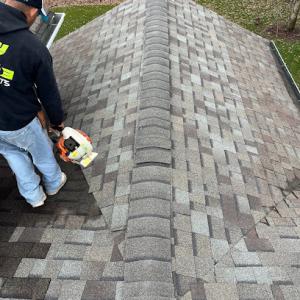
Empire Xteriors
(317) 316-7736 www.empirexteriors.net
Serving
5.0 from 43 reviews
Thousands of satisfied customers ranging from Huntington to Bloomington, we are ready to help our local area with its roofing and gutter needs! Serving since 2005 decided to start my own complete Roofing and Gutter business.
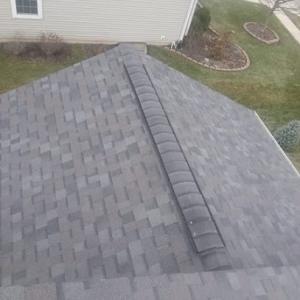
Indy Elite Exteriors
(317) 714-8074 www.indyeliteexteriors.com
Serving
5.0 from 35 reviews
Indy Elite Exteriors-Your Trusted Roofing & Exterior Experts In Indiana. Welcome to Indy Elite Exteriors, your local, reliable, and experienced exterior & home improvement company specializing in Roofing, Painting, Gutters, & Siding. We take pride in helping homeowners across Indiana protect and enhance their homes with high-quality materials, expert craftmanship, and unbeatable customer service. Whether you're dealing with storm damage, have an aging roof, or want to give your home a fresh look, Indy Elite Exteriors is here to provide top-tier solutions at affordable prices.
Hail and wind events here can strike fast and leave visible-and invisible-damage behind. Indiana roof claims in this region are strongly influenced by those storms, so Shelbyville homeowners need date-stamped photos, prior-condition records, and a contractor scope before adjuster review. When a hailstorm clears, the instinct to "patch it and move on" may seem tempting, but a careful, documented presentation matters for the restoration that follows. A clear record helps distinguish weather-caused wear from preexisting issues, which affects how the claim is processed and how the eventual replacement decision is viewed by the insurer.
The local market shows a strong prevalence of insurance-claims help because the environment often pushes toward replacement rather than isolated repair after a storm. Adjusters in this area frequently evaluate whether a single leak or dented shingle justifies a full roof replacement. That reality means you need solid documentation to support the scope of work. A contractor who can translate observed damage into a published scope of work before the adjuster sees the roof can align expectations and prevent a drawn-out back-and-forth. Do not rely on memory or quick observations; the difference between a few wind-blown shingles and trunk-line failure can be decisive.
Because storm demand can surge after regional weather events, documenting damage immediately before temporary repairs or tarping change the visible condition. A tarp can protect the home, but it can also obscure the true extent of damage if not photographed carefully. Take high-resolution images from multiple angles, including attic views if there's interior evidence of leaks. Capture the overall roof, any lifted or missing granules, and the interior water stains. Keep a dated log of every noticeable change, and store it alongside the insurance correspondence. When contractors arrive for a pre-inspection, their written scope should reference the same damage you documented, ensuring the adjuster's review has a consistent baseline.
Before the adjuster steps on the ladder, assemble your evidence in a concise package: date-stamped photos, notes on prior conditions, and a contractor-generated scope of work tied to the observed damage. This package helps the adjuster see the correlation between the storm event and the current condition, reducing the chances of unnecessary delays. If the roof is replaced, ensure the replacement scope addresses all damaged components, not just the most urgent leaks. In this market, a well-documented claim paired with a clearly defined replacement scope can help you secure a timely, fair resolution that reflects the true impact of the storm on your roof.
Connect with contractors who help homeowners navigate the claims process from damage assessment to final approval.
Nationwide Contracting
(463) 282-3358 www.nationwidecontractingllc.com
Addison Township, 1632 IN-44, Shelbyville, Indiana
5.0 from 37 reviews
Curry Construction & Roofing
(317) 846-9480 williamcurryconstruction.com
4980 W Range Rd, Shelbyville, Indiana
4.9 from 57 reviews
B & F Roofing
(317) 604-1952 roofersnearme247.com
420 W McKay Rd, Shelbyville, Indiana
4.8 from 51 reviews
A full roof replacement in Shelbyville typically requires a permit from the local building department before work begins. This is not optional paperwork; it is the formal green light that keeps work compliant with current codes and protects both you and your neighbors during storm season. The local authority expects crews to do a tear-off and install new roofing under code standards, so the permit process aligns with the scope of a complete replacement rather than a cosmetic fix.
Before any shingles come off, you or your contractor should submit the project for plan review. Expect standard plan-check review, which can include verifying attic ventilation, fastening requirements, and underlayment choices that align with the region's typical wind events and hail exposure. A full replacement often requires a detailed scope of work, including the roof's square footage, materials, and any attic alterations. Fees may vary with project value, and the timing of the review can influence when the crew can start, particularly if the storm season is approaching or winding down. Having a clear, complete package helps avoid delays and keeps the project moving toward a timely start.
Once the permit is issued, the permit should be posted on site where visible from the street. Inspections in Shelbyville commonly occur at tear-off and again at final completion. Plan for a morning inspection window and coordinate access with the contractor so that the inspector can verify tear-off safety, proper waste containment, and ventilation-cut compliance before shingle installation begins. The final inspection confirms the roof's fit, seal, and weatherproofing meets local standards. Keeping the site organized and accessible speeds both tear-off and final inspections, reducing the chance of re-work or re-inspection fees.
Because Shelbyville's storm pattern drives urgency during hail and wind events, scheduling around these seasons matters. The permit process, plan-check, and inspections can affect start dates, so align your expectations with the local building department's review cycle. If a storm window is imminent, coordinate with your roofer to anticipate postponed work or accelerated timelines, while ensuring all required permits, plan approvals, and posting procedures are in place. Rushing a full replacement without proper permit checks or on-site postings can trigger compliance issues or delays that stretch into the next favorable window. Having a clear, documented timeline helps you manage insurance-driven timing and avoids last-minute surprises.
In Shelbyville, the storm pattern with hail and wind drives a practical approach to choosing a roof. The repair-and-replace workflow after a hail event tends to favor materials that balance repairability, speed of service, and a solid track record with local weather. Asphalt shingles fit that need well because they are relatively quick to install, widely available, and compatible with the common homeowner-repair timeline following mid-season storms. They also tend to ride out the central Indiana freeze-thaw cycles with less weight and simpler installation logistics than some premium systems. When storms come through, you'll often see these shingles chosen for fast, straightforward re-roofing that aligns with insurance-driven workflows and the typical home layouts found around town.
Asphalt remains the workhorse for many locals who want reliable performance without complicating the storm-repair sequence. In practice, they're forgiving during a quick turnaround for insurance-supported replacements: if damage is extensive after a hail event, crews can mobilize quickly, secure permits (where applicable in your process), and return your roof to service with a familiar, factory-backed product. Exposure to central Indiana's wind loads isn't typically a dealbreaker for modern asphalt systems, especially when the shingles are installed with the right underlayment and flashing details. For many homes with standard framing and attic ventilation, asphalt shingles provide a predictable life cycle and straightforward maintenance, which matters when weather windows are tight and timely re-roofing is a priority.
Metal is common in this market because it handles seasonal extremes well: colder winters with freeze-thaw cycles, hot summers, and repeated storm exposure. A metal roof can offer longer life and resilience against hail compared with basic asphalt, which is appealing when a homeowner wants a longer service window between major repairs. In Shelbyville, where storm timing can compress decisions into short windows, metal also tends to simplify insurance narratives about storm damage because its impact resistance is well understood. If longer-term durability and a steadier performance under repeated hail events are priorities, metal becomes a compelling consideration, especially for homes with suitable roof structure and clear attachment points.
Clay and concrete tiles bring distinct aesthetics and excellent weather resistance, but their weight and the need for structural assessment matter in this market. Wood shakes offer a rustic look and good insulation, yet their vulnerability to hail impact and weathering can complicate maintenance and replacement timing after a severe storm. Synthetic or composite shingles aim to blend durability with flexibility, but their performance under central Indiana's hail exposure and winter loading should be weighed against installation requirements and expected lifespan. In most cases, those options exist for Shelbyville homes where the structure can accommodate them and where storm history and maintenance plans align. For homes already experiencing weight or framing concerns, these premium options require careful evaluation of the local loading and the practical realities of storm-driven re-roofing.
The most popular roofing material in the US. Find pros who install, repair, and replace asphalt shingles.
Curry Construction & Roofing
(317) 846-9480 williamcurryconstruction.com
4980 W Range Rd, Shelbyville, Indiana
4.9 from 57 reviews
Typical local material ranges are about $250 to $520 per square for asphalt shingles, $550 to $1100 for metal, $900 to $1800 for clay tile, $750 to $1300 for concrete tile, $420 to $850 for wood shingles or shakes, and $500 to $900 for synthetic or composite shingles. These ranges reflect Shelbyville's mix of aging homes with updated facades and the demand shifts that follow a harsh midwestern storm season. When you choose a higher-end or longer-lasting product, plan for the corresponding jump in square pricing, and remember that installation complexity can tilt the final totals beyond raw material costs.
In Shelbyville, costs can rise after hail or wind events when demand spikes for tear-off crews, emergency protection, and insurance-scope scheduling across central Indiana. A storm-impacted window often compresses scheduling, which can shorten lead times and push premium bids from contractors who can accommodate swift tear-offs and rapid re-roofs. If a claim is approved with an expedited timeline, expect adjustments for overtime or after-hours work to fit the tighter schedule. This dynamic is especially pronounced if multiple homes in your neighborhood need work simultaneously, driving crew availability and material routing costs higher for a short-term window.
Tear-off labor is a major cost lever in this market. The more shingles and underlayment that must be removed, the higher the disposal, disposal-site fees, and labor charges. When hail, wind, or mixed storms drive a quick start, crews may prioritize speed over the most economical sequence, which can influence waste management and staging costs. Insurance-driven timing often means a single window for assessment, bid submission, and production; coordinating this with a full-lit replacement increases the likelihood of ancillary charges tied to insurance documentation, mitigation measures, and temporary protections.
If a full replacement is in the cards, map out the material choice against the local price ranges and the expected storm-season pressure. Factory warranties and roofing system components should be weighed alongside the local weather pattern, since Shelbyville winters and shifting spring storms test roof asymmetry and fastening. For budget planning, use the upper ends of the listed material ranges to cushion for possible demand-driven surges, and build a contingency for faster dispatch if a hail event resets community schedules.
Get a clear picture of your project costs upfront - no commitment required.
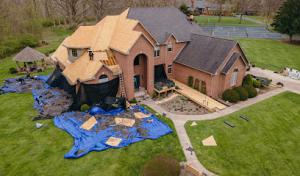
In this part of central Indiana, shoulder seasons matter. Shelbyville's hot summers and cold winters accelerate aging cycles, so planning a full replacement before weather extremes set in keeps the roof on more solid footing. If a replacement window lined up in late spring or early fall aligns with milder temperatures and lower humidity, the roof deck dries faster and shingles seat more reliably. Summer heat and humidity also affect attic ventilation and underlayment performance, so timing that avoids the peak of heat can improve long-term results.
Hail-and-wind storms are a common rhythm here, and damage can pile up quickly. After a severe hail event or a series of wind-driven impacts, inspect for granule loss, dented fasteners, lifted shingles, or compromised flashing. If damage exists across several sections or the attic reveals many stained or soft spots, that signals a potential full replacement rather than piecemeal repairs. Do not let early-season damage linger into freeze conditions; cold snaps stress weakened systems and can complicate leaks and ice dam development.
Summer heat amplifies issues tied to ventilation. If the attic feels consistently hot or humid, or if the underlayment shows signs of wear or aging seams, those factors argue for addressing the whole roof system rather than only replacing select shingles. A well-ventilated attic helps extend the life of the new materials and reduces the risk of moisture-related problems after replacement.
Monsoon-like swings and sudden cold snaps can catch a homeowner off guard. A replacement plan that targets a window with relatively stable mid-season temperatures minimizes thermal cycling during installation. If storm season is approaching, establishing a rapid response schedule and securing temporary protection can prevent further internal damage while coordination with a contractor proceeds.
When deciding to replace, verify that the deck is solid, the ventilation path is adequate, and the underlayment is compatible with the chosen material. Consider how the new roof will perform under central Indiana conditions, especially if a late-season storm is possible. In Shelbyville, aligning timing with shoulder periods and a clear plan for post-installation ventilation helps maintain performance through the next hail-and-wind cycle.
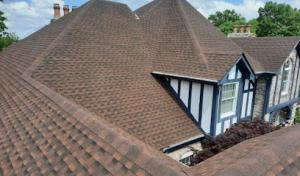
In Shelbyville, exposed shingles commonly take the brunt of spring hail and wind, making granule loss, creasing, and lifted tabs recurring inspection findings. After a severe storm, many roofs show rapid aging where granules have washed away, leaving asphalt layers exposed to ultraviolet damage. The result can be accelerated granule fallout, more vulnerable surface fibers, and a higher risk of accelerated shingle failure. Regular post-storm inspections are essential to catch early signs of damage before hidden rot or water intrusion takes hold.
Ice and snow loading in winter can expose weaknesses that were manageable in warmer months, especially on roofs already compromised by prior storm events. Snow can accumulate around vents, chimneys, and skylight flanges, creating thaw-refreeze cycles that push on flashings and seals. When structural shingles or underlayment are already stressed, these cycles can lead to small leaks that grow with repeated freeze-thaw. Homeowners should plan targeted checks after heavy snowfall and address any soft spots or cracking promptly to avoid deeper damage.
Local contractor signals also show recurring work around chimneys and occasional skylights, which points to leak-prone transitions and penetrations as practical trouble spots on area homes. Flashings around chimneys, vent pipes, and skylights are common failure points when aging sealants degrade or are stressed by wind-driven rain. Pay close attention to interior staining or musty odors near these areas and schedule professional resealing or flashing repairs before minor issues become widespread water damage.
Find contractors experienced in skylight installation, flashing, and leak repairs to bring natural light into your home.
Indy Exterior Services
(317) 965-2295 indyexteriorservices.com
5577 Wilson Meadows Dr, Shelbyville, Indiana
5.0 from 21 reviews