
Last updated: Apr 19, 2026
Storm season in this area isn't a what-if scenario; it's a recurring cycle that hits without warning and can transform a small bruise on a shingle or a chipped flashing corner into a full-on leak if left unattended through the next weather swing. In Franklin, storm damage and insurance-claims specialization is unusually prevalent among contractors, indicating that hail and wind-related roof work is a core local service rather than an occasional add-on. That means the people you're talking to about repairs likely understand the sequence of events from first report to final securement, and they're ready to move with the weather window you've got. The risk is real: a day's delay after a heavy storm can turn into weeks of damp attic trips and escalating interior damage, especially when freezing cycles return later in the season.
You'll likely experience a tight rhythm of assessment, documentation, and expedited scheduling. After a hail or wind event, expect to hear from contractors who specialize in storm damage first, followed by a rapid inspection from your insurer's adjuster. The first move is documentation: clear, dated photos of the roof surface, close-ups of bruising, lifted granules, and flashing joints, plus a wider shot to show the overall condition. Your goal is to build a narrative your insurer can quickly approve, not to chase down a long back-and-forth. Because pre-loss and post-loss photo documentation is a common request in this market, organizing these images into a simple, timestamped sequence helps reduce back-and-forth delays and keeps the claim moving toward resolution rather than stalled in paperwork.
Spring storms in this part of Indiana bring hail, heavy rain, and wind exposure that often turn minor shingle bruising or flashing damage into active leak issues if repairs are delayed into the next weather swing. Your plan should include a fast triage: the first priority is stopping leaks and preventing interior damage, followed by a more thorough roof replacement or repair once the storm system has moved through and temperatures are stable enough for safe work. Weather windows matter here; while insurers can issue approvals quickly, the actual work hinges on dry days and acceptable temperatures, so align your expectations with local crews who routinely navigate this cycle and know how to stage work to minimize exposure.
Keep a running file of all communications, estimates, and photos. In Franklin, insurers commonly request prior-condition records and itemized estimates, plus proof of material wind ratings during claim review. That means you should collect not only current-condition photos but any existing inspection notes, product labels, and installation dates. Having a clear log of who inspected what and when, plus copies of every correspondence with both insurer and contractor, helps avert misunderstandings and reduces the risk of "dispute" turning into a prolonged claim review. If you've already had a prior inspection or a storm-damage assessment by a reputable local firm, share those findings early to give the adjuster a baseline for pre-loss conditions.
Your role is to keep the process moving with honest documentation and timely decisions. Ask for a written scope of work that reflects present damage and includes a clear path for temporary protections if weather changes suddenly. Require a pre- and post-work photo set that shows the roof from multiple angles, including interior attestations if attic conditions were affected. When you see the clock start on a claim, treat the next few weeks as a sprint: respond quickly to requests, verify measurements, and align on a single, reputable local team that understands Franklin's climate, its typical roofing stock, and the expected pace of weather-driven repairs.
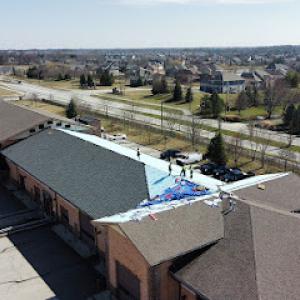
Storm Warrior Roofing & Restoration
(463) 219-1703 stormwarriorroof.com
218 Cincinnati St, Franklin, Indiana
4.9 from 157 reviews
Storm Warrior Roofing is a local, family-owned, roofing and exterior business located in Franklin, Indiana, providing roofing and exterior construction services to the Indianapolis, Greenwood, Whiteland, Franklin, Bargersville, Trafalgar, Mooresville, Wannamaker, Beech Grove and Southport areas. Storm Warrior Roofing has a special menu of services designed to meet the needs of every homeowner to provide a complete solution to their home’s exterior. With over 30 years of roofing experience, our consultants can meet the needs of every residential and commercial building owner.
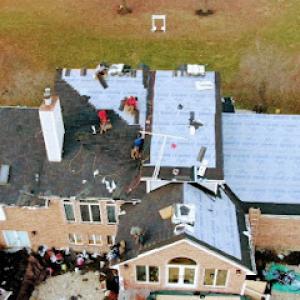
DC Roofing & Exteriors
(317) 739-6546 www.dcroofingexterior.com
780 International Dr, Franklin, Indiana
4.8 from 135 reviews
DC Roofing and Exteriors is your trusted roofing contractor in Franklin, IN. We provide expert installation, repair, and maintenance for all your roofing needs. From asphalt shingles to metal roofing, we handle it all. We also offer exterior services like siding, gutter, window and door, deck, brick, stone, installation for a complete home makeover. Contact us today for a free inspection and experience to top-notch knowledge and craftmanship. We also specialize in ensuring that insurance companies do not take advantage of our customers in the time of need. We have a 100% success rate in ensuring a claim is approved properly. Our motto is the "The Difference Is In The Details". That means more to us than just a catchy phrase.
AC Roofing & Construction
(317) 797-3168 acroofingconstruction.com
Franklin, IN
5.0 from 15 reviews
For more than 15 years, AC Construction, located in Shelbyville, IN, has been the go-to specialist in storm damage repair, roofing, remodeling, and general contracting across central Indiana. Serving areas like Edinburgh, Fairland, Greenfield, Morristown, and Indianapolis, we are experts in handling insurance claims and collaborate with all insurance providers. Our team promptly assesses storm or tornado damage, making necessary temporary repairs to secure your home. We then work diligently with your insurer to expedite the claims process and gather estimates for restoring your home to its former condition. Our services include roof, siding, gutter, and window repair and replacement, as well as custom home builds and remodels.
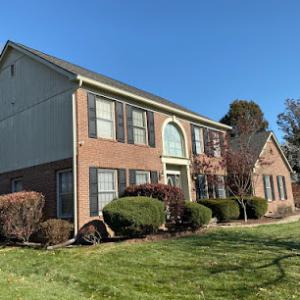
Hoel Roofing & Remodeling
190 Commerce Dr, Franklin, Indiana
5.0 from 15 reviews
When it comes to the roof over your head, you don't want to take chances. A damaged roof can leave your home exposed to the elements and cause structural damage that can be costly and time consuming to repair. That's why it's important to call a professional roofer when you have any issues with your roof, such as a leak, hail damage, insect damage, wood rot, or one of any number of other issues. At Hoel Roofing & Remodeling, our mission is to provide outstanding service to our customers by providing quality workmanship and expertise in our business. We strive for our customers to feel valued and important in the process of our roof replacement, gutter, and siding installation process.
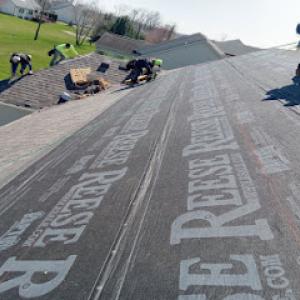
S L Construction
(463) 218-2774 www.slconstructionroofs.com
Franklin, IN
5.0 from 14 reviews
SL Construction is your trusted roofing contractor in Churubusco, IN, serving Fort Wayne, Allen County, and nearby areas for over 18 years. As a family-owned, Christian-based business, we prioritize integrity and quality in every project. Our team provides expert roof repair, replacement, and storm damage restoration with unmatched care, treating each home like our own. Committed to delivering affordable, durable roofing services, SL Construction ensures your property’s protection and value. Whether you need routine maintenance or emergency repairs, rely on SL Construction, the dependable roofing contractor in Churubusco, IN. Contact us today to safeguard your home.

Indiana roof top
1030 W Jefferson St, Franklin, Indiana
4.5 from 2 reviews
Roofing contractor

SPG Roofing & Exteriors
(317) 707-6637 www.spgroof.com
Serving
4.9 from 212 reviews
Since 2018, SPG Roofing & Exteriors has served residential and commercial customers across the Indianapolis area with high-quality exterior construction. Our services include residential and commercial roofing, low-slope roofing, siding, windows, and gutters. We provide complimentary roof inspections to identify issues early and our team assists with storm and hail damage insurance claims from start to finish. You will get clear communication at every step of your roofing, siding, window, and gutter projects. We aim to exceed expectations and remove the stress from protecting your property. Call today to schedule a free inspection.
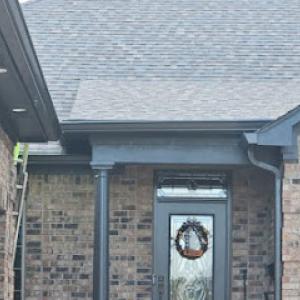
Jordan Scott Contracting
(317) 800-8869 www.jordanscottcontracting.com
Serving
4.9 from 139 reviews
Since 2014, Jordan Scott Contracting has been the trusted contractor for Greenwood, IN, specializing in roofing, drywall, flooring, storm damage repair, and more. We proudly serve both residential and commercial clients with a commitment to outstanding service and superior craftsmanship. Our dedication to quality work distinguishes us from the rest. We are excited to continue collaborating with the Greenwood community and delivering unparalleled customer service. Contact us today to schedule your consultation!
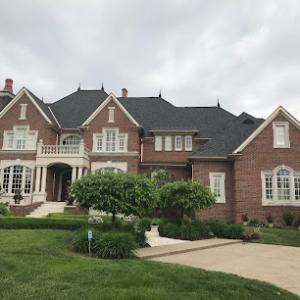
Maco Grahunt, LLC Roofing & Restorations
(317) 284-9734 macograhunt.com
Serving
4.9 from 38 reviews
Maco Grahunt Roofing & Restorations provides roofing installs, exterior restorations and interior restorations to the Indianapolis, IN, area.
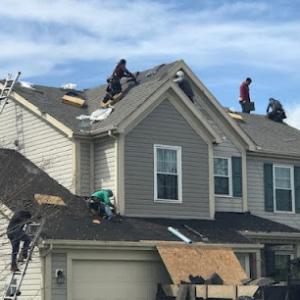
Green Line Roofing
(317) 258-8893 www.greenlineroofing.net
Serving
4.9 from 39 reviews
Green Line Roofing, established in 2014, aims to provide the ultimate roofing solution. Operating from Greenwood, Indiana, they specialize in complete roof installations and repairs, taking pride in delivering exceptional service, competitive pricing, and superior quality. Their services extend beyond roofing, offering the installation of new 6-inch seamless gutters. Green Line Roofing is dedicated to fulfilling your residential and commercial roofing needs with unparalleled artistry and craftsmanship.

Love Roof
(317) 721-2777 www.loveroofco.com
Serving
5.0 from 83 reviews
Love Roof, based in Indianapolis, IN, is the name in luxury roofing systems. As a faith-based, woman-owned business, we specialize in storm damage restoration and insurance claims, delivering the best roof for the best price. Our expert team provides comprehensive services, including roof repair, roof replacement, and metal roof installation. We also offer flat roof repair, commercial roofing solutions, gutter installation and repair, and siding installation. Dedicated to excellence and affordability, Love Roof is your trusted choice for restoration roofers and roofing contractors near you. Experience quality, integrity, and exceptional craftsmanship with every project.

317 Roofing & Restorations
(317) 868-7663 www.317roofs.com
Serving
5.0 from 96 reviews
317 Roofing & Restorations proudly offers Roof Repairs and Replacements for Residential and Commercial Properties in the Greater Indianapolis area. Specializing in Storm Renovations, 317 Roofing & Restorations can help with all Residential Roofing, Commercial Roofing, Asphalt Shingle Repairs, Metal Roofing, Cement Board Siding, Vinyl Siding, Gutters, Windows & Doors, Ventilation, and Insulation projects. We can guide homeowners through the insurance Restoration process and be a single point of contact for homeowners through from start to finish. 317 Roofing & Restorations pride themselves on being completely Honest and Transparent and giving back to the Community.
Franklin sits in central Indiana's cold-winter/warm-summer pattern, so repeated freeze-thaw cycling is a major local driver of shingle aging, flashing movement, and sealant failure. When temperatures bounce above and below freezing, water sits in small gaps and joints, then expands as it freezes. That action micromanages wear on asphalt, metal, or composite shingles and can loosen fasteners or micro-crack edge seals. Over seasons, small failures compound into more noticeable curling, lifting, and accelerated granule loss. In practical terms, a roof that's already dealing with wind-driven hail can accumulate a layer of stress from several cycles, making the next storm event more likely to cause visible damage or leakage. Understanding this pattern helps you tailor inspections to post-winter and post-storm windows, rather than waiting for a leak to appear.
Winter ice dams and snow loads are a stated seasonal risk in Franklin, making attic ventilation and insulation performance especially important for homes that already have marginal eave protection. If warm attic air escapes and meets a cold roof, meltwater can back up under shingles, refreeze at the eaves, and create a dam that forces water to find cracks or seams. The consequence is interior staining, soaked insulation, and increased risk of fascia and gutter rot. For a homeowner, the takeaway is to verify that soffit vents breathe freely, insulation extends properly to the knee wall or attic hatch, and that there is a clear path for warm air to exit without pooling at the roof line. Even small improvements can reduce ice dam formation, which otherwise compounds during the next freeze-thaw cycle. If a misfit ridge vent or clogged soffit is left unchecked, the problem tends to migrate toward valleys and flashing details, where it is harder to repair later in the season.
Autumn leaf buildup before winter is a local maintenance issue because trapped moisture at gutters and valleys can worsen ice formation and back-up at the roof edge during cold snaps. Leaves dam drainage, slow airflow through the attic, and trap moisture near critical flashing joints. Regular removal of leaves from the roof surface, gutters, and downspouts minimizes secluded moisture pockets that feed ice dam development. Pay particular attention to valleys, step flashing, and the transition where the roof meets the chimney or attic vents. A clean, debris-free roof edge reduces the likelihood that precipitation will linger and refreeze in the vulnerable zones that drive interior staining and attic condensation. In Franklin, the effect of this practice shows up not only as a drier attic during winter but as fewer surprises during heavy snow years.
When planning window replacement in Franklin, align installation with the moderate spring and fall weather that Indiana's climate brings. installers prefer avoiding winter's freeze-thaw cycles and the peak summer heat, so aim for shoulder seasons to minimize material handling issues and to ensure sealant cure times behave as expected. Summer heat and UV exposure can affect how window units are handled and sealed, especially for residential products common in this market. If a storm has just passed, expect a surge in demand from local contractors; scheduling early and locking in a firm start window can help you avoid delays and extended occupancy disruption.
Hail and wind events can damage more than the visible pane. Check for dented frames, bent sashes, or compromised muntins, which can lead to air leakage and moisture intrusion even if the glass appears intact. In Franklin's climate, energy efficiency matters as much as aesthetics, because drafts from older frames magnify seasonal heating and cooling costs. For new installs, consider a replacement that features a durable frame material suited to Indiana weather, good air sealing, and low maintenance. If the home has experienced repeated storm exposure, a reinforced or impact-resistant option may reduce future repair cycles and protect the interior from gusty winds.
Roof projects often run in parallel with window replacements, especially after major spring storm activity. Coordinating the timing can reduce overall project disruption and ensure weather windows stay open for both trades. After a roof replacement, interior finishes and trim around windows may need touch-ups, so plan for a small buffer period between trades. This is especially true in years with a heavy freeze-thaw cycle, when timing can affect drying times for sealants and paints.
Windows in this market should be selected with frame durability and weather seals in mind. Vinyl and fiberglass frames tend to perform well in Indiana's climate, offering good resistance to warping and maintenance needs. Pay attention to insulation values and airtightness; a tight, well-sealed unit helps counter heat gain in summer and heat loss in winter, which is especially relevant during those transitional seasons. If your home has historic or architectural features common in Franklin, discuss trim and exterior detailing early to ensure the replacement matches the house's character while still meeting modern performance standards.
After selecting units, document any pre-existing damage and preserve photos of the current windows and surrounds. This helps if an insurance claim or claim-management step becomes relevant due to storm damage. Communicate anticipated lead times clearly to avoid gaps between the roof work and window installation, which can be more noticeable in our seasonal weather windows. If a storm event triggers a contractor surge, confirm the delivery schedule for both window units and any specialty glazing or hardware you require, since delays in one part of the project can ripple through the overall timing.
Get a clear picture of your project costs upfront - no commitment required.

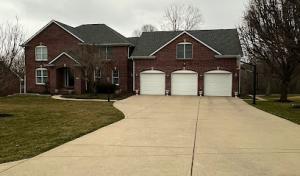
Asphalt shingles are the dominant practical choice in this market and align best with the storm-repair-heavy climate. In a typical Franklin job, you'll see faster turnaround and more straightforward installations when shingles are the chosen path. Expect a price range near the low end of the market, with good value for residential roofs that prioritize speed and solid performance through couple of freeze-thaw cycles. The practical takeaway: if you need to re-roof quickly after a hail event, asphalt shingles are usually the easiest plan to implement with the most installer options.
Metal is present but less common than asphalt, so homeowners may encounter a narrower pool of installers for standing seam or exposed-fastener systems. If you're weighing metal, plan for a longer lead time to gather bids and confirm local crews have experience with the exact panel profile you want. In Franklin's weather pattern, metal can offer excellent longevity and hail resistance, but the higher upfront cost and more specialized installation means your decision should factor long-term durability against the faster replacement cycles you often see after storms.
Clay tile, concrete tile, wood shakes, and synthetic products exist in the market, but Franklin's permit review can become more involved when roof type changes or structural modifications are part of the project. These materials tend to require more inspection detail and sometimes reinforcement work to handle weight and wind loads. If you pursue any of these options, anticipate more coordination with submitters and longer lead times before you're back on the roof. For tile and shakes, the cost per square rises notably, but they can deliver distinct aesthetics and durability in the right housing stock.
For a full roof replacement in Franklin, a permit is typically required through the City of Franklin Building Department rather than treating the work as a no-permit maintenance item. Before any shingle tear-off begins, ensure the contractor has submitted the permit package and secured the approval notice. The permit process helps guarantee that underlayment, decking, flashing, and ventilation meet current code and local expectations, which is especially important after hail and wind events that can stress the roof structure. Expect the Building Department to review the plan and the scope of work, and to verify that any changes to the roof deck or attic ventilation are properly addressed.
Keep a clear record of damage assessments, dated photographs, and any engineer or contractor notes that describe the proposed repairs and materials. Insurance documentation is particularly relevant when a storm claim is involved, as the permit review will align with the scope of work approved by the insurer. Your contractor should provide a detailed scope that matches the permit application, including roof type, underlayment, flashing details, and any required attic ventilation upgrades. Having these documents ready will streamline both the permit review and the post-completion inspection.
Plan checks may be triggered in Franklin for certain roof types or when structural modifications are involved, which matters more for heavier systems or projects that alter the existing assembly. If the replacement involves a heavier roof system, structural reinforcement, or changes to the roof pitch, anticipate a closer look at framing, joist spans, and anchorage details. The Building Department may request calculations or manufacturer specifications to confirm compatibility with existing framing. Coordination with the contractor to provide these materials up front helps avoid delays.
Franklin's roofing process commonly includes a post-completion inspection to verify roofing, underlayment, and flashing compliance before the job is fully closed out. Plan to have the inspector on site after the installation is complete and after the final waterproofing components have been set. The inspector will check attic ventilation, underlayment continuity, chimney and vent flashing, edge details, and any penetrations for code compliance. Address any findings promptly to prevent re-inspection costs and to ensure the permit is closed in a timely manner.
Coordinate timing with the contractor so that the permit is active during the actual replacement window. Schedule the post-completion inspection as soon as the roof installation is finished and before final site cleanup, if possible. If weather or storm-related scheduling tightens the timeline, communicate early with the Building Department and the contractor to keep the process moving. Finally, if more work is needed after the inspection, confirm the scope quickly and obtain any required re-inspection appointments to avoid lingering permits.
Franklin is effectively a high-claim roofing market because storm-damage and insurance-claims services are among the most common contractor specialties advertised locally. Hail and gusty winds can strike any season, and a quick re-roof after a hail event is a common sight. The consequence is that insurers and local adjusters are tuned to look for clear damage patterns and a credible repair plan, not flashy pitches. If a claim is rushed or a repair is piecemeal, you risk delays, partial payments, or disputes that drag on through the settlement process.
Local insurers frequently want detailed documentation packages in Franklin, including prior-condition photos, current damage photos, and line-item estimates that separate roofing components clearly. Gather photos of the roof before and after storms, dated if possible, and keep a written record of any leaks, sagging, or missing shingles. Your line items should distinguish underlayment, deck repairs, flashing, vents, and the exact roofing material being proposed. Having a clean, organized package helps prevent back-and-forth with adjusters and reduces the chance of coverage gaps when a claim is reviewed.
Proof of wind ratings can matter in Franklin underwriting and claim handling because hail and wind exposure in the region influences both premiums and adjuster scrutiny. If the roof substrate, fasteners, or underlayment carry higher wind-resistance certifications, document those ratings and tie them to your repair plan. Insurers may question older roofs with mismatched components, so align your replacement approach with tested wind resistance where feasible, and be prepared to explain why certain materials or accessories were chosen.
After a storm, take prompt, thorough photos from multiple angles, and preserve any damaged shingles or granules. Create a clear, itemized estimate that separates each component of the roofing system. Share the documentation with your insurer early in the process, and avoid allowing a contractor to lock you into aggressive timelines or exclusive agreements before the claim is evaluated. If something feels rushed, pause to confirm what is covered and how the settlement will be distributed to complete a full, code-compliant replacement.
Skylights are a notable specialty among local contractors, so leaks around a skylight aren't unusual. Start with the flashing at the skylight curb and the seal around the glass. In Franklin's freeze-thaw cycles, small gaps in flashing joints can widen season to season. Inspect for lifted shingle edges around the skylight and verify that the head- and curb-flashing meet cleanly with no gaps. If you see condensation on the interior panes after a storm, check the missing or damaged sealant around the skylight flange and re-seal with a product rated for roof penetration work. When replacing or resealing, ensure the skylight flashing transitions are integrated with the surrounding field shingles to prevent water tracks from migrating.
Chimney-related work shows up often in local profiles, highlighting flashing transitions as a frequent service area on older and mid-age homes. Inspect the chimney step flashing where it meets the roof deck, and the counter-flashing embedded into the masonry. Look for hairline cracks in mortar joints near the flashing, as those cracks can channel water under the shingles during a storm. Over time, freeze-thaw can push and pop flashing seams loose. A careful reseal or flashing replacement at the chimney crown and along the rake lines often stops recurring leaks before interior damage develops.
The cycle of freezing and thawing makes penetration flashing and seal transitions particularly vulnerable. Gaps that seem minor after a dry spell can open after a cold snap, letting water travel along rafters and into attic spaces. Pay attention to any wet spots along attic kneewalls, around skylights, and at chimney bases following heavy hail or wind events. Routine detection and timely resealing around penetrations save more invasive work later.
When inspecting, methodically trace any interior stains back to their likely exterior source, then verify the condition of flashing at penetrations first before checking field shingles. If multiple penetrations show signs of aging, consider coordinated flashing replacements rather than piecemeal fixes. For persistent leaks, a local contractor with skylight and chimney specialty can provide targeted repairs that respect Franklin's aging roof stock and seasonal stress patterns.
Find contractors experienced in skylight installation, flashing, and leak repairs to bring natural light into your home.


Express Roofing & Restorations
(317) 672-4283 www.expressrestorations.com
Serving
4.5 from 51 reviews
Flat and low-slope roofing is a smaller but real specialty in Franklin, making it relevant mainly for additions, porches, garages, and mixed residential-commercial properties rather than as the citywide default. When a project sits on a wall-to-wall low-slope footprint or connects to a higher-pitch main roof, plan for a unified approach that treats transitions as a single system. In practice, a garage or porch roof in this area often uses membranes or built-up layers that behave differently than steep-shingle sections, so understanding the distinct assembly matters from the start.
Heavy spring rain in Franklin raises the stakes for drainage performance on low-slope sections where water can linger longer than on the steeper residential roofs common in the market. Ensure the design includes adequate slope (even small improvements can help), properly integrated drip edges, and reliable edge terminations. Pay attention to transitions where gutters or scuppers connect to the main roof drainage; poorly matched outlets can back up water onto the low-slope surface, accelerating wear on membranes and flashing.
Because Franklin contractors are heavily oriented toward re-roofing, homeowners with mixed-slope properties should verify that the crew handles both steep-slope shingles and low-slope membrane details correctly. Ask specifically about the method for attaching membranes, substrate preparation, and how flashing is detailed at penetrations, skylights, and roof-to-wall junctions. A competent low-slope team in this market will pair a robust substrate with a membrane system that accommodates temporary weather exposure during the typical spring storms without compromising the main roof.
When evaluating bids, request a clear plan for transitions between the garage or porch roof and any adjoining steep-slope sections. Confirm that all penetrations-vents, chimneys, and vents for the attached space-receive compatible flashing and seam protection. In-weather staging should be discussed, with weather windows identified for membrane installation to minimize wind-driven leaks. Finally, consider long-term performance by selecting a membrane system with proven resistance to freeze-thaw cycles and Indiana's seasonal temperature swings.
Find specialists in TPO, EPDM, and built-up flat roofing systems for residential and commercial properties.


Residential Roofing Indianapolis
(463) 275-2194 www.residentialroofingindianapolis.com
Serving
4.9 from 44 reviews
In Franklin, some roofers advertise manufacturer-backed or workmanship warranties, but signaling is not universal. You should not assume every local roofer provides the same coverage, especially after a storm. A solid warranty can offer peace of mind when hail and wind leave mattering gaps, but it's essential to verify exactly what each promise covers and for how long.
When evaluating bids, focus on workmanship details just as much as the product itself. Issues like proper flashing replacement, thorough roofline cleanup, and accurate documentation can influence long-term performance after a storm. In a market driven by weather events, a bid with strong workmanship commitments may outperform one that looks similar on paper but skims critical steps.
Because many homeowners hire after severe weather, crews can be booked quickly and project volume can be high. That speed can affect how well issues are handled, from comprehensive site protection to post-install inspection. Warranty claims often hinge on whether the installer can reproduce the specific problem and demonstrate that proper procedures were followed during installation.
Clear, organized documentation is not flashy but it matters when questions arise later. Look for written warranties, scope of work, and a record of delivered materials and flashings. A contractor who provides detailed notes and photos during the project can save you headaches when the weather tests the roof in future seasons.
Lastly, consider scheduling a post-install review, especially after a harsh season. A careful walkthrough can catch flashing or cleanup gaps that small oversights might miss. This step helps ensure the warranty you rely on actually matches the work performed on your roof.