Last updated: Apr 19, 2026
Stubborn snow piling up on roofs in this market leads to repeated freeze-thaw cycles that stress the roof system from top to bottom. In mid-winter, a thick blanket of snow acts like a roof weight you can't ignore, and as the sun returns or wind shifts, that snow melts and refreezes along edges, vents, and around flashing. That movement accelerates the granular wear on asphalt shingles, loosening granules faster than in milder markets. As granules shed, the roof loses its UV protection and waterproofing capacity, opening the door to accelerated aging, higher moisture retention, and microscopic leaks that can appear long after a thaw has passed. Flashing around chimneys, dormers, and ventilation pipes is especially vulnerable: the repeated freeze-thaw stress pries seals loose, creating minute gaps that allow water to work underneath shingles and into the underlayment. A small pool near a junction can become a larger, more invasive leak after the next snow event.
Spring storms in this area bring both powerful wind gusts and hail that can batter aging roofs aggressively. It is common to see contractors advertising storm-damage and insurance-claim help, a reminder that the local demand for rapid response is constant. Hail impact can flatten asphalt shingles, crack exposed edges, and bruise the underlayment where it isn't visible from the ground. The combination of hidden damage and compromised seals means that a roof may look intact while moisture finds its way into the attic. In a neighborhood with older suburban housing stock, the risk is heightened by varied roof ages and previous repairs that may have created inconsistent barrier protection. If a hail event occurs, treat the roof as compromised even if you cannot see obvious damage from the ground. Look for lifted shingles, curled edges, darkened granule patterns, or shiny reflections in the sun indicating exposed asphalt.
Project timing in this area is strongly seasonal, with late spring through early fall generally preferred because winter conditions can delay tear-off, drying, and inspection scheduling. In Wyoming, winter weather can stall roof work for days, and frozen decks slow fastener installation and shingle seating. If an inspection is delayed while temperatures hover near freezing, moisture trapped under the underlayment can freeze, expand, and worsen seams. A dry window is not just a preference but a necessity: inspections and repairs scheduled during warm, dry days reduce the chance of rework and call-backs. If a roof shows signs of leakage during winter-sagging in the attic, staining on ceiling sheets, or frost forming along interior walls-plan for a controlled safety shutdown of affected areas and arrange for an urgent diagnostic visit as soon as temperatures permit. Protective tarps and quick temporary measures can buy time, but they are not a substitute for a thorough evaluation once the weather cooperates.
Asphalt-dominant roofs dominate this market, so pay special attention to shingle integrity, edge sealants, and valley flashing. Metal roofs can still suffer all-weather fatigue at seams and fastener points, especially if older coatings have degraded. Tile and slate options, while less common, reveal their own pain points through weight-induced deck stress and fastener corrosion, often becoming vulnerabilities during rapid thaw cycles. Copper remains highly durable but invites close scrutiny around flashing and ridge lines where thermal expansion can create slow leaks if joints loosen.
If a thaw followed a heavy snow event and moisture or ice damming is visible, schedule an inspection promptly. After a severe spring storm or hail, arrange a thorough diagnostic check to identify concealed damage and prevent progressive leaks. When planning a repair window, target late spring through early fall for the best combination of dry weather and workable temperatures, ensuring a durable fix that stands up to the next winter.
Asphalt shingles still rule the residential roofscape here, and that matters when cold weather hits. Granule loss during harsh winters is a common local conversation, especially after repeated freeze-thaw cycles. You'll notice aging shingles begin to lose the protective coating earlier if your roof endures heavy snow loads and significant temperature swings. Seal-strip performance also plays a role in Wyoming's climate; when seals degrade, wind-driven moisture and ice damming risks rise. Replacement timing tends to cluster around multiyear peaks driven by storm seasons, so you'll hear more about shingle cycles from neighbors who've faced rapid wear after a tough winter. If your home uses conventional asphalt, pay attention to flashing integrity and edge detailing, since frost heave and shifting can expose vulnerabilities over seasons with deep freezes.
Metal roofs present a meaningful option for colder Michigan winters, especially if snow shedding is a priority and maintenance cycles are shorter. In practice, metal can reduce the tendency for heavy snow to accumulate on the eaves, which translates to less ice buildup along gutters and safer roof edges after a storm. The Michigan winter environment frequently tests fasteners and rail attachments, so choose a system with proven, corrosion-resistant materials and a coating that stands up to freeze-thaw cycles. A sound installation is non-negotiable: poor nailing patterns or underlayment choices can negate the shedding benefits and invite ice damming behind the metal panels. If you're replacing an aging roof, metal's longer service window matters, but the roof deck and existing penetrations need to be carefully evaluated to avoid premature corrosion or leaks.
Premium materials exist in the market, but their use here requires careful review of structural and installation realities. Clay and concrete tiles bring distinctive aesthetics and long lifespans, yet they demand a robust structural frame and precise underlayment, especially to handle snow loads and seismic-ish movement. Slate offers exceptional durability but is even more sensitive to deck condition and roof geometry; installation tolerances are tight, and local performance hinges on professional expertise. Copper is elegant and resilient, yet its weight and expansion under freezing conditions demand meticulous detailing at edges, joints, and fasteners. In practice, these options often trigger added local review and coordination with specialists to ensure that permitting and framing considerations align with the intended roof profile.
Begin by matching your priorities to local realities: for maximum snow shedding with reasonable upkeep, metal is a solid path; for cost-effective, familiar performance, asphalt remains the practical baseline. Inspect current shingle seals, edge metal, and flashing after winter sags and spring thaw, then map out a plan to address identified wear before the next heavy season. If you're drawn to premium materials, consult a local roofer who can assess structural compatibility and the most reliable installation approach for your home's geometry and existing ceiling space. Finally, set expectations for performance during recurring freeze-thaw cycles and plan maintenance visits that align with Wyoming's storm patterns.
Local replacement costs span from about 320 to 680 USD per square for asphalt shingles, 650 to 1100 for metal, 1000 to 1900 for clay tile, 900 to 1500 for concrete tile, 1200 to 2600 for slate, and 1800 to 4200 for copper. When planning a remodel, you'll see asphalt shingles remain the most common choice for Wyoming's snow-heavy winters, but the heavy freeze-thaw cycles can push you toward longer-lasting options like metal or tile if you face repeated hail or ice dam issues. Material choice matters not only for upfront price but also for long-term performance against snow loads, wind uplift, and temperature swings.
In Wyoming, storm-driven demand spikes after hail or winter damage can tighten contractor availability and push scheduling and pricing upward during busy claim seasons. If a hail event or a harsh winter hits, expect crews to book out weeks or even months, and price quotes may rise as crews balance tight schedules with material delays. This is especially true for larger or steeper suburban roofs with attached garages, where access and safety considerations slow the job and add cost.
Costs can rise locally when premium materials require additional review, when winter damage has affected decking or ventilation details, or when steep suburban rooflines and attached garages increase labor complexity. A common Wyoming scenario involves damaged decking or vent work that isn't immediately visible from the ground; once the old underlayment is removed, the crew may uncover rotten boards, sagging supports, or compromised ventilation channels that drive material and labor needs higher. Snow guards, ice barriers, and chimney flashing must be considered, and each adds to the bottom line if troubleshooting becomes necessary after the hail season or during spring thaw.
When starting, request a line-item estimate that clearly separates decking, underlayment, flashing, and ventilation work. Given the seasonal demand, ask about staging options if your roof is large or has multiple elevations; contractors may propose staged replacement to fit weather windows. Consider budgeting a contingency of 10 to 15 percent for decking or ventilation repairs that aren't visible until the project begins. If you anticipate future storms or repeated freeze-thaw cycles, prioritize materials with proven performance in cold climates, even if the initial cost is higher, to reduce the likelihood of callbacks or premature wear.
Don't let upfront costs delay a critical repair - these contractors offer payment plans to fit your budget.
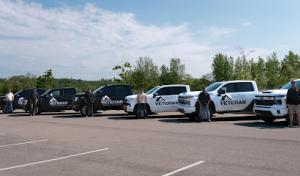
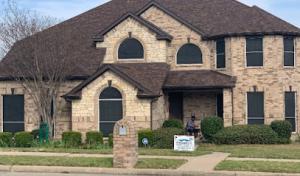

Weather Shield Roofing Systems
(616) 243-4040 weathershieldusa.com
1181 58th St SW, Wyoming, Michigan
4.9 from 82 reviews
With Weather Shield Roofing Systems, your roof is in good hands. Our team of experienced, certified roofers are specialized in industrial flat roofing. Over the past years, we’ve been named the Top 100 Roofing Contractors in the USA four times by Roofing, Siding, and Insulation Magazine and have been the #1 Contractor of the Year five times by two of the nations’ leading manufacturers of thermoplastic roofing.
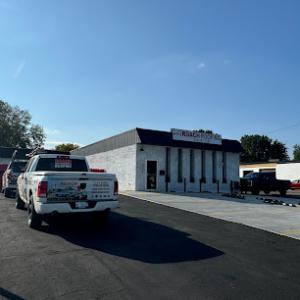
Roach Home Improvement
(616) 367-3700 www.roachhomeimprovement.com
4331 Clyde Park Ave SW, Wyoming, Michigan
5.0 from 32 reviews
The Big Name in Roofing!
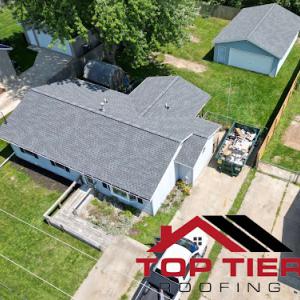
Top Tier Roofing
(269) 666-1448 www.toptierroofingmi.com
852 47th St SW, Wyoming, Michigan
5.0 from 11 reviews
Top Tier Roofing is your local premier roofing contractor. We are a local and family-owned business with three generations worth of building experience and knowledge behind us. We take pride in providing efficient, top-quality workmanship, and customer service to each and every customer.
Kearns Brothers
(888) 355-6700 www.kearnsbrothers.com
1416 44th St SW, Wyoming, Michigan
4.5 from 36 reviews
Discover excellence in roofing and home exteriors with Kearns Brothers in Grand Rapids, MI. For over 30 years, we've been your reliable partner for roofing, solar, windows, and more. Our skilled team combines craftsmanship with premium materials to elevate your home's beauty, durability, and energy efficiency. Whether it's roof repairs or solar installation, we're committed to delivering exceptional results. Customer satisfaction is our priority, providing personalized service backed by industry expertise. Choose Kearns Brothers for top-tier home improvement in Grand Rapids, where your vision meets our commitment to quality.
Bluebird Roofing
(616) 330-2473 bluebirdroofingco.com
Wyoming, Michigan
5.0 from 9 reviews
Protect Your Nest with Bluebird Roofing We serve the greater Grand Rapids area with residential and commercial roof inspections, repairs and replacement services. Call us today for a free roof evaluation and quote!

Premier Roofing & Exteriors
(616) 947-3974 www.exteriorsbypremier.com
Serving
4.9 from 1177 reviews
Established in 2006, Premier Roofing & Exteriors is a trusted Grand Rapids and Western Michigan area company specializing in comprehensive home exterior renovations. As a locally owned and trusted contractor, their licensed technicians provide residential and commercial customers with services for roof repair and replacement, siding and window installation, and gutter systems. Premier prioritizes honest communication and offers no-pressure inspections and estimates on all roofing, window, siding, and gutter projects. They’ve completed thousands of projects, have an A+ rating with the Better Business Bureau. Read their hundreds of 5-star reviews to see why they are the #1 home exterior contractor in Grand Rapids.
Avalon Roofing & Exteriors
(616) 261-9927 www.avalonroofs.com
Serving
4.2 from 675 reviews
Avalon Roofing and Exteriors, is a locally owned and operated company specializing in providing superior roofing solutions and a comprehensive range of home improvement services for residential and commercial properties in Grand Rapids, MI, and the West Michigan community. With over two decades of experience, their skilled roofers are committed to delivering exceptional quality, as demonstrated by their Master Elite Status and GAF Presidential Award. From roofing and siding to windows, gutters, concrete, masonry, and deck building, Avalon Roofing and Exteriors offers a diverse portfolio of services, ensuring that every aspect of your property's exterior is expertly handled. Don't delay call today for your no cost consulation and estimate!
Complete Roofing & Repair
(616) 207-3831 www.completeroofingrepair.com
Serving
4.7 from 53 reviews
Complete Roofing & Repair provides expert commercial and residential roofing services to the Grand Rapids, MI area.
Melvin Belk Roofing
(616) 866-7655 melvinbelkroofing.com
Serving
4.9 from 152 reviews
Melvin Belk Roofing is a family owned roofing company since 1983 offering roofing installation, roofing repair, siding installation, and seamless gutter installation to the communities around Jenison, MI. As a professional roofing contractor, we are fully insured, licensed, and bonded. We offer Financing for your project and guarantee all of our work. We have built this company on Honesty, Integrity, Experience and our Exceptional Work. Call today for a FREE Quote.
Essential Exteriors building concepts
(616) 500-7089 topbusinessesusa.top
Serving
5.0 from 6 reviews
We are a team of established professionals who have worked with many companies throughout west Michigan and decide to become our own. Our customers are our top priority.
Calderon Exteriors
(616) 888-4142 www.calderon-exteriors.com
Serving
5.0 from 30 reviews
Greetings! We are a locally owned & operated, licensed and insured business in West Michigan providing home improvement services to nearby surrounding areas with a priority of customer satisfaction. Please do not hesitate to give us a call for a free estimate or inspection!
616 Roofing & Exteriors
Serving
5.0 from 46 reviews
616 Roofing and Exteriors is a trusted locally owned and operated Roofing Contractor delivering premier roofing replacements throughout greater Grand Rapids. As a Certified GAF Roofing Contractor and Owens Corning Preferred Contractor, we specialize in customized building solutions to meet your needs. Our core mission is to prioritize your satisfaction above all else, "Raising Roofs, Building Trust." From your first call to the final touch, you’ll work directly with a dedicated roofing and exterior renovation expert—not a salesperson—ensuring a personalized experience. By maintaining low overhead, we’re able to offer competitive pricing without compromising on quality, using premium materials backed by the industry’s leading warranties.
In this market, a building permit is typically required for a full roof replacement rather than being treated as a no-paperwork job. Skipping this step can invite delays, fines, and even required tear-offs if the inspection uncovers untreated code gaps. Before any shingles fly, your contractor should pull the permit and coordinate the plan review with the local authority. In Wyoming, the emphasis is on showing that the roof system will perform reliably through heavy winter snow and the frequent freeze-thaw cycles, not on surface appearance alone. If a project hooks into broader home updates, expect the permit process to align with those schedules, so be ready for a coordinated review.
The local review commonly focuses on venting, underlayment, and wind-uplift compliance before and during the project. Proper venting is essential to prevent attic moisture buildup during rapid thaw cycles; the reviewer will want to see that intake and exhaust vents are balanced and unobstructed. Underlayment quality and installation detail matter, especially in storm-prone weeks when wind-driven rain can test the roof edge and eave details. Wind-uplift requirements will be checked, particularly for the prevailing windy days and for homes with exposed ridgelines or large overhangs. Plan to have a detailed installation plan that addresses these elements, and be prepared for the permit reviewer to request adjustments if the proposed system doesn't meet the local uplift criteria.
Inspections are typically scheduled during and after completion, and premium systems such as clay tile, slate, or copper may receive additional scrutiny. The review and final inspection for these systems is stricter because their performance under Wyoming's winter conditions matters more, and their fasteners, flashing, and underlayment transitions demand precision. Keep the contractor's inspection calendar tight with the permitting office to avoid back-and-forth delays. If you anticipate using higher-end materials, budget extra time for potential questions and field adjustments. A careful, documented inspection trail helps protect your investment through another harsh winter and ensures that the roof can stand up to the next round of storms.
In this part of Michigan, severe hail and heavy winter storms are not rare events, and Wyoming sits squarely in the path of the most challenging weather swings. When a claim is filed, the process tends to hinge on thorough documentation. An adjuster will want clear roofing material specifications, photos that show the entire roof and any damage, and records from the installation or recent repairs. Because the market around here is accustomed to frequent storm response and re-roofing on an aging suburban stock, those documentation trails matter more than elsewhere. If the paperwork isn't ready, the review can slow, and the outcome may hinge on a best-guess assessment rather than solid evidence.
Preparation isn't glamorous, but it pays off when a storm hits. Gather the original roof specification sheet, including shingle type, underlayment, and any venting or attic insulation notes. Put warranty cards and the installer's contact information in a single folder or digital file you can access quickly. Take current, high-quality photos of the entire roof from multiple angles, and keep a running log of any known issues-previous repairs, hail dents, or loose flashing. For Wyoming's freeze-thaw cycles, documents showing prior maintenance and any snow-related repairs can help counter disputes about wear and tear. If you installed a new surface in recent years, retain the contractor's notes on heat-measures or ice-damming mitigation-adjusters often request this to understand how the system was designed to perform under winter stress.
Coverage in this region varies by insurer and policy type, so verify how depreciation is handled and whether matching of new materials to existing siding or shingles is covered. Storm exclusions can complicate replacement decisions, especially on older homes where the appearance of a new roof might matter to the homeowner's warranty or to the insurer's interpretation of "like kind and quality." Before signing a contract, confirm whether depreciation will be applied to the claim, whether partial replacements are permitted, and how the policy treats repairs that involve multiple roof lines or parapets common to Wyoming's older subdivisions. Being aware of these levers now helps prevent surprises later during claim settlement.
When a storm threat is imminent, protect the roof as best as possible with temporary coverings to limit further damage. After a storm, contact the insurer promptly with your prepared documentation. If a contractor is brought in, ensure the scope of work aligns with what the adjuster has reviewed, and request a written, itemized estimate that reflects material specifications and the sequence of work. In a neighborhood where roofing eyes are always on the next hail event, staying organized and informed is the practical shield against a contentious, drawn-out claim process.
Connect with contractors who help homeowners navigate the claims process from damage assessment to final approval.
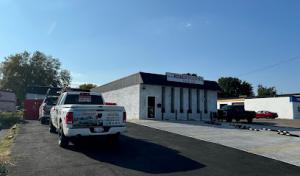
Roach Home Improvement
(616) 367-3700 www.roachhomeimprovement.com
4331 Clyde Park Ave SW, Wyoming, Michigan
5.0 from 32 reviews
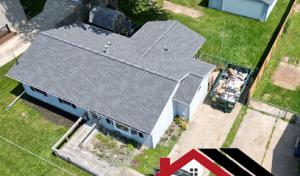
Top Tier Roofing
(269) 666-1448 www.toptierroofingmi.com
852 47th St SW, Wyoming, Michigan
5.0 from 11 reviews
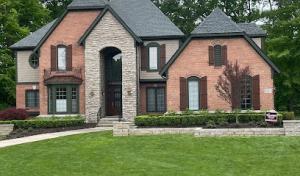
Kearns Brothers
(888) 355-6700 www.kearnsbrothers.com
1416 44th St SW, Wyoming, Michigan
4.5 from 36 reviews
Skylights are a common source of trouble in the Wyoming contractor market because flashing and curb details sit right at the edge of the roof deck, where winter moisture can sneak through. In thaw-and-freeze cycles, ice buildup against the curb drives movement in flashing pieces, creating micro-leaks that only worsen after a heavy snowpack sits on the roof. When you notice condensation on the interior or a damp ring around the skylight interior, you're looking at flashing moves or sealant failure that set in during the late winter transition. Inspect skylight valleys and the perimeter seal annually, paying close attention to the seam where the skylight base meets the flashing. If you see hairline cracks in the sealant or loose metal flashing, address it before the next melt cycle starts.
The curb itself bears the brunt of freeze-thaw stress. In Wyoming's climate, masonry movement around the skylight can transfer stress into the curb-to-roof junction, opening leak paths during rapid temperature swings. Focus on the seam between the curb and the roof deck, and on the fasteners that hold the skylight in place. Tighten loose fasteners and replace corroded ones with corrosion-resistant options. Apply a compatible exterior-grade sealant at all edge joints, ensuring the sealant adheres to both metal flashing and the skylight frame. Pay attention to sealant aging, especially after a heavy winter, and plan resealing at the first sign of cracking or chalking.
Snow buildup around skylights can redirect meltwater toward the flashing, especially where the roof pitches down toward the skylight. In Wyoming, heat escaping from the attic can melt bottom snow, refreezing along the skylight edge and pushing water under the flashing. Clear snow from the skylight area using a roof-safe tool after heavy storms, and install or inspect snow guards to reduce direct meltwater flow onto the opening. If ice dam formation is persistent near the skylight, consider adjusting insulation or attic ventilation to balance heat escape and airflow, which reduces ice dam pressure on the flashing.
Chimney-to-roof intersections commonly intersect with skylight placements on older homes. Masonry movement during freeze-thaw cycles can stress both flashing and the skylight chase, creating new leak paths along sidewalls and edge joints. Inspect the transition between chimney flashing and skylight flashing for gaps or displaced metal. Reflash where mortar movement has altered angles, and apply flexible sealant that tolerates movement without cracking. Maintain a clean joint line where chimney and skylight meet to prevent snow bridging that funnels water into delicate seams.
Perform a seasonal check focusing on the skylight perimeter, curb condition, and flashing continuity. Look for lifted shingles near the skylight, loose fasteners, and any peeling sealant. Address small issues promptly-especially after the winter-to-spring transition-before they become larger leaks once rain and melting snow begin. If a leak persists after resealing and flashing adjustments, consider a professional assessment to verify curb integrity and flashing geometry under the current roof slope and surrounding masonry.
Find contractors experienced in skylight installation, flashing, and leak repairs to bring natural light into your home.
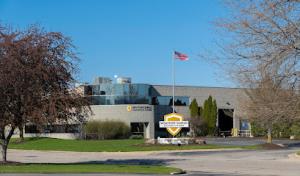
Weather Shield Roofing Systems
(616) 243-4040 weathershieldusa.com
1181 58th St SW, Wyoming, Michigan
4.9 from 82 reviews
The Wyoming market shows unusually strong emphasis on quick response, re-roofing, and cleanup after storms. When a hail event or heavy snowfall strains shingles, you want a crew that can mobilize fast, protect landscaping, secure loose materials, and prevent interior water intrusion during the reprimer stages. Look for crews that assign dedicated storm-response teams with clear on-site workflows for tarping, debris containment, and rapid weatherproofing. Ask how a crew stamps the jobsite to minimize snow drift into gutters and vents, how they protect mature landscaping, and what routines they use to keep driveways and sidewalks clean without damaging adjacent property. A responsive crew should provide a concise on-site plan, a realistic timeline, and daily updates during the critical first 48 hours after a storm.
Long-established, family-owned, and locally owned firms are well represented in this area, and neighborhood familiarity matters when choosing who climbs onto your roof. Favor a contractor with a footprint in your specific subdivision or nearby service area, since local crews tend to understand common rooflines, venting quirks, and tree-related debris that repeatedly challenge Wyoming homes. Check references from nearby homeowners who share similar roof types, and inquire about the crew's discipline in protecting yards, driveways, and exterior finishes during a re-roof. A locally trusted firm will often offer a practical, repeatable service approach that covers both the initial installation and the meticulous cleanup that homeowners value and neighbors expect.
Because many contractors market affordability alongside emergency service, Wyoming homeowners should compare scope details carefully so low bids do not omit ventilation, underlayment, or cleanup. Ensure bids specify attic ventilation adequacy for new or existing insulation, the type and thickness of underlayment, drip edge, fastener options, and a defined cleanup standard. Ask for a clear list of excluded items and optional upgrades to avoid surprises after the job starts. A solid bid lays out who handles temporary weatherproofing, how debris is disposed, and the method for protecting interior finishes during roof work. In practice, a diligent comparison helps you choose a crew that delivers both speed and thorough, site-conscious craftsmanship.
Get a clear picture of your project costs upfront - no commitment required.