
Last updated: Apr 19, 2026
Spring hailstorms and heavy rainfall can slam through a neighborhood in a matter of hours, interrupting active tear-offs and triggering a surge in emergency protection requests. When a storm hits, the clock starts ticking on moisture intrusion and interior damage, especially if temporary measures lag. Winter's freeze-thaw cycle compounds the risk: a small flashing gap or a loose shingle may look minor, but the next thaw or freeze can turn that into a leak channel that wrecks ceilings, insulation, and walls. In Goshen, the pattern is clear-act fast, document aggressively, and set expectations with the claims process before temporary work becomes permanent.
Indiana hail and wind events drive roof claim activity here, so adjuster coordination and photo documentation are especially important before any temporary repairs become permanent work. Start with a clear, dated record of every affected area: take wide shots of the roof from multiple angles, close-ups of damaged flashing, cracked shingles, lifted granules, and any interior evidence of leaks. If winter thaw has already begun, photograph inside ceilings, walls, and attic spaces to capture moisture progress. Share this documentation promptly with the insurer and your contractor, and keep a written log of conversations, inspections, and agreed next steps. Do not allow a provisional patch to be counted as final if deeper sealing and flashing work is still needed; insist on a plan that distinguishes temporary protection from permanent repairs, and keep a clearly defined schedule for inspections and sign-offs.
Goshen's spring weather often brings back-to-back storms that can stall or complicate active tear-offs. The short-notice demand spike for emergency protection is real-downed branches, hail dents, and wind-driven moisture create urgent needs that can push crews into tight schedules. Coordinating with the insurer to authorize temporary protection (tarps or boards) while a full assessment is completed helps prevent interior damage, but that authorization should come with a firm follow-up date for permanent work. Recognize that delaying full roof replacement or resealing during the spring window can magnify risk once heat returns and moisture movement accelerates. Plan for a staged approach: secure necessary temporary protection first, then lock in a sequence for permanent repairs once the weather and crew availability align.
Winter freeze-thaw conditions in northern Indiana can turn small flashing or shingle failures into interior leak problems if damage found after storm season is deferred too long. If a leak is suspected, prioritize sealing any active ingress points quickly to minimize drywall drying costs and mold risk. Do not rely on cosmetic repairs alone; the broader flashing and underlayment system should be inspected and re-sealed where necessary. When scheduling work, aim for a plan that accommodates Goshen's volatile spring patterns and the typical pace of claims processing, while keeping the roof's moisture control prioritized at every stage.
Before any tear-off begins, confirm that the insurance-approved scope aligns with the actual condition found on the roof. Ensure proper ventilation during replacement to prevent indoor moisture buildup, and verify flashing details around chimneys, skylights, and vent pipes are upgraded to current standards. Short-notice demand spikes mean communication must be precise: confirm dates, the exact scope, and whether temporary protections will transition to permanent systems without gaps. On-site coordination should include a thorough debris plan, a rain contingency, and a clear sign-off protocol to prevent backtracking and rework.
CK Superior Roofing
(574) 304-5442 cksuperiorroofing.com
2907 Woodmere Ln, Goshen, Indiana
5.0 from 263 reviews
CK Superior Roofing delivers expert roofing, gutters, siding, painting, concrete, chimney, and skylight services across Elkhart-area Indiana. With 30+ years of combined experience, we handle everything from storm damage and installations to smooth insurance claims.
Equity Roofing
(574) 766-7537 equityroofs.com
18582 US-20, Goshen, Indiana
5.0 from 186 reviews
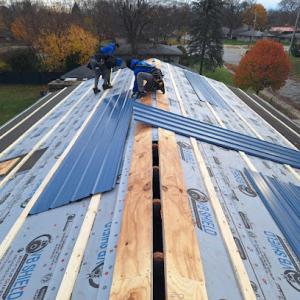
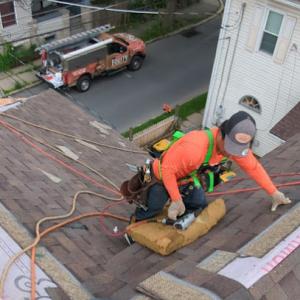
Equity Roofing is a trusted residential roofing contractor in Goshen, IN, serving Northern Indiana and Southern Michigan. We specialize in roof replacements, storm repairs, metal and asphalt shingles, and gutter replacements. As Owens Corning Platinum Preferred Contractors, we offer full roofing system upgrades with top-tier warranties. Backed by a 5-star reputation, we’re known for honest estimates, excellent workmanship, and customer-first service. Call now to schedule your free roof inspection!
Steel Master Roofing
(574) 343-9203 steelmasterroofing.com
66607 US-33, Goshen, Indiana
4.9 from 224 reviews
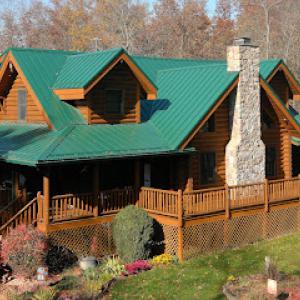
Established in 2009 in the heart of the recession, Steel Master has since grown to 2,100+ steel roofs installed in northern Indiana and southern Michigan. That growth has created experience, product knowledge that is lacking with many non-specialized roofing companies. We believe customer satisfaction to be the key to our success and that our many completed roofs speak for themselves. While roofing companies are notorious for being in business for several years, often working from their garages, we have consistently invested into Steel Master, upgrading equipment, product offerings, facilities, etc.
Rain Drain
(574) 891-8187 raindraininc.com
57273 IN-15, Goshen, Indiana
4.8 from 182 reviews
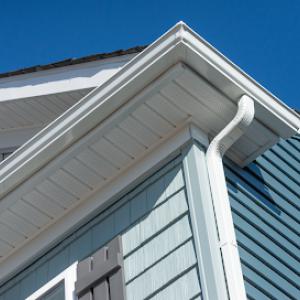
Rain Drain is the premier roofing contractor serving Goshen and the Greater Northern Indiana, Michigan, and Ohio Area. For over 28 years, whether you need a new roof installed, a roof replacement, gutters installed, etc., we have the expertise and products to suit your needs. At Rain Drain, we value quality service, products, fair pricing, and customer satisfaction. Contact us today for a free roof inspection and estimate, warranty, or financing option.
Southwest Commercial Roofing
(260) 227-7900 southwestcommercialroofing.com
907 W Pike St, Goshen, Indiana
5.0 from 39 reviews
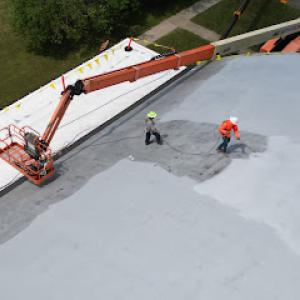
Southwest Commercial Roofing is your trusted full-service commercial roofing contractor, specializing in roof restorations and replacements for low-slope, flat, shingle, and metal roofing systems. Our experienced team is dedicated to providing top-quality service to keep your commercial property well-maintained. Whether you need repairs, restorations, total re-roofs, or ongoing maintenance agreements, we’ve got you covered. Contact us today to learn how our roofing experts can help protect and enhance your commercial or industrial property.
Roof Maxx of Elkhart, IN
Goshen, Indiana
4.9 from 55 reviews
Roof Maxx of Elkhart offers an affordable, eco-friendly alternative to roof replacement, extending the life of your asphalt roof by up to 15 years with three simple treatments. Our plant-based formula restores shingle flexibility and provides superior protection against the harsh weather conditions in Northeast Indiana. We proudly serve the entire Michiana area, helping homeowners save money and keep roofing materials out of local landfills. Contact our team for a free inspection and estimate today!
Maple City Roofing
(260) 350-4479 justplainbusiness.com
64265 Co Rd 35, Goshen, Indiana
5.0 from 15 reviews
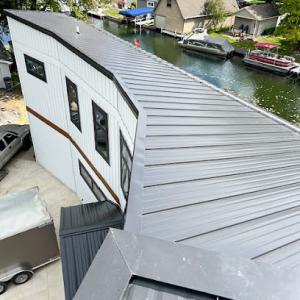
With years of experience and a tireless commitment to excellence, Maple City Roofing of Goshen,IN, offers quality roofing services throughout the communities of Michiana. They serve residential, commercial, and agricultural customers and offer a full range of options for asphalt shingle, metal roofs, and standing seam that are attractive, durable, energy efficient, and cost effective. They also offer contracting services for siding, decks, and gutters.
Stump Metal Roofing
24197 IN-119, Goshen, Indiana
5.0 from 14 reviews
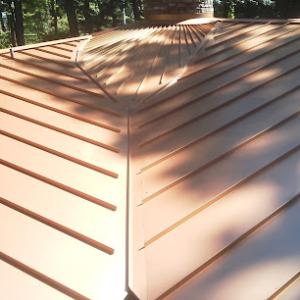
Stump Metal Roofing has been serving Michiana since 2006, setting a benchmark in quality roofing solutions. We are specialists in concealed fastener standing seam steel roofing using 24 or 26 gauge metal and also provide exposed fastener in 28 gauge. We feature our SMP (Silicon-Modified Polyester) paint system in a palette of 41 colors established through years of testing and innovation. These systems utilize a two-coat coil coating process to ensure superior results in delivering excellent performance and protection against harsh environmental conditions. Alongside meticulously designed custom trim details with various accessories such as our durable S5 snow guard, we boast quality a step above. Call us for a free quote, today!
A-Plus Roofing & Remodeling
(574) 202-1675 aroofspecialist.com
521 E Lincoln Ave, Goshen, Indiana
4.6 from 40 reviews
A-Plus Roofing and Remodeling is your trusted roofing contractor in Michiana, offering over 20 years of expertise in roof replacement, roof repairs, and commercial roofing services. Located at 521 East Lincoln Avenue, we are committed to enhancing your home with reliable and honest service. As a leading roofing company, we specialize in complete roof repairs, regular maintenance, and emergency services including snow removal and ice dam prevention. Our proprietary mold solution, combined with a 10-year workmanship warranty, ensures your safety and satisfaction. Choose us for a professional, stress-free roofing experience tailored to your specific needs.
Borntrager
(574) 533-0663 www.borntragerinc.com
1715 E Monroe St, Goshen, Indiana
5.0 from 6 reviews
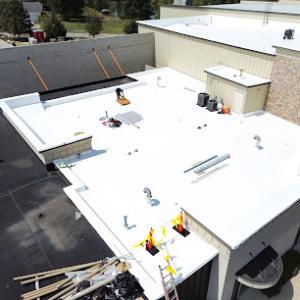
Commercial & industrial roofing company that has been in business for 47+ years. We specialize in low slope and flat roofs. We install PVC, TPO, EPDM, & Coatings to satisfy your roof needs. We offer free estimates and 24-hour emergency service.
Frye Roofing
(574) 536-3316 www.fryesroofing.com
Serving
5.0 from 20 reviews
We are a local contractor located in Elkhart County that specializes in Residential Roofing. We also offer siding and gutters.

Relentless Roofing
(574) 218-0642 relentlessroofingco.com
Serving
5.0 from 259 reviews
Relentless Roofing provides expert roof replacement, roof repair, storm and hail damage restoration, and full insurance claim assistance for homeowners in Elkhart, Goshen, Granger, Mishawaka, South Bend, Nappanee, Middlebury, Bristol, and nearby communities. Our team delivers fast inspections, detailed documentation, clear communication, and clean job sites. We handle roofing, siding, gutters, windows, and full exterior restoration with relentless quality and reliability. With financing available, we offer flexible payment options for all your home improvement needs. When you want a contractor trusted across Michiana for honest service and long-lasting results, choose Relentless.
In Goshen, asphalt shingles anchor many homes because they fit the local climate and stock. The winters bring freeze-thaw cycles that push moisture in unseen places, and the springs bring wind and hail that test underlayment and attic venting. The practical approach here is to treat asphalt as a system, not a single component. If asphalt is your choice, inspect the underlayment regularly, especially after winter or severe storms. A worn or low-quality underlayment can fail when moisture lingers in the attic between thaw periods. Ventilation matters just as much as the shingles themselves. Ensure soffit vents, a ridge vent, and any attic baffles are clear of insulation and debris so air can move, carrying moisture out rather than letting it condense in the decking. When you plan roof work, map out a ventilation check as part of the project scope, and align the flashing detail with the prevailing wind patterns you've seen in spring gusts. In practice, you'll get more reliable performance if the contractor treats the install as a moisture-control upgrade: verify a continuous, gap-free seal along the eaves, proper drip edge, and a sealant plan for any roof-to-wall intersections that are prone to wind-driven rain. This city's mix of humidity and cold means periodic attic inspections are a smart habit, even years after the installation.
Metal roofing has strong local contractor support and is a practical fit for snow shedding and repeated seasonal moisture exposure in Elkhart County. The metal option is less forgiving if installed without attention to condensation and thermal movement, but when the panel seams are properly sealed and the underlayment underneath is chosen for wet conditions, it performs well through the freeze-thaw cycle. In this market, metal shines where a home experiences heavy snow loads one season and dense humidity the next. The key step is to coordinate with a contractor who understands not only the fastener schedule but also how to manage condensation beneath the panels on a humid summer night. Pay close attention to flashing at roof-to-wall joints and at chimneys or skylights; even small gaps can allow moisture to creep into the roof deck over time. Consider how metal panels will shed ice and how you'll address potential wind-driven debris, which can be more common during spring storms. A thorough inspection plan after the first heavy winter and again after a lively spring can catch early signs of panel buckling or sealant wear before it escalates.
Tile and wood options exist in the market, but their weight, maintenance profile, and moisture behavior need closer evaluation in a city with snowy winters and humid summers. Concrete and clay tiles bring longevity and distinctive curb appeal, but the weight often requires structural evaluation and potentially upgrades to the decking. Moisture behavior under tiles can shift with temperature swings, and in a climate with freezing conditions, hairline cracks can propagate if water infiltrates and then freezes. Wood shingles and shakes deliver a traditional look, yet they demand diligent maintenance in humid seasons and can suffer from rot or insect exposure if ventilation isn't adequate and the attic moisture control is not prioritized. If tile or wood is on the table, insist on a detailed moisture management plan: evaluate roof sheathing condition, verify a robust underlayment system designed for the local humidity, and confirm flashing details that prevent water from migrating under edges and into eave joints. Finally, confirm load-bearing capacity with a professional, because the heavier systems may require structural checks to ensure long-term performance through Goshen's seasonal swing.
In this part of northern Indiana, prices for a roof replacement can move quickly after a hail or strong wind event. Crews from the Goshen-area shoulder get pulled into emergency repairs, and insurance-driven replacement volume climbs. When a storm hits, you may see a rush on material shipments and short-term scheduling squeeze that pushes timelines and costs. If your roof is already aging, that surge can shift your project from a planning topic to a sudden job, so it helps to know how fast pricing can move and how to plan around it.
Material choice matters sharply here. Asphalt shingles sit in the 350 to 650 USD per square range, making them the traditional baseline for value-minded homeowners. Metal roofing comes in at 700 to 1100 USD per square, offering longevity and better wind resistance that can be appealing after a hail event. Clay tile ranges from 950 to 1800 USD per square, with high durability but heavier weight and more meticulous installation. Concrete tile sits between 800 and 1400 USD per square, providing a robust option for larger homes. Wood shingles or shakes run 500 to 900 USD per square, delivering a distinct aesthetic but needing higher maintenance in this climate. Synthetic or composite shingles fall around 700 to 1200 USD per square, balancing modern performance with flexible styling. For Goshen homes, the choice often hinges on how much storm exposure there is, the structural capacity to carry heavier systems, and how long you want the roof to last before another major repair or replacement.
Spring hail followed by freeze-thaw cycles can create unique wear patterns in this area. If a hailstorm targets your roof, anticipate that insurers and contractors will prioritize rapid assessments and quick replacements on storm-damaged properties. Scheduling a replacement in the window after a major hail event can compress timelines and raise costs due to demand. Conversely, mid-summer and late-fall windows tend to be more predictable, but you still want to align material delivery times with the seasonal heating of the attic and ventilation checks that typically accompany a re-roof. Understanding the local swing from hail to freeze helps you decide whether to pursue a faster full replacement or a staged approach that minimizes disruption and cost spikes.
Start with a conservative estimate based on the local ranges to ground conversations with contractors. If you're weighing asphalt against metal or tile, calculate not just the upfront price per square but the long-term value: wind resistance, potential insurance considerations after a hail event, and the roof's weight on your structure. If your home has multiple layers or if you're upgrading underlayment and ventilation, expect adjustments to the price per square that reflect improved moisture control and flashing details. In Goshen, the combined effect of storm-driven demand and the need to maintain a durable, weather-tight shell makes it prudent to build a contingency into your budget for unexpected scheduling shifts or material substitutions.
When you're documenting storm damage for an insurance claim, coordinating with a contractor who can provide clear, itemized replacements helps keep the process tight and accurate. Collecting and submitting the right paperwork early can reduce delays and support a smoother permit-independent sequencing, especially when you're choosing between material types that may affect claim value and recovery timelines. In practice, align your material choice with both performance needs and the practical realities of the Goshen storm cycle to avoid overextending the project window and your budget.
Get a clear picture of your project costs upfront - no commitment required.
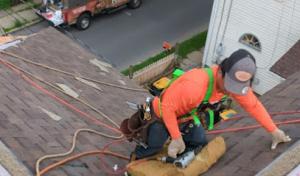
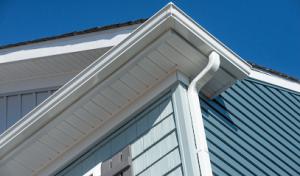
Before lifting a vented hatch and squeezing under the eaves, you should understand that the local building department generally requires a permit for roof replacement rather than treating re-roofing as purely over-the-counter maintenance. In practice, this means your contractor will submit project details, including a scope of work, roof type, square footage, and ventilation plan, along with their license and certifications. The department will then issue fees and scheduling information. The process is designed to ensure that installations meet current safety and moisture-control standards, especially after a harsh Indiana winter or spring hail event. Expect to coordinate timelines with the inspector so that the sequence of work aligns with the approved plan.
Inspections in Goshen commonly verify ventilation, flashing, and overall code compliance, making workmanship at penetrations and attic airflow a local approval issue rather than just a warranty concern. One key focus is attic ventilation balance: intake and exhaust pathways must function in concert to prevent heat buildup and condensation that can lead to moisture damage above the ceiling line. Flashing around chimneys, vents, skylights, and roof-to-wall interfaces is scrutinized to prevent leaks that can travel long distances with freezing cycles. During the installation, the inspector will track that each step-roof deck preparation, underlayment, fastening patterns, and shingle or panel installation-follows the approved sequence. Any deviations often trigger a re-inspection or required corrections before the project can pass.
Weather windows matter in this climate. Violent spring windstorms or late-season hail can create urgent repairs, but the permit-and-inspection cycle remains active through the transition from winter to spring to protect moisture control and structural integrity. If a storm damages the roof, documentation for the claim should be ready for the permit office, and scheduling inspections promptly after the installation steps are completed helps avoid delays in final approvals. Communication with the building department about any weather-driven delays can keep the process on track.
Expect to provide contractor contact information, updated drawings or roof design changes, and a clear sequence of work. The inspector will want to see a coherent plan that shows how ventilation will be maintained or improved, how penetrations will be flashed, and how moisture barriers will be installed behind the new roofing. Keeping a detailed log of material deliveries, fastening patterns, and attic airflow checks can streamline the review. If there are deviations from the plan, have a quick path to update the permit documents and resubmit for approval rather than delay the project.
Once all inspections are satisfied, the final approval seals the project, and moisture-control measures become a visible part of the finished roof. It is wise to retain the inspection paperwork and any notes about ventilation changes or flashing upgrades for future maintenance. Properly documented compliance can ease future resale interviews and help ensure long-term performance in the local freeze-thaw cycles.
Goshen's cold winters with snow make late-season replacement decisions more complicated because installation conditions can change quickly as temperatures drop. When a storm damage event happens in late fall, a homeowner faces a difficult choice: push to complete work under generally workable conditions or wait for a window that may vanish as temperatures plummet. The best outcomes come from a plan that anticipates this swing, with crew schedules that can adapt to shifting forecasts and days that stay above critical thresholds for sealant and underlayment performance.
Early frost in fall and freeze-thaw cycling into winter can slow seal-down and affect how asphalt systems and related moisture barriers perform right after installation. Moisture management matters as much in the first weeks after roof work as it does in the middle of winter. If work is completed just before a cold snap, you may see slower seal adherence, minor gaps, or more condensation under the deck, especially in unvented or poorly vented attic spaces. Consider temporary measures to minimize moisture buildup during the first home heating cycle, and plan to verify venting and flashing once temperatures stabilize.
Homeowners in Goshen often need to balance urgency against weather windows, especially when storm damage discovered in fall pushes work toward colder conditions. If you are racing a front that brings rapid temperature declines, ask for a staged approach: lightweight installations first to secure critical moisture barriers, followed by the final seal-down when conditions permit. Acknowledge that some steps may require temperature-sensitive products to cure or set properly, which can influence the timing and sequencing of the project. Having a contingency plan with your contractor-covering temporary shelter, dehumidification options, and a flexible schedule-helps avoid costly delays and back-to-back cold snaps.
Ventilation remains a cornerstone even when the mercury falls. Proper attic ventilation reduces condensation risk and protects insulation performance during the winter months. Flashing checks are essential in the cooling damp season, because gaps can freeze and then thaw, exacerbating leaks. Ask for a pre-wall-to-ridge assessment to confirm that soffit, ridge, and attic vents are clear and that moisture barriers are properly installed and anchored. In Goshen, where snow can sit on a roof and melt repeatedly, ensuring continuous moisture management through the roof assembly helps prevent long-term damage.
Finally, maintain clear communication with the contractor about temperature-sensitive products and cure times. Request written guidance on what to watch for after installation-look for any signs of sealant failure, ice dam risk, or wind-driven moisture intrusion once the first heavy snowfall arrives. If a fall storm reveals damage, prepare for the likelihood that some tasks may extend into colder weeks, and prioritize securing the most critical areas first to minimize further exposure.
When a project includes additions, porches, or mixed-use spaces with flat or low-slope sections, the risk of leaks climbs fast if detailing around penetrations and transitions is not flawless. Heavy spring rain and humid summer conditions expose weaknesses in seam work, flashing joints, and wall-to-roof transitions. In this market, a single compromised corner of a low-slope surface can become a long-term moisture drain, with staining, mold risk, and faster deterioration around fasteners and edge details.
Goshen's climate makes flashing not a nice-to-have but a make-or-break detail. Where walls meet the roof, and where chimney, vent, or solar penetrations pass through a low-slope plane, flashing must be embedded, sealed, and integrated with proper counter-flashing. A common failure pattern is where flashing is treated as an afterthought, leaving taped seams or improperly sealed folds that blister with heat and split under cold snaps. Expect the highest quality outcomes when the contractor treats flashing as a continuous, coordinated system rather than a collection of patched spots.
The contractor mix in this area includes meaningful flat-roof specialization, reflecting real local demand for low-slope work on additions, porches, and mixed-use buildings. This specialization is a serious asset if the crew brings precision with terminations, parapet detailing, and proper drainage integration. However, it also means that a rushed crew or one with limited experience in complex transitions can become the weak link. Look for explicit notes on how penetrations are planned, where sealants are chosen for climate exposure, and how drainage paths remain clear through seasonal swings.
When assessing proposals, verify that the plan shows flashing details at every penetration, honest transitions between materials, and a clear approach to moisture control at walls and parapets. Insist on a cohesive system rather than isolated fixes, and ask for a tested method to handle spring deluge events without relying on quick, superficial repairs. A thoughtful, well-detailed approach today helps prevent the cascading damage that heavy rains and humidity can unleash later in the season.
Find specialists in TPO, EPDM, and built-up flat roofing systems for residential and commercial properties.
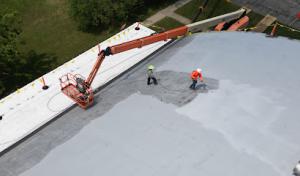
Southwest Commercial Roofing
(260) 227-7900 southwestcommercialroofing.com
907 W Pike St, Goshen, Indiana
5.0 from 39 reviews
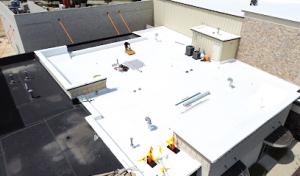
Borntrager
(574) 533-0663 www.borntragerinc.com
1715 E Monroe St, Goshen, Indiana
5.0 from 6 reviews

The market signals quick response after a storm, plus solid re-roofing experience and thorough cleanup. After hail or high wind, you're not just buying shingles-you're signing up for a job that will be walked through weather fluctuations and rapid moisture exposure. Look for contractors who map out a tight schedule, protect interior spaces during replacement, and remove debris at the end of each day. In a town where weather swings drive damage reports, a contractor's ability to mobilize quickly and control the jobsite is a real differentiator.
A notable share of Goshen-area contractors have long-standing roots in the community. That matters in a permit-and-inspection environment where callbacks, warranty follow-through, and local familiarity affect outcomes. Check how long the company has been in business, whether their crews rotate through the same foreman, and if they regularly return after storms to address residual issues. Ask for a written warranty schedule and a clear point of contact who will be available during the entire project, not just the initial drop-off.
Because insurance-related work is common here, favor contractors who can document scope clearly and coordinate with adjusters without treating the claim as a replacement for code-compliant installation. Look for a written scope that items material types, underlayment, flashing, ventilation, and moisture control. Confirm the contractor will provide a detailed damage report and a line-by-line change log you can share with the insurer. A pro will facilitate timing between claim approval and scheduling so that work aligns with weather windows and avoids rework.
Request a thorough, itemized proposal that describes debris containment, daily cleanup, and how condensation or moisture will be managed during re-roofing. Ask for photos or a short on-site review that demonstrates how the crew protects landscaping, vents, and nearby structures. A trustworthy roofer will explain how flashing and ventilation will be upgraded or maintained to reduce future moisture risks, particularly after harsh Indiana winters and spring hail events.