
Last updated: Apr 19, 2026
Storm-related work dominates the local contractor market after a thunderstorm pass-through. In Middletown, you will often see a spike in emergency tarping, hail-damage assessments, and quick-repair crews before the next round of weather. That urgency is real, but so is the risk of rushing a repair or letting damage fester. The right timing means catching a leak early, coordinating with an insurer, and aligning a proper replacement window without letting water intrusion degrade the roof deck or attic insulation. Storm crews know the rhythm here: damage shows up after wind blasts or hail pummels, then a short window of ideal weather to secure temporary fixes and schedule a full replacement before the next storm season.
Spring in this market brings more frequent rainfall and thunderstorms, and those conditions can both reveal and aggravate roof problems. A quick visual check after a heavy downpour is essential: inspect around chimney leaks, skylights, and transitions where shingles meet vents. The higher humidity and sudden deluges can mask slow leaks that only show up during freeze-thaw cycles later. If a storm hits and the attic ventilation feels insufficient, that moisture can accelerate deck rot and drywall staining. Plan for the reality that storms may delay full replacement work because crews are juggling emergency repairs and scheduling with weather. Your best bet is to document damage promptly, then secure a plan for a dedicated replacement window once the weather clears and a trusted crew can commit.
Insurance in this area often hinges on a solid paper trail. After hail or wind events, insurers commonly require documentation of the condition and an adjuster inspection. Early photo records-shots of shingles curling, granule loss, lifted flashings, and interior signs of water intrusion-make the claim process smoother and faster. Store images with date stamps and keep a simple log of when leaks were first noticed and when any temporary tarping or repairs were done. If a storm hits, you should expect that the insurer will want to verify pre- and post-storm conditions, so your records should start immediately after the event and continue through any temporary repairs. If an adjuster schedules a visit, have your contractor provide a concise, line-item summary of observed damage to accompany the photos.
Begin with a quick safety check: avoid climbing on a damaged roof during rain, and address any active leaks with temporary containment to stop interior damage. When documenting, focus on the most critical indicators first: signs of water intrusion into attic spaces, sagging or loose decking, and any compromised underlayment. If a wind event occurred, capture the damage across different elevations and angles-ridge lines, eaves, and around penetrations. Communicate clearly with the insurer about the sequence of events and any temporary fixes you've put in place. The goal is to build a credible narrative that ties the present condition to the storm event and reduces the back-and-forth that slows a claim.
Once the storm is past, the pace shifts to securing a replacement window that can withstand Ohio's freeze-thaw cycles. In practice, that means coordinating with a local roofer who understands the seasonal constraints and has a plan for both immediate stabilization and a durable, long-term installation. A reliable crew will review the existing deck, flashing, and ventilation, then propose a replacement approach that minimizes the risk of future wind-driven uplift or hail damage. The most successful outcomes occur when the claim process, temporary repairs, and the replacement schedule are aligned in a tight sequence-reducing exposure to another storm while the roof is in transition. Stay proactive: confirm appointment times, confirm material delivery windows, and maintain clear contact with the insurer and contractor to keep the project moving when the weather cooperates.
Find local contractors experienced in assessing and restoring roofs after hail, wind, and severe weather events.
WOODS Roofing & Exteriors
(513) 320-9517 www.woodsroofingexteriors.com
4619 Bonita Dr, Middletown, Ohio
5.0 from 54 reviews
WOODS Roofing & Exteriors
(513) 320-9517 www.woodsroofingexteriors.com
4619 Bonita Dr, Middletown, Ohio
5.0 from 54 reviews
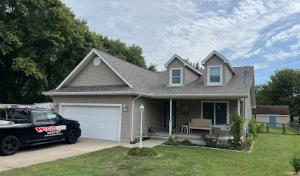
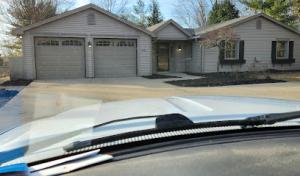
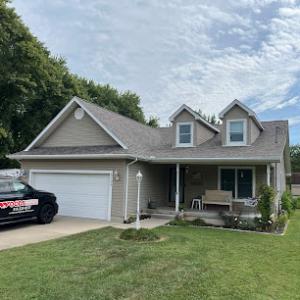
WOODS Roofing & Exteriors provides top-quality roofing solutions for residential properties. Our firm, based in Middletown, Ohio, is known for being a dependable and reputable independent contracting company. We are committed to upholding the highest standards of integrity and professionalism in our treatment of homeowners; this is our work mission. If you are in the market for a new roof or a roof repair, please get in touch with us via phone, email, or by using the quote button on our site. We will then arrange a convenient time for you to receive a complimentary estimate. Thank you for the opportunity to bid on your project!
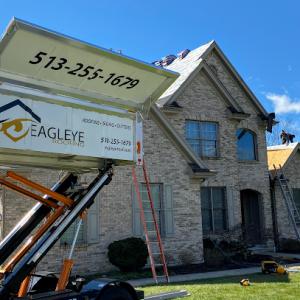
Eagleye Roofing
(513) 446-1609 www.eagleyeroof.com
Middletown, Ohio
4.9 from 85 reviews
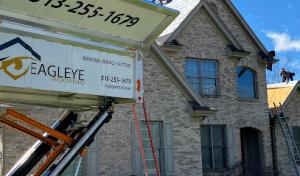
Eagleye Roofing is a veteran owned company specializing in residential roofing solutions to include storm damage and insurance claims. Eagleye focuses on a customer first approach to all of its customer's needs. Financing options are available!
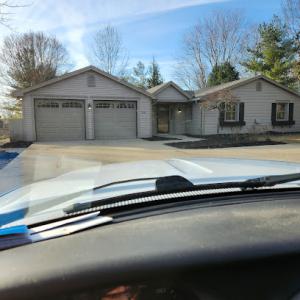
Midwest Roofing & Restoration
midwestroofingandrestoration.com
Middletown, Ohio
4.9 from 37 reviews
Midwest Roofing and Restoration is a trusted roofing contractor in Cincinnati, OH and Northern Kentucky. We specialize in New Roofs, Shingle Repair, Flat Roof Repair or Replace , as well as Slate, Tile, and Woodshake Roofs. Our services also include Gutters, Skylights, Siding Repairs, Ventilation, Chimney Repairs, Flashing Work, Roof Cleaning, and EMERGENCY Roof Services. With our team of EXPIERANCED PROFESSIONALS we provide reliable and top-quality roofing solutions to our customers.
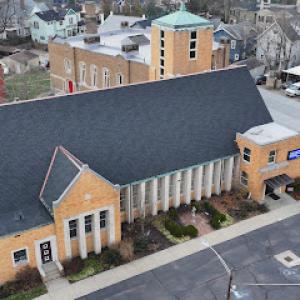
Snow Roofing Restoration
(513) 403-5208 www.snowroofingohio.com
436 Granny Smith Ln, Middletown, Ohio
4.8 from 98 reviews
Trusted by homeowners in Southwest Ohio, Snow Roofing Restoration is dedicated to providing top-tier roofing solutions. Our highly skilled Project Managers specializes in delivering a professional roofing experience tailored to your safety, comfort, and peace of mind. From comprehensive roof installations, Snow Roofing Restoration is here to make sure your roof is installed perfectly. With unmatched customer service, transparent communication, and a commitment to excellence, Snow Roofing Restoration ensures that your new roof will stand the test of time and weather the elements, giving you confidence in choosing them as the ultimate roofing partner.
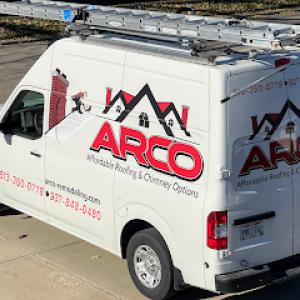
ARCO Roofing & Chimney
(513) 780-4422 www.arcoroofing.us
6202 Hamilton Middletown Rd, Middletown, Ohio
5.0 from 26 reviews
ARCO is an acronym for Affordable Roofing & Chimney Options. We specialize in Asphalt Shingle Roofing, Rubber Roofing, & Masonry Chimney Repairs & Rebuilds. We have been serving the Cincinnati & Dayton areas for 20 years now and have about 800 reviews on Angie's List, and even more reviews can be found on Home Adviser and Google. Veteran-owned company.

Redemption Home Improvement Specialist
(513) 388-8147 redemptionpros.com
Middletown, Ohio
5.0 from 25 reviews
We specialize in roofing and seamless gutter systems, including storm and insurance -related work. We provide a thorough inspections, detailed documentation, and professional installation. We also fabricate continuous gutters on-site and offer leaf protection upgrades. Fully Licensed, insured, and Google Guarantee.
Ohio Roof Unlimited
(513) 290-1755 ohioroofunlimited.com
Middletown, Ohio
5.0 from 19 reviews
Ohio Roof Unlimited is your go to roofing, siding and gutter company. We are a family owned and operated business serving the Greater Cincinnati and Northern Kentucky areas. We pride ourselves in providing great quality, quick communication and getting your home repaired in a timely manner.
Weather Guard Roofing Company, L.T.D.
(937) 609-9956 www.weatherguardroofingoh.com
Middletown, Ohio
5.0 from 17 reviews
Weather Guard Roofing provides commercial roofing, residential roofing, roofing repairs, gutters and downspouts services to the Waynesville, OH area.
Tier-1 Roofing & Exteriors
(513) 295-3487 tier1roofingandexteriors.com
Middletown, Ohio
4.7 from 23 reviews
Tier-1 Roofing and Exteriors specializes in delivering top-notch commercial and residential roofing, siding, exterior maintenance, and insulation services. Our expertise covers a broad range of materials and styles, including EPDM, TPO, asphalt, and more for roofing; vinyl siding, LP Smartside, and HARDIE Board for siding; and comprehensive solutions for gutters, insulation and ventilation. We also excel in creating beautiful outdoor spaces with our deck, gazebo, and pergola constructions, alongside high-quality concrete and asphalt paving for driveways, patios, and sidewalks. Serving Greater Cincinnati, Northern Kentucky, Dayton, and surrounding areas, we are committed to excellence and customer satisfaction.
Kingdom Roofing & Home Improvements
(513) 571-2173 www.kingdomroofing.co
1601 S University Blvd suite b, Middletown, Ohio
4.4 from 40 reviews
Kingdom Roofing & Home Improvements, located in Middletown, Ohio, excels in top-notch roofing and home improvement services for both homes and businesses. Our expertise lies in utilizing superior materials and craftsmanship for durable and exemplary roofing, alongside comprehensive interior and exterior remodeling to boost your property’s functionality and appearance. We aim to surpass expectations, recognizing the critical role a sturdy, quality roof plays in your property’s integrity and value. Our professional team is committed to delivering lasting satisfaction through their skilled work, ensuring your property receives the care and excellence it deserves with Kingdom Roofing & Home Improvements.
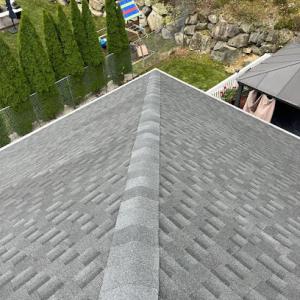
Poudink Roofing - Best Cincinnati Roofing Company
(513) 802-1668 www.poudinkroofing.com
Middletown, Ohio
4.7 from 7 reviews
Poudink Roofing is a roofing contractor based in Cincinnati, Ohio. We offer roof installations, roof repair, and roof maintenance as our main services for both homes and businesses. Specializing in installation, repair, and maintenance, we offer comprehensive remodeling services to ensure the durability and safety of your property. We are committed to being the best Cincinnati roofing company, always available for all your roofing needs. Our services go beyond conventional hours, as we are available 24 hours a day, 7 days a week. Trust us to protect and beautify your home or business with the quality and care you deserve.
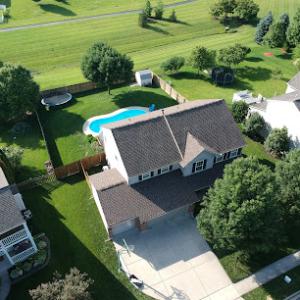
Homefront Construction
Middletown, Ohio
4.2 from 5 reviews
Welcome to Homefront Construction, LLC, your certified and reliable roof contractor in Dayton, OH and the surrounding areas. We have over 10 years of experience and are committed to building or remodeling your roof to precisely fit your specifications, a task which we complete efficiently and expediently.
Middletown's pattern of cold winters and repeated freeze-thaw cycles is a primary local lifespan factor for roofing systems. Water-soaked or snow-soiled roofing materials can expand as temperatures drop, then contract when a sunny day returns, stressing seams, flashing, and fasteners. The effect compounds over years, especially on softer underlayment and materials with limited elasticity. In practice, expect shingles, tiles, and metal components to bear more wear in climates where a few days of warm sun alternate with subfreezing nights. Building stock in town-many homes with aging flashing, moderate slope designs, and midrange roofing products-faces these stresses in a way that generic guidance does not fully capture.
Winter snow and freezing temperatures narrow the practical installation window and can push borderline roofs into emergency-repair territory before full replacement is possible. When snow sits on the roof, meltwater can refreeze at eaves, creating ice dams that lift shingles and push water under the seam. In Middletown, the freeze-thaw cycle often sets up a cycle of minor leaks that seem manageable until a heavy thaw or new snowfall shifts the balance again. Roof sections adjacent to vents, chimneys, and skylights tend to be the most vulnerable, because movement in flashing and sealants is amplified by cold-to-warm conditions. If a leak appears during a mid-winter thaw, treat it as a sign to survey flashing joints and potential gutter overflow points. Prolonged exposure to repeated cycles without timely repair accelerates degradation of underlayment and fasteners, sometimes forcing earlier-than-expected replacement decisions.
Warm summers following winter stress create expansion-and-contraction wear that is especially relevant for shingle sealing, flashing movement, and tile cracking risk. Asphalt shingles can lose some of their edge seal if winter damage was present but not fully repaired, while metal roofing expands and contracts with heat, potentially loosening fasteners or misaligning panel laps. Clay and concrete tiles, when installed in a winter-stressed system, may develop micro-cracks that widen with seasonal heating. In practical terms, you'll notice that a roof performing well through late fall can show new signs of movement or minor leaks by late spring, even if no storm event occurred. The local climate makes it sensible to prioritize flashing inspection and resealment after winter into early spring, before summer heat compounds lingering vulnerabilities.
Watch for granule loss in asphalt shingles after winter storms, loose or displaced flashing around vents, and any soft or sagging underlayment visible from eaves. Tile roofs should be checked for hairline cracks and displaced grout lines at ridges, where freeze-thaw cycles have the most leverage. Metal panels may exhibit fastener looseness, paint chipping, or panel buckling after cold snaps followed by warm days. If a leak is detected, address it promptly with a targeted inspection of the area and an assessment of whether a temporary patch is needed while planning a longer-term fix or replacement. A proactive approach minimizes the risk of weather-driven emergency repairs during harsh months.
In late fall, plan a thorough inspection focusing on flashing around chimneys and vents, edge seals, and any previously repaired sections. After winter's worst, re-check the same components and consider resealing or replacing worn seals before heat days intensify movement. For tile roofs, inspect for cracked or loosened tiles after storms or heavy snow events; for asphalt, remove heavy debris to prevent meltwater pooling. Keeping a local, timely maintenance cadence helps extend lifespan amid Middletown's characteristic freeze-thaw and storm cycles.
Typical Middletown pricing runs about $350-$650 per square for asphalt shingles, $700-$1200 for metal, $1500-$3000 for clay tile, $900-$1800 for concrete tile, $600-$1200 for wood shingles or shakes, and $600-$1100 for synthetic or composite shingles. These ranges reflect the mix of stock on older homes and the newer architectural designs found in the area. When a home already has more complex roof geometry-like multiple valleys, dormers, or hip-and-valley configurations-the per-square cost tends to climb, especially for heavier tile or metal systems. If a roof has determine-to-replace features such as skylights, reinforced decking, or upgraded underlayment, those line items push the total higher, sometimes by several hundred dollars per square.
Costs in Middletown can rise after regional storm activity because a contractor market already oriented toward repairs and re-roofing sees demand spikes. When wind or hail events occur, crews get booked solid, materials can surge, and emergency-responses can commandeer scheduling slots. If a claim is involved, contingency pricing may appear as crews juggle insurance timelines with labor availability. In practice, the result is a slower start to projects and, occasionally, a premium for expedited work. Those weather-driven shifts are most noticeable in late spring through early fall, when storm frequency and intensity peak and the local supply chain strains to meet demand.
Scheduling season matters locally: spring rain delays, summer heat and humidity, fall weather swings, and winter freeze conditions all affect labor efficiency and project timing. In spring, persistent rain can push tear-off and deck work back, especially on homes with antiquated underlying materials. Summer heat can slow crew productivity and affect shingle installation windows, while fall brings shorter daylight hours and a tighter window before winter sets in. Winter weather sharply disrupts exterior work, extending the project timeline and sometimes increasing the risk of moisture intrusion if temporary measures aren't carefully managed. A practical approach is to plan for a mid-season start to avoid peak heat and the late-season rush that follows a major storm event. This pacing helps ensure more predictable crew availability and reduces the chance of rushed work that could compromise warranty coverage.
Asphalt shingles remain the most common choice for mid- to lower-budget projects, given their balance of cost and performance in freeze-thaw cycles. Metal roofing, while higher in upfront cost, can offer long-term durability and better wind resistance for the region, which may translate to lower maintenance costs after a severe storm. For older homes with historic or stylistic constraints, concrete or clay tile deliver a distinctive look but require more substantial deck and clearance considerations and sit at the higher end of the price spectrum. Wood shingles or shakes provide a rustic appearance but demand careful maintenance to resist moisture and pests in seasonal humidity. Synthetic or composite shingles offer a middle ground, combining durability with more flexible installation options.
Don't let upfront costs delay a critical repair - these contractors offer payment plans to fit your budget.
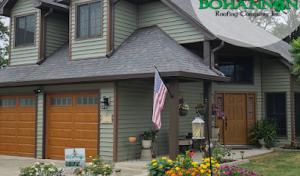

A full re-roof in Middletown typically requires a permit. The city's climate, with freeze-thaw cycles and spring storms, makes proper permitting even more important to ensure the roof's fasteners, underlayment, and flashing are up to current standards. If the project involves replacing sheathing or changing the roof's slope or venting details, the permit process becomes even more critical to verify structural compatibility and drainage compliance. The Building Department uses the permit to keep a record of work and to ensure the installation aligns with local codes that address storm exposure and aging materials common to the area.
The permit application is generally handled by the contractor through the City of Middletown Building Department. For homeowners dealing with storm damage or sudden leaks, your contractor can begin the process on your behalf, but it's wise to stay involved and verify that the correct scope of work is reflected in the permit. Ask for copies of the submitted plans, any required material specifications, and a timeline that matches the expected weather windows, since long, wet springs can delay inspections and extend the project.
Inspections occur during the work and a final inspection is required after completion to verify installation and code compliance. Scheduling can be sensitive to weather, so coordinate with the contractor to anticipate each inspection point-typically at roof deck installation, underlayment/ice barrier placement in colder months, flashing, and final cover. In Middletown, inspectors will look for proper fastening patterns, flashing around chimneys and vents, and correct placement of hips, ridges, and vent boots to withstand the local wind and hail patterns. If a storm-related repair is being added to an existing roof, ensure the permit scope clearly reflects both the repair and any upgrade to meet current code requirements, which helps prevent delays at final inspection.
Because storm events drive repair demand, neighborhoods can see quick turnarounds but also rushed workmanship. Confirm that the contractor's scope includes proper ice and water shield in vulnerable valleys and along eaves, especially on older homes with mixed roofing materials. In homes with attic condensation concerns or venting inadequacies, use the permit phase to align on attic ventilation and roof-to-wall flashing details. After a final inspection, you'll receive a certificate of compliance and, in some cases, a punch list item from the inspector-address these promptly to avoid follow-up visits. Keep all permit paperwork accessible during future storm responses; it can smooth insurance coordination and any necessary repairs in the future.
Asphalt shingles remain the dominant choice for a large portion of Middletown roofs, fitting well with the local re-roof market. You'll want a shingle that can shrug off hot Ohio summers and still hold up through the winter freeze-thaw cycles that come with each year. Look for products with good thead-through mineral granule protection, a broad temperature tolerance, and a warranty that covers hail impact and wind uplift common after spring storms. If your home has a lot of tree cover, consider darker shades carefully because heat buildup can accelerate aging; lighter colors reflect more sun and can help with energy use while still offering solid protection against wind-driven rain.
Metal options are a meaningful local choice for homeowners prioritizing long-term durability during Ohio's storm seasons. Metal roofs shed rain quickly, resist impacts, and cope well with high winds, which makes them appealing after a mid-winter hail event or a summer thunderstorm spree. Installation is a critical step-consistent fastening, proper sealing at ridges and penetrations, and careful panel alignment matter more here than with asphalt. If you choose metal, plan for a professional assessment of attic venting and insulation to prevent condensation and ice-dams from forming in severe winters. A metal roof can also pair well with modern underlayment and integrated solar considerations if those become appealing later.
Tile and wood options appear in the local market, but the freeze-related cracking risk and installation complexity elevate the importance of material-specific expertise. Clay and concrete tiles can offer excellent longevity and a distinct look, yet they require a roof deck that's perfectly prepared to support weight and with a skilled crew to ensure proper underlayment detailing and fastener spacing. Wood shingles or shakes deliver a traditional, warm appearance but demand precise maintenance and moisture control to minimize warping and rot over time. Synthetic or composite shingles provide a middle ground, with better impact resistance and a lighter footprint than traditional tile or wood, though installation still benefits from a seasoned, local crew familiar with seasonal temperature swings and the way fasteners behave in cold snaps.
The most popular roofing material in the US. Find pros who install, repair, and replace asphalt shingles.
ARCO Roofing & Chimney
(513) 780-4422 www.arcoroofing.us
6202 Hamilton Middletown Rd, Middletown, Ohio
5.0 from 26 reviews
Roof damages from hail or high winds can play out very differently depending on the carrier, the age of the roof, and the material used. Asphalt, metal, and tile each respond differently to freeze-thaw cycles and storm impact, so two neighboring homes with similar damage can end up with different repair decisions and approvals. Before committing to repairs, understand that what one adjuster approves for replacement may be treated as a repair or dismissed altogether by another. This is not a uniform process, and outcomes hinge on the particular policy language and the roof's current condition.
Some Ohio policies layer deductibles by cause, meaning separate amounts may apply for hail versus wind events. If a claim spans both wind damage and hail impact, the deductible structure can influence whether a repair is pursued or a full replacement is recommended. Before authorizing any work, verify how your policy handles these deductibles and whether the contractor is factoring them into the scope of the claim. Clear expectations up front reduce surprises during settlement.
Because adjuster inspections are commonly expected after storm events, you should keep date-stamped photos, contractor findings, and any temporary repair records. Documentation helps substantiate the severity and scope of damage if the initial assessment changes. Store these records in a predictable, organized place and share them promptly with both your insurer and the contractor. Timely, transparent communication can prevent delays and misinterpretations during the claim process.
Connect with contractors who help homeowners navigate the claims process from damage assessment to final approval.
WOODS Roofing & Exteriors
(513) 320-9517 www.woodsroofingexteriors.com
4619 Bonita Dr, Middletown, Ohio
5.0 from 54 reviews
Skylight service appears often enough in Middletown's contractor market to merit dedicated attention rather than treating it as a rare specialty. In freeze-thaw cycles, sealant joints around skylights crack and flashing can lift where roof pitches meet daylight openings. Look for white or dark staining around the curb, especially after a heavy storm or rapid temperature swing. When leaks show up, the first step is to confirm whether water is entering at the curb flashing, the field around the skylight, or the sealant at the glass perimeter. A temporary tarp helps keep interior damage down while a pro assesses.
Chimney-related work is a noticeable part of the local contractor landscape, which matters because flashing transitions are common leak points during freeze-thaw seasons. The step-by-step check starts with the base of the chimney where flashing should lap over the roofing material. Look for loose or deteriorated booting, rust-colored streaks, or moss growth along the masonry joints. Counter-flashing where the chimney meets the metal flashing should be tight to the substrate; any gaps invite water intrusion during spring storms. If a chase cover is corroded or loose, wind-driven rain can penetrate even a solid mortar joint.
In storm-repair-heavy markets, leaks through penetrations and flashing details can appear long before any roof-wide failure. When a leak is found, document the affected area with photos, contain drips with temporary tarps or buckets, and schedule a targeted flashing or sealant repair rather than delaying for a full roof replacement. A careful, timely fix on skylights and chimneys often prevents larger interior damage.
Find contractors experienced in skylight installation, flashing, and leak repairs to bring natural light into your home.
ARCO Roofing & Chimney
(513) 780-4422 www.arcoroofing.us
6202 Hamilton Middletown Rd, Middletown, Ohio
5.0 from 26 reviews
Weather Guard Roofing Company, L.T.D.
(937) 609-9956 www.weatherguardroofingoh.com
Middletown, Ohio
5.0 from 17 reviews
Flat and low-slope roofing is a meaningful specialty in Middletown's contractor market even though the city is not dominated by flat roofs overall. The wetter spring periods bring thunderstorm-driven surges of rain, and standing water on low-slope sections can linger longer than you expect. That lingering water exposes drainage weaknesses, seam failures, and the potential for hidden leaks to develop behind walls and under eaves. You should plan for extra attention after a heavy rain event, especially if the roof serves additions, porches, or a detached garage with mixed-slope lines.
Middletown homeowners with additions, porches, garages, or mixed-slope rooflines should not assume the same contractor crew handles low-slope details well. Ask specifically about experience with parapet and curb flashings, scuppers, interior edge drips, and membrane transitions to steeper sections. If your project touches both flat and pitched areas, verify that crews coordinate details across all interfaces rather than treating them as separate jobs. A mismanaged transition is a common source of leaks that only shows up after a heavy downpour.
Clear drainage paths before the first thaw and after major rains. Inspect gutters, downspouts, and any concealed drainage lines for obstructions that could back up water onto the low-slope plane. Pay attention to the roof's edge details where a porch or garage extension meets the main roof, as those junctions are frequent leak points when flashing or sealant ages. In rain-driven seasons, proactive eye-checks and timely resealing can prevent surprises that show up only after a storm.
Find specialists in TPO, EPDM, and built-up flat roofing systems for residential and commercial properties.
Weather Guard Roofing Company, L.T.D.
(937) 609-9956 www.weatherguardroofingoh.com
Middletown, Ohio
5.0 from 17 reviews
Tier-1 Roofing & Exteriors
(513) 295-3487 tier1roofingandexteriors.com
Middletown, Ohio
4.7 from 23 reviews