
Last updated: Apr 19, 2026
Youngsville sits in Lafayette Parish within south Louisiana's hurricane-exposed insurance market, so wind-driven rain and post-storm leak claims are a primary roofing concern. The combination of hot Gulf humidity, heavy rains, and seasonally strong winds means shingles can lift, flashings crack, and attic spaces take on moisture quickly. In this climate, a small leak today can become a larger interior issue tomorrow if left untreated. Act with speed: a sudden roof intrusion during a storm or in the immediate aftermath can mean trapped water, stained ceilings, and more widespread structural stress in the roof deck.
June through November is the key risk window, and local replacement timelines can stretch after regional storms because demand spikes across the Acadiana area at the same time. When a storm hits, crews rush in from multiple parishes, and roofing supplies can sag in supply for days or weeks. If a leak is spotted, prioritize a temporary seal to slow water intrusion while you coordinate a longer-term repair plan. Delays aren't just inconvenient; they allow moisture to penetrate sheathing and fascia, increasing the chance of rot and mold in the attic and ceilings.
In this area, wind-driven rain often finds its way under ridge caps, around vents, and along eave lines, with damage creeping from the top down. Shingle edges may curl or lift, underlayment can blister, and metal flashing around chimneys or valleys may corrode or separate. Soaked insulation and damp plywood become a real risk if the storm's impact isn't addressed promptly. In some homes, extended exposure to humidity accelerates the deterioration of wood components, even if the visible damage seems limited at first glance. Expect rapid changes after the initial storm surge: moisture may show up days later as staining or musty odors in ceilings and walls.
Louisiana insurers expect detailed damage documentation, adjuster review, and, in some cases, wind-mitigation-related paperwork before approving full replacement. Start gathering evidence the moment conditions stabilize: dated photos from multiple angles, close-ups of lifted shingles, roof deck exposure, gaps around vents, and any interior signs of water intrusion. Keep a simple log of storm dates, rainfall amounts (if you can obtain them locally), and any temporary repairs you perform to slow leaks. Your goal is to present a clear, consolidated file that narrates both the external roof condition and any interior impact, so the adjuster can see the full scope without chasing missing details.
Coordinate with your roofer to produce a concise damage appraisal that highlights urgent leak sources and sections at risk for cascading failure. If wind-mitigation measures were present or newly installed, ensure those details are documented as well, since insurers may review these factors when determining replacement eligibility or coverage scope. After the initial report, expect follow-up inspections; have a clean path for access to the attic and roof lines, and designate a single point of contact for the claims team to avoid conflicting assessments. If a temporary repair is necessary, document the fix with date-stamped photos and notes, so the insurer understands what was done and why.
Act quickly to tarp or seal obvious leaks, but avoid risky DIY fixes that could void coverage or cause further damage. Schedule a documented screening of the entire roof onset, prioritize vulnerable areas like valleys and chimneys, and prepare the claim materials so the adjuster can move efficiently. In this climate, proactive communication with the roofer and the insurer shortens the path from assessment to restoration, reducing the chance of extended exposure and secondary damage.
Find local contractors experienced in assessing and restoring roofs after hail, wind, and severe weather events.
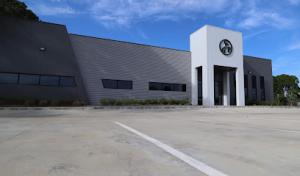
Pelican Roofing Company
(337) 703-4515 pelicanroof.com
5801 Ambassador Caffery Pkwy, Youngsville, Louisiana
4.8 from 622 reviews
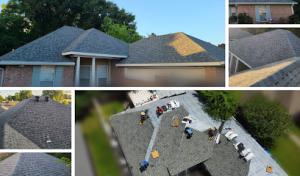
Prime Roofing & Construction
(337) 257-1626 www.primeroofingandconstruction.com
Serving
5.0 from 26 reviews
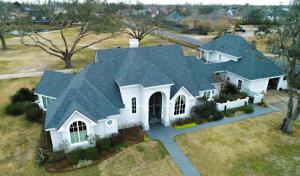
Pelican Roofing Company
(337) 703-4515 pelicanroof.com
5801 Ambassador Caffery Pkwy, Youngsville, Louisiana
4.8 from 622 reviews
Pelican Roofing has been offering comprehensive residential roofing services for shingle, metal, and flat roofs in Lafayette, Louisiana since 2014. Our commitment to customer satisfaction and superior workmanship means we deliver only the highest quality roofing products and services to ensure better value and long-lasting results. As a residential and commercial roofing contractor, we have an A+ BBB rating and were the winners of the 2019 BBB Integrity Award. We are also a Platinum Owens Corning Contractor and a Diamond Level Atlas Contractor. In addition to storm restoration, we offer gutter installation, metal roofs, asphalt roofs, shingle roofs, flat roofs, and roof coatings. Trust us for all your roofing needs.
Roof Armor & Construction
204 E Angus Dr, Youngsville, Louisiana
5.0 from 26 reviews
Family owned and operated Louisiana based roofing company. We pride ourselves with quality work and customer service. It is our mission to provide excellent workmanship and complete customer satisfaction to maintain our reputation has being a trusted roofing company in south Louisiana. Whether a repair or full replacement, we can service all your roofing needs. Call us today to set up an appointment with for a free roof inspections or free estimates.
Prime Roofing & Construction
(337) 257-1626 www.primeroofingandconstruction.com
Serving
5.0 from 26 reviews
We are a locally owned, Insured, and Licensed Roofing and Construction company with the knowledge to shingle your roof using metal or architectural shingles. We can also help with any home repairs and fencing jobs you need done.
A&A Roofing & Construction
(337) 366-6559 www.aagenconstruction.com
Serving
5.0 from 15 reviews
Louisiana Roofing and Construction Experts. A&A Roofing and Construction serves the Baton Rouge & Lafayette areas. Providing commercial and residential roofing, gutter installation, and remodels. A&A provides the following services from roof replacement, roof repair, roof coating, seamless gutter installation, gutter repairs, and general exterior and interior construction. A&A is here to work with you and your insurance companies to provide the best roofing and construction services in Louisiana.
Sibley construction
(337) 330-2213 sibleyconstruction.com
Serving
5.0 from 22 reviews
Sibley Construction Services is an experienced leader in damage restoration, roofing, and general contracting. Backed by more than 70 years of combined experience, Sibley specializes in delivering quality-driven, cost-effective home construction and restoration services.
Benoit's Roofing
(337) 371-9930 benoitsroofing.com
Serving
4.7 from 43 reviews
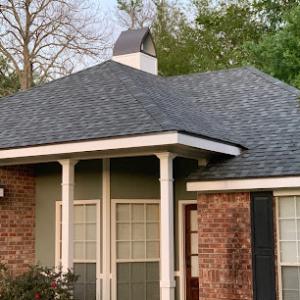
Benoit's Roofing specializes in roof replacements and new construction.
Best Choice Roofing
(337) 545-2831 bestchoiceroofing.com
Serving
5.0 from 301 reviews
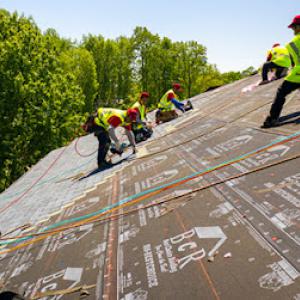
Best Choice Roofing is your trusted roofing expert and the Best Choice when it comes to choosing a Lafayette & Southern Louisiana roofing company with a commitment to impeccable customer service and expert roof replacement, roof repairs, and custom roofing services. In business since 2009, Best Choice Roofing’s industry-leading contributions to the roofing industry include a customer-first mentality, a dedication to top-quality products and a leadership team focused on the growth of its people. Because of this framework, we have created a loyal base of customers all over the United States.
Colorwheel Roofing Company of Lafayette
(337) 547-3783 choosecolorwheel.com
Serving
4.9 from 61 reviews
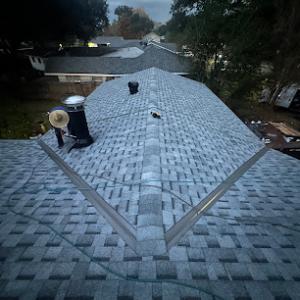
Discover Colorwheel Roofing Company, Lafayette's premier destination for top-tier roofing and construction services. This locally owned and operated company, established in 2023, offers comprehensive solutions for both residential and commercial properties. From expert roof replacements and repairs to skilled general construction and kitchen and bath remodeling, Colorwheel handles every project with an unmatched level of quality and expertise. With a focus on service, they specialize in a wide range of materials, including shingles, metal, tile, and flat roofing products, ensuring every property receives durable and beautiful results.
JHebert Roofing
(337) 469-5428 jhebertroofing.com
Serving
4.9 from 91 reviews
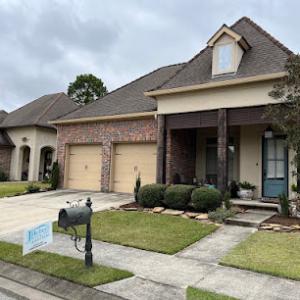
Afraid that your roof won't hold up against strong storms? Instead of losing sleep at night over your roof's condition, get in touch with J Hebert Roofing, LLC ASAP. Our roofing company will go above and beyond to restore your roof. You'll breathe easy knowing that your roof is in excellent hands.
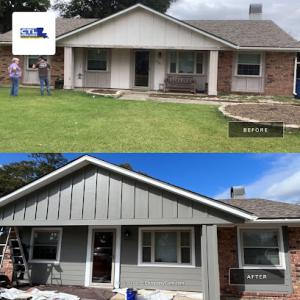
CTL Roofing
Serving
4.8 from 81 reviews
Welcome to CTL Pro Construction, your one-stop-shop for roofing in Broussard, LA! With over 15 years of combined experience, we’re your trusted allies when it comes to handling your roofing needs. We’re known for having a dedicated team of project managers who focus on quality control and maintenance of our work. We keep a strong relationship with our distributors, in fact, we’re Atlas Roofing distributors, allowing us to provide our customers with both, top-quality products and services. Our goal is to make homeowners feel at ease with insurance claims and adjusters.
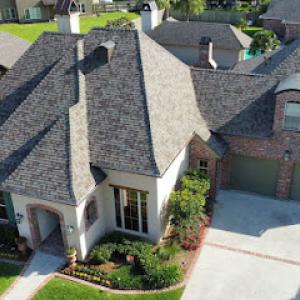
Eagle Roofing & Construction
(337) 200-4314 www.myeagleroofing.com
Serving
4.7 from 100 reviews
Eagle Roofing & Construction offers residential roofing, commercial roofing, construction services, and pest prevention and insulation in the Acadiana, LA region.
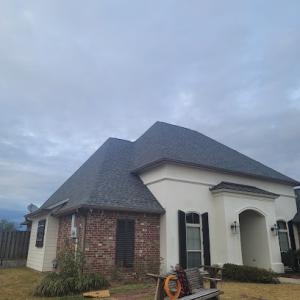
C.R. Trahan Contractors
(337) 330-2390 crtrahancontractors.net
Serving
5.0 from 12 reviews
C.R. Trahan Contractors, Inc is a veteran owned, state licensed general contractor offering contracting services for 30 years in residential and commercial construction. We specialize in roof replacement and restoration, servicing all of Louisiana. We are a fully insured company with an A+ rating with the Better Business Bureau. Finalists of BBB 2021 Good Neighbor Award and BBB’s 2022 Customer Commitment Award and is one favored contractor for the Diocese of Lafayette.
Asphalt shingles sit as the local price baseline at 350 to 600 USD per square, a range that reflects the breadth of homes typical to the area. Metal and tile systems rise sharply in cost in this market, especially after storm events when demand spikes and subcontractor crews focus on urgent repairs. In the wake of hurricanes or widespread wind damage, material availability can tighten quickly and scheduling can stretch weeks beyond the usual timeframe. That pressure tends to show up both in quotes and in the pace of crew rotations, so expect variability in start dates and completion timelines after a major storm.
Storm-driven demand does more than shift prices; it moves what gets offered first. After a hurricane or strong wind event, roofers prioritize emergency leak work and insurer-approved replacements, often bundling upgrades into the bid to minimize callbacks. In practice, that can mean higher mobilization fees, more rapid fulfillment of premium underlays and synthetic underlayment, or expedited orders for wind-rated shingles and mechanically attached systems. For homeowners with high-end builds or steep architectural profiles, costs can jump further due to added labor time and the need for advanced flashing details, secondary water barriers, and upgraded ridge lines.
Youngsville's mix of newer suburban homes and higher-end builds means cost variability is common. A straightforward, single-story, simple hip roof will track closer to asphalt baseline with modest add-ons for attic ventilation or drip edge. But steeper slopes, more complex ridges, or patchwork repairs from prior storm damage push prices upward. If insurers require or you choose wind-resistance upgrades-like thicker underlayment, enhanced fastener schedules, or sealed roof-to-wall connections-expect corresponding increases. Tile systems, whether clay or concrete, are particularly sensitive to roof geometry: larger or irregular footprints demand more layout planning, additional tiles for cuts, and more time on the scaffold, all translating into higher per-square costs.
During storm aftermath, insurers scrutinize repairs for proper wind resistance and adherence to documented standards. Choose materials and methods that align with common insurer expectations in the region: wind-rated asphalt shingles, synthetic underlayment, and tested fastener schedules. Keep a detailed record of the roof's before-and-after condition, including photos from multiple angles, measurements of roof area by square, and a clear material list with manufacturer specifications. If a claim requires, assemble a dated log of contractor communications, scope of work, and any temporary tarping or dewatering actions. Such documentation helps prevent delays and supports faster approval for replacement or repair work.
In practice, asphalt shingles begin around the 350-600 USD per square baseline, with noticeable jumps when a complete re-roof is needed and storm-demand accelerates scheduling. Metal can run toward the higher end, 700-1100 USD per square, while clay and concrete tiles can push past 900-1500 USD per square depending on complexity and access. Synthetic or composite shingles typically range 700-1100 USD per square, offering a middle ground with better wind performance. When comparing bids, weigh not just the sticker price but the proposed wind resistance, underlayment quality, and the contractor's ability to schedule promptly in the months following a surge.
Get a clear picture of your project costs upfront - no commitment required.
In this part of the parish, a full roof replacement follows a practical, code-driven path that keeps homeowners and neighbors protected through heavy rains and hurricane season. A full roof replacement in Youngsville typically requires a building permit handled through the local parish building department rather than an informal over-the-counter reroof process. That process reflects the town's commitment to consistent wind-rated installations and a documented record that can be reviewed by insurers and lenders. Knowing that ahead of time helps you coordinate with your chosen contractor and avoid last-minute delays when weather windows are brief.
The contractor generally submits the reroof scope for review, and inspections commonly occur at tear-off, during installation, and at final completion. This sequence mirrors the parish's emphasis on verifying that old decking is sound, that new underlayment and flashing are installed correctly, and that any penetrations-such as vent pipes and attic access points-are properly sealed. In practice, the process starts with the permit application, which should include a detailed scope of work, roof plan, and material specifications. A thorough scope helps prevent miscommunications that could trigger rework during inspections, particularly on projects where high winds and persistent humidity accelerate wear on fasteners and sealants.
During tear-off, inspectors will look for any damaged or rotten decking and confirm that the roof deck is prepared for the new layer. If rotten spots are found, they must be repaired or replaced before the project continues. Mid-installation checks focus on the alignment and fastening pattern of the chosen roofing system, the integrity of eave and rake details, and a careful assessment of flashing around chimneys, valleys, and penetration points. The final inspection confirms that all components meet local codes and that the installation performs as a cohesive system designed to resist wind uplift and water intrusion. Keeping organized records-photos of tear-off milestones, material receipts, and contractor certifications-helps smooth the final review and provides a ready reference if future insurance questions arise.
Because this is a hurricane-exposed Louisiana market, some reroof projects also involve insurer-facing documentation tied to wind mitigation or proof of compliant installation. Insurance companies frequently request wind-rated fastening details, attic ventilation considerations, and, when applicable, skylight or vent placement documentation that demonstrates adherence to wind-resistance standards. In practice, that means your contractor should be prepared to provide engineering notes, product approvals, and installation certificates that align with the municipality's adopted wind design criteria. Having these documents ready can streamline insurer reviews after a storm and may support more favorable claim handling should wind-driven rain or flying debris cause damage in the future.
Coordinate installation timing with the parish schedule and potential weather windows to avoid delays caused by seasonal backlogs. Request a pre-inspection walkthrough with your contractor prior to submitting the permit so that decking, underlayment, and flashing details are finalized in advance. Keep your property accessible to inspectors-clear gutters and decks so they can reach eaves, vents, and flashings without obstruction. If your property is part of a homeowner association or a historic district, confirm any additional approvals before submitting the parish permit to avoid red flags that could derail the inspection timeline. Finally, maintain a tidy project site with organized waste management and clear paths for inspectors; a well-documented, orderly job reduces delays and supports a smoother transition from tear-off to the final inspection.
Open lines of communication between you, the contractor, and your insurer are crucial when storm-season risk is high. Share interim inspection notes and any changes to the scope promptly, especially if upgrades are added to address wind mitigation or moisture control. A proactive approach helps ensure that the documentation aligns with both parish requirements and insurer expectations, reducing the chance of later disputes over installed materials or compliance status.
Youngsville's hot, humid subtropical conditions push asphalt systems to age faster than in milder zones. Expect more rapid granule loss and curling if ventilation and underlayment aren't up to par. In practical terms, you want a ridge-to-ridge ventilation plan that keeps the attic air moving, paired with a high-quality underlayment and algae-resistant shingle options common to south Louisiana. When inspecting, look for curling edges, missing granules, and dark streaks that signal moisture and algae growth. If you're not sure about ventilation adequacy, have a local contractor check soffit intake versus roof exhaust to prevent heat buildup that accelerates wear.
Metal has strong local relevance because homeowners here often weigh longer service life and wind performance against a higher upfront cost. In Youngsville, a metal couple of panels can shrug off heavy rains and hurricane-season gusts better than many other systems, provided the installation is solid and the deck is dry and sound. Standing-seam options tend to shed wind better and resist leaks around fasteners when properly sealed. The key practical note is to prioritize corrosion-resistant finishes and correct sealing at penetrations and flashings, since salt air and humidity can challenge metal over time. If the budget allows, a longer warranty and better wind-rated configurations pay off in this climate.
Clay and concrete tile are less common but appear on some newer or custom homes; they handle heat well but add weight and require a solid structural check. Tile can tolerate humidity if the underlayment is appropriate and the installation uses proper batten systems. Wood shingles and shakes show up on a few character homes, yet they demand meticulous ventilation and moisture control to prevent rot in this environment. Synthetic shingles offer a compromise, mimicking visuals of natural materials with improved underlayment compatibility and decay resistance suitable for humid summers.
In a region where hurricane-season wind exposure matters, you want a system that can be inspected quickly after a storm. Keep a simple maintenance log, photograph attic ventilation and flashing after major storms, and confirm algae-resistant products are used in the original install or during repairs. For any material, ensure the roof's fasteners and seals remain tight, and prioritize products and installers that understand Youngsville's climate and coastward humidity.
Explore specialists in steel, aluminum, and standing seam metal roofs built to last 50 years or more.
Pelican Roofing Company
(337) 703-4515 pelicanroof.com
5801 Ambassador Caffery Pkwy, Youngsville, Louisiana
4.8 from 622 reviews
Prime Roofing & Construction
(337) 257-1626 www.primeroofingandconstruction.com
Serving
5.0 from 26 reviews
Milder, drier periods are generally the best time to schedule reroofing in this area because extended summer heat can complicate installation and shorten workable crew windows. In practice, the days between late fall and early spring tend to keep crews on track, with less risk of heat-related delays and fewer extensions from heat-stress on underlayment and sealants. The goal is to lock in a solid block of dry days, a predictable crew schedule, and clear access for material deliveries without the humidity-driven glare that slows progress.
Frequent spring and fall storms in this part of Louisiana can interrupt tear-off and dry-in schedules even outside peak hurricane season. Storms bring sudden downpours, high winds, and muddy lots, which can stall work and complicate weather-tight installations. If a storm system moves through, crews will shift priorities to tarping and securing exposed areas, which can push back planned milestones. Plan for buffer days and keep a flexible rollback plan so an expected start date doesn't become a rushed, last-minute scramble.
Homeowners trying to avoid emergency replacement pressure should plan before June, when hurricane-season demand and weather risk begin to rise. Early planning helps secure preferred crews and truck access before a flood of urgent projects hits the market. It also aligns material deliveries with favorable weather gaps, reducing the chance of start-stop cycles caused by back-to-back storms. If possible, set your reroofing window in late winter or early spring, then keep the calendar a touch elastic to accommodate any late-wall repairs or deck work that might surface after inspections.
In this climate, a roof's ventilation, underlayment, and flashing must withstand hot Gulf humidity and driving rain. Expect crews to check attic baffles, ridge venting, and drip edge as part of the tear-off, with attention to the fast-moving weather fronts that can be common in the area. Communication with the contractor about anticipated storm activity helps keep the project aligned with the realities of the local pattern, reducing the chance of storm-related holdovers. This approach supports a steady, predictable process through the seasons.
Youngsville homeowners operate in Louisiana's high-claim property insurance environment, where hurricane exposure has led to tighter underwriting and more scrutiny of roof condition. The combination of hot Gulf humidity, frequent heavy rain, and seasonal winds means insurers want to see a roof that is sound not just for this year but for the next several seasons. If your roof is aging or shows storm history, anticipate closer attention to renewal terms and deductible exposure, and be prepared for discussions about repair versus full replacement rather than automatic approval of a renewal.
Older roofs or roofs with prior storm history may affect renewal terms in ways that are meaningful when you're planning the next policy year. A carrier might flag higher deductibles, request more documentation, or push for more conservative repair strategies instead of a full replacement. That can influence not only the price tag you see on renewal notices but also how quickly a claim is processed after the next storm. Understanding where your roof stands before the renewal date gives you leverage to discuss options with your insurer, and to align expectations with what the adjuster is likely to review.
Detailed photo records, contractor inspection reports, and proof of completed work are especially important in this market because adjuster visits and documentation requests are common. Start assembling a clear, dated narrative of your roof's condition, including any invasive leaks, wind damage, or hail marks. After a storm, coordinate with a licensed inspector to generate a formal report, then retain receipts for materials and labor. When the file is complete, you reduce the risk of delays and second-guessing during adjuster review, and you strengthen your position for a timely, fair settlement. Keep digital backups of everything and share them promptly with your insurer.
Connect with contractors who help homeowners navigate the claims process from damage assessment to final approval.
Pelican Roofing Company
(337) 703-4515 pelicanroof.com
5801 Ambassador Caffery Pkwy, Youngsville, Louisiana
4.8 from 622 reviews
Prime Roofing & Construction
(337) 257-1626 www.primeroofingandconstruction.com
Serving
5.0 from 26 reviews
Newer suburban builds in this area often hinge on a few trouble spots where care in flashing and detailing matters as much as the chosen material. Valleys, pipe boots, and wall intersections are frequent culprits when workmanship isn't consistent or flashing wasn't integrated with porch or window transitions. In homes with modern truss layouts and tighter budgets, small gaps around penetrations can turn into slow leaks after the first heavy rain or a fast-moving storm.
Wind-driven rain from the Gulf humidity season tests roof details quickly. Expect the most visible signs near valleys where two slopes meet, around vent pipes where seals age, and at transitions from the main roof to a standing or recessed porch roof. The typical peak of May through October can push water sideways along shingle lines and into eaves if overhangs were not finished with proper drip edges or kick-out flashing. Wall intersetions behind gutters or at boxed bays may reveal hidden seepage after a strong gust.
Because quick-response service is a strong local contractor signal, homeowners here often prioritize fast leak containment and cleanup after storms rather than waiting for a full reroof decision. That approach buys time to document damage for insurers and to decide on a targeted fix. When rain returns, safe temporary measures-covering exposed penetrations, drying damp areas, and tarping only where access is feasible-can limit secondary issues like mold or warped ceiling materials while a plan is formed.
After a storm, inspect for damp spots near vents, along the seams where roof-to-wall transitions occur, and at any visible misalignment around porch edges. Note any shingle lifting or loose flashing, and document with dates and photos. If moisture is detected indoors, act quickly to dry the area and limit further intrusion while arranging a professional assessment focused on the leak source rather than a full roof replacement.
When you can't wait, these contractors offer fast response times to stop leaks and prevent further damage.

Shingle Solutions LLC (Roofing & Construction)
(337) 513-0777 www.shinglesolutions.com
Serving
5.0 from 23 reviews
In Youngsville, steep-slope residential roofing dominates the skyline, yet there is meaningful demand for flat and low-slope work on additions, patio covers, and mixed-use structures. When planning these areas, the emphasis should be on how they drain, how they respond to heavy rain, and how they hold up during hurricane-season wind events. This is the part of your roof system where the wrong slope or outdated details can turn a minor leak into a large, storm-related problem, so think of these sections as a separate, specialty concern within the home.
Heavy rain and humid south Louisiana conditions make drainage details especially important on lower-slope sections. Ensure transitions from steep to low-slope surfaces are engineered to promote positive drainage toward designed outlets. Porches and additions should feature functional drip edges, properly pitched deck membranes, and clear paths for water to reach scuppers or gutters without ponding. Consider exterior-grade coatings only after the surface has been fully prepared; failure to address surface irregularities can trap water and accelerate membrane wear. When you discuss plans with a contractor, request a water-flow plan that shows rain events, potential overflows, and how the structure will shed water away from living spaces.
Homeowners comparing repair versus replacement on these roof areas may encounter coating or restoration options from contractors active in this market. For low-slope decks and porches, coatings can extend service life, but must be compatible with substrate and climate. If a coating is chosen, verify the substrate is properly dry, cleaned, and primed, and confirm that the product carries a warranty suitable for hurricane-season exposure. In many cases, targeted repairs to seams, fasteners, and flashing can buy time, but a full replacement paired with a modern low-slope membrane system often provides better long-term protection against driving rain and wind-driven water infiltration.
Choose a contractor who regularly handles flat or low-slope additions and who understands how these areas interact with the surrounding structure. Ask for project references that include similar porch or addition work, and ensure documentation covers membrane details, flashing integration with existing roofs, and maintenance recommendations. For storm readiness, request written maintenance plans and inspection checklists you can share with your insurer after a heavy rain or hurricane event. Keeping clear records helps you document damage promptly and supports smoother processing should a claim be needed.
Find specialists in TPO, EPDM, and built-up flat roofing systems for residential and commercial properties.
Pelican Roofing Company
(337) 703-4515 pelicanroof.com
5801 Ambassador Caffery Pkwy, Youngsville, Louisiana
4.8 from 622 reviews
Prime Roofing & Construction
(337) 257-1626 www.primeroofingandconstruction.com
Serving
5.0 from 26 reviews
Colorwheel Roofing Company of Lafayette
(337) 547-3783 choosecolorwheel.com
Serving
4.9 from 61 reviews
After a storm, homeowners in this market sort contractors by storm response speed, whether cleanup is included, and whether the company is locally owned or long established in the Acadiana market. When hail, driving rain, or wind damage hits, you want a crew that can be on-site quickly, tarp exposed areas, and start documentation for insurers without delay. Local firms that prioritize rapid mobilization and clear cleanup plans tend to minimize secondary damage from standing water and debris early in the process.
Because reroofing is the dominant contractor activity locally, homeowners should expect many bids focused on replacement rather than small repair-only scopes. It's common for storms to drive insurers toward full roof replacement in the most affected neighborhoods, especially when decking or underlayment show moisture or damage. Ask for a line-item breakdown that clearly shows deck inspection, underlayment, flashing, and vent work. If a bid leans toward patching, request a second bid that outlines an approved repair-to-replace path with a transparent justification.
Manufacturer certifications, licensing, insurance, and written warranty terms matter more in this market when insurer documentation and post-storm accountability are part of the job. Verify that the contractor's certifications align with the product lines you're considering, and insist on written warranty terms that specify coverage for workmanship and applicable material failures. Request a photos-and-dates ledger of pre- and post-storm conditions, plus a detailed recovery plan that includes tarp placement, debris removal, and temporary protection until final work begins.
In Youngsville, crews typically stage near the worksite with secure tarping and material storage to keep driveways clear and minimize mud and debris during heavy rains. Expect a thorough walk-through with the project supervisor to identify vulnerable areas-valleys, penetrations, and transitions from roof to walls. Insist on a clean workspace policy and daily progress updates, so you have a clear record for insurer claims and any potential follow-up work.
Free estimates are a visible feature of the local roofing market, and that transparency is especially useful when comparing storm-related scopes and insurer-required documentation. You can expect a few contractors to come through with quick, no-pressure assessments after a storm, but use those visits to verify the exact scope of work you'll need for dry-in, repairs, or a full replacement.
Because regional weather can delay starts, you should ask for realistic scheduling tied to season, permit timing, and inspection sequencing in Lafayette Parish. Plan for potential weather holdouts after heavy rain or hurricane season, and factor in possible delays when coordinating with insurers. Have a concrete arrival window and a staged plan: emergency dry-in first, then temporary repairs if needed, followed by the full replacement once conditions and approvals line up. Clarify how crews will manage storm debris, tarp installation, and any interior mitigation so you aren't surprised by a compressed timeline.
Written scopes should clearly separate emergency dry-in, repair, and full replacement so homeowners can coordinate with insurers and avoid duplicate charges. A clear document helps you track what is being billed as temporary versus permanent work, and it makes it easier to reference during the claim review. In Youngsville, the right scope also notes when a dry-in remains in effect during a longer project, and who is responsible for securing and maintaining tarps, gutters, and exterior finishes during inclement periods. Ensure the scope includes a line-item description for overlap between repairs and replacement, so insurer audits don't flag overlapping work as double billing.
Request multiple free estimates, verify each scope's stage breakdown, and set a mutually agreed schedule with built-in contingencies for weather and permit timing. Confirm who handles inspections, and maintain a single reference copy of the written scope for insurer review. Keep a log of communications and changes to the plan to support smooth claim processing and a steady repair path.
Get a clear picture of your project costs upfront - no commitment required.
The Gulf humidity, frequent rain, and hurricane-season winds create a unique stress pattern for your roof. In this area, moisture moves through the deck and underlayment more aggressively than in drier inland markets, so you'll notice faster wear on attic ventilation, deck rot, and fasteners that corrode behind rusting metal components. Shingle granules wash away quicker when storms arrive with heavy rain, leaving the roof surface more exposed to sun and algae. This combination means aging here isn't just about years on the clock; it's about how long the roof has endured repeated moisture cycles and wind-driven spray.
You'll find that roof life hinges on moisture control more than anything else. A well-vented attic, continuous underlayment, and a tight perimeter seal around penetrations reduce hidden decay and ice-dams requires in colder geographies. In Youngsville, where heat and humidity push condensation concerns upward, pay attention to fastener security and flashing integrity after each storm season. A roof that manages moisture effectively will show slower degradation at edges and hips, even if the surface shows some wear from wind-driven rain.
Seasonal weather windows aren't just about a calm spell to complete repairs; they're about aligning work with the climate realities. Post-storm checks should focus on shingle lift, sealant integrity around vents, and any flashing that may have shifted during high winds. The local pattern favors proactive resealing and rapid debris removal before the next front arrives. If any weakness is detected, addressing it before the next hurricane surge minimizes repetitive moisture intrusion and makes future insurance-related documentation easier to verify.
Insurance-minded decisions here revolve around credible evidence of ongoing moisture control and timely, professional repairs rather than simply replacing aging material. Documentation that links storm events to specific roof damage, together with clear pictures of ventilation, flashing, and deck condition, tends to streamline claims. When a claim is in play, a well-maintained history of seasonal inspections can help demonstrate that the roof has been kept within reasonable moisture-management standards, reducing disputes about age alone.