Last updated: Apr 19, 2026
Rosedale sits in the Baltimore-area weather pattern where wind, hail, heavy rain, summer humidity, and winter freeze-thaw all affect when a roof should be repaired versus fully replaced. The risk of a small leak turning into a pervasive interior issue climbs quickly when the season shifts and storms roll in. In this neighborhood, the decision to replace or repair hinges not only on cosmetic wear but on whether underlying flashing, underlayment, and deck integrity have held up to repeated exposure. The window you choose for a full replacement matters because the storm-driven stresses that arrive with every season shape how well a new roof will perform during the next round of weather.
Spring storms and hail can expose older shingle damage before replacement season, which makes pre-project condition documentation especially important for Baltimore County homeowners filing claims. After a hail event, a quick, thorough inspection becomes a critical step. Capture clear photos from multiple angles, including close-ups of granule loss, lifted edges, and any cracked or missing shingles. Note the date, wind direction, and the storm's intensity. Keep a simple log of what you see day by day as moisture makes its way into attic spaces or around vents. This documentation helps avoid disputes later and gives you a stronger footing when meeting with adjusters and contractors.
Because year-round precipitation is substantial in the Baltimore region, delaying replacement after storm damage raises the risk that flashing and underlayment problems turn into interior leaks. Even when shingles appear superficially intact, the underlayment can be compromised by wind-driven rain and freeze-thaw cycles. A roof that seems "fine" on the surface may be quietly letting moisture into the deck, attic, or ceiling. When winter comes, freeze-thaw cycles can widen existing gaps and create new leaks around chimneys, vents, and skylights. Acting sooner rather than later reduces the chance of costly interior repairs and emerging mold concerns.
Your goal is to secure a durable, insurance-friendly outcome without sacrificing quality. Start with a professional, on-site evaluation from a contractor experienced with local weather patterns and Baltimore County expectations. Ask for a written assessment that differentiates between repair and replacement needs, with specific attention to flashing integrity, underlayment condition, and deck soundness. If replacement is recommended, request a clearly staged plan that prioritizes critical areas first and shows how the project will handle potential weather interruptions. Insist on a mutually agreeable timeline that minimizes exposure to rain during work and ensures proper drying before the next cold snap.
Create a damage-response kit for quick deployment after storms: a camera or smartphone for photos, a dated diary of observations, and a list of trusted local contractors with a proven track record in leak prevention and flashing repair. If a contractor identifies flashing or underlayment issues, ask for a written report detailing the extent of the damage and the expected life of the current installation. In claim conversations, highlight any recurring leaks, attic ventilation concerns, or signs of water intrusion around penetrations. This focus on proactive documentation and timely evaluation helps align storm-driven needs with an insurance-ready replacement plan.
As the weather pattern continues to push through each season, anticipate that your roof's condition can shift quickly after a strong event. The best path is to establish a clear post-storm inspection routine, secure prompt, independent assessments, and keep the dialogue with your insurer and contractor open and documented. A well-timed replacement when the damage supports it can deliver a leak-free performance through the next bout of wind, hail, and rain, while buying you peace of mind as winter approaches.
A full roof replacement in Rosedale generally requires a building permit through Baltimore County's Department of Permits, Approvals and Inspections rather than a city permitting office. Start by confirming that the project scope calls for a full replacement rather than a repair or minor alteration. Your contractor should submit the permit package, which typically includes the scope of work, project drawings, and compliance details for the chosen roofing system. Be prepared for the county to review whether the existing structure can support the new materials, especially if gaiters or vents are being upgraded or relocated.
County inspections are integrated into the roofing workflow. A final inspection is required to verify flashing, underlayment, and ventilation meet code before the job is considered complete. This means that during replacement, your roofing crew will expect at least one or more inspections during critical milestones-such as after tear-off, after underlayment installation, and after final shingle or tile installation but before the job is deemed finished. Coordinate access with your contractor and ensure the site is safe for inspectors to move around the attic and roof deck to review ventilation and insulation details.
Because Rosedale is an unincorporated Baltimore County community, homeowners should expect county-level review and scheduling rather than a separate municipal roofing permit process. Plan ahead for a potential holding period between permit issuance and the start of work, as county schedules can shift with weather and permit queue length. Align your project timeline with anticipated storm seasons, since delays on permit review can impact when critical weather windows are available for a leak-prevention retrofit or full replacement. Communicate clearly with your contractor about who handles the submission uploads and how inspector callbacks will be arranged.
Preparation is the key to passing the final inspection without rework. Ensure that flashing details around chimneys, vents, and roof penetrations are installed to code and that the underlayment is properly lapped and fastened according to manufacturer and county requirements. Ventilation must meet the code's minimum standards for attic airflow, so confirm that soffit and ridge vents are properly integrated if you're upgrading insulation or adding attic fans. The county will check that roofing materials meet local wind and impact standards where applicable, so discuss any high-wind or storm-related upgrades with your contractor beforehand.
Keep a dedicated folder of all permit-related documents, including approval letters, inspection notices, and any addenda requested by the county. If a revision is required-such as changing material type, vent locations, or roof pitch adjustments-have your contractor submit updated plans promptly to avoid inspection delays. After the project is complete, the final inspection should be scheduled promptly so that the permit can be closed out in a timely fashion. Clear communication with the contractor about inspection dates helps minimize the risk of a stalled project due to a missed callback or a non-compliant detail.
Avoid starting a replacement before the permit is approved and active; doing so can trigger penalties or required rework. Do not assume a municipal permit process exists in this area; rely on Baltimore County's schedule and submission requirements. If unusual attic moisture or ventilation concerns are present, address them early-inspections will scrutinize these elements closely, and a robust plan reduces the chance of post-inspection rework. Your local roofer should be comfortable navigating the county's expectations and can guide you through the permit package with attention to flashing integrity, underlayment, and ventilation-critical elements for a durable, insurance-ready roof replacement.
Asphalt shingles are the practical backbone of most re-roofing projects in this market. They align well with the typical housing stock found in Baltimore County neighborhoods and respond predictably to the region's wet, storm-prone climate. When rain comes hard and a leak is suspected, asphalt's familiar installation patterns, rapid repair options, and widespread familiarity among local crews make for a smoother, faster response after a storm event. For homeowners focusing on reliable leak prevention without overhauling the entire roof structure, asphalt shingles provide a balanced mix of performance, availability, and ease of maintenance. In many cases, choosing higher-performing asphalt options with asphalt-saturated underlayment and quality flashing is enough to improve long-term resilience in the face of repeated wet weather.
Metal roofing occupies a clear niche for homeowners who prioritize durability against repeated wet-weather exposure and the need for rapid shedding of rain and winter precipitation. In a storm-driven climate like this, metal can offer better resistance to wind-driven rain and can reduce the likelihood of water backing up at vulnerable seams. If the roof experiences frequent freeze-thaw cycles, metal's lower susceptibility to ice damming under proper installation can be appealing. However, installation quality matters greatly: the flashing, fasteners, and panel alignment must be precise to prevent leaks in seam-heavy areas. For homes with complex roof lines or substantial overhangs, a well-installed metal system can deliver extended service life with relatively straightforward maintenance, provided the substrate and ventilation are adequately prepared.
Tile, wood shake, and synthetic shingles exist in the market, but this area's freeze-thaw stress, moisture exposure, and installation complexity amplify the consequences of a misstep. Clay and concrete tiles, while offering distinctive curb appeal and long life, are heavy and demand a solid roof deck and precise flashing details; in a region with freeze-thaw cycles, cracking or loosening can become recurring issues if the substrate isn't prepared for the load and if seasonal moisture moves are not accounted for. Wood shakes bring a natural look but require diligent maintenance in a wet climate to prevent rot and insect damage, and their performance hinges on proper sealing and ventilation. Synthetic or composite shingles can emulate the look of the more premium options while offering easier installation and sometimes enhanced moisture resistance, but their long-term behavior under steady Maryland humidity and temperature swings needs careful evaluation. In short, these options can be suitable for specific aesthetic goals or retrofit situations, but material selection should be tied to the roof's structural readiness and the ability to manage moisture around fasteners and penetrations.
In this climate, successful roof material choices start with the roof deck and flashing plan, then consider the expected storm load and the ease of future repairs. Homes with aging underlayment, corroded gutters, or compromised penetrations benefit from prioritizing a system that minimizes the chance of leaks between seasonal cycles. When choosing beyond asphalt, think about how the alternative interacts with attic ventilation, insulation, and the local pattern of heavy rains and occasional snow. Wherever possible, select a system that allows rapid inspection after storms and straightforward resealing if needed.
Whatever you choose, plan for targeted, material-specific inspections after major storms. Asphalt shingles require careful inspection for lifted tabs and flashing integrity; metal roofs benefit from examining seam seals and fastener washers; tile and wood shake demand attention to cracked components, broken fasteners, and moisture tracking around roof penetrations. A proactive maintenance plan tailored to the chosen material helps sustain performance through the region's wet seasons.
In this neighborhood, costs aren't just about shingles and labor. Local pricing is influenced by Baltimore County permit requirements and inspection coordination, which add process steps beyond simple tear-off and install labor. Storm-driven demand spikes in the Baltimore area can push scheduling pressure and pricing, especially after wind and hail events that generate many simultaneous repair calls. When a strong storm hits, you'll often see crews juggling several jobs at once, and lead times for materials can stretch as suppliers catch up. This means a project that might normally sit on a quiet calendar can shift into a tight, multi-week window, with pricing reflecting the surge in demand.
Costs in this area also vary by whether the home needs standard asphalt re-roofing or more specialized work. Asphalt shingles remain the most common, with affordable, predictable pricing, but if your roof has unique features or requires additional layers, the math changes quickly. For a straight asphalt tear-off and re-install, expect the lower to mid end of the local market range. If a project includes metal, tile, or integrated skylights, you're looking at higher budgets and a different scheduling rhythm as specialty trades come into play. The market prices you'll see align with the statewide ranges, but the exact figure will hinge on the roof's complexity, slope, and any integration work that might be required to ensure proper drainage and flashing in this wet Mid-Atlantic climate.
Standard asphalt re-roofing remains the most predictable path for homes with typical layouts and no specialized add-ons. In contrast, homes with metal, clay or concrete tile, or those incorporating skylights and low-slope sections require more planning, more care during installation, and tighter coordination with measurements, underlayment choices, and flashing details. In Rosedale, storm history matters: after a significant wind or hail event, contractors may queue new projects into a busy period, which can push both start times and totals higher. For homeowners weighing replacement timing, alignment with weather windows becomes a practical decision: avoid installing into expected heavy rain, then plan for a window that allows for clean underlayment work and proper flashing inspection during the mid-season lull.
Start with a conservative estimate using the broad ranges for the chosen system, then add a contingency for delays driven by weather and scheduling surges. If you're considering specialized materials, get two quotes that break out material costs, labor, and any specialty installation steps. This helps you compare apples to apples when a storm-impacted contractor is juggling multiple calls and timelines. Here in the local market, clear communication about sequencing, expected lead times, and potential delays can save you surprises once the crew is on site.
Toro Contracting
(443) 943-3007 torocontractingrllc.com
8002 Pulaski Hwy, Rosedale, Maryland
5.0 from 32 reviews
Toro Contracting is a roofing contractor based in Rosedale, Maryland, specializing in roof repair, full roof replacement, gutter services, siding installation, and emergency roof tarp after storm damage. We provide free roof inspections, honest estimates, and insurance claim assistance for homeowners affected by wind, hail, and water damage. Our team delivers high-quality results and reliable service in Baltimore, Essex, Dundalk, Parkville, White Marsh, and nearby areas.
Empire Home Remodeling
(443) 848-8449 empirehremodeling.com
Serving
5.0 from 40 reviews
Whether it's indoor, outdoor, commercial or domestic, Empire Home Remodeling provides roofing, gutter & window services to surrounding areas in Maryland. As certified roofing contractors, we strive to bring transparency, integrity, and quality to every customer. We recognize that home renovations can be confusing and stressful, which is why we vow to educate you on the quality of the products we use, and explain what is required to complete an installation every step of the way. Feel free to contact us today!
1st Amazon C.S.LLC/ Roofing & More
(443) 804-7105 1stamazonconstruction.com
Serving
4.8 from 135 reviews
*FREE ESTIMATES* I am Licensed, Insured, Bonded, & Minority Certified with over (20) years of experience in this Industry. I offer the following services: -Roof Certifications -Roof Inspections -Roof Repairs (All Types of Roofing) -Roof Replacement (All Types of Roofing) -Siding -Gutters -Downspouts & more
Roofs Are US
Serving
4.7 from 26 reviews
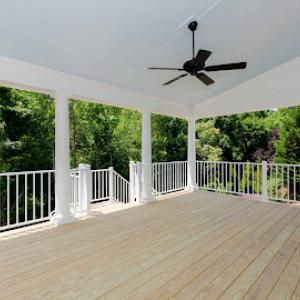
Local Roofing Contractors For Over 28 Years In Maryland. We specialize in Roof Repairs & Replacements, Siding Replacement and Deck Installations. Call Today To Schedule Your Fast & Free Estimate With Roofs Are Us!

Amazing Home Contractors
(410) 780-7663 www.amazinghomecontractors.com
Serving
4.7 from 115 reviews
Amazing Home Contractors is a family owned and operated business founded in 2005. We strive to provide the most high quality workmanship and reliable customer service. Were are committed in offering exceptional residential and commercial roofing, siding, windows and gutters. Our ultimate goal is to give 100% satisfaction to all of our customers with every job, in hopes to build long lasting relationships for years to come.
Essex Roofers
(410) 687-5382 www.essexroofers.com
Serving
4.6 from 9 reviews
Work with an established roofing company on your next home improvement project. Essex Roofers in Essex, Maryland, has always focused on providing customer satisfaction by delivering the best customer service and highest quality finished products. Our expertise, combined with a commitment to quality, has made us one of the leading roofing contractors in the area.
Aero Residential Contractors Inc.| Roofing Experts
(410) 469-1627 www.aeroresidentialcontractors.com
Serving
4.7 from 67 reviews
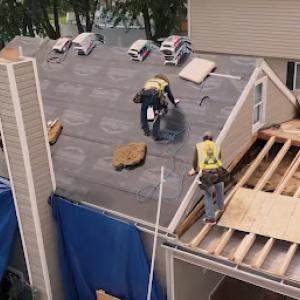
Aero Residential Contractors, Baltimore's leading roofing contractor, offers exceptional roofing installations, professional repairs, and comprehensive home improvement solutions, including home additions and custom decks. As a team of certified roofing professionals, Aero understands the importance of preserving the integrity of your home's roof and delivers unparalleled craftsmanship. With their dedication to using superior materials and employing cutting-edge techniques, Aero ensures every roof they touch receives the protection it deserves. Homeowners throughout Baltimore and surrounding areas trust Aero Residential Contractors for reliable and aesthetically pleasing roofing systems.

Tri State Exterior Design
(833) 469-7767 www.tristateexteriordesign.com
Serving
4.5 from 96 reviews
Tri State Exterior Design is a leading remodeling company in the industry, specializing in Roofing, Gutters, Siding, Windows, Doors & More! We are committed to helping you Design and Build your your dream home! If you have a project that you want to get done right and on a limited budget, then we are the company for you! Besides our awesome prices, we also offer financing with payments so low, most credit unions can’t even come close to matching the monthly payments amounts. We are dedicated to serving our community, one neighbor at a time! How can we help you?
Home Crafters Roofing & Contracting
(410) 882-7663 homecraftersroofing.com
Serving
5.0 from 2858 reviews
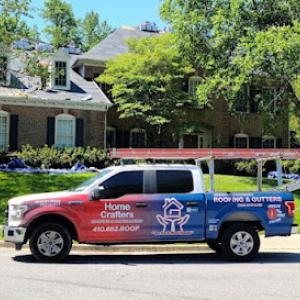
Whether your roof is leaking, looks old, or it’s damaged, having to replace or repair roofing can be stressful. At Home Crafters Roofing & Contracting, We believe that having work done on your roof should be an easy and affordable process. We perform work on residential and commercial projects in Maryland and Pennsylvania. Our roofing experts will answer any questions you may have throughout the roofing and contracting project. We offer a complete solution with quality workmanship and a variety of roofing services. If you need roofing, skylight or gutter services give us a call or set up a free appointment. With free estimates available you will know exactly what you are getting before the work starts!
New Innovative Group
Serving
5.0 from 3 reviews
Servicio Siding Roofing Gutters y mucho más
J&F Construction
(443) 704-2510 jfconstruction2020.wixsite.com
Serving
5.0 from 10 reviews
Minority owned business specialized in roofing, siding, flooring, house cleaning and maintenance. We at J & F construction are here to help and make our customers satisfied with our work. No job is too small nor to big that we can’t handle. Need free estimate call now to get set up and get an appointment with us. Roofing, siding, painting, cleaning, complete renovation, addition and new windows installations.
High Quality Roofing Home Improvement
(202) 486-7217 www.highqualityimprovement.com
Serving
5.0 from 15 reviews
At High Quality Roofing we offer Free Roof Inspections. Free estimates with no obligations. we do roof replacement and roof lo repairs, more than twenty years of experience in roofing, We’re here to answer all your question about Roofing work as Shingles Roof Flat Roof Slate Roofs Skylights -Siding Gutters and Painting. also we do Interiors…………… Check out some of our customers about the experience they had with us. Deal directly to the roofer not sales person. Our estimates is 100% free and we can take care any type of work for you. At High Quality Roofing, we also offer Interior work as additions floors painting and much more!!. SERVING WASHINGTON DC AND MARYLAND !!!!!
In Rosedale, Baltimore-area winters bring ice damming and freeze-thaw cycling that can open up vulnerable flashing joints and stress underlayment on aging roofs. When the temperature swings above and below freezing, water that snuck under shingles or around flashing can refreeze at the eaves, lifting edges and pushing against joints that were already tired. Aging roofs with worn seals, loose flashing, or compromised underlayment are particularly susceptible. After a long stretch of dry weather, those small weaknesses may not leak until a heavy thaw or another deep freeze comes through, and then suddenly a drip becomes a stain on a ceiling or a swollen attic vent.
In this climate, leak complaints often intensify after winter transitions because repeated thawing and refreezing can exploit small defects that were less visible in dry weather. A few hours of sun can melt ice behind a dam, but if the roof has any compromised point-an outdated boot, a corner flashing seal, or a sagging edge-you may notice it as moisture that travels along the deck and into the attic. On aging homes, the combination of porous underlayment and marginal ventilation means moisture lingers where it shouldn't, and small leaks become regular headaches as the seasons shift.
The county's final inspection focus on ventilation matters locally because poor attic airflow can worsen moisture and winter roof performance problems in this region. If the attic is poorly vented, warm indoor moisture can condense on cold sheathing and insulation, creating a hidden reservoir that feeds leaks once spring temperatures rise. Look for signs of excessive moisture, frost on the underside of sheathing, or damp insulation after a cold night. If you notice condensation patterns that don't align with exterior temperatures, the attic needs attention even if the surface roof looks intact.
You can mitigate risk without overhauling your roof this season. Start with a cautious attic check: confirm there's a clear, continuous vent path from soffit to ridge, and look for any signs of insulation blocking airflow near vents. Inspect flashing around chimneys, vents, and valleys when you have safe access, watching for loose seams, rust, or gaps where water could seep in. After a heavy thaw, do a targeted exterior walkaround to look for damp fascia boards, peeling paint, or fresh moss growth that hints at chronic moisture. If you have lingering leaks or repeated staining after thaw cycles, arrange a professional assessment focused on flashing integrity and attic ventilation before the next winter storm hits.
When you can't wait, these contractors offer fast response times to stop leaks and prevent further damage.

Toro Contracting
(443) 943-3007 torocontractingrllc.com
8002 Pulaski Hwy, Rosedale, Maryland
5.0 from 32 reviews
1st Amazon C.S.LLC/ Roofing & More
(443) 804-7105 1stamazonconstruction.com
Serving
4.8 from 135 reviews
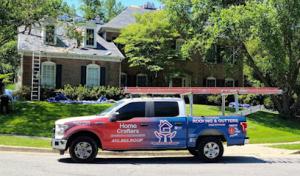
Home Crafters Roofing & Contracting
(410) 882-7663 homecraftersroofing.com
Serving
5.0 from 2858 reviews
Flat and low-slope roofing is a meaningful specialty in this market, reflecting the presence of porches, additions, garages, and mixed-roofline homes common in older Baltimore County housing stock. These areas demand a careful eye for drainage, edge detailing, and compatibility with adjoining roof planes. The wet climate makes proper slope, seams, and flashing decisions particularly critical.
Rosedale experiences substantial year-round precipitation, so drainage performance on low-slope sections matters more than on steep-slope shingles. Start with a conservative slope assessment: if water tends to pond, plan for increasing slope where feasible, or pairing with improved drainage devices. Prioritize continuous, corrosion-resistant flashings at all transitions, including valley joints, penetrations, and chimneys, to minimize leak pathways.
Roof coatings appear in the local contractor mix, indicating that some homeowners evaluate restoration options for low-slope sections rather than immediate full replacement. If a coating is chosen, ensure surface preparation is thorough: clean all debris, repair minor leaks, and verify compatibility with existing membrane and insulation. Expect coatings to be a targeted, short- to mid-term solution on portions with limited decking exposure.
Storm-driven damage often accelerates replacement decisions on low-slope areas. After a significant storm, inspect for hidden water intrusion behind soffits and under flashing. If multiple seasons show recurring leaks or deteriorated sealant, coordinate a restorative plan that blends membrane patching with upgraded edge restraints. In mixed-roofline homes, ensure transitions between low-slope patches and adjoining steep-slope sections are seamless to prevent new leak paths.
Find specialists in TPO, EPDM, and built-up flat roofing systems for residential and commercial properties.
1st Amazon C.S.LLC/ Roofing & More
(443) 804-7105 1stamazonconstruction.com
Serving
4.8 from 135 reviews

Maryland homeowners in the Baltimore area commonly file wind and hail-related roof claims after severe storms, making documentation a routine part of roofing decisions in Rosedale. After a storm, inspect the roof from ground level and note any missing shingles, lifted penetrations, or exposed underlayment. Take clear photos from multiple angles, including affected eaves, fascia, vent pipes, and chimney regions. Save weather reports and write a simple condition log with dates and observed issues. This documentation supports your claim when the insurer reviews storm-related damage.
Insurers typically want photos, a detailed condition report, and contractor estimates, and may send an adjuster before approving full replacement. Prepare a concise summary of observed damage and a list of damaged components, with the date of each storm event. Obtain a written contractor assessment that identifies affected areas and suggests necessary repairs or replacement. Keep copies of all communications, including emails, letters, and claim numbers, so nothing slips through during the adjuster visit.
While there is no uniform statewide insurer pullback, some carriers have tightened underwriting or claim scrutiny in higher-risk years, so Rosedale homeowners benefit from documenting damage immediately after storms. Schedule prompt access for the adjuster to the roof and attic, if accessible, and point out any signs of moisture intrusion or wind-driven damage. If an item is questionable, ask the adjuster to note it for follow-up rather than assuming it's negligible. Timely, thorough documentation helps prevent delays in approval decisions.
Once the claim is filed, gather multiple contractor estimates from local roofing pros who understand Baltimore County weather patterns and typical roofing materials in the area. Ask for itemized scopes of work and photos of similar repairs completed in nearby homes. Ensure the contractor's plan addresses leak prevention and flashing integrity, given the Mid-Atlantic climate. Clear communication with both the insurer and the contractor speeds up the process and supports a solid replacement decision.
Connect with contractors who help homeowners navigate the claims process from damage assessment to final approval.
Toro Contracting
(443) 943-3007 torocontractingrllc.com
8002 Pulaski Hwy, Rosedale, Maryland
5.0 from 32 reviews
Aero Residential Contractors Inc.| Roofing Experts
(410) 469-1627 www.aeroresidentialcontractors.com
Serving
4.7 from 67 reviews
Skylight installations and repairs are a strong specialty signal in this market, where homeowners frequently need roof replacements coordinated with skylight leak prevention and flashing updates. If a project includes new skylights or existing units show condensation, loose seals, or persistent drips, expect the work to cascade into broader roof tasks. Skipping proper flashing around skylights invites slow leaks that can masquerade as shingle problems, especially after heavy rains and freeze-thaw cycles. Plan for a coordinated approach that treats skylight flashing as a critical continuation of the roof's weather barrier, not a standalone add-on.
Chimney flashing is a common local focus during Baltimore County final inspections and post-storm leak investigations. A chimney is a persistent leak risk because its joints and step-flashing sit at multiple angles where moisture can track downward. If the brick is old or the mortar is compromised, water finds routes around the penetration even when the shingle field remains intact. When scheduling repairs or replacements, require flashing updates that tie into the chimney's flashing plane, step-flashing, and counter-flashing behind any new shingles or underlayment. A small failure here often becomes a larger interior nuisance after a storm.
In a region with frequent rain and freeze-thaw stress, penetrations such as skylights and chimneys are higher-risk leak points than simple field shingle areas. Penetrations demand meticulous sealing, proper flashing materials, and consistent overlapping with the roof's underlayment. Inferior details at these points can undermine a complete roof replacement and lead to recurrent leaks after the next storm. Ensure the contractor foregrounds leak prevention around skylights and chimneys in both the plan and the final inspection checklist.
After a storm, inspect skylight casings and chimney flashing for loose flashing, lifted shingles, or visible gaps. Early detection helps avoid interior damage and costly follow-ups. If water appears around a roof line after a heavy rain, prioritize targeted flashing diagnostics before moving to full-sroof interruptions, ensuring that the penetrations stay dry as the rest of the roof ages. In a market where timing and coordination matter, treat skylight and chimney work as essential, not optional, components of a reliable roof replacement strategy.
Find contractors experienced in skylight installation, flashing, and leak repairs to bring natural light into your home.
Toro Contracting
(443) 943-3007 torocontractingrllc.com
8002 Pulaski Hwy, Rosedale, Maryland
5.0 from 32 reviews
1st Amazon C.S.LLC/ Roofing & More
(443) 804-7105 1stamazonconstruction.com
Serving
4.8 from 135 reviews