
Last updated: Apr 19, 2026
Towson homeowners face wind and hail events that can lift shingles, loosen flashing, or punch through vents. When a storm passes, don't wait for interior moisture to appear before acting. After a high-wind or hail event, step safely through the attic or exterior to look for curled shingles, lifted tabs, granule-looking grit in gutters, and fresh daylight near eaves. If you see water staining, dripping, or suspect a roof opening, treat it as an active leak risk. Prioritize your safety: avoid standing on a wet or uneven roof, and arrange a temporary tarping or plywood shield as soon as it's safe to do so.
In Towson, quick tarping is not a luxury-it's a necessity before freeze-thaw cycles return. A sturdy tarp secured with flashing nails or deck screws and weighted with sandbags or bricks can stop sustained water intrusion. If shingles are blown loose or flashing is compromised, cover the affected area to minimize interior moisture migration. Keep the tarp dimensioned to extend past the damaged zone several feet to prevent wind underlayment from peeling. Recheck the tarp after a winter wind or heavy rain to ensure it remains secure.
Insurance claims in this market hinge on clear, timely documentation. Photograph the damaged roof from multiple angles, including close-ups of missing shingles, lifted edges, damaged flashing, and any interior water intrusion visible from the attic or ceiling. Note the date and the storm's rough timing, and capture surrounding property impacts (fallen gutters, dented metal, or exterior stains). Maintain a simple log of every step you take: who inspected the roof, what temporary measures were applied, and any helpful weather notes (wind speed, precipitation). Collect receipts for tarping materials or any temporary repairs, and preserve the original purchase records of the existing roof-adjusters often review age, material type, and maintenance history when deciding replacement scenarios.
Towson's market moves fast when storms hit: emergency repair crews, storm-damage responders, and insurer-liaison specialists are actively active around here. Seek a crew that can perform rapid tarping, document repair sites with professional photos, and coordinate with your insurer for claim support. If possible, arrange a temporary contact person who can be reached during off-hours; prompt communication reduces delays and miscommunication in the claims process. In many cases, a responsive local contractor will provide a documented summary of visible damage and a proposed plan for the next steps, which strongly supports claim approval.
As weather patterns return to regular Towson precipitation and winter cycles, establish a plan to monitor the roof after every major storm. Schedule a professional inspection soon after the weather settles to identify hidden damage that could worsen with freeze-thaw cycles. If leaks persist despite tarping, escalate the response with a documented claim package that includes updated photos, a dated repair log, and a written scope of temporary protections. Staying ahead with rapid response and thorough documentation helps ensure that a storm's consequences are addressed promptly and accurately, reducing the risk of interior damage and unscheduled repairs.
Towson's roof landscape isn't a one-note story. The dominant replacement market spans asphalt shingles, metal, clay tile, concrete tile, synthetic/composite shingles, and slate, a broader material mix than many suburban markets. That variety shifts how you approach a leak, a wind-damaged panel, or a hail-bruise. When a storm hits, you're not facing a single-repair scenario but a decision tree that weighs a standard shingle re-cover against a heavier, longer-lived system. In older neighborhoods with mixed-age roofs, the choice often comes down to how the structure handles weight, plus how closely you can match appearance across adjacent homes. You'll hear about matching existing profiles, flashing transitions, and seam work more often here than in areas that mostly have asphalt.
Slate remains locally relevant rather than a rare specialty, which matters because isolated repairs, matching, and flashing work are handled differently than on standard asphalt roofs. If your home has slate or a tile roof, expect more dependence on skilled tradespeople who can assess brittle edges, fractured slates, and the integrity of bedding and nails. Slate and tile lend long life, but they demand careful handling during storm response: a single cracked slate or loose tile can become a leak path quickly if not stabilized and flashed properly. The heavier weight also constrains quick-fix approaches, so permanent patching may not be sufficient in every case. Work with a contractor who can source matching slate or tile and who understands the subtleties of underlayment, fascia, and rake detailing for those materials.
The presence of tile and slate in the dominant material set means homeowners in Towson need contractors who can work on heavier, more brittle roof systems instead of assuming every house is a basic shingle re-roof. When assessing damage after a storm, you'll want a pro who can evaluate structural capacity, edge joists, and the fastening method for slate or tile. Look for crews with proven experience in nailing patterns appropriate to weight-bearing shingles and in fabricating proper counterflashing where walls meet roof lines. Ask about their sourcing for period-accurate fasteners and their plan for matching flashing profiles around dormers, chimneys, and valleys, which are more common in older neighborhoods.
Storm damage response in this market benefits from documenting every step. Start with clear photos of affected areas, close-ups of cracked tiles or displaced slate, and a grid-style overview of the roof surface to show scope. Note wind direction, hail size, and any interior signs of water intrusion around penetrations. Keep a running log of weather events and repairs attempted between assessments, and request written estimates that detail material type, compatibility with existing roof lines, and timelines for replacement versus repair. A local-focused approach means you're looking not just for a patch, but for a solution that preserves curb appeal and the roof's long-term performance across Towson's familiar streetscape.
In Baltimore County, a full re-roof project is typically handled through the county permit process rather than relying on contractor paperwork alone. The homeowner or an authorized representative should apply for the permit, with the contractor providing the project details and schedule. This is not a mere formality: the county reviews the tear-off plan, the installation method, and, later, the completed work to ensure it meets code and safety standards. The permit remains tied to the property, so the county's record reflects the work after it is finished.
Inspections are a key part of Towson roofing projects. County staff generally schedule inspections during tear-off or installation and again after completion. That means every stage where roofing materials are removed or applied may require an on-site check. Plan access for inspectors during daylight hours and coordinate with the roofing crew to keep pathways clear and safe. If a problem is found during an inspection, the crew may need to pause work to address it, which can affect the project timeline. Keeping a clear line of communication with the permit office and the contractor helps minimize delays.
Towson includes HOA-governed communities as well as older, established neighborhoods. Before materials can arrive, there is a practical overlap to navigate: county permit requirements and private covenant or architectural-review rules may both apply. Homeowners should confirm with the HOA about approved shingle types, color restrictions, and any architectural guidelines. Some associations require a separate approval process or documentation, even if the county permit is already secured. Failure to clear these could stall delivery or installation before work begins.
Expect to provide site plans or drawings showing the roof scope, including tear-off extent, anchor points, and disposal plans for old material. The county may require evidence that roofing work will not create substantial drainage or drainage-system changes that could impact neighbors. Have any prior permits or HOA approvals handy in case the inspector or association representative requests them. Collect contact information for your contractor, the roofing crew lead, and the permit inspector so questions can be answered quickly during the process.
Set a single primary contact for all permit-related inquiries and keep a written schedule with inspection dates and expected access times. If the project timeline shifts, notify both the county permit office and the HOA (if applicable) as soon as possible to avoid boundary or covenant conflicts. On a windy or storm-driven schedule, ensure secure staging and tarp protection so inspections can proceed without material damage and to minimize rework if a later inspection reveals issues.
Towson's mix of standard asphalt and premium systems like slate and tile means project pricing can swing well beyond entry-level shingle quotes. In neighborhoods with older homes, it's common to see tear-off labor and deck repairs add to material costs, especially when moisture exposure has softened or warped decking. For example, asphalt shingles sit in a practical middle ground, but premium options such as slate or tile push the per-square price higher due to handling, weight, and specialized installation requirements. When you're budgeting, plan on how the existing roof type aligns with the chosen material, because this alignment often drives the overall cost beyond the basic material price range.
Asphalt shingles generally fall in the low-to-mid range, around the 350-700 USD per square ballpark, depending on lift, warranty, and color choices. Metal roofing tends to occupy the middle-to-upper range, roughly 600-1100 USD per square, with standing-seam systems edging higher if a more decorative profile is selected. Clay and concrete tiles push higher still, commonly 900-2000 USD per square for clay and 900-1700 USD per square for concrete, reflecting heavier weight and the need for solid decking and precise underlayment. Synthetic or composite shingles offer a practical middle path, roughly 450-900 USD per square, balancing durability with a more straightforward install. Slate remains the premium option, often 1600-3000 USD per square, due to its exceptional durability but demanding cut, anchor, and weatherproofing work.
In Towson, weather patterns-winter freezes, spring rain, and summer heat-tend to influence scheduling and pace. Projects can slow when crews must plan around shifting forecasts, which can extend labor days and increase daily costs. Older homes frequently require extra teardown and safer handling protocols for heavy materials like slate or tile, including staging and waste management that aren't as pronounced with standard shingles. When a project uses premium systems, expect longer installation times and coordinated sequencing, especially if a roof edge or dormer requires careful integration with masonry or wood detailing.
Start with a material cost target based on the house's current roof and neighborhood norms, then add a contingency for deck repairs or honeycombed sheathing discovered during removal. Use the higher end of the material range if the roof already shows signs of moisture exposure, multiple layers, or a slate/tile heritage system. Finally, request a written line-item breakdown that separates tear-off, disposal, decking repairs, underlayment, fasteners, and finish flashing, so there are clear references if conditions change mid-project.
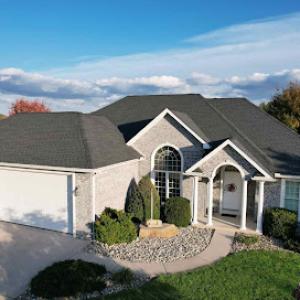
AC Matthews, Roofing & Exteriors
404 W Pennsylvania Ave, Towson, Maryland
5.0 from 140 reviews
AC Matthews is the leading roofing contractor in Towson, MD. We treat our clients like family and always go that extra mile when it comes to customer care. Our experienced roofers can take on any project, no matter the size. We are always reliable, efficient and affordable. Communication, trust and education are the three main things on which we base our work. When you choose AC Matthews as your roofing contractor, you know you are putting your property in good hands. You can rely on us for all of your exterior maintenance and repair needs. Our business is based on serving the local community. Reach out to us today and receive a free estimate for your roofing project!
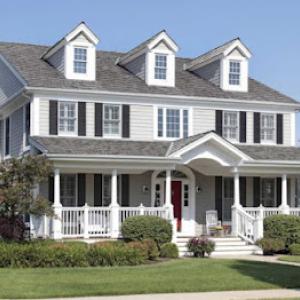
Magnum Home Services
(410) 999-5200 magnumhomeservices.com
100 West Road Suite 300, Towson, Maryland
4.9 from 104 reviews
Magnum Home Services is the best roofing contractor in Towson, MD. We are professionally trained in providing the best quality roofing services. We provide all sorts of assistance including roof installation, roof replacement, roof leak repair, and all the other types of roofing services. The services provided by our company are based on years of experience in the industry. Our excellent customer service makes us the top-notch roofing service provider in the area. Whether you are having trouble with your roof or need a new roof installation, we are the most authentic and certified company you can hire. We are known for our quality workmanship and on-time service delivery. So, you can count on us for all your needs. Call now!
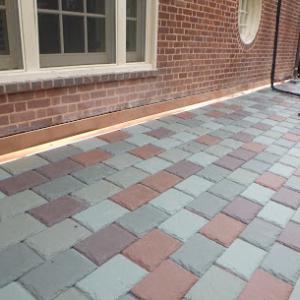
Olde World Slate Service
(443) 829-5359 oldeworldslate.com
Towson, MD
5.0 from 26 reviews
Customers first. Integrity always. This focus drives us from initial inspection to final clean-up. We hire Amish slate and copper craftsmen, and we exclusively service historic roofs/gutters. We put honesty and experience into every job. When you have good people who care about all they put their hands to, it shows. Choose experienced, proven workmanship for your historic roof and gutters, and protect your home for decades to come.
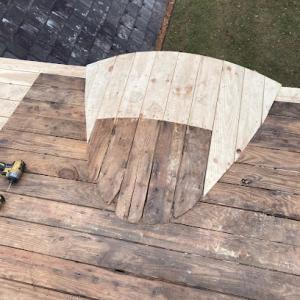
Rollins & Associates
(443) 807-3093 rollinsimprovements.com
Towson, Maryland
5.0 from 26 reviews
Rollins & Associates, a family-owned business, has transformed homes in Baltimore, Maryland, and surrounding areas through exceptional roofing, renovation, repair, and home improvement services. With a specialty in slate roofing, copper gutters, and copper flashing installations, their expertise extends to various roofing options, including asphalt, metal, EPDM, TPO, and slate, along with chimney repairs. Known for their commitment to accessibility and availability throughout every project, they've earned a reputation for delivering exceptional results, ensuring clients' satisfaction and transforming houses into stunning living spaces.
Roofing Right Now
(443) 447-7471 www.homeimprovementrightnow.com
Towson, Maryland
5.0 from 25 reviews
Roofing Right Now delivers Maryland’s best value in roofing with our $3,499 Roof Replacement Special (up to 10 SQ). Includes full tear-off, premium architectural shingles, FREE 25-Point Roof Inspection, Lifetime Workmanship Warranty and more! We don't have sales people, fancy offices, or big warehouses. Your quote pays for quality workmanship, not commissions. Backed by Home Improvement Right Now, LLC, our family-owned company proudly serves Harford, Baltimore, Cecil, Carroll, Howard & Montgomery counties. Through Flooring Right Now, we also offer expert installation of luxury vinyl plank (LVP), hardwood, laminate & tile flooring, transforming homes inside and out while delivering top-quality service at unbeatable prices.
Maryland Roofing Exteriors
(443) 454-7093 www.marylandroofingexteriors.org
849 Fairmount Ave Suite 200 #1071, Towson, Maryland
4.8 from 29 reviews
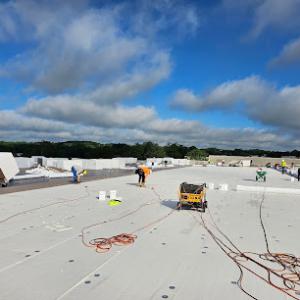
Maryland Roofing Exteriors provides services for commercial and residential roofing, decks, patios, gutters, siding, concrete, roofing inspection, and chimney repairs to the greater Baltimore, MD area.
MLM Home Improvement
8600 Lasalle Rd STE:418, Towson, Maryland
4.6 from 78 reviews
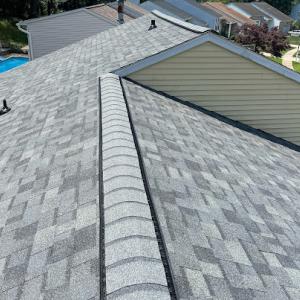
MLM Home Improvement is a premier storm restoration company specializing in full replacements for roofing, siding, and gutter systems. We offer free, no-obligation inspections and estimates to assess storm damage and provide transparent recommendations for replacement solutions. Our expert team is dedicated to delivering exceptional quality and service in every project we undertake.
Towson Roofing Pros
(410) 489-1503 www.towsonroofingpros.com
703 Kenilworth Dr, Towson, Maryland
5.0 from 2 reviews
Towson Roofing Pros is a full-service roofing company. We specialize in new roof installations, re-roofs (roof replacements), and repairs and roof maintenance. We provide inspections and roof condition certifications. Our team of roofing experts also provide new gutter installation services which can be added to your roof installation order. Towson Roofing Pros can also offer assistance with insurance claims. Call us today for a free, no-obligation estimate at (410) 489-1503.
Allied Remodeling
(410) 769-9700 alliedremodeling.com
Serving
4.7 from 1074 reviews
Since 1986, Allied Remodeling has been transforming homes across Central Maryland and the Eastern Shore with our popular $3,999 Roof Replacement Special. As a trusted roofing, siding, and deck specialist, we bring expertise and dedication to every project. Allied Remodeling provides free estimates for most projects in Anne Arundel County, Baltimore City, Baltimore County, Caroline County, Carroll County, Cecil County, Dorchester County, Harford County, Howard County, Frederick County, Kent County, Montgomery County, Prince George’s County, Queen Anne’s County, and Wicomico County.
Homelife Roofing & Remodeling
(410) 864-0178 homeliferoofing.com
Serving
4.4 from 101 reviews
HomeLife Roofing & Remodeling is a trusted roofing company serving Timonium, Lutherville, and nearby areas of Maryland. Specializing in residential roofing, the team handles everything from roof replacement to reliable roof repair. As experienced roofing contractors in Timonium Maryland, they deliver dependable roofing services tailored to each home. Beyond roofing, HomeLife Roofing & Remodeling is known among leading siding contractors, offering professional siding installation, including durable vinyl siding. Homeowners also rely on their expertise for home remodeling, with custom deck installation, deck remodeling, and skilled deck builders. Known for quality craftsmanship and dependable services. Call +1 410-864-0178.
The Delta Slate Company
(443) 310-8254 www.deltaslate.com
Serving
5.0 from 12 reviews
At the Delta Slate Company, we are all about our customers. Our first task is to assess, explain and advise on slate roofing issues, then listen. We provide expertise: a thorough knowledge of every kind of slate, its sourcing, availability and correct installation; a complete understanding of copper roofs; chimney, vent-pipe, ridge and valley flashings; sheet metal work and soldering. Our foremen and helpers are courteous and show respect toward our customers and their property. They are proud of their trade-skills and appreciate the opportunity to practice them. But without question, as a company, we work on the proven principle that what is best for our customers is always best for us.
Quality Craft Construction
(443) 297-4993 qualitycraftconstructionllc.com
Serving
5.0 from 23 reviews
Expert Craftsmanship For Your Home Qualitycraft Construction is a locally-owned and operated roofing and exterior company based in Maryland. We have provided reliable residential roofing and exterior solutions for years to protect homes from weather conditions while keeping them energy efficient.
In Towson, cold winters and regular freeze-thaw cycles can push roof projects into a narrow window. Snow events and sustained freezing temperatures can delay tear-offs, which means temporary protection and rapid leak triage become essential. Weak decking may show up after a cold snap, exposing the roof structure to further damage if not addressed quickly. For homeowners, this means planning with the crew for potential delays, ensuring safe egress and protected entryways, and recognizing that a late-season thaw can reopen access to the attic and decking for inspection. If a leak is detected after a freeze, prioritize locating the source and staging materials so the crew can resume once conditions improve. Seasonal moisture layers can also mask underlying rot, so careful inspection right after a thaw helps prevent a small issue from becoming a larger repair.
Spring in Towson brings frequent rain and gusty winds, which can interrupt installation windows and increase the risk of underlayment exposure if a project stretches into wet periods. The combination of moisture exposure and wind can cause faster deterioration of exposed roofing components, particularly on older neighborhoods with mixed materials. For a homeowner, it's prudent to schedule flexible start times around weather forecasts, arrange for tarping and water control, and plan for extended staging areas on the roof if high winds are forecast. During spring, crews may need to pause work to avoid moisture-related damage to interior ceilings and to protect attic spaces from driving rain. Clear communication about anticipated weather gaps helps keep the project on track and reduces the chance of rework caused by moisture intrusion.
Towson summers bring intense heat that affects material handling and crew pace. Heat can slow installation, affect asphalt shingle sizing, and challenge material storage on site. The consequence is that scheduling and staging matter more than homeowners may expect during peak replacement season. Plan for cooler work windows when possible, especially on rooftops that face direct sun. Ensure there is shaded staging space and a shaded, ventilated area for temporary roof decks or material stock. Proactively coordinating with the contractor about daily heat plans-dew point concerns, hydration needs for crews, and midday pause times-helps maintain consistent progress and reduces the risk of heat-related mistakes or material bowing. In all seasons, active moisture monitoring and timely leak documentation remain critical to preserve interior environments and support a smooth replacement timeline.
Maryland insurers serving Towson generally still write roof coverage, but homeowners should expect requests for detailed condition reports, date-stamped photos, and prompt notice after wind or hail damage. If a storm hits, initiate contact quickly and be prepared to provide a clear timeline of when damage was observed and how it progressed. Delays can complicate coverage decisions or eligibility for certain supports.
In Towson, claim outcomes can be influenced by the roof's age and material type, which is especially important for older asphalt roofs and for premium materials like slate and tile where repairability may be debated. Build a factual record that can be reviewed years after the event: photograph from multiple angles, include close-ups of damaged areas, and note surrounding weather conditions. Date-stamped images are essential, as are notes on any temporary mitigation steps taken to prevent further leakage.
Because Towson sees both storm-driven claims and moisture-related deterioration, homeowners need to separate sudden covered damage from long-term wear in their documentation. Keep a running ledger of leaks, mold indicators, or ceiling stains that appear after storms, and distinguish them from signs that predate the event, such as flaky shingles or granule loss. This separation helps insurers assess what portion falls under a wind or hail claim versus maintenance or aging.
In neighborhoods with older asphalt roofs and in homes featuring premium materials like slate or tile, the repairability and cost-effectiveness of options may be questioned. Prepare a concise summary of observed conditions, including roof age, any previous repairs, and visible fasteners or underlayment flags. This context can help avoid later disputes about whether a particular issue qualifies for coverage or constitutes normal wear.
Keep a centralized folder of all communications with the insurer, including adjuster names, visit dates, and reported findings. After a storm, organize and share your documentation promptly, and follow up to confirm what additional evidence the insurer requires. A well-assembled claim packet minimizes back-and-forth and supports a smoother review process.
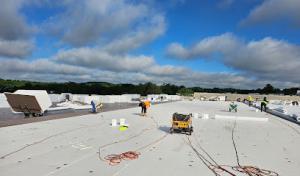
Flat-roof work is a real niche in Towson's contractor market. While many homes have pitched roofs, you'll see more low-slope sections on porches, additions, and rear-area renovations. The goal is to design a system that blends with the main roof while staying reliable through Towson's typical rainfall and winter pattern. The most important thing is drainage control: a flat or nearly flat section can pond water after a heavy rain or during melt cycles, so plan for positive drainage and proper scupper or edge detailing.
Because drainage and ponding management are central concerns, start with a thorough assessment of how water leaves the low-slope area. Inspect existing transitions between the main roof and the low-slope portion, looking for signs of differential movement, exposed fasteners, or failed sealant joints. In Towson, freeze-thaw cycles can widen those joints and push water toward the interior. Specify a graded substrate, robust edge flashing, and a weatherproof membrane that resists pooling. If a parapet or edge wall exists, ensure it is adequately flashed and terminated to prevent wind-driven leaks during storms.
Mixed-roof homes require careful material differentiation between the main roof and the low-slope addition. A practical approach is to select a membrane or low-slope assembly that pairs well with the primary roofing material without creating thermal or expansion mismatches. In mixed-roof scenarios, the contractor should outline compatible fasteners, flashing transitions, and an inspection plan that separately tracks the performance of the low-slope add-on from the main roof. The goal is a cohesive system that behaves as a single drainage plane rather than two competing surfaces.
Develop a focused inspection routine after wind and hail events, with checks specifically aimed at low-slope sections. After storms, look for unusually standing water, micro-shingle or membrane punctures, and degraded flashing at transitions. Document any damage with photos from multiple angles and keep a running history of repairs. This documentation is especially helpful for storm-related insurance discussions and for sustaining the integrity of the addition over time.
Find specialists in TPO, EPDM, and built-up flat roofing systems for residential and commercial properties.
Maryland Roofing Exteriors
(443) 454-7093 www.marylandroofingexteriors.org
849 Fairmount Ave Suite 200 #1071, Towson, Maryland
4.8 from 29 reviews
Quality Craft Construction
(443) 297-4993 qualitycraftconstructionllc.com
Serving
5.0 from 23 reviews
Skylights in Towson neighborhoods often signal a higher likelihood of leak trouble around roof penetrations. When a storm hits, a small skylight issue can cascade into moisture that travels along rafters and into attic spaces. If you notice condensation, interior staining, or damp insulation near a skylight curb, treat it as a leak hotspot rather than a cosmetic fix. In this market, experienced roofers will focus on precise flashing, proper sealing around the curb, and weight-matched materials to keep the penetration from becoming a secondary leak path after wind-driven rain.
Chimneys and their flashing are frequent leak drivers in the Towson housing stock, where masonry intersections meet a variety of roof types. Cracked mortar, damaged step flashing, or loose cap shingles can allow wind-driven rain to flow down into attic spaces. If flashing appears wrinkled, stained, or blown out at the sides or base, avoid temporary band-aids. Durable repairs rely on careful integration with the existing roof plane, matching mortar tones where visible, and re-seating or replacing flashing in a way that respects surrounding shingles or tiles.
On slate, tile, or older shingle systems, repairs around skylights and chimneys demand extra care. Matching material color, texture, and thickness matters as much as the flashing details themselves. A repair that ignores the surrounding roof surface can create new leak paths or uneven transitions that invite future water intrusion. Expect longer lead times and a tighter fit when the underlying roof materials are historic or weathered; the goal is a seamless junction that sheds water rather than traps it.
After wind or hail events, document every visible sign of damage-peeling flashing, lifted shingles, cracked masonry joints, and interior moisture patterns. Take dated photos from multiple angles, especially around skylights and chimneys. When you file for insurance, include a concise map of affected areas, noting how each leak point connects to penetrations or flashing details. A clear record helps adjusters prioritize repairs and reduces back-and-forth during the claim process.
Find contractors experienced in skylight installation, flashing, and leak repairs to bring natural light into your home.
AC Matthews, Roofing & Exteriors
404 W Pennsylvania Ave, Towson, Maryland
5.0 from 140 reviews
MLM Home Improvement
8600 Lasalle Rd STE:418, Towson, Maryland
4.6 from 78 reviews