
Last updated: Apr 19, 2026
In this corner of the Baltimore region, hot, humid summers and cold winters with regular precipitation press on roofs year after year. Asphalt shingles in particular take a beating from the alternating heat and moisture, while mature neighborhoods bring shade patterns that keep some sections damp longer than others. The result is uneven aging: some sections look fine while neighboring areas show wear from sun exposure or wind-driven rain. Understanding how the local climate accelerates aging helps you time inspections and plan proactive maintenance before issues deepen.
Older hillside homes in the area often settle into a mix of materials, from asphalt re-roofs to rare slate or tile on more historic structures. In Catonsville, freeze-thaw cycles in winter stress roofing materials and tighten the replacement window. Cracked or curled shingles, granule loss, and softened edges are common early signs after several seasons of humidity followed by cold snaps. Ventilation becomes a bigger issue as the attic traps more moisture during humid summers, and attic spaces that are poorly vented let heat and moisture accumulate, speeding the breakdown of underlayment and decking. Keep a mental map of your roof's trouble spots: shaded, moss-prone sections under large trees often age faster than sunlit ridges.
Effective ventilation is the quiet workhorse of Catonsville roofs. In mature neighborhoods, leaf buildup and tight attic spaces can reduce airflow, leading to higher attic temperatures in summer and condensation in shoulder seasons. Regularly inspect vents, soffits, and baffles for obstructions from leaves or insulation. Flashing around chimneys, skylights, and dormers needs annual scrutiny; winter storms and freeze-thaw cycles can loosen seals, allowing slow leaks that degrade decking from the inside out. When you spot peeling sealant or lifted flashing, address it promptly with proper replacement materials and correct sealant choices for the Maryland climate. Keeping gutters clear also matters, because backed-up moisture robs roof edge flashing of a clean drainage path and invites rot.
Replacement timing hinges on how fast aging signs accumulate and how narrow winter windows become due to weather. In Catonsville, the ideal range to plan roof work typically runs from early fall through late fall or early spring-avoiding peak winter freezes and the wettest weeks of spring. The goal is to complete major work before the coldest part of the year or before the first heavy rains of spring, when driving rain can complicate installations. If the attic reveals persistent moisture, efflorescence on sheathing, or a noticeable drop in insulation effectiveness, treat those as signals to schedule assessment sooner rather than later. The right moment balances the needs of replacing damaged components, ensuring proper venting, and avoiding long stretches of exposure to winter weather.
Autumn is the practical turning point in this climate. Leaf and moisture buildup on roofs and in soffits is a real issue in Catonsville's mature districts. Before winter, perform a focused cleaning: remove leaves from gutters and around roof edges, check for signs of standing moisture in the attic, and confirm that attic vents are clear. During this season, inspect for shingle granule loss and for any small leaks around flashings that could turn into bigger problems with a hard freeze. A proactive autumn check helps you avoid wintertime surprises and keeps ventilation and moisture control aligned with the season's demands.
Storm damage in this corner of Maryland can strike quickly and exhaustively. Spring storms and hail events are a stated seasonal risk for this market and can affect both existing roofs and newly installed systems. After a gusty event, moisture can seep into vulnerable spots around flashing, vents, and edges, especially on older homes with mature tree cover where branches rub and granules rub away. In the hours after a storm, the picture on the roof can shift fast: shingles lifted by wind, granule loss exposing the underlayment, and hidden leaks that only show up once indoor humidity climbs. A rapid assessment matters because delayed response compounds damage, raising the risk of interior mold and ceiling stains that escalate repair costs.
If a storm has recently passed, start with safety and containment. Check for active leaks inside the home first-ceiling stains, warped paint, or damp patches on walls near the attic access. On the roof, look for lifted or missing shingles, especially around valleys, skylights, and vents; pay attention to any curling edges that might indicate age or wind damage. Tarps or temporary leak barriers are essential if you see active water entry, but avoid climbing onto a damaged roof alone. If you must inspect, use a sturdy ladder with a helper and avoid touching compromised areas where shingles are torn or nails are exposed. Document everything with photos from ground level and, if safe, from the attic showing gaps in underlayment or daylight through the roof deck.
Maryland homeowners insurance markets see periodic hail and wind events that drive roof claim activity in the Baltimore area, making post-storm documentation especially important in Catonsville. Gather incident details: dates, wind speeds if known, hail size, and any accompanying weather reports. Photograph all affected areas, both exterior and interior-close-ups of damaged roofing components and wide shots of the overall roof surface. Create a log of repair requests and any contractor communications, including who provided temporary tarping, what materials were used, and approximate timelines. If an emergency repair is needed, keep receipts and note the exact conditions that required immediate action; this supports a smoother claim review and reduces back-and-forth with insurers.
The local contractor signal mix shows unusually strong demand for emergency repair and storm damage work in Catonsville, indicating homeowners here often need rapid tarping, leak control, and damage assessment after weather events. When selecting a responder, prioritize firms with verifiable storm-damage experience, demonstrated quick on-site response, and transparent communication. Ask for before-and-after photos from recent local projects and references from neighboring streets that share similar roof types-whether asphalt, slate, or metal. Confirm that the contractor can perform an on-site assessment promptly, provide a clear damage report, and coordinate temporary protection while awaiting a formal claim process. By acting fast and choosing a trusted local team, you stabilize the roof system and set the stage for a proper, long-lasting repair or replacement.
Find local contractors experienced in assessing and restoring roofs after hail, wind, and severe weather events.
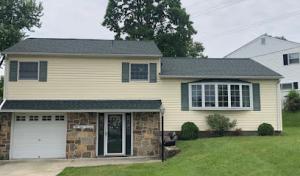
Westview Roofing
(410) 744-3771 www.westviewroofing.com
305 N Beaumont Ave, Catonsville, Maryland
5.0 from 133 reviews
EC Roofing & Home Services Direct
(410) 442-6513 ecroofinginc.com
837 Frederick Rd, Catonsville, Maryland
4.9 from 191 reviews
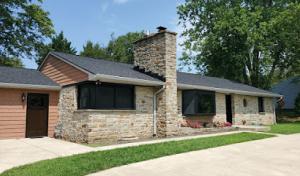
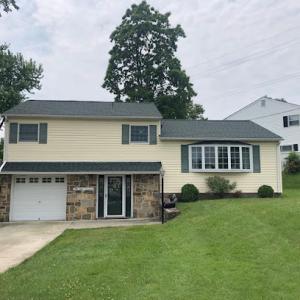
Westview Roofing
(410) 744-3771 www.westviewroofing.com
305 N Beaumont Ave, Catonsville, Maryland
5.0 from 133 reviews
Westview Roofing is a family-owned and operated business since 1962 serving Catonsville and counties surrounding Baltimore, Maryland. We are highly skilled at roof repair and roof replacement, gutters, windows, siding, doors, and much more to make your home beautiful. Customer service excellence and quality craftsmanship at reasonable prices is what we constantly strive for. We will not stop until the job is done!
EC Roofing & Home Services Direct
(410) 442-6513 ecroofinginc.com
837 Frederick Rd, Catonsville, Maryland
4.9 from 191 reviews
Founded in 1992, EC Roofing & Home Services is the go-to home improvement company for Howard County residents and those in the surrounding areas. We provide a variety of home improvement services for homeowners with our major focus being on roofing. We also provide our customers with siding, window, and seamless gutter options for their homes. When you turn to EC Roofing in Maryland, you’re turning to a team with a passion for what they do. Our team offers years of experience and training with a welcoming office staff that’s ready to help in any way that we can
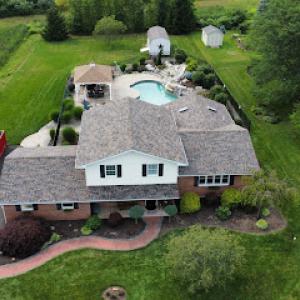
East Coast Roofing Systems
(410) 973-6456 eastcoastroofingsystems.com
632 Frederick Rd Suite 302, Catonsville, Maryland
5.0 from 20 reviews
East Coast Roofing Systems is a premier residential roof repair and replacement company serving Central Maryland. Since our inception, we have strived to give the homeowner a breath of fresh air in the construction space. Providing seamless communication, service and an overall experience that trumps all others. Roofing as an Industry has become antiquated due to lack of technology, customer service and quality. Our mission at East Coast Roofing Systems is to provide a modern approach, with the ultimate goal of providing an exceptional roof inspection, repair, or replacement experience unmatched by anyone. Contact your reliable Southeastern Pennsylvania roofing, siding, window, and gutter contractor for a free estimate!
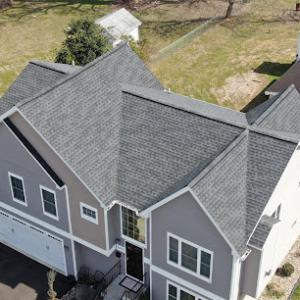
Mid Atlantic Home Group
(443) 475-0328 www.midatlantichg.com
Serving
5.0 from 14 reviews
We are a Premier Roofing and Home Improvement Company based in Baltimore, MD. On the outside- We Specialize in Asphalt Shingle and Rubber Roofing. On the inside- We Specialize in Kitchen, bath & basement remodels. We are a licensed builder and MHIC contractor. Have a honey-to-do-lists? Need repairs or updating? We are here to service you!
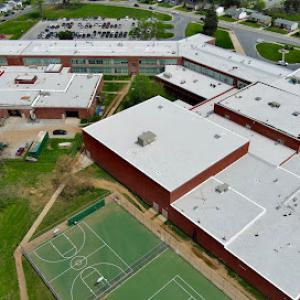
Ruff Roofers
(410) 242-2400 www.ruffroofers.com
Serving
4.8 from 239 reviews
Ruff Roofers, established in 1939, has achieved a solid reputation as a skilled and experienced Maryland residential and commercial roofing contractor. We do every type of roofing both steep (shingle, slate, metal, cedar shake) and low slope (single ply and built-up). Using a philosophy provided by our founder Charles "Buck" Ruff of "creating the standard by which others are judged." Ruff Roofers is respected among the roofing industry by both colleagues and clients. You can be sure that quality workmanship, attention to detail, aesthetics and maximized efficiency balanced with safety are the focus on every one of your projects. Simply stated, we do more.
Walter Brown Services
(410) 796-4322 walterbrownservices.com
Serving
5.0 from 74 reviews
Walter Brown Services provides roofing and gutters, windows, skylights, doors, and more to Halethorpe, MD and surrounding areas.
Semper Roofing Ellicott City
Serving
4.9 from 65 reviews
At Semper Roofing Ellicott City, we have been providing homeowners, with high-quality roof installation and repair services for years. Our team of experienced professionals is certified to inspect, diagnose, and repair both residential and commercial roofs. We are trusted by many homeowners and businesses for our prompt service and expertise in getting the job done right the first time. We understand that with any renovation project, there is always some degree of stress in the home or business. That is why our priority is to complete the job as quickly and with as little inconvenience as possible. If you are looking for reliable, efficient, and high-quality roofing services to satisfy your needs and expectations, call us today.
Elvis General Construction
(410) 694-1731 www.elvisgeneralconstructionllc.com
Serving
4.8 from 39 reviews
At Elvis General Construction, our dedication lies in delivering top-notch roofing services that stand the test of time. As a locally owned and family-operated enterprise with all in house crews, we boast an impressive collective experience of over 70 years in the roofing industry. Our unwavering commitment to excellence ensures that we never outsource any of our work. Every task is handled by our proficient in-house team, allowing us to maintain the highest standards of service. To demonstrate our confidence in our craftsmanship, we provide a comprehensive 10-year workmanship warranty for all our projects.
Alpha Design Services
(410) 390-0300 www.alphadesignservices.com
Serving
4.9 from 111 reviews
Alpha Design Services is a top-rated roofing company in Maryland with over 20 years of trusted experience in roofing and home improvement services. We specialize in roof repair, roof replacement, window installation, siding installation, skylight installation, and full-service home remodeling solutions. Proudly serving Howard County, Baltimore County, Frederick County, Montgomery County, and surrounding areas, our experienced team is dedicated to delivering high-quality craftsmanship, clear communication, and on-time project completion—7 days a week, from 7:00 AM to 7:00 PM
5 Star Roofing & Restoration
(833) 578-2707 www.5starroofingandrestoration.com
Serving
4.8 from 193 reviews
5 STAR Roofing and Restoration provides top-notch service for all home improvement and emergency mitigation needs. We specialize in helping homeowners get approvals on their storm damage roof repair or replacements. Our team of experienced roofers are dedicated to your satisfaction and will provide you with a quality job that is built to last. Contact us today for a free quote and let us help you restore the value of your home. Thank you for choosing 5 STAR Roofing and Restoration -
Edwards Home Pro Services
(410) 718-3906 edwardshomepro.com
Serving
5.0 from 50 reviews
For over two decades, families in the Ellicott city , Columbia and surrounding communities have trusted the Edwards Home Pro Services team for all of their residential home improvement needs . Our services include Roofing - Roof repairs, Flat roofing, Flat roof coatings Flat roof repairs, Interior - Exterior Painting, Gutter Guards Gutters installs and repairs, Power and soft wash services, Carpentry and wood trim repairs , Deck Staining, Deck Painting, Deck Sealing ,Paver Patio service, Siding Repairs and more. No job to small. Click or call today you wont be sorry .edwardshomepro.com
Commercial Roofing Contractors
(410) 947-2222 410roofthis.com
Serving
4.7 from 19 reviews
Flat roofing specialist ShingleMaster Company
The humid Baltimore County climate, combined with mature tree cover and hillside siting, means roofs here endure more long-term moisture and debris exposure than in drier markets. Older homes often carry steeper, weight-conscious sloped roofs where preserving the look and weight profile matters during replacement planning. This context makes ventilation, flashing, and the timing of replacements the primary homeowner concerns. A thoughtful material choice isn't only about appearance; it's about how a roof breathes, sheds water, and resists the elements year after year in a setting where trees, humidity, and seasonal storms all converge.
Catonsville homes span a broad spectrum-from standard asphalt re-roofs to premium older homes that still wear slate or tile. That mix creates a practical decision landscape: a material must handle humid summers, early fall leaf litter, and occasional winter moisture, while aligning with the home's architectural character and the roof's existing structure. Because many roofs have aged flashing and ventilation needs, the best choice often couples a suitable appearance with robust attic ventilation, well-sealed penetrations, and a durable underlayment.
Asphalt shingles remain the most common, and they work well when installed with proper attic ventilation and modern flashing details. They balance ease of installation with proven performance in this climate, especially when paired with a good ridge vent and continuous soffit ventilation. Metal roofing, meanwhile, is attractive for steeper slopes or homes where you want a longer service life and a weather-tight profile. It handles moisture well, sheds leaves cleanly, and can be a smart upgrade on aging structures where weight and installation quality are critical considerations.
Clay and concrete tiles bring a distinctive look that suits many premium older homes with historic character. Clay tile offers a classic profile and durable performance in humid conditions, but it is heavier and requires a structurally sound roof deck and careful flashing detail at terminations and skylights. Concrete tile provides similar aesthetics with a broader range of weights and installation tolerances, often at a lower cost than traditional clay. Both require careful attention to ventilation and underlayment, as ongoing moisture in the attic can affect tile performance and the long-term integrity of the roof system.
Slate remains locally relevant because older Baltimore County housing stock includes homes where preserving the look and weight profile of original steep-slope roofs matters during replacement planning. The premium weight and the need for exacting installation mean slate is typically reserved for homes that already carry the structural capability to support it and for projects where you're preserving a historically consistent appearance. Proper flashing and meticulous ventilation around chimneys, vents, and dormers are essential to avoid moisture-related problems that can undermine slate's longevity.
Synthetic/composite shingles are locally important because they offer a way to mimic slate or tile aesthetics on homes where homeowners want a traditional appearance without committing to the highest-cost natural material category. They can offer improved impact resistance and lower weight, while still supporting a traditional look. When choosing synthetic options, focus on products with proven dimensional stability, colorfastness, and a warranty that reflects Maryland's humidity and temperature swings. Pair any synthetic choice with upgraded ventilation and carefully planned flashing details to maintain a durable roof system.
In practice, the best material decision balances architectural harmony, structural suitability, and the reality that ventilation and flashing will determine how long the roof lasts in this climate. For steeper, historic-looking homes, slate or synthetic slate can maintain character while simplifying replacement logistics. On standard re-roofs, asphalt remains a practical baseline when paired with an upgraded venting strategy and modern flashing systems. If the structure can support it and the owner wants a longer service life with a lighter footprint than traditional tile, metal roofing is worth considering with attention to flashing at penetrations and along roof-to-wall transitions.
Maintenance-focused choices-especially around attic ventilation and roof penetrations-will pay dividends across the material spectrum, ensuring that whatever feeds moisture out of the attic remains controlled and effective year after year.
For Catonsville properties, full roof replacement typically requires a permit through the Baltimore County Department of Permits, Approvals and Inspections rather than a separate city roofing office. Before any shingles come off, you'll want to pull the permit and lock in the project scope with the county reviewer. The process moves through county channels rather than a dedicated Catonsville clerk, so start with the county website or a call to the permits office to confirm the exact application form and required supporting documents. Having a clear project plan, including the type of roof system and any ventilation or flashing upgrades, helps keep the timeline smooth.
Inspections in this jurisdiction are scheduled during and after the work, including a final inspection after completion. A typical sequence is an initial inspection once the old roof is removed or the new underlayment is laid, followed by a mid-inspection as the installation progresses, and a final inspection after the roof is complete. Expect the inspectors to verify not only the visible installation but also the underlying components and connections. Plan for access to the attic and roof lines, and have your contractor present or readily reachable during inspection windows to address questions on the fly.
Baltimore County review emphasis for roof replacements includes flashing, underlayment, ventilation, and compliance with current code requirements, so homeowners should expect upgrades beyond a simple tear-off-and-replace scope when older roofs are involved. Flashing at chimneys, dormers, valleys, and vent penetrations should be integrated with the new system in a way that resists water intrusion on the hillside site. Underlayment choices must meet county standards, especially in areas prone to humid summers and occasional heavy rain. Ventilation should reflect the attic's size and climate needs, aiming to reduce heat buildup and moisture problems that accelerate aging in this part of Maryland.
Coordinate with your contractor to align the work with permit approval and inspection windows, and be prepared for additional checks if the roof is part of an overall attic or soffit upgrade. Since older homes in hillside neighborhoods often have complex rooflines, anticipate review notes that address multiple penetrations and potential retrofit requirements. Keeping a clear line of communication with the county reviewer helps prevent delays that stem from missing documentation or mismatched details between the plan and the actual installation.
Material price ranges you'll commonly see locally align with this spread: asphalt shingles typically run from $350 to $650 per square, metal from $600 to $1100 per square, clay tile from $1000 to $1800 per square, concrete tile from $900 to $1500 per square, synthetic/composite shingles from $450 to $900 per square, and slate from $1800 to $3000 per square. These figures reflect Catonsville's mix of aging homes with hillside siting and mature tree cover, where the roofline and attic details can push a replacement beyond a simple shingle swap if higher-end systems are chosen or if unique detailing is present on older stock.
Material choice matters more here than in many places because the climate, tree debris, and frequent mid-Atlantic humidity accelerate wear. A roof that lasted 15 to 20 years in a milder climate can show accelerated aging in this area, especially on southern exposures or in homes with less attic ventilation. When you're budgeting, expect that premium products-like slate, clay, or concrete tile-carry substantial installation complexity on older structures, which can lift both material and labor costs beyond the base per-square ranges listed above.
Older housing stock brings additional costs to every replacement. In Catonsville, the attempt to meet current performance expectations for flashing, underlayment, and ventilation on aged roofs can add to the overall price. Costs rise when enhanced flashing around chimneys or vent stacks, upgraded underlayment in vulnerable valleys, or improved attic ventilation strategies are required to prevent premature failures. If your roof sits on a hillside with heavy shade, you may also see moisture-related challenges that necessitate more robust ventilation or sealing work, pushing totals higher than a direct material swap would suggest.
Planning around storm-driven demand helps avoid surprise price spikes. Storms in the Baltimore region can trigger spikes in scheduling and pricing, especially when hail or high winds push emergency repairs and insurer-driven work to the front of the queue. If your project is timed near post-storm recovery, expect longer lead times and higher labor allocations, which can translate into higher final costs.
When you're comparing bids, focus on a clear scope that includes attic ventilation assessment, flashing details, and underlayment upgrades where needed. A transparent line-item approach will help you see where extra dollars go for climate- and stock-specific needs in Catonsville.
Get a clear picture of your project costs upfront - no commitment required.
East Coast Roofing Systems
(410) 973-6456 eastcoastroofingsystems.com
632 Frederick Rd Suite 302, Catonsville, Maryland
5.0 from 20 reviews
5 Star Roofing & Restoration
(833) 578-2707 www.5starroofingandrestoration.com
Serving
4.8 from 193 reviews
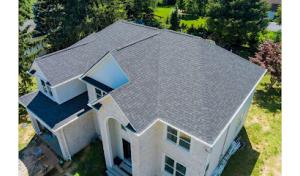
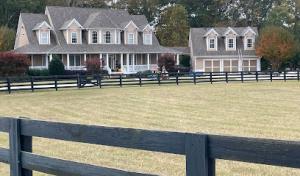
In this region, periodic hail and wind events shape claim activity, and Catonsville homeowners should expect insurers to scrutinize storm-related roof losses closely. The mix of humid Mid-Atlantic weather and aging housing stock means repairs may look different after a hail strike or a strong gust. Insurance decisions can hinge on whether storm impact is clearly documented and tied to existing vulnerabilities in the roof system, rather than on a surface assessment alone.
Insurers in this market frequently require thorough documentation before approving or adjusting a claim. Photos that show the extent of damage, a detailed scope of work, and material specifications help clinicians of the claim make informed decisions. In practice, this means organizing images from multiple angles, highlighting damaged flashing, fasteners, and any sagging or water intrusion, and pairing them with a precise bill of materials or installation notes. A clear narrative describing how the roof has aged and how the damage correlates with a recent weather event can prevent delays.
Some carriers employ independent adjusters for complex roofs or non-traditional materials, and this matters in Catonsville because slate, tile, and synthetic lookalike systems are all active local roof types. An adjuster with experience in these materials will assess flashing compatibility, underlayment condition, and ventilation impact more accurately. If your roof uses a non-standard system, expect a more technical review and prepare to provide product warranties, installation dates, and any previous repairs. Being proactive about these details reduces back-and-forth and helps ensure the claim reflects real condition rather than initial impressions.
Connect with contractors who help homeowners navigate the claims process from damage assessment to final approval.
Westview Roofing
(410) 744-3771 www.westviewroofing.com
305 N Beaumont Ave, Catonsville, Maryland
5.0 from 133 reviews
EC Roofing & Home Services Direct
(410) 442-6513 ecroofinginc.com
837 Frederick Rd, Catonsville, Maryland
4.9 from 191 reviews
The humid Baltimore County climate packs moisture into every season, and flashing around valleys, dormers, and transitions takes constant punishment from rain and tree debris. In Catonsville, older homes often show failed step flashing where shingles meet verticals, or improper bags of sealant at roof-to-wall joints. When flashing leaks, the water has a habit of chasing along rafters and causing hidden rot before you notice a stain on the ceiling.
Local contractor signals point to steady demand for skylight work, especially around perimeter flashing and tie-ins. Skylight boots can dry out, shrink, or detach from the curb, creating a predictable leakage path during heavy rains or rapid temperature swings. If a skylight was installed during a prior re-roof, pay close attention to the flashing transitions where the curb meets the roof plane, and check for moisture intrusion along the flashing screws and sealant seams.
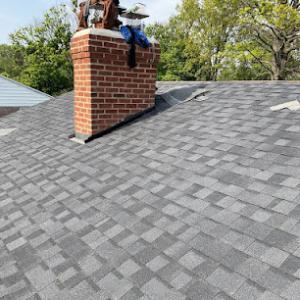
Chimneys in the older stock of this neighborhood frequently show cracked mortar, spalling bricks, or shifting crowns that stress the flashing where masonry meets shingles. The result is a chronic drip at the joint, especially after freeze-thaw cycles followed by heavy rainfall. When a re-roof happens, coordinated chimney flashing and counter-flashing become essential to prevent repeated repairs and to avoid long, slow leaks that quietly damage attic or ceiling structures.
Look for fisheye gaps around vent pipes and valleys, clocking signs of hairline cracks in metal flashing, or loose nails that let shingles lift and lift the flashing out of place. In routine inspections, prioritize the condition of the most exposed transitions: roof-to-wall around dormers, skylight perimeters, and the chimney interface. Early flashing repairs save more than simple water spots later.
Find contractors experienced in skylight installation, flashing, and leak repairs to bring natural light into your home.
Westview Roofing
(410) 744-3771 www.westviewroofing.com
305 N Beaumont Ave, Catonsville, Maryland
5.0 from 133 reviews
EC Roofing & Home Services Direct
(410) 442-6513 ecroofinginc.com
837 Frederick Rd, Catonsville, Maryland
4.9 from 191 reviews
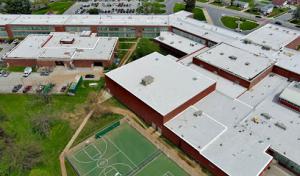
Flat-roof sections are common on porches and additions, but they're a secondary concern in the city's mix of steep-sloped roofs and occasional high-end replacements. In Catonsville, those low-slope bits often sit against a main roof that carries Carolina blue skies and Baltimore humidity. Expect more frequent attention to how these planes tie into the main roof, especially where old underlayment meets new membranes. Plan for longer-term vigilance rather than a single, one-shot replacement.
Baltimore County looks closely at underlayment, flashing, and ventilation when a roof is replaced. Transitions between steep main roofs and low-slope additions deserve extra scrutiny. Pay particular attention to the edge details where the flat section meets the slope; improper termination here invites standing water and more rapid membrane wear. Confirm that flashing around any protrusions-vents, chimneys, and skylights-extends correctly onto the flat portion and is sealed against wind-driven moisture. In the attic or crawlspace, verify that ventilation paths remain clear and balanced, so that humidity doesn't stagnate beneath the membrane.
Summer heat and humidity in the Baltimore region can affect installation conditions on low-slope surfaces. Membrane handling is more sensitive on flat roofs, where heat can soften materials and affect seam integrity. Schedule installation for cooler windows when feasible, and ensure the crew uses appropriate heat protection and proper sun exposure strategies for membrane placement. During the work, keep drainage paths clear and verify that any temporary water tests are conducted with attention to how heat and humidity might impact sealants and edge details.
After installation, inspect the flat roof annually, focusing on edge treatments and any penny-round or corner details where water tends to pool. Maintain clear gutters and downspouts, and watch for signs of membrane fatigue, such as small blisters or ridges along the transitions. If a local leak test or storm event reveals an issue, plan a careful reseal of seams and flashings first, rather than a full-membrane replacement unless the damage is extensive. This approach helps protect older homes where additions meet the main roof at uneven angles and moisture can linger in the junction.
Find specialists in TPO, EPDM, and built-up flat roofing systems for residential and commercial properties.
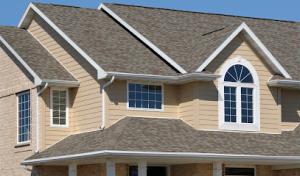
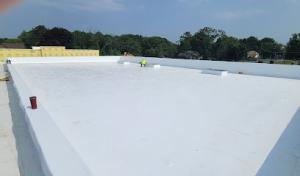
In Catonsville, the market leans heavily toward re-roofing rather than new construction. Homeowners should expect most firms to excel at replacement, leak response, and managing logistics for occupied homes. The area's humid Baltimore County climate accelerates aging of older stock, so reliable scheduling and decisive action after a leak matter more than flashy marketing. The strongest signals come from firms that can prove quick response times, thorough debris cleanup, and respect for interior spaces during work.
Long-established, family-owned, and residential-focused contractors have a meaningful presence in this market. That combination often translates to steadier crews, predictable scheduling, and a willingness to stand behind repairs after storms. When evaluating bidders, prioritize those with a solid neighborhood reputation and a history of respectful access around mature trees and tight yards. Ask for recent local references, especially for occupied-home jobs, and verify that the crew can coordinate with a representative for exterior work without interrupting daily routines inside.
Cleanup-included and fast-response are two of the strongest market signals you will see. A contractor who commits to thorough post-job debris removal and who can mobilize quickly after a leak shows understanding of Catonsville's hectic, tree-lined blocks and older homes. Look for clear handoffs between inspection, tarp placement, and flashing repair, with attention to minimizing attic intrusion and preserving existing ventilation paths.
When the crew arrives, expect them to assess ventilation, flashing, and signs of moisture intrusion tied to aging underlayment. A practical plan will outline targeted improvements-such as sealing around penetrations and upgrading attic vents-without treating the replacement as a generic service. This locality-specific approach helps extend the roof's life while fitting into the neighborhood's home-life rhythm.