
Last updated: Apr 19, 2026
Thunderstorms and wind-driven rain can create rapid leak scenarios in this area, especially with mature trees brushing against shingles and flashing. If you notice water entering through a roof seam, vent, or around a chimney, prioritize safety: avoid climbing onto the roof during or right after a storm, and keep children and pets away from damaged areas inside the home. The first priority is to stop additional water intrusion by placing a clean, sturdy bucket under the leak and covering exposed penetrations with a temporary waterproof tarp or heavy-duty plastic sheeting secured with nails or roofing nails, weighted with bricks or pavers. Debris in valleys and near protrusions often traps moisture longer than expected, so be prepared for multiple leak points as the storm passes.
Once the interior leak has been contained, conduct a careful interior check to map the leak's reach without climbing the roof. Look for staining along ceilings, bubbling paint, or damp insulation in the attic. From the exterior, note any missing or curling shingles, lifted edges, or exposed underlayment near roof penetrations, valleys, and eaves. Pay close attention to areas where branches or debris have piled up; wind events frequently push material into valleys, creating secondary leaks once rain re-wets the pile. Photograph both interior and exterior damage from multiple angles, capturing the surrounding roof lines, nearby trees, and any visible fasteners or flashing.
Create a concise incident log: date and time of the storm, observed leak locations, affected rooms, and any prior roof issues you've had. Keep a running count of damaged shingles, flashing corners, and any debris buildup around vents, chimneys, and skylights. Save video or time-stamped photos showing the progression of the leak as the storm passes or immediately afterward. This documentation is essential for insurance discussions and for prioritizing which areas to dry out and protect first.
Mature trees around the home increase the likelihood of shingle damage plus branch impact during wind events. After the storm, clear loose branches away from the house if it's safe to do so; do not attempt to remove large limbs from the roof yourself. Use a stiff broom or long-handled tool from ground level to gently sweep debris from the edges of the roof and from around roof penetrations. Create a temporary debris trap at eave lines to minimize gutter and valley blockages when rain resumes.
If multiple leaks appear or the attic moisture is heavy, contact a local contractor with storm-damage experience. Prioritize immediate temporary repairs to slow water intrusion in the most critical rooms (living spaces and bedrooms) and schedule a comprehensive roof assessment as soon as weather permits. Prompt, thorough documentation improves the likelihood of a smooth insurance review and a faster path to proper repairs.
In this part of Baltimore County, the roof landscape is one of the most varied you'll see outside a city core. The dominant local material mix spans asphalt shingles, metal, slate, clay tile, concrete tile, and synthetic/composite products. That breadth goes beyond what many suburban markets experience, where one material tends to dominate. Here, houses range from older neighborhoods with slate or tile possibilities to newer subdivisions that nearly all rely on asphalt shingles. When you drive through the tree-lined streets, you'll notice how the choice often reflects the home's era, its architectural style, and the owner's preferences. This variety means that a single roof project can involve several compatible options, from lightweight metal to the heavier, long-lasting tiles.
Older homes in this area often carry slate or tile because those materials were popular when the structure was built and because slate, clay tile, and concrete tile offer a historic look that still performs well in our climate. In contrast, many replacement projects lean toward asphalt shingles for their balance of cost, install speed, and broad color choices. Synthetic or composite shingles have gained traction as a middle ground-offering the appearance of premium materials with simpler installation and often lighter weight. Understanding the house's original construction helps you pick a recovery or upgrade path that respects the architectural cues while meeting current performance needs. If the roof is nearing the end of its service life, the decision isn't just about aesthetics; it's about how the underlying structure handles the weight and how weather patterns in the Mid-Atlantic can stress fasteners, underlayment, and drainage.
Heavier materials such as slate, clay tile, and concrete tile naturally demand closer attention to the roof's framing and overall structural compatibility. In Lutherville Timonium, many homes with historic layouts feature rooflines that include hips, valley intricacies, dormers, and occasionally unusually shaped pitches. When those heavier tiles are considered for replacement or retrofit, it's prudent to assess whether the existing rafters, supports, and the attic space can safely carry the added weight. Even if the surface height or pitch seems manageable, long-term performance hinges on proper installation details, including underlayment choices, ventilation, and edge detailing that prevents water intrusion at transitions. For projects involving these materials, prepare for a careful evaluation of load distribution, potential rerouting of interior ceiling lines, and the possibility of reinforcing framing where the roof meets the walls.
Storm events in the Mid-Atlantic can stress any roof, but the material choice shapes both response time and repair options. Asphalt shingles tend to be the quickest to recover and replace, with widely available, cost-effective options and a broad range of colors that suit local styles. Metal roofs offer excellent wind resistance and lightweight durability, with newer panel designs that can mimic traditional aesthetic cues. Slate and concrete tile provide longevity and a distinct look but can complicate rapid repair if the underlying deck or framing has suffered damage. Clay tile, with its curved profiles, can be more susceptible to breakage from hail or heavy branches, so on those projects, you'll want to inspect the deck's condition and any underlying supports. Synthetic/composite shingles often strike a balance, offering robust wind performance with easier repairability if damage occurs. In all cases, a swift assessment after a wind or rain event helps identify delamination, moisture intrusion at valleys and penetrations, and potential fastener loosening. Coordinating a phased approach to temporary protection, leak stopping, and permanent restoration keeps the home safer and reduces the chance of secondary damage.
For a full residential re-roof in this community, Baltimore County typically requires a building permit rather than treating the job as permit-free maintenance. The process is straightforward, but it is not optional. A permit helps ensure the work meets county code requirements, particularly around ventilation, attic insulation, and fire separation. The contractor usually handles the permit submission, so you don't need to chase down forms yourself. Expect the county to review the project scope, roof venting plan, and any penetrations for skylights or chimneys as part of the approval.
In practice, the contractor submits the permit and calendarizes the work to align with weather windows commonly seen after mid-spring storms or fall-wind events. An inspection is scheduled on or after completion to verify installation details and roof ventilation. The inspector will check that ridge and soffit vents are properly installed, the underlayment is in place, and any penetrations - such as vent boots, flashing around chimneys, and skylights - are correctly sealed. If a homeowner notices a discrepancy during the process, address it promptly with the contractor because minor failures can trigger a follow-up visit and potential rework.
Projects involving unusual roof geometry or heavier roofing systems may require plan review before work proceeds. Complex features-curved bays, multi-hip configurations, or substantial accents on older slate-capable homes-often need a more thorough plan or structural review. Heavier systems, such as tile or slate being installed over existing decks, sometimes demand added calculations for load and ventilation. In these situations, plan review can add lead time, so coordinate with the contractor to preserve the project timeline and avoid surprises after a storm season begins.
Begin by confirming your contractor is licensed and bonded with Baltimore County, and that the permit application lists the intended roofing materials and ventilation strategy. Keep a copy of the permit number and the inspector's contact details. After work is completed, request the final inspection appointment booking before the contractor tidies up, and confirm that all ventilation and flashing details are included in the as-built package. If the project encounters plan-review requirements, stay in close contact with the contractor to monitor submission status and any requested revisions.
In this region, storm-related roof replacement is generally handled through standard homeowners insurance when damage is documented well, but adjusters commonly evaluate roof age and pre-existing wear before approving full scope. That means a fast, clear narrative about when the problem started, how it progressed, and what you observed after the wind and rain matters. Do not expect a quick yes based on pictures alone; the insurer will weigh the roof's remaining life against the reported damage, and the decision can hinge on how convincingly the condition is described and supported.
For Lutherville Timonium homeowners, the most useful claim file typically includes storm-date photos showing broken shingles, lifted edges, granule loss, or water intrusion, plus contractor estimates that translate observed damage into repair or replacement needs. Compile post-event proof of materials and workmanship, such as a recent installation receipt, photos of the exact materials used, and a summary of warranties. Keep a log of communications with your insurer and the contractor, including dates, times, and what was promised. This documentation helps an adjuster separate new damage from wear that existed before the storm.
The strong local presence of contractors advertising insurance-claims help indicates that claim navigation is a meaningful part of the roofing decision here. If you encounter a firm offering to "handle the claim," approach with a healthy dose of skepticism: verify licenses, get written scopes, and ask for references from neighbors who faced similar weather events. A reputable contractor can help you frame the claim, review the adjuster's findings, and ensure that the final scope reflects a repair that truly restores the roof's performance after a Mid-Atlantic storm cycle.
After reporting, protect the interior from leaks with tarps or boards if safe, and document any further water intrusion. Retain all receipts, and schedule follow-up inspections to confirm that repairs address both visible damage and potential hidden issues such as decking or flashing failures.
Connect with contractors who help homeowners navigate the claims process from damage assessment to final approval.
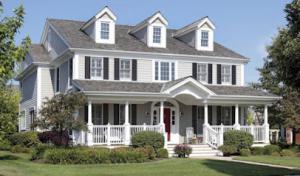
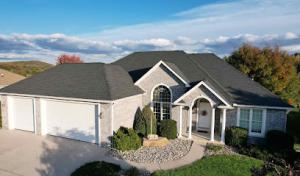
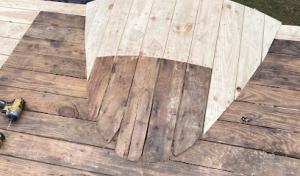
In the Baltimore area, spring and fall are typically the most favorable windows for reroofing in Timonium because they avoid the worst of summer heat and winter access problems. If you're aiming to fit a tear-off and reroof into a single season, target these shoulder periods when crews can move steadily without intense heat or heavy snowfall. Spring and fall also align with typical contractor schedules, making it easier to secure a crew with familiarity for local conditions like mature tree debris and afternoon storms.
Spring projects here can still be slowed by frequent rain and wet decking conditions, which matters for tear-off timing and underlayment installation. Plan for a few flexible days in the calendar to accommodate rain delays, and consider deck moisture control strategies such as using synthetic underlayment with rapid-drying properties. In practice, you'll want to set up a protected staging area and verify that the roof sheathing is dry before laying new materials. If a late spring storm hits, be prepared to pause work and resume once the roof is dry to prevent any decking or underlayment damage.
Winter snow and ice and summer humidity both create scheduling and installation challenges, so homeowners often face tighter calendars after major storm periods. In Timonium, winter work demands careful ice-damming mitigation and safe access planning, while summer humidity can slow down adhesive seals and ventilation work. The best approach is to establish a clear contingency plan with your contractor that accounts for potential weather-driven pauses, plus a realistic sequence that keeps the project moving when windows reopen.
The typical local stock ranges from older homes with slate-capable structures to newer asphalt-focused houses. When selecting window systems and flashing details, consider the existing roof composition and how it interfaces with common Timonium eaves and chimneys. For older homes, ensure flashing transitions between the slope and any turret or dormer features are tightly integrated to handle wind-driven rain from passing storms. For newer homes, confirm that the fasteners, color-matched seals, and vent interfaces align with current manufacturer recommendations for a clean, long-lasting finish.
Communicate a clear tear-off sequence and sequence for underlayment, drip edge, and starter courses. In Timonium, working with a roof deck that has mature tree debris nearby means daily cleanup is essential to prevent debris from clogging gutters and valleys during installation. Verify that every step-nailing pattern, ventilation, and shingle alignment-takes into account the local wind exposure patterns and the mid-Atlantic storm swings typical to this area. A well-coordinated plan reduces post-install leaks and ensures the roof remains resilient through the next round of seasonal weather.
Get a clear picture of your project costs upfront - no commitment required.

PLANIT Remodeling
(443) 585-3535 www.planitremodeling.com
Serving
5.0 from 10 reviews
Residential Remodeling - Kitchens, Bathrooms, Additions, New Construction, Decks, Roofing, Siding
Allied Remodeling
(410) 769-9700 alliedremodeling.com
Serving
4.7 from 1074 reviews
Since 1986, Allied Remodeling has been transforming homes across Central Maryland and the Eastern Shore with our popular $3,999 Roof Replacement Special. As a trusted roofing, siding, and deck specialist, we bring expertise and dedication to every project. Allied Remodeling provides free estimates for most projects in Anne Arundel County, Baltimore City, Baltimore County, Caroline County, Carroll County, Cecil County, Dorchester County, Harford County, Howard County, Frederick County, Kent County, Montgomery County, Prince George’s County, Queen Anne’s County, and Wicomico County.
Magnum Home Services
(410) 999-5200 magnumhomeservices.com
Serving
4.9 from 104 reviews
Magnum Home Services is the best roofing contractor in Towson, MD. We are professionally trained in providing the best quality roofing services. We provide all sorts of assistance including roof installation, roof replacement, roof leak repair, and all the other types of roofing services. The services provided by our company are based on years of experience in the industry. Our excellent customer service makes us the top-notch roofing service provider in the area. Whether you are having trouble with your roof or need a new roof installation, we are the most authentic and certified company you can hire. We are known for our quality workmanship and on-time service delivery. So, you can count on us for all your needs. Call now!

Homelife Roofing & Remodeling
(410) 864-0178 homeliferoofing.com
Serving
4.4 from 101 reviews
HomeLife Roofing & Remodeling is a trusted roofing company serving Timonium, Lutherville, and nearby areas of Maryland. Specializing in residential roofing, the team handles everything from roof replacement to reliable roof repair. As experienced roofing contractors in Timonium Maryland, they deliver dependable roofing services tailored to each home. Beyond roofing, HomeLife Roofing & Remodeling is known among leading siding contractors, offering professional siding installation, including durable vinyl siding. Homeowners also rely on their expertise for home remodeling, with custom deck installation, deck remodeling, and skilled deck builders. Known for quality craftsmanship and dependable services. Call +1 410-864-0178.
AC Matthews, Roofing & Exteriors
Serving
5.0 from 140 reviews
AC Matthews is the leading roofing contractor in Towson, MD. We treat our clients like family and always go that extra mile when it comes to customer care. Our experienced roofers can take on any project, no matter the size. We are always reliable, efficient and affordable. Communication, trust and education are the three main things on which we base our work. When you choose AC Matthews as your roofing contractor, you know you are putting your property in good hands. You can rely on us for all of your exterior maintenance and repair needs. Our business is based on serving the local community. Reach out to us today and receive a free estimate for your roofing project!
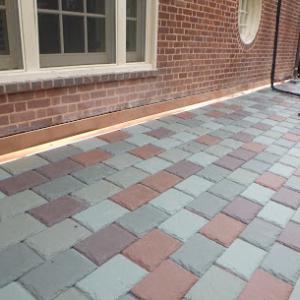
Olde World Slate Service
(443) 829-5359 oldeworldslate.com
Serving
5.0 from 26 reviews
Customers first. Integrity always. This focus drives us from initial inspection to final clean-up. We hire Amish slate and copper craftsmen, and we exclusively service historic roofs/gutters. We put honesty and experience into every job. When you have good people who care about all they put their hands to, it shows. Choose experienced, proven workmanship for your historic roof and gutters, and protect your home for decades to come.
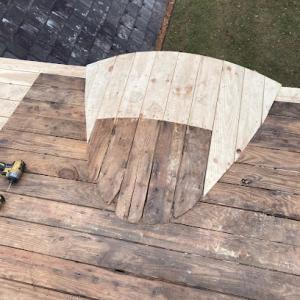
Rollins & Associates
(443) 807-3093 rollinsimprovements.com
Serving
5.0 from 26 reviews
Rollins & Associates, a family-owned business, has transformed homes in Baltimore, Maryland, and surrounding areas through exceptional roofing, renovation, repair, and home improvement services. With a specialty in slate roofing, copper gutters, and copper flashing installations, their expertise extends to various roofing options, including asphalt, metal, EPDM, TPO, and slate, along with chimney repairs. Known for their commitment to accessibility and availability throughout every project, they've earned a reputation for delivering exceptional results, ensuring clients' satisfaction and transforming houses into stunning living spaces.
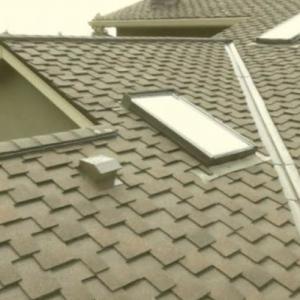
Four Twelve Roofing
Serving
4.9 from 16 reviews
Four Twelve Roofing of Lutherville has over 12 years of experience delivering top-quality roofing services in Lutherville, MD. As a trusted roofing company, we specialize in roof installation, repairs, and maintenance for residential and commercial properties. In addition to roofing, we offer expert services in gutters, skylights, chimneys, siding, and deck installations. Our skilled team is committed to providing exceptional craftsmanship, reliable solutions, and outstanding customer service. Whether you need a new roof or home improvement, Four Twelve Roofing of Lutherville is your go-to roofing contractor in Lutherville, MD. Contact us today for a free estimate!

CR3 American Exteriors
Serving
4.9 from 185 reviews
CR3 American Exteriors, located at 201 International Circle Suite 230, is your premier choice for all roofing solutions in the area. Specializing in both residential and commercial roofing, our expert contractors offer comprehensive services including roof repair, roof replacement, and roof installation. We are equipped to handle emergency roof repair, roof leak repair, and storm damage repair with prompt, professional service. Whether you're looking for reliable metal roofing options or need thorough roofing inspections, our team ensures top-quality craftsmanship and customer satisfaction. Trust CR3 American Exteriors for outstanding roof repair services tailored to your needs.
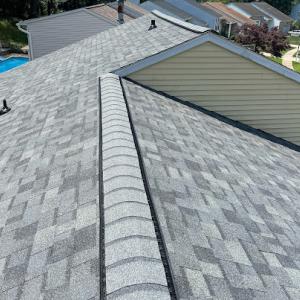
MLM Home Improvement
Serving
4.6 from 78 reviews
MLM Home Improvement is a premier storm restoration company specializing in full replacements for roofing, siding, and gutter systems. We offer free, no-obligation inspections and estimates to assess storm damage and provide transparent recommendations for replacement solutions. Our expert team is dedicated to delivering exceptional quality and service in every project we undertake.
Park Heights Roofing
(410) 358-1257 parkheightsroofing.com
Serving
4.9 from 547 reviews
Founded in 1999, Park Heights Roofing has grown into a full-scale residential & commercial roofing company. We also offer siding solutions, insulation, chimney repointing, & complete gutter services. We pride ourselves on being honest & professional - delivering exceptional customer service & workmanship. Our commercial team has worked on millions of square feet of roofing projects in dozens of states. We have the team, equipment & knowledge to work on any project. With a team that's dedicated and responsive, we're always prepared to go above & beyond for our clients. That's why we're proud of our A+ Angie's List rating and many other local & national awards. Because with us, service always comes first.
Exterior Experts
(410) 204-4809 exteriorexpertmd.com
Serving
4.7 from 53 reviews
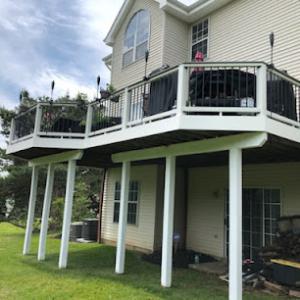
Exterior Experts provides roofing, siding, and decking services as well as bathroom remodeling to Baltimore, MD, and surrounding areas.
Local replacement budgets should be built around the provided per-square ranges for asphalt shingles, metal, clay tile, concrete tile, synthetic/composite shingles, and slate, with the final number heavily affected by which of these common local materials is already on the home. In this market, asphalt shingles typically run about 450 to 700 USD per square, while metal roofs sit from 800 to 1,200 USD per square. Clay tile can be 1,000 to 2,000 USD per square, concrete tile about 900 to 1,500 USD per square, synthetic/composite shingles 500 to 900 USD per square, and slate can range from 1,500 to 3,000 USD per square. If the house already has one of the higher-end materials, matching or extending that finish will drive the total up or down accordingly.
Costs in this market can rise when homeowners replace older slate or tile roofs, when roof geometry is unusual enough to require plan review, or when storm demand compresses contractor availability across the Baltimore area. Costs can also shift based on the area's common re-roof conditions such as steep sections, chimney flashing work, skylight tie-ins, debris protection in established neighborhoods, and permit-related administrative time in Baltimore County.
Start by confirming the current roof material and condition, then map out a realistic per-square target using the ranges above. Get at least three quotes and ask each contractor to itemize steep-section work, flashing replacements, debris protection, and any disposal fees. If a historic slate or tile exists, budget for careful matching, potential underlayment upgrades, and longer lead times due to specialty crews. Build in a contingency for weather-driven delays common after storm events.
Don't let upfront costs delay a critical repair - these contractors offer payment plans to fit your budget.
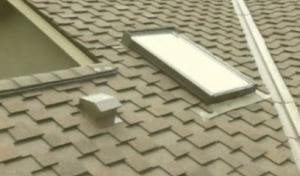
Skylight service is unusually common in this market, signaling that leak-prone transitions around skylight curbs and flashing are a real homeowner concern in Timonium. When a Mid-Atlantic storm rolls through, melting and refreezing create stress at the curb-where the skylight meets the roof deck-and over time small gaps can widen. After heavy rain, look for damp spots around the skylight interior framing, peeling paint, or staining along the ceiling near the skylight shaft. If you notice condensation on the skylight interior pane in cold weather, that can signal failed flashing or a venting mismatch. In advance of storms, keep the area around the skylight clear of debris, and schedule a targeted inspection if the curb flashing shows any signs of aging or movement. Prompt attention to small loose fasteners, cracked sealant, or deteriorated rubber underlayment minimizes interior surprises when the next front moves in.
Chimney-related work is also common among local contractors, which aligns with the area's established housing stock where masonry penetrations often complicate flashing details during re-roofing. Chimneys introduce multiple interfaces-the deck, the cap, mortar joints, and the chimney cricket-that can trap moisture. During a leak event, inspect both the base flashing along the chimney and the joint where flashing meets the roof plane. Look for cracked mortar, spalling brick, or dried, brittle sealant around the masonry. If a storm leaves staining near the chimney or you notice increased moisture in adjacent ceilings, plan a careful flashing evaluation. Regular maintenance-repointing mortar, resealing crown plaster, and renewing step and base flashing-helps prevent interior intrusion when spring rains return.
Find contractors experienced in skylight installation, flashing, and leak repairs to bring natural light into your home.
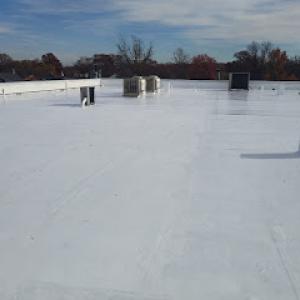
Although pitched roofing dominates the area, the local contractor signal for flat-roof work is strong enough to show that many homes and additions in Timonium include low-slope sections needing different materials and detailing. These areas-porches, dormers, and extensions-sit near mature trees that trap precipitation and debris, which can push ponding and seam issues into plain sight after a storm. The mix of older homes with slate-capable roofs and newer subdivisions wired for Mid-Atlantic weather means you'll regularly encounter flat or low-slope galleries that require distinct approaches to flashing, drainage, and edge detailing.
These sections are especially vulnerable during the region's frequent rain events because drainage, ponding, and seam integrity matter more than on steeper roofs. If water sits even briefly on a low-slope surface, it can creep under flashing or along joints and find its way into finished spaces. Pay attention to shoulder seams, parapets, skylight surrounds, and transitions to steeper roof planes. Debris buildup in gutters and scuppers on these areas can quickly create backpressure that leads to leaks, especially around wind-driven sprays during squalls.
After a heavy rain or wind event, inspect low-slope sections first for standing water, visible staining, or damp underlay at seams. Look at edge flashing where the low-slope meets a vertical wall or a dormer; seals can separate with age and temperature shifts. If you notice water marks, soft spots, or damp insulation in adjacent closets or ceilings, treat it as a leak path to finished spaces. For a fast, temporary fix, clear debris from drainage paths and apply a temporary sealant only if you can reach the area safely. Schedule a professional evaluation promptly to confirm flashing integrity and membrane condition.
When storm damage is suspected on low-slope areas, photograph the entire surface, including edge details, penetrations, flashing, and any interior signs of moisture in adjacent rooms. Keep a dated log of what you observe and any temporary measures you've taken. If an insurer requests a mitigation assessment, present your photos alongside a written note of recent weather events and accompanying impacts to drainage and gutters. A contractor's written assessment that identifies seam separations, ponding, and mounting points for any skylights can streamline the claim process and guide the repair strategy for these vulnerable sections.
Find specialists in TPO, EPDM, and built-up flat roofing systems for residential and commercial properties.
Quality Craft Construction
(443) 297-4993 qualitycraftconstructionllc.com
Serving
5.0 from 23 reviews
Home Crafters Roofing & Contracting
(410) 882-7663 homecraftersroofing.com
Serving
5.0 from 2858 reviews