
Last updated: Apr 19, 2026
Halethorpe sits in the Baltimore metro weather pattern where spring storms, hail, and wind-driven rain are recurring roof-damage triggers. That means roofs here endure sudden shifts in wind direction, hail impacts, and downpours that can overwhelm aging flashing and shingles in minutes. The hot, humid summers amplify the damage: a small flashing gap or a loose shingle can become a full-blown interior leak after a thunderstorm sequence. In a neighborhood built to keep costs tight, many homes have older roofing assemblies with mixed materials, lower-slope areas, and vulnerable penetrations around chimneys, vents, and skylights. Listen for the telltale signs: sudden dripping during a heavy shower, damp ceilings below attic spaces, or stained sheathing visible from an attic access. In practice, a leak can turn from a nuisance to a hazard quickly when a storm shifts from rain to hail to gusts, so you must treat any new moisture as urgent.
Right after a storm starts, your top priority is stabilization. If you notice active leaks, tarping becomes the first line of defense to limit interior damage until a proper repair can be scheduled. Use heavy-duty plastic sheeting or a commercial tarp, and secure it with water-blocking barriers such as 2-by-4s or wooden battens anchored to exterior fascia or exposed rafters, not just nails into compromised roof material. If you can access the attic safely, place a bucket or container beneath the drips and locate the leak source by tracking the moisture path back to the nearest penetration or flashing joint. Do not attempt to seal large sections yourself if the roof is actively shedding shingles or if wind gusts threaten your footing. Focus on creating a solid rainproof barrier and containment so interior rooms avoid further water intrusion while you call for professional help.
Local contractor signals show unusually strong demand for emergency repair and storm-damage work, indicating homeowners here often need immediate tarping and leak stabilization rather than only planned replacement. If a storm has just passed and you see daylight through the roof or hear rapid dripping with strong winds, treat it as an emergency. Shingle edges that curl, flashing metal that has pulled away, or a roof-opening where the interior ceiling bulges or sags are urgent red flags. Do not delay a temporary fix; quick stabilization minimizes secondary issues like mold, electrical hazards, or damage to insulation and drywall. If your attic is hot, humid, or feels damp even with the weather clearing, that's a sign water has found pathways through compromised layers. In these scenarios, seek a local contractor experienced with Halethorpe's architectural mix-older stock with pitched roofs and occasional low-slope sections-and ensure they bring tarping materials, emergency crew readiness, and a plan for rapid leak control.
Once the immediate danger is under control, shift to preventing repeat failures. Inspect flashing around chimneys, vents, and skylights for loose or corroded joints that storms can exploit. Reinforce ridge lines and hip joints in areas that show weathering, and verify that valley penetrations are properly sealed, especially where old roofing transitions to newer materials. In older homes with mixed roof types, a proactive evaluation of overhangs, eaves, and soffit ventilation can reduce moisture buildup that accelerates interior leaks after heavy rain. Consider scheduling a robust storm-damage assessment that prioritizes rapid response readiness, brace repairs, and a plan for durable patching that keeps hot summer humidity from seeping into attic spaces. The aim is to limit exposure time between the onset of a storm and the arrival of a qualified repair crew, so you regain control before damage compounds.
In Halethorpe, the steady mix of older Baltimore-area housing stock and humid Mid-Atlantic weather keeps roof choices practical and durable. For a straightforward replacement or first-time re-roof, the local per-square costs you'll encounter are already well aligned with the most common options. Use these local ranges per square: asphalt shingles 350 to 700, metal 700 to 1200, aluminum 900 to 1500, wood shingles or shakes 600 to 1100, slate 1200 to 2600, and clay tile 1100 to 2100. Asphalt remains the value workhorse for many homes, especially when the project is a clean, no-frills tear-off and re-cover on a mid-century or earlier roof line. If you're weighing longevity and curb appeal, metal or aluminum offer longer lifespans but carry higher upfront costs. Wood shingles and shakes provide a classic look but demand closer maintenance and faster wear in humid summers. Slate and clay tile sit at the high end of the spectrum, delivering exceptional durability, but they're best matched to specific roof geometries and structural support.
Costs in Halethorpe can rise on older homes when tear-off exposes decking, ventilation, or fastening upgrades that may be flagged during inspection. The older stock often uses varying substructure and retrofits that aren't as straightforward as a newer roof deck. If you're replacing on a house with multiple layers, you'll typically see higher per-square pricing than a simple overlay job. In practice, that means your total could creep up if the existing decking needs replacement, if attic ventilation spacing needs adjustment, or if fasteners and flashing must be upgraded to meet the structure's age and condition. Budget for a bit of flexibility in the scope when the ladder comes off and you see what's under the old shingles.
Pricing can also move with Baltimore-area storm demand surges, while straightforward asphalt re-roofing stays the most common value option in this market. When a storm season hits, crews, materials, and lead times can tighten, pushing temporary price bumps or scheduling delays. If you have an older roof with specific venting or a unique ridge setup, plan for a faster mile-marker in your project schedule, as larger jobs or unusual configurations tend to require more coordination with crews who have experience with Halethorpe's typical rooflines.
Begin with a realistic assessment of your roof's condition and your priorities. If you want quick, predictable cost and reliable weather resistance, asphalt shingles in the 350-700 per square range are a smart starting point. For homes with visible sun exposure or higher humidity risk, a higher-performance metal or aluminum option may be attractive, recognizing the upside in longer life and lower maintenance. If your home carries historic character and you're restoring curb appeal, slate or clay tile can be considered where structural support and weight allowances permit. In any case, plan for the possibility of decking or ventilation upgrades if the project encounters older construction elements.
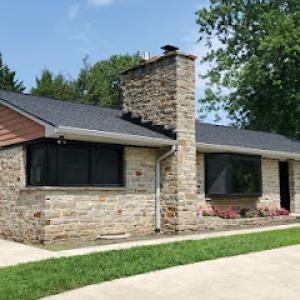
Walter Brown Services
(410) 796-4322 walterbrownservices.com
5220 Washington Blvd, Halethorpe, Maryland
5.0 from 74 reviews
Walter Brown Services provides roofing and gutters, windows, skylights, doors, and more to Halethorpe, MD and surrounding areas.
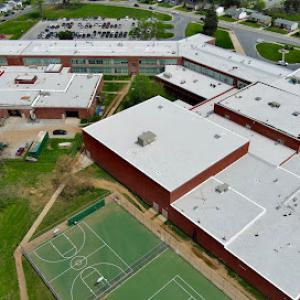
Ruff Roofers
(410) 242-2400 www.ruffroofers.com
Serving
4.8 from 239 reviews
Ruff Roofers, established in 1939, has achieved a solid reputation as a skilled and experienced Maryland residential and commercial roofing contractor. We do every type of roofing both steep (shingle, slate, metal, cedar shake) and low slope (single ply and built-up). Using a philosophy provided by our founder Charles "Buck" Ruff of "creating the standard by which others are judged." Ruff Roofers is respected among the roofing industry by both colleagues and clients. You can be sure that quality workmanship, attention to detail, aesthetics and maximized efficiency balanced with safety are the focus on every one of your projects. Simply stated, we do more.
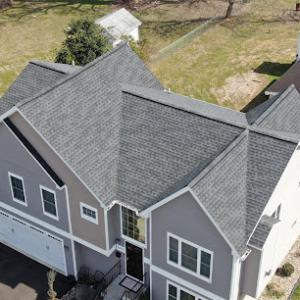
Mid Atlantic Home Group
(443) 475-0328 www.midatlantichg.com
Serving
5.0 from 14 reviews
We are a Premier Roofing and Home Improvement Company based in Baltimore, MD. On the outside- We Specialize in Asphalt Shingle and Rubber Roofing. On the inside- We Specialize in Kitchen, bath & basement remodels. We are a licensed builder and MHIC contractor. Have a honey-to-do-lists? Need repairs or updating? We are here to service you!
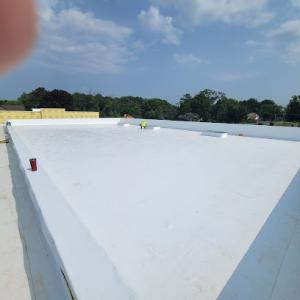
Commercial Roofing Contractors
(410) 947-2222 410roofthis.com
Serving
4.7 from 19 reviews
Flat roofing specialist ShingleMaster Company
EC Roofing & Home Services Direct
(410) 442-6513 ecroofinginc.com
Serving
4.9 from 191 reviews
Founded in 1992, EC Roofing & Home Services is the go-to home improvement company for Howard County residents and those in the surrounding areas. We provide a variety of home improvement services for homeowners with our major focus being on roofing. We also provide our customers with siding, window, and seamless gutter options for their homes. When you turn to EC Roofing in Maryland, you’re turning to a team with a passion for what they do. Our team offers years of experience and training with a welcoming office staff that’s ready to help in any way that we can
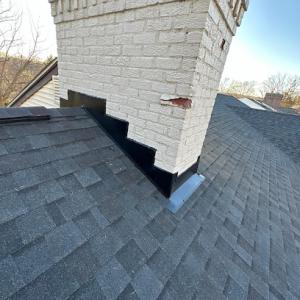
Blusky Roofing & Restoration
Serving
5.0 from 33 reviews
Blusky Roofing and Restoration is a versatile company specializing in Residential and Commercial roofing services. Our expertise extends to state and federal roofing and restoration projects, ensuring top-notch quality and compliance with regulatory standards. Trust us for comprehensive solutions in the roofing and restoration industry.
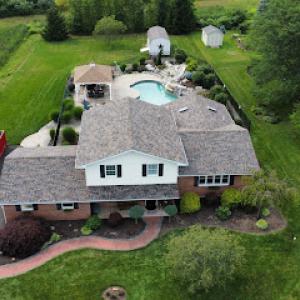
East Coast Roofing Systems
(410) 973-6456 eastcoastroofingsystems.com
Serving
5.0 from 20 reviews
East Coast Roofing Systems is a premier residential roof repair and replacement company serving Central Maryland. Since our inception, we have strived to give the homeowner a breath of fresh air in the construction space. Providing seamless communication, service and an overall experience that trumps all others. Roofing as an Industry has become antiquated due to lack of technology, customer service and quality. Our mission at East Coast Roofing Systems is to provide a modern approach, with the ultimate goal of providing an exceptional roof inspection, repair, or replacement experience unmatched by anyone. Contact your reliable Southeastern Pennsylvania roofing, siding, window, and gutter contractor for a free estimate!
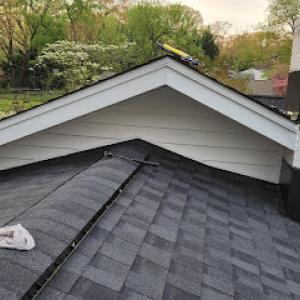
Lucas Home Improvement
(443) 628-9292 www.lucashomeimprovementllc.com
Serving
5.0 from 76 reviews
We are a small family oriented business providing quality roofing services that include expert repairs and inspections at competitive pricing. We also provide quality siding & gutter installation.
Westview Roofing
(410) 744-3771 www.westviewroofing.com
Serving
5.0 from 133 reviews
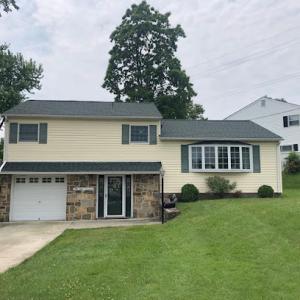
Westview Roofing is a family-owned and operated business since 1962 serving Catonsville and counties surrounding Baltimore, Maryland. We are highly skilled at roof repair and roof replacement, gutters, windows, siding, doors, and much more to make your home beautiful. Customer service excellence and quality craftsmanship at reasonable prices is what we constantly strive for. We will not stop until the job is done!
IronShore Contracting
(443) 552-5732 www.ironshorecontracting.com
Serving
4.4 from 17 reviews
We are IronShore. IronShore Contracting is a professional installer of flat and low slope roof systems for commercial, industrial, institutional and retail buildings. We also provide roof maintenance services in Maryland, Virginia, and Washington D.C. for key customers.
Alternative Roofing
(410) 489-9000 www.alternativeroofinginc.com
Serving
4.8 from 122 reviews
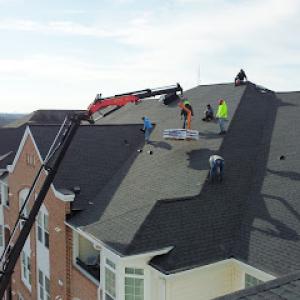
Alternative Roofing, Inc. is a Maryland roofing contractor providing new replacement roofing and roofing repairs for over three decades. Prior to establishing Alternative Roofing, Inc., the two founders have had long and successful careers in commercial roofing and roofing product distribution. This mix of backgrounds allows us to provide end-to-end roofing solutions for our residential and commercial customers. We pride ourselves on being a local roofing company focused on quality and customer service. We take the time to get to know our customers without the hard-sell approach. The quality of our work speaks for itself: many of our new clients have been referred to us by their friends and family whom we helped in the past.
Kelbie Home Improvement Inc - Baltimore Flat Roof Services
(410) 766-3377 kelbie-roofing.com
Serving
4.7 from 222 reviews
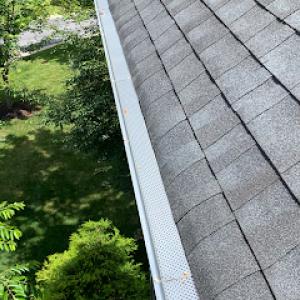
Flat roof and roof coating specialists serving Baltimore and Washington D.C., offering same-day repairs, financing, and lifetime warranties—licensed in MD, PA, and DC. VA
For a full re-roof in this jurisdiction, a building permit is typically required and is usually submitted by the contractor or project builder to the Department of Inspections and Permits. Before any tarps come off or tear-off begins, confirm with the contractor that the permit is in process and that the project plan clearly shows tear-off, replacement materials, and ventilation details. This is especially important on older homes that show signs of roof deck wear or mixed roof pitches.
The contractor or project builder should submit the required drawings and roof specifications to the Department of Inspections and Permits. In Halethorpe's climate, the plan should address attic ventilation and any deck anchoring details that may be flagged during review. If the plan includes a low-slope section or potential penetrations for vents, skylights, or rafters, expect questions about how those areas will be sealed and vented to prevent future leaks.
Once the permit is issued, posting is commonly required at the job site. The posted permit serves as a visible reminder to neighbors and inspectors alike that work is authorized and being monitored. Ensure the posting stays clear and legible for the duration of the project, and keep a copy of the permit on-site in case inspectors request it during visits.
During the tear-off and installation phases, inspections are scheduled at key milestones. Typical checkpoints include after tear-off removal, after underlayment installation, and at milestones tied to flashing, ventilation, and shingle or panel installation. Clear access for inspectors is essential, so keep walkways around the roof free of obstructions. In this jurisdiction, you may also encounter spot checks focused on ventilation adequacy and deck anchoring where older construction is present.
A final inspection confirms that the re-roof meets code requirements and that ventilation and structural anchors comply with local expectations. Expect sign-off to occur after completion when all penetrations are sealed, flashings are sealed, and the roof cover has been installed to the project's specification. The final sign-off marks the end of permit activity and, with it, the project's formal closure in the permit records.
Older homes in the area may trigger added attention to ventilation or deck anchoring when applicable, which can affect scope after tear-off. If the inspector notes insufficient ventilation or deck anchoring adjustments, the contractor may need to revise the scope and reconfirm with the department. Stay in contact with the permit office and your contractor through these moments to avoid delays and ensure the project remains compliant from tear-off through final sealant.
In Halethorpe, older residential stock often carries decades of retrofit patches and layered roofing history. That layering can hide aging sheathing, inconsistent sheathing fasteners, and uneven deck surfaces that only become obvious once the weather turns or a contractor lifts a vent flange. When roofs are opened for repair or replacement, these hidden conditions frequently surface, increasing the risk of concealed rot, mold, or warped boards behind the visible surface. The consequence is not only a steeper repair bill but also a longer project timeline if structural or ventilation deficiencies are discovered late in the process.
Freeze-thaw cycles in winter and the humid heat of summer drive a steady pressure on Halethorpe roofs. Shingles can become brittle with cold snaps, while underlayment and sealants endure repeated expansion and contraction during hot, humid days. This cycle often shows up as corners and edges loosening, granules washing away, and small leaks becoming noticeable only after persistent rain. When aging materials are already marginal, minor sun exposure during a dry spell can cause a brittle edge to crack under a gusty wind, letting moisture migrate into the attic or between layers.
Fall rains have a way of exposing what summer warmth masked. Weak vent boots, corroded or undersized metal flashing around chimneys, skylights, and vents, and poorly sealed penetrations commonly fail after a long humid season. The repeated damp-wet-dry sequence accelerates rust and oxidation on flashing, while compromised sealants soften and fail to shed water properly. In practice, this means that a roof that seemed weather-tight during dry spells may reveal damp spots, staining, or musty attic odors once sustained rain returns.
Recognize that the first sign of trouble may show up at the edge of a roof, around a penetrated area, or where two roof planes meet. When a contractor investigates, expect to encounter a mix of old and revised components, with potential mismatches in fasteners, flashings, and underlayment. Planning for a replacement or a targeted repair should account for the likelihood of ventilated attic work, potential deck repairs, and the need to correct prior improper penetrations. The result is a project that favors thorough assessment over quick fixes to prevent recurring leaks during the next storm season.
In this area, older Baltimore-area housing stock meets a humid Mid-Atlantic climate, so the roof needs to handle hot, sticky summers and sudden winter precipitation without leaking or failing prematurely. Asphalt shingles remain the dominant practical choice locally because they fit the area's common residential roof forms and the prevailing replacement budget range. They offer straightforward repairs, wide availability, and a track record of performance on pitched and low-slope sections alike. For many homeowners, a high-quality asphalt shingle roof delivers dependable protection against the daily humidity, seasonal storms, and the degree of foot traffic that aging homes often see around driveways and backyards.
Metal and aluminum roofing are relevant when heat resistance and longevity become priorities, especially through humid summers and variable winter precipitation cycles. In Halethorpe, a steel or aluminum roof can shed heat more efficiently than dark asphalt during the hottest days, which may reduce cooling strain in attic spaces that were never fully expanded for modern energy demands. Metal systems tend to perform well on roofs with both traditional pitches and occasional low-slope sections, and their fast installation times can help when a storm disrupts a roof line. If heat resistance and a longer service life are high on the list, metal or aluminum options deserve careful consideration, with attention to panel profile, underlayment, and flashing compatibility with existing valleys and dormers.
Slate, clay tile, and wood products appear in the local material mix but require careful structural and maintenance consideration on older homes common in the Baltimore-area housing stock. Slate and clay tile offer impressive durability and a distinctive look, yet they demand a solid roof deck, precise framing, and often a higher upfront investment. Wood shingles or shakes can deliver traditional curb appeal but may require more frequent maintenance to prevent rot and insect issues in exposed roof edges. In older homes, these materials are most practical when the existing structure is reinforced or can be reinforced without excessive alteration, and when periodic inspections are planned to catch moisture intrusion before it travels under the surface.
Regardless of material choice, ensure proper venting, reliable flashing at chimneys and valleys, and a robust rain-down path along the eaves and into gutters. Storm-driven leaks tend to target seams, fasteners, and transitions, so a roofing plan that emphasizes sealing these weak points during and after major weather events pays dividends in Halethorpe's climate. Regular inspections after heavy rain or wind season can help catch early signs of wear on older roofs, including cracked shingles, lifted edges, or degraded underlayment.
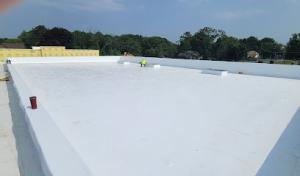
Even where the main roof is pitched, many homes in this area include porch, rear addition, or small low-slope sections that fail differently from shingle fields. These flats or nearly flat patches are prone to ponding, seam weaknesses, and drainage challenges that can push water toward walls and ceilings. Pay close attention to transitions where low-slope membranes meet steeper areas, along edge flashing, and at any penetrations such as vent pipes or skylights. Durability matters most where moisture tends to sit during the fall rains and winter moisture cycles.
Storm-driven leaks often show up first at low-slope sections because of slow drainage and membrane wear. After a heavy rain, walk the roof edge to look for standing water near drains or scuppers. Check for unusual bulges, loose flashing, or lifted edges at transitions from the low-slope to adjacent pitched areas. If signs of water infiltration appear inside walls or ceilings, inspect attic insulation near these zones for dampness or mold indicators. In Halethorpe, flat sections that have seen years of service may reveal seam cracks or aging adhesive that needs targeted attention.
Routine maintenance should include cleaning gutters and downspouts to prevent clog-induced ponding on flat sections. Inspect drainage points and verify that seals around penetrations remain intact. When leakage is observed, prioritize resealing seams and replacing damaged flashings before considering full membrane replacement. For older homes with mixed roofing, ensure the low-slope membrane transitions smoothly to the vertical wall or ledger area so water doesn't wick into the structure. Scheduling timely, small repairs can prevent larger interior damage during wet seasons.
Choose materials that handle moisture and temperature swings well, with emphasis on reliable seam systems and UV resistance. In areas with frequent fall rains, a durable membrane paired with robust edge flashing tends to outperform single-layer options. Favor products known for good ponding tolerance and compatible flashing details at transitions to pitched roofs. Proper installation matters as much as the product itself; meticulous edge handling and patching at penetrations reduce ongoing maintenance needs.
Find specialists in TPO, EPDM, and built-up flat roofing systems for residential and commercial properties.
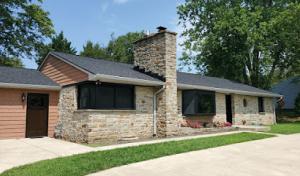
Walter Brown Services
(410) 796-4322 walterbrownservices.com
5220 Washington Blvd, Halethorpe, Maryland
5.0 from 74 reviews
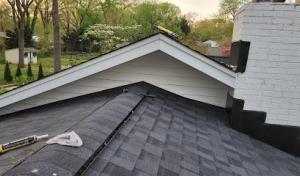
Maryland's Mid-Atlantic wind and hail claim environment affects Halethorpe homeowners because insurers commonly want roof-condition documentation, prior claim history, and contractor estimates before settlement. After a storm, adjusters may request date-stamped photos and a post-loss inspection, so document shingle tabs, flashing, interior staining, and any emergency tarping immediately. Delays or gaps in evidence can slow or weaken the settlement, especially on older roofs that already show wear.
Because storm-response work is active in this market, homeowners should separate true insurable storm damage from age-related wear that carriers may dispute. Pitched sections and low-slope areas on the same house can present differently: wind-driven lift, hail impact, and accelerated water intrusion often cluster near flashing joints, valleys, and eaves. Honest assessment helps avoid over-reporting minor aging that's unlikely to be considered storm damage, while still ensuring that new leaks aren't ignored under a broader wear narrative.
If staining appears on ceilings or upper walls, treat it as urgent evidence of a leak rather than a cosmetic issue. Halethorpe homes frequently mix older shingles with newer patches, so concentrate on roof-to-wall transitions and pent-up moisture in attic spaces. Emergency tarping should be prioritized to limit further damage, and photos should capture the tarp's edges, any lifted shingles, and visible gaps. When contacting an insurer, provide a concise history of the storm, dates, and any prior repairs that relate to current leaks, along with clear, dated images.
Independent estimates carry weight, but ensure the contractor's scope aligns with the insurer's expectations for coverage. Avoid signing off on repairs that don't address the most vulnerable areas first-valleys, flashing, and joints-since those spots often drive leaks during subsequent storms. Clear, consistent documentation reduces surprises and helps you navigate the claim process more confidently.
Connect with contractors who help homeowners navigate the claims process from damage assessment to final approval.
Walter Brown Services
(410) 796-4322 walterbrownservices.com
5220 Washington Blvd, Halethorpe, Maryland
5.0 from 74 reviews
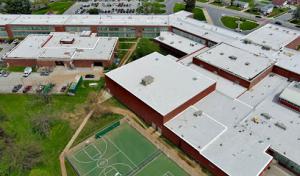
In this market, skylight-related service is notably active, indicating leak-prone penetrations are a real homeowner concern in Halethorpe rather than a fringe specialty. The combination of humid summers and rainy shoulder seasons means failed flashing and compromised seals can masquerade as broader roof failure and complicate diagnosis. Penetration details around vents and chimneys matter on older roofs here because repeated patching over time often leaves mixed flashing conditions by the time a full replacement is considered.
Begin with a careful surface scan after a heavy rain or a small storm. Look around skylights for damp or stained framing, softened edge joints, and any dark mineral sheen on sealant lines. Check the flashing at skylight transitions where the curb meets the roofing, and trace sealant continuity along the long edges as well as the sides. On older sections, pay special attention to vents and chimney penetrations, since they often carry mixed flashing layers from prior repairs. If you're seeing moisture tracking down on interior walls near these penetrations, the issue is almost always tied to the flashing and seal transitions rather than the shingle life alone.
Skylight flashing can fail at seams, Lap joints, and where the curb sits against roofing. In humid climates, sealants degrade faster, so look for hairline cracks or split caulking at the skylight flange and along the step flashing. Chimneys and vent penetrations frequently exhibit rusted or displaced flashing, plus degraded beading and membrane underlayment at the base. On patchwork roofs, mixed flashing materials are common; track their alignment and any gaps where water could pool or back up.
If you notice interior condensation after rain, gently press along the skylight perimeter from the attic to feel for air leaks or soft spots. From the exterior, run a water test with a gentle spray along the skylight edge and the surrounding flashing, watching for seepage at the curb joint and along any metal transitions. Document all suspect seams with photos, and map each penetration's flashing condition so a repair plan can address the most vulnerable areas first.
Find contractors experienced in skylight installation, flashing, and leak repairs to bring natural light into your home.
Walter Brown Services
(410) 796-4322 walterbrownservices.com
5220 Washington Blvd, Halethorpe, Maryland
5.0 from 74 reviews