
Last updated: Apr 19, 2026
In Parkville, spring storms and heavy rainfall can derail tear-offs and leave roof decks exposed if the schedule isn't tightly managed. When crews are pushed by weather windows, a calm forecast can quickly become a scramble, and you may be staring at exposed sheathing or decking through a weekend downpour. The result is a cascade of cascading risks: faster deck deterioration, hidden leaks showing up after a lull, and moisture compromising attic framing. The practical aim is to lock a weather-conscious window with your contractor before the first big storm tracks in. If rain is forecast, your crew should have a plan to protect the interior at every step and keep the tear-off moving when a brief dry spell appears. Delays aren't just frustrating; they invite wood rot, mold growth, and pressure from insurance adjusters to accelerate decisions under uncertain conditions.
Baltimore County's climate cycles from hot, humid summers to recurrent freeze-thaw winters, which makes even small storm-created openings dangerous. A minor lift in a shingle edge or a loose flashing corner can become a leak years faster than you expect once the weather shifts. In this market, a temporary patch might work for a day, but it rarely stalls the clock on structural exposure. If a wind-driven gust exposes nail lines or corner flashing, the roof deck is suddenly at risk-especially when a mid-winter thaw follows a brutal cold snap. The practical response is to treat any new opening as a true emergency: call your roofer for a rapid evaluation, document the damage with photos, and plan a prompt, thorough repair or replacement strategy that doesn't rely on perfect weather.
Occasional hail and high-wind events here often push homeowners from repair decisions into full replacement and insurance documentation. When hail hits or a gale tears at fragile cap shingles, the visible damage can be only part of the story. Beneath the surface, the underlayment, deck, and critical flashing may be compromised. If you see granular loss on shingles, dented metal, or loose siding near the roof mountain, it's a signal to reassess timing. The choice between quick repair and full replacement hinges on the extent of unseen damage, the age of the roof, and the potential for further weather to amplify wear. In this climate, proactive assessment beats playing catch-up after the next storm.
Once a leak becomes apparent, action steps are urgent. Stopgap measures buy time, but a leaking roof during a rainy period can flood attic spaces and threaten insulation, ventilation, and electrical components. If you notice dripping in the ceiling or dark staining on multiple rafters, contact a reputable local roofer immediately for a temporary mitigation plan and a scheduled tear-off window that minimizes interior exposure. Every decision should be framed around preventing additional moisture intrusion, preserving the home's structure, and maintaining a dry, safe living environment while a full assessment is completed.
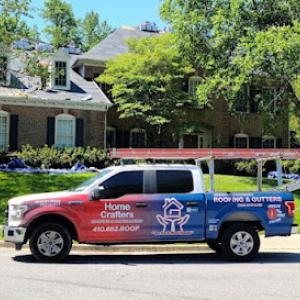
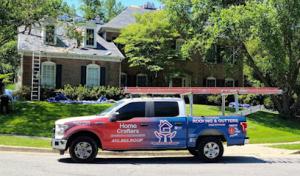
Home Crafters Roofing & Contracting
(410) 882-7663 homecraftersroofing.com
3133 Hiss Ave, Parkville, Maryland
5.0 from 2858 reviews
Whether your roof is leaking, looks old, or it’s damaged, having to replace or repair roofing can be stressful. At Home Crafters Roofing & Contracting, We believe that having work done on your roof should be an easy and affordable process. We perform work on residential and commercial projects in Maryland and Pennsylvania. Our roofing experts will answer any questions you may have throughout the roofing and contracting project. We offer a complete solution with quality workmanship and a variety of roofing services. If you need roofing, skylight or gutter services give us a call or set up a free appointment. With free estimates available you will know exactly what you are getting before the work starts!
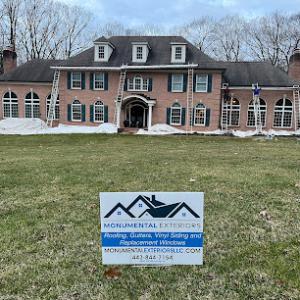
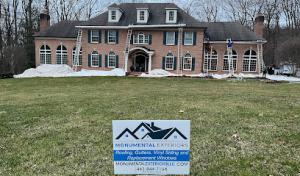
Monumental Exteriors
(443) 844-7154 monumentalexteriorsllc.com
3114 Texas Ave, Parkville, Maryland
5.0 from 48 reviews
Monumental Exteriors strives to provide excellent customer service and customer satisfaction. We have over two decades of residential exterior experience in roofing, siding, gutters and replacement windows. We also provide service work, such as roof leak investigation and repair where applicable, gutter and downspout repair etc. Monumental Exteriors also works with most insurance companies should you need to place a homeowners claim. We provide no obligation free estimates and if a temporary repair needs to be done prior to the replacement we will credit you the amount to the repair if you choose us for your replacement project.
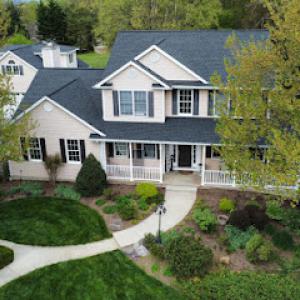
Quality Craft Construction
(443) 297-4993 qualitycraftconstructionllc.com
Parkville, Maryland
5.0 from 23 reviews
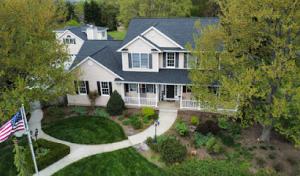
Expert Craftsmanship For Your Home Qualitycraft Construction is a locally-owned and operated roofing and exterior company based in Maryland. We have provided reliable residential roofing and exterior solutions for years to protect homes from weather conditions while keeping them energy efficient.
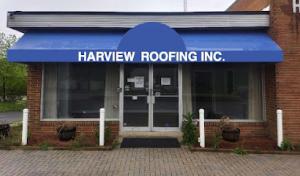
Harview Roofing Company & Home Improvement
(410) 254-0816 harviewroofing.com
1759 E Joppa Rd, Parkville, Maryland
4.0 from 50 reviews
As one of the oldest roofing companies in Maryland, which first opened for business in 1959, Harview Roofing & Home Improvement has been supplying the local home and business owners of Parkville, Rosedale, Green Spring Valley, Baltimore, and Cockeysville, Maryland, with quality roofing contractor services for any roofing need. Our family-owned and operated roofing business believes in providing exceptional services for every client, including never using subcontractors on any roofing job. As your local roofing company in Parkville, Maryland, we are well known in the community for reliable services coupled with a highly competitive and affordable pricing structure. Give us a call today and speak with an experienced roofing contractor.
MLM Home Improvement
Serving
4.6 from 78 reviews
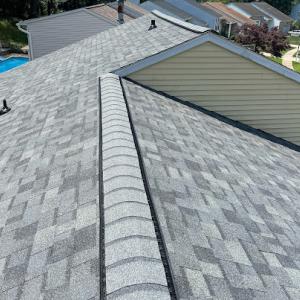
MLM Home Improvement is a premier storm restoration company specializing in full replacements for roofing, siding, and gutter systems. We offer free, no-obligation inspections and estimates to assess storm damage and provide transparent recommendations for replacement solutions. Our expert team is dedicated to delivering exceptional quality and service in every project we undertake.
AC Matthews, Roofing & Exteriors
Serving
5.0 from 140 reviews
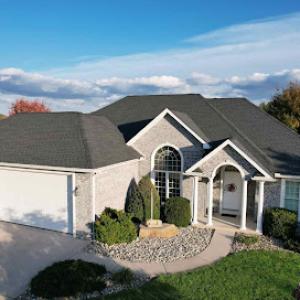
AC Matthews is the leading roofing contractor in Towson, MD. We treat our clients like family and always go that extra mile when it comes to customer care. Our experienced roofers can take on any project, no matter the size. We are always reliable, efficient and affordable. Communication, trust and education are the three main things on which we base our work. When you choose AC Matthews as your roofing contractor, you know you are putting your property in good hands. You can rely on us for all of your exterior maintenance and repair needs. Our business is based on serving the local community. Reach out to us today and receive a free estimate for your roofing project!
Tri State Exterior Design
(833) 469-7767 www.tristateexteriordesign.com
Serving
4.5 from 96 reviews
Tri State Exterior Design is a leading remodeling company in the industry, specializing in Roofing, Gutters, Siding, Windows, Doors & More! We are committed to helping you Design and Build your your dream home! If you have a project that you want to get done right and on a limited budget, then we are the company for you! Besides our awesome prices, we also offer financing with payments so low, most credit unions can’t even come close to matching the monthly payments amounts. We are dedicated to serving our community, one neighbor at a time! How can we help you?
Magnum Home Services
(410) 999-5200 magnumhomeservices.com
Serving
4.9 from 104 reviews
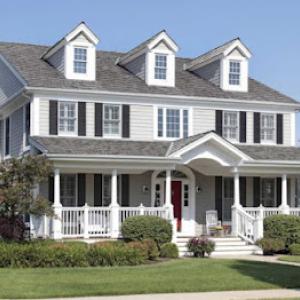
Magnum Home Services is the best roofing contractor in Towson, MD. We are professionally trained in providing the best quality roofing services. We provide all sorts of assistance including roof installation, roof replacement, roof leak repair, and all the other types of roofing services. The services provided by our company are based on years of experience in the industry. Our excellent customer service makes us the top-notch roofing service provider in the area. Whether you are having trouble with your roof or need a new roof installation, we are the most authentic and certified company you can hire. We are known for our quality workmanship and on-time service delivery. So, you can count on us for all your needs. Call now!
Olde World Slate Service
(443) 829-5359 oldeworldslate.com
Serving
5.0 from 26 reviews
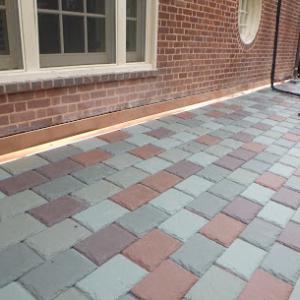
Customers first. Integrity always. This focus drives us from initial inspection to final clean-up. We hire Amish slate and copper craftsmen, and we exclusively service historic roofs/gutters. We put honesty and experience into every job. When you have good people who care about all they put their hands to, it shows. Choose experienced, proven workmanship for your historic roof and gutters, and protect your home for decades to come.
The Delta Slate Company
(443) 310-8254 www.deltaslate.com
Serving
5.0 from 12 reviews
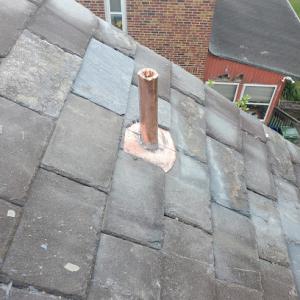
At the Delta Slate Company, we are all about our customers. Our first task is to assess, explain and advise on slate roofing issues, then listen. We provide expertise: a thorough knowledge of every kind of slate, its sourcing, availability and correct installation; a complete understanding of copper roofs; chimney, vent-pipe, ridge and valley flashings; sheet metal work and soldering. Our foremen and helpers are courteous and show respect toward our customers and their property. They are proud of their trade-skills and appreciate the opportunity to practice them. But without question, as a company, we work on the proven principle that what is best for our customers is always best for us.
Roofing Right Now
(443) 447-7471 www.homeimprovementrightnow.com
Serving
5.0 from 25 reviews
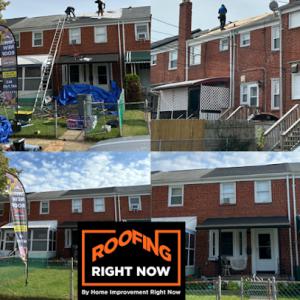
Roofing Right Now delivers Maryland’s best value in roofing with our $3,499 Roof Replacement Special (up to 10 SQ). Includes full tear-off, premium architectural shingles, FREE 25-Point Roof Inspection, Lifetime Workmanship Warranty and more! We don't have sales people, fancy offices, or big warehouses. Your quote pays for quality workmanship, not commissions. Backed by Home Improvement Right Now, LLC, our family-owned company proudly serves Harford, Baltimore, Cecil, Carroll, Howard & Montgomery counties. Through Flooring Right Now, we also offer expert installation of luxury vinyl plank (LVP), hardwood, laminate & tile flooring, transforming homes inside and out while delivering top-quality service at unbeatable prices.
Twins Home Improvement
(410) 256-3076 www.twinshomeimprovementllc.com
Serving
5.0 from 40 reviews
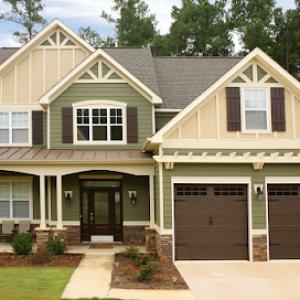
We are a local, family-owned business with over 25 years of experience in roofing, siding, and gutters. We serve Baltimore County, Harford County, and Howard County areas. Our goal is to provide excellent service for every customer. We strive for the best service in every aspect of our service process to deliver what we promise.
Asphalt shingles dominate this market because they fit the area's common residential housing stock and are priced well below slate and tile options. In a neighborhood of steep-slope roofs and mid-Atlantic exposure, asphalt shingles offer straightforward installation and solid durability when paired with a proper underlayment and proper attic ventilation. For most homes in this area, a quality asphalt shingle with a good warranty handles the freeze-thaw cycles, reduces heat buildup, and stays cooperative through the humid summers. When choosing asphalt, pay attention to dimensional or architectural profiles that add a bit of extra wind resistance and curb appeal. In practical terms, a well-sealed, properly ventilated attic and a drip edge that directs water away from fascias help keep leaks at bay during the spring storms and winter thaws.
Heavier materials such as clay tile, concrete tile, and slate are relevant in this market but may require added review for roof load capacity during replacement in Baltimore County. If a home has older framing or limited support in the attic, a structural evaluation before any replacement becomes essential. In many Parkville neighborhoods, rafters and supporting members were designed for lighter compositions, so any switch to heavier products should be preceded by a structural check and, if needed, reinforcement. For homes with existing heavy roofing or interconnected roof systems, a tile or slate upgrade can dramatically change the look and durability, but the cost and installation complexity rise with the weight. If the structure allows, these materials offer excellent long-term durability and fire resistance, which can be attractive if a roof replacement needs to last for several decades. The decision to go heavier should come after a careful assessment of framing, attic space for ventilation, and potential reroofing method to preserve the home's integrity through the next freeze-thaw cycle.
Summer heat and humidity can affect adhesive performance, while winter cold affects installation conditions, making material choice and timing more important here than in milder climates. In humid months, certain asphalt shingles rely on fast setting adhesives that cure with stable temperatures and low humidity. If a replacement is done during the hottest stretch, ensure crew members manage heat exposure and allow for proper sealant curing in cooler morning or evening sessions. For flat- or low-slope sections, or roofs with complicated penetrations, extended curing times in high humidity can impact the water-tightness window. Planning an installation window that avoids peak heat and ensures proper venting and moisture management will reduce the risk of future leaks from adhesive failure or poor sealant performance.
Storm-driven insurance activity means timing becomes a practical factor in Parkville. If a roof shows hail impact, wind lift, or other damage after a storm, a prompt assessment helps prevent secondary leaks from advancing through the season. While the plan may be to replace with asphalt for practicality, the possibility of a heavier material should be weighed if the structural team confirms capacity and the existing roof framing can support the additional load without invasive reinforcement. In this climate, aligning roof material choice with the typical local weather patterns-hot, humid summers and sharp cold snaps-helps ensure a longer service life and fewer call-backs for resealing or premature repair. Keep in mind that proper installation, ventilation, and accurate matching of flashing details are as critical as the material itself, especially where roof lines couple with gutters and dormers common to Parkville homes.
A full roof replacement in Parkville generally requires a Baltimore County building permit rather than being handled as a no-permit cosmetic job. This isn't a nuisance step meant to slow you down; it's a guardrail that helps ensure the work reflects how weather, moisture, and freeze-thaw cycles interact with the local homes. The permit process signals that the project plan has considered structural loads, attic ventilation, flashing details, and drainage continuity. Skipping it can lead to enforcement actions, delays, and the risk of needing expensive redo work if inspectors later decide the installation doesn't meet current standards.
Inspections in this jurisdiction commonly verify underlayment, flashing, venting, and shingle installation before the job is considered code-compliant. You should expect a review of how the roof deck was prepared, whether the underlayment is suitable for the climate, and how roof penetrations (vents, plumbing stacks, chimneys) are flashed to handle heavy rains and wind. A clean attic venting plan and proper attic access for inspection are part of the picture too. Being prepared with documentation from your contractor-photos of deck condition, underlayment type, and a detailed installation plan-can smooth the process and reduce the chance of return visits for minor corrections.
Tile and slate replacements can draw added attention during review because heavier assemblies may raise structural load questions. If the planned replacement involves heavier materials, expect questions about roof framing, joist spacing, and overall support. Parkville homes often sit on aging structures that were not initially designed for concentrated weight from premium materials. A structural assessment paired with a compliant calculation sheet can help demonstrate that the existing framing can safely carry the chosen system. If reinforcement is advised, scheduling it early with the permit process helps avoid mid-project hold-ups.
Communicate openly with your contractor about timing and required permits, and request a pre-inspection walkthrough. A clear scope that maps out underlayment type, flashing details, venting plan, and material choice reduces back-and-forth with inspectors.Keep roof access tidy and free of debris during the process so inspectors can move efficiently. Remember, the permit and inspection regime is there to protect you from weather-driven failures, long-term leaks, and the added stress of a later rework after a storm.
In Parkville, asphalt shingles remain the common, go-to choice, especially for steep-slope homes that line many Baltimore County streets. Typical installed costs for asphalt shingles run roughly from 350 to 650 USD per square, depending on local labor and the exact shingle line chosen. When a homeowner moves to heavier options like slate, clay tile, or concrete tile, costs jump noticeably. Heavier materials bring higher material pricing and often require structural considerations or reinforcement, which adds to the bill. For slate you're looking at roughly 1200 to 2100 USD per square, while clay tile commonly lands in the 900 to 1600 USD per square range, and concrete tile in the 800 to 1300 USD per square neighborhood. In Parkville, those numbers are felt a bit more acutely because local crews frequently balance schedules against storm-related demand spikes.
Shifting from asphalt to heavier systems isn't just about the sticker price on shingles. Heavy roof assemblies can trigger a structural review during replacement, and that adds both time and money. Concrete and clay tile, in particular, require careful assessment of framing, trusses, and potential reinforcement to ensure the home can safely carry the load. If there is preliminary concern about the structure, budgeting for a structural assessment and possible reinforcement is prudent, even if the roof deck and framing are sound. In practice, this means the project can span additional days and involve more trades, contributing to scheduling complexities you'll encounter after major wind or hail events.
Storm-driven demand spikes in the Baltimore County market tighten scheduling and labor availability after wind and hail episodes. That pattern shows up in Parkville as crews push toward quicker turnarounds, sometimes resulting in ballast on wait times for certain materials or specialty installs (like slate or tile). If a storm hits, expect higher demand and tighter windows for roofing teams, which can influence both price and timeline. For the homeowner, the practical takeaway is to build in a buffer for rain checks and potential re-sequencing of work when the weather or insurance-driven timelines compress.
Begin by confirming the current roof's weight and condition, then outline three material paths: asphalt as the baseline, plus one heavier option with its structural considerations. Gather quotes that separate materials, labor, and any potential structural reinforcement. Compare not just the upfront cost per square, but the long-term implications for maintenance, plus how storm-driven scheduling might affect the project window. If storm season is approaching, align expectations with your contractor on possible delays and prioritize shingle selections that balance durability with cost.
Get a clear picture of your project costs upfront - no commitment required.
Home Crafters Roofing & Contracting
(410) 882-7663 homecraftersroofing.com
3133 Hiss Ave, Parkville, Maryland
5.0 from 2858 reviews
Monumental Exteriors
(443) 844-7154 monumentalexteriorsllc.com
3114 Texas Ave, Parkville, Maryland
5.0 from 48 reviews
Quality Craft Construction
(443) 297-4993 qualitycraftconstructionllc.com
Parkville, Maryland
5.0 from 23 reviews
Storm season in this part of Baltimore County brings a predictable mix of wind, hail, and heavy rainfall, and roofs that look mostly ordinary can hide serious damage after a few minutes of hail or a sudden gust. For many Parkville homes, a claim-related roof replacement can hinge on detailed records and a well-documented condition before the claim is filed. The goal is to separate cosmetic wear from structural concerns, so the deductible and out-of-pocket burden don't become unexpectedly steep when the storm window closes.
Documentation matters from the first inspection onward. Homeowners are advised to take clear, dated photos before any contractor steps onto the roof, during the assessment, and after temporary repairs. Note every shingle misalignment, lifted flashing, granule loss, and any attic signs of moisture. A simple, labeled photo log travels far when the adjuster reviews how and where the damage aligns with wind paths or hail impact. Digital records are convenient, but a weather-verified report from a local roofer can carry additional weight when the claim moves through the process.
Adjusters serving this market may ask for material type, installation details, and wind-mitigation information before approving replacement scope. If the home uses common asphalt shingles, the conversation often centers on visible damage and attic moisture signatures. For more complex assemblies or older installations, there can be questions about roof deck condition, underlayment integrity, and whether the existing system meets current wind-resistance expectations. Having manufacturer specs, installation dates, and a checklist of installed components ready helps the claim move without protracted back-and-forth.
Documentation matters more when the roof uses higher-end materials such as metal, tile, or slate, where replacement methods and matching issues can become part of the claim discussion. Metal panels or slate and clay tiles can require careful sourcing to maintain a uniform look with the rest of the house, especially on steep slopes common in this area. Expect discussions about color economies, panel profiles, and the availability of matching pieces. A prepared contractor who can verify weight loads, fastener patterns, and the condition of surrounding flashing can prevent delays caused by mismatches or the need to replace portions of the roof rather than the entire surface.
When storms hit, timing and transparency are your strongest tools. Fast, accurate documentation, a clear line of communication with the insurer, and a reputable local contractor who understands Parkville's typical roof assemblies help ensure the claim reflects the actual damage and the true cost of a proper repair or replacement, rather than a rushed mitigation that could compromise long-term performance.
Connect with contractors who help homeowners navigate the claims process from damage assessment to final approval.
Monumental Exteriors
(443) 844-7154 monumentalexteriorsllc.com
3114 Texas Ave, Parkville, Maryland
5.0 from 48 reviews
Quality Craft Construction
(443) 297-4993 qualitycraftconstructionllc.com
Parkville, Maryland
5.0 from 23 reviews
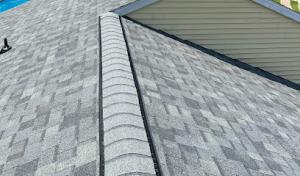
Although steep-slope residential roofs dominate, the local contractor market shows meaningful demand for flat and low-slope work, pointing to additions, porches, and mixed-roof homes. When an addition ties into existing roof lines, a careful plan for drainage and flashing becomes essential to avoid leaks across seasonal cycles. In this area, the choice of materials for low-slope sections should harmonize with the main roof while allowing for robust rain and snow shedding.
Baltimore County inspections that check flashing and venting are especially relevant where low-slope sections tie into steeper shingle roofs. Pay close attention to internal drains, scuppers, and overflow paths that can be overlooked in transitions. For low-slope surfaces, the slope often requires extra attention to seam tape, curb flashings, and proper terminations at parapets or adjoining walls. A well-sealed edge detail helps prevent wind-driven water penetration during Nor'easter winds and spring showers.
Spring rain and winter snow slowdowns make drainage performance and sequencing more important on low-slope sections in this area. Plan for staggered installation sequences so that each segment drains toward established outlets without creating standing water after a storm. When choosing materials for low-slope portions, alignment with the overall roof system matters: integrated underlayment, reliable flashing at transitions, and compatible fasteners reduce the risk of leaks as temperatures cycle through freeze-thaw events.
On low-slope areas, routine maintenance should emphasize debris removal from outlets, inspection after heavy storms, and testing drainage paths during seasonal checks. If an addition uses a mixed-roof configuration, ensure the flashing terms at each transition are intact after weather events. A proactive approach to inspection and timely resealing saves more trouble in Parkville's freeze-thaw climate than delaying fixes until a leak is obvious.
Find specialists in TPO, EPDM, and built-up flat roofing systems for residential and commercial properties.
Home Crafters Roofing & Contracting
(410) 882-7663 homecraftersroofing.com
3133 Hiss Ave, Parkville, Maryland
5.0 from 2858 reviews
Quality Craft Construction
(443) 297-4993 qualitycraftconstructionllc.com
Parkville, Maryland
5.0 from 23 reviews
Harview Roofing Company & Home Improvement
(410) 254-0816 harviewroofing.com
1759 E Joppa Rd, Parkville, Maryland
4.0 from 50 reviews
Skylights are a common feature in Parkville homes, and where they meet the roof line you often see recurring issues with curb flashing and the surrounding shingle integration. When storms come through or the freeze-thaw cycle hits, those joints can degrade faster than surrounding roof areas. Inspect skylight flanges and flashing seals after heavy rain or snow events, and pay attention to any staining or soft spots along the curb. A tight, drip-free skylight requires flashing that sits flush against both the curb and the adjacent shingles, with shingle overlap designed to shed water away from the opening.
Chimneys represent another frequent leak point, especially where masonry-to-roof transitions meet the slope. In Baltimore County's climate, mortar joints can crack with repeated freeze-thaw cycles, allowing moisture to migrate under shingles and underlayment. During replacement projects, check the chimney cricket or saddle to ensure proper water flow around the base and that flashing along the chimney sides is continuous and well-sealed. Any signs of spalling brick, efflorescence, or mortar deterioration should be noted as indicators of deeper moisture movement that can affect the roof deck beneath.
During inspections, flashing takes center stage. County inspectors emphasize flashing at penetrations because these are the most vulnerable spots during a replacement, especially when a steep-slope asphalt system or heavier roof forms are involved. Parkville homes with dormers, skylights, or tall chimneys should have flashing assessed as part of the replacement plan, not as an afterthought. Look for gaps where skylight or chimney flashing meets the shingle line, and for signs of wind-driven leaks after storms.
Practical steps for homeowners are to schedule a targeted inspection after severe weather, document any new moisture marks, and request a flashing-focused assessment during replacements. When contracting work, insist on continuous metal flashing that extends under shingles for both skylights and chimneys, with proper sealants and compatible shingle integration to resist the region's freeze-thaw stress.
Find contractors experienced in skylight installation, flashing, and leak repairs to bring natural light into your home.
Home Crafters Roofing & Contracting
(410) 882-7663 homecraftersroofing.com
3133 Hiss Ave, Parkville, Maryland
5.0 from 2858 reviews
Quality Craft Construction
(443) 297-4993 qualitycraftconstructionllc.com
Parkville, Maryland
5.0 from 23 reviews
Harview Roofing Company & Home Improvement
(410) 254-0816 harviewroofing.com
1759 E Joppa Rd, Parkville, Maryland
4.0 from 50 reviews