Last updated: Apr 19, 2026
Seasonal patterns in this area drive how roofs age. The Baltimore County climate pattern brings hot, humid summers and cold, wet winters, creating a tug-of-war for roof assemblies. In aged or mixed-material neighborhoods, shingle granules loosen faster under stress from humidity, while underlayment and flashing bear the brunt of repeated moisture exposure. This means aging signs such as curling shingles, wavy sections, and small leaks often start in the most exposed spots-low-slope transitions, roof-to-wall junctions, and areas with poor drainage. Understanding these patterns helps homeowners spot trouble before it becomes visible from inside the attic or ceiling.
Winter is the most reliable accelerant of wear around here. Freeze-thaw cycles push and pull at the roofing layers, starting with the underlayment and flashing transitions. Water that infiltrates tiny gaps can freeze, expand, and widen those gaps even when surface rain looks minimal. In older homes with slate or tile mixed with asphalt, the risk concentrates at chimneys, vent stacks, and skylight flanges where sealants age out. If you notice frost buildup along eaves, damp spots near flashing, or damp attic insulation after a cold snap, those are telltale signs that the moisture cycle is already at work inside the roof structure.
Spring thaw and frequent rainstorms complicate repairs. When the weather alternates between warm days and sudden downpours, scheduling work becomes a challenge, and temporary covers may fail, exposing weak points to active leaks. Across a typical Pikesville roof, this means the best window for addressing roof vulnerabilities is the short dry spell between late winter and early spring. If a leak is detected, the first response is sealing the obvious path of water from the attic to the exterior-without delaying the investigation of the interior damage. Early-stage leaks frequently originate at transitions where shingles meet metal flashings or where dormer connections meet the main deck.
Targeted inspection helps separate aging from acute failures. Start with a visual walk along the roof line, looking for lifted tabs, blistering underlayment, and granule loss in shaded valleys. Check the most weather-exposed areas first: edges, valleys, around chimneys, vent stacks, and roof-to-wall connections. Inside the attic, inspect for dark stains, damp insulation, and any signs of condensation-backed leaks near kneewalls or eaves. In mixed-material homes, pay special attention to where different materials meet-shingle-to-tin transitions and lap joints can trap moisture and hide slow leaks until they cascade into ceilings. A systematic approach reduces guesswork and helps pinpoint whether the problem is moisture-driven aging or a more localized failure.
Practical maintenance steps to reduce moisture-driven wear. Clean gutters and downspouts at least twice a year, ensuring downspouts direct water away from the foundation and away from roof-to-wall intersections. Replace degraded sealants around vent pipes and skylights, and reseal flashing transitions every few seasons if they show signs of drying out or cracking. Ensure ventilation remains adequate in the attic to prevent condensation buildup during humid summers and cold winters. Consider upgrading underlayment where access and budget allow, especially around transitions and valleys, to improve a roof's resilience against repeated freezing and thawing. Keep trees trimmed back from the roof line to minimize leaf debris that blocks drainage and creates damp, shaded microclimates favorable to mold and rot.
Seasonal checklists you can use. In late fall, perform a thorough exterior inspection for loose shingles, corroded flashing, and signs of granule loss in exposed areas; address issues before winter sets in. After winter, reassess for any new cracks or lifted tabs caused by the freeze-thaw cycles and promptly reseal or replace affected sections. In spring, schedule a professional assessment after the worst of the rain, when leaks are most likely to be active and damage is easiest to observe from the attic. Maintain a routine of monitoring attic insulation and vapor barriers to ensure moisture does not accumulate, especially in homes with mixed material roofs where thermal movement is more pronounced. This steady, seasonally-timed attention helps slow moisture-driven aging and keeps leaks at bay.
In established residential areas with Baltimore County footprints, the roofing landscape has a clear hierarchy. Asphalt shingles dominate, but the presence of slate, clay tile, concrete tile, metal, and aluminum roofs remains materially relevant for homeowners looking to maintain or upgrade historic rooflines. This mix reflects older construction patterns and renovations that honor heavier legacy materials while accommodating modern performance expectations. Understanding this blend helps homeowners gauge how a roof ages, how to plan replacements, and what trade specialties to seek when projects involve multiple roof surfaces or transitions.
When a roof reaches the point of replacement, the conversation often centers on matching the existing weight and appearance rather than defaulting to standard shingles. Slate and clay or concrete tile, in particular, impose structural and framing considerations that keep it from being a simple shingle swap. If a roofline includes heavier elements, the underlying support, access, and fastener choices must align with those older assemblies. Even where only portions of the roof are being renewed, matching weight classes and ensuring a cohesive transition between material types can affect long-term performance, attic ventilation, and water intrusion risk.
This market commonly features rooflines that step through several materials, with chimneys and skylights adding complexity. Contractors frequently see variable deck heights, flashings, and penetration details where different roof types meet. Sticking to material-compatible flashing and sealants is crucial to prevent leaks at those transitions, especially where a slate, tile, or metal section abuts an asphalt section. When planning work around chimneys or skylights, prioritize teams with demonstrated experience in both skylight installations and chimney work, because proper flashing and cap designs can dramatically influence moisture performance in a humid Mid-Atlantic climate.
Humidity drives aging in roofs that were not originally designed for today's weather cycles. Freeze-thaw cycles, where moisture infiltrates joints and expands, are a particular concern in the Pikesville area. Slate and tile can suffer cracked or loosened pieces, while underlayment and ventilation become critical lines of defense for mixed-material roofs. A proactive maintenance approach-regular inspections after the wet seasons, prompt repair of damaged tiles or slates, and careful attention to attic ventilation and moisture control-helps preserve the integrity of older roof assemblies. Because many homes in this market feature multiple materials, moisture can migrate along rooflines in ways that require both global and localized fixes.
For homes with legacy materials, look for contractors who can demonstrate hands-on experience with slate, clay tile, concrete tile, metal, and aluminum systems, as well as asphalt. Ask to review past projects that involved material transitions, shared flashings, and chimney or skylight work. On-site evaluations should address underlayment integrity, roof-to-wall terminations, and ventilation strategy, especially in attic spaces where humidity trends are most evident. A thoughtful plan for aging roofs in mixed-material configurations should incorporate ongoing moisture management, material compatibility, and targeted repairs that respect the original design intent while delivering durable, weather-resistant performance.
When a storm rolls through the Baltimore County area, the key threats are wind-driven damage, hail impact, and moisture intrusion from repeated freeze-thaw cycles. Insurance adjusters here tend to focus on those factors rather than coastal storm-surge issues. If shingles blow loose, flashing pulls away, tiles crack, or attic ventilation systems show signs of moisture intrusion, those are the events that commonly prompt adjustments. In this market, the more obvious and traceable the damage, the smoother the claim path becomes.
After a storm, you must act fast to capture what happened. Take clear photos of all roof surfaces, interior ceilings showing stains, attic and vented areas, and any fallen debris or displaced components. Photograph the surroundings for context-tree branches, fencing, and nearby homes-to establish exposure. Keep a dated timeline of events and repairs. Third-party assessments often appear in claim reviews, so non-biased opinions can help support a case. Have contractor estimates ready that itemize replacement or repair steps, materials, and any moisture-related remediation. This visual and written record becomes the backbone of the claim, especially when moisture exposure is an ongoing risk you've faced in this mixed-material stock.
Adjusters in this area commonly request both photo documentation and detailed estimates. Expect questions about the roof's age, previous repairs, and any prior moisture issues. A contractor who understands Baltimore County inspection history can bridge gaps between what happened and what is documented in prior permits and inspections. If a third-party assessment is recommended, provide access and ensure the evaluator can review interior and attic spaces for hidden moisture that may not be visible from the exterior. Code-compliant installation matters here: a well-documented, properly installed roof supports stronger coverage outcomes. When you can demonstrate that the roof system and flashing meet current standards and that moisture history is well-documented, the claim review tends to proceed more predictably.
Because coverage stays more straightforward when damage is well documented and installation is code-compliant, gathering post-storm records tied to permit and inspection history is essential. Collect and organize all inspection reports, permit records, warranty documents, and prior repair receipts. Store these with your claim file so adjusters can verify that the roof system has a traceable maintenance and installation history. In this market, transparency about prior conditions and the storm's impact reduces disputes and speeds the path from assessment to remedy. Stay proactive: prompt, precise documentation and a prepared contractor summary are your strongest allies when winds rise and moisture gnaws at an aging roof.
Find local contractors experienced in assessing and restoring roofs after hail, wind, and severe weather events.
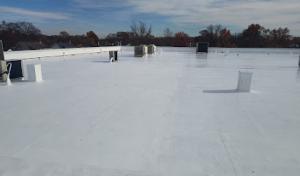
Park Heights Roofing
(410) 358-1257 parkheightsroofing.com
15 Sudbrook Ln, Pikesville, Maryland
4.9 from 547 reviews
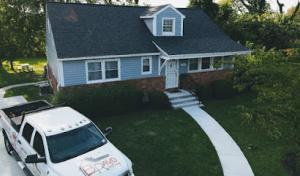
Bravo Roofing
(443) 450-6110 www.bravoroofingmd.com
1829 Reisterstown Rd Suite 350, Pikesville, Maryland
5.0 from 85 reviews
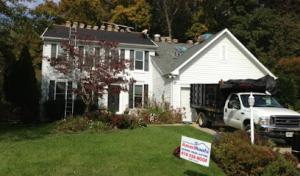
AMERIROOFS Roofing Siding Gutters
(410) 358-7663 www.ameriroofs.com
7092 Milford Industrial Blvd SUITE A, Pikesville, Maryland
4.6 from 46 reviews
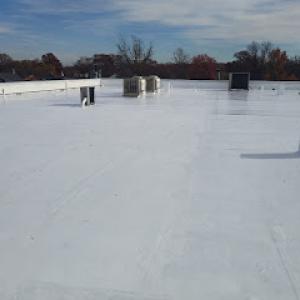
Park Heights Roofing
(410) 358-1257 parkheightsroofing.com
15 Sudbrook Ln, Pikesville, Maryland
4.9 from 547 reviews
Founded in 1999, Park Heights Roofing has grown into a full-scale residential & commercial roofing company. We also offer siding solutions, insulation, chimney repointing, & complete gutter services. We pride ourselves on being honest & professional - delivering exceptional customer service & workmanship. Our commercial team has worked on millions of square feet of roofing projects in dozens of states. We have the team, equipment & knowledge to work on any project. With a team that's dedicated and responsive, we're always prepared to go above & beyond for our clients. That's why we're proud of our A+ Angie's List rating and many other local & national awards. Because with us, service always comes first.
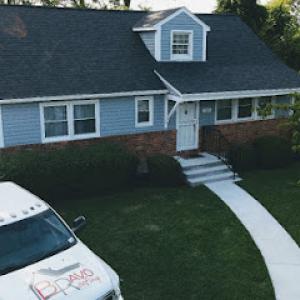
Bravo Roofing
(443) 450-6110 www.bravoroofingmd.com
1829 Reisterstown Rd Suite 350, Pikesville, Maryland
5.0 from 85 reviews
Bravo Roofing is one of the best roofing companies in Maryland providing roof repair, metal roofing, roof replacement, and serving Southern Maryland and all surrounding areas. We are the top contractors in MD committed to the highest customer service and workmanship quality.
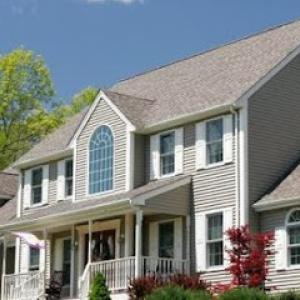
Badger Contracting
(410) 252-1633 www.badgercontracting.net
28 Walker Ave, Pikesville, Maryland
4.5 from 148 reviews
Badger Contracting is your premier choice for a local roofing company in Pikesville, Maryland. Specializing in roofing, window replacement, and siding services, we bring unparalleled expertise and craftsmanship to every project. Our team understands the importance of your roof and treats your home like it's our own. Whether you're seeking a dependable siding contractor or need financing options for a roof replacement, we are here to deliver solutions tailored to your needs. What sets us apart is our dedication to quality and efficiency, and we prioritize customer satisfaction above all else. Discover how we can transform your home with our exceptional roofing, window replacement, and siding services.
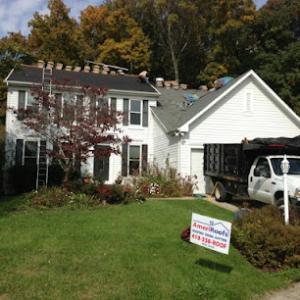
AMERIROOFS Roofing Siding Gutters
(410) 358-7663 www.ameriroofs.com
7092 Milford Industrial Blvd SUITE A, Pikesville, Maryland
4.6 from 46 reviews
Looking for a Roofing Contractor in Maryland? Ameriroofs Roofing is your Local Baltimore Roofing Contractor serving Baltimore County & Maryland wide.
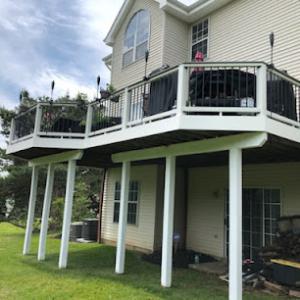
Exterior Experts
(410) 204-4809 exteriorexpertmd.com
Serving
4.7 from 53 reviews
Exterior Experts provides roofing, siding, and decking services as well as bathroom remodeling to Baltimore, MD, and surrounding areas.
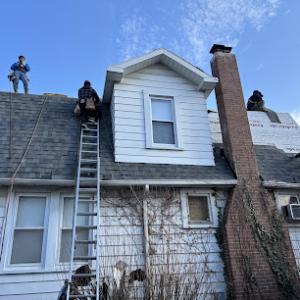
Blue Rise Baltimore Roofing
(410) 220-5559 blueriseroofing.com
Serving
5.0 from 132 reviews
Blue Rise Roofing is your go-to for residential and commercial roofing services. We pride ourselves in being dedicated to all things roofing. No job is too big or too small, from roof repairs or gutter repairs to a full roof replacement or gutter replacement. We offer durable quality products, and our low rates can’t be beaten, located right here in Maryland. If you have a leaky roof or wondering what condition your roof is currently in, Blue Rise Roofing provides free quotes and inspections.

Value Remodeling
(443) 977-0089 valueremodelinginc.com
Serving
4.8 from 12 reviews
Value Remodeling has been Maryland’s most trusted remodeling company since 1992, proudly serving Central Maryland, including Howard, Anne Arundel, Baltimore, Carroll, Frederick, Harford, Montgomery, and Prince George’s Counties. Locally owned and operated, we provide expert roofing, siding, window and door replacement, and exterior home improvement services. Our skilled craftsmen use only top-quality materials and trusted brands like Pella, CertainTeed, ProVia, Owens Corning, GAF, Royal Building Products, Alside, Tamko, and Wincore. Committed to exceptional customer service and professional workmanship, Value Remodeling is your go-to partner for home renovations, upgrades, and repairs across Maryland.
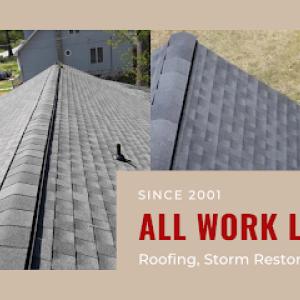
All Work
Serving
4.9 from 73 reviews
Since 2002, All Work has been a trusted leader in comprehensive contracting and restoration services. As a premier full-service contractor, we specialize in expert roofing solutions while also offering extensive general contracting, siding, and demolition services. We understand that disasters can strike at any time, which is why we provide professional fire and water damage restoration to help you rebuild with confidence and ease. Let us handle your next project with our dedicated craftsmanship and unwavering commitment to quality.
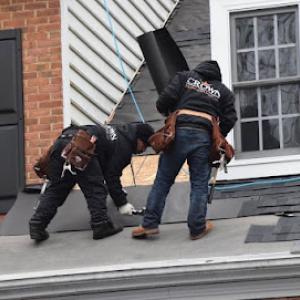
Crown Remodeling
(410) 498-6758 www.crownremodelingllc.com
Serving
4.5 from 164 reviews
Crown Remodeling is a licensed and insured roofing contractor based in Baltimore County, Maryland, specializing in roof replacement, full roof installations, storm-related roof replacements, and commercial roofing systems. With over a decade of experience, we proudly serve homeowners and businesses throughout Baltimore County, Howard County, Anne Arundel County, and surrounding Maryland areas. In addition to roofing, we provide siding replacement, window installation, and interior remodeling services. Our team is known for quality craftsmanship, honest communication, and dependable project management from start to finish. If you’re considering a new roof or a full exterior upgrade, contact Crown Remodeling today to schedule a free estimate.
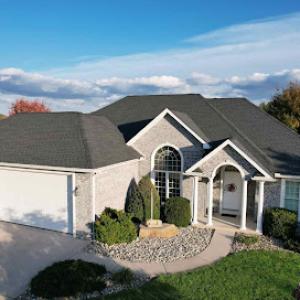
AC Matthews, Roofing & Exteriors
Serving
5.0 from 140 reviews
AC Matthews is the leading roofing contractor in Towson, MD. We treat our clients like family and always go that extra mile when it comes to customer care. Our experienced roofers can take on any project, no matter the size. We are always reliable, efficient and affordable. Communication, trust and education are the three main things on which we base our work. When you choose AC Matthews as your roofing contractor, you know you are putting your property in good hands. You can rely on us for all of your exterior maintenance and repair needs. Our business is based on serving the local community. Reach out to us today and receive a free estimate for your roofing project!
MD Pride Roofing & Home Services
(443) 637-7433 mdpridehomeservices.com
Serving
5.0 from 39 reviews
MD Pride Roofing & Home Services provides top-quality roofing repair, replacement, and gutter services throughout Baltimore, Hereford, Monkton, Parkton, Sparks, White Hall, Hampstead, Cockeysville, Timonium, Phoenix, Jarrettsville, Glyndon, and surrounding areas in Maryland. Our experienced team specializes in residential and commercial roofing solutions, ensuring your property is protected and looks its best. From emergency roof repairs to routine maintenance and gutter replacements, we’re your trusted local experts. Contact us today at (443) 637-7433 for a free estimate and discover why Maryland homeowners choose us for reliable and affordable roofing services.
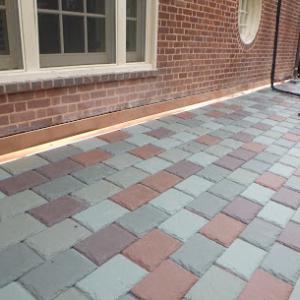
Olde World Slate Service
(443) 829-5359 oldeworldslate.com
Serving
5.0 from 26 reviews
Customers first. Integrity always. This focus drives us from initial inspection to final clean-up. We hire Amish slate and copper craftsmen, and we exclusively service historic roofs/gutters. We put honesty and experience into every job. When you have good people who care about all they put their hands to, it shows. Choose experienced, proven workmanship for your historic roof and gutters, and protect your home for decades to come.
For Pikesville homes, full re-roofs typically require a permit through the Baltimore County Department of Permits, Licenses and Inspections. Understanding the permit process before breaking ground can save you from delays that frustrate an otherwise straightforward project. The county treats re-roofs differently from small repairs, and missing a step can trigger stop-work orders or staged inspections that push out your timeline.
The roofing contractor commonly applies for the permit and submits plan details for review against current county requirements before work proceeds. This means you should expect to rely on their familiarity with local expectations, including drainage, ventilation, and edge details that respond to our humid Mid-Atlantic climate. If your home has mixed materials-slate, clay tile, or older asphalt-your plans may need more careful documentation to show proper integration with existing features and any necessary flashings or ventilation accommodations.
County inspections during and after installation include an edge flashing and ventilation check, and the permit is not fully closed until final approval. These checks matter not just for code compliance but for long-term performance in a damp, freeze-thaw environment. Edge flashing must be continuous and well-sealed against wind-driven moisture, especially where roof lines meet walls and skylights. Ventilation reviews ensure attic spaces aren't trapping humidity that accelerates aging of underlayment and decking. Expect an inspector to verify that penetrations, valleys, and transitions meet county standards, which are designed with our locally observed moisture patterns in mind.
Moisture-driven aging is a real concern with older, mixed-material stock. Even when a re-roof seems straightforward, the sequence and detailing chosen to address condensation, ventilation, and leak paths can affect how quickly aging starts to show after installation. The permit process isn't just bureaucratic overhead; it's an opportunity to confirm that your chosen materials and their installation align with county expectations and your home's exposure to humidity, summer heat, and winter cold.
Keep lines open with your contractor about plan submittals, edge detail choices, and ventilation strategies before the project begins. Request copies of permit applications and inspection checklists so you know what inspectors will verify. If the county requires a plan revision, address it promptly to avoid delays. A well-documented permit path and clearly understood inspection milestones can help ensure the re-roof not only passes inspection but stands up to the unique moisture challenges of the local climate.
Get a clear picture of your project costs upfront - no commitment required.
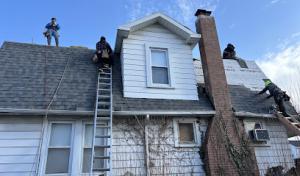
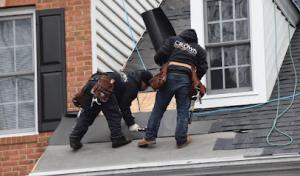
In this market, you'll see a clear spread in pricing by material and by the complexity of the job. Typical local pricing runs about $350-$700 per square for asphalt shingles, $700-$1400 for metal roofing, $900-$1800 for clay tile, $800-$1500 for concrete tile, $1200-$2500 for slate, and $600-$1200 for aluminum roofing. That range reflects both the material cost and the labor needed to handle older homes with mixed-material roofs.
Older homes in established neighborhoods commonly start with shingles, but you'll occasionally encounter matching slate or tile systems that require careful sourcing and precise color and texture matching. When the roof must blend with existing slate or tile rather than a tear-off-and-go shingles job, costs can rise noticeably. Expect extra time for measuring, ordering specialty pieces, and coordinating with any repairs to underlying decking or ventilation integrated into the historic or mixed-material roof system.
Before you commit, inventory the current roof and know what you're matching. If you have a handful of slate or clay tile remnants, bring them to the contractor for comparison. In areas with long-standing tile rows or slate bands, a direct color and profile match matters for curb appeal and value. Prices will reflect the need for specialty crews familiar with older construction details, not just a standard re-cover.
Scheduling is practical to minimize weather-related delays. Spring and fall are common windows in this Baltimore area to avoid summer heat, winter precipitation, and seasonal weather delays that can affect labor timing and project staging. If a project runs through shoulder seasons, you gain more predictable start times and often a steadier crew flow, which helps when coordinating with existing chimneys, vents, or skylights.
To budget accurately, think beyond the sticker price. Consider long-term maintenance and potential ventilation upgrades, flashing around chimneys, and the compatibility of underlayment with existing roof decks. If you're aiming for a seamless upgrade that preserves character while improving performance, set aside a contingency for matching materials and possible phased work, especially on older homes with mixed materials.
Don't let upfront costs delay a critical repair - these contractors offer payment plans to fit your budget.
Badger Contracting
(410) 252-1633 www.badgercontracting.net
28 Walker Ave, Pikesville, Maryland
4.5 from 148 reviews
Spring in this area brings thaw conditions and frequent rain that can slow tear-off and dry-in work. Start planning for a window that avoids anticipated heavy rain events and freezes at night, which can complicate roof decking exposure. If you're replacing or sealing, target mid-to-late spring when the ground has firmed up but before the late-spring heat spikes. Keep an eye on those lingering moisture days-thin ice and wet decking can push work back and require additional drying time before shingles or underlayment go down. If a stretch of clean days appears, you can push ahead with partial tear-off sections while safeguarding adjoining areas from runoff.
Summer roofing in this area is affected by heat and afternoon thunderstorms, which can shorten safe work windows. Plan around mid-day heat and lead times for delivery of materials; early morning starts often yield the most productive days. Afternoon panels and tarps should be secured to withstand gusts and potential downpours. When planning, coordinate with crews to take advantage of cooler hours and avoid late-day heat buildup that can stress underlayment and roofing fasteners. Keep gutters clear so that sudden showers do not flood exposed decking or trap moisture.
Autumn wind events can disrupt scheduling and accelerate deterioration on roofs already near end of life. If a tear-off is on the schedule, brace for shifting debris and the potential need for extra protections along rakes and hips. Post-wind inspection after storms is crucial to catch lifted shingles or damaged flashing before winter sets in. Autumn cycles also bring fallen leaves that clog valleys and gutters, so plan for additional cleanouts and seamless coordination between crews and yard cleanup.
Winter ice and snow in this region can disrupt scheduling and aggravate pre-existing weaknesses. Freeze-thaw cycles are particularly hard on older materials common in the area. If work continues into winter, ensure decking and flashing areas stay dry during dry spells, and prepare for shorter work days as daylight shortens. Delays are common, so build contingency into your timeline and protect exposed areas from ice buildup that could leak later.
In this market, the insurance environment centers on wind, hail, and moisture documentation rather than wildfire or hurricane-code claim patterns seen in other states. Your claim outcome hinges on how well moisture intrusion is captured and described, not on dramatic incidents alone. The record matters: notes from storm events, visible damp spots, and the progression of leaks over time shape whether a claim is viewed as compensable.
Maryland homeowners in this market are better positioned when they keep date-stamped photos, contractor scopes, and proof of code-compliant installation tied to Baltimore County permits. Clear, chronological evidence helps an adjuster see the sequence from initial impact or moisture intrusion to repair milestones. If a leak is suspected, start documenting the inside: ceiling stains, attic condensation, and any mold concerns, with timestamps and weather context. A detailed scope from a reputable contractor that aligns with what a licensed roofer installed or repaired reduces disputes about what was actually damaged.
Because reroof coverage remains typical when damage is well documented, the practical dispute point in Pikesville is often evidence quality rather than whether roof claims exist at all. Be mindful that older, mixed-material houses can hide moisture behind ceramic tiles, slate, or metal panels, especially where ventilation or flashing has degraded. Regular inspections after heavy spring rains and mid-winter thaws help catch creeping leaks before they mortally compromise decking or insulation.
If you suspect moisture intrusion, secure temporary protection while you gather photos and contractor notes. Aim to have a consistent, professional assessment that details the extent of damage, recommended repairs, and a repair timeline. In this neighborhood, the stronger your documentation packet, the more straightforward the claim path tends to be.
Although steep-slope residential roofing dominates locally, contractor demand in this market shows meaningful availability of flat-roof and roof-coating specialists for low-slope sections and additions. In neighborhoods with mixed materials, low-slope areas may serve sunrooms, porches, or dormer builds, and require a different maintenance cadence than the primary shingle, slate, or tile roof. This reality matters in Pikesville where aging stock and thoughtful additions intersect with ongoing weather exposure.
Baltimore area winters bring frequent rain and snow, while summers intensify humidity. On low-slope sections, drainage performance becomes a central concern. Ensure that parapets, edge details, and membrane transitions are designed to prevent ponding and to direct water toward primary drains. In older homes, membrane hail and wind uplift are worth inspecting after harsh storms. A well-sealed, properly sloped interface between low-slope areas and adjoining roof planes reduces the risk of capillary wicking and moisture intrusion that can travel into attic cavities or ceiling spaces.
For homes with mixed roof geometries, a plan specific to low-slope areas helps prevent surprises. Routine inspection should focus on seams, penetrations, and flashings where a flat or nearly flat surface meets vertical elements. Regularly check for blistering, UV degradation, and edge rust from metal details. When replacement becomes necessary, coordinate transitions so that coatings or membranes align with the adjacent shingle or tile roof materials, preserving overall drainage and wind resistance. In some cases, upgrading flashing kits, applying reinforced waterproof coatings, or installing a ribbed insulation board underlayment can improve long-term performance without disrupting the main roof's appearance.
Flat-roof and coating specialists in the region offer a spectrum of options designed for mid-Atlantic humidity. A common approach combines a high-quality bituminous or modified bitumen membrane with reflective or silicone-based top coats to boost energy performance and moisture resistance. For larger low-slope additions, consider a cohesive system that includes detailing for parapets, penetrations, and edge terminations. When selecting a solution, prioritize compatibility with existing materials and a seamless transition at joints to minimize potential failure points during freeze-thaw cycles.
Find specialists in TPO, EPDM, and built-up flat roofing systems for residential and commercial properties.

Wallace Roofing siding gutter sign window commercial residential flat metal asphalt shingle drywall insulation repairs
(410) 655-3700 www.wallaceroofingbaltimore.com
Serving
4.8 from 19 reviews