
Last updated: Apr 19, 2026
When a storm hits, the strongest signal you'll see in this market is urgent repair needs to stop leaks fast. Steep shingle and slate roofs common in the area can shed water quickly, but wind-driven rain often finds small gaps around vents, flashing, or joints and turns a minor drip into a rapid interior issue. If water begins to show up inside, prioritize stopping the flow now: apply a temporary tarp or heavy-duty roofing plastic over the affected area, press down edges securely, and avoid walking on damaged sections during the storm. Time matters because every hour of delay can widen interior damage, especially on older roofs where pre-existing wear makes flashing joints vulnerable.
The regional risk pattern is a cycle of spring through early summer wind-driven rain followed by winter freeze conditions. That combination can open flashing joints, curl shingles, or loosen metal threshold pieces, turning small defects into bigger leaks after a single drop. In Gwynn Oak, a homeowner might see a relatively quiet roof through a dry spell, only to wake up to a drip after a windy rain event. The best approach is proactive, not reactive: inspect after a severe storm for displaced shingles, torn sealant around chimneys, and loose soffit or vent penetrations, and address them promptly before a freeze cycle locks in leaks or causes interior damage to insulation and ceilings.
Insurance outcomes in this area often hinge on clear, timely documentation that shows the roof's prior condition, the timing of the weather event, and the contractor's assessment. Before any repair, take dated photos that capture the roof edge, flashing joints, valleys, skylights, and interior water intrusion near ceilings or attic spaces. A simple progress set during repair helps the claim later, including close-ups of damaged flashing, exposed underlayment, and signs of prior wear on shingles or slate. Include a written note of when the storm occurred and how long the leak persisted, plus a contractor estimate that explains the scope of emergency work and any recommended permanent fixes. On older roofs, insurers often want to see that the damage aligns with the storm timing and not with pre-existing wear, so meticulous records matter.
Create a small storm-response kit: heavy-duty plastic sheeting or a tarp, duct tape, wooden boards to weight down tarps, and a flashlight for attic checks after dark. After a storm, perform a careful attic inspection for signs of active leaks, such as damp insulation or dark streaks, and note any new water staining on ceilings. If a leak is detected, document with photos from multiple angles and angles that show the source area. Contact the insurer promptly with a concise description, the storm date, and your documentation bundle. Request an adjuster visit if the leakage is ongoing and avoid delaying temporary repairs that prevent further interior damage. When choosing a contractor for emergency work, prioritize those with demonstrated experience handling older roofs, pre-existing wear, and the ability to provide a detailed, line-item estimate for both emergency mitigation and permanent repair.
Storms in this area tend to test older roofs hardest at joints and flashing. After stabilizing a leak, schedule a thorough roof assessment focused on flashing around chimneys, skylights, vent stacks, and where shingles meet valleys. Prioritize timely maintenance that reduces the chance of future wind-driven leaks, especially in areas known for prior wear. Keep a running log of repair work, including contractor contact information, dates of service, and notes on the vulnerable features observed during inspections. Being prepared with a documented history helps move claims forward smoothly when the next storm arrives.
Find local contractors experienced in assessing and restoring roofs after hail, wind, and severe weather events.
Hondumark
1821 Colmar Rd, Gwynn Oak, Maryland
5.0 from 6 reviews
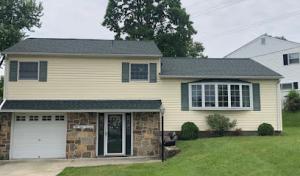
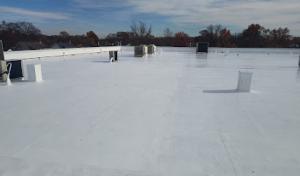
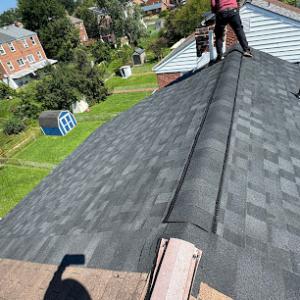
HonduMark Roofing We services all Maryland DC VA PA Licensed bonded & insurance Lic# 05-148985 We specialize in: Flat Roof TPO, EPDM, shingles Gutters, Hard wood floor Refinish, Deck Refinish, Carpet Cleaning, Duct and Vent Cleaning, Chimney repair and Cleaning, House Cleaning, Commercial Cleaning. Email: Hondumarkllc@gmail.com
Blue Rise Baltimore Roofing
(410) 220-5559 blueriseroofing.com
Serving
5.0 from 132 reviews
Blue Rise Roofing is your go-to for residential and commercial roofing services. We pride ourselves in being dedicated to all things roofing. No job is too big or too small, from roof repairs or gutter repairs to a full roof replacement or gutter replacement. We offer durable quality products, and our low rates can’t be beaten, located right here in Maryland. If you have a leaky roof or wondering what condition your roof is currently in, Blue Rise Roofing provides free quotes and inspections.
Westview Roofing
(410) 744-3771 www.westviewroofing.com
Serving
5.0 from 133 reviews
Westview Roofing is a family-owned and operated business since 1962 serving Catonsville and counties surrounding Baltimore, Maryland. We are highly skilled at roof repair and roof replacement, gutters, windows, siding, doors, and much more to make your home beautiful. Customer service excellence and quality craftsmanship at reasonable prices is what we constantly strive for. We will not stop until the job is done!
EC Roofing & Home Services Direct
(410) 442-6513 ecroofinginc.com
Serving
4.9 from 191 reviews
Founded in 1992, EC Roofing & Home Services is the go-to home improvement company for Howard County residents and those in the surrounding areas. We provide a variety of home improvement services for homeowners with our major focus being on roofing. We also provide our customers with siding, window, and seamless gutter options for their homes. When you turn to EC Roofing in Maryland, you’re turning to a team with a passion for what they do. Our team offers years of experience and training with a welcoming office staff that’s ready to help in any way that we can
Park Heights Roofing
(410) 358-1257 parkheightsroofing.com
Serving
4.9 from 547 reviews
Founded in 1999, Park Heights Roofing has grown into a full-scale residential & commercial roofing company. We also offer siding solutions, insulation, chimney repointing, & complete gutter services. We pride ourselves on being honest & professional - delivering exceptional customer service & workmanship. Our commercial team has worked on millions of square feet of roofing projects in dozens of states. We have the team, equipment & knowledge to work on any project. With a team that's dedicated and responsive, we're always prepared to go above & beyond for our clients. That's why we're proud of our A+ Angie's List rating and many other local & national awards. Because with us, service always comes first.
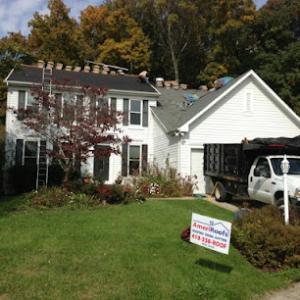
AMERIROOFS Roofing Siding Gutters
(410) 358-7663 www.ameriroofs.com
Serving
4.6 from 46 reviews
Looking for a Roofing Contractor in Maryland? Ameriroofs Roofing is your Local Baltimore Roofing Contractor serving Baltimore County & Maryland wide.

Wallace Roofing siding gutter sign window commercial residential flat metal asphalt shingle drywall insulation repairs
(410) 655-3700 www.wallaceroofingbaltimore.com
Serving
4.8 from 19 reviews
For over 90 years, we've built a reputation for excellence in both residential and commercial roofing services. From roof repairs to complete roof replacements, we've got you covered Proudly serving Maryland Roofing garage doors decks home improvement chimney pointing painting drywall slate flat asphalt shingle roofs repairs and replacements Our goal is to build long-lasting relationships with our customers by providing exceptional service and quality workmanship. Roof charm service fick services dibello repair brothers park cole heights four bravo allied seasons ec home crafters home certainteed economic four ruff rufe city s&k s k kelbie harriss harris leak certified apex gaf certainteed tamko owings corning iko atlas malarkey englert
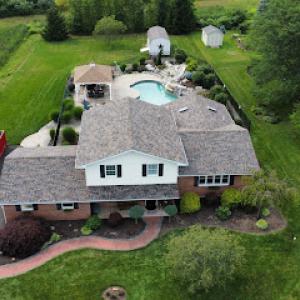
East Coast Roofing Systems
(410) 973-6456 eastcoastroofingsystems.com
Serving
5.0 from 20 reviews
East Coast Roofing Systems is a premier residential roof repair and replacement company serving Central Maryland. Since our inception, we have strived to give the homeowner a breath of fresh air in the construction space. Providing seamless communication, service and an overall experience that trumps all others. Roofing as an Industry has become antiquated due to lack of technology, customer service and quality. Our mission at East Coast Roofing Systems is to provide a modern approach, with the ultimate goal of providing an exceptional roof inspection, repair, or replacement experience unmatched by anyone. Contact your reliable Southeastern Pennsylvania roofing, siding, window, and gutter contractor for a free estimate!
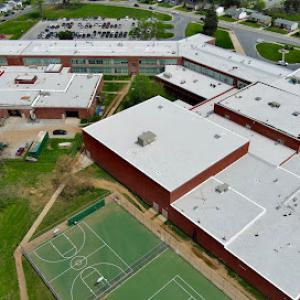
Ruff Roofers
(410) 242-2400 www.ruffroofers.com
Serving
4.8 from 239 reviews
Ruff Roofers, established in 1939, has achieved a solid reputation as a skilled and experienced Maryland residential and commercial roofing contractor. We do every type of roofing both steep (shingle, slate, metal, cedar shake) and low slope (single ply and built-up). Using a philosophy provided by our founder Charles "Buck" Ruff of "creating the standard by which others are judged." Ruff Roofers is respected among the roofing industry by both colleagues and clients. You can be sure that quality workmanship, attention to detail, aesthetics and maximized efficiency balanced with safety are the focus on every one of your projects. Simply stated, we do more.
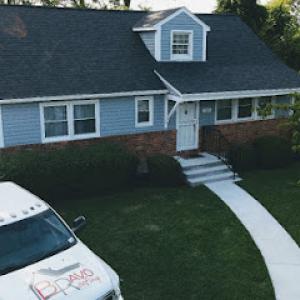
Bravo Roofing
(443) 450-6110 www.bravoroofingmd.com
Serving
5.0 from 85 reviews
Bravo Roofing is one of the best roofing companies in Maryland providing roof repair, metal roofing, roof replacement, and serving Southern Maryland and all surrounding areas. We are the top contractors in MD committed to the highest customer service and workmanship quality.
Badger Contracting
(410) 252-1633 www.badgercontracting.net
Serving
4.5 from 148 reviews
Badger Contracting is your premier choice for a local roofing company in Pikesville, Maryland. Specializing in roofing, window replacement, and siding services, we bring unparalleled expertise and craftsmanship to every project. Our team understands the importance of your roof and treats your home like it's our own. Whether you're seeking a dependable siding contractor or need financing options for a roof replacement, we are here to deliver solutions tailored to your needs. What sets us apart is our dedication to quality and efficiency, and we prioritize customer satisfaction above all else. Discover how we can transform your home with our exceptional roofing, window replacement, and siding services.
Exterior Experts
(410) 204-4809 exteriorexpertmd.com
Serving
4.7 from 53 reviews
Exterior Experts provides roofing, siding, and decking services as well as bathroom remodeling to Baltimore, MD, and surrounding areas.
The dominant local material mix spans asphalt shingles, slate, metal, wood shakes, clay tile, and concrete tile, which is broader than many suburban markets and means repair methods vary sharply by home type. In Gwynn Oak, most homes with steep shingles and aging slate present different leak pathways than the more uniform modern ranches nearby. A slate or clay tile roof can feel sturdy, but when damage forms, it often shows up as slow seepage at a valley, around flashing, or through concealed moisture pockets under the slate or tile. Asphalt shingles are common and easier to spot for immediate damage, yet even they can hide underlying rot or flashing failures if a roof has settled or experienced prior leaks. Wood shakes respond to moisture differently, expanding and contracting with the seasons, which can open small cracks that grow during freeze-thaw cycles. Metal roofs behave differently again, with fasteners and seam laps becoming the points of concern after years of oxidation and hail exposure. Understanding the distinct failure patterns by material helps you target inspections and repairs without chasing the wrong symptoms.
Winter ice stress, summer humidity, and fall leaf buildup create different failure patterns across materials, with flashing, valleys, and concealed moisture retention becoming key trouble spots. In cold months, ice damming at the eave line can force water to back up under shingles or through tiny gaps around flashing. For slate and tile, freeze-thaw cycles stress mortar joints and fasteners, sometimes leading to spalling or misalignment that invites leaks only after a heavy rain. Humidity in Maryland summers accelerates the deterioration of organic components like wood shakes and organic-looking underlayment, which can mask underlying rot until a rainstorm or wind event reveals a stain or softness on the ceiling. Leaf buildup in fall blocks gutters and scuppers, letting water spill over onto the flashing or fascia, a problem that grows when the surrounding landscape deposits debris year after year. A practical approach after each storm is to inspect for loose or displaced components, then follow up with a careful check of the flashing details at chimneys, vent pipes, and valley intersections.
Asphalt shingles fail most often at the edges where wind uplift is strongest, around skylights, and where flashing intersects with chimneys. Slate and clay or concrete tile roofs show trouble most often at ridges, hips, and near roof-to-wall intersections, where movement and weight differences create stress. Metal roofs reveal issues in the seams, panel overlaps, and around penetrations where sealants degrade. Wood shakes are prone to cupping, rot at the eaves, and insect-related damage that accelerates moisture intrusion. Each material has its own telltale signs: granule loss and curling shingles for asphalt; dark staining and soft spots for slate; rust lines near fasteners for metal; and curling or feathered edges for wood shakes. A careful, material-specific walkthrough after storms will catch problems before they cascade into interior leaks.
When a leak is detected, document the path of water and any staining on ceilings or walls, noting the location relative to vents, chimneys, or valleys. Photograph the exterior condition, including the roof edge, gutters, and attic insulation if accessible, to capture moisture patterns and any sagging or dewpoint issues. Keep a log of weather events preceding each leak occurrence, since storm timing correlates with response windows. If a roof is old or previously repaired, take extra photos of flashing details and any patchwork to show the sequence of repairs. When calling for service, specify the roof type and observed failure mode to help the contractor prioritize the inspection-some issues mimic each other across materials but require different repair approaches.
For older roofs, gather a timeline of weather events, dates when leaks were first noticed, and notes on prior repairs or patchwork. Collect prior permit-related or contractor notes that show historical conditions. Provide the insurer with clear photos of the leak path, affected interior areas, and the roofing components involved (valleys, flashing details, penetration points). If a adjuster visits, pointing to the specific materials and typical failure points for your roof type can help in evaluating coverage for storm damage and weather-related wear. In Gwynn Oak, where slate and tile can trigger additional review complexity during inspections, having a well-organized, material-specific record speeds up the process and reduces back-and-forth.
Re-roof work in this area falls under Baltimore County's permit system rather than an independent city office. The county's Department of Permits and Inspections handles the official paperwork and code compliance checks. When a full replacement is contemplated, the work must be reviewed and approved through the county process before any shingles or tiles are removed or new material is installed. This means timing the permit submission with the project schedule is important to avoid delays that could complicate weather planning, especially during the frequent storm cycles that affect the region.
For a full re-roof, the permit is generally filed by the owner or the contractor performing the work. If you hire a contractor, confirm who will submit the permit application and who is responsible for providing all required documents. Typical submissions include a project description, roof area measurements, and the proposed roofing system details. Ensure the contractor's scope clearly defines the number of layers to be removed, the replacement material, and any structural or ventilation upgrades that may be necessary. Missteps in the scope can trigger inspections that delay the job, so accuracy at the outset matters.
Inspections are used to verify code compliance at key milestones and to certify that the installation meets current county requirements. Expect inspections at critical points, such as after roof decking is prepared, before underlayment is installed, and upon final completion. If deviations from the approved plan are found, the inspector may require corrective work before the project can be closed. Plan for potential minor rework related to flashing details, vent terminations, or attic ventilation, as these elements directly affect long-term performance in the area's freeze-thaw cycles and storm events.
Complex roof systems receive additional scrutiny compared with standard shingle replacements. Slate, tile, or other specialty materials require a more precise scope and documentation. In Gwynn Oak, older homes often feature steep pitches or mixed roof geometries that complicate installations. Before work starts, verify that the permit documents reflect the exact system being installed, including fastener types, underlayment, ventilation, and flashing configurations. If the plan shows a tile or slate installation, ensure the structural assessment supports the chosen material and that any required load calculations or retrofit considerations are addressed in the permit set.
Collect and organize all roof-related documents in one place: contractor qualifications, product specifications, and a clearly defined scope of work. Keep a record of inspections and any correspondence with the Department of Permits and Inspections. If you anticipate weather-related delays, communicate a realistic timeline to the inspector and ask about extensions rather than letting approvals lapse. Finally, maintain open lines of communication with your contractor about any changes to materials or details so the permit remains accurate and the inspections proceed smoothly.
In this area, replacement costs should be anchored to the per-square ranges provided, but beware: on older Gwynn Oak homes, costs can rise quickly if decking repairs, flashing replacement, or specialty material matching are discovered after tear-off. Asphalt shingles sit in the lower portion of the spectrum, while slate, tile, and metal push costs up, especially when labor must be brought in from specialty trades. For a full roof replacement, expect the total to reflect those added tasks, with metal and tile projects often running higher on a per-square basis than standard asphalt shingle jobs. The broad mix of materials in this neighborhood matters because the need for precise matching and careful integration with existing flashing, gutters, and venting adds time and complexity to the job.
Slate and clay or concrete tile demand more meticulous installation and longer labor hours than asphalt shingles. Metal roofs, while durable, require specialized fasteners, flashing details, and sometimes substrate work that a typical shingle crew doesn't perform daily. On older homes, the deck and support structure may need reinforcement or repair to meet new load requirements, and that work can extend the project window and push costs upward beyond the base per-square rates. The Baltimore County area tends to require precise sequencing for tear-off, disposal, and structural checks, so full replacements can incur extra coordination time even when the framing is intact.
Storm events can create demand spikes that tighten scheduling and labor availability. After a significant regional storm, crews may be booked weeks out, pushing project starts or extensions into milder spring and fall windows when weather is more forgiving. If a claim involves storm-related damage, document the scope early and align with the contractor on a staged plan that prioritizes leak mitigation first (temporary coverings or tarping) before full tear-off, so you're not left exposed during late-season weather. Expect milder seasons to yield quicker turnarounds, while a busy post-storm period can extend timelines and elevate costs due to labor scarcity.
Older homes often reveal hidden decking or flashing needs only after the roof is opened. Budget a contingency for unseen repairs and for matching material color and profile when the existing roof isn't a pristine match to the replacement product. When filing an insurance claim, gather clear before-and-after photos, roofing estimates, and a documented scope of work that distinguishes temporary leak fixes from full tear-off and replacement. A well-documented file helps streamline approvals and reduces the chance of delays in the wake of a weather event.
Get a clear picture of your project costs upfront - no commitment required.
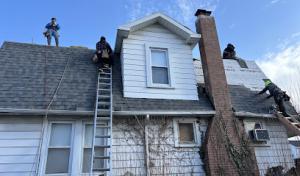
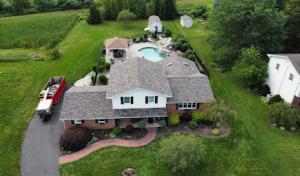
Spring brings milder temperatures and longer drying days, making it a practical window for minor repairs and inspections after the freeze-thaw cycles. In this season, assess flashing and hips where shingles meet vents, especially on steeper roofs common in the area. After rapid midseason storms, check for wind uplift and residual granule loss on asphalt or metal roofs. Don't wait for a downpour to notice trouble; use a calm, dry day to walk the roof with binoculars or a sturdy ladder setup, looking for lifted tabs, curling edges, or moss pushing through along the eaves. In and around Gwynn Oak, that timely check helps catch hidden leaks before the next storm surge.
Fall leaf accumulation is a local maintenance issue because trapped debris holds moisture and can hide damage until winter or spring storms expose it. Prioritize gutter and downspout cleaning so water flows freely away from the fascia and any vulnerable flashing lines. Inspect chimney and vent flashings, especially if trees overhang the roofline; a soggy season accelerates deterioration where water sits. Leaves can conceal cracks or uplifted shingles, so use a roof-safe rake to clear debris from the upper sections without over-straining fragile edges. If you notice granule loss or dark streaks, plan a targeted inspection in the following weeks when conditions are still mild.
Winter freezes and ice damming can stress shingles and flashing, so roofs with marginal drainage or prior leak history should be checked before deep winter sets in. Ensure profile ridges shed meltwater efficiently and that ice barriers are intact at eaves and along transitions. Infringing ice dams often begin at the edge; consider a staged assessment for areas where snow melts and refreezes repeatedly. If a leak history exists, review attic insulation and ventilation during a dry stretch, since poor air flow compounds ice dam risk by creating warm channels that melt and refreeze along the decking.
Storms are a predictable part of the cycle, and rapid response after a major event minimizes interior damage. After any heavy rain, inspect the attic for signs of condensation or damp spots, and check exterior walls for new staining or soft spots at the interface of the roof and siding. In Gwynn Oak, where older housing stock is common, prioritize areas around skylights, chimneys, and vent pipes. A clear, prompt assessment helps determine whether a temporary tarping or expedited repair is warranted while the weather is still favorable.
Flat-roof and roof-coating signals are active in this market, showing that a meaningful share of local owners need solutions for low-slope sections, additions, porches, or mixed-roof homes. When a low-slope area exists, the decision often centers on extending service life rather than full replacement, especially on aging structures where the main roof remains sound enough to salvage with proper care.
Regular precipitation and freeze-thaw cycling make drainage performance and seam condition especially important on low-slope assemblies in the Gwynn Oak area. Start with a careful inspection of internal drains, scuppers, and edge details. Ensure the deck surface drains toward the discharge points and that any standing water is routed away from walls. Look for loose or open seams, ponded areas, and degraded flashing at penetrations. In winter, check for frost heave around penetrations, which can widen small leaks into bigger problems.
Coating and restoration discussions are most relevant where the existing low-slope roof is still structurally serviceable and the goal is extending service life rather than full replacement. If the substrate shows widespread blisters, delamination, or soft spots, coating may be a short-term fix at best. For sound decks, use compatible coating systems with proper surface preparation: remove any flaking coating, clean with appropriate solvents, and abrade glossy surfaces to promote adhesion. Consider elastomeric or silicone coatings that handle temperature swings, but verify membrane compatibility with vents, drains, and flashings.
Establish a seasonal inspection cadence focused on seam integrity, flashing around vents, and the condition of edge details. After heavy storms, recheck for damp spots, unusual odors, or fastener corrosion near high-traffic roof areas. Maintain a clear drainage path by trimming overhanging branches and removing debris from gutters and scuppers. Document findings and repairs with dated notes and photographs to support any future insurance discussions.
Find specialists in TPO, EPDM, and built-up flat roofing systems for residential and commercial properties.

Wallace Roofing siding gutter sign window commercial residential flat metal asphalt shingle drywall insulation repairs
(410) 655-3700 www.wallaceroofingbaltimore.com
Serving
4.8 from 19 reviews
Regional claim handling often turns on whether the homeowner can separate sudden weather damage from long-term wear, which is a common issue on older roofs in this area. When a storm rolls through with high winds or icy spells, the adjuster will look for whether what happened is an acute event or the cumulative effect of years of exposure. In practice, that means you should be ready to show how a specific incident caused an immediate failure-like a blown shingle or a cornice crack-while also noting any preexisting sagging decks or moss that could reflect wear. Clear lines between the two help avoid a claim that's denied on the basis of gradual deterioration.
Adjusters in the region commonly ask for date-stamped photos, contractor estimates, and roof age information after wind or leak events. Photos should cover the area around the damaged section, the overall roof, and any attic or interior signs of ingress. Estimates need to break out the scope of emergency temporary repairs versus long-term repair or replacement. Roof age information helps contextualize whether failure aligns with expected service life or signals accelerated wear from climate cycles. Keep records organized, with file dates clear and receipts scanned.
Because claim outcomes can vary with recent weather patterns and prior roof condition, Gwynn Oak homeowners benefit from documenting damage immediately before temporary repairs alter the evidence. Do not delay capturing the scene after a storm; delays can create disputes about when damage occurred. If temporary tarps or patches are placed, photograph them promptly and retain the original contractor notes to preserve the sequence of events for the adjuster.
Connect with contractors who help homeowners navigate the claims process from damage assessment to final approval.
In this market, homeowners value speed, solid cleanup, and a straightforward path to a complete roof replacement when needed. The strongest signals point to re-roofing with cleanup included, a practical approach after storm events that leave shingle or slate roofs compromised. Fast response to leaks, weather damage, and hail impacts is a clear differentiator, especially when coupled with efficient post-job cleanup that minimizes debris in driveways, yards, and street gutters.
Long-established, family-owned firms stand out for accountability on warranty follow-up and storm callbacks. Residents often seek a trusted neighborly relationship where you can call a local office and actually reach someone who remembers your project. In Gwynn Oak, this personal touch translates into better coordination for inspections, documentation, and any necessary follow-up work after a storm, reducing the stress of dealing with claims and repairs.
Manufacturer-certified, licensed, and insured credentials exist in the market, but practical service delivery tends to drive decisions more than formal labels. Quick response times, clear communication about progress, and meticulous cleanup operations are the tangible signals that sway homeowners. Drone-inspection offers are present but less common than the immediate, on-the-ground responsiveness that families rely on after a leak or wind event.
When dealing with storm damage, contractors who can provide organized documentation quickly-photos, measurements, and written scope for repairs-help homeowners navigate insurance claims more smoothly. Expect firms to guide you through the process, from initial assessment to post-repair follow-up, ensuring records stay aligned with your insurer's expectations and your own homeowner needs.
The local rhythm favors residential-focused crews who can handle steep shingle and slate roof profiles common in older homes. You'll find crews that balance practical workmanship with respect for neighborhood streets and driveways, prioritizing a clean, tidy project site from start to finish.