
Last updated: Apr 19, 2026
Easton sits on Maryland's Eastern Shore in Talbot County, so roofs are exposed to Chesapeake Bay humidity rather than the drier inland conditions found farther west in Maryland. The climate combines hot, humid summers with cold, wet winters, creating repeated moisture loading followed by winter freeze-thaw stress on shingles, flashing, fasteners, and roof decking. Because Easton is inland from the open Atlantic but still affected by coastal weather systems, homeowners often face more moisture-related aging and wind-driven rain concerns than severe hail-driven replacement cycles. This setting shapes what to watch for year after year and how to choose materials that hold up in the long run.
Coastal humidity accelerates saturation in roofing substrates and underlayment. In practice, expect faster wear on organic shingles and more frequent breakdown of underlayment in areas with shade, trees, or poor ventilation. The cycle of a humid summer followed by cold, wet winters puts repeated stress on flashing joints, fasteners, and the edges of roof decking. The result is more hairline cracks, lifting shingles, and rust or corrosion on metal components than you might see in drier zones. Wind-driven rain can drive moisture under laps and through vents, amplifying the risk of rot in edges and penetrations. In short, Easton roofs age more from sustained moisture loading and freeze-thaw cycling than from dramatic weather events alone.
Historical steep-slope homes in Easton often feature a mix of slate, tile, and metal, with asphalt shingles as a common, more economical option. The coastal humidity and freeze-thaw cycles push you to weigh moisture resistance and deck integrity alongside aesthetics. Slate and tile offer excellent longevity but require careful flashing and movement joints to handle expansion and contraction. Metal roofs perform well under wind-driven rain and can shed moisture efficiently, but gutters, fasteners, and coatings must resist corrosion in a salty air environment. Asphalt and synthetic shingles respond to moisture differently: look for products with proven dimpling resistance and enhanced underlayment systems that tolerate repeated wetting and drying. In all cases, ensure appropriate venting and attic insulation to minimize interior moisture that can transfer to the deck and substrate.
Set a seasonal rhythm around the Easton climate. In spring, inspect for wind damage, lifted shingles, and any moisture staining along eaves and flashing. After heavy rains, check attic vents and roof penetrations for signs of moisture intrusion. In late fall, focus on flashing around chimneys, skylights, and antenna masts, ensuring sealants remain flexible in cold temperatures. If glazing or granule loss is evident on shingles, plan for targeted repairs rather than a full replacement unless widespread damage is present. For metal roofing, routinely inspect exposed fasteners and seams for corrosion or loosening, and address any compromised sealant promptly. Keeping gutters clear is essential, as overflowing or jammed gutters amplify moisture intrusion and ice dam risk in winter.
Develop a proactive maintenance routine that aligns with the coastal cycle. Schedule professional roof assessments every 2-3 years, with an inspection after severe storms and before substantial seasonal transitions. Prioritize high-risk areas-transitions from roof to wall, chimneys, vents, and skylights-for sealant refreshment and flashing checks. If moisture signs appear inside the attic, trace the path to its source promptly to prevent deck rot and framing damage. Consider upgrades that improve ventilation and decking stiffness to better resist the combined challenge of humidity and freeze-thaw, and select materials with credible coastal performance histories to maximize longevity in this Mid-Shore setting.
In Easton, winter freezes after wet periods can turn minor flashing or shingle-entry leaks into decking and underlayment damage because trapped moisture expands during cold snaps. That expansion forces a slow but steady deterioration of plywood, decking, and the roof's hidden layers. When a seasonal thaw at the Chesapeake fogs the air, moisture sits on cedar underlayment and asphalt layers alike, quietly setting the stage for bigger problems come the next freeze. The result is more frequent, more expensive repairs than you'd expect from a simple drip.
Coastal humidity on the Mid-Shore can keep roof assemblies damp longer, which raises the risk of algae staining on asphalt shingles and corrosion at exposed metal components. Algae and mildew thrive where dampness lingers, dulling aesthetics and reducing UV protection. Metal vents, flashing, and fascia are especially vulnerable to salt-laden air and persistent moisture, which accelerates rust and pitting. The combination of salt spray and fogged mornings means small imperfections in sealants or fasteners become repeat failure points across seasons, not just after a heavy storm.
Spring rainfall and wet winters in Easton make leak tracing difficult because active moisture intrusion may be intermittent and tied to wind direction during coastal storm events. A leak might appear on a wall or ceiling long after the rain has passed, or only when wind pushes spray against vulnerable edges. This intermittent behavior fools quick inspections and invites delayed fixes that compound damage inside the roof assembly. Proper diagnosis requires tracing moisture paths with care, checking ridges, valleys, and chimney/vent connections, then verifying that attic ventilation remains effective even during windy months.
You need a proactive plan that targets both the symptom and the cause. Start with a careful, season-by-season inspection routine that prioritizes flashing, seals around skylights, and valley penetrations. In the attic, look for dampness, compressed insulation, and signs of prior ice damming. Elevate ventilation where possible to reduce condensation that lingers between rains. Replace any corroded metal components rather than patching-corrosion accelerates failure under freeze-thaw stress. When you see streaks or staining on shingles, treat balky spots with algae-resistant products and consider upgraded shingles or coatings designed for humid, coastal climates. Finally, keep a keen eye on the transitions between roof and wall assemblies; these are common hot spots for moisture infiltration that echo through the rest of the roof system.
Easton's housing mix features older in-town homes and historic-style architecture, where slate, metal, and premium steep-slope materials often meet appearance expectations with long-term durability. The dominant local material set includes asphalt shingles, metal, clay tile, concrete tile, synthetic/composite shingles, and slate, so homeowners frequently compare appearance and moisture durability rather than choosing from asphalt alone. When selecting a replacement, aim for materials that mimic traditional profiles while delivering robust performance in humid, salt-influenced air. For historic facades, a metal roof with a standing-seam profile or a clay tile option can preserve curb appeal while resisting yearly exposure to Chesapeake Bay humidity and winter freeze-thaw cycles. Synthetic shingles provide a compromise, offering a classic look with improved moisture resistance, ease of repair, and lighter weight.
Coastal humidity accelerates moisture intrusion, especially around fasteners, seams, and underlayments. In Easton, winters bring freeze-thaw cycles that stress roof assemblies, so selecting a system with adequate drainage and a durable underlayment matters. Heavier, in-kind replacements such as slate, clay tile, or concrete tile can look authentic on traditional homes but may require structural evaluation or reinforcement of framing and decking. If the existing structure cannot support heavier tiles without reinforcement, consider lighter alternatives that emulate the look-synthetic slate or lighter concrete tile-paired with a robust metal or synthetic underlayment system. For metal roofs, choose corrosion-resistant alloys and ensure proper sealing at penetrations to withstand salt air. Proper venting and attic insulation help prevent condensation damage and reduce the risk of ice dams in winter.
Older roof framing and decking conditions influence whether a replacement can stay in-kind. Inspect for sagging rafters, expired decking, or signs of prior dry rot, especially in sections where moisture exposure has been greatest. If heavy materials are desirable for aesthetic or durability, plan for a staged approach: reinforce framing, install a compatible substructure, and then apply the chosen finish. When in doubt, consult a structural engineer familiar with historic properties to determine allowable loads and to map a feasible retrofit sequence. In many cases, a premium synthetic or metal system with integrated underlayment and modern flashing offers a reliable balance of appearance and performance without overburdening the existing structure.
Begin by verifying attic ventilation and insulation to control moisture buildup that can worsen rot and degrade roof life. Next, assess gutter capacity and downspouts to ensure efficient water removal during heavy rains, which are common in this region. If choosing slate or tile, plan for professional installation with attention to roof penetrations, step-flashings, and valley support, as improper detailing can lead to leaks in historic contexts. For asphalt or synthetic shingles, ensure adhesive compatibility with salt-laced air and consider a high-quality sealant or flashings designed for coastal environments. Finally, prioritize warranties that cover weather exposure and salt-related wear, and ensure the contractor has experience with historic homes and the chosen material.
Easton homeowners know that the biggest threats aren't dramatic hailstorms but the steady, wind-driven rain that accompanies fall nor'easters and tropical systems. Those systems push moisture into attic and roof joints, drive rain under loose shingles, and test flashing around chimneys and vents. The result can be hidden damage that becomes obvious only after a cold snap or a heavy rain event, especially on older homes with historic steep-slope roofs. When you're evaluating a roof, assume that a season's worth of salt-air humidity and gusts can corrode fasteners, loosen seals, and reduce the long-term performance of even well-installed materials. The goal isn't to fear storms, but to anticipate the wear they cause and address it before it compounds.
Spring storms and frequent rainfall in this area can complicate a roof project. Tear-off and dry-in schedules frequently get delayed because crews must contend with wet decks, unsettled forecasts, and the constant risk of sudden squalls. On older homes where hidden deck repairs sit beneath the shingles, those delays can reveal additional rot or structural concerns once shingles are removed. For homeowners, that means planning with a buffer: expect some setback days, and don't schedule critical interior work immediately after a tear-off. If you've got a historic roofline or a complex deck-under-roof arrangement, factor in the possibility that repair work will extend beyond a single dry period. The practical takeaway is to build in flexibility for weather-driven interruptions and to coordinate with contractors who have experience diagnosing concealed damage without rushing through delicate repairs.
Replacement timing often hinges on weather windows shaped by hurricane season on the Mid-Atlantic coast. Heat and humidity can stress materials during installation, and the risk of late-season storms means you're weighing the benefits of completing work before the peak of hurricane activity against maintaining a safe, dry worksite. In practical terms, aim for a window where temperatures are moderate, humidity is manageable, and the forecast offers a clear stretch of dry days. If that window closes, you're back to balancing the same forces: protecting a vulnerable, existing roof while coordinating a replacement that won't be compromised by the next storm threat. The result is a carefully paced schedule that minimizes heat-related fatigue on crews, preserves indoor comfort during replacement, and reduces the chance of back-to-back weather setbacks.
Coastal humidity and freeze-thaw cycles accelerate wear, so the choice of materials matters more here than in drier markets. While a slate or metal roof can excel in resilience, each comes with trade-offs shaped by Easton's climate. If you're weighing shingles, consider high-performance options designed to withstand repeated wetting and drying, extended exposure to salt air, and robust flashing systems. For older homes, prioritizing durable underlayment and corrosion-resistant fasteners is prudent, since failure often shows up first as leaks where the deck meets the roof. In all cases, anticipate the need for more meticulous detailing around vents, valleys, and chimneys to keep moisture from seeping into the attic during those storm-driven rain events.
Bay Area Exteriors
(410) 200-3147 www.bayareaexteriorsmd.com
29000 Information Ln Suite 503, Easton, Maryland
4.9 from 141 reviews
Bay Area Exteriors is a certified GAF Master Elite Roofing installer, offering industry-leading warranties of up to 50 years on top-quality GAF roofing materials. When you choose us, you can expect honest communication, dependable service, and superior craftsmanship on every project. We also specialize in working with all insurance companies for storm damage claims, using the same estimating software they do to ensure a smooth and accurate process. Our goal is to eliminate your stress and restore your home quickly and professionally. With years of experience serving the local community, we take pride in building lasting relationships with our customers. No matter the size of the job, we’re committed to delivering results you can trust.
All Exteriors
(410) 205-5769 www.allexteriorsmd.com
29523 Canvasback Dr Unit 104, Easton, Maryland
4.8 from 64 reviews
All Exteriors is family & locally owned. We provide residential roofing services, commercial roofing services, siding, windows, decking, and gutter services to the Easton, MD and surrounding areas.
Chris Jordan Exteriors
(410) 829-2764 www.chrisjordanext.com
602 Dutchmans Ln, Easton, Maryland
4.6 from 11 reviews
For all your roofing needs

Mid-Shore Exteriors
(410) 673-7939 www.midshoreexteriors.com
Serving
4.9 from 262 reviews
Mid-Shore Exteriors is a full-service Maryland roofing company providing roofing, siding, and gutters services for all of the Eastern Shore. As an experienced home exterior specialist, we offer new roof installation, roof repair, re-roofing, siding, and seamless gutter services. We are GAF Master Elite Certified, Certainteed Select Shingle Master and Tamko Pro certified and hold multiple awards. Our services add value and beauty to homes in Maryland with low-maintenance siding and roofing products.
Roofing Pups, Roofing & Siding
(410) 970-9007 roofingpups.com
Serving
4.7 from 47 reviews
Welcome to Roofing Pups, Roofing & Siding, your trusted partner for top-notch exterior remodeling services. Specializing in roofing, siding, window, and door replacement, we bring expertise and quality craftsmanship to every project. With a commitment to enhancing your home's curb appeal and functionality, our skilled team ensures precision and excellence in every detail. Why Choose Roofing Pups? Roofing Excellence: Elevate your home's protection with our professional roofing solutions. Siding Mastery: Transform your exterior with our high-quality siding options, combining durability and style. Window and Door Replacement: Upgrade to energy-efficient, aesthetically pleasing windows and doors for a complete home transformation.
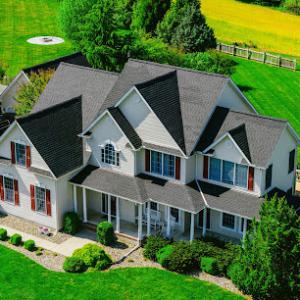
Economy Roofing & Restoration
(410) 449-7444 economyrestoration.com
Serving
5.0 from 293 reviews
If a recent storm has devastated your roof, then turn to a roofing contractor for professional service. Economy Roofing & Restoration in Stevensville, MD is a reputable roofer in the area, known to deliver top-quality roofing and siding services. Our staff has over 40 years of hands-on experience in gutter repair, roof inspections and more. We are fully licensed and insured to serve you. You can count on us to check for any damage your roof has sustained. We also work with all insurance companies and listen intently to our clients' wishes. If you find that you need your roof replacement project launched immediately, we'll coordinate a time frame and budget to ensure your roof is replaced in no time.
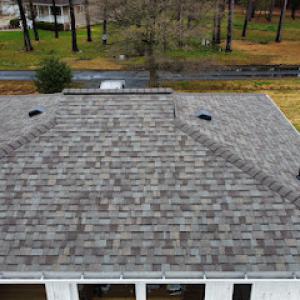
ARS building services
(301) 641-0268 arsbuildingservices.com
Serving
4.9 from 114 reviews
ARS Building Services is an award winning , household name , proudly serving all of our customers in the eastern shore and central Maryland specializing in Home Exterior Remodeling
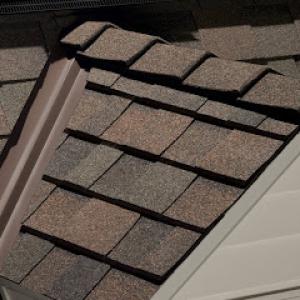
Bayrock Remodeling
(410) 541-0162 bayrockremodeling.com
Serving
5.0 from 46 reviews
Bayrock Remodeling has Been Improving the Finest Homes on Maryland's Eastern Shore Since 1950. Our owner is a third-generation remodeler that grew up in a home improvement household. Bayrock Remodeling was launched by Vin Gerrior in June 2021 after decades of experience working for some of the largest home improvement companies in the United States. There’s no one size fits all solution from us. Your home is unique and so is our approach to each and every project. We work with you and your budget to find the best solution. Nobody will be beat our price or value! We offer an industry leading warranty and factory direct savings on roofing, windows, doors, siding, gutters, gutter protection and flooring. Free no-obligation quotes!
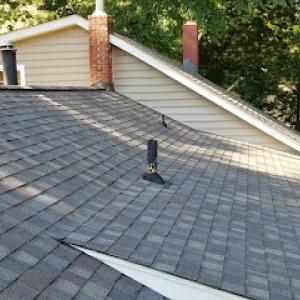
Pounds Roofing
(410) 490-0007 www.lbscontractingmd.com
Serving
5.0 from 12 reviews
We are a local contractor specializing in exterior contracting services.
Three Guys Roofing & Remodeling
(410) 999-4443 www.callthreeguys.com
Serving
5.0 from 23 reviews
When you need quality roof work, give Three Guys Roofing & Remodeling a call. We're more than just another local roofer; we're the team to trust for superior results for roof repairs, maintenance, and remodeling work. With over 15 years of professional industry experience, you can feel confident about the level of workmanship we provide.
Roof Milk
Serving
5.0 from 2 reviews
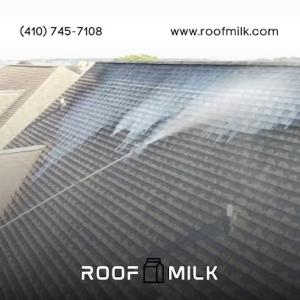
Roof Milk: Our eco-friendly shingle restoration treatment has been tested and proven to extend roof life by 5+ years. Our formula is soy-based, safe, and effective.
All American Home Improvement
(410) 969-7487 www.aahi-inc.com
Serving
5.0 from 15 reviews
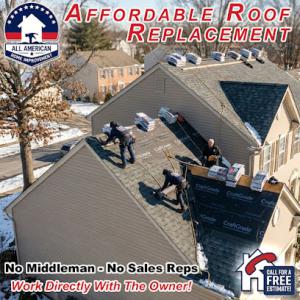
Whether it’s time to replace that worn-out roof or upgrade your windows, All American Home Improvement is here to help. Locally owned and operated, we’ve been the trusted name in Central Anne Arundel County since 1992. Don’t Overpay at other home improvement companies…..You’ll work directly with owner—No Middleman, No Sales Reps — Just honest, expert, dependable service at affordable prices. All American Home Improvement —Family-owned, community trusted! If you need a Roofer, Siding or Window Contractor call today to schedule your free estimate! MHIC #71486
In this community with its Mid-Shore shoreline and historic, steep-slope roofs, material choices and installation priorities diverge from dry inland markets. Provided local pricing ranges are $350 to $650 per square for asphalt shingles, $700 to $1200 for metal, $1100 to $2100 for clay tile, $900 to $1600 for concrete tile, $450 to $850 for synthetic/composite shingles, and $1200 to $3200 for slate. Those numbers reflect a practical reality: Easton roofs often endure humid salt air, regular rain, and winter freeze-thaw cycles, which can shorten life and drive up replacement complexity. When older homes require deck replacement or careful tear-off around chimneys, dormers, and steep rooflines typical of traditional Eastern Shore architecture, costs push toward the higher end of the ranges. Material and labor pricing can tighten after regional coastal storm activity because Eastern Shore contractor availability and delivery logistics are more limited than in larger mainland metro markets.
The coastal humidity accelerates wear on underlayment and fasteners, so expect crews to propose upgraded underlayment or venting strategies even on mid-range materials. Slate, clay tile, and concrete tile are common on Easton's older, high-status homes, but each carries unique install and maintenance quirks. Slate and tile demand careful roof deck prep, precise cleaning, and often longer tear-off windows, all of which can push costs into the higher brackets. If a roof already has multiple penetrations or complex features-dormers, skylights, or metal chimney flashing-the bid will reflect additional flashing work and detailing. Synthetic/composite shingles offer a middle path: better moisture resistance than basic asphalt at a price closer to mid-range metals or higher-end composites, with less weight than natural stone options.
Coastal storms tighten material availability and drive freight costs, which can nudge line items upward even for standard installations. Easton projects that involve a full tear-off around chimneys or steep sections tend to trend toward the higher end of the applicable material range. If a contractor needs to rebuild decking or reinforce old, compromised rafters before laying down a new roof, estimate grows beyond the standard per-square range. For homeowners weighing life expectancy versus upfront cost, a thoughtful mix-selecting durable mid-range options like metal or synthetic shingles for vulnerable coastal angles, while reserving slate or clay where wind loads and aesthetics justify the cost-can balance performance and value in this market.
Residential roof replacements require a building permit from the local building department before work begins. In this town, the process starts with a formal permit application reviewed by staff who are familiar with the historic and coastal-era homes that populate the steep-slope streets. The review considers roof type, underlayment, and venting in the context of coastal humidity and freeze-thaw cycles, so plan for a clear, code-aligned proposal.
After the permit is issued, the project typically proceeds with at least a rough inspection and a final inspection scheduled through the department. The rough inspection checks framing, underlayment, and ventilation in relation to the planned material, while the final inspection confirms the completed roof meets all code and safety standards. Both inspections are essential to ensure the roof holds up against salt air, rain, and winter cycles.
Because inspections must be passed before the project is finalized, clarify who is responsible for scheduling inspections and coordinating any corrections discovered after tear-off. In practice, this often falls to the contractor, but homeowners should confirm the point of contact early and maintain a clear line of communication with the building department. If a correction is needed, respond promptly to avoid delays that can impact material installation and warranty eligibility.
Coastal humidity and freeze-thaw cycles influence how inspections view material choice and installation detail. Expect questions about ventilation, flashing, and drip edge quality, especially on historic roofs with steep pitches. Prepare to show compliance with wind resistance, moisture barriers, and proper fastener patterns for the chosen material.
In Maryland, roof-claim handling is generally stable, but Easton homeowners should expect insurers to request photos, post-loss bids, deck verification, and material specifications after storm-related damage. This means you'll want to gather clear images from multiple angles, including attic and underside where moisture can hide, and keep a simple file of any recent deck or porch updates that touch the roof line. If a contractor is brought in for a post-loss assessment, having a written declaration of the exact materials used on your roof helps speed the process and reduces the chance of friction over coverage.
Because Easton's common roof problems are often moisture intrusion, wind-driven rain, and age-related deterioration rather than obvious hail bruising, documentation of preexisting wear versus sudden storm damage is especially important. Look for signs that moisture has penetrated under shingles, lifted edges, or staining on sheathing inside the attic. Record any roof sections that show granule loss, aging flashing, or degraded underlayment. When filing, clearly separate what existed before the event from what occurred during or after, so the claim reflects the true cause and extent.
Claim outcomes can vary by insurer and by how close the loss is to a severe coastal weather event, so Easton homeowners should document interior staining, exterior roof conditions, and any emergency tarping immediately. Promptly photographing attic leaks, rust on flashing, and sagging sections helps establish a credible timeline. If you must tarp, keep receipts and note the date and condition of the tarp material, as this can influence the assessment of temporary protections versus permanent repairs. Being proactive with clear, dated documentation can prevent a slow or disputed settlement when time and weather are against you.