
Last updated: Apr 19, 2026
Roofing in this area faces a double punch: winter freeze-thaw cycling and spring-summer wind and hail events. That combination creates a distinct damage pattern across the local roofscape. Expect lifted shingles and cracked tabs from freezing moisture expanding and contracting, flashing movement at valleys and transitions, and moisture intrusion where wind-driven rain and hail punch through vulnerable seams. In the same season, sudden gusts can peel back edge shingles, and hail can leave pockmarked surfaces that accelerate granule loss. This mixed pattern is common across the suburb's varied roof lines, from single-story ranches to more complex multi-angled classics, and it means you're likely dealing with a blend of cosmetic wear and structural vulnerabilities that need rapid attention to prevent interior leaks.
Maryland insurers are known to scrutinize wind and hail claims closely, especially after a sharp weather event. Before any replacement gets approved, be prepared with clear, date-stamped evidence of the roof's condition as it stood the moment the storm passed. Gather high-resolution photos showing lifted shingles, cracked tabs, and any damaged flashing or gutters. Include wide-angle shots of the roof and close-ups of problem areas, plus video walkthroughs that narrate what you're seeing and when it happened. Make a written log noting when the storm occurred, what you observed in the days following, and any prior maintenance history that might affect the claim. If a contractor recommends temporary emergency repairs, document those recommendations and the rationale behind them so the insurer can assess the necessity and scope quickly. Insurers often look for a clear chain of custody for photos and documentation; keep copies, timestamps, and even metadata where possible, and provide a concise loss narrative that ties each photo to observed damage and potential failure points.
The post-storm surge in this market is unmistakable-the demand for emergency repair, storm-damage work, and insurance-claim assistance runs high after major events. That means you'll encounter a crowded field of contractors offering rapid response, sometimes with a premium for expediency. If you need temporary protection against rain, ask for a licensed pro to install tarps or boards promptly, with a clear plan and timeframe for a permanent fix. When selecting a contractor, prioritize those with documented storm-damage experience and a track record of clear, storm-specific documentation that can stand up to insurer review. A concise, inspection-focused approach beats a drawn-out scramble; the sooner you document and begin a targeted repair plan, the better your odds of a smooth claims process and a durable repair that resists future freeze-thaw cycles.
Begin by identifying potential problem areas: valleys, flashing joints, roof-to-wall transitions, and any area where exterior walls meet the roof ridge. Take multiple photos from the ground and up on a ladder, if safe, after each event. Create a simple storm-damage diary: date of event, observed roof condition, and any leaks or attic staining. If you notice active leaks, arrange for a temporary containment plan-tarps or boards-without delaying the initial assessment. Share your documentation with your chosen roofing professional and your insurer promptly to align on scope, urgency, and the path to restoration. In this climate, rapid, well-documented action is your best defense against wind, hail, and freeze-thaw damage.
Typical local pricing runs about $350 to $650 per square for asphalt shingles, $700 to $1100 per square for metal, $1000 to $2000 per square for clay tile, and $1500 to $3000 per square for slate, while EPDM and TPO commonly price by the square foot. For a homeowner weighing options after a hailstorm or seasonal freeze-thaw cycles, these ranges matter because material choice drives not just the sticker price but the time and labor needed for proper installation. In practice, asphalt shingles remain the most common, especially on modestly pitched homes and additions, while low-slope sections-porches, garage overlays, or flat add-ons-tend to push toward EPDM or TPO where appropriate. Clay tile and slate entries show premium pricing that reflects heavier decks, accents, and specialized flashing requirements, which can shift the project scope in Owings Mills when the roof lines intertwine with chimneys, valleys, and dormers.
Costs in this market are shaped by a mix of steep-slope suburban homes and low-slope sections on additions and commercial properties. That split changes labor dynamics, flashing complexity, and material selection. When a replacement crosses from pure steep-slope into a low-slope area or an overhang, crews often need more specialized equipment and detailing. As a result, a roof with multiple planes and a blend of slopes may carry higher labor overhead and more waste than a single-slope install. Property owners should expect the overall price to reflect not just the chosen material, but the integration of valleys, step-flashes, counters, and any necessary ice-damming mitigation details that become more prominent after freeze-thaw cycles.
Storm events drive short-term spikes in demand and pricing across the region, with Owings Mills properties often needing quicker turnaround after heavy winds or hail. That pressure can lengthen timelines and increase material and labor costs, particularly when crews are juggling multiple high-priority replacements in nearby neighborhoods. Insurance documentation for storm repairs adds another layer of coordination, sometimes altering the sequence of work and the pace of material procurement. If you're timing a replacement after a major weather event, be prepared for potential price adjustments and a tighter schedule, especially for higher-end materials like clay tile or slate where supply lines and skilled installation slots are more constrained. Choosing a material with a balance of durability, cost, and ease of installation can help stabilize project timing while still delivering long-term protection against the Mid-Atlantic climate.
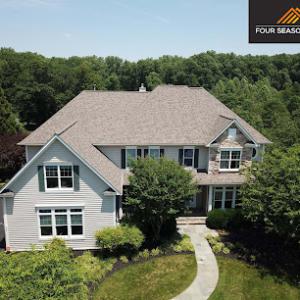
Four Seasons Roofing
(410) 657-6280 fourseasonsroofingmd.com
11436 Cronridge Dr, Owings Mills, Maryland
4.9 from 354 reviews
Since 2001, Four Seasons Roofing has been helping homeowners in Owings Mills, MD keep their homes protected and looking their best. We do more than roofing — our team also installs seamless gutters, replacement windows, and siding to give your home a complete exterior upgrade. With years of experience as a general contractor, we focus on quality work, dependable service, and making sure your home stays strong and beautiful through every season.
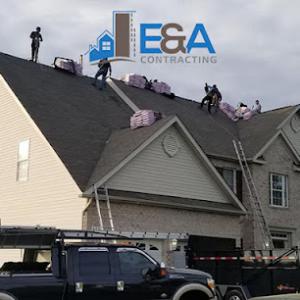
E&A Contracting
(410) 830-9913 eandacontracting.com
Owings Mills, Maryland
4.9 from 83 reviews
E&A Contracting is a family-owned and operated remodeling company serving Baltimore, MD, and surrounding areas. With over 15 years of experience, we provide top-quality general contracting services for both residential and commercial clients. We specializes in kitchen remodeling, bathroom remodeling, and full home renovations. Licensed, bonded, and insured, we ensure every project meets the highest standards of quality. We stand behind our work and proudly offer discounts for US veterans, active military, law enforcement, and first responders. All of our materials are made in America, reflecting our commitment to craftsmanship and supporting local industry. Trust E&A Contracting to transform your space with professionalism and reliability.
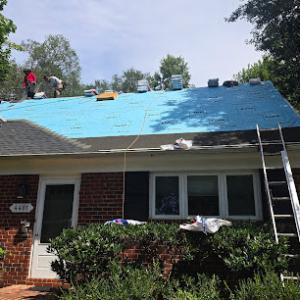
Miracle Home Improvements
(443) 929-1894 miraclehomeimprovementsllc.com
Owings Mills, Maryland
4.9 from 84 reviews
Miracle Home Improvements is your trusted partner for home improvement solutions, proudly serving the Reisterstown, MD community. We have earned our reputation as a reliable and trusted partner for all your home improvement projects. Our commitment to quality craftsmanship, unmatched expertise, and dedication to customer satisfaction sets us apart in the industry. License Number Mhic #156227 Our journey has been marked by a passion for transforming houses into homes. Miracle Home Improvements is more than just a company; we're a team of professionals who take pride in enhancing the lives of our clients through exceptional home improvements.
MD Pride Roofing & Home Services
(443) 637-7433 mdpridehomeservices.com
Owings Mills, MD
5.0 from 39 reviews
MD Pride Roofing & Home Services provides top-quality roofing repair, replacement, and gutter services throughout Baltimore, Hereford, Monkton, Parkton, Sparks, White Hall, Hampstead, Cockeysville, Timonium, Phoenix, Jarrettsville, Glyndon, and surrounding areas in Maryland. Our experienced team specializes in residential and commercial roofing solutions, ensuring your property is protected and looks its best. From emergency roof repairs to routine maintenance and gutter replacements, we’re your trusted local experts. Contact us today at (443) 637-7433 for a free estimate and discover why Maryland homeowners choose us for reliable and affordable roofing services.
All Work
Owings Mills, Maryland
4.9 from 73 reviews
Since 2002, All Work has been a trusted leader in comprehensive contracting and restoration services. As a premier full-service contractor, we specialize in expert roofing solutions while also offering extensive general contracting, siding, and demolition services. We understand that disasters can strike at any time, which is why we provide professional fire and water damage restoration to help you rebuild with confidence and ease. Let us handle your next project with our dedicated craftsmanship and unwavering commitment to quality.
Peak Custom Remodeling
(410) 862-3972 www.peakcustomremodeling.com
300 Red Brook Blvd, Owings Mills, Maryland
4.6 from 444 reviews
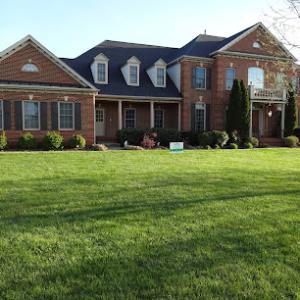
Peak Custom Remodeling, based in Owings Mills, Maryland, is a trusted leader in exterior home improvements with over 30 years of experience. We specialize in high-quality roofing, siding, window, and door solutions for residential and commercial clients across Central Maryland, Northern Virginia, and Washington, DC. Our commitment to excellence and customer satisfaction is backed by our unique Forever Guarantee. We ensure personalized service and meticulous attention to detail, backed by a team of seasoned professionals dedicated to delivering outstanding results on every project. Contact us to transform your property with our expertly designed, energy-efficient enhancements.
Crown Remodeling
(410) 498-6758 www.crownremodelingllc.com
9914 Reisterstown Rd, Owings Mills, Maryland
4.5 from 164 reviews
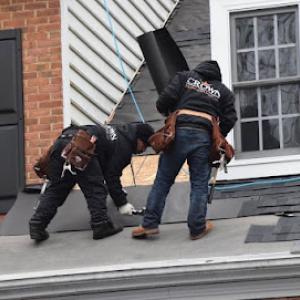
Crown Remodeling is a licensed and insured roofing contractor based in Baltimore County, Maryland, specializing in roof replacement, full roof installations, storm-related roof replacements, and commercial roofing systems. With over a decade of experience, we proudly serve homeowners and businesses throughout Baltimore County, Howard County, Anne Arundel County, and surrounding Maryland areas. In addition to roofing, we provide siding replacement, window installation, and interior remodeling services. Our team is known for quality craftsmanship, honest communication, and dependable project management from start to finish. If you’re considering a new roof or a full exterior upgrade, contact Crown Remodeling today to schedule a free estimate.
Galaviz Construction LLC Home Improvements
Owings Mills, Maryland
5.0 from 2 reviews
Galaviz Construction Home Improvements is located in Randallstown, MD, servicing all of Randallstown and the surrounding areas. We specialize in Roofing Services, Roofing Inspection, Roofing Replacement Services, Basement Waterproofing, Home Waterproofing, Water Damage Restoration, Fire Damage Restoration, Kitchen Remodeling, Bathroom Remodeling & more! Your home is unique & we will make sure it gets the right solution. Where you live, the climate and shape of your home all influence the kind of roof we install or repair solutions we use to get the job done. Our roofing contractor will work with you from start to finish to make sure our roofing services meet your needs. Call today to learn more about our roofing & remodeling services.
za & my services
(443) 928-6952 www.zamyroofing.com
Serving
5.0 from 48 reviews
At ZA & MY Services, we deliver over 20 years of experience in roofing, siding, gutters, flooring, and fencing throughout Maryland. Whether it’s a home repair or a full renovation, we guarantee quality, reliability, and a team you can trust. 📍 Free inspections & estimates available!
Bravo Roofing
(443) 450-6110 www.bravoroofingmd.com
Serving
5.0 from 85 reviews
Bravo Roofing is one of the best roofing companies in Maryland providing roof repair, metal roofing, roof replacement, and serving Southern Maryland and all surrounding areas. We are the top contractors in MD committed to the highest customer service and workmanship quality.
American Home Care
(410) 830-0102 americanhomecarellc.com
Serving
5.0 from 77 reviews
The experts at American Home Care have been bringing excellent roof leak repair services to the homes of Maryland. We only use the highest quality equipment for every single one of our residential maintenance. Our experts will ensure to follow all of the state and county roofing codes and finished extensive training.Roofing, Skylights, Gutters, Siding & Windows 410-830-0102
Value Remodeling
(443) 977-0089 valueremodelinginc.com
Serving
4.8 from 12 reviews
Value Remodeling has been Maryland’s most trusted remodeling company since 1992, proudly serving Central Maryland, including Howard, Anne Arundel, Baltimore, Carroll, Frederick, Harford, Montgomery, and Prince George’s Counties. Locally owned and operated, we provide expert roofing, siding, window and door replacement, and exterior home improvement services. Our skilled craftsmen use only top-quality materials and trusted brands like Pella, CertainTeed, ProVia, Owens Corning, GAF, Royal Building Products, Alside, Tamko, and Wincore. Committed to exceptional customer service and professional workmanship, Value Remodeling is your go-to partner for home renovations, upgrades, and repairs across Maryland.
A full roof replacement in this area typically requires a permit through the Baltimore County Department of Permits, Licenses, and Inspections rather than a city-run permitting office. That means your project will follow county rules for plan review, material selection, and workmanship standards. If a contractor books work assuming a city permit, delays can pile up while the correct county documentation is sought. The county process often emphasizes proper underlayment, flashing details, and venting in addition to the visible shingles or metal you'll choose. Failing to secure the permit or to meet the county's inspection criteria can trigger stop-work orders or the need to redo portions of the installation to meet code.
An on-site inspection is generally performed after completion to verify that roofing materials, underlayment, and flashing were installed to code. This inspection is more than a formality: it's your protection against shoddy work, especially relevant in a climate with freeze-thaw cycles and spring-summer wind events. If inspectors find gaps in underlayment, improper flashing around chimneys and skylights, or misaligned ventilation, you may face corrective work requests. Preparation helps: ensure your chosen contractor documents material specs, installation methods, and flashings that match the county's codes before pulling the final permit. Expect the inspector to check attic ventilation, ice and water shield in valleys, and roof-to-wall details. Delays can arise if the product or method isn't aligned with the approved plan.
Some neighborhoods add HOA or community-specific approval requirements on top of county permitting, which can affect color, material choice, and project timing. HOA processes can specify shingles with particular colors or textures, prohibit certain metal finishes, or require architectural details consistent with the community's style. Missing an HOA approval, or miscommunicating planned changes, can stall a project for weeks while forms are resubmitted or neighbors review the proposal. If you're in a subdivision with an HOA, it's wise to front-load the process: obtain the HOA's guidelines, secure the necessary approvals, and align them with the county permit package before ordering materials. Proactive coordination with both entities helps prevent paint-forbidden hues or material restrictions from delaying completion.
Start by verifying that your chosen contractor will handle the county permit application and all required inspections. Request a copy of the plan that shows underlayment, flashing details, and ventilation specifics. Ask the contractor to provide a materials list that matches the county's accepted products and installation methods. If an HOA is involved, obtain the written approval or confirmation of any color and material restrictions before ordering. Keep a dedicated folder with permit numbers, inspection dates, and HOA approvals so the project trail stays clear if questions arise during review or after completion.
Asphalt shingles are the dominant residential choice locally because they fit the area's suburban housing stock and offer a lower entry cost than slate, tile, or metal. The typical roof pitches found on post-war subdivisions and newer builds balance straightforward installation with reliable wind resistance and decent weather performance. For homeowners facing the Maryland freeze-thaw cycle, standard fiberglass or polypropylene asphalt shingles provide a forgiving surface that sheds snow and ice, while asphalt's local service network helps with timely repairs after winter thaws. When a house starts as a traditional two-story with a gable roof, asphalt remains the most practical option for ongoing maintenance and patching, particularly in neighborhoods with homeowners associations that favor consistent curb appeal.
Owings Mills also supports a meaningful market for metal, clay tile, and slate, which matters because heavier premium materials can change structural and flashing considerations on older or custom homes. Metal roofing brings durability and wind resistance that can perform well in spring and summer wind events, yet it may require a re-check of venting, edge details, and attic condensation control. Clay tile and slate offer longevity and a distinct aesthetic, but their weight demands structural verification and adjusted flashing details around chimneys, dormers, and skylights. On custom or older homes, these factors influence substrate preparation and may involve reinforcing rafters or adjusting existing drip edges. The idea is to balance the unique look with sound underlayment and flashing strategies so premium materials deliver long service life without inviteable leaks.
Low-slope roofing systems such as EPDM and TPO are relevant here for flat roof sections and commercial properties, making membrane condition a local issue rather than a purely urban-core concern. Flat or low-slope areas commonly found on garages, sunrooms, or commercial corridors require careful membrane installation and periodic seam inspection, especially after freeze-thaw cycles and spring wind events. In Owings Mills, membrane health matters because edge flashing and perimeter detailing can deteriorate under seasonal temperature shifts. A proactive inspection plan focused on blisters, ponding, and seam integrity helps prevent slow leaks that disguise themselves under shingles or around parapets.
Storm-driven wear can show up as granular loss on shingles, lifted flashing, or fastener corrosion near exposed edges. In mixed neighborhoods, a targeted approach to annual or post-storm inspections helps catch issues before they escalate. For homes with premium materials, document wear patterns and flashing conditions after major wind or hail events to support any insurance discussions later. Regular attention to flashing continuity at valleys, chimneys, and transitions between roof styles yields a more resilient roof over the long term.
The most popular roofing material in the US. Find pros who install, repair, and replace asphalt shingles.
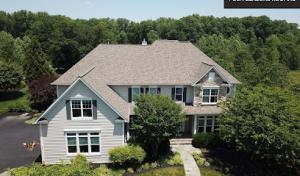
Four Seasons Roofing
(410) 657-6280 fourseasonsroofingmd.com
11436 Cronridge Dr, Owings Mills, Maryland
4.9 from 354 reviews
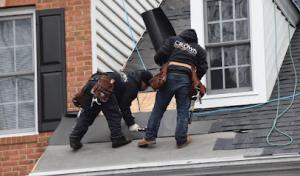
Crown Remodeling
(410) 498-6758 www.crownremodelingllc.com
9914 Reisterstown Rd, Owings Mills, Maryland
4.5 from 164 reviews
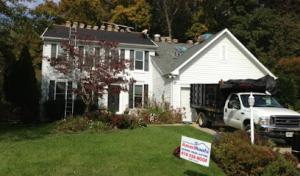
Owings Mills has enough low-slope roofing activity that EPDM and TPO are established local replacement categories, especially on commercial buildings and residential flat-roof sections. In this climate, the membrane is most exposed at transitions-where a low-slope roof meets a vertical wall, around curbs, and beneath skylight bases. Over time, heat cycles and repeated freezes push seams apart and stress adhesive-backed seams and flashing tapes. Expect higher wear along roof edges, near HVAC curb penetrations, and around any flashings that butt up against aging shingles on adjoining roofs. Regular visual checks after seasonal shifts help catch small splits before they grow.
Seasonal humidity, summer heat, and fall temperature swings can affect membrane seams, adhesive performance, and drying times on low-slope systems in this market. In hot summers, the sun can soften EPDM or TPO adhesives too aggressively, then rapid cooling at night can create micro-cracks. In winter, bending of the membrane as temperatures hover around freezing can open seams. After heavy rains or high humidity days, watch for moisture trapped under flashing or around skylight bases. When you see a seam mark lifting or adhesive edge curling, plan for professional reseaming or resealing rather than a full roof replacement if the substrate remains solid.
Skylight-related leak work is common enough among local contractors to warrant separate attention, especially where flashing transitions meet aging shingles or low-slope roof areas. The skylight flange should sit on a clean, dry plane with waterproof sealant beneath and a properly installed curb flashing. Look for hairline cracks in surrounding sealant, calcium buildup near metal flashing, or rust where metal components contact the membrane. If you notice staining from the skylight or damp spots around the interior perimeter, address it promptly to prevent wood deterioration or mold behind the drywall.
Plan a targeted inspection after the harshest seasonal transitions-spring wind events and post-winter freeze-thaw cycles. When you inspect, focus on seams, flashing terminations, curb penetrations, and around skylights. Keep a log of any patch repairs, adhesive rework, or flashing replacements. A routine maintenance check, performed by a qualified flat-roof contractor, can extend the life of low-slope systems and reduce the risk of sudden leaks during heavy rain.
Find specialists in TPO, EPDM, and built-up flat roofing systems for residential and commercial properties.
Crown Remodeling
(410) 498-6758 www.crownremodelingllc.com
9914 Reisterstown Rd, Owings Mills, Maryland
4.5 from 164 reviews

Wallace Roofing siding gutter sign window commercial residential flat metal asphalt shingle drywall insulation repairs
(410) 655-3700 www.wallaceroofingbaltimore.com
Serving
4.8 from 19 reviews
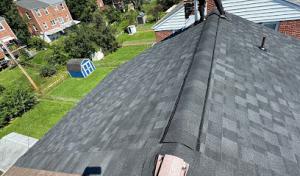
In this part of Maryland, insurers routinely assess wind and hail risk when setting roof-related coverage terms. For an older roof, that evaluation can tilt toward more restrictive conditions, especially after a severe spring wind event or a fast-moving hailstorm. You should expect tighter underwriting if the roof has aged beyond its peak performance, and some carriers may treat the vulnerable sections of your roof as higher risk. The practical consequence is that coverage limits, endorsements, or exclusions may shift after a major storm, even if the rest of the policy remains stable.
Older roofs often trigger changes that go beyond a casual repair mindset. Some carriers reduce covered perils or raise deductibles specifically for roof-related claims, making repeated repairs less financially viable over time. The result is a greater incentive to consider a proactive replacement strategy rather than chasing patchwork fixes after every storm. In neighborhoods with a mix of steep-slope and low-slope roofing, insurers may scrutinize the condition of ventilation, flashings, and drainage along with the age of the roof deck before adjusting terms.
Storm events are a common trigger for claims, so keeping thorough records is essential. Gather clear pre-loss photos of the roof, dated inspection notes, and invoices for prior repairs. These documents help demonstrate the roof's condition before a new incident and support accurate claim evaluation. If a wind or hail event hits, you'll want a concise history that shows what was already in place, what was repaired, and what remains vulnerable. Such records can influence how your insurer views risk, eligibility for coverage, and the speed of claim processing.
Regular inspections, even when the roof appears intact, serve as practical documentation in this climate. Missing shingles, damaged flashing, or granule loss can signal accelerated aging to an adjuster. Keeping up with maintenance records not only protects the roof's performance but also strengthens the narrative around your property's risk profile when underwriting or renewing coverage after severe weather.
Connect with contractors who help homeowners navigate the claims process from damage assessment to final approval.
Four Seasons Roofing
(410) 657-6280 fourseasonsroofingmd.com
11436 Cronridge Dr, Owings Mills, Maryland
4.9 from 354 reviews
Owings Mills homeowners experience distinct wear from a Baltimore County freeze-thaw cycle. Winter temperatures bounce above and below freezing, causing moisture within shingles or underlayment to expand, contract, and crack seals. Spring storms and summer winds add impact and lifting stress, accelerating edge curling, granule loss, and flashing degradation. When multiple seasons collide, the roof ages in compact bursts: you may see elevated shingle lift on shaded slopes after a heavy spring rain, or rapid granule loss after a hot, windy July afternoon. Plan replacements after a few seasons of this cycle if you notice consistent leaks, interior staining, or loose components near joints.
Storm-driven scheduling pressure in spring and summer means timing matters. If a major wind event or hail accompanies a storm sequence, inspect the roof promptly but safely. In Owings Mills, early fall installation can be tempting due to milder daytime temps, yet temperature swings between day and night can affect seal-down and adhesive behavior depending on the roofing system chosen. If a job must start in late summer, ensure the crew uses breathable underlayment and primer compatible with Maryland heat to avoid delayed drying and adhesive failure.
Steep-slope and low-slope roofs common in area subdivisions respond differently to climate stress. Asphalt shingles may show faster edge curl while metal roofs resist moisture but can bow under heavy hail if not properly seated. Clay tile and slate deliver longevity but demand precise substrate conditioning; freeze-thaw cycles can crack nonstructural tiles if installed during overly humid summers or on poorly vented decks. EPDM and TPO require careful heat management; high summer humidity slows curing and can complicate flashing seals around penetrations. Monitor for soft spots, blistering, or moisture in attic baffles, and plan replacements when repeated repairs fail to eliminate leaks.