
Last updated: Apr 19, 2026
Spring and summer storm systems roll through Baltimore County with surprising intensity, and the wind-driven rain can expose flashing failures on older homes before the roof shows obvious wear. In Cockeysville, chimney flashings, valley joints, and penetrations around vent pipes are common trouble spots that leak first when the rain arrives hard and fast. If your roof is a mix of aging materials or has skylights and dormers tucked into steep slopes, a quick shift in wind direction can drive water into the worst possible seam. This is not just an annoyance-water can travel along the roof deck, ruin sheathing, and trickle into attic spaces where it quietly rots until you're dealing with widespread damage. Recognition that leak behavior in these neighborhoods follows a storm pattern helps you act fast, before the damage multiplies.
The signal mix for roof work in this area is unusually strong toward emergency repairs, storm damage responses, and help with insurance claims. Homeowners here often respond to active leaks rather than scheduling replacement on a calendar. That means when you see water staining during or right after a storm, you should treat it as an active risk rather than a cosmetic issue. The fastest path to stabilizing the situation is a temporary repair that stops inflow, followed by a professional assessment to map out the full scope. Because many houses in older neighborhoods carry slate, clay, or concrete tile alongside asphalt options, the repair approach should be tailored to the current material and the specific flashing failures you observe. A contractor who understands the local storm pattern will prioritize securing penetrations, resealing chimney details, and protecting valleys to prevent further water intrusion while you work through next steps.
Maryland insurers commonly cover documented wind, hail, and storm damage. In Cockeysville, that documentation is the difference between a smooth claim and a fight. Gather date-stamped photos from multiple angles: the roof surface, flashing around chimneys, valleys, and any damaged penetrations, plus obvious interior leaks that show up in ceilings or attic spaces. Photograph the attic near the leak for signs like staining, mold, or visible water trails. Keep a log of when the leak is active, noting wind directions, rain intensity, and any gusts that seem to precede the water. Before an adjuster arrives, obtain a contractor scope of work that clearly outlines the repairs needed: the exact flashing replacements, roof deck work if any, and the preferred materials for the rest of the roof. This scope helps the adjuster translate the claim into a concrete repair plan and reduces back-and-forth during the visit.
If you notice active water entry, focus on stopping the flow while you arrange help. Place tarps over exposed sections, secure loose flashing, and protect interiors with plastic sheeting to limit attic and ceiling damage. Do not delay calling a local emergency repair crew that understands this neighborhood's material landscape-slate configurations, fiber cement details, and metal choices all demand a skilled touch to avoid creating new leaks during the fix. When talking to potential contractors, prioritize those who can document the work clearly, provide a detailed scope, and coordinate with your insurer so the adjuster visits align with the repair plan. If you have questions about which details matter most for your specific roof type, bring clear photos of flashing seams, chimney joints, and valley intersections to the initial consultation.
Aging sloped roofs in this area often show concealed wear behind flashing, especially where chimneys meet the deck and where valley water concentrates. A prudent path pairs a temporary, pull-off-the-purposes repair to stop the leak with a longer-term plan that respects the original roof structure. For older homes with slate or tile mixed with newer overlays, the replacement strategy should consider compatibility, weight, and wind resistance in Maryland's storm pattern. In practical terms, expect a two-step approach: first, stabilize the leak and document the condition; second, execute a targeted repair or replacement that restores sealing integrity around flashing, penetrations, and joints, and then follow up with a thorough interior cleanup and moisture remediation if needed. This approach minimizes risk while aligning with the local storm-driven repair rhythm.
Cockeysville blends older, estate-style homes with newer suburban houses, and the roofscape reflects that mix. Natural slate remains a meaningful feature on some vintage and higher-end properties, while asphalt shingles dominate the reroofing market for the bulk of the community. The local material mix runs from asphalt and metal to clay and concrete tile, plus slate and fiber cement, so planning around a roof replacement often means weighing several viable paths rather than defaulting to one standard option. Steeper slopes and architectural variation across northern Baltimore County mean access, staging, and material handling drive scheduling and contractor logistics as much as any material choice.
Older homes with slate or tall dormers tend to push toward materials that respect the original look: slate when the budget and condition align, or fiber cement shingles that imitate slate while offering easier installation and maintenance. Estate properties with broader roof footprints may see clay or concrete tiles chosen for durability and a traditional silhouette, especially on entries or grand wings. For the majority of suburban reroofs, asphalt shingles provide speed and value, with metal becoming more common on mid-century homes where a stronger, weather-tight solution is desired. In neighborhoods with mixed elevation, the roof planes can create dramatic shadows and require careful detailing at hips, ridges, and valleys, increasing the importance of staging plans and crew access.
If the roof has a distinctly historic or slate-backed appearance, slate remains the highest-fidelity choice, but recognize that installation requires skilled crews and careful handling to minimize breakage. Clay and concrete tiles stand up well to temperature swings and storm exposure, yet they add weight and may necessitate structural checks or reinforcement on aging framing. Metal roofing offers long life and a sharp, modern contrast for certain house styles, particularly where clean lines and taller ridges prevail. Fiber cement shingles provide a versatile middle ground, balancing aesthetic compatibility with durable performance. For most conventional suburban homes, asphalt shingles deliver the straightforward replacement path and broad color options that align with typical neighborhood streetscapes.
Storm-driven leaks often surface along hips, valleys, and roof-to-wall transitions on steeper slopes. In Cockeysville, accessing tall peaks and narrow eaves requires careful laddering, protective ground covers, and dependable scaffolding plans. Prepare by coordinating crane or platform needs if tall chimneys or tower dormers complicate work zones. When planning for leak responses after a storm, prioritize crews that can quickly tarp and secure vulnerable areas, then diagnose whether flashing at skylights or chimney caps needs resealing or replacement. Weather windows matter more than ever on steep, varied rooftops, so flexible scheduling and clear access routes reduce delays.
For aging sloped roofs, document pre-storm condition with dated photos showing common problem areas such as valleys, flashing joints, and corner details. After a storm, capture images of any new damage, including wind-driven uplift on edges or loose flashing. Maintain a simple, dated log of mobile home repairs or temporary tarps, noting contractor names, contact numbers, and work scopes. When communicating with an insurer, describe the roof's material mix and any known pre-existing vulnerabilities to support a timely assessment, especially if slate or tile components are involved. If multiple suppliers are possible, obtain written estimates that specify material type, installation method, and anticipated labor needs to help the adjuster understand the project scope.
For Cockeysville properties, full reroof work typically runs through Baltimore County permitting rather than a separate city roofing office. The county's process is designed around the age and style of a lot of local homes, where slate and other aged materials meet newer asphalt or metal replacements. Understanding that workflow helps in arranging approvals without surprises when crews arrive. The permit packet tends to emphasize verifying roof ventilation, flashing details, and proper decking condition before work begins.
To start, a contractor or property owner submits a permit application that covers the scope of the reroof, existing roof type, and proposed materials. Documentation commonly requested includes structural notes, attic ventilation details, and a plan for how gutters and downspouts will be integrated with the new roof line. In Baltimore County, it is typical to attach a workmanship schedule and a deck inspection plan so inspectors can verify that decking is sound prior to a full layer or replacement. Locally influenced specifics, such as the presence of historic or slate-heavy sections, may require additional notes on material transitions and ventilation strategy.
Inspections occur in stages aligned to the construction timeline. The first critical checkpoint is a decking or rough-in inspection, where the inspector confirms that the roof structure and ventilation approach meet code and that decking is adequately prepared for new materials. A final completion inspection is then conducted to verify that the installation aligns with code compliance, flashing details, and overall roof performance. If the project includes updates to attic ventilation, moisture barriers, or chimney flashing, those elements are reviewed during the final pass as well. Expect the inspector to check for proper nailing patterns, underlayment coverage, and drainage compatibility.
Processing times can vary with county workload, so scheduling in Cockeysville can be affected not just by weather but by inspection availability and permit turnaround. Storm-driven repair work can spike demand, especially along the I-83 corridor where leak responses drive faster timelines. Plan ahead by aligning permitting with the contractor's project calendar and by leaving buffer time for any weather-delayed inspections. If a roof is mid-progression, confirm that the permit is active and that ongoing work aligns with the latest county plan approvals to avoid rework or delays at the rough-in or final inspection stages.
Cockeysville's broad material mix creates a wide local price spread. Asphalt shingles sit in the 350 to 650 USD per square range, while slate roofs command 2500 to 4700 USD per square. This spread isn't just about upfront material cost; it shapes what you can realistically budget for a reroof in your neighborhood. If your home is on the older side or sits on a hill with wind exposure, you may lean toward higher-end options like concrete or clay tile or, for practical balance, metal, which commonly lands between 700 and 1200 USD per square. The choice you make will cascade into underlayment, fasteners, and the long-term performance you expect from weather events typical of this corridor.
Older homes in this part of Baltimore County tend to reveal decking repairs, flashing rebuilds, and ventilation upgrades once tear-off begins. These tasks often push totals above base material pricing. If your roof has historic or slate components, anticipate additional work to detach old materials, inspect the deck for rot, and replace flashing around chimneys and vents. Ventilation upgrades can also improve attic airflow and reduce heat buildup, which matters for both shingle longevity and indoor comfort. These added steps matter more with slate or clay tile, where a full tear-off exposes more underlying work than a simple overlay.
Storm-driven demand spikes and the area's reroofing prevalence can tighten scheduling and labor availability after major weather events. You should expect possible delays and higher labor quotes when storms have recently hammered the I-83 corridor north of Baltimore. This can influence both price and lead time, especially for premium materials or if crew slots fill quickly after a surge in demand. If timing is flexible, you may save by coordinating a mid-season start. If timing is tight, build in a contingency for expedited material delivery and potential temporary fixes to stem leaks while awaiting a full replacement.
When budgeting, start with your preferred material class and then add a line for deck repair, flashing rebuilds, and ventilation upgrades if tear-off is involved. Factor in the possibility of longer lead times after storms and plan for a contingency of 5-15% on top of the base material and labor estimate to cover fasteners, drip edge, and moisture barriers. For most homes with aging structures, a conservative approach is prudent: expect the project to shift toward mid- to upper-range materials if you want durability through future storm seasons, but keep the door open for practical, staged improvements that align with your roof's current condition and budget.

Marathon Roofing
(410) 229-9934 marathonroofing.net
221B Cockeysville Rd, Cockeysville, Maryland
4.4 from 9 reviews
We are a local Cockeysville, MD roofing company specializing in the repair or replacement of slate, shingles, EPDM/TPO, sheet metal & gutters/downspouts. We service Baltimore County, Carroll County, Harford County, and Hereford County, Maryland. MHIC # 123678

CR3 American Exteriors
Serving
4.9 from 185 reviews
CR3 American Exteriors, located at 201 International Circle Suite 230, is your premier choice for all roofing solutions in the area. Specializing in both residential and commercial roofing, our expert contractors offer comprehensive services including roof repair, roof replacement, and roof installation. We are equipped to handle emergency roof repair, roof leak repair, and storm damage repair with prompt, professional service. Whether you're looking for reliable metal roofing options or need thorough roofing inspections, our team ensures top-quality craftsmanship and customer satisfaction. Trust CR3 American Exteriors for outstanding roof repair services tailored to your needs.

PLANIT Remodeling
(443) 585-3535 www.planitremodeling.com
Serving
5.0 from 10 reviews
Residential Remodeling - Kitchens, Bathrooms, Additions, New Construction, Decks, Roofing, Siding
Rollins & Associates
(443) 807-3093 rollinsimprovements.com
Serving
5.0 from 26 reviews
Rollins & Associates, a family-owned business, has transformed homes in Baltimore, Maryland, and surrounding areas through exceptional roofing, renovation, repair, and home improvement services. With a specialty in slate roofing, copper gutters, and copper flashing installations, their expertise extends to various roofing options, including asphalt, metal, EPDM, TPO, and slate, along with chimney repairs. Known for their commitment to accessibility and availability throughout every project, they've earned a reputation for delivering exceptional results, ensuring clients' satisfaction and transforming houses into stunning living spaces.
Allied Remodeling
(410) 769-9700 alliedremodeling.com
Serving
4.7 from 1074 reviews
Since 1986, Allied Remodeling has been transforming homes across Central Maryland and the Eastern Shore with our popular $3,999 Roof Replacement Special. As a trusted roofing, siding, and deck specialist, we bring expertise and dedication to every project. Allied Remodeling provides free estimates for most projects in Anne Arundel County, Baltimore City, Baltimore County, Caroline County, Carroll County, Cecil County, Dorchester County, Harford County, Howard County, Frederick County, Kent County, Montgomery County, Prince George’s County, Queen Anne’s County, and Wicomico County.
Four Twelve Roofing
Serving
4.9 from 16 reviews
Four Twelve Roofing of Lutherville has over 12 years of experience delivering top-quality roofing services in Lutherville, MD. As a trusted roofing company, we specialize in roof installation, repairs, and maintenance for residential and commercial properties. In addition to roofing, we offer expert services in gutters, skylights, chimneys, siding, and deck installations. Our skilled team is committed to providing exceptional craftsmanship, reliable solutions, and outstanding customer service. Whether you need a new roof or home improvement, Four Twelve Roofing of Lutherville is your go-to roofing contractor in Lutherville, MD. Contact us today for a free estimate!
Magnum Home Services
(410) 999-5200 magnumhomeservices.com
Serving
4.9 from 104 reviews
Magnum Home Services is the best roofing contractor in Towson, MD. We are professionally trained in providing the best quality roofing services. We provide all sorts of assistance including roof installation, roof replacement, roof leak repair, and all the other types of roofing services. The services provided by our company are based on years of experience in the industry. Our excellent customer service makes us the top-notch roofing service provider in the area. Whether you are having trouble with your roof or need a new roof installation, we are the most authentic and certified company you can hire. We are known for our quality workmanship and on-time service delivery. So, you can count on us for all your needs. Call now!

MD State Roofing
(443) 948-1045 www.mdstateroof.com
Serving
5.0 from 7 reviews
With us, you will find all the services you need to create and transform your property into what you have always envisioned. Our insured and licensed team performs all of our services with the best materials and the latest techniques to give you the best upcoming results at your property.

Homelife Roofing & Remodeling
(410) 864-0178 homeliferoofing.com
Serving
4.4 from 101 reviews
HomeLife Roofing & Remodeling is a trusted roofing company serving Timonium, Lutherville, and nearby areas of Maryland. Specializing in residential roofing, the team handles everything from roof replacement to reliable roof repair. As experienced roofing contractors in Timonium Maryland, they deliver dependable roofing services tailored to each home. Beyond roofing, HomeLife Roofing & Remodeling is known among leading siding contractors, offering professional siding installation, including durable vinyl siding. Homeowners also rely on their expertise for home remodeling, with custom deck installation, deck remodeling, and skilled deck builders. Known for quality craftsmanship and dependable services. Call +1 410-864-0178.
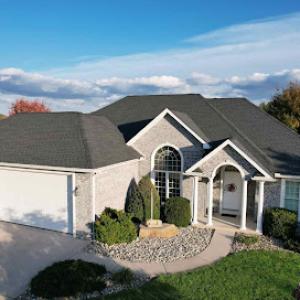
AC Matthews, Roofing & Exteriors
Serving
5.0 from 140 reviews
AC Matthews is the leading roofing contractor in Towson, MD. We treat our clients like family and always go that extra mile when it comes to customer care. Our experienced roofers can take on any project, no matter the size. We are always reliable, efficient and affordable. Communication, trust and education are the three main things on which we base our work. When you choose AC Matthews as your roofing contractor, you know you are putting your property in good hands. You can rely on us for all of your exterior maintenance and repair needs. Our business is based on serving the local community. Reach out to us today and receive a free estimate for your roofing project!
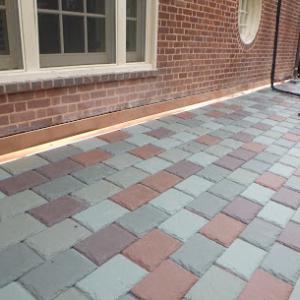
Olde World Slate Service
(443) 829-5359 oldeworldslate.com
Serving
5.0 from 26 reviews
Customers first. Integrity always. This focus drives us from initial inspection to final clean-up. We hire Amish slate and copper craftsmen, and we exclusively service historic roofs/gutters. We put honesty and experience into every job. When you have good people who care about all they put their hands to, it shows. Choose experienced, proven workmanship for your historic roof and gutters, and protect your home for decades to come.
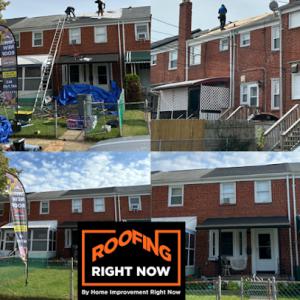
Roofing Right Now
(443) 447-7471 www.homeimprovementrightnow.com
Serving
5.0 from 25 reviews
Roofing Right Now delivers Maryland’s best value in roofing with our $3,499 Roof Replacement Special (up to 10 SQ). Includes full tear-off, premium architectural shingles, FREE 25-Point Roof Inspection, Lifetime Workmanship Warranty and more! We don't have sales people, fancy offices, or big warehouses. Your quote pays for quality workmanship, not commissions. Backed by Home Improvement Right Now, LLC, our family-owned company proudly serves Harford, Baltimore, Cecil, Carroll, Howard & Montgomery counties. Through Flooring Right Now, we also offer expert installation of luxury vinyl plank (LVP), hardwood, laminate & tile flooring, transforming homes inside and out while delivering top-quality service at unbeatable prices.
Slate, clay tile, and concrete tile are active materials in this market, and that combination creates realities you'll notice when you walk your attic hatch or peek from the eaves. The structural load of these units isn't what you'd expect from a standard shingle roof, and if the roof is older, framing weaknesses or settled rafters can show up as unusual creaks, bowing, or gaps where fasteners should be. That heavier profile doesn't just ride out a storm-it amplifies every gravity-driven event, from a saturated rain to a heavy snowfall, pressing on joints and underlayment in ways a lighter roof simply wouldn't.
Maryland's freeze-thaw cycles are unkind to brittle units and the fasteners that hold them in place. When temperatures swing above and below freezing, moisture inside the pores of slate, clay, or concrete expands and contracts. Over time this stress can crack tiles or slates and loosen the fasteners or underlayment beneath a heavy roof system, especially if look-alike repairs have been done piecemeal in the past. The result is a higher likelihood of small breaches expanding into leaks after the first big storm or the next cold snap. In practice, a routine attic inspection after a hard freeze is a smart move, because tiny hairline cracks can become a cascade of water intrusion if left unaddressed.
Repairs on slate and tile roofs in this market often require crews experienced with selective replacement rather than standard shingle tear-off methods. When a tile or slate is damaged, the fix isn't simply to patch the surface; it's to identify whether a neighboring unit is compromised, match the material precisely, and carefully lift, seal, and reseat without disturbing adjacent pieces. That precision work can prevent new leaks from forming where the roof has already shown stress. Expect the process to involve targeted removal and careful reinstallation, with attention paid to how the new material will weather with the surrounding units over time. The goal is to restore integrity without introducing new vulnerabilities in the underlayment or decking.
Find contractors who specialize in clay and concrete tile roofs, known for their durability and curb appeal.
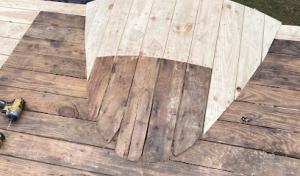
Quality Craft Construction
(443) 297-4993 qualitycraftconstructionllc.com
Serving
5.0 from 23 reviews
Home Crafters Roofing & Contracting
(410) 882-7663 homecraftersroofing.com
Serving
5.0 from 2858 reviews
In Cockeysville, hot, humid Maryland summers accelerate algae and moss growth on susceptible roof surfaces when attic ventilation is weak. Moss and algae can hold moisture against the decking, speeding deterioration of shingles and increasing the likelihood of hidden leaks. On aging sloped roofs, especially those with slate or fiber cement overlays, shading at the eaves and poorly vented attics create damp microclimates that undermine surface granules and fade color. Vigilant moisture control helps preserve both life and appearance.
Baltimore County inspections commonly review ventilation and flashing details, making ventilation upgrades a practical issue during reroofing rather than just a maintenance preference. When planning a reroof in this area, ensure soffit intake, ridge or exhaust venting, and attic bypasses are sized to match the new deck and insulation level. Upgraded ventilation can reduce attic temperatures, slow algae blooms, and improve overall shingle performance. Proper flashing at skylines, chimneys, and vent penetrations remains critical to prevent interior leaks after a new roof is installed.
North-of-Baltimore seasonal swings from humid summers to winter freeze-thaw cycles make moisture management especially important for shingle longevity and decking condition. In winter, trapped moisture can expand and contract behind shingles, stressing underlayment and fasteners. A well-ventilated attic lowers condensation risk, preserving decking integrity and delaying costly repairs. On reroofs, verify that ventilation and decking ventilation channels align with climate-driven needs to maintain long-term roof performance in this region.
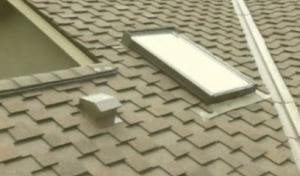
Skylight repair is a notably active specialty in this market, suggesting leak complaints around curb flashings and aging skylight units are common in Cockeysville-area service calls. When a leak shows up after a storm, start at the skylight curb. Look for loose or cracked flashing, damaged sealant, and any signs of condensation leaks from the interior side. In older homes with plaster ceilings, moisture may travel a long way before it pools near the skylight framing. Inspect the surrounding roof deck for soft spots or warped shingles. A practical approach is to verify the skylight unit itself. If the glass or plexiglass shows cracks, or if the curb has settled, replacement is often more reliable than patching. Consider upgrading to a unit with better drainage and a proven gasket system. The skew of morning sun can bake seals; timing work for dry spells helps both diagnosis and repairs.
Chimney-related work is also prevalent among local contractors, which fits the older-home profile found in parts of the area where masonry penetrations remain common. Inspect chase flashing where it meets the chimney crown for rust, lifting, or gaps. Leaks frequently originate at mortar joints or around clay flue liners. A cap with proper spark arrestor and a tight top seal reduces wind-driven intrusion.
When wind-driven rain hits, penetration failures are more common than field failures. Focus inspections on valve-like joints: chimney-to-roof, skylight-to-flashing, vent boots. For mortar deterioration, tuckpointing and flashing replacement can restore a reliable barrier without a full roof reload. Finally, document the failure pattern. Take photos from inside and outside after a storm, note the time and wind direction, and track whether leaks appear after ice dams or rapid warming. This helps a local roofer craft a precise repair plan for an aging slope. Keep a spare flashing kit on hand for quick curb repairs during storms everywhere nearby.
Find contractors experienced in skylight installation, flashing, and leak repairs to bring natural light into your home.
Flat-roof specialization is active locally even though the dominant market is sloped roofing, pointing to common low-slope sections on additions, porches, garages, and mixed rooflines. When a new flat or low-slope addition ties into an existing roof, attention to drainage, flashing, and material compatibility becomes essential to avoid abrupt failures during Maryland's rainy springs and humid summers.
In typical Cockeysville neighborhoods, additions sit adjacent to older homes with slate or asphalt shingle primary roofs. The key step is to map all potential water pathways across the interface where the flat roof meets the existing slope. Look for any low points that could pool water and identify scuppers, gutters, and internal drains that may need re-routing to prevent standing moisture near walls or under eaves. A practical approach is to treat the flat section as a separate drainage zone with its own primary and secondary water exit routes.
Low-slope sections frequently rely on membranes or coatings. In homes with mixed roofs, separate your decision-making for steep-slope replacement from low-slope membrane or coating decisions. If the existing roofline carries slate or clay tile, the transition to a low-slope surface should account for differential movement, thermal expansion, and potential incompatibilities. Select a membrane or coating that can accommodate the neighboring materials without creating new seams at the transition edge. In practice, choose products with proven compatibility and a clearly defined edge detailing that resists wind uplift and edge infiltration along the parapet and collar joints.
During Maryland's wetter months, drainage performance becomes the bottleneck for many projects. Ensure that the installation plan includes a continuous slope toward the intended drain point, even if the visible pitch remains nearly flat. Inspect the seam tapes, edge flashing, and termination bars as part of a staged inspection plan, so leaks are caught before interior finishes are affected. For additions near vehicle access or garages, verify that roof penetrations for vents or HVAC curbs are isolated from the main drainage plane to minimize leak pathways.
Keep a detailed record of the flat-roof assembly, including membrane type, seam configuration, and edge detailing. When a mixed system exists, clearly document which sections were upgraded or resealed as part of the project, so future repairs can target the correct interface. Regular inspections after heavy storms help catch seam failures or drainage blockages before they escalate into interior damage, especially along the porch or carport connections where exposure is highest.
Find specialists in TPO, EPDM, and built-up flat roofing systems for residential and commercial properties.

Marathon Roofing
(410) 229-9934 marathonroofing.net
221B Cockeysville Rd, Cockeysville, Maryland
4.4 from 9 reviews

Quality Craft Construction
(443) 297-4993 qualitycraftconstructionllc.com
Serving
5.0 from 23 reviews
In Maryland, roof claims are commonly tied to hail, wind, and storm damage, so homeowners should document both exterior impacts and interior staining immediately after weather events. Recent storm activity and visible climate-related wear can influence whether insurers approve full replacement or limit payment to repair-focused scopes. The outcome often hinges on how clearly the event is connected to the roof failures observed in the days that follow.
Cockeysville homeowners should move quickly to photograph roof surfaces from multiple angles, including gutters and flashing, after a storm. Interior staining, roofline discoloration, and attic signs of water intrusion should be recorded with timestamps if possible. Keep a record of any fallen debris, shingle granules, or warped or curling material. This documentation helps translate the event into a credible claim narrative when the weather has already faded from memory.
Because local contractors frequently market insurance-claims help, homeowners should expect adjuster-facing estimates and photo documentation to be a routine part of the process. Be aware that adjusters may request additional evidence or produce scope recommendations that reflect a repair-focused mindset. When a contractor offers to lead the claim process, verify credentials and request a detailed, line-by-line estimate that corresponds to observed damage rather than generic replacement suggestions.
Avoid delaying a documentation blitz after a storm, as lapse periods can complicate coverage decisions. Do not rely on distant contractor references alone; local experience with aging sloped roofs and rain-driven leaks matters. If damage appears primarily cosmetic but leaks persist, ensure the claim narrative explains how even small issues can escalate in the next surge of weather.
Connect with contractors who help homeowners navigate the claims process from damage assessment to final approval.
Dry, moderate periods are generally the best time to reroof in Cockeysville because Maryland's cold winters and hot, humid summers both reduce installation flexibility. In practice, late spring and early fall tend to deliver the most predictable conditions: milder days, lower humidity, and fewer sudden rain events that can stall work. When the forecast shows a sustained stretch of dry weather, scheduling a roof replacement or major repairs during that window minimizes weather-driven delays and helps crews seal valleys and flashings more reliably.
Winter freeze-thaw cycles can stress exposed decking and brittle materials, increasing the risk of damage during removal and reinstallation. If projects run into freezing nights, panels and underlayment can become stiff, making precise alignment harder and elevating the chance of micro-cracks. Spring and summer storms create rain delays and debris-related interruptions, from wind-lifted shingles to blown branches and sump leaks. In this market, those storm surges can also trigger spikes in labor demand and scheduling bottlenecks, so timing work around typical storm bands near the I-83 corridor helps keep the project on track.
Homeowners trying to avoid emergency pricing in this market should plan before peak storm periods rather than waiting for active leaks. If shingles show curling, flashing looks compromised, or attic insulation feels damp after a rain, start conversations with nearby contractors promptly. A pre-season inspection can flag aging slate-heavy sections or deteriorating underlayment on aging slopes, enabling targeted repairs that prevent larger failures when storms hit. In practice, coordinating work for the driest possible weeks and building a short, flexible schedule helps align materials, crews, and weather, reducing the chance of last-minute price shocks during a surge.
The strongest local hiring signals are quick response, cleanup included, reroofing experience, and affordability, so homeowners here tend to value execution and responsiveness over flashy sales positioning. When a contractor answers within a day after a storm, documents cleanup on the first visit, and can outline a practical plan for tarping, you're looking at a team that understands the neighborhood's expectations. Expect efficient scheduling around weather windows.
Long-established and family-owned firms are well represented in this market, which matters in a county-inspection environment where follow-through on punch-list items can affect closeout. In practice, you'll notice these companies keep closer communication channels, assign a single point of contact for inspections, and return for minor corrections without friction. That conscientious approach helps when storm repairs uncover lingering concerns on older, slate-heavy homes.
Because specialty demand is concentrated in emergency repair, storm work, skylights, and insurance support, homeowners should verify that a contractor's actual service mix matches the roof problem they have. If a storm-related leak is the trigger, confirm they can handle flashing issues, interior water control, and attic ventilation review, not just a quick patch. For skylight or vent work, ensure crews bring appropriate safety gear and flashing details for the roof type.
Ask for recent local projects with similar roof styles, especially slate or tile, and request on-site references. Check that the crew has experience with the neighborhood's typical weather cycles and that cleanup includes debris removal and packaging of old materials. A quick site visit with a clear teardown and replacement plan helps prevent drift and misaligned expectations.