
Last updated: Apr 19, 2026
Winter brings a hard freeze-thaw cycle that stresses shingles, flashing, and rafter ties, followed by a rapid swing to spring rain and hail. This sequence drives damage patterns that peak not from a single event, but from a seasonality that hits roofs in a predictable rhythm. In most years, a serious leak develops after the thawing days expose weakened seams and granule loss from ice buildup, then turns into a storm-response emergency as spring storms roll in. The timing matters: assessments and temporary repairs are most reliable when you address the storm impact promptly, not after multiple storms compound the damage.
Most replacement work gets scheduled from late spring through early fall, and that window is a busy lane for the trades. Storm-related backlogs in that window can slow movement from tarp-and-trace repairs to a full roof replacement. If you wait for a perfect dry spell, you risk additional moisture intrusion and more extensive deck damage. You should plan for a two-step approach: first, secure the structure and minimize water intrusion; second, line up a replacement plan that can ride the spring-to-summer surge without letting leaks linger into peak heat or next winter's freeze-thaw cycles.
The market here shows an unusually strong concentration in storm damage and emergency repair services. That means you'll find faster response for leaks, shingle blow-offs, and hail-hit sections, but it also means you're competing for crews during peak weeks. Time your contact strategy to catch the early wave of post-storm calls, but be prepared for rapid scheduling shifts as crews re-route to the next urgent job. Understanding this cadence helps you avoid being left in the cold when a storm siren goes off and the phones start ringing off the hook.
Document every sign of damage with photos and timestamps from after each storm event, including hail size, blown-off fasteners, or dented metal vents. Create a simple, written record of dates and observed leaks, then share it with the first contractor you contact. Prioritize temporary mitigation: tarps, plywood, or roof mats that cover exposed areas to reduce water entry while you wait for a crew. When you call, tell the contractor you're in the high-priority wave for spring storm response and ask for an arrival window that minimizes your exposure to further storms. If the first visit confirms widespread damage, ask about staging a rapid-response plan that includes push-treeed debris management and a phased repair schedule, so you're not waiting on a single late-summer window.
Store all storm-related documentation in a single file you can hand to adjusters and contractors alike. Take clear pictures of the interior from multiple angles after every rain event, and keep a rough monthly timeline of leak activity. Insurance discussions move fastest when you can show the progression of damage from initial onset to the current condition, especially after a heavy April or May storm when adjusters expect to see a pattern rather than a single incident. The timing message is simple: act quickly on protective measures, document relentlessly, and align with a contractor who can navigate the spring-to-fall backlog without leaving you exposed to another round of weather.
Cold winters in this area drive repeated freeze-thaw cycling, a pattern that quietly accelerates wear on aged shingles and underlayment. When temperatures swing above and below freezing, moisture contracts and expands, pushing at roof edges and eaves. Over several seasons, this can shorten the usable life of a roof and shift the timing of a full replacement earlier than milder Maryland locations. Homes with older slopes or wear-prone materials tend to feel the impact first, especially after harsh winters where refreezing at night follows heavy daytime melt.
Ice dams are a practical local concern on many established Carroll County neighborhoods. When heat from an attic leaks into the attic boundary, snow on the roof can melt and then refreeze at the overhang, forming a dam that traps water. That backed-up water can seek weak points at flashing, joints, and vent collars, leading to interior leaks that appear long after the storm. Snow loading compounds the risk on steeper pitches or roofs with limited surface reinforcement. The combination of ice and heavy snow stretches gutters and loosens shingles, so a single season can reveal hidden vulnerabilities you might not notice from ground level.
From a maintenance standpoint, it helps to clear debris and ensure proper insulation and ventilation in the attic. The goal is to minimize heat that escapes upward and melts the roof snow from within. But when winter weather is relentless, temporary patches become the norm, and those quick fixes rarely address the root issues. The consequence is a cycle of recurring repairs that offer only short-term relief and can complicate insurance communications if damage grows beyond a single leak.
Winter conditions routinely delay tear-offs and inspections, so many homeowners observe a shift from temporary winter repairs to more complete projects once late spring conditions stabilize. In practice, that means the first warm stretch after March or April may be the window for a full assessment and a properly staged replacement. If you wait too long, spring storms can complicate access or add to the pile of preexisting issues, turning a straightforward repair into a larger scope project. Planning ahead for spring work keeps the project on track and reduces the chance of weather-driven postponements that stretch costs and disrupts home use.
Begin by documenting moisture intrusion as soon as you spot it, especially around corners and along eaves. Keep an eye on attic insulation levels and vent pathways-adequate insulation and balanced ventilation help mitigate heat loss that drives ice dam formation. During milder windows, schedule an assessment to identify aging underlayment, damaged flashing, or sagging gutters that worsen in freezing weather. When a winter storm hits, prioritize safety and avoid climbing on the roof; contact a local pro who can assess damage from ground-level observations and plan a targeted, staged repair approach for the spring.
In Sykesville, asphalt shingles are the dominant practical choice. They stand up well to the four-season freeze-thaw cycle and the inland Maryland humidity that can settle on rooftops after summer storms. If you want predictable performance with straightforward repairs after winter ice or spring leaks, asphalt shingles are the working default. Look for architectural or laminated options that offer better wind resistance and a thicker exposure to help shed moisture and debris during leaf-heavy seasons. When choosing colors, consider lighter hues to reflect summer heat and reduce attic temps, which helps with shingle longevity in this climate.
Metal roofs present a strong option if the roof endures repeated freeze-thaw cycles and rapid warm-cool shifts after hail events. They shed water quickly and resist ice damming, which matters in a region where winter weather can linger. Metal can be a solid choice for homes with existing framing that supports a higher snow load or for homeowners planning a quick, storm-focused repair approach. In smaller or older structures common around town, ensure the steel or aluminum panels are installed with proper underlayment and through-fastened details to prevent leaks at fastener penetrations during temperature swings.
Clay and concrete tile are available locally but are less common in this market. If considering tile, account for specialized installation needs and the structural implications compared with typical shingle roofs. Tiles add weight and may require structural evaluation or reinforcement, especially on homes with existing rafters that were not designed for heavy tile. In addition, the insulating benefits can be good, but the trade-off includes higher repair complexity after hail or wind events and longer service times for leaks.
Wood shingles and shakes can fit the character of older homes in the region, but moisture retention, shade, and seasonal leaf debris in this inland Maryland setting can accelerate maintenance demands. Expect more frequent treatment against mold, staining, and insect activity, particularly in damp corners or shaded eaves. If choosing wood, select rot-resistant species and consider a protective finish, but stay prepared for ongoing upkeep after leaf fall and wet springs.
Synthetic or composite shingles offer a middle ground between maintenance ease and aesthetic versatility. They can mimic natural textures while delivering improved fade resistance and potentially better freeze-thaw performance. This option suits homeowners who want a lower-maintenance profile without committing to metal or tile, though it's wise to verify warranty coverage for freeze-thaw cycles and summer humidity exposure in this market.
Regardless of choice, expect adjustments for winter ice and spring hail. The region's typical homeowner needs involve fast leak response and reliable after-storm documentation to support insurance claims, with a focus on proper attic ventilation and effective drainage. Align material selection with the roof's exposure, shade patterns, and debris load from nearby trees to optimize long-term performance.
In this market, pricing and availability move with the demand for storm repairs and post-winter re-roofs. After a hard winter and spring storms, labor and materials can tighten up, pushing scheduling out and driving up day-to-day costs. It's common for crews to be booked weeks ahead once screens and tarps come off and contractors start peeling back layers to locate hidden moisture. Expect steeper competition for crews on steeper slopes and on homes that require extensive decking or moisture repairs discovered during tear-off. This is not a theoretical concern-the typical rhythm in this area is a flurry of activity as weather window opportunities narrow.
Provided local material ranges run from 350 to 700 USD per square for asphalt shingles, 600 to 1100 for metal, 900 to 1800 for clay tile, 800 to 1500 for concrete tile, 700 to 1200 for wood shingles or shakes, and 550 to 1000 for synthetic or composite shingles. Those figures anchor what you'll pay when storms leave you with wind or hail damage, but individual quotes still vary based on slope, deck condition, and the extent of moisture remediation required after tear-off. Steep-slope homes, a late-spring to early-fall project window, and any storm-related decking work can push those numbers higher.
Start with your standard roof square count and chosen material. Asphalt shingles will be the most common in mid-winter repair cycles, but if storm damage reveals structural concerns, the bill can shift toward higher-cost materials or added decking. Clay and concrete tiles bring durability but up-front material costs that tier toward the upper end of the ranges, especially if roof geometry is complex or if additional underlayment and waterproofing detail are needed after ice dam damage. If metal is selected, expect solid long-term performance but tighter scheduling due to specialty installation teams.
Document damage promptly after a freeze-thaw cycle and spring hail event, so insurance documentation aligns with field findings. When invoices arrive, verify scope aligns with tear-off findings: decking replacement, moisture repair, and underlayment upgrades should be clearly itemized. If a project spans peak late spring through early fall, ask the contractor about phased tear-off and install options to minimize exposure and reduce mismatch with weather windows. For most homes, a balanced choice between long-term durability and upfront cost hits the sweet spot in this climate, especially where storm response drives quick turnarounds.
Don't let upfront costs delay a critical repair - these contractors offer payment plans to fit your budget.

Country View Builders Roofing
(410) 300-5332 www.countryviewbuilders.com
1020 Sunset Valley Dr, Sykesville, Maryland
5.0 from 43 reviews
Country View Builders is a fully licensed and insured Roofing Contractor. Established In Maryland in 2005, we serve Baltimore, Howard County, Carroll County, and surrounding areas. We specialize in residential roofing, providing roof repairs, roof replacements, new gutters and additional services to ensure delivering a long lasting roof at an affordable price. At our Home Interior division, we focus on Kitchen Remodeling, Bathrooms, Additions, and finishing basements. We take pride in providing outstanding craftsmanship, integrity, honesty, and high-quality workmanship. Regardless of whether you are planning a major home remodeling or a small roof repair we will do everything in our power to ensure the best experience.

Custom Built Remodeling
(410) 549-4901 www.custombuiltmd.com
1799 Miners Rdg Dr, Sykesville, Maryland
5.0 from 23 reviews
Trust a reputable remodeling contractor from Custom Built Remodeling, LLC to replace your old roof or drafty windows in Carroll County and surrounding areas. We have the equipment and experience needed to replace faulty roofs, windows, gutters and siding. By the time our experts are done remodeling the exterior of your home, it'll look just the way you want.
RLF Contractors
(443) 670-2270 www.rlfcontractors.com
Serving
5.0 from 8 reviews
RLF Contractors has the customer care and professional experience to help you stop dreaming and start planning the home upgrades you’ve always wanted. We specialize in commercial and residential construction and remodeling. Our business services include but are not limited to roofing, siding, windows, doors, custom decks, kitchen, bathroom, and basement remodeling, painting and more. Let RLF Contractors provide you the high quality home improvements you need.
Diamond Home Remodeling
(410) 875-7229 diamondhomeremodeling.net
Serving
4.9 from 160 reviews
When it comes to Roofing Companies, Roofing Contractors, Roofers and more, no one compares to Diamond Home Remodeling. With years of combined experience, Diamond Home Remodeling has worked hard to build the trust of our clients in Eldersburg and surrounding areas. Visit our website to learn more or better yet, call us today!
Dunsmore Exteriors Roofing
(410) 575-3773 www.dunsmoreexteriors.com
Serving
5.0 from 52 reviews
Dunsmore Exteriors is a small, family-run company. We will operate anywhere in the state since our office is in Marriottsville, MD. We take pride in our work and rely on our dependable crews to help us provide excellent results for each of our clients. Owner and creator Scott Dunsmore has been working on roofs since he was in his late teens. Scott, who is now in his mid-thirties, has over 15 years of experience and expertise to share with his clients. He was raised in Howard County and is married with two children. We know quality materials and quality service are equally important, so we provide both. Call Dunsmore Exteriors today for your free estimate!
S&K Roofing, Siding & Windows
(888) 206-0047 www.skroofing.com
Serving
4.9 from 1085 reviews
At S&K Roofing, we prioritize the durability and integrity of your home's exterior. As Maryland's trusted roofing, siding, gutter, and window/door contractor for over 40 years, our skilled team understands the importance of expert care. Beyond our core roofing services, we offer comprehensive solutions to enhance your home, including skylights, decks, attic insulation, and general home improvement repairs. Count on S&K Roofing for unmatched expertise, quality, and a commitment to elevating the overall well-being of your home.
Miracle Home Improvements
(443) 929-1894 miraclehomeimprovementsllc.com
Serving
4.9 from 84 reviews
Miracle Home Improvements is your trusted partner for home improvement solutions, proudly serving the Reisterstown, MD community. We have earned our reputation as a reliable and trusted partner for all your home improvement projects. Our commitment to quality craftsmanship, unmatched expertise, and dedication to customer satisfaction sets us apart in the industry. License Number Mhic #156227 Our journey has been marked by a passion for transforming houses into homes. Miracle Home Improvements is more than just a company; we're a team of professionals who take pride in enhancing the lives of our clients through exceptional home improvements.
Restoration Roofing
(410) 489-7663 www.restorationroofingco.com
Serving
4.9 from 263 reviews
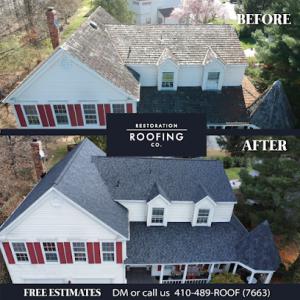
Restoration Roofing is a leading roofing contractor serving the DMV area. We are based in Howard County and Family Owned for more than 10 years. We specialize in providing high-quality roofing services to homeowners and businesses alike. We offer a range of roofing services, including insurance claims, roof replacement, and new roof installation. We also specialize in storm damage repair, helping you get back to normal after severe weather hits. If you're looking for a reliable and experienced local roofing contractor in the DMV, look no further than Restoration Roofing We offer competitive pricing, free estimates, and 24/7 emergency services.
Absolute Home Solutions
(240) 328-9872 www.ahsiroofingandwindows.com
Serving
4.9 from 90 reviews
Absolute Home Solutions, Inc., a leading provider of roofing, painting, deck building, siding contracting, remodeling and window installation services, is renowned for its meticulous work and exceptional materials. Established in 2001, the company has a talented team of installers dedicated to delivering top-notch home improvement services, including roofing installation, siding installation, entry door installation, window replacement, and painting, catering to the Maryland and Washington DC areas. With a commitment to quality and a focus on affordability, Absolute Home Solutions ensures personalized quotes, special financing options, and a strive to exceed expectations on every project.
Legacy Home Remodeling
(410) 970-6544 www.legacyhomeremodeling.com
Serving
4.8 from 41 reviews
Legacy Home Remodeling is a family-owned roofing and exterior remodeling company in Baltimore, Maryland, serving homeowners in Ellicott City, Eldersburg, and nearby areas. With over 40 years of experience, we provide roof replacement, roof repair, siding installation, window replacement, and door installation for residential properties. Our team focuses on quality workmanship, fair pricing, and clean job sites. From storm damage repairs to full exterior upgrades, Legacy Home Remodeling is trusted for dependable service and long-term value.
American Home Care
(410) 830-0102 americanhomecarellc.com
Serving
5.0 from 77 reviews
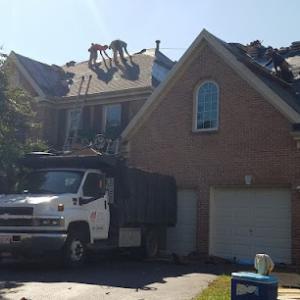
The experts at American Home Care have been bringing excellent roof leak repair services to the homes of Maryland. We only use the highest quality equipment for every single one of our residential maintenance. Our experts will ensure to follow all of the state and county roofing codes and finished extensive training.Roofing, Skylights, Gutters, Siding & Windows 410-830-0102

Banner Home Solutions
(301) 829-9820 bannerhomesolutions.com
Serving
5.0 from 86 reviews
Banner Home Solutions is your trusted, family-owned business, dedicated to transforming your home's exteriors. With expertise in roofing, siding, windows, and gutters, we offer top-notch services throughout Montgomery, Frederick, Howard, and Carroll counties in MD. Our team of Master Elite Professional Installers ensures exceptional craftsmanship and attention to detail, guaranteeing your satisfaction. Whether you're looking to enhance your home's curb appeal or increase its energy efficiency, we have the solutions you need. Count on us to deliver superior results, backed by our commitment to quality and personalized customer service. Experience the Banner difference for all your home exterior needs.
In this area, roof work is not treated as a simple swap-out. A full roof replacement typically requires a building permit handled through the Carroll County or local jurisdictional building department. That means the project is reviewed for compliance with local code, drainage, and fire protection rules, and the permit is tracked through the same channels used for other major exterior improvements. The process is designed to ensure that a storm-damaged roof is rebuilt to sustain Carroll County winters and spring storms rather than just patched for the moment.
For most full roof replacements, the permit is issued through the county or the relevant town office. This is not a "no-paperwork" scenario, and the permit comes with official conditions tied to the scope of work. In practice, that means the contractor must submit plans, meet drainage and venting requirements, and certify that the installation will meet current code standards. Even if a contractor has done similar work across town, the local authority still requires formal documentation and a permit number before crews start on the roof.
The permit application generally requires contractor information, which makes contractor licensing and documentation readiness especially important before work is scheduled. You will need the contractor's license number, business contact details, and a statement of the exact materials and methods planned for the project. Have your project schedule and the anticipated start date ready, along with a description of the roof's size and existing condition. A clean file with every manufacturer's specification and installation instruction can help the reviewer verify that the chosen products meet local performance expectations for freeze-thaw cycles and wind resistance.
Because the permit process hinges on accountability, ensure the contractor's licensing is current and verifiable with the county's records. Ask for proof of insurance, a lien waiver plan, and a detailed scope of work. During the winter-to-spring transition, many crews respond to storm damage quickly, but county officials still require a complete, auditable trail. Having all licenses, certificates, and manufacturer approvals organized before you apply reduces delays and helps protect you if a claim needs to be substantiated later.
A final inspection is part of the local process and is used to verify completion and code compliance before the project is fully closed out. Expect inspectors to check structural connections, underlayment, flashing, ventilation, and proper drainage. The inspector may also verify that weatherproofing was properly executed and that the roof aligns with fire and setback regulations. If deficiencies are found, a documented punch list will guide the corrective work, and a subsequent inspection will confirm that all items were addressed before the permit can be closed.
Coordinate closely with a licensed contractor who understands Carroll County's workflow and can align the project timeline with permit submission, inspection windows, and documentation delivery. Start the conversation early after a winter event, and keep all receipts, product data sheets, and inspection notices organized. Knowing the permit path helps ensure the roof replacement proceeds without surprises when spring weather returns and the project moves toward a compliant, long-lasting finish.
Maryland insurers commonly require documentation of wind or hail damage, and in Sykesville that matters most after spring hail events and winter storm-related damage that may not be obvious from the ground. A roof can look fine from the street yet sustain hidden leaks or shingle hail bruising that affects performance later. When a claim is filed, expect the carrier to scrutinize for corroborating evidence beyond a casual observation. The post-storm environment in this area often features rapid temperature swings and recurring freeze-thaw cycles, which can exacerbate damage you don't immediately notice. Being prepared with clear signs of impact helps avoid delays or disputes when the claim is reviewed.
Homeowners should expect carriers to request photos and sometimes a post-storm adjuster inspection before approving repair or replacement scope. Take wide shots of the entire roof and closer images of any suspected impact points, lifted tabs, granule loss, or discoloration. Note dates of storms and any accelerants like debris buildup or gutter damage that correlate with leaks inside. Keep a simple damage timeline visible in your files, because adjusters often compare reports across events. If you experience a leak, document interior occupants' reports and any secondary damage promptly; delays can complicate coverage decisions.
Roof age and replacement status can affect premiums and coverage terms, so older roofs in established housing stock may face stricter underwriting or reduced claim flexibility. Once a roof is past its expected service life, insurers may tighten criteria for repair versus replacement or limit the scope of covered components. In such cases, a thorough, well-organized claim with documented deterioration-paired with professional estimates-can help clarify options and protect the homeowner's position during negotiations.
Connect with contractors who help homeowners navigate the claims process from damage assessment to final approval.
Country View Builders Roofing
(410) 300-5332 www.countryviewbuilders.com
1020 Sunset Valley Dr, Sykesville, Maryland
5.0 from 43 reviews
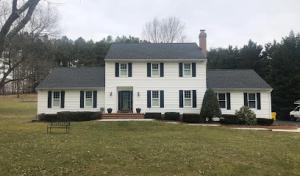
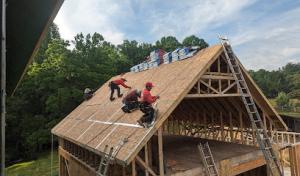
Skylights are a meaningful local service category in this market, so leak troubleshooting around flashing and penetrations is a recurring issue for Sykesville homeowners. In many homes, the curb and flashing around the skylight are the first things to check after a winter thaw or spring hail. The goal is to separate a truly failed seal from routine drainage issues caused by leaf build-up or debris.
Although the area is dominated by steep-roof homes, flat or low-slope sections-porches, additions, and garage roofs-appear often enough to demand solid guidance. Drainage problems on these surfaces can hide under wind rows of leaves and pine needles, especially after the first hard rain. Inspect the transition from a low-slope run to the main roof line at least twice per season. If water pools or flows slowly, focus on the seam lines, edge details, and the point where the low slope meets a steeper section.
Fall leaf buildup and moisture can complicate drainage and inspection timing on low-slope sections and around skylight curbs in this wooded inland setting. Schedule a mid-season check after leaf drop and again after the early spring storms. On a porch or garage roof, keep the skylight curb clear of organic debris; a clogged scupper or drain can mask a small leak until it worsens.
When a leak is reported, verify that flashing around the skylight is continuous and that the curb is properly adhered to the deck. Look for hairline cracks in the sealant and warping where the curb meets the low-slope surface. For low-slope joints, reseal with compatible sealant, focusing on the interior around the curb and along any vertical transitions. In the absence of obvious damage, consider a professional assessment that specializes in skylight flashing and low-slope drainage. In Sykesville.
Find contractors experienced in skylight installation, flashing, and leak repairs to bring natural light into your home.
Country View Builders Roofing
(410) 300-5332 www.countryviewbuilders.com
1020 Sunset Valley Dr, Sykesville, Maryland
5.0 from 43 reviews
In this area, the roofing scene is dominated by crews that specialize in re-roofing and rapid-response service. When a storm hits or a leak becomes urgent, the first call often goes to a contractor who can stabilize the situation and then follow through with a full replacement if needed. A reliable choice will show you a clear plan for both emergency stabilization and the completed project, with an honest timeline and a written sequence of steps.
Cleanup is more than tidying up at the end of the day. In Sykesville, debris control and protecting your property from wind-driven shards and falling shingles are critical expectations. Ask how debris gets contained during removal, where dumpster or disposal areas will be placed, and what daily cleanup standards will be maintained on your curb, driveway, and landscaping. A reputable crew will arrive with containment, ground protection, and dedicated workers to minimize dust, soot, or stray nails around play areas, cars, and gardens.
Long-established, family-owned firms tend to have visible local footprints, with repeat customers and the kind of accountability that matters when a project spans several months or requires multiple visits for inspections. In a permit-and-inspection environment, those firms often provide dependable documentation, timely callbacks, and warranty support beyond installation day. You'll notice familiarity with the neighborhood's common roof lines, attic conditions, and typical wear from freeze-thaw cycles, which translates into practical, site-aware recommendations.
Seek crews with demonstrated capacity for both quick stabilization and a full replacement if needed. Ask about storm-response history, the sequence of temporary protections (tarps, tarps with wind straps, edge protection), and how crews manage rain delays without compromising roof integrity. A strong option will present a plan that minimizes disruption to your interior during a spring storm cycle and resumes work promptly after any weather pause.
Clear documentation matters. Expect detailed written proposals, itemized materials lists, and a communication plan that outlines daily progress, weather-related adjustments, and expected milestones. When questions arise, you should receive timely replies, with the same contact person available for follow-up, ensuring that the project stays on track even through a spring storm or a late-season hail event.