Last updated: Apr 19, 2026
Maryland's occasional hail and strong wind events make post-storm roof inspections and photo documentation especially important for homeowners filing claims. After a storm, shingles may peel, flashing can lift, and hidden damage inside the attic or ceilings can appear days later. In a market with local housing stock ranging from older suburban homes to historic properties, a careful, methodical check is critical. Start with a wide exterior sweep at daylight to spot lifted tabs, granule loss, or obvious penetration around pipes, vents, and chimneys. Indoors, inspect ceilings and attic rafters for damp spots, staining, or musty odors, and document every sign with dated photos from multiple angles. The goal is to build a clear narrative you can share with your insurer or adjuster, not to guess what happened.
Local contractor signals show emergency repair and storm damage work are among the most prevalent specialties, indicating homeowners here commonly need fast tarping and leak response. When damage is suspected, set up a temporary tarp over any exposed roof areas to slow water intrusion while you arrange professional assessment. Take high-resolution photos of the affected area from ground level and from the attic if accessible, capturing framing, insulation, and any visible gaps around penetrations. Keep a running log of dates, times, and who you spoke with, plus notes on what actions were taken (tarps installed, leaks sealed, water extracted). This documentation helps the insurer understand the timeline of the event and the urgency of repairs, especially when weather windows tighten scheduling.
Spring thunderstorms and autumn wind events in the Reisterstown area can create sudden scheduling surges that affect both emergency repairs and full replacement timelines. If you face a backlog, ask your contractor to prioritize temporary repairs that stop active leaks while you wait for a more comprehensive fix. Clarify that the goal is to prevent interior damage and further weather exposure, not to stall for a perfect solution. When coordinating with the insurer, request a written assessment timeline and a plan for staged repairs if weather or access issues push the project back. Having a transparent plan helps manage expectations and reduces the risk of delayed, compounding damage.
In this market, skilled crews bring a practical mix of storm-damage expertise, leak response, and rapid tarping. A reputable contractor will start with a safety-first assessment, identify compromised flashing around chimneys and vents, and verify that attic insulation and ventilation remain effective after a leak. They will document the scope with photos and notes suitable for an insurance claim, provide a temporary repair strategy, and outline longer-term replacement options aligned with the house type-historic properties may require careful flashing and color-matched materials to preserve curb appeal. Expect clear communication about what affected areas were found, what is being protected next, and how to prevent recurrence during the next storm.
Keep your interior dry while the claim unfolds: place plastic sheeting or tarps over exposed ceilings, move delicate items away from potential leaks, and monitor for signs of mold or peeling paint. Maintain a routine between storm season and the first heavy rain, so any new leaks are captured promptly. If a adjuster visits, present the photo log, the contractor's assessment, and a clear record of temporary fixes. In this climate, decisive action after wind, hail, or heavy rain is not just about comfort-it's about preventing escalation to structural damage and more intrusive, costly repairs later.
The mix of hot summers, cold winters, and regular precipitation in this part of Baltimore County creates repeated freeze-thaw cycles that can shorten roof life compared with milder Maryland locations. In aging suburban homes and a few historic properties, those cycles stress the roof system differently: deck, flashing, and venting see more frequent movement, and attic airflow becomes a practical performance issue rather than a theoretical concern. Understanding how this stress shows up helps you catch problems early and plan durable fixes.
During winter, water from snowmelt can seep into small crevices in flashing or under shingle edges. When temperatures drop below freezing, that moisture expands as it freezes, prying at seams and nails. On older shingles or aging underlayment, this compounded movement can loosen granules, crack flashing, or lift shingles at corners and valleys. The effect is often most noticeable on sun-exposed slopes where temperature swings are sharp and on roofs with shallow pitches common on many suburban layouts. In some situations, this stress creates micro-leaks that only become evident after a heavy rain or a rapid thaw. Regular inspection after extreme cold snaps or significant snowfall helps keep minor issues from turning into water intrusion.
Look for a few tell-tale indicators: cracked or curled shingles, loose granules in gutters, small daylight gaps along flashing, and damp spots in the attic ceiling directly under roof joints. In winter, frost or ice buildup along rakes and eaves can indicate inadequate soffit vents or limited attic airflow, which magnifies moisture retention. When thaw comes, swollen patches around flashing seams and flashing that moves with wind are red flags. Since moisture control and attic airflow are key local performance issues, prioritize areas near valleys, step flashing at chimneys, and vent flashings where heat and moisture escape from the home.
If a storm hits and a roof feels compromised, approach cautiously. Do not climb onto a roof during or immediately after heavy snow or ice; use binoculars from ground level to spot lifted shingles or dark patches indicating moisture intrusion. For suspected leaks, start inside by tracing any staining to its highest point in the attic to locate the entry line. Address rapid threats first, such as covering exposed areas with a waterproof tarp secured away from wind uplift, while avoiding personal risk. Schedule a hands-on inspection with a local roofer who understands storm patterns in this area, focusing on flashing integrity, venting adequacy, and overall deck condition.
Baltimore County inspections for full replacements commonly verify decking, flashing, and venting, reflecting how moisture control and attic airflow are key local performance issues. Gather clear, date-stamped photos of all affected areas, including close-ups of flashing seams and any water stains in the attic. Compile a simple timeline of events: when the damage was first observed, dates of notable temperature swings, and any prior repairs. Keep a record of weather events that likely contributed to the damage, such as hail, high winds, or heavy rain, and note any emergency repairs performed to minimize further exposure. This documentation helps substantiate a claim and guides contractor recommendations for a durable repair plan.
Four Seasons Roofing
(410) 657-6280 fourseasonsroofingmd.com
Serving
4.9 from 354 reviews
Since 2001, Four Seasons Roofing has been helping homeowners in Owings Mills, MD keep their homes protected and looking their best. We do more than roofing — our team also installs seamless gutters, replacement windows, and siding to give your home a complete exterior upgrade. With years of experience as a general contractor, we focus on quality work, dependable service, and making sure your home stays strong and beautiful through every season.
E&A Contracting
(410) 830-9913 eandacontracting.com
Serving
4.9 from 83 reviews
E&A Contracting is a family-owned and operated remodeling company serving Baltimore, MD, and surrounding areas. With over 15 years of experience, we provide top-quality general contracting services for both residential and commercial clients. We specializes in kitchen remodeling, bathroom remodeling, and full home renovations. Licensed, bonded, and insured, we ensure every project meets the highest standards of quality. We stand behind our work and proudly offer discounts for US veterans, active military, law enforcement, and first responders. All of our materials are made in America, reflecting our commitment to craftsmanship and supporting local industry. Trust E&A Contracting to transform your space with professionalism and reliability.
Peak Custom Remodeling
(410) 862-3972 www.peakcustomremodeling.com
Serving
4.6 from 444 reviews
Peak Custom Remodeling, based in Owings Mills, Maryland, is a trusted leader in exterior home improvements with over 30 years of experience. We specialize in high-quality roofing, siding, window, and door solutions for residential and commercial clients across Central Maryland, Northern Virginia, and Washington, DC. Our commitment to excellence and customer satisfaction is backed by our unique Forever Guarantee. We ensure personalized service and meticulous attention to detail, backed by a team of seasoned professionals dedicated to delivering outstanding results on every project. Contact us to transform your property with our expertly designed, energy-efficient enhancements.
MD Pride Roofing & Home Services
(443) 637-7433 mdpridehomeservices.com
Serving
5.0 from 39 reviews
MD Pride Roofing & Home Services provides top-quality roofing repair, replacement, and gutter services throughout Baltimore, Hereford, Monkton, Parkton, Sparks, White Hall, Hampstead, Cockeysville, Timonium, Phoenix, Jarrettsville, Glyndon, and surrounding areas in Maryland. Our experienced team specializes in residential and commercial roofing solutions, ensuring your property is protected and looks its best. From emergency roof repairs to routine maintenance and gutter replacements, we’re your trusted local experts. Contact us today at (443) 637-7433 for a free estimate and discover why Maryland homeowners choose us for reliable and affordable roofing services.
Mr Fix It Home Solutions
639 St Georges Station Rd, Reisterstown, Maryland
5.0 from 1 review
Mr. Fix It Home Solutions is your local roofing contractor that does roof replacement, roof repair, gutters, siding, windows and doors. We are proud to be the top roofing company in Reisterstown Maryland. Our skilled roofers will help with any roof project, small or big. Customer service is our priority. We will help you if you have an insurance claim related to wind storm or hail. We do provide free estimates and no obligation appointments. Call today to schedule a free consultation with one of our best roofer technician. We specialize in flat roof, metal roof, shingle roof and any exterior home remodeling and improvements.
Miracle Home Improvements
(443) 929-1894 miraclehomeimprovementsllc.com
Serving
4.9 from 84 reviews
Miracle Home Improvements is your trusted partner for home improvement solutions, proudly serving the Reisterstown, MD community. We have earned our reputation as a reliable and trusted partner for all your home improvement projects. Our commitment to quality craftsmanship, unmatched expertise, and dedication to customer satisfaction sets us apart in the industry. License Number Mhic #156227 Our journey has been marked by a passion for transforming houses into homes. Miracle Home Improvements is more than just a company; we're a team of professionals who take pride in enhancing the lives of our clients through exceptional home improvements.
All Work
Serving
4.9 from 73 reviews
Since 2002, All Work has been a trusted leader in comprehensive contracting and restoration services. As a premier full-service contractor, we specialize in expert roofing solutions while also offering extensive general contracting, siding, and demolition services. We understand that disasters can strike at any time, which is why we provide professional fire and water damage restoration to help you rebuild with confidence and ease. Let us handle your next project with our dedicated craftsmanship and unwavering commitment to quality.
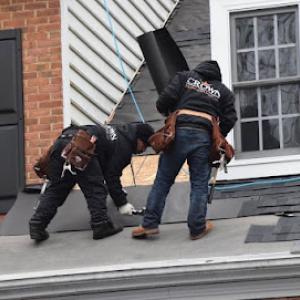
Crown Remodeling
(410) 498-6758 www.crownremodelingllc.com
Serving
4.5 from 164 reviews
Crown Remodeling is a licensed and insured roofing contractor based in Baltimore County, Maryland, specializing in roof replacement, full roof installations, storm-related roof replacements, and commercial roofing systems. With over a decade of experience, we proudly serve homeowners and businesses throughout Baltimore County, Howard County, Anne Arundel County, and surrounding Maryland areas. In addition to roofing, we provide siding replacement, window installation, and interior remodeling services. Our team is known for quality craftsmanship, honest communication, and dependable project management from start to finish. If you’re considering a new roof or a full exterior upgrade, contact Crown Remodeling today to schedule a free estimate.
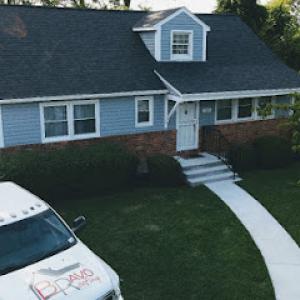
Bravo Roofing
(443) 450-6110 www.bravoroofingmd.com
Serving
5.0 from 85 reviews
Bravo Roofing is one of the best roofing companies in Maryland providing roof repair, metal roofing, roof replacement, and serving Southern Maryland and all surrounding areas. We are the top contractors in MD committed to the highest customer service and workmanship quality.

za & my services
(443) 928-6952 www.zamyroofing.com
Serving
5.0 from 48 reviews
At ZA & MY Services, we deliver over 20 years of experience in roofing, siding, gutters, flooring, and fencing throughout Maryland. Whether it’s a home repair or a full renovation, we guarantee quality, reliability, and a team you can trust. 📍 Free inspections & estimates available!
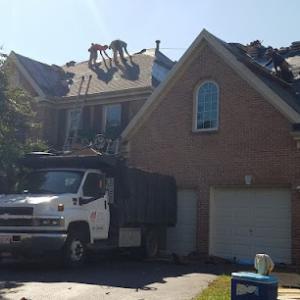
American Home Care
(410) 830-0102 americanhomecarellc.com
Serving
5.0 from 77 reviews
The experts at American Home Care have been bringing excellent roof leak repair services to the homes of Maryland. We only use the highest quality equipment for every single one of our residential maintenance. Our experts will ensure to follow all of the state and county roofing codes and finished extensive training.Roofing, Skylights, Gutters, Siding & Windows 410-830-0102
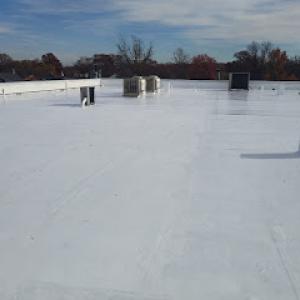
Park Heights Roofing
(410) 358-1257 parkheightsroofing.com
Serving
4.9 from 547 reviews
Founded in 1999, Park Heights Roofing has grown into a full-scale residential & commercial roofing company. We also offer siding solutions, insulation, chimney repointing, & complete gutter services. We pride ourselves on being honest & professional - delivering exceptional customer service & workmanship. Our commercial team has worked on millions of square feet of roofing projects in dozens of states. We have the team, equipment & knowledge to work on any project. With a team that's dedicated and responsive, we're always prepared to go above & beyond for our clients. That's why we're proud of our A+ Angie's List rating and many other local & national awards. Because with us, service always comes first.
Asphalt shingles remain the dominant practical choice for most homes in this area. They blend well with the typical suburban and older housing stock, are easier to retrofit on a wider range of roof geometries, and simplify ongoing maintenance. However, metal, clay tile, concrete tile, wood shakes, and synthetic shingles show up with enough frequency that a homeowner should understand how each behaves under local conditions. The local mix means you may encounter varying installation details, flashing needs, and underlayment compatibility as you transition from one material to another on a single property.
The region experiences freeze-thaw cycles and regular precipitation, so flashing compatibility matters a lot. A weather-tight transition around vents, chimneys, skylights, and along hips and valleys is crucial for long-term performance. Underlayment choices influence how a roof handles moisture during the occasional winter thaw and spring rain events. Heavier roof systems require careful inspection of existing deck structure and drainage details to ensure proper venting and moisture management. When comparing materials, verify that the chosen underlayment and flashing are rated for the specific roof assembly and the local climate stresses, especially at transitions between different roofing products on a single home.
Clay tile and concrete tile bring aesthetic and longevity benefits but can add project complexity on older homes with varying roof pitches and existing support. In addition to weight, the increased wind exposure and potential for higher snow loading call for reinforced framing and verified attachment methods. If a tile system is considered, evaluate the roof deck condition, existing eaves, and the ability to accommodate the weight without compromising ventilation or attic space. For those with older structures, lightweight alternatives that mimic the same look-such as synthetic options-may offer easier remediation if structural upgrades are limited.
Wood products attract attention because they introduce a natural look and strong insulating qualities, but moisture exposure demands careful detailing. In this climate, shakes require robust attic ventilation and a durable seal around penetrations to prevent capillary moisture movement. Expect periodic treatments or finishes to protect against rot and insect concerns, and ensure that gutters and downspouts are sized to handle heavy rainfall to prevent water running back onto the roof line.
Synthetic shingles provide a middle ground, combining resilient performance with ease of installation on mixed roof geometries. Regardless of material choice, a thoughtful combination of flashing detail, appropriate underlayment, and proactive moisture management will drive better resilience during wind, hail, and heavy rain events. In a neighborhood with historic properties and diverse roof styles, maintaining consistent flashing quality and venting across transitions helps preserve the roof's integrity through the region's seasonal stresses. Regular inspections after major weather events should focus on fastener security, sealant integrity around penetrations, and any signs of moisture intrusion near valleys and eaves.
In this market, prices are best read per square, using the established ranges: asphalt shingles from 450 to 900 per square, metal from 1000 to 1700, clay tile from 1200 to 2600, concrete tile from 1000 to 1800, wood shingles or shakes from 600 to 1200, and synthetic or composite shingles from 500 to 900. On older homes with mixed roofing, expect some variation as crews verify decking integrity and adjust details around chimneys, skylights, and dormers. When storm events sweep across Baltimore County, prices can rise quickly for emergency dry-ins and fast-turn replacements, so budget should include a cushion for rush work.
Storm damage often surfaces during tear-off, when decking repairs become visible. If the underlying boards show rot or moisture damage, that adds cost and time, but it's not unusual in older suburban neighborhoods with freeze-thaw cycles. In practice, a straightforward shingle replacement that remains on existing decking will sit toward the lower end of the per-square ranges, while a full tear-off with securing of flashing around chimneys and skylights, plus any needed waterproofing or ventilation adjustments, can land toward the higher end. For metal or tile options, expect longer lead times and more pronounced variation if your roof has complex angles or historic detailing.
After a hail or wind event, demand spikes across the county, and that pressure shows up as quicker scheduling, potential material shortages, and adjusted timelines. If a fast decision is required, you'll often pay a premium for expedited teardown, moisture checks, and rapid permit-free inspections. For newer or mid-century homes with straightforward layouts, replacement timelines stay relatively predictable; for historic properties or those with intricate chimneys and skylights, costs climb as detailing increases to protect against future leaks.
Chimney flashing, skylight detailing, and extra ventilation work are frequent add-ons in Reisterstown. Decking repairs found during tear-off are another common driver, especially on older roofs that have not seen recent maintenance. If moisture has penetrated into attic spaces, add temporary mitigation and drying steps to the estimate. In all cases, the top-line price reflects not just the shingle choice but the full system refresh: flashing, underlayment, vent boots, and proper attic ventilation considered together.
Get a clear picture of your project costs upfront - no commitment required.


A full roof replacement in Reisterstown typically requires a permit through the Baltimore County Department of Permits, Licenses and Inspections. The system is not a formality you can overlook; the county reviews the project to ensure the new membrane, decking, and ventilation meet local standards for weather resilience, especially given freeze-thaw cycles and storm intensity in this area. The permit process also helps coordinate with any nearby structures or historic overlays that might affect vent stacks, chimneys, or roofline adjustments. Starting without this permit can lead to delays, stoppages, and even fines that complicate a project once contractors are already on site.
Inspections are generally scheduled at rough-in and final stages, with particular attention to decking, flashing, and venting rather than just how the new shingles or metal panels appear. At rough-in, inspectors verify that the roof deck is sound, properly strapped, and prepared for underlayment and the chosen finish. They check that integrated flashing around chimneys, valleys, skylights, and dormers is correctly installed to handle wind-driven rain and potential ice damming. Proper venting and attic bypasses are evaluated to prevent moisture buildup that shows up as puckering shingles or stained ceilings later on. At the final inspection, the goal is to confirm that the entire roof assembly performs as a cohesive system, not merely that the surface looks straight or new.
Homes with historic status or overlay controls may face added review requirements beyond the standard county roofing permit process. Historic properties can require approved materials, specific color palettes, or particular detailing at hips, ridges, and eaves to preserve character. Overlay districts may demand a review of the roof's profile, ridge cap, or compatibility with neighboring structures, especially on streets with a consistent historic streetscape. If your property sits in one of these design corridors, coordinate early with the county and, if applicable, the local historic commission. The extra scrutiny is time-consuming but ultimately protects the home's curb appeal and long-term value, reducing the chance of later compliance corrections after the project is underway. Realistically, planning for these steps can prevent costly rework and keep the project moving when adverse weather tests the new assembly.
Because Maryland sees periodic hail and wind claims, insurers serving Reisterstown commonly want clear proof separating storm damage from pre-existing wear. After a roof event, your job is to show where shingles, flashing, or underlayment were affected by the wind or hail, not by age or prior leaks. Take careful notes of every area that looks damaged, and photograph in good daylight, focusing on edges, vent penetrations, and areas around chimneys. Clear before-and-after shots can make the difference between a smooth claim and a dispute that drags on.
Adjusters may request photos and thorough post-event inspection records, making early documentation especially important after storms in the Reisterstown area. Keep a dated folder with receipts for temporary tarps or board-downs, and if you can, arrange a reputable roofer's inspection soon after the event to identify which items are storm-caused versus wear-related. Sharing this with your insurer helps avoid mischaracterizing damage as pre-existing when wind-driven uplift or hail bruising is evident on valleys, flashing, or ridge caps.
Some carriers periodically reassess replacement costs or wind-related credits in higher-wind exposure areas, which can affect how homeowners evaluate roof upgrades. In practice, that means the value your insurer assigns to a repaired roof can shift over time, particularly after a sequence of storms. When considering a repair or upgrade, document the condition now and follow up with updates if new wear or wind exposure changes the assessment. In Reisterstown, staying proactive with records helps you navigate these adjustments without surprises.
Keep an organized folder of storm-season evidence, including dated photos, contractor inspection notes, and any temporary stabilization work. If a claim arises, compare the current roof condition with prior documentation to pinpoint where new damage occurred. And when communicating with the insurer, stay focused on verifiable, storm-specific indicators-such as missing tabs, uplift at rake edges, or punctures around vents-rather than generalized aging signs.
Connect with contractors who help homeowners navigate the claims process from damage assessment to final approval.
Skylight-related work is notably active in this market, suggesting leak-prone transitions and aging flashing details are a recurring concern for Reisterstown homeowners. Chimney work also shows up meaningfully in local contractor signals, which fits older housing stock in and around the area where masonry penetrations complicate reroofing. Baltimore County rough-in and final inspections that check flashing make these roof penetrations especially important to get right during replacement.
Storms that surge through this region stress skylight seals and curb flashing, and winter freeze-thaw can widen gaps around fasteners. Common signs include damp ceiling spots near skylights, peeling interior paint around chimneys, and dark lines along the roof line where flashing smears water. After windy or hail events, inspect skylight seals and the chimney chase for loose shingles, lifted flashing, or cracked mortar joints.
Skylights require both curb flashing and headwall flashing that integrate with the roof deck. Chimneys demand continuous counter-flashing where it meets the metal step-flashing on the shingles, plus proper sealant at the crown and around any metal cricket or chase cap. In older homes, flashing can be aged or degraded; deterioration may show up as hairline cracks in mortar or rubbery sealant. Insist on integrated flashing replacements rather than patchwork when reroofing.
Begin with a temporary tarping or waterproof membrane if a leak is active. Document the damage with photos and notes for insurance purposes. When contractors are engaged, ensure they detail skylight curb replacements, flashing geometry, and chimney chase modifications to match the surrounding roof slope and material. Field reviews should verify the flashing transitions are continuous and sealed, especially where snow and rain travel along edges during the region's typical winters.
Find contractors experienced in skylight installation, flashing, and leak repairs to bring natural light into your home.
Spring through early fall is the preferred replacement window in Reisterstown because temperatures are more moderate and conditions are generally drier. This helps roofing crews set and seal materials properly, reduces the risk of adhesive failure in humid heat, and gives you a clearer schedule around typical storm patterns. If a project is planned after a severe winter or early spring thaw, aim for late spring to early summer when the roof surface is dry enough to work safely and efficiently.
Winter installs can be delayed by snow, ice, and freezing temperatures, which can slow tear-off work and affect the performance of underlayment and fasteners. In hotter months, heat and humidity can affect handling and curing for some products and accessories, potentially limiting warranty support or complicating chimney detailing, vents, and attic ventilation work. Plan for a window that avoids extreme cold and extreme heat to minimize installation defects and to keep interior spaces comfortable during work.
Frequent spring rain and thunderstorms in the region can interrupt tear-off schedules, so timing and weather buffers matter more here than in drier climates. Build in contingency days for rain delays, and coordinate with crews to protect exposed sheathing and flashing during wet spells. For historic properties or homes with unique detailing, allow extra time for careful flashing adjustments and matching shingles to preserve curb appeal amid unpredictable spring fronts.
When a storm is recent, replace windows should be approached with urgency if leaks are present, but still within a dry, workable window to ensure quality. Immediate temporary mending may be appropriate to limit water intrusion, followed by a planned full replacement during the next favorable stretch. If a wind or hail event is suspected, document damage promptly and align replacement timing with the dry, moderate-season period to ensure consistent product performance and long-term warranty results.
Flat-roof specialization is active in this market even though pitched systems dominate, pointing to recurring needs on porches, additions, garages, and mixed-roof homes in Reisterstown. Local crews know the quirks of flat sections tied to existing rafters and vapor barriers, as well as the tendency for parapets to trap moisture. When choosing a contractor, verify they have recent experience with low-slope assemblies, especially on accessory structures that see more seasonal exposure.
Heavy rain periods in spring and early summer make drainage and seam integrity especially important on low-slope sections attached to otherwise conventional suburban homes. Ensure proper deck drainage, reliable scuppers, and sealed seam details. Inspect around penetrations for signs of micro-leaks after storms, and look for metal edge details that show corrosion or loose fasteners. A small drip or damp spot on a porch ceiling often signals a larger hidden issue.
These sections often age differently from the main roof, so homeowners may face partial replacement decisions rather than one whole-roof timeline. Creasing, membrane wear, and flashing fatigue can appear years apart from the primary roof, particularly on sun-exposed or shaded sides. Plan maintenance cycles that treat low-slope areas on their own schedule to avoid cascading leaks.
After a wind or hail event, photograph all affected low-slope areas, focusing on seams, flashing, and penetrations. Keep a dated record of moisture symptoms and any contractor correspondence. If a leak is active, use temporary measures like tarps or roof patches until a professional can assess the extent of any deck or flashing failure.
Synthetic or modified bitumen membranes, rubberized sheets, and specialty EPDM options commonly perform well on additions with existing gutting constraints. Ensure compatibility with the main roof's flashing details and with the substrate to prevent interlayer delamination. Choose systems that allow future flashing repairs without full teardown, and ask for a written compatibility guarantee from the installer. Document this in the project scope.
Find specialists in TPO, EPDM, and built-up flat roofing systems for residential and commercial properties.

Wallace Roofing siding gutter sign window commercial residential flat metal asphalt shingle drywall insulation repairs
(410) 655-3700 www.wallaceroofingbaltimore.com
Serving
4.8 from 19 reviews