
Last updated: Apr 19, 2026
In the Baltimore region, spring brings the highest concern for wind-driven shingle damage and occasional hail, making post-storm roof checks especially relevant in Windsor Mill. After a gusty event or hailstorm, you should perform a careful exterior walkaround within 24 to 48 hours if you can safely access the roof. Look for missing tabs, lifted shingles, creased edges, and any denting on metal flashings or vent surrounds. Small mistakes in wind or hail can become leaks days later, especially when afternoon rain cycles resume. If you see any irregularities, treat it as urgent and start documenting before the next storm's onslaught.
Maryland insurers commonly handle weather-driven roof claims, so Windsor Mill homeowners benefit from documenting missing tabs, lifted shingles, dented metal, and interior leaks immediately after storms. Take clear, date-stamped photos from ground level and, if safe, from the roof edge. Create a simple written log noting where each issue was found, the time of the storm, and any accompanying hail markings you observed on siding or gutters. Keep copies of any temporary tarps or coverings you apply, along with receipts. This documentation streamlines the claim review and helps your adjuster understand the sequence of damage, versus preexisting problems.
Because local contractor demand spikes after regional storm events, Windsor Mill homeowners can face delays for inspections, temporary dry-ins, and full replacement scheduling. If your roof sustained damage, anticipate a slower initial inspection window. In the interim, prioritize those areas most likely to leak during the next heavy rain-penetrations around chimneys, vents, skylights, and along the eaves where ice damming can reappear. Have a plan for temporary protection, such as sturdy tarps or boards over vulnerable spots, to minimize water intrusion while awaiting a professional assessment. Keep your notes organized so a contractor can jump right to the repairs instead of re-collecting information.
Begin with a thorough exterior check, focusing on the ridge line, shingles near roof edges, and any areas where the wind could have peeled back protective layers. If you notice curled or torn shingles, dark streaks indicating moisture intrusion, or metal flashing gaps near the chimney or vents, flag these for immediate inspection. Next, inspect interior ceilings and walls for signs of new leaks, especially in rooms directly beneath the attacked roof slope. A sudden spike in moisture or staining often means a hidden transfer path from a damaged seam or valve boot. Document these interior signs with timestamped photos as they appear.
When you file a claim, provide the documentation promptly and clearly link it to the specific storm date. Share your logs, photos, and any temporary protections you installed. If a contractor cannot schedule an on-site assessment quickly, request guidance on interim mitigation steps you can safely perform, and confirm whether temporary dry-in measures will be reimbursable under coverage. In Windsor Mill, getting on a suitable inspection queue quickly can make a critical difference in starting repairs before additional storms arrive. Stay proactive, stay organized, and keep the communication trail crisp and frequent.
Asphalt shingles are a dominant roofing material in Windsor Mill, and the region's hot, humid summers speed up aging compared with milder climates. You'll notice faster granule loss, more curling, and earlier wear on shingles that already show signs of aging. In this area, sustained humidity can also mask slow leaks until moisture intrusion finally shows up as staining or soft spots. Understanding these patterns helps you catch problems before they escalate.
Winter freeze-thaw cycles are real in central Maryland. When membranes or flashing have moisture in or behind them, freezes can crank up hairline cracks and lift sealant lines. Aging shingles with weakened granules are less able to shed water quickly, so a small wind-driven rain during a thaw can seep in behind the shingles and ride along the underlayment toward the attic. Spring and fall bring more stable installation conditions, which is why those windows tend to yield longer-lasting results for replacements.
After a wind or hail event, you want to move with a plan rather than a reaction. Start with a visual assessment from the ground to identify obvious damage like dented vents, lifted edges, or missing granules along gutters. If you see active leaking indoors, pursue temporary measures only to slow moisture intrusion while you arrange professional help. Move valuables away from affected areas and cover exposed roof penetrations with a tarp if you can do so safely.
Document everything. Take dated photos from multiple angles, including close-ups of damaged areas and the surrounding roof landscape. Note the date and time of the storm, wind speeds if available, and any interior signs of moisture. Keep receipts for any temporary repairs or materials you use to mitigate further damage.
Sealant lines and flashing details are the first places to fail as shingles age, especially after moisture intrusion. Look for gaps at valleys, around chimneys, and along the roof-to-wall transitions. Aging shingles tend to curl at the edges, which can allow water to seep under the edge of the shingle. If you notice persistent dampness after rain, or new stains on interior ceilings, treat it as a leak that needs professional assessment promptly.
When storm damage occurs, your documentation becomes part of the repair record. Preserve all photos, notes, and dates, and keep a running log of when inspectors or adjusters visit. If an adjuster sees widespread granule loss or curled edges, provide a clear history of prior leaks or moisture intrusion, and supply any prior roof maintenance records. Request written repair recommendations and clarifications on what constitutes wind-driven damage in your area. Share your file with your roofing contractor so they can align their assessment with the insurer's expectations and help you prioritize temporary mitigations and permanent fixes.
The most popular roofing material in the US. Find pros who install, repair, and replace asphalt shingles.

Wallace Roofing siding gutter sign window commercial residential flat metal asphalt shingle drywall insulation repairs
(410) 655-3700 www.wallaceroofingbaltimore.com
3036 Rolling Rd., Windsor Mill, Maryland
4.8 from 19 reviews

Wallace Roofing siding gutter sign window commercial residential flat metal asphalt shingle drywall insulation repairs
(410) 655-3700 www.wallaceroofingbaltimore.com
3036 Rolling Rd., Windsor Mill, Maryland
4.8 from 19 reviews
For over 90 years, we've built a reputation for excellence in both residential and commercial roofing services. From roof repairs to complete roof replacements, we've got you covered Proudly serving Maryland Roofing garage doors decks home improvement chimney pointing painting drywall slate flat asphalt shingle roofs repairs and replacements Our goal is to build long-lasting relationships with our customers by providing exceptional service and quality workmanship. Roof charm service fick services dibello repair brothers park cole heights four bravo allied seasons ec home crafters home certainteed economic four ruff rufe city s&k s k kelbie harriss harris leak certified apex gaf certainteed tamko owings corning iko atlas malarkey englert
American Home Care
(410) 830-0102 americanhomecarellc.com
Serving
5.0 from 77 reviews
The experts at American Home Care have been bringing excellent roof leak repair services to the homes of Maryland. We only use the highest quality equipment for every single one of our residential maintenance. Our experts will ensure to follow all of the state and county roofing codes and finished extensive training.Roofing, Skylights, Gutters, Siding & Windows 410-830-0102

za & my services
(443) 928-6952 www.zamyroofing.com
Serving
5.0 from 48 reviews
At ZA & MY Services, we deliver over 20 years of experience in roofing, siding, gutters, flooring, and fencing throughout Maryland. Whether it’s a home repair or a full renovation, we guarantee quality, reliability, and a team you can trust. 📍 Free inspections & estimates available!
Alpha Design Services
(410) 390-0300 www.alphadesignservices.com
Serving
4.9 from 111 reviews
Alpha Design Services is a top-rated roofing company in Maryland with over 20 years of trusted experience in roofing and home improvement services. We specialize in roof repair, roof replacement, window installation, siding installation, skylight installation, and full-service home remodeling solutions. Proudly serving Howard County, Baltimore County, Frederick County, Montgomery County, and surrounding areas, our experienced team is dedicated to delivering high-quality craftsmanship, clear communication, and on-time project completion—7 days a week, from 7:00 AM to 7:00 PM
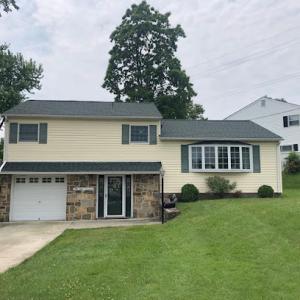
Westview Roofing
(410) 744-3771 www.westviewroofing.com
Serving
5.0 from 133 reviews
Westview Roofing is a family-owned and operated business since 1962 serving Catonsville and counties surrounding Baltimore, Maryland. We are highly skilled at roof repair and roof replacement, gutters, windows, siding, doors, and much more to make your home beautiful. Customer service excellence and quality craftsmanship at reasonable prices is what we constantly strive for. We will not stop until the job is done!
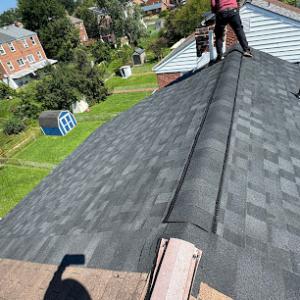
Hondumark
Serving
5.0 from 6 reviews
HonduMark Roofing We services all Maryland DC VA PA Licensed bonded & insurance Lic# 05-148985 We specialize in: Flat Roof TPO, EPDM, shingles Gutters, Hard wood floor Refinish, Deck Refinish, Carpet Cleaning, Duct and Vent Cleaning, Chimney repair and Cleaning, House Cleaning, Commercial Cleaning. Email: Hondumarkllc@gmail.com
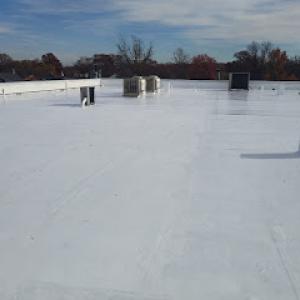
Park Heights Roofing
(410) 358-1257 parkheightsroofing.com
Serving
4.9 from 547 reviews
Founded in 1999, Park Heights Roofing has grown into a full-scale residential & commercial roofing company. We also offer siding solutions, insulation, chimney repointing, & complete gutter services. We pride ourselves on being honest & professional - delivering exceptional customer service & workmanship. Our commercial team has worked on millions of square feet of roofing projects in dozens of states. We have the team, equipment & knowledge to work on any project. With a team that's dedicated and responsive, we're always prepared to go above & beyond for our clients. That's why we're proud of our A+ Angie's List rating and many other local & national awards. Because with us, service always comes first.
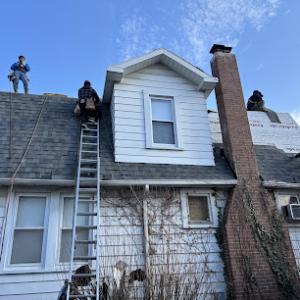
Blue Rise Baltimore Roofing
(410) 220-5559 blueriseroofing.com
Serving
5.0 from 132 reviews
Blue Rise Roofing is your go-to for residential and commercial roofing services. We pride ourselves in being dedicated to all things roofing. No job is too big or too small, from roof repairs or gutter repairs to a full roof replacement or gutter replacement. We offer durable quality products, and our low rates can’t be beaten, located right here in Maryland. If you have a leaky roof or wondering what condition your roof is currently in, Blue Rise Roofing provides free quotes and inspections.
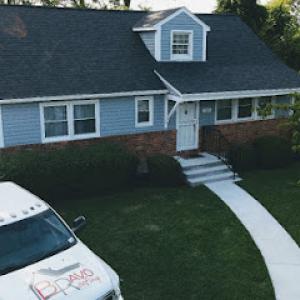
Bravo Roofing
(443) 450-6110 www.bravoroofingmd.com
Serving
5.0 from 85 reviews
Bravo Roofing is one of the best roofing companies in Maryland providing roof repair, metal roofing, roof replacement, and serving Southern Maryland and all surrounding areas. We are the top contractors in MD committed to the highest customer service and workmanship quality.
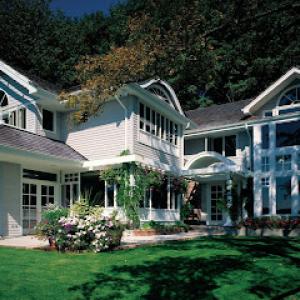
Legacy Home Remodeling
(410) 970-6544 www.legacyhomeremodeling.com
Serving
4.8 from 41 reviews
Legacy Home Remodeling is a family-owned roofing and exterior remodeling company in Baltimore, Maryland, serving homeowners in Ellicott City, Eldersburg, and nearby areas. With over 40 years of experience, we provide roof replacement, roof repair, siding installation, window replacement, and door installation for residential properties. Our team focuses on quality workmanship, fair pricing, and clean job sites. From storm damage repairs to full exterior upgrades, Legacy Home Remodeling is trusted for dependable service and long-term value.

EC Roofing & Home Services Direct
(410) 442-6513 ecroofinginc.com
Serving
4.9 from 191 reviews
Founded in 1992, EC Roofing & Home Services is the go-to home improvement company for Howard County residents and those in the surrounding areas. We provide a variety of home improvement services for homeowners with our major focus being on roofing. We also provide our customers with siding, window, and seamless gutter options for their homes. When you turn to EC Roofing in Maryland, you’re turning to a team with a passion for what they do. Our team offers years of experience and training with a welcoming office staff that’s ready to help in any way that we can
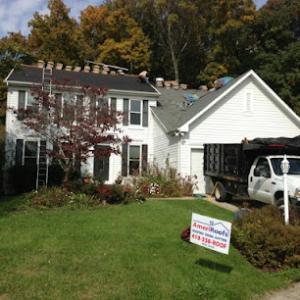
AMERIROOFS Roofing Siding Gutters
(410) 358-7663 www.ameriroofs.com
Serving
4.6 from 46 reviews
Looking for a Roofing Contractor in Maryland? Ameriroofs Roofing is your Local Baltimore Roofing Contractor serving Baltimore County & Maryland wide.
Windsor Mill homeowners commonly choose among asphalt shingles, metal roofing, clay tile, concrete tile, wood shingles or shakes, and slate, reflecting the broader Baltimore County housing stock and renovation patterns. The choices mirror a neighborhood where mid-century bungalows sit beside more recent additions, and where steep-slope re-roofing remains common. When selecting a material, consider how the house was originally built, the grading of your lot, and the typical wind and rainfall patterns that arrive with storm seasons. This is a place where the correct balance of curb appeal, durability, and maintenance-friendly performance pays off over time.
Clay tile, concrete tile, and slate bring long life and distinct character, but they can significantly affect project scope in older Baltimore-area homes where a structural review may be part of planning. If your roof was not originally designed for heavy loads, a proper assessment will consider rafter span, plywood thickness, and potential reinforcement. In many Windsor Mill remodels, upgrading decking or adding auxiliary support becomes a prudent step when selecting heavier materials. A careful plan helps avoid surprises during inspection and installation, especially on homes with existing upgrades or mixed rooflines.
Metal roofing is increasingly relevant for homeowners prioritizing durability through humid summers and snowy winters. It responds well to high heat, resists many forms of corrosion, and sheds moisture quickly, which is advantageous after storms. However, detailing quality matters around penetrations and transitions. In practice, ensure flashing is continuous and that valley, chimney, and vent joints are sealed with attention to thermal movement and potential ice dam buildup. For Windsor Mill homes with complex venting or multi-plane roofs, a well-sealed metal system can outperform traditional shingles for long-term performance, provided the installation is meticulous.
Asphalt shingles offer straightforward replacement and broad color palettes to match a range of facades common here. Wood shingles or shakes lend a rustic look that suits certain 1930s and 1950s renovated homes, but require regular maintenance against rot and insect exposure. Slate and concrete tile deliver a premium appearance and exceptional durability, yet they demand a compatible structural framework and careful transition work where old chimneys, skylights, or dormers intersect with the roof plane. For homes with steep slopes, careful staging and fall protection plans during installation are essential to protect the repair timeline and surrounding landscaping.
When choosing, assess long-term maintenance needs, the likelihood of storm-related impacts, and how well the material aligns with your house's architectural language. In Windsor Mill, collaboration with a local contractor who understands Baltimore County framing practices helps ensure the selected system not only looks right but performs reliably under our seasonal swings. Prioritize quality transitions and continuity at penetrations, as these are the most common fault lines after wind and hail events.
Explore specialists in steel, aluminum, and standing seam metal roofs built to last 50 years or more.
Wallace Roofing siding gutter sign window commercial residential flat metal asphalt shingle drywall insulation repairs
(410) 655-3700 www.wallaceroofingbaltimore.com
3036 Rolling Rd., Windsor Mill, Maryland
4.8 from 19 reviews

A full re-roof in Windsor Mill typically requires a permit through Baltimore County rather than a separate city roofing department. The county system is used to keep storm repairs aligned with building codes and inspections across neighborhoods that share materials and attic venting practices. Before any plywood or shingles come off, verify the permit path and the required scope with the county's residential plan reviewer.
Permit issuance commonly takes about 1 to 2 weeks depending on workload and how complete the submitted plans or scope details are. Start the process right after selecting a licensed contractor who can read the county's checklist for storm repair scenarios. Incomplete diagrams, missing shingle spec, or unclear roof framing notes can slow down approval. Keeping the scope precise-venting, underlayment, and a weatherproof flare for the eaves-helps.
Inspections are handled by the local building department after the work and at required milestones to verify compliance before the project is considered complete. Typical milestones include a pre-installation framing or roof deck inspection, a mid-construction slope and underlayment check, and a final to seal the permit. Expect an inspector to verify fasteners, nailing pattern, and attic ventilation as part of the wrap-up.
Gather recent weather event notes, contractor license numbers, and material specifications that match the plan submission. Have copies of the permit number, address, and a concise scope of work handy at the job site. For storm-related projects, keep records of any emergency tarping, leaks, or temporary weatherproofing as these may be requested during review.
Delays happen when the plan lacks detail on decking replacement, skylight adjustments, or code-compliant drip edge and flashing. Misalignment between field changes and the approved scope triggers re-submittal. Ensure the final inspection aligns with the completed scope to avoid rework and re-inspection fees. Keep the final paperwork on hand for review later.
When planning a re-roof in this area, classic asphalt shingles sit in the range of roughly $350 to $700 per square, which aligns with most smaller to mid-size homes here. Metal roofs tend to run higher, about $600 to $1100 per square, driven by longer life and the need for weather-tight detailing in humid Mid-Atlantic conditions. If clay tile is on your radar, budget $1000 to $1800 per square, and concrete tile typically falls between $800 and $1500 per square. Wood shingles or shakes usually land around $650 to $1100 per square, while slate prices push from $1200 to $2400 per square. These ranges reflect Windsor Mill's mix of older, steeper homes and newer, more weather-tolerant designs.
In the wake of Baltimore-area storm periods, costs can rise noticeably. Emergency demand drives scheduling pressure and material lead times can tighten, especially for metal, clay, or slate options. If a storm window coincides with a busy contractor calendar, you may see higher estimates or expedited timelines, with crews prioritizing storm damage work. That pressure also impacts tear-off and disposal logistics, so plan for potential short-term price bumps and tighter scheduling if a high-wind or hail event hits.
Many homes in this area feature older construction with steep slopes, unique flashings, and varied roof lines. The complexity of tear-off, disposal, and flashing replacement on this regional housing stock can materially affect final pricing. Steeper pitches or multi-level roof sections demand more labor time, safety measures, and equipment, all of which contribute to higher per-square costs. If the existing roof includes unusual penetrations or former repair patches, expect potential add-ons for proper sealing and flashing integration.
Start with a ballpark by material type using the local ranges above, then layer in your house's specifics: slope, accessibility, and the number of squares. Gather at least three written estimates that itemize tear-off, disposal, underlayment, flashing, and vent work separately. Ask contractors to document storm-related considerations-timelines, potential material delays, and anticipated surge pricing-so you can compare apples to apples. Keep a careful record of any wind or hail event dates when requesting warranty or insurance-related documentation, as timing can influence both coverage and scheduling.
Don't let upfront costs delay a critical repair - these contractors offer payment plans to fit your budget.

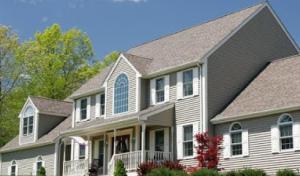

After wind or hail events, Maryland is a weather-claim-active state for roofs, and homeowners in Windsor Mill may encounter stricter documentation expectations. Carriers often want a clear trail: dated photos of the roof from multiple angles, contractor inspection notes, and evidence of interior leaks. The goal is to prove sustained damage rather than a quick spillover from a single flutter of wind. If a leak appears after a storm, you should document both the source and the timeline of its appearance, because adjusters sometimes treat interior staining differently from surface damage.
After major regional storms, claim handling timelines and adjuster availability can shift, which affects how quickly a homeowner should secure temporary protection and inspection records. Do not wait for a perfect sunny day to start the documentation process. Shingle granules in gutters, dented flashing, bent vent pipes, and stained ceilings can be crucial proof for an insurer. In this market, the mix of steep-slope roofs and mid-Atlantic humidity means leaks can sneak in around valleys or along edge flashing, even when the visible damage seems minor.
Build a concise damage log with dates and a short note on what changed after each event. Take high-resolution photos from ground level and from the roof if safe, focusing on corners, hips, valleys, and chimney or vent connections. Save contractor inspection notes and request written observations, not just estimates. If interior leaks are present, photograph the affected ceiling areas and note any timing or weather correlations. Finally, maintain copies of correspondence with the insurer, including notices of claim and any responses, so the record stays intact as timelines shift.
After the initial claim submission, insist on a written path for each follow-up request from the insurer, and log every contact. In this market, claims can be adjusted in waves, so you want a dated file of any new photos, repair notes, or interior evidence. Keep digital backups and physical copies organized by event date.
While steep-slope re-roofing dominates the Windsor Mill market, flat and low-slope sections still matter on additions, porches, multifamily buildings, and some commercial properties in the area. Baltimore-region rainfall, humidity, and autumn leaf buildup make drainage performance and ponding prevention especially important on low-slope roof sections. Freeze-thaw stress in winter can worsen seam, coating, and flashing failures on aging low-slope assemblies if water is not shedding properly.
You focus on edge drainage first: verify that parapets, edge metal, scuppers, and interior gutters are clean and free of debris before rain season. Ensure roof-to-wall transitions have a positive slope toward drains, and confirm that end-of-roof terminations shed water away from walls and penetrations. If a parapet cap or flashing shows signs of movement or pooling near seams, plan a targeted repair rather than a full-edge replacement. Use a membrane detail that bridges parapets smoothly and minimizes fastener exposure to wind-driven rain.
With aging low-slope assemblies, seams and flashing are common failure points during freeze-thaw cycles. Inspect seam tapes, lap joints, and the base flashing under any edge metal. If you see lifted edges, hairline cracks, or spots where coating delamination occurs, address small sections promptly to avoid widespread water intrusion. Use compatible sealants and flashing materials rated for mid-Atlantic humidity and seasonal temperature swings. When replacing edge metal, select products with corrosion resistance appropriate for flat sections in the area.
Create a simple log for flat-edge components: note date-stamped photos, drainage effectiveness after storms, and any repairs. In a storm after-action, document water direction, amount of ponding, and affected interior ceilings or walls. This local record helps in insurance discussions and future mitigation planning for additions or multifamily properties. Regular inspections after heavy rain and leaf fall keep edge systems reliable through Windsor Mill's seasonal cycles.
Find specialists in TPO, EPDM, and built-up flat roofing systems for residential and commercial properties.
Wallace Roofing siding gutter sign window commercial residential flat metal asphalt shingle drywall insulation repairs
(410) 655-3700 www.wallaceroofingbaltimore.com
3036 Rolling Rd., Windsor Mill, Maryland
4.8 from 19 reviews
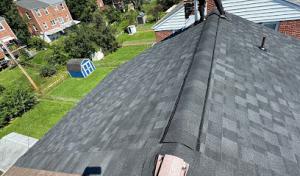
Autumn leaf drop in the Baltimore region increases the need to keep valleys, gutters, and roof penetrations clear around Windsor Mill homes. As leaves collect at eaves and in valleys, you can experience diverting water and hidden debris that traps moisture against flashing. Check and clean gutters, downspouts, and roof valleys every two to four weeks through mid-fall. Remove fallen branches from the roof line and gently clear any debris from vents or attic openings to prevent blockages that could back up into attic spaces.
Winter freeze-thaw cycles in central Maryland make small flashing gaps and sealant failures more likely to turn into interior leaks. Inspect flashing around chimneys, vents, and skylights once the first hard freeze is in, and again after storms. Look for hairline cracks in sealant and any loose flashing pieces. If gaps are found, plan timely resealing with appropriate mortar or roofing sealant, paying attention to material compatibility. Keep an eye on attic ventilation; poor flow can exacerbate condensation and ice dam risk on steeper roofs common in this area.
Summer humidity in this area can speed deterioration on already-aged roofing materials, making late-spring and early-fall inspection timing especially useful. After the humid months loosen aging shingles or accelerate granule loss, perform a close-up check of ridge caps, edge flashing, and any exposed fasteners. In late spring, inspect for signs of blistering or curling shingles and for moss or algae growth in shaded sections. Early fall inspections should verify gutters and downspouts remain clear before the first heavy rains, reducing the chance of leaks while storms are more frequent.
Storms can bring wind-driven debris that dislodges shingles or loosens flashing. After a high-wind event, perform a rapid exterior sweep: assess roof edges, vents, and any protrusions for visible damage, and check interior ceilings for early signs of moisture. Maintain a simple log of observed issues and date them, so documentation is ready if storm damage is suspected. Regular, targeted checks aligned with the season help catch problems before they become costly leaks.