
Last updated: Apr 19, 2026
In Beltsville, storm-related roofing demand is a major market driver, with emergency repair, storm damage, and insurance-claims specialties all showing strong local prevalence. The pattern here is driven less by coastal hurricane rebuilding and more by wind-driven rain, spring storms, and winter howlers that expose flashing, ridge areas, and older shingle systems. A quick rain during a stiff wind can push water under shingles, into vents, or around chimney lines, turning a minor drip into a big leak in a single afternoon. The risk is real, persistent, and often undercounted until the next storm season.
When the rain stops, you should act with urgency. Start by inspecting the most visible high-risk zones: along skylights, around chimneys, near roof-to-wall transitions, and at ridge lines where old or mismatched shingles show wear. If there is active dripping inside, place a bucket under the leak and move valuables away from the area to prevent water damage. Do not climb onto a damaged roof during a storm or high-wind period; instead, note the coordinates of obvious damage and contact a local roofer who specializes in storm response. Prompt attention minimizes interior damage, keeps framing from warping, and supports a faster insurance-adjuster review.
Maryland roof claims are commonly weather-driven, so preparing solid documentation is essential. Take clear, date-stamped photos from multiple angles: the exterior roof, flashing and ridge lines, attic spaces showing roof decking or insulation staining, and any interior neat water trails on ceilings or walls. Keep written estimates from reputable local contractors detailing the scope of needed repairs, seasonal materials used, and any temporary protective measures. After work begins, save all receipts, contracts, and change orders. When the adjuster arrives, provide the full set of before-and-after photos, the written estimates, and installation documentation to verify the work performed and the quality of materials used.
In practice, adjusters respond to documented evidence of storm-driven damage. A well-organized claim package accelerates the process and improves the likelihood of full coverage for the needed repairs. If the initial assessment misses flashing corrosion, ridge damage, or wind-driven leaks, request a second opinion promptly. Be prepared to demonstrate the relationship between the observed damage and the storm event, especially if adjacent homes show similar issues. Insist on an itemized scope of work and separate line items for temporary tarping or other protective measures, structural repairs, and finish work. A well-documented file helps prevent disputes over what constitutes necessary work versus cosmetic remediation.
Choosing a contractor with storm-repair experience in Prince George's County matters. Look for a firm that can respond quickly to emergency calls, provides written estimates, and can supply post-installation documentation. A local contractor should offer a clear plan for addressing roof flashing, ridge vent integrity, and potential deck or sheathing damage underlying a leak. Ask for references from nearby neighbors who recently completed storm repairs, and verify that the crew is equipped to handle weather-driven claims with documentation that supports both the before and after condition of the roof system.
Finally, invest in a targeted inspection after storms pass and before the next round of weather begins. A thorough check of flashing, joints, and ridge lines-especially on aging shingles-helps catch vulnerabilities before they become active leaks. Regular maintenance, prompt repairs after minor wind events, and a documented repair history build resilience against insurance scrutiny and reduce the risk of repeat claim cycles. In Beltsville, proactive care is the practical defense against the repetitive cycle of wind-driven damage.
Soltera Roofing
11720 Beltsville Dr Suite 920 - A17, Beltsville, Maryland
5.0 from 201 reviews
At Soltera Roofing, we proudly serve Maryland, Washington, DC, and Pennsylvania, delivering expert roofing services, exterior remodeling, and interior renovations. We specialize in roof replacements, roof repairs, shingle and flat roofing, gutter installation, fascia and soffit work, and more — all with a commitment to quality and long-term durability. Inside the home, we offer kitchen remodels, bathroom renovations, drywall, and painting services to help transform your space. Our mission is simple: protect, improve, and beautify your home with skilled craftsmanship and personal care. Whether you're dealing with storm damage, upgrading curb appeal, or remodeling your living space, Soltera Roofing brings integrity, experience, and unmatched
Bright View Exteriors Roofing & Siding
11720 Beltsville Dr Suite 1030, Beltsville, Maryland
4.9 from 113 reviews
Bright View Exteriors Roofing and Siding is located in Maryland and is the premier choice for all your residential roofing needs. From reliable roof repairs to complete roof replacements, our expertise ensures you receive the best service and quality. We know how important a sturdy roof is to protecting your home, and we only use high-quality materials from trusted industry leaders. Not only do we do roofs, but we also do your siding to improve the esthetics and durability of your exterior. Our team's dedication is evident in the high quality craftsmanship and attention to detail in every project we undertake

Rooftop Designs
(855) 662-7388 www.rooftopdesigns.net
11601 Edmonston Rd, Beltsville, Maryland
4.9 from 475 reviews
Rooftop Designs is a roofing contractor specializing in roof installation and replacement, window installation, siding, door installation, gutters, and attic insulation in Maryland, DC, and Virginia. We measure our success by our customer’s satisfaction with our work and our products. With over 11 years of experience in the home improvement industry, Rooftop Designs delivers world-class service at affordable pricing. Our new roofs include a 50-year warranty and feature a wind resistance rating of up to 130 mph. Our team of certified contractors is committed to bringing your vision to life with unmatched precision and excellence.
Erie Home
11900 Baltimore Ave Suite F, Beltsville, Maryland
4.7 from 251 reviews
Since 1976, Erie Home has manufactured, supplied, and installed the best-performing roofing on the market. By providing ironclad warranties and convenient financing, we ensure that every homeowner we work with receives top quality service and value for their homes and properties. Erie Home professionals are the roofing company of choice in the greater Washington DC (Beltsville) area. Whether you need roof inspections or roof damage repair services, Erie Home has been the go-to roofing contractor for nearly 50 years because of our attention to detail and dedication to making sure our customers are satisfied with their results. Contact us today for a quote and see why we're the trusted roofing company Washington DC (Beltsville) counts on.
Roofing By Elite
(301) 937-4846 www.roofingbyelite.com
10788 Tucker St, Beltsville, Maryland
4.8 from 23 reviews
Located in Beltsville, Maryland, Elite’s roofing professionals have serviced and installed thousands of residential and commercial roofing systems all throughout Maryland, DC and Northern Virgina. Elite Roofing is committed to providing our customers with the finest roofing services and installs available today. We use only the highest grade materials, and our standards and quality control are second to none. It is this ” commitment to excellence ” that has established us as the preferred roofing contractor in Maryland, DC and the surrounding areas. Simply put, Elite Roofing is your one stop shop for all your roofing needs. Please contact us today, so one of our service professionals can help with your roofing project.
Orndorff & Spaid
(301) 937-5911 www.osroofing.com
11722 Old Baltimore Pike, Beltsville, Maryland
4.6 from 31 reviews
Call us today if you need a reliable, professional commercial roofing company. We are happy to discuss the nature of your project and provide you with an estimate.
Champion Home Improvements
(301) 277-7200 www.mychampionhome.com
Serving
4.4 from 157 reviews
We are a leading residential renovation company that has been serving the DC, Maryland, and Virginia area for over 25 years. We pride ourselves in offering a variety of expert Commercial & Residential services including roofing, siding, roof repairs, gutters, sunrooms and more. We are licensed, bonded and insured. We are also guaranteed network providers for many insurance companies. Give us a call today.
Exteriormax
(301) 750-3899 www.exteriormax.com
Serving
4.9 from 324 reviews
Specializing in exterior remodeling/storm restoration. Installation of roofing shingles, windows, doors, gutters and siding. No money down. Free detailed inspections. Payment options are available.
Calderon contractors
(301) 213-0282 calderoncontractorsllc.com
Serving
5.0 from 103 reviews
Roof service
Len Home Design
(301) 434-5349 lenhomedesigninc.com
Serving
4.9 from 29 reviews
Len Home Design has carved a niche in Prince George’s County as a leader in residential and commercial contracting services. With over 20 years of experience under our belt, our mission is to deliver unparalleled craftsmanship through a wide range of services including roofing, siding, windows, doors, and gutters. Our reputation for excellence is supported by our dedication to transparency, reliability, and customer satisfaction. Fully licensed and insured, we pride ourselves on our ability to provide tailored solutions that address the unique needs of each customer. Whether you’re looking to enhance the curb appeal of your home, or undertake a complete renovation, our team of professionals is equipped to bring your vision to life.
HF Roofing Contractor
(301) 674-4460 www.hfroofingcontractors.com
Serving
4.9 from 192 reviews
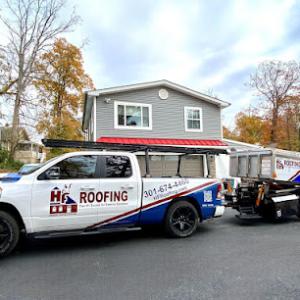
As a recognized roofing company in MD, with a proven no-leak roof record and great reviews on Google, HF Roofing provides property owners with a comprehensive and organized approach to Roof Replacement, Roofing services, roof repair, skylights installations, Siding Installations, Gutter Installations, Gutter Guards, Windows Replacements. Could you schedule an evaluation with our helpful, knowledgeable, professional roofers to diagnose all the roofing components & include accurate roofing, siding, and gutters, estimate. - Qualified recommendations and a complete range of roofing options, colors, styles, and solutions that fit your needs and budget. - Personalized customer service with reliable & long-term installations and product warranties

EMJ Contractors
(301) 272-5802 emjcontractorinc.com
Serving
5.0 from 24 reviews
Are you looking for a reliable roofing contractor? In need of roofing maintenance or repair services? Find it all in one place! At EMJ Contractors all your roofing needs are covered. EMJ is a superior roofing contractor based in Germantown, Maryland. We proudly cater to the commercial and residential roofing industry.
Beltsville's dominant residential roofing mix includes asphalt shingles, metal, clay tile, concrete tile, wood shingles or shakes, and synthetic or composite shingles rather than a single-material market. The local climate combines hot summers with cold winters and freeze-thaw cycling, which makes expansion, contraction, and moisture management central to material choice. When planning a replacement or major repairs, homeowners should weigh how a given material handles rapid temperature swings and long, damp springs.
Spring rain and shoulder-season moisture make underlayment performance, flashing quality, and attic ventilation especially important when comparing materials for Beltsville homes. In this region, the roof must shed rain quickly while resisting infiltration during wind-driven downpours. Asphalt shingles rely on a watertight seal over time, but the underlayment and flashing play a larger role if storms arrive before construction is fully settled. Metal roofs excel at shedding water and can resist wind-driven infiltration, yet panel seams and penetrations demand precise flashing. Clay and concrete tiles bring a heavy, drought-tolerant profile, but their underlayment and drip edge require careful alignment to prevent moisture wicking at joints.
Hot summers push shingles and panels to expand; cold winters pull them back, stressing fasteners and sealants. In Beltsville, this cycle is reinforced by freeze-thaw weather that moves moisture through the roof deck. Choose materials with proven thermal movement allowances and compatible sealants. Wood shingles and shakes can provide natural insulation, but their organic composition makes them more sensitive to moisture and fungal concerns without proper ventilation and a robust weather barrier. Synthetic or composite shingles offer versatility in color and form while often delivering improved dimensional stability, though they still demand sound flashing details and adequate attic venting.
A high-quality underlayment, matched to the chosen roof type, acts as the first line of defense during rainy months. Attic ventilation becomes crucial to manage heat buildup in summer and to sustain the integrity of the roof deck through winter. For metal roofs, ensure cross-ventilation paths above and below the deck to prevent condensation-especially in bays with limited eave overhang. Clay and concrete tile systems benefit from properly spaced ventilation to avoid tile warping and to maintain a cool, dry attic. Asphalt and synthetic shingles rely on a combination of underlayment performance and venting to resist moisture intrusion during spring storms.
Maintain a seasonal rhythm: in spring, inspect flashing around chimneys, vents, and skylights for wind-driven damage; in summer, check for loose or lifted shingles or tiles after storms; in autumn, prepare soffits and eaves for heavier rains and potential ice buildup; in winter, monitor ice dam formation and ensure clear attic ventilation to minimize melt-refreeze cycles. This proactive approach aligns with Beltsville's mixed stock and climate, reducing the risk of hidden leaks after mid-Atlantic weather events.
A full roof replacement in Beltsville typically requires a building permit issued through Prince George's County Department of Permits, Inspections, and Enforcement. The county approach reflects the area's unincorporated status, meaning the permitting workflow is centralized rather than run by a local city department. That centralization brings a clear set of expectations: paperwork, timely submissions, and visible compliance checks are part of the process rather than optional add-ons. When a storm has accelerated repairs, that process still applies, and rushing paperwork can lead to delays that stretch the project timeline. Knowing that a permit exists to guide the job from the start helps prevent misunderstandings with contractors and the county alike.
Beltsville roofing projects are commonly inspected during and after the work, with county review focused on ventilation, flashing, and overall code compliance. Ventilation ensures attic temperatures stay within safe ranges and reduces the risk of moisture problems that can spike after heavy rains. Proper flashing around chimneys, vents, skylights, and wall transitions helps seal against wind-driven rain common to Mid-Atlantic springs. The inspections also cover shingle or tile alignment, underlayment integrity, and adherence to established wind uplift and fire-resistance standards. Notably, the county's eye is not only on the finished appearance but on the integration of the roof with ventilation baffles, roof-to-wall connections, and proper drainage details. Expect the inspector to verify that the permit card is posted at the job site and that all required tests or documentation are in place before approving completion.
Because Beltsville is an unincorporated community, homeowners are generally dealing with county-level permitting and inspection administration rather than a separate city building department. This means that the project relies on county timelines, inspection slots, and form submissions rather than a municipal schedule. Plan for potential back-and-forth notes from the plan reviewer, especially if the replacement involves changing roof penetrations, vent placements, or new attic ventilation strategies. It is valuable to have a clear line of communication between the contractor and the county portal; avoid sending plans that omit essential details such as attic vent locations, nailing schedules, or flashing materials. A well-documented submission reduces the chances of repeated visits and last-minute changes.
From a practical standpoint, start with a precise scope of work that includes the roof type, underlayment, ventilation plan, and flashing details. Photograph existing conditions and retain contractor-generated drawings that illustrate the new roof's layering and fastener patterns. During the project, keep a log of inspections and any deviations noted by the county, along with the corrective actions taken. If a storm event triggers temporary repairs, ensure those fixes are properly documented and integrated into the permit-approved plan rather than treated as stand-alone, "as-needed" work. In a community where many homeowners confront wind and water challenges, solid permitting and disciplined inspection can save both time and long-term repair costs by ensuring the roof performs as intended for decades.
In Beltsville, you'll notice that cost bands align with national patterns but carry local flavor. Asphalt shingles land in a practical range around $350 to $700 per square, which reflects the balance between typical mid-slope homes and the demand for reliable, quick-turn repairs after a rain season. Metal roofing sits higher, roughly $600 to $1100 per square, reflecting durability against Mid-Atlantic wind and the longer life cycle that many Beltsville homeowners value. If you're considering clay or concrete tiles, expect $900 to $1800 per square for clay and $800 to $1500 per square for concrete. Wood shingles or shakes commonly run $500 to $900 per square, while synthetic or composite shingles stay in the $450 to $800 per square band. These ranges map to the common housing stock here, where re-roofing is a frequent project due to storm cycles and aging structures.
Storm activity in the area tends to push pricing up temporarily. After a strong wind and rain event, a surge in re-roofing demand can appear, and emergency response needs often push scheduling toward quicker turnarounds. In practice, that means you might see adjusted crew availability, expedited orders for materials, and possible brief price bumps as crews rebalance their loads. Plan for a window rather than a precise date, and keep a short list of backup dates if your insurer or contractor requests timing flexibility. Being ready with a decision timeline helps reduce cost creep when storm recovery work floods the market.
During a replacement, correcting ventilation or flashing details can materially affect the final price. If the attic ventilation was insufficient or if flashing around chimneys, valleys, or skylines requires extra handling, the labor hours rise and the total per-square cost shifts accordingly. In practical terms, ask your estimator to itemize these components so you can compare apples to apples across bids. A modest upfront investment in proper ventilation and flashing often pays for itself through improved roof life and reduced risk of weather-driven leaks in the following seasons.
Material choice matters in this climate. Asphalt shingles remain the most cost-effective and commonly chosen option for many Beltsville homes, particularly in mid-budget re-roofs after wind events. Metal offers longevity and performance in windy springs but at a higher upfront price. Tile roofs bring distinctive aesthetics and strong durability, yet require a compatible roof deck and careful installation, which influences both cost and scheduling. When you weigh options, consider long-term performance in the Mid-Atlantic freeze-thaw cycle and the likelihood of storm-related rework in the coming years.
Get a clear picture of your project costs upfront - no commitment required.

Winter in this area brings unique scheduling challenges. Snow and freezing temperatures stress roofing components and complicate sealing, making tear-offs and installations slower and more error-prone. If snow is present, plan for extended timelines and prepare for intermittent work windows that follow warm spells. Keep a clear path to the roof and protect nearby landscaping and vehicles from cold-weather debris and icicle buildup. When possible, arrange for temporary weather protection on vulnerable areas to minimize interior exposure during periodic thaw cycles. Snow accumulation can also hide shingles and flashing issues, so a careful post-storm inspection is worthwhile once conditions permit safe access. Material deliveries may be delayed by winter weather, so coordinate with crews to have essential supplies staged on a dry, accessible surface before a cold snap.
Spring is a disruptive roofing season locally because frequent rainfall and storms can interrupt active jobs and expose homes if replacement timing is poorly planned. Expect pauses for heavy rain, high winds, and thunderstorms that can deteriorate tarps and temporary seals. Prioritize securing loose debris and protecting freshly installed or repaired sections from sudden downpours. Communicate contingency plans with the crew to adjust daily targets and avoid rushed work during gale-force gusts. A mid-season inspection after a significant spring storm helps catch wind-driven damage, flashing displacement, or gutter misalignment that could affect performance once warmer, drier days arrive. Ensure ladders and staging are stable on wet or thawing ground, and keep entry points clear of saturated debris that could create slip hazards for occupants and workers.
Fall brings wind and leaf debris concerns in this area, affecting site cleanliness, gutter conditions, and day-to-day scheduling for replacement crews. Regularly clear gutters and downspouts to prevent clogs that can back up into the attic or soffits during autumn storms. Windy days can lift debris and loosen temporary coverings, so secure all protective materials. Scheduling is often impacted by shorter daylight hours and cooler evenings; aim to complete high-risk roof sections during the brightest part of the day and before strong autumn fronts arrive. Prepare a debris management plan that keeps yards tidy and minimizes tracking mud and leaves into the home, especially around entry thresholds and windows.
Coordinate with crews to align teardown and installation phases with local weather windows. Build buffer days for each major phase to absorb unexpected rain or cold snaps. Have a clear plan for storm events: prioritize interior protection, secure tarps, and perform a rapid quick-check after any wind-driven event. Maintain open lines of communication with neighbors about elevated activity periods and noise, which tend to spike after storms or during shoulder-season weather swings. A well-timed sequence reduces exposure risk to the home and helps ensure a durable, long-lasting result.
In Beltsville, homeowners often have several carrier options even after weather-driven roof claims, thanks to Maryland's competitive homeowners market. Before any crew climbs on the roof, take stock of the current condition with clear, dated notes. A simple checklist of shingles, flashing, seams, and visible leak signs can save hours of later questions from an adjuster. This pre-job snapshot becomes your baseline if a dispute arises about what was present versus what was repaired.
After the work is finished, commit to comprehensive documentation. Post-install photos should cover the entire roof, attic spaces, and any flashing or penetrations around vents and chimneys. Include close-ups of newly installed fasteners, underlayment, and flashing details. In Beltsville, where storm exposure is common, these images help address adjuster questions and demonstrate that the work followed the agreed scope. Store photos with timestamps and maintain a simple file you can share with your insurer or contractor if questions come up later.
Minor premium adjustments may follow hail or wind events in parts of the region, making accurate scope documentation and clear contractor estimates especially important. When documenting, keep contractor estimates organized alongside your own notes. If there are any discrepancies between the estimate and the work completed, you'll have concrete records to support a smoother claims review. In practice, that means your file should show both the original damage assessment and the final installed condition, so adjusters can see what was addressed and what remains, if anything, after treatment.
Because claims are routine after mid-Atlantic storms, maintaining consistency in photos, notes, and correspondence reduces back-and-forth. Store communication with the contractor and the insurer in a single, dated folder. A well-kept paper trail minimizes surprises and helps you navigate questions from adjusters without delaying necessary repairs.
Low-slope roofing is a meaningful but secondary specialty in this market, with fewer contractors focused on it than on mainstream re-roofing and storm-response work. When a porch, sunroom, or addition has a low-slope section, the goal is reliable drainage and a seamless transition to steeper sections. In spring, Beltsville experiences heavy spring rain, so the emphasis shifts to seam integrity, flashing transitions, and the ability of the system to shed water quickly without pooling.
Begin with a careful inspection of the vulnerable spots: the base of dormers, transitions around skylights, and the edge where any flat-to-sloped connection occurs. Look for signs of water infiltration near fasteners, along seam lines, and at the underside of overhangs where moisture can collect. If you notice dampness on the ceiling or staining near the porch or addition, treat it as a warning flag for lower-slope performance. Document any visible hail damage or wind-borne debris that could compromise flashings or coatings used on these sections.
In Beltsville's climate, the flashing around low-slope sections must be continuous and mechanically secured beyond the typical roof edge. Pay attention to transitions where metal pieces meet to prevent micro-leaks. When ordering materials, ensure flashing sizes and sealants are appropriate for mid-Atlantic exposures, including saturation during heavy rains. A well-sealed sealant joint is not a one-off fix; it should be backed by proper fasteners and flashing geometry that align with the slope and substrate.
Roof coating appears in the local contractor mix as a niche restoration option rather than the dominant replacement path. Coatings can buy time on properly prepared surfaces, but they rely on a clean, dry substrate and a proven bonding layer. For areas exposed to repeated spring downpours, plan annual inspections after the rainy season to verify seam and flashing performance and to catch micro-cracks before they widen.
Avoid neglecting the edge detail where the low-slope section meets a steeper roof. Overlooking proper drainage devices and scupper or gutter ties can create hidden water traps. Do not rely on a single adhesive or sealant for critical transitions; dual-compatible products and mechanical fastening provide longer protection against Beltsville's spring rains.
Find specialists in TPO, EPDM, and built-up flat roofing systems for residential and commercial properties.
Soltera Roofing
11720 Beltsville Dr Suite 920 - A17, Beltsville, Maryland
5.0 from 201 reviews
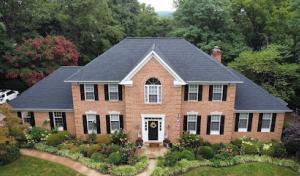
Beltsville's contractor market leans toward rapid storm-response, cleanup-included services, and re-roofing. The priority after a leak or wind event is getting the roof sealed, debris cleared, and a plan in place to prevent further damage. Workmanship quality tends to be solid in long-standing family firms, but the mix includes newer crews as well. The key is matching a crew to your home's needs: quick response, thorough tear-off and repair, and reliable follow-through.
Look for a local company with a track record of storm response in Prince George's County. Request recent project photos and client references, especially for re-roofs after wind-driven damage. Confirm they clearly spell out the scope: tarping, debris removal, flashing replacement, and a safe, weather-tight finish. Ask who handles the permit trail and inspections and how they coordinate with the county-this matters for your timeline and compliance. Favor firms that own their own equipment, including trash containment and roof-cleaning gear, which helps control timing after a storm.
In Beltsville, a contractor's ability to mobilize quickly after a storm is as important as the quality of the install. Prioritize crews that offer on-site damage assessment, prompt temporary fixes, and a documented plan for the re-roofing phase. If your home has multiple layers or unusual roof lines, verify they have experience with your roof type-whether asphalt shingles, metal, or other common Beltsville options. Ask about weather scheduling flexibility, as mid-Atlantic springs can shift project timelines.
Free inspections and drone surveys exist locally, but they're extras rather than baseline services. Treat them as helpful add-ons: they can speed up the damage assessment and provide a clear record for insurance documentation, but don't rely on them as the sole basis for decisions. Ensure the contractor will provide a written estimate, a clear project plan, and a defined inspection follow-through cadence with Prince George's County once work is complete.
Get three bids, verify the suggested scope matches your needs, and check local reviews. Ask for a single point of contact for the project, a documented warranty, and a realistic timeline that accounts for weather windows. Above all, choose a local team that demonstrates responsiveness, clear communication, and a practical plan for both storm damage repair and a solid, lasting roof.