
Last updated: Apr 19, 2026
New Bedford's South Coast location delivers a persistent coastal humidity that gnaws at roofs differently than inland Massachusetts neighborhoods. The salty air feeds algae and moss growth, which can cling to shingles and decking, holding moisture against plywood and sheathing longer than ordinary moisture cycles. That damp environment also fuels deck moisture retention, making attic and underlayment more susceptible to warping and rot if ventilation isn't pulling air through effectively. Flashing at corners, transitions, and roof-to-wall interfaces bears the brunt of constant humidity-driven corrosion, especially where metal joints, nails, or sealants have aged. The result: edges loosen, fasteners corrode, and small leaks quietly creep into living spaces during foggy mornings or humid afternoons. For homes with older steep pitches or mixed materials, those coastal quirks show up quickly as dark staining, softened edges, or tiny weep holes around penetrations.
Spring nor'easters and fall coastal storms pack a double punch: wind and rain collide with the coastline's pressure changes, testing roof systems in ways inland climates rarely demand. In practice, that means shingle edges peel back, ridge caps loosen, and flashing transitions become pathways for rain where years of weathering have already thinned protective coatings. Older roof penetrations-chimney flashings, vent stacks, and skylights-are especially vulnerable to the gusty misalignment that storms deliver. The mix of salt spray and higher wind pressures means every seam must resist uplift and every seal must stay watertight. If roofs show curling edges, exposed fasteners, or gaps along hips and valleys after a storm, the warning signs are clear: a closer inspection and timely reinforcement are no longer optional but essential.
Late spring through early fall is the practical replacement window for homes along this coast. Cold-season freeze-thaw cycles and wet coastal conditions routinely slow tear-off, drying, and installation quality control. Temperature swings can affect shingle flexibility and adhesive performance, while persistent coastal dampness can prolong drying of sheathing and underlayment. A contractor comfortable with New Bedford's microclimates will schedule tear-off when there's a dry stretch with moderate temperatures, ensuring that new underlayment, flashing, and sealants cure properly. Waiting through the late fall or winter risks rain intrusion during work, compromised ventilation during installation, and rushed work in deteriorating weather.
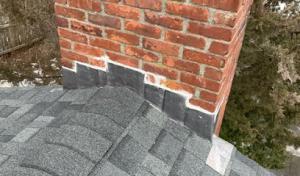
Start with a thorough coastal-specific inspection, focusing on three areas: the shingles' edge integrity, the ridge line, and all flashing transitions. Look for lifted tabs, curled shingles, or any hillside patchwork where wind-driven rain could exploit a seam. Check penetrations around chimneys, vents, and skylights for rusted or cracked flashing and worn sealant; corroded or split metal pieces should be replaced with corrosion-resistant materials suited to salt exposure. In the attic, verify that ventilation remains robust: gable or soffit intake should pull air across the deck, not trap moisture in a stagnant space. If moisture staining appears on decking or if the attic feels overly warm in humid days, prioritize a professional assessment to map out targeted repairs that restore a solid moisture barrier. Finally, ensure future material choices are strong against salt and wind-consider options with proven coastal performance and enhanced edge and flashing details that resist uplift under gale-force winds.
Asphalt shingles remain the dominant practical choice for coastal New Bedford neighborhoods. The salt-spray and humid air demand an emphasis on underlayment quality, proper ventilation, and precise fastening details to keep moisture from penetrating. Choose a high-quality synthetic underlayment and install with corrosion-resistant fasteners rated for salty environments. Pay attention to edge detailing, starter courses, and securing shingles at corners and roof-to-wall transitions. Ventilation matters: a balanced intake and exhaust system helps minimize condensation in attic spaces and reduces the risk of wind-driven moisture damage during nor'easters. In older, densely built homes, ensure the attic remains a pressure-neutral space to prevent leaks from wind gusts that carry salt spray.
Metal and copper roofing have added relevance in this area because salt-laden air and persistent moisture can punish lower-grade flashings and exposed metal details on coastal homes. For metal roofing, select panels with factory-formed hems, continuous flashing, and high-quality sealants at joints. Copper, when used, benefits from a seamless or soldered seam approach and compatible flashing materials to resist pitting from salt exposure. Pay attention to fastener choices-stainless-steel or aluminized coatings reduce corrosion risk in the salt air. Rim vents and chimney flashings should be paired with corrosion-resistant hardware. Regular inspection after winter storms helps catch loose panels or degraded sealant before wind-driven moisture can travel along seams.
Slate and clay tile appear on older and architecturally distinctive South Coast homes, but their weight and repair complexity matter more in a city with an older housing stock. If restoring or replacing, verify the underlying roof structure can carry the load-slate and clay are heavier than asphalt or metal. Exterior details such as parapets, dormers, and parapet caps require careful flashing that harmonizes with the tile profiles. Tile installations should use appropriate batt or counter-batten setups to ensure joints are free of pinch points where wind can pry them loose. Given the repair footprint, plan for longer-term maintenance cycles and accessible roof edges for periodic resealing and re-sealing of flashings.
Synthetic or composite shingles offer a middle-ground option that can mimic the look of harsher materials while delivering improved moisture resistance under coastal conditions. Look for products with proven salt spray performance and robust granule adhesion to resist wind-driven erosion. Ensure installation follows manufacturer guidelines for ventilation, underlayment, and fastening patterns suited to high-wind exposures. In historic districts or distinctive façades, synthetic options can be color-stable and lighter on load while still delivering effective moisture management when paired with quality flashing and drip edge detailing.
In this coast-first corner of Massachusetts, material costs swing based on moisture, wind, and the era of your roof. Asphalt shingles run about $350 to $700 per square, metal roughly $700 to $1100, clay tile $900 to $1800, synthetic or composite $500 to $900, slate $1000 to $2500, and copper $1500 to $3000 per square. These ranges reflect the humid South Coast environment and the mix of older, taller homes with tighter rooflines that demand careful installation. If a roof is aging out, a straight replacement with basic decking can stay closer to those lows, but most New Bedford projects quickly move into higher territory once decking, ventilation, or specialty flashing is required.
Costs can rise notably on older houses where the decking needs replacement, or where ventilation corrections are necessary to handle moisture and air flow properly. If a chimney, dormer, or antique flashing work is involved, expect additional material and labor time. Tear-off around historic-era rooflines and penetrations can require more careful handling, extra protection, and sometimes custom flashing details. In practical terms, you're paying for re-establishing a reliable moisture barrier, not just slapping on a new surface.
Demand spikes after coastal storm events tighten scheduling and labor availability locally. Quick-turn leak response can be feasible, but full re-roofing during the peak warm-weather season remains the most efficient path to a lasting fix. If a storm has just rolled through, you may see a few days added to lead times for crews and materials, especially for synthetic, tile, or copper options that require specialized crews. Plan ahead if you're aiming for a summer or early-fall project window, and anticipate some rush pricing if crews are scarce.
Coastal moisture and wind-driven wear favor durable, well-ventilated systems. Metal and slate or copper options resist salt spray and wind gusts better than some asphalt setups, but the upfront cost is higher. If budget constrains asphalt, consider upgrading attic ventilation and underlayment to improve long-term performance, particularly on older roofs where deck integrity already bears the brunt of coastal exposure. A balanced approach-solid deck repair, appropriate flashing, and a roof type with proven wind resistance-tends to pay off in fewer repairs and less moisture intrusion over time.
In New Bedford, a straightforward asphalt replacement without extras sits near the low end of the spectrum, around $350 to $700 per square. If you're choosing metal, expect $700 to $1100 per square; clay tile from $900 to $1800; synthetic from $500 to $900; slate from $1000 to $2500; and copper from $1500 to $3000 per square. For historic or older builds, plan for potential decking, ventilation, and flashing costs to push the project toward the higher end of those ranges.

Couto Construction
(508) 501-9098 www.coutoconstruction.com
24 Ernest St, New Bedford, Massachusetts
4.8 from 1596 reviews
Couto Construction is the most-trusted home exterior renovation serving New Bedford, Massachusetts and surrounding areas since 1987. A family-run business, they are a one-stop shop for all of your home's exterior needs, specializing in roof replacement and repair, siding, windows, doors, gutters, and attic insulation. Their team of certified contractors brings decades of expertise ensuring top-quality results that last. They use only the best materials and back their work with a peace-of-mind 50-year warranty. Get a free inspection and estimate and Couto Construction will work closely with you to understand your needs and budget, ensuring a smooth and stress-free home exterior remodeling experience.
Boss roofing
(774) 216-6080 bossroofingma.com
78 Mill St, New Bedford, Massachusetts
4.8 from 14 reviews
At Boss Roofing, we’re a family-owned, New Bedford-based roofing company committed to delivering top-tier residential roofing services at fair, honest prices. Our manufacturer‑certified installers bring years of experience to every project — whether you're looking for a full roof replacement, repair work, or regular maintenance. We understand New England weather can be harsh, so we use only high-quality, warrantied roofing systems designed to withstand the elements. We believe in doing things differently: no pushy sales tactics, clear and transparent pricing, and a clean job site when the work is done. Our team’s attention to detail ensures that every roof is installed to the highest standards.
Vaz Construction
(774) 328-9950 www.vazconstructioninc.com
89 Howard Ave, New Bedford, Massachusetts
4.2 from 69 reviews
Vaz Construction is the SouthCoast's premier contracting service provider. Serving New Bedford, Fall River, Dartmouth, Westport, Somerset, Swansea, and other surrounding communities.
Breault Roofing
(508) 301-2086 breaultroofing.com
110 Madeira Ave, New Bedford, Massachusetts
4.4 from 7 reviews
Breault Roofing provides residential and commercial roofing services and emergency services to the New Bedford, MA area.

Care Free Homes
(508) 997-1111 carefreehomescompany.com
Serving
4.9 from 186 reviews
Care Free Homes is an award-winning home improvement company specializing in roof installation, siding installation, window replacement, decks, porches, sunrooms, and more. It's a family-owned and operated business that has been serving customers throughout Southeastern Massachusetts, Cape Cod, and Rhode Island for over 45 years. Headquartered in Fairhaven, Massachusetts, we serve Southeast Massachusetts, including Fall River, New Bedford, Taunton, Cape Cod, Newport, RI and nearby communities.
Keith & David Home Improvement
Serving
4.5 from 15 reviews
Specializing in all phases of roofing and siding. Lifetime warranties with every new installation, certified with all the biggest brands in the industry like Certainteed, GAF, Owen's Corning, Mastic, Anderson and Velux. We also build all types and styles of homes and additions. We are master carpenters that offer fully custom stick built homes as well as typical or prefabricated style homes. Fully licensed and insured general contractors in the state of Massachusetts and Rhode Island. Always 100% customer satisfaction. Accepting all forms of payments from credit cards, checks, cash, paypal, email invoicing ACH and over 30 different financing options and plans through many different lenders. Give us a call for your free consultation.
Sam Karam & Sons General Contractors
(508) 997-4746 samkaramandsons.com
Serving
4.6 from 68 reviews
Located in Dartmouth, MA, Sam Karam & Sons is a trusted general contractor known for expert craftsmanship and top-quality service. We specialize in roofing, gutters, siding, windows & doors, decks & porches, kitchens & bathrooms, and new home construction, proudly serving homeowners from New Bedford to Fall River and parts of Rhode Island. As a family-owned, fully licensed, and insured company, we use premium materials and prioritize exceptional customer satisfaction. Whether you need a roof replacement, home renovation, or custom new build, our skilled team is ready to bring your vision to life. Contact us today for a free estimate!
Gibbs Roofing & Remodeling
(508) 444-8011 www.gibbsroofingcompany.com
Serving
4.6 from 32 reviews
Gibbs Roofing and Remodeling is New England's premier roofing and remodeling contractor with over 50 years of experience in residential and commercial projects in Southeastern Massachusetts.

Roof Maxx of W New Bedford, MA
Serving
5.0 from 62 reviews
Roof Maxx® offers a revolutionary roof restoration service, providing an eco-friendly, cost-effective solution for extending your roof's life. Specializing in roof rejuvenation, our innovative treatment revitalizes aging shingles, ensuring they remain flexible and waterproof. Ideal for roofs over 7 years old, Roof Maxx's unique formula penetrates deep into shingles, restoring their original functionality. This process not only enhances roof durability but also postpones the need for expensive replacements. Our professional roof maintenance services further protect your investment, keeping your roof in top condition. Trust Roof Maxx for sustainable, efficient roofing solutions.
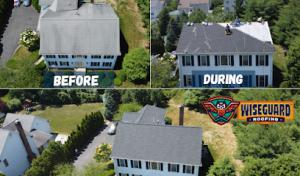
WiseGuard Roofing
(508) 290-0869 www.wiseguardroofing.com
Serving
5.0 from 86 reviews
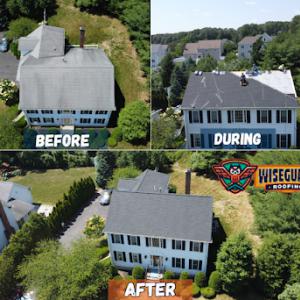
WiseGuard Roofing provides roof repair, roof installation, siding, windows, and gutter installation to the Freetown, MA area.

Toledo Contracting
Serving
4.2 from 18 reviews
Don't Leave Your Home Vulnerable LEAN ON OUR EXPERT ROOFING CONTRACTORS IN WESTPORT, MA Your roof is the largest part of your home's exterior, which makes quality roofing essential. If you need a new asphalt shingle or rubber roof, turn to Toledo Contracting in Westport, MA. Our licensed roofing contractors will repair or replace your damaged roof, so you have the peace of mind you deserve in your home.
United Home Experts
(508) 355-3263 unitedhomeexperts.com
Serving
5.0 from 35 reviews
We are an exterior home and building improvement company, grounded by great people that love the craft. Our niche is long-term, low-maintenance roofing, siding, windows, doors, and painting solutions. We’re changing the face and reputation of the home improvement industry by uniting top quality products, 22+ years of experience on New England homes, innovative technology, and some of the most talented and kind people on earth. Based in Ashland, MA, and founded in 1998, we are family-owned and professionally operated, servicing Massachusetts, Rhode Island, Northern Connecticut and Southern New Hampshire. Our passion is creating a company people love to work for and customers are proud to refer.
A permit is required for a full residential re-roof in this coastal town. The city's Building Department treats roof replacements as a major construction project, not a simple cosmetic update, because proper venting, attic insulation, and surface details influence long-term moisture control and wind resistance. Starting with a permit helps ensure the work aligns with local codes that address sea salt exposure, humidity, and wind-driven rain. Before any nails are driven or underlayment laid, your contractor should submit drawings and venting plans for review. Once approved, the permit will be issued in the name of the property owner or the contractor designated on the permit, and any changes during the job should be routed back through the same channel.
The City of New Bedford Building Department reviews the roofing plan, confirms compliance with applicable codes, and issues the permit. Inspections occur at two key milestones: rough-in and final. Rough-in checks verify roof deck installation, underlayment, flashing details around chimneys and vents, and the correct placement and venting of attic spaces. Final inspections confirm that the roof system is fully installed, includes all weatherproofing components, and that ventilation paths are clear and functional. The timing of inspections can vary with project size and weather conditions, so planning ahead with the inspector and your contractor helps prevent hold-ups during peak seasons or after nor'easters.
Local inspectors focus on practical durability against New England moisture and salt-laden air. They verify that underlayment coverage is continuous and properly lapped, that eaves and rakes are sealed against wind-driven moisture, and that venting provisions meet code requirements to avoid attic condensation. They also check flashing around skylights, chimneys, and roof intersections to ensure there are no gaps vulnerable to salt spray and high winds. If the project involves insulation or ventilation upgrades, expect questions about attic air sealing and vent placement to confirm there are no obstructed flows.
Coordinate the permit submission with your contractor, and request a pre-inspection walkthrough to anticipate potential questions from the Building Department. Keep a folder of product specifications, venting calculations, and roofing warranty details handy for the inspector. On inspection days, ensure access to the attic and roof lines, and have measurements or diagrams ready for any vent or flashing adjustments. If weather delays occur, communicate promptly with both the contractor and the Building Department to reschedule without delaying the project unnecessarily. Coastal conditions mean schedules can shift quickly; building in a weather buffer helps keep the permit path on track.
New Bedford winters bring snow and freeze-thaw cycling that can stress shingles, flashings, and older roof details while also slowing safe tear-off and installation. When temps swing above and below freezing, moisture inside roofing materials can freeze and expand, aggravating edge shingles and delicate flashings around chimneys and dormers. That means a high chance of uncovering hidden wear as crews chip away at an aging surface. If a roof is already showing cupping shingles or lifted edges, winter weather can turn a small problem into a leak-prone patch before you notice it. Scheduling work for a window with several consecutive dry days and steady temperatures helps, but be prepared for short, chilly shifts in momentum if a storm rolls through.
Humid summers in this area set a baseline for how adhesive works on new shingles, but the cooling months don't erase the stakes. In a replacement, attic ventilation performance matters more during and after installation. Poorly vented attic spaces can trap moisture that condenses on the underside of new materials, slowing sealant and shingle adhesion just when you need a tight, wind-resistant layer. If the house has historic, multi-layered detailing, those elements can hold moisture longer and complicate the wind-load response of a fresh roof. A properly planned ventilation upgrade or evaluation during the project can help avoid delayed cures and uneven aging once the weather turns.
Fall coastal storms can create a narrow decision window for homeowners trying to replace aging roofs before wet and windy conditions return. Time pressures collide with limited daylight and later-year weather shifts, so choosing materials and pacing work carefully matters. In practice, consider phased work that secures critical areas first-porch roofs, hips, and valleys-while outer sections wait for a calmer stretch. If a storm watches your area close in, know that tarps and temporary covers are not just a precaution but a prudent safeguard for a fragile installation sequence.
Certain materials tolerate coastal moisture and wind differently once exposed to winter conditions. Asphalt and synthetic shingles can be forgiving in the short term but benefit from a crack-free, controlled environment during installation. Metal, slate, or clay alternatives bring their own seasonal considerations: weight, thermal expansion, and guaranteed fastening sequences can be sensitive to cold. A plan that respects both the season and the house's coastal character reduces the risk of wind-driven post-install issues and helps protect the interior from later-season squalls.
In Massachusetts, the adjuster process for roof claims generally follows a standard path, but coastal exposure can push carriers to scrutinize wind-related losses more closely. The salty air, strong coastal winds, and frequent storms that roll off the South Coast all add layers of complexity to what counts as storm damage versus wear. When a claim lands, the insurer may review whether damage aligns with a single storm event or with longer-term corrosion and aging factors that can accelerate deterioration.
Homeowners should gather dated storm photos that clearly show the sequence of events and the damage as it appeared after a specific storm. Contractor estimates help translate what the work entails and why certain repairs are needed, while prior-condition records can illustrate how the roof performed before the incident. In a city with a dense mix of historic homes and coastal housing, a claim file that shows pre-existing conditions alongside recent damage can clarify the picture for the adjuster and reduce back-and-forth delays.
Because New Bedford sits in a coastal insurance environment, you may encounter stricter review of whether damage came from a sudden storm event versus long-term wear, corrosion, or deferred maintenance. Be prepared to explain how wind-driven debris, salt spray, and moisture intrusion could have contributed to the failure of flashing, joints, and seams. The more you can connect the dots between a specific gust, a visible impact, and the resulting roof harms, the sharper your claim narrative will be.
When a storm is imminent or has just passed, document the site promptly and avoid dwelling on fixes until the adjuster has inspected. Keep contractor notes on remedies that address wind-driven vulnerabilities-especially around hips, valleys, and roof-to-wall connections that are common trouble spots in coastal neighborhoods. If a denial or partial denial arises, request a clear explanation and consider engaging a public adjuster or attorney who understands the local insurance landscape. In the end, a well-documented file grounded in observable coastal wear and event-driven damage can influence coverage decisions and help set expectations straight.
Connect with contractors who help homeowners navigate the claims process from damage assessment to final approval.
Maynard Roofing /40 yrs Family Business
(508) 631-3839 maynardroofingco.com
Serving
4.9 from 51 reviews
In this coastal city, local contractor signals show that homeowners most often hire for re-roofing, emergency leak response, and storm-related repairs. The mix of aging shingle roofs, historic facades, and tightly packed neighborhoods means that experienced retrofit work and timely fixes trump flashy new-system installs. When a leak pops up after a nor'easter or a salt-spray wind drives shingles loose, you'll notice that the same crews are being called back year after year to reinforce edge details, seal flashings, and restore wind resistance.
Affordable pricing, cleanup included, and quick response repeatedly appear in the local market. Contractors that handle projects with clear communication, tidy work sites, and prompt callbacks tend to rise to the top. For many homeowners, the expectation is a straightforward job: remove damaged material, patch or replace with durable, weather-appropriate materials, and leave the property broom-clean. In neighborhoods where historic homes sit close to the street, neat edges and careful matching with existing trim are often as important as the repair itself.
The market shows a meaningful presence of long-established, family-owned, and residential-focused roofers. In a city where older homes commonly require retrofit work rather than simple new-construction installs, homeowners benefit from crews that understand older sheathing, chimney and vent detailing, and compatible substrate choices. These contractors tend to offer steady, personalized service and a willingness to guide a homeowner through phased improvements when a complete roof replacement isn't immediately feasible.
Expect clear timelines, transparent communication about material choices suitable for coastal exposure, and a focus on preventing moisture intrusion around critical joints. Local crews often emphasize reinforced edge detailing, wind-rated fasteners, and materials chosen for durability against salty air and seasonal storms.