
Last updated: Apr 19, 2026
Fall River's position along Mount Hope Bay means strong coastal gusts can push rain under shingles and stress flashing details long before a roof's surface shows real trouble. The area's older housing stock, with masonry chimneys and intersecting rooflines, tends to reveal flashing failures sooner than field shingles fail. That means a leak can start at a hidden seam or corner and go unnoticed until damp walls or attic mold become obvious. In addition, many homes feature rear porches, additions, or low-slope sections tucked against steeper main roofs. Those transition points act like wind-driven rain funnels, dumping water where shingles aren't built to shed it cleanly.
Chimneys are the first bottleneck to watch on these roofs. Worn or undersized step and counter-flashing around brick or masonry chimneys often gives way in gusty weather, even when the rest of the roof remains fairly sound. Intersections where a dormer, bay, or low-slope addition meets the main roof are another vulnerable zone; flashing can crack, lift, or pull loose where two planes meet and a wind-driven downpour finds its way in. On rear sections with low slope that tie into a steeper roof, the transition is particularly prone to leaks during storms that push rain at odd angles. If you've noticed staining near chimneys, along attic ridge lines, or at these transitions after a wind event, urgent attention is warranted.
First, conduct a targeted inspection of flashing where the chimney meets the roof and at all roof-wave intersections. Look for dark streaks, hairline cracks in metal, or any sealant that has pulled away or hardened to a brittle consistency. If you see rust spots, loose metal, or gaps where water could bypass shingles, schedule a professional assessment promptly. For low-slope rear sections and transitions, ensure step and boot flashing are continuous, with no gaps around vent pipes or intersections. Consider upgrading protruding flashings with corrosion-resistant metal and adding a standing-seam or cap-style solution where appropriate to resist wind uplift. In wind-prone corners, a secondary sealant or a wind-rated seal should be applied to bolster protection at joints where rain can strike at sharp angles.
Adopt a ritual of seasonal checks, prioritizing after autumn storms and before the first hard winter freeze. Focus on visible flashing edges, chimney flashings, and any measure that reduces wind-driven intrusion at transitions. If a porch roof or low-slope addition shares a rise with the main roof, test for water entry by inspecting the interior ceiling directly below the intersection after a heavy rain. Small, timely repairs now save larger, more disruptive work later, and they maintain the integrity of a roof that faces consistently challenging wind, rain, and freeze-thaw cycles.
Asphalt shingles fit much of Fall River's steep-slope residential stock and are the most practical match for the city's common re-roofing work on older homes. They handle the freeze-thaw cycle well when installed with proper underlayment and a solid ventilation plan, and they are forgiving around the town's chimney flashing and vent penetrations. In neighborhoods with detailed triple-deckers, a good-quality architectural shingle with upgraded underlayment delivers a favorable balance of wind resistance and ease of repair. When you see curled or delaminated edges, it's usually a sign that the flashing around chimneys and rake boards needs attention, not just the shingles themselves.
Metal roofing is relevant in Fall River but remains a smaller specialty segment than asphalt, making installer experience more important when homeowners want wind resistance and snow shedding. A skilled installer can reuse existing deck fasteners and flashing details, reducing the risk of wind-driven leaks along low-slope sections and around chimneys. Metal shines on taller, exposed corners or where a retrofit replacement is paired with a chimney detailing that minimizes flashing transitions. If the home has a long rear low-slope section, metal's ability to shed snow and resist wind-driven water helps, but choosing a contractor with solid experience in Fall River climates matters for long-term performance.
Tile and wood products appear in the market but are less common choices for the city's typical older working-class housing stock, where structural load, detailing complexity, and budget often narrow options. Clay and concrete tiles deliver durability but add significant weight and require robust framing and careful flashing around chimneys and dormers. Wood shingles or shakes bring a classic look but can be vulnerable to moisture, moss growth, and higher maintenance in windy coastal exposure. If a tile or wood option is contemplated, a thorough structural evaluation and a reconfiguration of underlayment and flashing around flashing points become essential.
Chimney-to-roof transitions are a primary leverage point for water entry in this climate. No matter the material, ensure continuous leak protection at the base of the chimney with proper cap, step flashing, counter-flashing, and a aligned drip edge. Low-slope rear sections demand careful detailing where they meet steeper portions, since wind can drive water toward the junction. Choose materials with proven performance in coastal winds and in areas prone to freeze-thaw cycles, and insist on a thorough inspection of flashing, vent penetrations, and any sagging or missing secondary barriers before completion.
On older triple-deckers and mill-era homes, tear-off often reveals compromised decking that wasn't visible from the attic hatch. In these cases, costs climb quickly as plywood or planking near chimneys, valleys, or porch tie-ins deteriorates after years of slow leaks. When long-term moisture has chased through multiple seasons, labor and material bills rise-new decking, ice-and-water shield, and more precise flashing installation become routine line items. In practical terms, a re-roof in this context usually isn't just replacing shingles; it's rebuilding the roof's foundation to hold up against wind-driven leaks for the next decade or more.
Wind-driven leaks in older Fall River roofs tend to accumulate around chimney bases, at valley intersections, and where low-slope rear sections meet steeper planes. These spots demand extra emphasis on flashing and sealant choices. If flashings have corroded, detached, or stretched with age, expect additional labor to remove and re-seat metal, plus more primer, sealant, and potentially step-flashing adjustments. In practice, this means a higher-per-square cost than a straight shingle replacement, even before factoring decking repair or replacement. The result is a practical threshold: once a chimney or valley shows persistent moisture intrusion, the project often expands beyond a simple shingle swap.
Neighborhoods with dense, closely spaced homes and narrow driveways complicate tear-off and debris management. Portable dumpsters can't easily be staged in front of a tight curb; rooftop debris may need to be ferried through second-story windows or cleared by hand to avoid damage to neighboring properties. Labor time grows as crews coordinate staged removals, route debris through constrained spaces, and minimize disruption to adjacent homes. In Fall River, this translates to higher hourly rates for crews and longer project timelines, especially on smaller lots where trucks can't back in easily.
Late spring through early fall brings the busiest window. When multiple projects compete for the same crews, pricing and timelines shift. Local demand clusters can push costs higher, especially for complex re-roofs that involve re-decking, custom flashing details, or extended cleanup. The practical effect is that starting early and committing to a realistic completion window helps lock in more favorable pricing. If a contractor anticipates multiple nearby projects, price and availability may tighten, making pre-season planning worthwhile.
Expect cost variability driven by decking condition, flashing health, and access constraints. To keep budget predictable, obtain a thorough pre-tear-off inspection that notes deck condition, chimney/valley flashing status, and any tie-in points near porches. Request a line-item estimate that separates decking work, flashing replacement, and shingle installation, so you can clearly see where upgrades are necessary and where you can possibly defer non-critical improvements. In Fall River, a thoughtful scope that anticipates these drivers helps avoid surprise charges when the tarps come down and the wind picks up.
Don't let upfront costs delay a critical repair - these contractors offer payment plans to fit your budget.
B.A.C Roofing & Construction
(401) 413-4820 www.bacroofingandconstruction.com
Serving
4.7 from 30 reviews
United Home Experts of Rhode Island
(401) 593-0101 unitedhomeexperts.com
Serving
5.0 from 44 reviews
Furty Construction
364 Birch St, Fall River, Massachusetts
5.0 from 10 reviews
Furty Construction offers roofing, siding, and window installation to safeguard homes with exceptional craftsmanship. Our expertise strengthens a property's resilience against the elements while elevating its visual appeal.
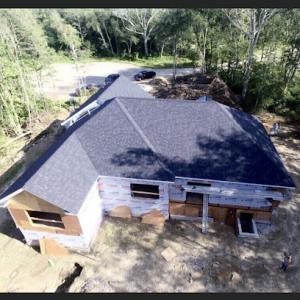
KGH Construction
(774) 930-3259 www.kghconstructionllc.com
Fall River, Massachusetts
5.0 from 1 review
KGH Construction is your trusted Roofing & Siding Contractor. We specialize in roof replacements, roof repairs, and expert installation of siding, windows, and doors. Our team is committed to high-quality craftsmanship, honest pricing, and reliable service. We use premium materials and back our work with strong warranties. Fully licensed and insured to protect your home from top to bottom.
i-Con Construction
(508) 300-9339 i-conconstructioncorp.com
Serving
4.9 from 84 reviews
i-Con Construction offers comprehensive residential and commercial property improvement services in Massachusetts and Rhode Island. Based in Swansea, MA, our local construction business is dedicated to providing exceptional craftsmanship and superior customer service in all facets of our services. From roofing and gutters, to siding, windows and decking, our general contractors are here to help you complete upgrades and improvements to your home and office.
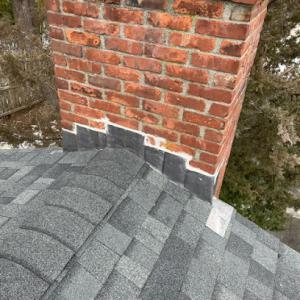
Nadales Renovations
(401) 338-4822 www.nadalesroofing.com
Serving
4.9 from 160 reviews
We’re skilled contractors with over 36 years of combined experience serving homeowners in and near Warren, RI. As a family-owned business, we strive to treat every client as part of our family. This has allowed us to be voted the #1 company for customer satisfaction by HomeAdvisor in 2019 and 2020. Our mission is to keep your loved ones protected at all times while making your home stand out from the rest of the neighborhood. We guide our work through professionalism, precision, and punctuality.

Capeway Roofing Systems
(508) 674-0800 www.capewayroofing.com
Serving
4.3 from 20 reviews
Capeway Roofing Systems, Inc. specializes in commercial and industrial buildings such as schools, public safety buildings, warehouses, malls, and other similar type buildings. We also provide sheet-metal services.
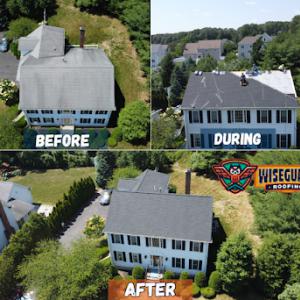
WiseGuard Roofing
(508) 290-0869 www.wiseguardroofing.com
Serving
5.0 from 86 reviews
WiseGuard Roofing provides roof repair, roof installation, siding, windows, and gutter installation to the Freetown, MA area.
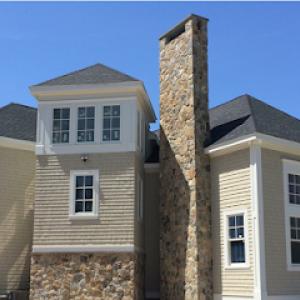
Quality Construction & Roofing
(401) 446-0282 qualityconstructionandroofing.com
Serving
4.9 from 68 reviews
Quality Construction & Roofing provides roofing services to the Warren, RI area.
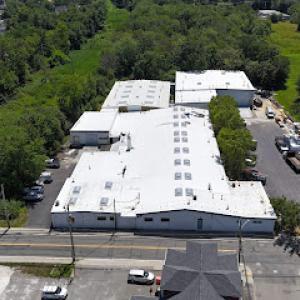
Chaffee Roofing
(401) 438-1160 chaffeeroofing.com
Serving
4.9 from 35 reviews
With more than 115 years of proven expertise, Chaffee Roofing is Providence’s trusted partner for commercial roofing. Our skilled team manages every stage of roof care—from design and inspections to repairs, replacements, and preventative maintenance—delivering durable, weather-resistant solutions built for Rhode Island’s changing climate. Whether your property needs TPO, EPDM, PVC, Mod-Bit, flat asphalt, or BUR, we provide expert installation, reliable service, and 24/7 emergency support to protect your investment and keep your business running without interruption.
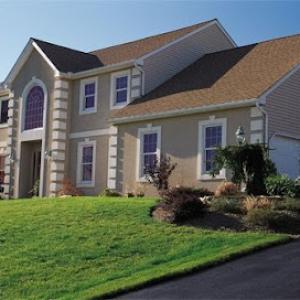
B.A.C Roofing & Construction
(401) 413-4820 www.bacroofingandconstruction.com
Serving
4.7 from 30 reviews
Looking for a reliable and experienced roofing company in RI? Then look to B.A.C Roofing and Construction, a full-service roofing contractor based in Bristol, RI and serving all major cities in the state. We’ve been performing residential roofing jobs for homes across the state since 2002. Additionally, we are a distinguished commercial roofing company. Our roofers are fully trained and certified in both flat roofing and pitched roofing.
Heritage Roofing & Siding
(401) 373-3096 www.localcontractorsolutions.com
Serving
5.0 from 18 reviews
Heritage Roofing & Siding brings top-tier craftsmanship to Bristol, RI, specializing in a comprehensive array of roofing and siding solutions. From meticulous roof installations, replacements, to expert repairs, we excel in metal, asphalt shingle, commercial TPO, and flat roofing. Our expertise extends to new construction projects, ensuring durable and weather-resistant roofing solutions. On the siding front, we offer precision installation, replacement, and removal services in vinyl, wood, James Hardie, cement, and metal siding options. At Heritage Roofing & Siding, we blend quality materials with skilled workmanship, guaranteeing homes and businesses in Bristol receive unmatched durability and aesthetic appeal.
Majestic Roofing & Home Improvements
(401) 649-0071 majesticroofers.com
Serving
4.8 from 20 reviews
Local family owned and operated roofing and construction general contracting service established in Newport, Rhode island in 1992. Specializing in Roofing, Home improvement construction, custom building, and renovation serving all of Rhode island and southeast Massachusetts.
Roof Maxx of W New Bedford, MA
Serving
5.0 from 62 reviews
Roof Maxx® offers a revolutionary roof restoration service, providing an eco-friendly, cost-effective solution for extending your roof's life. Specializing in roof rejuvenation, our innovative treatment revitalizes aging shingles, ensuring they remain flexible and waterproof. Ideal for roofs over 7 years old, Roof Maxx's unique formula penetrates deep into shingles, restoring their original functionality. This process not only enhances roof durability but also postpones the need for expensive replacements. Our professional roof maintenance services further protect your investment, keeping your roof in top condition. Trust Roof Maxx for sustainable, efficient roofing solutions.
In this city, a building permit is generally required for a full re-roof, and the Building Department reviews the application before any work begins. That review helps ensure the project aligns with local wind, snow, and coastal exposure realities, especially on triple-decker stock and homes near Mount Hope Bay. Before submitting, gather your roof plans, a simple sketch of the chimney and vent locations, and any manufacturer or product approvals you plan to use. The permit process helps flag structural or flashing concerns up front, reducing the chance of unexpected delays once crews start tearing off and reapplying roofing.
You should expect the permit review to touch on ventilation, flashing details, and installation methods. For older homes with masonry chimneys and low-slope sections, the inspector will want to see how those flashing details tie into the roof deck and underlayment, and how ridge and rake ventilation will be handled. Have your contractor provide a clear line-on-line plan showing chimney flashing transitions, kick-out details at gutters, and any flat or low-slope sections that require additional waterproofing. If there are any prior leak points near low profiles or vent stacks, document those spots so the plan addresses them explicitly.
Inspections in this area typically occur during the project at the rough-in or underlayment stage and again after completion. The rough-in inspection focuses on deck attachment, underlayment coverage, vent and chimney flash-throughs, and proper nailing patterns. The final inspection confirms that ventilation paths, shingle or panel installation, and flashing details meet code and local expectations in wind-prone conditions. Expect some scheduling slowdowns during busy roofing months, so plan ahead and book inspections with a realistic buffer to avoid a hold-up that could push a multi-day project into a longer window.
Local inspection focus includes ventilation, flashing, and installation details. For chimneys in aging homes, inspectors pay close attention to how the flashing is integrated with the counterflashing, step flashing along the chimney chase, and any flare-ups where old brick or mortar meet metal edges. For low-slope or rear sections, expect scrutiny of underlayment transitions, drip edge, and whether any low-lying areas have proper waterproofing. If the project includes vent boot replacements or new attic vents, ensure they align with the overall airflow plan and do not create pressure points that could drive leaks in windy conditions.
Maintain a clear line of communication with your contractor about permit status and inspection windows. Have a ready set of photos showing prior leakage points, especially around chimneys and low-slope zones, to help the inspector understand the vulnerabilities you're addressing. Confirm that the contractor will coordinate with the Building Department for any needed corrections before the rough-in or final inspection. By aligning the permit process with careful flashing and ventilation planning, you improve the odds of a durable, wind-resilient roof lasting through Fall River's coastal cycle.
In Fall River, wind-driven storm damage is often more relevant than classic hail-loss scenarios, especially on exposed roofs near the bay and on hillier sections of the city. The combination of coastal gusts, freeze-thaw cycles, and aging flashing around chimneys or low-slope rear sections means that your roof can fail where it's least expected-at transitions, caps, and penetrations-even if shingles look intact from the street. That makes it crucial to think about the storm event as a series of small but cumulative failures, not a single visible blow to a few shingles.
Massachusetts insurers typically cover wind and storm-related roof damage, but Fall River homeowners should expect photo documentation requests and possible adjuster visits after larger weather events. The adjuster will want clear, date-stamped evidence of damage and its progression, not just a photo of a missing tab or a curled edge. Quick, organized documentation-including close-ups of flashing, transitions, and previously aging penetrations-speaks to the severity of the claim and helps avoid disputes over pre-existing conditions.
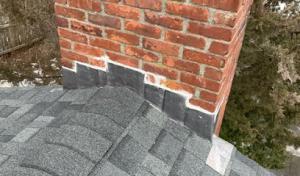
Because many Fall River roofs fail first at flashing, transitions, and older penetrations, homeowners need close-up documentation of those details rather than only wide photos of missing shingles. Look for rust on metal flashings, gaps where chimneys meet the roof, and any masking or sealant failures around vent pipes. Pay attention to low-slope sections that may accumulate water or ice dams, and note any signs of discoloration or staining that could indicate moisture intrusion behind the surface. A fast, methodical set of photos that shows both the problem area and the surrounding structure will help an adjuster assess the true scope.
When a major wind event rolls through, assemble a simple, repeatable photo log that captures the roof edge, chimney flashing, and any transitions to valleys or rear sections. If possible, capture a brief video demonstrating wind-driven inflow paths during a windy moment, such as along the eave or near the chimney chase. After the storm, prioritize safety, then start a careful inspection from ground level, and move to close-ups of the worst-affected areas. If damage is suspected around penetrations, schedule temporary protection to prevent further water intrusion while the claim is being processed. Keeping a written note of dates, weather conditions, and any observed leaks can also smooth the path from claim to settlement.
Connect with contractors who help homeowners navigate the claims process from damage assessment to final approval.
Marshall Building & Remodeling
(401) 329-9777 www.marshallbuildingandremodeling.com
Serving
4.9 from 785 reviews
Fall River's cold winters and humid summers create repeated freeze-thaw stress that can widen small flashing and sealant failures into active leaks. In practice, that means tiny gaps around chimneys and at low-slope rear sections can grow into noticeable drips after a stretch of cold nights followed by a warm day. If a roof already shows minor imperfections, each thaw can push those weak spots toward failure. Expect more frequent reports of leaks where wind-driven spray hits roof edges or where older flashing has seen decades of service.
As late fall turns to early winter, perform a focused inspection of chimney flashing, step flashing along transitions, and any sealant on low-slope porch roofs. Look for hairline cracks, loose granules, or dark staining that signals moisture intrusion behind flashing. Schedule targeted repairs before sustained snow arrives. A quick re-screed and reseal of flashing joints can prevent a cascade of leaks once ice forms in the eaves and around vent boots.
Heavy snow can worsen existing weak spots, especially where drainage slows on low-slope porch roofs and rear additions. If a snow load sits for days, thaw cycles beneath the snow can push water toward seams that otherwise stay dry. Clear drifts away from chimney bases and eaves where possible, and install temporary barriers or wind guards on vulnerable low-slope sections if practical. Prioritize keeping drainage paths clear so meltwater doesn't pool along flashing lines.
Spring replacement timing in this area can be complicated by rain and thaw conditions, which is why many projects are paced for late spring through early fall. If a roof shows active leaks after a thaw, plan repairs for a window when temperatures are steadily above freezing and surfaces are dry. Avoid scheduling major flashing work during heavy spring rains or when ground moisture is prolonged, as moisture intrusion can funnel under temporary repairs and complicate the fix.
Wind-driven leaks often occur at chimneys and along low-slope rear sections. After storms, recheck those areas for signs of moisture intrusion, including damp ceiling spots or softened patches on interior walls near risers. Maintain a quarterly eye on flashings, sealants, and transition details during the harsher winter months to stay ahead of failures driven by freeze-thaw cycles.
Find specialists in TPO, EPDM, and built-up flat roofing systems for residential and commercial properties.

The city's large inventory of older multifamily and mill-era housing means roof replacements often uncover multiple generations of patching and inconsistent flashing details. You'll frequently see a mix of old tar, mismatched flashing metal, and uneven transitions where previous crews tried to squeeze in a fix without pulling everything apart. That history matters because it creates hidden trouble spots that show up as wind-driven leaks after a storm or during freeze-thaw cycles.
Chimney-related work is especially relevant in this area because older masonry stacks remain common and often need coordinated flashing attention during re-roofing. When the cap and crown age together with deteriorating counter-flashing, wind can lift shingles along the chimney line and send moisture into attic or ceiling spaces. Expect to address chimney crickets, step flashing, and proper sealant at chimney bases, all in tandem with the main roof replacement rather than as separate repairs.
Homeowners should expect more repair scope on aging roof transitions than on simple newer subdivisions, because many homes have additions built at different times with different roof pitches. Valleys that once drained cleanly may now funnel water toward low-slope sections or rear dormers, where flashing and underlayment have weathered unevenly. Each transition merits careful inspection to prevent wind-driven leaks from sneaking into the interior at seams, joints, or along the eave line.
In Fall River, small deficiencies in flashing or sealants tend to escalate quickly under coastal winds and freezing winters. A proactive approach-prioritizing coordinated flashing work with any re-roofing, and treating chimney interfaces as critical detail points-helps reduce the chance of costly leaks after the next storm.