Last updated: Apr 19, 2026
Taunton homeowners deal with winter ice damming and repeated freeze-thaw cycling from December through February, which is a primary local driver of leak calls. Warm midday sun on a roof followed by sudden Arctic air creates that classic cycle: snow melts, runs to the eaves, refreezes into dams, and pushes water back under shingles or through joints. If your attic isn't sealed tightly and your roof deck isn't dry, those forces push moisture into attic spaces and around fasteners. The result is hidden mold risk, warped sheathing, and quicker deterioration of vulnerable details like skylines, chimneys, and dormers. This isn't theoretical-people in the neighborhood see it year after year, and once a leak starts, the damage compounds quickly.
Replacement timing in Taunton is commonly pushed into spring through fall because winter conditions can delay tear-off, dry-in, and final completion. If a roof shows active leaks in mid-winter, you're not just choosing a cosmetic upgrade-you're choosing to keep moisture out while the ground, drive, and access routes are already compromised by snow and ice. The decision to schedule a tear-off later in the season isn't about laziness or budget; it's about the practical realities on eastern Massachusetts roofs where frozen mornings and thawing afternoons stall crews, hinder ventilation work, and trap moisture in the attic. A well-coordinated plan accounts for ice dam risk, ensures the existing roof is supported during the temporary exposure, and aligns with crews who can work efficiently when temperatures cooperate. If you have to push into spring, flag attic work and roof edge detailing early so the drying-in phase doesn't get bogged down by lingering cold snaps and rain.
Humid summers following winter moisture intrusion make attic ventilation and drying details especially important in this inland Bristol County climate. Even when the roof looks dry on the surface, insulation and framing can harbor moisture that will condense as the season warms. You need a robust ventilation strategy that moves air from soffits to ridge line, plus a careful assessment of insulation levels to prevent warm attic air from meeting a cold roof deck. In practical terms, that means ensuring soffit vents aren't blocked by insulation, that baffles are in place to maintain a clear airflow path, and that attic vents are sized to handle the peak humidity load of late spring and early summer. If the attic remains damp after winter, plan for a drying-in phase during replacement or a separate moisture-control upgrade before summer humidity presses the problem into the living spaces below.
Look for gaps where shingles meet chimneys or vent stacks, or where gutters pull away from the fascia. Pay attention to any granule loss in winter and early spring, which signals the protective layer is thinning and the roof isn't shedding water as efficiently as it should. Dark stains on interior ceilings or walls near the attic access, plus a musty odor, hint at hidden moisture that needs to be addressed before it invites mold. Timber shows telltale signs too: softening, cupping, or cracking in rafters and sheathing indicate moisture has breached the barrier and needs remediation before a larger failure occurs.
Your best defense is a proactive plan that targets ice dam risk, rapid drying after winter, and a ventilation-oriented attic upgrade. When you address insulation, ventilation, and roof edge details in concert, you reduce the cycle of moisture intrusion and exit with a roof that resists leaks longer into the next freeze-thaw season. In Taunton, every winter cycle is a reminder: act now to keep water out, protect the attic, and preserve the long-term integrity of the roof system.
Asphalt shingles are the dominant roofing material in Taunton, making them the baseline option for most replacement comparisons in the city. This traditional choice matches the prevalent housing stock and offers straightforward replacement and maintenance. Beyond asphalt, the local mix also includes metal roofing, slate, wood shingles or shakes, clay tile, and fiber cement shingles, reflecting both older New England styling and specialty projects you may see around town. The variety means you can tailor a roof to your home's look while balancing performance needs.
The winter climate here brings freeze-thaw cycles that can stress roof joints, edges, and fasteners. A standard asphalt system with proper underlayment and a well-sealed ridge line generally handles those cycles without dramatic upfront changes to your structure. In summer, asphalt isn't the flashiest option, but it resists heat and UV exposure when installed with good attic ventilation and appropriate shingle selection. For most Taunton homes, a solid asphalt setup provides reliable protection, easy maintenance, and a predictable, homeowner-friendly replacement path.
Metal roofing shines on roofs with steep pitches or where you want a long service life and quick air-sealing, especially if you live under trees that shed heavy debris. Slate brings classic New England character and exceptional durability, but it's a premium choice that's heavier and requires a solid deck and careful installation. Wood shingles or shakes give a historic look that fits many older homes, yet they demand diligent maintenance to resist moisture and pests. Clay tile offers superb durability and a distinctive profile but can be brittle in cold snaps and heavier, needing structural checks. Fiber cement shingles mimic wood or masonry aesthetics with enhanced fire resistance and lower maintenance, a good compromise for many replacements.
Start with your home's architectural style, attic ventilation status, and existing deck integrity. If you want cost-effective, easy-to-replace protection, asphalt remains the sensible default. If you're restoring a historic tract or seeking a specific curb appeal, slate, wood, or clay tile can be viable with proper structural assessment. For roofs facing heavy sun exposure or leaning toward long life with lower maintenance, metal or fiber cement might be worth a closer look. In any case, ensure the underlayment and flashing are matched to the chosen material to combat both winter freeze-thaw stress and summer heat.
Spring in Taunton brings thaw conditions and heavy rainfall from March through May, which often exposes flashing, underlayment, and drainage weaknesses that stayed hidden in winter. The mix of rising ground moisture and lingering snow melts can push water into spots that looked solid through the cold months. Look closely at the shoulders of the roof after a heavy rain: are there small leaks around vents, chimneys, or along the edge where the flashing meets the siding? Even a minor drip during a sunny day after a storm can signal deeper issues with the roof deck or gutters. If you notice water staining inside the attic or staining along the ceiling, trace it to the shortest path from the exterior-water often travels in unexpected routes once the underlayment is compromised. Addressing these vulnerabilities sooner can prevent more serious damage when the next round of storms hits.
Autumn wind storms from September through November are a local seasonal risk that can loosen shingles and create edge and flashing failures before winter sets in. You may feel or hear wind-driven leaves, grit, or small debris being driven under the shingles at the eaves. Inspect along the rake and ridge lines after every significant wind event, and pay special attention to any loose or lifted shingles along the edges. A peeled edge or lifted flashing can act like a funnel for water, guiding it toward the underlayment and into the attic during the first winter thaw. If you find exposed nails or gaps near the ridge cap, those areas should be corrected promptly to reduce the chance of a leak as temperatures swing.
Because Taunton sees both winter leak events and shoulder-season storm damage, homeowners often need to distinguish between age-related wear and insurable sudden damage. Aging roofs can exhibit hairline cracks, granule loss, or worn flashing that gradually worsens. Sudden damage, by contrast, tends to occur after a specific storm or freeze-thaw cycle: a single event can dislodge a section of flashing or rip shingles, creating an entry point for water. A careful assessment after a large storm or rapid freeze-thaw transition helps determine whether repairs fall under routine maintenance or claimable damage. If a professional finds multiple, evenly spaced faults across the roof, that often points to aging materials; if the problem is localized to one area-say around a skylight or chimney-think flashing failure or damage from impact.
Early leaks can hide behind attic insulation or crawlspace insulation and only show as dampness or a musty odor. Prioritize areas around penetrations-chimneys, vent pipes, and dormers-where water tends to concentrate. During dry spells in late summer or early fall, conduct a careful scan of the inside and outside: look for staining, warped plywood, or soft spots on rafters. A quick internal check after a heavy rain can save you from more extensive repairs later. If you suspect hidden damage, a professional inspection can map out a precise plan to restore integrity before the next freeze-thaw cycle.
Find local contractors experienced in assessing and restoring roofs after hail, wind, and severe weather events.

Maynard Roofing /40 yrs Family Business
(508) 631-3839 maynardroofingco.com
45 Railroad Ave, Taunton, Massachusetts
4.9 from 51 reviews


Ferreira Company
(508) 730-8977 www.ferreiraco.com
1 Taunton Green, Taunton, Massachusetts
5.0 from 329 reviews
"Welcome to FERREIRA CO where we specialize in top-quality exterior waterproofing solutions for residential and commercial properties. With a commitment to excellence and years of experience in the industry, we understand the importance of protecting your property from water damage. Our skilled team utilizes the latest techniques and high-quality materials to ensure that your building remains dry and secure, regardless of the weather conditions "FERREIRA CO your expert partner in exterior waterproofing. Our experienced team is dedicated to protecting your property from water damage using top-quality materials and proven techniques. Contact us today to learn more about our services."
Long Home Products
300 Myles Standish Blvd, Taunton, Massachusetts
4.7 from 2770 reviews
For over 8 decades, Long Home has helped families throughout the East Coast enjoy safer, more beautiful homes. From durable roofs to stunning baths, our quality products, outstanding craftsmanship, and dedication to customer satisfaction are at the core of our philosophy. We work with customers to make home improvement projects more affordable through competitive loan rates and flexible payment plans that fit your budget.

Maynard Roofing /40 yrs Family Business
(508) 631-3839 maynardroofingco.com
45 Railroad Ave, Taunton, Massachusetts
4.9 from 51 reviews
40 yrs experience in quality Hand nailed Roofing so no shingles come off the life of the shingle Only using the best products Owner working with the crew installing everyday A crew that has been working together going on 10 years.We care about your home and property We do it right the first time!
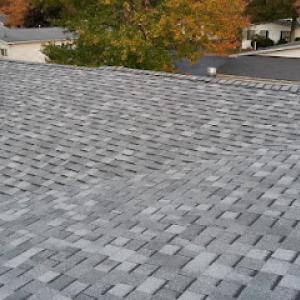
Affordable
(508) 977-1900 www.thehonestroofers.com
37 Taunton Green #1215, Taunton, Massachusetts
5.0 from 17 reviews
Local honest and professional roofing, siding, and window contractor.
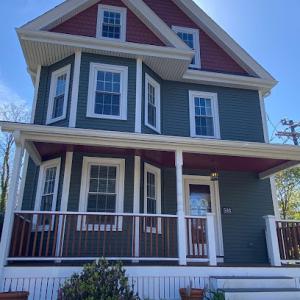
Patriot Shield Roofing
(508) 422-5080 patriotshieldroofing.com
15 Bairos Ln, Taunton, Massachusetts
5.0 from 7 reviews
Patriot Shield Roofing is a veteran owned and operated roofing contractor located at 15 Bairos Ln, Taunton, MA. It is fully licensed & insured and brings a team of highly trained and dedicated professionals with unparalleled skill and expertise to every project, ensuring that clients receive tailored and superior roofing solutions for lasting protection and value.
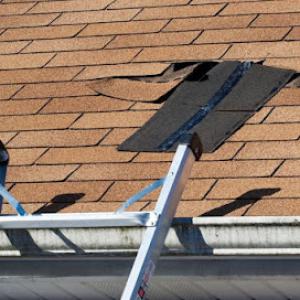
Fortinco
Taunton, Massachusetts
4.2 from 18 reviews
Roofing, siding, windows, exterior home repair, since 1935. (508) 443-4268, online estimates. Roofing co over 10,000 customers since 1935 Winter exterior home repair and maintenance starting $389

Skyline Contracting & Roofing
436 Whittenton St, Taunton, Massachusetts
4.3 from 7 reviews
Since 1990, Skyline Contracting and Roofing has been installing and maintaining quality roofing products throughout Taunton, MA and the surrounding areas. We invite you to take a look at the quality roofing materials we offer and the expert roo
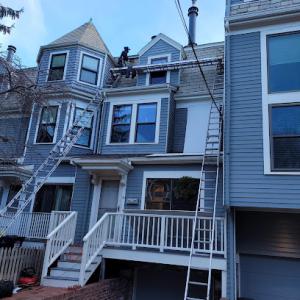
Malfix G. Construction
(508) 239-9300 malfixgconstruction.com
Serving
5.0 from 9 reviews
Established over 12 years ago, our dedicated team at Malfix G. Construction brings a wealth of expertise to the roofing industry in Raynham,MA. Committed to excellence, we strive to be the premier roofing company in the area, offering top-notch service and craftsmanship. Whether it's repairs, installations, or inspections, trust us to deliver quality solutions that stand the test of time. Choose Malfix G. Construction for your roofing, siding, gutters, chimneys, fascia, windows, skylights, drywall needs and experience unmatched professionalism and reliability.
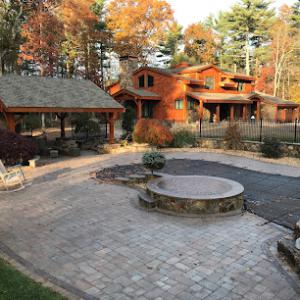
Rei Roofing & Construction
Serving
4.8 from 54 reviews
Rei Roofing & Construction supplies roofing contractor services to the Norton, MA area.

Manuel Labor
(508) 863-0553 www.manuellaborinc.com
Serving
5.0 from 146 reviews
Manuel Labor, Inc. has been providing exceptional general contracting services to the community for over 25 years. While roofing is our primary focus, we also offer additional services such as siding, gutters, decks, rot repair, beam and lally column installation, and general remodeling service to his clients. With a focus on delivering high-quality work and outstanding customer service, Manuel Labor established a reputation as a trusted and reliable contractor in the industry.
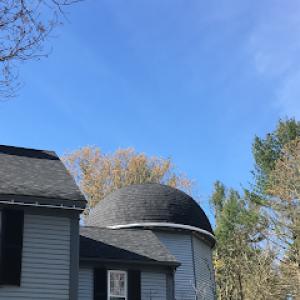
Capitol Roofing
(617) 913-2966 www.capitolroofingne.com
Serving
5.0 from 187 reviews
Capitol Roofing, Inc. is a leading provider of residential and commercial roofing services in Massachusetts and New Hampshire. Our team of experienced roofing professionals is equipped to handle all of your roofing needs, from minor repairs to full roof replacements. We use only the highest quality materials and workmanship to ensure that your roof is strong, durable, and long-lasting. Contact us today for a free quote, and let us help protect your home or business with the best roofing solutions available.
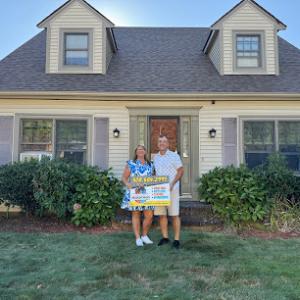
Mighty Dog Roofing of South Shore
(508) 928-3755 www.mightydogroofing.com
Serving
5.0 from 146 reviews
When it comes to your home’s exterior, Mighty Dog Roofing delivers top-of-the-line services matched with the neighborly customer care our clients have come to love. Our team of skilled experts will conduct a free, detailed inspection of your home, treating it as our own. Whether your home needs a simple repair or a full roof replacement, expect to receive the transparent guidance you deserve. Whatever the case, our team will work to meet your safety and budget needs. We take pride in operating with quality materials, hiring skilled roofers, and providing our customers with a high-quality experience. See for yourself; our reviews say it all. Schedule your free, home inspection today!
When planning a replacement, you'll typically see asphalt shingles priced from about 350 to 650 USD per square, metal from 700 to 1100 USD per square, clay tile from 1200 to 1800 USD per square, wood shingles or shakes from 600 to 950 USD per square, slate from 900 to 1800 USD per square, and fiber cement shingles from 450 to 750 USD per square. These ranges reflect the mix of housing stock in the area, from older New England homes with specialty detailing to more common asphalt re-roofing scenarios.
In Taunton, costs can rise when an older house requires specialty tear-off and replacement work for slate, wood, or tile rather than straightforward asphalt re-roofing. If you have historic or irregular rooflines, expect additional labor for removal, sheathing repairs, and fascia work. A premium may also apply if your slopes are steep or if the roof has multiple levels, dormers, or chimneys that complicate flashing and ice-dam mitigation.
Seasonal demand drives pricing and scheduling. Many homeowners try to book work between spring and fall to avoid winter-weather delays, which can push contractors to tight windows or weekend slots. In winter months, you may see limited availability and higher prices for urgent tear-offs or leak-detection-focused replacements. If you're budgeting, factor in a potential quick bump in price or a longer lead time during peak seasons.
Start with a realistic assessment of your roof's composition. If your home has asphalt, plan for the mid-range of 350-650 USD per square as a baseline, and add for any specialty work if slate, tile, or wood is involved. Get at least three written bids noting removal, disposal, and any necessary underlayment or flashing upgrades. Ask about warranty terms on both shingles and workmanship, and confirm that seasonal scheduling aligns with your project timeline to minimize weather-related delays.
Get a clear picture of your project costs upfront - no commitment required.
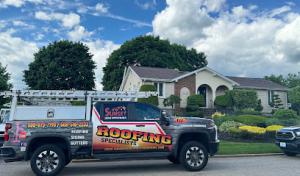
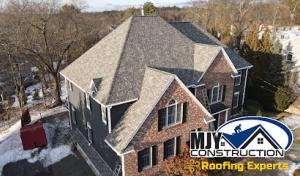
In Taunton, a building permit is typically required for a full re-roof rather than just minor patching. The local code enforcement process treats a complete roof replacement as a structural and safety project, so obtaining the proper permit helps ensure the oversight needed for a solid, weather-tight result. Before any nails go to shingle, line up the permit through the Taunton building department and have the project scope clearly defined. If the plan includes changes to ventilation or flashing, that scope becomes especially important because these elements influence attic moisture control and ice-dam protection during the region's harsh winter cycles. A well-documented permit application sets expectations for everyone on the job and reduces the risk of delays or rework.
The Taunton building department reviews the project scope before work proceeds, which makes scope clarity important when a job includes ventilation or flashing corrections in addition to shingle replacement. If the plan calls for upgrading roof vents, bathroom or kitchen vent terminations, or metal flashing around dormers, chimneys, or valleys, include detailed sketches or manufacturer specs. A clear scope helps the inspector verify that the proposed changes align with the local code and with best practices for preventing leaks and ice dams during freeze-thaw cycles. Coordinate with the contractor to answer questions the inspector may have about attic ventilation balance, insulation depth, and roof edge detailing. Having a well-organized submittal can speed the review and keep the project on schedule.
Inspections in Taunton are generally performed after completion, with possible interim checks when ventilation or flashing work is part of the project. Expect the final inspection to confirm that the shingles, underlayment, flashing, and ventilation components meet code and meet your local climate needs. If interim checks are requested, they typically focus on how vents, exhaust terminations, and drip edge flashing are integrated with the new roofing system. Communicate with the contractor and the inspector about any deviations from the approved scope, so documentation can be updated and the final walkthrough is smooth. For homes facing significant seasonal temperature swings, ensuring that attic ventilation routes and eave channels are properly aligned during the inspection can prevent long-term moisture issues and improve performance in winter conditions.
Plan the timing of a re-roof to avoid peak winter conditions whenever possible, since cold weather can complicate installation and adherence of underlayment. Have the chosen ventilation strategy, flashing details, and drip edge configurations clearly documented in the project scope. When the permit is in hand, maintain a record of all communications with the building department and the contractor, so anything asking for clarification can be addressed quickly. A well-documented permit trail supports a smoother inspection process and helps ensure that the re-roof performs reliably through Taunton's winter weather.
In Massachusetts, roof claims commonly turn on roof age, extent of damage, and documentation quality, so homeowners in this area need clear photo records after winter and storm events. When you file, you should have recent photos that show the roof surface, fascia, gutters, and any interior signs of moisture or staining. Keep dated images from multiple angles, including attic spaces if possible.
Insurers may request contractor estimates and, in some cases, attic inspections, which matters in Taunton where freeze-thaw leaks can originate from ice damming and ventilation-related moisture issues. After a heavy freeze or thaw cycle, inspect attic insulation and ventilation pathways for signs of condensation, frost buildup on underside of sheathing, or mold. If you notice these issues, document them with clear, well-lit photos and note any attic temperature discrepancies you observed during the season.
Taunton claims are often influenced by regional storm patterns, so homeowners should document whether damage followed a specific wind or rain event rather than gradual wear. Save weather reports or news clips from the day of impact, and correlate them with visible damage on your roof and interior signs of leaks. If branches or debris show impact marks on shingles or flashing, photograph these details promptly to support a storm-related claim.
Prepare a concise timeline: the date of a storm, initial observations, and any private repairs you completed to prevent further damage. When an adjuster arrives, provide the attic observations, the photographed damage, and any contractor estimates you have gathered. Clear, organized documentation helps the process move smoothly and aligns the claim with the specific winter and storm conditions typical to this area.
Connect with contractors who help homeowners navigate the claims process from damage assessment to final approval.
Maynard Roofing /40 yrs Family Business
(508) 631-3839 maynardroofingco.com
45 Railroad Ave, Taunton, Massachusetts
4.9 from 51 reviews
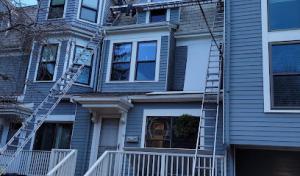
Flat-roof specialization is present in the Taunton market but is clearly secondary to pitched residential re-roofing, indicating this is a targeted issue rather than the citywide default. On Taunton low-slope sections, spring rain and winter freeze-thaw conditions make drainage performance and flashing transitions especially important. Additions, porches, or mixed-slope rooflines require a contractor who can manage standard shingle work and low-slope details on the same project.
When evaluating bids, ask for examples of previous Taunton jobs with both flat and pitched elements, and check how drainage seams are integrated with the parapet and gutter systems. For spring and winter transitions, prioritize flashing that seals at transitions between a low-slope roof and any vertical face, plus a considered edge detailing to reduce ice dam risks.
Coordinate with a crew experienced in both shingle repair and low-slope membrane repair to avoid zigzagging crews and misaligned insulation details. Taunton roofs with additions or porches often reveal changes in slope that make you value a contractor who can blend waterproofing with the original roof.
Taunton roofs with additions or porches often reveal changes in slope that make you value a contractor who can blend waterproofing with the original roof.
For materials and textures common in Taunton basements or additions, consider edge metal pans and tapered insulation details that promote drainage toward the gutter and away from stern parapets. Inspect the existing fascia and soffit connections; a low-slope section can pull moisture toward attic penetrations if fasteners are loose or flashing backing is compromised.
Plan work in shoulder seasons when Taunton weather is more predictable, and ensure temporary waterproofing during construction so interior spaces stay dry through spring storms.
Documentation matters: require a written detail list that covers flashing at skylights, transitions to vents, and any penetrations through a low-slope deck. Finally, ensure the crew understands Taunton's seasonal snow load expectations and uses rapid-drain scuppers or downspout strategies that prevent ice buildup along the eave line.
A good contractor will schedule a final walkthrough to verify that all transitions stay dry after the first thaw.
Find specialists in TPO, EPDM, and built-up flat roofing systems for residential and commercial properties.