
Last updated: Apr 19, 2026
Middleborough sits in a low-lying inland area with extensive wetlands, rivers, ponds, and cranberry bog landscapes that keep roofs exposed to persistent moisture and slower drying conditions. That combination means shingles and underlayment stay damp longer after rain or snowmelt, which accelerates wear on vulnerable seams, penetrations, and venting details. In practice, this translates to more frequent inspection points where a drip edge, flashing, and hatch penetrations meet the roof deck. The dampness also tends to promote moss, algae, and mildew in shaded or north-facing sections, especially on aging roofs. A cautious homeowner notices small signs earlier: dark streaks, mineral granules washing into gutters after a heavy rain, or attic condensation that seems stubborn during shoulder seasons.
Massachusetts winter freeze-thaw cycles are a primary local stressor, especially where melting snow refreezes at eaves and around roof penetrations. Ice dams form when warm roof sections melt snow that refreezes at the eave, backing up water under shingles and into soffits or ceilings. In Middleborough, that risk is compounded by the damp microclimate from wetlands and cranberry bogs, which can keep roof surfaces cooler or wetter than open meadow sites. Nor'easter winds add a second layer of stress by lifting edges of shingles and loosening flashing during storms. The result is more rapid edge deterioration on older roofs and a higher likelihood of leakage near valleys, chimneys, skylights, and vent stacks. If a roof is already approaching the end of its service life, the combined moisture and freeze-thaw cycles can shorten the time between repairs.
Late spring through fall is the practical replacement window locally because ice, snow, and cold-weather sealing issues complicate winter tear-offs and installations. Scheduling work after the worst of winter and before the harsh late-fall period reduces the risk of installation-related gaps or adhesive failures in less-than-ideal conditions. If a roof needs immediate attention due to active leaks, prioritize temporary mitigation first-cover exposed openings with a tarp and arrange prompt, weather-appropriate work when temperatures can sustain sealing. For homes with evergreen or shaded roof faces, plan adjustments for longer drying times after work is completed, and consider a breathable underlayment or upgraded ventilation to counter residual moisture.
Year-round maintenance should target moisture pathways and ductile components. Check is more frequent where there are roof penetrations, such as vent pipes, plumbing stacks, and HVAC intakes, since these areas see repeated thermal cycling. Look for softened or curled shingles, lifted edges, or compromised flashing around chimneys and skylights, particularly after strong storms. Clean gutters and downspouts regularly to prevent backed-up water that can backwash under eaves. If moss or algae appear on shaded roof areas, address them early with localized cleaning and improved drainage rather than broad chemical treatment. Pay close attention to attic insulation and ventilation: a well-ventilated attic helps keep the deck closer to outdoor temperatures, reducing rapid condensation cycles that feed moisture-related damage.
The inland, moisture-rich setting influences material selection. In this region, choosing products with robust moisture resistance and proven longevity under freeze-thaw stress helps. Asphalt shingles remain common for cost-conscious projects, but ensure a high-quality underlayment and properly installed flashing. Metal roofs offer excellent durability and resistance to freeze-thaw cycling when installed with comprehensive sealing at fasteners and penetrations. For homeowners weighing premium options, synthetic or composite shingles can deliver good durability with lighter weight and easier installation in damp conditions. For any roof facing persistent moisture, prioritize deck sealing, upgraded ventilation, and flashing details that address edge and penetration vulnerabilities, since these are the most common failure points in this climate.
Fall Nor'easters bring wind-driven rain that can expose flashing, ridge, and shingle-edge weaknesses lurking on roofs aged by wet inland conditions. In this part of Massachusetts, the combination of wetlands, rivers, and cranberry-growing lowlands means moisture exposure is relentless. When Nor'easter winds slam across the region, aged or marginal flashings can fail quickly, letting rain penetrate where it hurts most. The same storms that whip trees and drive spray onto eaves also test attic vents and soffits, amplifying the risk of hidden leaks that only show up after several days of damp, windy weather. The message is urgent: treat vulnerable edges, seals, and flashing as high-priority items as soon as a wind event passes.
Spring brings heavy rainfall that often disrupts tear-offs and roof repairs, leaving older roofs exposed longer than ideal. In this climate, scheduling becomes a two-step challenge: weather windows for work, and the consequence of delaying repairs while winter wear compounds. Spring deluges can saturate decking and allow moisture to infiltrate under aging shingles, accelerating deterioration right when homes are most vulnerable to seasonal shifts. Plan ahead for potential delays, and prioritize securing loose flashings, damaged shingles, and compromised gutters before the next round of storms arrives.
Massachusetts insurers in this region routinely scrutinize whether damage stems from a recent storm event or from longer-term wear. Clear, contemporaneous photo documentation after wind and rain events is essential. Focus on flashing joints, ridge caps, nailing patterns, edge sealant, and any moisture staining inside attic spaces. Photos should capture both the exterior roof condition and any visible interior signs of leakage, such as stained ceilings, warped sheathing, or moisture on insulation. If a claim is anticipated, build a visual timeline that ties specific weather events to observed damage, since the insurer may separate storm-driven impacts from preexisting wear.
Act quickly after a storm to cover or temporarily seal exposed edges and flashing you can access from the ground or a safe ladder stance. Check for lifted shingles, broken granules, and loose ridge caps, then address those items before the next Nor'easter arrives. Prioritize a professional inspection for anyone who notices unusual attic condensation, damp rafters, or staining near roof lines. In homes near wetlands or seasonal water features, consider reinforcing areas most exposed to wind-driven rain, especially along ridge lines and perimeter edges where edge failure tends to start. For properties with older shingles or marginal underlayment, anticipate that multiple small repairs over a single season can compound into a larger issue if left unaddressed. Stay vigilant: after every significant wind or rainfall event, perform a quick exterior check and secure any vulnerable points without delay.
Find local contractors experienced in assessing and restoring roofs after hail, wind, and severe weather events.
Ropac Roofing
Serving
5.0 from 10 reviews
Specializing in Mobile Home Roofs Since 1973
Mac Roofing
(781) 603-7492 www.mac-roofing.com
Serving
4.5 from 15 reviews
Mac Roofing Inc provides commercial and residential roofing services to the Middleborough, MA area.
Skyway Exteriors
(508) 272-6895 www.skywayexteriors.com
Serving
5.0 from 48 reviews
Skyway Exteriors provides roofing, siding, window, skylight, and gutter services in Rhode Island and Eastern Massachusetts
Manuel Labor
(508) 863-0553 www.manuellaborinc.com
Serving
5.0 from 146 reviews
Manuel Labor, Inc. has been providing exceptional general contracting services to the community for over 25 years. While roofing is our primary focus, we also offer additional services such as siding, gutters, decks, rot repair, beam and lally column installation, and general remodeling service to his clients. With a focus on delivering high-quality work and outstanding customer service, Manuel Labor established a reputation as a trusted and reliable contractor in the industry.
Northeast Roofing Contractors
(508) 776-4916 www.northeastroofingcontractors.com
Serving
5.0 from 15 reviews
Welcome to Northeast Roofing Contractors, your trusted partner for all your roofing needs in the area. As a leading roofing company, we specialize in providing top-notch roofing services, gutter installation and repair, and exceptional siding solutions. Our team of experienced and skilled professionals is dedicated to delivering superior craftsmanship and ensuring customer satisfaction. Whether you need a new roof installation, roofing repair, gutter service, or siding installation, we have the expertise to handle it all. Contact us today for a free estimate and let us take care of all your roofing, gutter, and siding needs.
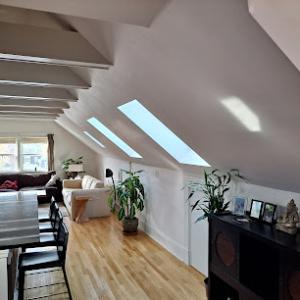
Cran Marsh
(774) 419-3101 www.cranmarshgc.com
Serving
4.9 from 32 reviews
Cran Marsh has been offering award-winning, certified Roofing soltions for nearly fifty years throughout New England. We specialize in residential and commercial roofing, providing expert solutions for repairs, installations, and replacements of roofing, siding, windows, decks and gutters. Our skilled contractors also build custom decks, offer dumpster rental services, and provide professional window and skylight installation to enhance any property. As a versatile partner for a wide range of exterior needs, Cran Marsh ensures that your property remains protected and in pristine condition. You can trust us for all your exterior requirements. Contact us by phone or email today, and we will respond promptly with a quote!
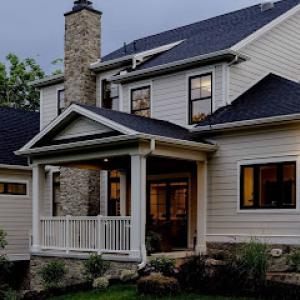
Marios Roofing
(508) 947-9472 mariosroofing.com
Serving
5.0 from 4 reviews
Marios Roofing of Middleboro is one of the leading exterior remodeling companies providing businesses and homeowners with a wide range of services including roofing, siding, windows, decks and more!
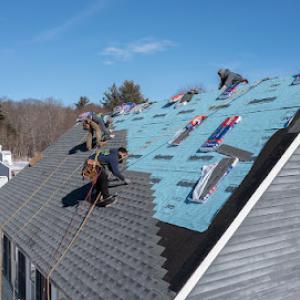
All Seasons Roofing & Siding
(508) 313-9072 allseasonsroofingsiding.com
Serving
4.9 from 54 reviews
All Seasons Roofing, based in Medway, MA, offers dependable roofing and siding services across Massachusetts. We handle roof replacement Medway projects, roof repairs, and installations for both homes and businesses. From asphalt shingles to metal and flat roofing, we deliver durable results built to withstand New England’s weather. Our experienced team is committed to timely service, transparent communication, and customer satisfaction. We also provide free estimates to help you plan your next project with ease. Whether you need a small repair or a full roof installation, count on All Seasons Roofing for reliable and professional roofing services.
Ferreira Company
(508) 730-8977 www.ferreiraco.com
Serving
5.0 from 329 reviews
"Welcome to FERREIRA CO where we specialize in top-quality exterior waterproofing solutions for residential and commercial properties. With a commitment to excellence and years of experience in the industry, we understand the importance of protecting your property from water damage. Our skilled team utilizes the latest techniques and high-quality materials to ensure that your building remains dry and secure, regardless of the weather conditions "FERREIRA CO your expert partner in exterior waterproofing. Our experienced team is dedicated to protecting your property from water damage using top-quality materials and proven techniques. Contact us today to learn more about our services."

ez2rent by ILX
Serving
5.0 from 1 review
Heavy construction equipment rental. Aerial lifts.
WiseGuard Roofing
(508) 290-0869 www.wiseguardroofing.com
Serving
5.0 from 86 reviews
WiseGuard Roofing provides roof repair, roof installation, siding, windows, and gutter installation to the Freetown, MA area.
Malfix G. Construction
(508) 239-9300 malfixgconstruction.com
Serving
5.0 from 9 reviews
Established over 12 years ago, our dedicated team at Malfix G. Construction brings a wealth of expertise to the roofing industry in Raynham,MA. Committed to excellence, we strive to be the premier roofing company in the area, offering top-notch service and craftsmanship. Whether it's repairs, installations, or inspections, trust us to deliver quality solutions that stand the test of time. Choose Malfix G. Construction for your roofing, siding, gutters, chimneys, fascia, windows, skylights, drywall needs and experience unmatched professionalism and reliability.
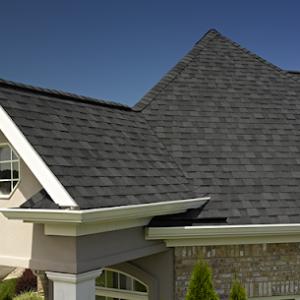
Asphalt shingles are the dominant practical choice for most homes in this inland South Shore area. The market for re-roofing tends to favor a schedule and price that align with a standard asphalt replacement, which makes it easier to coordinate with local crews and suppliers who are familiar with the typical attic ventilation setups and deck conditions found on Middleborough houses. In this climate, asphalt shines as a balanced option: it handles the freeze-thaw cycles, sheds water well when properly installed, and can be spot-repaired without major structural work. When evaluating options, look for shingles with good granule retention and a warranty that covers wind-driven rain, since Nor'easter winds can test exposed edges. A well-sealed, vented underlayment and an airtight drip edge become especially valuable in damp, marshy pockets around cranberry-growing zones near town.
Metal roofing has a meaningful local specialist presence and is worth considering if snow shedding and longevity top your list. In Middleborough's wet landscape, metal's smooth surface helps wet weather drain quickly, and its durability over repeated wet cycles stands up to Nor'easter winds better than many other materials. Proper installation matters a lot here: correct panel laps, appropriate fastener spacing, and a well-designed snow retention plan reduce the risk of leak paths created by seasonal ice buildup. If you expect long service life and minimal maintenance, metal can be a good match, especially on homes with simple, straightforward roof geometries where the detailing is easier to manage. On complex structures with many hips and valleys, ensure your chosen installer has recent experience with metal in freeze-thaw conditions and has a plan for thermal movement.
Clay tile, concrete tile, wood shakes, and synthetic products exist in the market, but their use is more selective in Middleborough because structural load, detailing complexity, and installer availability matter more than in a simple asphalt replacement. Clay and concrete tiles add distinctive curb appeal and exceptional longevity, yet they demand a solid structural deck and careful flashing around chimneys and vent stacks. Wood shakes offer a traditional look and strong performance when properly maintained, but they require consistent weatherproofing and are more vulnerable to moisture-related issues in persistent damp cycles. Synthetic products can balance weight and cost, yet installation quality remains crucial to prevent leaks in the area's freeze-thaw regime. When considering these options, assess the dwelling's roof framing, attic access for ventilation, and the proximity to wetlands to ensure the system can manage moisture and thermal movement without compromising the roof deck.
In this part of town, a roof replacement is a winter-sensitive project. The inland South Shore setting brings wet soils, higher humidity, and Nor'easter winds that stress roofs differently than coastal or inland suburbs. When planning, think of the timing and the material choice as key drivers of total cost, not just the square footage of shingles.
Late spring through fall is the busy period for Middleborough contractors. Many homeowners try to avoid winter work, and crews are on tighter schedules, which pushes prices upward if you wait. If you can align your project with a shoulder season-early spring or late fall before the snows-you're more likely to see steadier crews and a more predictable timeline. In practical terms, a project started in the heart of summer might come with a premium for expedited material orders, crew fatigue, and the need to protect landscapes and damp materials against sudden storms.
Costs rise as you move from standard asphalt shingles to more specialized systems. In Middleborough, upgrading to metal roofing, clay or concrete tile, wood shingles, or synthetic options introduces more complex installation and longer scheduling windows. Metal typically brings higher upfront material and fabrication costs but can pay off over time with longevity and wind resistance. Tile systems demand careful roof framing and underlayment support, which adds both material and labor time. Synthetic or composite systems offer durability with a modern profile but may require specialized fasteners and workmanship. Each step up in material class shifts the expected per-square cost and the amount of labor required, especially on roofs with complex geometry, multiple ridges, or low-slope segments common on Cranberry Town settings.
As you compare bids, use the city's typical ranges as a reality check. Asphalt shingles remain the most common and cost-effective option, offering solid performance in freeze-thaw conditions when properly installed with a robust underlayment and ventilation. Metal roofing, while pricier per square, tends to resist moisture-driven wear and wind uplift, which can offset longer-term maintenance costs. Tile and wood products bring distinctive aesthetics and performance profiles but introduce heavier loads and more detailed framing considerations. Synthetic shingles land somewhere in between for cost and performance, balancing durability with ease of installation. In all cases, expect material and installation complexity to move the project cost in line with the chosen system, especially if the roof has complicated angles, dormers, or skylights.
Get a clear picture of your project costs upfront - no commitment required.
Northeast Roofing Contractors
(508) 776-4916 www.northeastroofingcontractors.com
Serving
5.0 from 15 reviews
You will want to plan this like you're coordinating a home improvement project with a neighbor who's seen the winters bite. A full roof replacement is usually treated as more than routine maintenance, so a building permit is typically required. The town's permit process is not just a formality; it sets the stage for safety and long-term performance in the wet inland landscape that shapes this area. If you're unsure whether your project qualifies as a full replacement, call the building department before you start tearing off shingles. It can save you delays and possible rework later on.
The permit office in this region takes a careful look at project scope and roofing material to ensure code compliance and energy performance. They're not nitpicky for the sake of it; their focus is on a roof that withstands freeze-thaw cycles and heavy Nor'easter winds while keeping moisture out of the attic and living spaces. If you're choosing a material that's common here-whether asphalt, metal, or a more resilient tile or composite option-bring clear specifications and installation plans. A well-documented scope helps the review move faster and reduces the chance of back-and-forth that can push a schedule.
Inspections follow a predictable sequence: pre-tear-off, post-installation, and final completion. Each one checks critical milestones, from ensuring roof deck integrity and underlayment to confirming that ventilation and flashing meet local expectations. Because inspections anchor the project timeline, alignment with the town's schedule is essential. If weather or contractor availability shifts, it can cascade into delays. Plan with a practical window for each inspection, and keep your contractor in the loop about any required appointments.
Keep a single point of contact with the contractor who can coordinate with the permit office and scheduling for inspections. Have your property lines, recent roof plans, and any energy-efficiency upgrades ready for review. In Middleborough, a well-documented, code-compliant replacement not only passes faster but also helps ensure the new roof holds up against moisture-driven wear and the seasonally intense climate.
In this market, Massachusetts homeowners insurance conditions are shaped by seasonal wind, hail, and storm claim activity rather than a single catastrophic peril. The inland wetlands and wind-exposed corridors around the Cranberry Highway belt your roof with extra moisture stress and relentless freeze-thaw cycles. That pattern means many roof losses look incremental-a sequence of small failures, hairline leaks, and shingle delamination-before a larger claim is even filed. Insurance outcomes hinge on how well the true wear and recent storm impact are demonstrated, not on a single dramatic moment.
Insurers and adjusters routinely request detailed roof-condition photos, including evidence of pre-existing deterioration. In practice, a well-documented record helps you defend against later questions about whether damage existed before a storm. Gather clear images from multiple angles, plus time-stamped photos after major events, and keep notes on drainage and fascia condition. Weather in this area tends to magnify moisture issues, so close-ups of flashing, valleys, and underlayment can be decisive in a claim review.
Adjusters often scrutinize whether deterioration pre-dated the reported loss, which can steer the claim toward repair or replacement differently than expected. If visible wear matches long-term moisture exposure from wetland-adjacent sites and repeated freeze-thaw cycles, that context matters. When a storm stress test exposes pre-existing issues, expectations about coverage and scope may shift, influencing what the insurer views as necessary to restore the roof's integrity.
Regional carrier behavior and broader state-level pricing pressures can affect replacement decisions after a storm, especially when repair versus full replacement is on the table. In Middleborough's climate, these dynamics are felt in how quickly adjusters authorize larger scope work and how replacement timelines align with winter readiness. Being prepared with objective condition evidence and a clear narrative of recent weather impact reduces surprises when claims wind through the system.
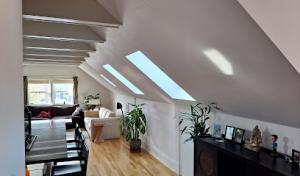
Skylights in this area tend to be a magnet for leaks because moisture sits on the glass and migrates through imperfect flashing, especially after heavy rains followed by cold snaps. In practice, many Middleboro homes show wear around the curb flashing and the step-flashing where it meets the roof plane. When the attic side of a skylight shows any condensation, that's often a sign the sealant and flashing have seen wear from freeze-thaw cycles. If you notice intermittent drips after storms, inspect the curb-to-flashing transition first, then check the roof edge neighboring the skylight for any hairline leaks that could be widening with moisture movement. In older homes, skylight framing can shift slightly over time, widening gaps that become recurring trouble spots. A common preventive step is reapplying or upgrading sealants at the skylight curb and ensuring the metal or plastic flashing sits snugly against the roof surface with a clean, dry backing.
Chimneys remain a frequent source of roof leaks in this market. Flashing around a chimney must contend with caulk and metal flashing that are tested by freeze-thaw movement and wet weather. In Massachusetts homes with aging mortar, the chase and cap can settle or crack, letting water travel down into the brick and behind the flashing. The result is often a slow trickle that eventually finds its way into the attic or interior walls. When addressing chimney work, prioritize replacing weathered step and counter-flashing, resealing the joint between brick and roof deck, and checking the sealant at the chimney cap. If you notice staining on the ceiling near the chimney or damp patches along the wall where the roof meets the chimney, plan a flashing refresh as a proactive measure before spring storms.
Valleys carry a heavy load of water in wet seasons, and the repeated wet weather compounded by freeze-thaw cycles makes valley flashing a critical failure point. Look for lifted shingles, damaged underlayment, or rusted metal in valley channels, and verify that all intersections-where skylights, chimneys, and hips meet the roof-have continuous, properly sealed flashing. In Middleboro's damp inland landscape, small gaps can widen quickly with moisture movement, so routine inspection after heavy rain or thaw periods helps catch problems early. If flashing shows any lift, corrosion, or separation from the roof deck, address it promptly to prevent a larger leak behind the wall or into the attic.
Find contractors experienced in skylight installation, flashing, and leak repairs to bring natural light into your home.
Flat and low-slope roofing is present but secondary in Middleborough, usually tied to additions, porches, garages, and mixed residential-commercial structures rather than dominating the housing stock. Those tight, damp spaces sit near wetlands, cranberry bogs, and inland streams, so standing water and moisture exposure strain the membrane long after winter thaws begin. This climate combination makes the low-slope portion of an addition a frequent source of leaks if not treated with attention to the transition from steeper sections.
During wet springs and rapid freeze-thaw cycles, membrane wear shows up first at seams, penetrations, and transitions to steeper roofs. Look for micro-cracks where the membrane evenings into metal flashings, as well as edge details along eaves and parapets that may already have minor pooling. In additions, the roof-to-wall junctions can develop gaps if flashing is buried or compromised by vegetation or debris. The surrounding moisture-heavy environment accelerates deterioration around skylights, vents, and HVAC curbs, so give those areas a closer look after storms.
Because the local market is primarily re-roofing oriented, homeowners with low-slope sections need to confirm the contractor handles both steep-slope and low-slope transitions correctly. Ask specifically about how they integrate the new low-slope membrane with existing shingle or metal roofs, and whether the flashing details at the wall and gutter lines are upgraded to prevent backflow during heavy rains. Insist on proper membrane termination at field seams, and confirm that edge metal and drip edge work is corrosion-resistant in this damp landscape.
Schedule twice-yearly inspections that focus on the low-slope portion, especially after the wet spring and following any Nor'easter. Keep gutters clear and ensure downspouts terminate away from the addition's foundation. Clean debris from around vent taps and skylines to prevent moisture buildup beneath flashings. If any membrane blisters, punctures, or seam separations are evident, address them promptly with a coordinated repair that preserves the transition to the steeper roof above.
Find specialists in TPO, EPDM, and built-up flat roofing systems for residential and commercial properties.
In Middleborough, weather swings demand you lock in a roofer who can show up when you need them and keep the job moving. Local crews know the inland wetlands, frequent Nor'easters, and the freeze-thaw cycles that stress shingles and flashing. Ask for a schedule window and a concrete plan for the first week, including what storms might push the timeline back. A contractor who measures response time in hours, not days, is the one you want on a leak-prone roof.
The market reflects a lot of long-established or family-owned teams. Those crews often rely on repeat neighbors and referrals, so their bottom line includes a clean property and a tidy job site. When you call references, listen for specifics: punctuality, how they protected landscaping, and how thoroughly they cleaned up after each day. In a town that values steady, person-to-person trust, a contractor that has stood the test of time is often the safer pick.
You're buying more than shingles when you choose a Middleborough roofer. People want project handling: staging work so crews aren't trampling through a yard during storms, containment for debris, and a clear plan for weather delays. Ask how they will protect your landscaping, where they'll stage materials, and how they'll manage daily cleanup. A contractor who demonstrates site control day by day reduces the disruption that heavy rains and damp conditions can cause.
Middleborough homes vary-from Cape-style to ranch to split levels-so the right team has a repertoire of solutions for moisture-driven wear and uneven seasonal moisture. Inquire about their approach to flashing around chimneys and skylights, venting considerations for damp winters, and how they assess the roof deck before laying new material. The best choices come from a crew accustomed to the inland South Shore pattern of moisture exposure and winter wind.