
Last updated: Apr 19, 2026
The cycle of freezing cold nights and thawing days in this area can needle small gaps at flashing, fasteners, and older shingle tabs. Water that seeps into these micro-openings freezes again, expanding and pulling the seams wider with each cycle. Over a season or two, a handful of tiny leaks can become a steady drip during storms or rapid warming spells. If your roof has aged shingles or spots where flashing has seen better days, that cycle accelerates damage at ridge lines, valleys, and around vent pipes. The result is a brittle, weeping roof system that becomes more vulnerable when storms arrive.
Merrimack Valley storms are notorious for delivering sudden, pounding rain and gusty winds that stress a roof just as it's most exposed. Because replacement work often unfolds in a window dictated by weather, leaks become a practical priority during the tear-off and re-roof process. Spring rain can interrupt a planned removal, leaving a partially exposed roof deck, while fall winds can push water under edges that aren't fully secured. Plan for contingencies: have a trusted tarping protocol, and coordinate with crews to maximize a dry window before any major weather pattern hits. Delays aren't cosmetic - they're real risk when the deck is exposed.
Older homes in this market frequently pair roof issues with chimney intersections, where step-flashing and flashing transitions have aged or been compromised by previous work. When contractors advertise chimney-focused services, the opportunity to secure the chimney-side flashing at the same time as a re-roof is high, but the risks are real. Improperly sealed chimney flashings can channel water into interior walls, attic spaces, and ceilings even after a new roof is installed. Expect thorough attention to the chimney boot, the intersection of chimney masonry with the roof plane, and an integrated approach that ties flashing into a continuous water barrier.
As a neighborly reminder, inspect key corners after a heavy storm: look for damp spots near vents, along the chimney, and at all transitions where flashing meets shingles. If you notice curling edges, loose fasteners, or granular loss on shingles near penetrations, treat it as a warning sign. When planning replacement, prioritize crews that commit to complete flashing restoration around chimney lines and valley intersections, not just shingle replacement. Ask about reinforcing step-flashing with corrosion-resistant metal, using sealants that tolerate freeze-thaw cycles, and ensuring a tight drip edge along eaves. Have temporary protection ready for any mid-project exposures, and align the schedule to minimize wind-driven or heavy-rain interruptions that can compromise a sealed roof deck. A proactive, detail-focused approach now reduces the risk of costly leaks once long winter returns.
In this town, the best window for a full roof replacement slides with the seasons rather than sticking to a strict calendar. Winter access problems and the risk of storms make late fall or mid-winter work fragile in practice, while spring rain can stall progress and soak underlayment before it cures. Summer heat adds its own demands on moisture control and material handling. The sweet spot tends to be the shoulder seasons-late spring and early fall-when access is clearer, weather is milder, and crews can maintain steady progress without battling prolonged heat or deep freezes. Planning around a stretch of reliable dry days helps a project stay on track and reduces the likelihood of weather-driven delays.
Hot summer conditions here affect installation handling and moisture control. Shingle bundles can blister, and adhesive- or sealant-driven steps may work less predictably when temperatures rise, so crews often adjust timelines to install during cooler parts of the day and to leave drying periods between coats. Cold-season work raises concerns about brittle materials and safe roof access for workers moving across wet or icy surfaces. Freezing temperatures can slow nail-driven steps and complicate flashing work around chimneys and vent collars. Both extremes demand tighter scheduling and more careful staging of materials, especially on older homes already showing signs of flashing or chimney vulnerability.
Because weather-related scheduling adjustments are common with local permit inspections, homeowners in North Andover benefit from planning full replacements before the late-fall weather squeeze. If a replacement must happen in late autumn, anticipate possible squeezes where inspections and weather windows collide, and build a contingency plan for a post-inspection follow-up if needed. For homes in older neighborhoods with varied rooflines, you may encounter additional coordination needs around multiple access points and ridge vents. In newer subdivisions, asphalt re-roofing tends to proceed smoothly when a window opens, but still benefits from a pre-season checklist and a clear sequence of steps to minimize risk during heat or late-season wind events. Coordination with crews who understand local wind patterns and common leakage points-near valleys, joints, and chimney flashings-reduces surprises in the middle of a busy season.
Target a broad, dry weather window, reserve a few reserve days for adverse forecasts, and align the project with times when access routes and driveways are unobstructed by snow or ice. Ensure the crew has staged materials to prevent long in-and-out trips during peak heat or cold snaps. Communicate known vulnerable spots-old flashing at chimneys, skylights, and roof-to-wall transitions-so the team prioritizes their attention during the initial phases. With North Andover's climate, clarity and flexibility in scheduling are as valuable as the shingles themselves.
Get a clear picture of your project costs upfront - no commitment required.
Prestige Roofers, LLC. Roofing , Siding & General Construction
Serving
4.8 from 17 reviews
Asphalt shingles remain the dominant practical choice in this market because they fit the large re-roofing activity and match the broad range of colonial, cape, and subdivision-style homes found in the area. For most homeowners, asphalt offers a straightforward installation, solid wind resistance in our seasonal storms, and a broad selection of colors that can mimic older appearances while delivering reliable performance in freeze-thaw cycles. When choosing asphalt, focus on a shingle with a high wind rating and a robust warranty, and consider a layered composition to gain extra durability against the frequent temperature swings that stress roof edges, valleys, and flashing details.
Slate and copper remain locally relevant on older and higher-end homes where preserving architectural character matters as much as lifespan. Slate delivers exceptional durability and a traditional aesthetic that suits historic appearances, but it comes with higher upfront costs and a need for careful support and anchoring, especially on structures that have experienced shifts from freeze-thaw cycles. Copper offers a distinctive look and long service life, with natural resilience to weather and fasteners that age gracefully. In this part of Essex County, these materials are rarely the first choice for a full replacement, but they are a meaningful option for restoration projects, where the goal is preserving historic silhouette and craftsmanship while still maintaining performance against winter stresses.
Clay tile, concrete tile, and fiber cement shingles are available in the market, but they require careful structural and flashing planning in a climate with freeze-thaw stress. Clay and concrete tiles are heavier, and the roof structure must be evaluated to support the load over time, especially on older homes with limited attic space and retrofit opportunities. Both tile types demand precise flashing around chimneys, vents, and dormers to mitigate leak risk from winter storms and rapid thaw cycles. Fiber cement shingles offer a practical middle ground, combining some of the durability characteristics of tile with easier installation and lighter weight. For any of these options, ensure the roof deck and support structure can handle the sustained freeze-thaw movement, and work with a contractor who has experience integrating these materials into homes with traditional layouts.
Older houses often carry complex rooflines, multiple chimneys, and variable flashing details that amplify leak risk during winter storms. In this context, asphalt shingles provide a balanced, versatile approach for most projects, while slate and copper can be reserved for critical restoration or high-end updates. If exploring tiles or fiber cement, prioritize structural assessments and meticulous flashing plans to withstand repeated freeze-thaw cycles and heavy Nor'easter winds. When choosing materials, align the selection with the home's architectural character, roof geometry, and your tolerance for maintenance over the roof's expected life.
In this area, full re-roofing is common because the winter freeze-thaw cycle and heavy spring storms stress roofs year after year. Projects often get delayed by weather, so crews plan staggered work to protect landscaping and manage debris on established residential lots. If a home has mature trees, expect extra time and careful filtration of debris, plus seasonal tie-in for attic ventilation and downspouts to avoid ice dam trouble when the next cold snap hits. On older homes, the work tends to be more labor-intensive because flashing around chimneys, valleys, skylights, and detailed trim is prone to leaks and needs careful sealant work, metal flashing integration, and precise shingle interlayment.
Material pricing spans a broad range, reflecting the mix of houses and preferred aesthetics in town. Asphalt shingles sit in the 450 to 900 USD per square band, making them the most common choice for cost-conscious aging homes that still need dependable protection against storms. Fiber cement shingles run 700 to 1100 per square and offer better long-term resistance in some seesaws between temperature fluctuations and moisture. Concrete tile typically falls 1100 to 2000 per square, while clay tile is 1400 to 2500 per square, which is more common on newer construction with stronger roof decks. Slate roofs range from 2800 to 5500 per square, and copper roofing climbs 3000 to 6000 per square, often reserved for high-end massing or specialty homes. These prices reflect what local crews encounter when coordinating around weather delays and keeping property lines clean.
For an older North Andover home needing detailed flashing and trim, expect labor costs to rise beyond a simple shingle replacement due to chimney work, valley reinforcement, and precise flashing detailing. In newer subdivisions, asphalt or fiber cement shingles still cover most re-roofs, but the installation may be quicker and cleaner, with less incidental trim repair. When budgeting, plan for the full scope: tear-off (if needed), underlayment, ventilation adjustments, drip edge, flashing at chimneys, roof-to-wall connections, and meticulous cleanup. Weather windows will dictate scheduling, so set aside a buffer for potential delays and for protecting shrubs, mulch beds, and delicate foundation plants during disposal and material staging.
If you're weighing options, asphalt shingles remain the practical baseline for most homes, with fiber cement as a durable middle ground. For specialty or long-term curb appeal, slate or copper bring premium benefits but require a larger upfront investment. Across the board, ensure the chosen contractor accounts for the local realities-storm-driven leak risk, freezing cycles, and careful landscaping protection-so the project withstands the next season without repeat repairs.
ASAP Roofing & Construction
(978) 662-8974 www.asapconstructionllc.com
369 Waverly Rd, North Andover, Massachusetts
5.0 from 33 reviews
We are ASAP Roofing and Construction, a remodeling and building team serving residential and light-commercial projects with practical, detail-focused workmanship. We handle kitchen and bathroom renovations, basement and garage updates, home additions, and new construction from the ground up. Our scope also includes decks and porches, trim work, doors and windows, plus drywall and metal framing when a space needs a clean reset. We work with a clear process: documenting the plan, carefully preparing surfaces and structures, and finishing with an eye to durability and everyday function. Integrity and straightforward communication guide how we schedule, coordinate, and respond to questions, so projects feel steady, transparent and well-managed.
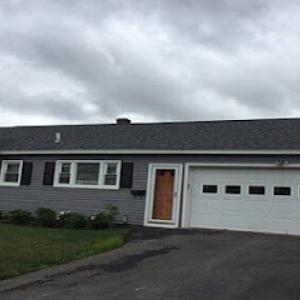
Damphousse Roofing LLP
(978) 683-4588 www.damphousseroofingllp.com
87 Belmont St Suite B, North Andover, Massachusetts
4.8 from 5 reviews
Damphousse Roofing LLP is a local, family-owned and operated company that provides services for roofing, siding, and windows. We pride ourselves on exceeding expectations and finishing projects ahead of schedule and within our clients' budgets.
Howard Construction
(781) 557-4657 www.howardconstructionma.com
2302 Turnpike St, North Andover, Massachusetts
5.0 from 4 reviews
Howard Construction provides roofing, gutter, downspout, and general construction services to the greater Boston, MA area.
Roy Roofing
1 Campbell Rd, North Andover, Massachusetts
4.0 from 4 reviews
Roy Roofing is a top rated roof replacement company | roofing contractor in North Andover MA. We have been replacing roofs in North Andover and other local towns for over 10 years. We have over 30 years of experience in the construction and roof contracting industry. We always aim to please and like we say here at Roy Roofing " We've got you covered" We install new roofs in the Merrimack Valley, Andover, North Andover, Methuen, Haverhill, Groveland, Boxford, and Georgetown are just a few of the areas we do roof replacement, roof installation, and inspections. Give us a call today and let us take care of your new roof.

Nick Tracey Roofing & Exteriors
(978) 581-3528 nicktraceyroofing.com
Serving
5.0 from 17 reviews
At Nick Tracey Roofing, we specialize in a wide range of roofing services including installation, repair, maintenance, and replacement. Whether you need a small repair or a complete roof overhaul, our team of skilled professionals is dedicated to providing superior craftsmanship and reliable solutions tailored to meet your specific requirements. Asphalt Shingles, Metal Roofing, EPDM Rubber Roofing, and Skylights.
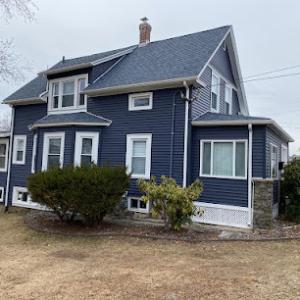
Paradise Remodeling
(781) 732-0203 www.paradiseremodelinginc.com
Serving
5.0 from 34 reviews
Paradise Remodeling is a trusted home improvement contractor based in Methuen, Massachusetts, proudly serving homeowners across the region since 2012. We specialize in roofing, siding, skylights, doors, and windows, offering high-quality craftsmanship and a customer-first approach on every project. As a fully licensed and insured contractor, Paradise Remodeling delivers reliable and efficient service with a strong commitment to durability, energy efficiency, and curb appeal. Whether you’re looking to enhance your home’s exterior, upgrade your roof, or improve natural lighting with skylights, our experienced team brings over a decade of expertise to every job. From the initial consultation to project completion, we prioritize your sati.
Commonwealth Roofing & Siding
(800) 672-7497 cwroofandside.com
Serving
5.0 from 52 reviews
As a licensed roofing and siding company, you can trust our highly skilled team of professionals to provide you with efficient and effective solutions after a complete evaluation of your needs. Offering the best performing roofing systems and beautifully customized exteriors tailored to your taste and budget that will last years and withstand the test of time and environment.
Big Sky Roofing & Restoration
(857) 800-1658 bigskyroofingrestorationllc.com
Serving
5.0 from 11 reviews
Roofing services Siding’s services Metal roofing EPDM robber roof Skylights replace Free inspection Gutter cleaning

Prestige Roofers, LLC. Roofing , Siding & General Construction
Serving
4.8 from 17 reviews
"Specializing in roofing, siding, gutters and general construction we’re the New England area’s trusted contractor. Call or click for a free estimate." flat roofers metal roofers near me metal roofers roofers local roofers roofers contractors near me roofers companies roofers repair near me rubber roofers residential roofers local roofers near me roofers contractors roofers company roofers near me commercial roofers roofers in my area best roofers near me roofers residential roofers near me best roofers roofers recommended roofers near me roofers near me with free commercial roofers
RJ Talbot Roofing & Contracting
(978) 361-6129 talbotroofing.com
Serving
4.9 from 87 reviews
RJ Talbot Roofing & Contracting provides residential and commercial roofing services, installation, and repairs to the greater Haverhill, MA area.
Town Roofing
(781) 426-1087 townroofing.com
Serving
4.7 from 18 reviews
Welcome to Town Roofing, your trusted roofing contractor serving Methuen, MA, and the surrounding areas. As a family-owned business with three generations in the industry, we pride ourselves on delivering exceptional roofing services to homeowners and businesses alike.
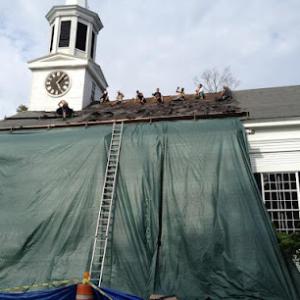
Couture's Construction
(978) 552-9964 couturesconstruction.com
Serving
5.0 from 31 reviews
We are a family-run, owner-operated, fully licensed and insured construction company that specializes in (but not limited to) roofing, siding, windows, decks, and doors. In addition to installation of the above products, we also offer repair services to allow you to get the most out of all the elements of your home or business.
When you swap out a full roof, a building permit is typically required in North Andover. It's not treated as a no-paperwork maintenance item, even if the project seems straightforward. The permit process acts as a baseline check to ensure the roof design, flashing, and underlayment meet local expectations and the unique weather stresses this area sees each winter. Skipping or delaying the permit can lead to penalties or later rework, especially if adjacent work like flashing or chimney detailing is discovered to need adjustment.
The North Andover Building Department reviews the scope of work carefully, not just the shingles themselves. They look at how the underlayment is installed and how flashing details are integrated around valleys, vents, and chimneys. Documentation quality matters before work starts, because a clean, complete plan helps minimize surprises during inspections. Prepare schematics or notes that show roof sections, fastener patterns for the chosen sheathing, and a clear sequence for removal and replacement. If you have complex flashing around a masonry chimney or a dormer, include close-up drawings or product data for those details.
Inspections are scheduled during and after installation to confirm code compliance. Expect reviews at key milestones-after the deck, after underlayment and flashing, and finally after the new roofing is in place. The department's eye for detail can catch issues that might otherwise manifest as leaks after a freeze-thaw cycle or a storm. If an inspector flags something, it's not a personal critique; it's a chance to correct a potential failure before it becomes costly. Be prepared to adjust sequencing or re-flash a corner if necessary.
Expect occasional weather-related timing changes. North Andover winters can compress schedules or shift crews, and a heavy storm window can push inspections back a few days. Minor processing quirks may occur depending on department workload, so a delay in a permit review doesn't necessarily reflect the quality of your contractor's work. Stay proactive by confirming appointment times the day before and keeping a clear line of communication with your contractor about any requested resubmissions.
Coordinate the permit timeline with your roofing contractor so that work aligns with inspection windows. Share the approved plan and any inspector notes with subcontractors so flashing and underlayment practices stay consistent with the expectations. A well-documented process reduces the risk of rework and helps ensure the roof holds up through North Andover's freeze-thaw and storm seasons.
In Massachusetts, roof replacement coverage generally remains available, but claims here are often shaped by older roofs, winter damage, and storm-event timing rather than by hail-driven loss patterns common elsewhere. The freeze-thaw cycle and heavy winter snows can push long-standing weakness over the edge, so a claim may hinge on whether damage appeared after a recent storm or grew from gradual wear. Understanding this nuance helps you set expectations with your insurer and your roofer.
Adjusters evaluating North Andover roof claims benefit from dated photos, contractor estimates, and clear documentation showing whether damage came from a recent storm or long-term wear. Start with photos that show the roof both before and after the event, focusing on flashing, chimney details, penetrations, and any ice dam-related trouble spots. Collect a few independent estimates to demonstrate typical repair or replacement scopes. If a recent wind or snow event is claimed, keep a log of the date and the weather conditions, plus any accompanying damage inside the attic or ceilings.
Carriers may look at existing shingle warranties and any material upgrades when assessing depreciation, so homeowners should keep records before authorizing replacement. If the roof has upgrades-higher-quality shingles, upgraded underlayment, or better flashing-these documents can affect how much depreciation is applied. Store warranty cards, purchase receipts, and installation dates in a dedicated file. When talking to the adjuster, clearly link the observed damage to specific storm dates or to documented wear patterns that align with long-term deterioration rather than a single event. By organizing this information in advance, the path from claim to coverage becomes more straightforward for a roof in this climate.
Connect with contractors who help homeowners navigate the claims process from damage assessment to final approval.
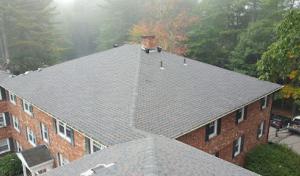
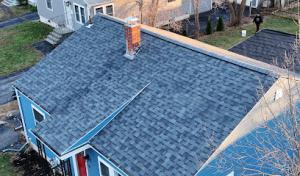
Chimneys are a frequent trouble spot in this town, where exterior work around them is common among local roofing crews. The combination of freeze-thaw movement and seasonal storms makes flashing and transitions around the chimney prone to failure if not kept watertight. Look for staining or peeling interior paint near the chimney chase, spalling brick, and any visible gaps where step flashing meets the siding. If a contractor recently did chimney work, question whether the surrounding flashing was integrated with the roof's plane and if kick-out flashing is directing water away from the chimney base. In homes with notched or stepped roof lines, ensure the counter-flashing seats correctly and remains locked in place after wind events. A small misalignment here can channel water down the wall and into the attic over time, even when the rest of the shingles look sound.
Skylights deserve special attention because freeze-thaw movement and wind-driven rain can reveal weak curb and flashing details during storms. Inspect the skylight curb for hairline cracks, compromised sealant, or misaligned flashing that allows water to creep under shingles during a heavy shower. If the skylight sits over a valley or near a roof plane transition, differences in substrate movement can loosen fasteners or warp the frame, creating a slow drip that worsens with each freeze-thaw cycle. During a storm season, pay extra attention to any attic condensation or damp spots directly under the skylight, which signals a potential leak pathway through the curb or flashing.
On older homes, leak tracing often centers on valleys, flashing transitions, and penetrations rather than on field shingles alone. Valleys can fail where metal flashing has developed gaps or where the asphalt seams have begun to separate. Transitions between roofing materials or at vent pipes, TV antennas, and chimneys require meticulous flashing detail and proper sealant in a way that accommodates seasonal movement. If you notice any telltale signs of moisture-stains along ridges, bubbling in interior paint, or a musty attic-inspect these junctions first. Investing in targeted flashing repairs here often pays off more than chasing leaks mid-season, especially after a harsh winter or a severe storm.
Find contractors experienced in skylight installation, flashing, and leak repairs to bring natural light into your home.

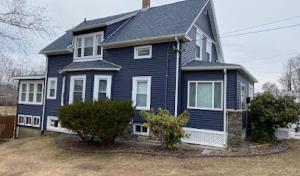
In this market, you want a contractor who can respond promptly after a leak or storm and leave the job site clean each day. Ask how they protect your landscaping, siding, and driveway during the project, and what their debris removal plan looks like on days when shingles, nails, and metal flashing are being replaced. Quick response matters, but cleanup matters just as much in a town where yards and driveways double as staging areas during a storm season.
North Andover has a mix of firms with deep roots and newer operators racing to book the next call. Clarify who will manage permit coordination and who follows up for inspection callbacks with the town. If the crew changes mid-project, ask for a point of contact who will stay with you from start to finish. You want a contractor who can be accountable throughout the process, not just a first-visit pitch.
Given the housing mix, many homeowners end up re-roofing more often than pursuing specialty restoration. For slate, copper, or tile, you must confirm direct, current experience with those materials before signing. These jobs require different fasteners, underlayment, and flashing details to stand up to freeze-thaw cycles and storm-driven leaks. If a contractor regularly handles asphalt but seldom works with slate or copper, that gap can show up in wind-driven leaks or freeze-thaw cracking a few seasons down the line.
Ask for a proven plan to manage ice dam risk and wind-driven rain near chimneys and dormers. Request references from neighbors with similar roof types, especially those who faced harsh winters and sudden storms. A reliable roofer will present a straightforward checklist: site protection, material handling, debris removal, and a clear line of communication from the initial estimate through the final inspection.