
Last updated: Apr 19, 2026
Cold, snowy winters push ice dams to the forefront of roof concerns in this city. Freeze-thaw cycles in the Merrimack Valley drive snow to melt during the day and refreeze at night, creating an icy edge along the eaves. When gutters and downgraded overhangs carry meltwater back up under shingles, leaking follows. You can see staining on ceilings and attic warmth a few hours after a thaw, long before spring emerges. This isn't cosmetic-water infiltration can undermine insulation, rot roof decking, and ruin interior finishes. In this climate, every melt event is an alarm bell.
Older homes and multifamily houses in the area often have ventilation and insulation imbalances that let heat escape into the roof deck. That heat melts snow from the interior side of the roof, feeding the ice dam from above and leaving a concentrated pool of water at the eave. In practical terms, that means you might see wet ceiling spots in upper units or near exterior walls after a heavy thaw. The effect is amplified on roofs with aging flashing and compromised underlayment. If attic insulation isn't sealed and vented properly, warm air climbs and freezes at the edge, creating a stubborn dam you'll fight all winter.
Heavy snow accumulation doesn't just test a roof's surface-it tests the entire assembly, including framing, fascia, and flashing. In aging asphalt roofs, repeated cycles of heavy snow followed by rapid melt can push shingles upward, lift flashing out of alignment, and develop micro-leaks before the next thaw. The risk rises with taller eaves and long roof runs common on older multifamily homes. If soffits are blocked or vents are undersized, the problem compounds, leaving you with persistent leaks that mimic a spring problem even in midwinter. The message is simple: assume every significant snowfall adds load that your roof must bear, and check that the flashing, decking, and gutter system can manage that stress.
Start by inspecting for signs of heat leakage into the roof space. Look for unusually warm attic air along the ridge line during cold snaps, especially on brighter sunny days when the temperature dips after sunset. If you see damp spots or frost around the attic vents, that's a red flag for ventilation gaps or insulation that isn't doing its job. Addressing these gaps is a high-priority action to reduce ice dam formation. In non-failing systems, ensure attic baffles are in place so soffit vents stay clear and airflow remains uninterrupted from eave to peak. If you notice ice buildup at the eaves, that's your cue to consider a more robust ventilation balance and, where needed, targeted heat control in the attic, not just on the roof surface.
If interior signs of water appear after a thaw, or if ice dams persist after several cycles, it's time to bring in a roofing professional. A local pro will evaluate underlayment integrity, flashing connections around chimneys and vents, and the overall ventilation scheme in the attic. They'll check attic insulation for gaps that can let heat rise into the roof structure. A quick, thorough assessment now can stop small leaks from turning into bigger repairs later and help stabilize the roof's performance through the rest of the winter. Remember, the goal is to reduce heat transfer to the roof deck, improve drainage away from the eaves, and reinforce vulnerable flashing before the next round of storms.
Asphalt shingles dominate the roofscape of Lowell, and that makes them the material most directly affected by the city's combination of winter snow, spring wind events, and humid summers. The way snow piles and freezes, then thaws and shifts, plays out differently on these roofs depending on attic ventilation and underlayment. When the attic breathes well, the heat loss that drives ice dam formation in winter is reduced; when ventilation is weak, heat buildup from humid summers accelerates aging and can shorten shingles' life. This is a practical reality on older housing stock where original attic venting often isn't ideal. Understanding that dynamic helps you spot problems before they lead to leaks in the spring.
In Lowell, spring wind and hail events commonly show up first as lifted tabs, granule loss, and ridge damage on asphalt roofs. A quick seasonal check after heavy snowmelt or a windy day can prevent bigger issues. Lifted tabs indicate that edge protection has been compromised, which lets wind drive water under the shingles. Granule loss exposes the underlying felt and decking to the sun, accelerating aging and future leakage. Ridge damage acts as a gateway for water and ice to reach the roof deck more easily. If you notice any of these cues, map the affected area and plan a targeted inspection before the next cycle of storms.
A recurring issue on older housing stock is insufficient attic ventilation, which compounds the effects of both winter snow load and summer humidity. Ensure you have a balanced intake and exhaust setup to keep attic temperatures closer to outside conditions. In winter, a cooler attic reduces the rate of ice dam formation on the lower edges of shingles. In summer, proper ventilation helps shed heat and moisture, slowing the deterioration of underlayment and shingles themselves. If a contractor identifies inadequate soffit or ridge vents, address it as part of your roofing project so the asphalt shingles have a cooler, drier environment to perform in.
Corral a habit of light, proactive maintenance rather than waiting for a noticeable leak to show up. After heavy snow events, perform a walk-around to look for lifted tabs or missing granules. In the spring, inspect for wind damage on ridges and valleys, paying attention to any signs of moisture intrusion at the junctions. When contractors perform roof work, emphasize sealing around penetrations and ensuring that the underlayment overlaps correctly at the eaves-these details matter in a climate where melting snow can refreeze and push against vulnerable seams.
Start with a basic attic vent assessment: confirm there is a clear path for air to flow from soffits to the ridge. If attic temperatures feel markedly warm during the humid months, consider adding or upgrading vents to restore airflow. On the roof, use a ladder-door or a helper to verify that the edge tabs lay flat and the granules appear uniform. Note any ridge or valley damage so you can prioritize repairs before the next spring windstorm. By marrying attentive maintenance with the realities of Lowell's winter-spring cycle, asphalt shingles can deliver reliable protection for many seasons.
The most popular roofing material in the US. Find pros who install, repair, and replace asphalt shingles.
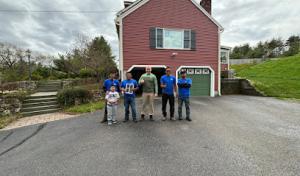
Rangers Roofing & Services
(978) 726-0171 rangerservicesincma.com
157 A St, Lowell, Massachusetts
5.0 from 37 reviews
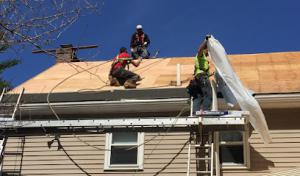
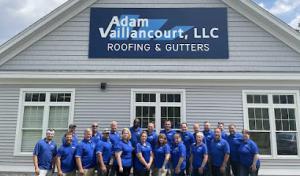
Adam Vaillancourt Roofing & Gutters
(978) 396-4214 www.adamvroofing.com
Serving
4.9 from 168 reviews
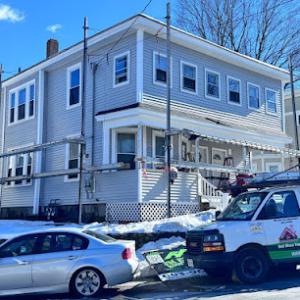
JM Exteriors Roofing Siding
(978) 635-6536 jmroofingsiding.com
21 Wedge St, Lowell, Massachusetts
5.0 from 143 reviews
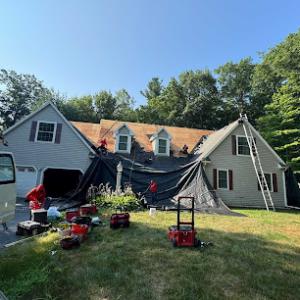
🏠 JM Exteriors Roofing Siding is your go-to expert for top-quality roofing and siding services in Lowell, MA, and nearby areas. We combine experience, professionalism, and attention to detail to protect and beautify your home. From roof repairs to siding installations, we ensure durable results with exceptional care and craftsmanship. Let us bring your vision to life! Call today for your FREE estimate and experience the difference of working with a dedicated team.
Joe's Roofing Lowell
(603) 952-1684 joesroofingconstruction.com
170 Mt Hope St, Lowell, Massachusetts
4.9 from 136 reviews
Joe's Roofing handles roof repairs, replacements, and exterior work throughout Middlesex County. Based in Lowell since 2023, our licensed team serves Billerica, Chelmsford, Tewksbury, Dracut, Tyngsborough, Westford, Andover, and Bedford. We fix leaks, replace roofs, install siding and gutters, repair skylights, and respond to storm damage. All roof inspections are free with no obligation. We help with insurance claims—documenting damage and working directly with adjusters to get you covered. Emergency service available 24/7 for urgent repairs that can't wait.
Michael's General contractor
(978) 332-6126 www.michaelsgc.com
32 Hampshire St, Lowell, Massachusetts
5.0 from 46 reviews
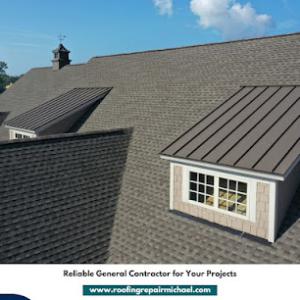
Michael's General Contractor is a leading provider of comprehensive construction solutions, specializing in general contracting services with a distinct focus on roof repair. With a wealth of experience and a commitment to quality craftsmanship, we deliver tailored solutions to residential and commercial clients alike. Our expert team ensures every project is executed efficiently, meeting the highest industry standards. Trust Michael's General Contractor for all your construction needs.
Rangers Roofing & Services
(978) 726-0171 rangerservicesincma.com
157 A St, Lowell, Massachusetts
5.0 from 37 reviews
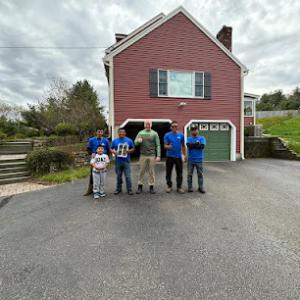
Rangers Roofing & Services is a trusted roofing contractor in Lowell, MA serving homeowners and businesses throughout Greater Lowell. With 10+ years of experience, our licensed & insured team delivers residential roofing and commercial roofing: roof repairs, roof replacement, new roof installation, storm damage restoration, flat roofing, asphalt shingles, flashing, ventilation, leak detection, and roof inspections. We also install siding and seamless gutters. Need help with an insurance claim? We document damage with detailed photos, provide a clear repair quote, and can be on-site with the adjuster. Bilingual service: English & Español. 24/7 emergency roofing available. Local roofing company - free estimates. Call now for fast service.
Jcr Pro Winner Construction
(978) 726-8003 jcrprowinnerconstruction.com
203 Baldwin St, Lowell, Massachusetts
5.0 from 35 reviews
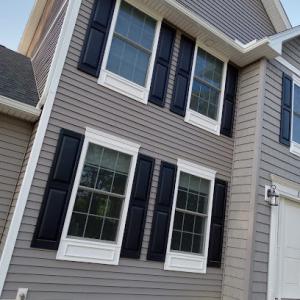
Welcome to JCR Roofing! Your comprehensive destination for home protection and improvement At JCR Roofing, we take pride in offering a complete range of services to strengthen and beautify your home. Discover what we can do for you: Roofing From quick repairs to complete installations, trust our roofing expertise to provide you with maximum durability and style. We protect what you love most with superior quality roofs. At JCR Roofing, our commitment is to provide you with: -Proven industry experience - High-quality materials - Trained and professional staff -Customized solutions for every customer Trust us to strengthen and beautify your home. Contact us today for a free inspection and find out how we can make your home
Quality Expert Roofing
(978) 221-1415 qualityexpertroofing.com
69 School St, Lowell, Massachusetts
4.9 from 17 reviews
We specialize in providing top-tier residential and commercial roofing services, always prioritizing quality and customer satisfaction. Our dedicated team ensures that every project is handled with care, precision, and expertise. Whether you need minor repairs or a complete roof replacement, you can trust our skilled professionals to deliver exceptional service tailored to your unique needs.
Top Notch Roofing
(978) 328-6134 topnotchroofingma.com
16 Campaw St, Lowell, Massachusetts
4.8 from 19 reviews
Top Notch Roofing is a specialized roofing contractor providing residential and commercial roofing solutions across Massachusetts and New Hampshire.
SJP Construction
(978) 905-0471 sjpconstructioninc.com
40 Boylston St, Lowell, Massachusetts
5.0 from 5 reviews
SJP Construction INC has been a trusted name in roofing services for 14 years, serving homeowners and businesses in Lowell, MA, and beyond. Our company was founded on the principles of integrity, quality workmanship, and customer satisfaction. Over the years, we have built a solid reputation as a reliable roofing contractor, offering a full range of roofing solutions that include repairs, maintenance, and new installations. Our skilled team brings a wealth of knowledge and experience to every project, ensuring that our clients receive the best possible roofing service.

JP group LP
82 Boylston Ln #19, Lowell, Massachusetts
5.0 from 4 reviews
JP group LP we specialist in flooring, siding, gutters, roofing, drywall, paint, demolition and more. We characterize ourselves with integrity, trust and innovation are the principles by which we are governed.

Guthrie Home Improvement
(978) 815-8723 www.guthriehi.com
14 Belle Ave, Lowell, Massachusetts
4.0 from 8 reviews
Guthrie Home Improvement specializes in Roofing, Siding, Gutters, Windows, and Doors. Roofing: We offer new roofs, total roof replacement, rubber roofing, and repairs. Gutters: We provide seamless gutter installs and gutter cleaning. Windows: we are a complete replacement window company; in addition to replacement windows, we offer new construction windows, bay and bow windows. Roofing, Gutters, and Replacement Windows are not all we do. We also offer a wide variety of siding. No job is too big or too small for Guthrie Home Improvement, which is the perfect choice for your next home improvement project. Contact us today for a free estimate at 978-815-8723
Ab-Tec roofing & Home Improvement
Serving
4.9 from 35 reviews
ALL TYPES OF SLATE AND COPPER ROOFING AND GUTTERS SNOW RAILS painting carpentry AND HOOKS.rubber roofing and repair s. Asphalt shingle replacement. Chimney repairs.
Manny's Roofing
(978) 703-3167 www.mannysroofing.com
Serving
4.9 from 32 reviews
Commercial or residential, Manny’s Roofing is the number one roofing company in Massachusetts. Our experienced team provides superior roof replacement services and roof repairs, gutter replacement, skylight installation, and siding repair and replacement. You can rely on our fully licensed and insured professionals to provide exceptional work. With vast experience in many areas, Manny’s Roofing assists in several aspects of your roofing project. We save our customers both time and money by providing a multifaceted service while keeping your project on track. Contact us today for a FREE estimate.
A full reroof in Lowell typically requires a permit through the City of Lowell Inspectional Services. Skipping the permit can lead to sleepless nights when a snag surfaces during a later buyer's inspection or an unexpected code review. The city is careful about underlayment, ventilation, and how shingles are attached, especially on older multifamily and mill-era homes that still line many blocks. The permit process isn't a wall to climb around; it's a structured checkpoint that helps ensure the roof will perform through long Lowell winters and heavy snow. Treat the permit as part of the project's essential planning, not an afterthought.
Lowell commonly uses a rough inspection during the project and a final inspection after completion rather than only checking the roof at the end. During rough inspection, the inspector may verify that underlayment is properly installed, that the roof deck is sound, and that fasteners and flashing meet code expectations. A final inspection typically confirms that the work aligns with the approved plan and that ventilation details are correctly executed. If any of these items aren't lined up, the permit can be held or a stop-work order could be issued until corrections are made. Knowing this ahead of time helps avoid delays that can drag into the winter season.
Inspectional Services may require documentation on shingle type, underlayment, and roof venting. It is not unusual for the department to request product specifications, attic ventilation calculations, and roof vent placement diagrams. Have a clear, labeled set of materials information ready to accompany the permit application and any requested revisions. If the project stalls because a material change happened, be prepared to file amendments so the final inspection can proceed. The more detailed the submission, the smoother the process tends to run.
Permits can expire if the project is delayed too long, so establish a realistic schedule that accounts for winter weather windows and potential permit reviews. In practice, that means coordinating closely with the roofing crew to maintain steady progress and keeping sight of the permit expiration date. If a delay occurs, don't assume nothing can be done; contact Inspectional Services promptly to discuss options for extending the permit or adjusting the plan. Planning with these realities in mind helps keep a re-roof on track and reduces the risk of winter-related setbacks.
In this area, asphalt shingles typically run about 350 to 750 USD per square, metal roofing 650 to 1200, clay tile 900 to 1800, concrete tile 800 to 1600, wood shingles or shakes 600 to 1100, and synthetic or composite shingles 500 to 900. Those numbers cover basic replacement, with typical homeowners paying for a standard 1,000-square-foot roof in easily foreseeable ways. If your attic and deck are in solid shape and ventilation is decent, you'll stay near the lower end. If you're dealing with older decking or substantial flashing around chimneys and dormers, costs push toward the higher side.
Costs in Lowell can rise on older homes where tear-off reveals decking repairs, ventilation upgrades, or flashing work around chimneys and dormers common in the local housing stock. Those fixes are not optional if you're trying to stop leaks from winter freeze-thaw cycles. A simple shingle swap can become a full replacement with deck re-nailed sections, new underlayment, and upgraded soffit or ridge vents. Planning for those contingencies is prudent if the roof has seen decades of snow and ice dam pressure.
Winter damage and spring storm demand can tighten contractor schedules in Lowell, which can affect pricing and replacement timing. If a harsh stretch leaves a backlog, you may face longer waits and slightly higher bids due to limited crews. Conversely, a mild stretch can bring more competitive pricing. If you're balancing a roof fix with spring melt and runoff, coordinating a mid-season replacement can help avoid peak winter delays and reduce the risk of secondary leaks during thaw cycles.
Start with a frank inspection to determine whether you'll need a straight shingle swap or a more thorough upgrade (underlayment, ventilation, flashing). Get three written estimates that itemize tear-off, disposal, decking work, underlayment type, and ventilation upgrades. Ask for a breakdown of material grades within each option, since higher-grade underlayment or metal panels can alter the cost delta substantially. Finally, confirm the bid includes full cleanup and a solid warranty to cover winter-time leak risk.
Massachusetts homeowners in Lowell commonly file wind and hail claims when storms damage shingles, especially after spring weather events. The tight-knit stock of older multifamily and mill-era roofs means a single heavy wind gust or hail shower can punch through years of wear. If you spot lifted shingles, bruising, or granule loss after a storm, start documenting right away. Your first photos should capture the overall roof, close-ups of damaged areas, and any ice dam-related melt lines that hint at leaks entering through the attic. Delays invite adjusters to question the extent of pre-existing wear and can complicate coverage under given policy language. Acting quickly also helps you establish a clear timeline for repairs before melt cycles reset the clock on any temporary fixes you might implement.
Adjusters in this market may ask for photos of the pre-loss roof condition and installed underlayment, making early documentation especially important after a Lowell storm. Before you call in a contractor, gather daylight photos of the entire roof, plus attic images showing insulation depth, ventilation, and the underside of any damaged decking if you can access it safely. If you have recent inspection notes or maintenance records, keep those handy to compare with current visuals. A well-documented history helps you demonstrate whether flashing, underlayment, and ventilation were properly installed before the damage, which can influence both claim approval and repair scope. Have your insurer-specific photo requirements in mind, and deliver images in a timestamped sequence.
Insurers may look for proper ventilation and matching shingles when evaluating repairs and warranty-related issues on reroof projects. Poor attic ventilation compounds winter leaks and snow load stress, so verify that soffit and ridge vents are intact and clear, especially around older vent stacks and chimney penetrations common on mill-era homes. When choosing replacement materials, aim for color and profile that closely match existing shingles to avoid claim disputes later on. If a contractor recommends a full roof replacement, request a side-by-side comparison showing how the new underlayment and ventilation upgrades reduce ice dam risk and improve long-term performance. Prompt, organized communication with the insurer and the contractor helps secure a smoother, faster settlement and a more durable repair outcome.
Connect with contractors who help homeowners navigate the claims process from damage assessment to final approval.
Joe's Roofing Lowell
(603) 952-1684 joesroofingconstruction.com
170 Mt Hope St, Lowell, Massachusetts
4.9 from 136 reviews
Michael's General contractor
(978) 332-6126 www.michaelsgc.com
32 Hampshire St, Lowell, Massachusetts
5.0 from 46 reviews
Rangers Roofing & Services
(978) 726-0171 rangerservicesincma.com
157 A St, Lowell, Massachusetts
5.0 from 37 reviews
Freeze-thaw cycling in this climate tends to expose weak flashing at chimneys and skylights before the main field shingles show wear. In older homes with masonry intersections, a small crack or loose step flashing can widen quickly as ice forms in eaves and along parapets. When you see daytime thaw dripping at a chimney chase or skylight, treat it as a sign to recheck flashing, not only the shingle surface. The order of failure often starts at the penetrations, then moves across the roof as spring rains intensify meltwater.
Chimneys sit on a brick or block wall that meets the roof plane, and those connections are a frequent leak source in this market. Masonry joints, mortar, and chimney cricket play a big role in how water routes around the roof. A small, overlooked gap where flashing meets brick can channel runoff right into the attic. When planning or evaluating a repair, prioritize the masonry-to-roof transition, the step flashing around the chimney, and the condition of the counterflashing. If the chimney has a metal cricket or a missing cricket, address that first, because it diverts water away from the chimney base and reduces staining on interior ceilings.
In Lowell, leak tracing often centers on penetrations and transitions rather than only the shingle surface. After snowmelt, water tends to migrate along flashing joints and along chimney- or vent-penetration intersections. Start outside: inspect the base of chimneys, skylights, and vent stacks for lifted or cracked flashing, deteriorated sealant, or misaligned boot membranes. Inside, look for staining, moisture near ceiling corners, or soft spots around attic penetrations. Trace water path by probing from suspected points outward to the most visible entry-often the first visible drip marks lead back to an upstream leak point at a chimney, skylight, or transition.
When conditions are dry, walk the roof edge and inspect along all flashing lines where masonry meets shingles. Pay close attention to the chimney base, especially where brick and metal flashing meet. Check skylight framing for any lift or gap in sealant, and verify that counterflashing sits tight against mortar joints. In the attic, keep an eye on any dark stains that align with chimney or skylight lines, and test for dampness behind the dam corners of penetrations after a warm day followed by a cold night. If a leak point is found, address the flashing and sealant first, then recheck the surrounding field to ensure water no longer migrates toward the interior.
Find contractors experienced in skylight installation, flashing, and leak repairs to bring natural light into your home.
Joe's Roofing Lowell
(603) 952-1684 joesroofingconstruction.com
170 Mt Hope St, Lowell, Massachusetts
4.9 from 136 reviews
Michael's General contractor
(978) 332-6126 www.michaelsgc.com
32 Hampshire St, Lowell, Massachusetts
5.0 from 46 reviews
Top Notch Roofing
(978) 328-6134 topnotchroofingma.com
16 Campaw St, Lowell, Massachusetts
4.8 from 19 reviews
Low-slope roof sections are common on Lowell's multifamily and mixed-use buildings, and they require a different approach than steep-slope shingle roofs. The flat-ish or gently pitched areas must manage edge drainage, penetrations, and flashing with careful detailing. A successful low-slope system in this climate keeps seams dry through dense winter precipitation and seasonal freeze-thaw cycles. In practice, that means prioritizing durable moisture barriers, reliable edge drainage, and a membrane system that can tolerate repeated snow loads and temperature swings without premature failures.
Snow retention and slow drainage on low-slope sections can turn winter weather into prolonged moisture exposure at seams and edges. In older multifamily buildings, lots of penetrations-vent pipes, gas lines, and HVAC curbs-create more potential leak paths at low points. Plan for a drainage plan that directs meltwater toward scuppers or interior drains and away from parapets. Pay special attention to transitions between roof planes and any interior connections to attic spaces; even small gaps can channel moisture into structural assemblies when ice dams form at the roof edge. A robust drip edge, properly sealed terminations, and well-sealed penetrations reduce the risk of ice damming causing interior leaks.
The membrane choice should balance durability, ponding tolerance, and the building's long-term maintenance profile. In mixed-use blocks with flat sections, a reinforced or self-adhesive membrane plus a secondary insulation layer can help resist punctures and thermal movement. Edge details matter: ensure proper canting at parapet feet, secureTermination of flashing, and continuous tarp or curb-to-membrane transitions to minimize seam exposure. For Lowell's climate, consider detailing that accommodates seasonal snow loads while allowing for dependable snow removal access and routine inspections.
Frequent winter inspections focus on seams, flashing joints, and terminations at perimeters and penetrations. After heavy snows or thaw cycles, recheck for uplifting at edges and any signs of membrane UV or weathering damage. Proactive maintenance on low-slope sections saves interior damage and extends the life of the roof assembly. Coordinate with contractors familiar with flat-roof specialty work to perform targeted lever-arch inspections, ensuring drain paths remain unclogged and flashings stay watertight through the season.
Find specialists in TPO, EPDM, and built-up flat roofing systems for residential and commercial properties.
JM Exteriors Roofing Siding
(978) 635-6536 jmroofingsiding.com
21 Wedge St, Lowell, Massachusetts
5.0 from 143 reviews
Rangers Roofing & Services
(978) 726-0171 rangerservicesincma.com
157 A St, Lowell, Massachusetts
5.0 from 37 reviews
Because inspections may request documentation on underlayment and venting, installation quality affects both permit closeout and future warranty support. In homes with older mill-era structures and complex rooflines, even subtle gaps in ventilation or mismatched underlayment can become repeat trouble spots after a brutal Merrimack Valley winter. The message is practical: start with a clear, organized record of what was installed, including product names, wattage of attic fans if present, and the dates of work. Without that paperwork, you risk questions later that can stall claim decisions when ice dam season returns.
Manufacturer-certified and warranty-offering contractors are active in Lowell, which matters when homeowners want proof of compliant installation on reroof jobs. The local landscape includes installers who can demonstrate adherence to the exact layering, fastener patterns, and ventilation layouts that match specific shingle or metal products. If a contractor cannot supply certificates, product data sheets, or installation manuals tied to your exact roof, think twice. A compliant installation is not just about covering the roof; it is about aligning with the expectations of the product maker so the warranty remains enforceable whenever winter tests the roof.
Matching shingles and proper ventilation are recurring insurance and warranty concerns in Massachusetts, making paperwork retention especially important after a replacement. In older housing stock, variations between roof sections can create cold spots that encourage ice dams or hidden leaks. Ensure the installation plan shows a coherent shingle match across hips and valleys, with a venting strategy that keeps attic temperatures balanced. Retain every diagram, spec sheet, and correspondence; the records become the quiet assurance that a once-worrying storm season won't expose a stubborn leak a year later.