
Last updated: Apr 19, 2026
When winter settles in with a heavy, persistent bite, Reading experiences cold, repeated freeze-thaw cycles that turn small flashing flaws or minor ventilation weaknesses into active leaks. The pattern is relentless: water wicks into seams, refreezes, and pries apart fasteners, creating holes where snow loads and wind-driven ice can drive under shingles. If your attic isn't tightly air-sealed and your insulation isn't keeping heat where it should be, those small weaknesses become rapid pathways for water to travel from the attic to the living spaces below. The result is sudden, dramatic indications of trouble that demand urgent attention-the kind of leak that drips from ceiling corners or along crown moldings after a thaw or a cold snap. In a town where the winter season stacks layer after layer of ice and snow, postponing a fix can turn a minor flashing issue into a roof-replacement-level project far sooner than expected.
Snow and ice pile up on the upper portions of homes in this climate, but the real damage starts where warm air escapes from the attic and melts the roof surface above the eaves. In older structures, insulation and attic air sealing frequently lag modern standards, so heat loss near the soffit creates meltwater that refreezes at the colder eave, forming an ice dam. The dam blocks drainage, causing water to back up under shingles and into underlayment or decking. In Reading, those effects are not theoretical-air leaks, poorly conditioned attic spaces, and aging vent details routinely line up to create active leaks during thaw cycles. Valleys, step-flashing, and transitions around chimneys or skylights are common flashpoints that need special attention before each winter, not after a leak begins dripping through walls or ceilings.
Spring thaw in Reading often reveals damage that was hidden during winter, which is why leak calls and replacement planning frequently accelerate after snowmelt. A roof that seemed sound in December can show staining, soft decking, or moisture in attic baffles once the sun climbs and temperatures climb above freezing. The first warm afternoons after a cold spell are not the time to ignore signs of moisture. Instead, look for damp attic insulation, dark streaks along rafters, or a musty odor that persists after lengthy sun exposure. When a leak becomes visible, it is a signal that assessments must occur quickly: verify insulation levels, seal air leaks along eaves and penetrations, and reconfigure attic ventilation to ensure dry, balanced airflow. Delays here compound risk.
Start with a focused attic inspection for obvious gaps around soffits, vents, and chimney flashings. If insulation looks compressed or uneven near exterior walls, plan a targeted air-sealing and insulation upgrade before the next heating season. Pay particular attention to flashing at eaves and valleys; even small gaps can become major leaks once ice dams form. Consider upgrading attic ventilation to establish a consistent, low-humidity environment that discourages condensation and ice dam formation. Finally, when a thaw exposes damage, address it promptly with a qualified roofer who can identify hidden moisture, replace damaged decking if needed, and restore proper flashing and ventilation to reduce the chance of recurring leaks in future winters. The goal is to move from reactive repairs to proactive protection, so Reading's houses endure the long, cold winters without repeating costly freeze-thaw failures.
In Reading, spring through fall is the most practical replacement window because winter snow and ice delay tear-offs and spring rain can affect underlayment exposure. The old housing stock here already faces the extra strain of freeze-thaw cycles, so a dry, temperate stretch keeps shingles from prematurely cracking and avoids moisture seeping into vulnerable areas. Aiming for a completion that avoids the coldest months helps your roof age more gracefully and reduces the risk of repeated repairs due to winter warming and refreezing. Targeting a stretch with predictable temperatures makes it easier to verify that yard debris, gutters, and surrounding landscaping are protected during the project.
Fall storm and wind interruptions in Reading can compress contractor schedules, so homeowners trying to finish before winter often face tighter booking windows. It helps to align tear-off and installation to a forecast block of several consecutive dry days rather than chasing a fast sequence between weather fronts. If a late-season weather event interrupts progress, plan for a contingency date rather than letting the project stall into the next season. Build in a buffer for potential wind-driven delays and for contractors to complete ventilation and underlayment checks before the first winter freezes.
Reading's climate supports longer roof life when installations avoid wet deck conditions and cold-weather sealing problems. Wet underlayment or trapped moisture in the attic can promote slow leaks and imperfect sealant bonds as temperatures drop. Choosing a time when the deck is dry and temperatures consistently stay above freezing reduces the chance of premature adhesive failure and helps flashing install cleanly around dormers and intersections. The result is less call-back work as winter approaches, and a more durable seal against ice dam formation when the first snowfall arrives.
Begin by surveying the roof in late winter or early spring to map out high-risk areas where ice damming could recur, such as valleys, skylines, and long run-outs. Schedule tear-off before the peak of summer heat to prevent deck warping and to keep surface temperatures moderate for bulk removal and disposal. During the spring and early summer, you can coordinate ventilation upgrades and insulation checks with the same crew, ensuring a tight, dry attic before the next heating cycle. Confirm that soffits and intake vents are clear and that any older chimney flashing is inspected for potential water intrusion. Finally, line up a follow-up inspection for after the last storm, so detached shingles or flashing gaps are caught while conditions are still favorable for a quick fix.
Find local contractors experienced in assessing and restoring roofs after hail, wind, and severe weather events.

Gilmore Roof & Leak Repairs
(781) 742-9066 gilmoreroofrepair.com
580 Main St suite 709, Reading, Massachusetts
5.0 from 17 reviews

Gilmore Roof & Leak Repairs
(781) 742-9066 gilmoreroofrepair.com
580 Main St suite 709, Reading, Massachusetts
5.0 from 17 reviews
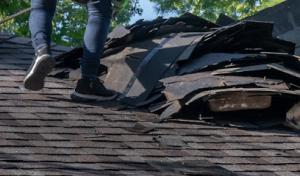
Gilmore Roof & Leak Repairs delivers reliable and professional roofing services to homeowners and businesses throughout Reading. Our experienced team specializes in leak detection, shingle repair, full roof replacements, and preventative maintenance. Using high-quality materials and industry-tested techniques, we ensure long-lasting results built to withstand the elements. Whether you're dealing with storm damage, water infiltration, or normal wear and tear, we provide clear assessments and transparent estimates—without fluff. With prompt scheduling and a commitment to craftsmanship, clients in Reading trust Gilmore for dependable, expert roofing care.
Historical Slate Roofing
(617) 964-1608 historicalslateroofing.com
Reading, Massachusetts
4.8 from 23 reviews
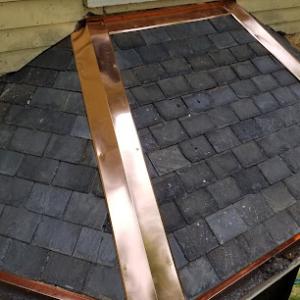
4th generation slate roofing co. Many years experience repairing slate and copper roofs. Let us extend the life of your slate roof. 30 years experience.
Stella Roofing Services
(781) 999-1572 www.stellaroofingservices.com
Serving
5.0 from 62 reviews
Since 2008, Stella Roofing Services has been the premier choice for residential and commercial roofing solutions north of Boston. With over 60 years of combined experience the Stella team delivers unparalleled expertise and craftsmanship. Fully licensed and insured, Stella Roofing offers comprehensive roof services, including roof installation, repair, and replacement, installing top-quality materials like asphalt, rubber, and metal roofing from trusted brands like Owens Corning, GAF, and CertainTeed. Our commitment to excellence ensures long-lasting, low-maintenance roofing system solutions that stand the test of time and New England weather. Serving Greater Boston, Cambridge, Somerville, Medford as on of the top local roofing companies.
A1 Restoration
(617) 299-1405 a1restorationteam.com
Serving
5.0 from 370 reviews
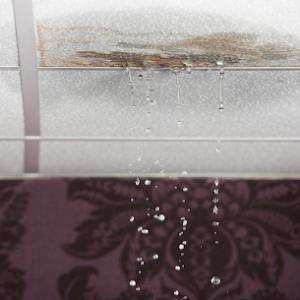
A1 Restoration of Boston specializes in expertly repairing and restoring properties damaged by water, providing top-notch solutions to safeguard your home from leaks and structural deterioration. With a proven track record of excellence, we're your trusted partners in ensuring a dry and secure living space.
Grimes Roof & Leak Repairs
(781) 680-8002 grimesrooflynnfield.com
Serving
5.0 from 28 reviews
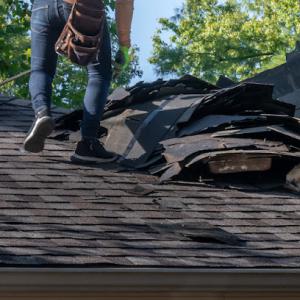
Grimes Roof & Leak Repairs provides trusted, professional roofing services throughout Lynnfield, MA. Our experienced team specializes in roof inspections, accurate leak detection, shingle and tile repairs, complete roof replacements, and ongoing maintenance. We work exclusively with high-grade materials and proven techniques to ensure lasting, weather-resistant results. Whether you're addressing storm damage, aging roofing systems, or planning an upgrade, we offer honest assessments and transparent pricing with no fluff. Clients in Lynnfield benefit from responsive scheduling and a strong dedication to customer satisfaction. For reliable roofing care backed by workmanship you can trust, choose Grimes Roof & Leak Repairs.
Johnny's Pro
(781) 519-9025 www.johnnyspro.com
Serving
5.0 from 30 reviews
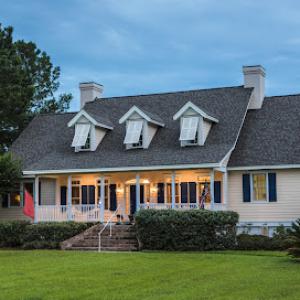
Johnny’s Pro is a trusted roofing contractor serving MA, CT, RI, and NH. We specialize in full roof replacements, including homes with existing solar systems, as well as siding and gutter upgrades. With over 17 years of experience and 7,000+ homes completed, we’re known for quality, transparency, and results that last. As Owens Corning Preferred and CertainTeed Certified installers, we follow manufacturer standards and offer extended warranties. If you’re going solar and unsure about the roofer recommended by your provider, reach out to us. Our scopes are clean, our process is smooth, and our work is built to last.
FRG Contractor Corporation
(781) 851-4202 www.frgcontractor.com
Serving
4.9 from 31 reviews
For over 20 years, FRG has provided our residential and commercial clients throughout the greater Massachusetts area with top-quality contracting services. No matter the size of the project, we are committed to delivering quality workmanship and competitive pricing. We prioritize safety standards and customer service. Our team is OSHA trained and certified to complete every job properly. FRG Contractor is also fully licensed and insured, so our clients can rest assured knowing that we are reliable and reputable. We also offer free estimates on all our services, including roofing, siding, gutters, remodeling, snow removal, general contracting, and more. Many of our services include installation, replacement, repairs, and maintenance.
Holland Homes Roofing
(781) 864-2525 www.roofwithhh.com
Serving
5.0 from 41 reviews
Welcome to Holland Homes Roofing, where we specialize in quality residential roofing you can see. We understand that roofing repairs are among the most formidable repairs for homeowners. A roof is a costly investment, and you don’t want to leave repairs to just anyone. You want a residential roofer that is experienced, reliable and affordable. For that, you need Holland Homes Roofing, your local Owens Corning Preferred Contractor based in Carver, MA. We have decades of experience in the residential roofing industry and our team has been serving the area for many years. If you need a roofing repair or installation, gutter work or any other roofing-related services for your home, anywhere from Carver to Billerica, contact us today!

Golini Roofing
(781) 246-0141 goliniroofing.com
Serving
5.0 from 13 reviews
Golini Roofing, located at 46 Nahant Street in Wakefield, MA, is your premier choice for top-notch roofing services. As a trusted local roofing contractor with over 40 years of experience, we specialize in roof installation, roof replacement, and comprehensive residential roofing solutions. Our expert team is dedicated to delivering unparalleled craftsmanship and uses high-quality materials for long-lasting results. We also offer professional gutter installation and repair. Serving communities including Beverly, Burlington, Melrose, and more, Golini Roofing is committed to providing personalized service and lasting solutions. For reliable roofers near you, contact Golini Roofing today!
Duval Roofing North Reading MA
(978) 664-2557 duvalroofing.com
Serving
4.6 from 61 reviews
Based in North Reading, MA, Duval Roofing is known for professional, friendly, and efficient roofing services. Our hard-working team is punctual, responsive, and highly recommended for their ability to accommodate all requests and leave sites immaculately clean. With fair pricing and a commitment to quality, we make your roofing experience easy and trouble-free, delivering beautiful results every time. Contact us today for a free estimate

Hemlock Roofing
(413) 404-7036 hemlockroofingco.com
Serving
4.9 from 119 reviews
Hemlock Roofing is a reliable roofing company offering expert roof repairs, replacements, and installations. We serve both homeowners and businesses, delivering top-quality workmanship to ensure your property stays protected and durable. Committed to integrity and excellence in every project.
O'Keefe Roofing
(978) 276-3043 www.okeefe-roofing.net
Serving
5.0 from 12 reviews
Over 25 years Experience Your Best Local Residential Roofing Contractor Free Estimates Asphalt shingle expert.
Asphalt shingles remain the dominant practical choice in Reading, especially for older homes whose steep-slope profiles were built to shed snow and ice efficiently. In this climate, a shingle system that provides strong ice dam resistance and reliable sealing against freeze-thaw cycles is essential. Look for fiberglass or polymer-modified shingles with good granule retention and a sealed undersurface to minimize wind-driven moisture entry. A well-ventilated attic and properly sealed eave details help prevent ice dams from forming at the soffit and gutter line, which is a common issue in this part of New England. When you evaluate asphalt, prioritize products with a robust warranty and a color and profile that complements the home's traditional lines, so the roof remains an authentic part of the house's character.
Slate and synthetic slate matter locally because many Greater Boston-area homes were originally built with steep-slope traditional rooflines that suit those profiles. Real slate offers exceptional durability and a classic look that can dramatically improve the curb appeal of older Reading housing stock. Synthetic slate provides a more lightweight option with easier installation and similar aesthetics, which can be appealing when the underlying structure isn't designed to carry heavy loads. If you consider slate or synthetic slate, have a licensed roofer confirm the roof deck, flashing details, and guttering can handle the weight and that the slopes align with the expected runoff patterns to minimize ice dam risk. Matching the profile to the building's historic feel is key to maintaining the neighborhood's visual rhythm, so evaluate color tones and edge profiles that echo original materials.
Metal roofing is relevant for homeowners prioritizing snow shedding and long service life, but detailing around penetrations and transitions matters in freeze-thaw conditions. In Reading, metal can dramatically reduce the backflow of snow toward eaves, which helps minimize ice dam formation on gentler transitions. However, copper or zinc trims and properly flashed ridge and vent penetrations are critical, as freeze-thaw cycles can exploit gaps around vents, chimneys, and skylights. Choose a panel profile that sheds snow naturally and reinforces a tight seal at valleys and perimeters. If the roof includes complex geometry or significant overhangs, ensure the installation team emphasizes concealed fasteners and high-quality sealants to withstand decades of temperature fluctuation.
Concrete tile appears in the local material mix but is less typical for older housing stock than asphalt, slate, or synthetic alternatives, so structural fit and visual compatibility should be checked carefully. Concrete tiles are heavier and require a solid deck and appropriate framing to handle load and thermal expansion. They can provide a distinct, durable look that complements certain architectural styles, but aging homes may need reinforcement or reconfiguration to accept the weight without compromising attic ventilation or shingle underlayment. If considering concrete tile, consult with a contractor who understands Reading's climate and historic roof lines to ensure the tiles align with existing eave lines, rake edges, and the overall silhouette of the home.
Skylights are a notable complication in the Reading housing mix, where older roofing practices and frequent freeze-thaw cycles collide with sun exposure on patched or retrofit skylights. Leaks around skylight flashes are a meaningful specialty among local contractors, and it's common to see aging seals, misaligned flashing, or deteriorated curb details show up as recurrent leak points. When planning a skylight replacement or retrofit, expect careful attention to the flashing assembly, curb height, and the transition from the skylight to the shingle line. The cost of failure isn't just interior staining; it can lead to warped sheathing and accelerated deterioration of nearby roof decks, so treat the skylight as a high-risk penetration even when it seems minor.
Chimneys and their masonry transitions consistently surface as leak drivers in Reading's older homes. The combination of brick or stone appearance, flashing at the chimney base, and counterflashing where the chimney meets the roof creates a stage for water to seek entry paths. Mortar joints that have weathered years of freeze-thaw cycles often widen first, then let moisture creep under flashing. Contractors frequently encounter deteriorated joist pockets and gaps around the chimney chase when leaks finally become noticeable inside the attic or ceiling. If a chimney shows any sign of staining, spalling brick, or softened mortar, treat the flashing and masonry as a priority, because even small breaches can widen quickly with winter cycles.
Freeze-thaw movement in this climate can widen small failures around step flashing, counterflashing, and penetrations long before interior staining appears. Those subtle gaps are easy to overlook, especially where multiple penetrations converge or where old lead flashing has hardened or torn. Reading homes often hide a modest collection of minor flaws that collectively become a larger leak problem after a few cycles of cold snaps and warm days. Vigilance matters: inspect around chimneys, dormers, vents, and skylight curbs after winter storms and before heavy spring rains. The goal is to catch widening cracks early, when a targeted repair can avert a bigger, more invasive fix later.
When you see a flashing detail around a skylight or chimney, look for hairline cracks in cement-based sealants, loose shingles at the base, and any movement in the chimney's masonry joints. On the roof, test for uniform, tight flashing transitions rather than gaps that form at a seam. Inside the attic, check for damp or discolored insulation directly above these areas after rain or melt events. If you notice staining, frost damage on the flashing, or a musty attic scent following a thaw, plan a professional assessment promptly. In Reading, where tight-economy homes and dense neighborhoods are common, addressing these leak points sooner rather than later preserves the roof's life and protects the interior from costly damage.
Find contractors experienced in skylight installation, flashing, and leak repairs to bring natural light into your home.
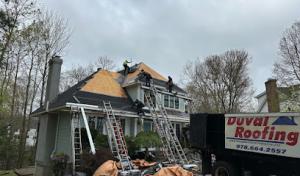
In Reading, you'll typically see asphalt shingles priced from 350 to 650 USD per square, while metal roofing runs 700 to 1200 per square. Concrete tile sits around 650 to 1000 per square, slate can run 1200 to 2400 per square, fiber cement shingles 550 to 900, and synthetic slate 700 to 1200 per square. These ranges reflect the town's older housing stock, where traditional asphalt is still common, but established neighborhoods increasingly feature more durable options like metal, synthetic slate, or fiber cement.
Costs in Reading can rise when older roof decks need repair after winter moisture exposure or when homes have chimneys, skylights, and complex flashing details common in established neighborhoods. If the deck has moisture damage or rot, expect added framing or deck replacement costs. Complex flashing around chimneys and dormers adds labor time and material, pulling the total beyond the basic per-square price. When a roof sits over a chimney stack or skylight arrays, look for higher waste, higher risk of leaks, and longer install days.
Scheduling pressure after winter damage or fall storm interruptions can affect labor availability in Reading, while simpler re-roofing jobs on straightforward asphalt systems tend to stay closer to the lower end of local ranges. If a contractor can sequence your work quickly after a harsh season, you may see tighter pricing and shorter wait times. For homes with multiple penetrations or intricate ridge and valley work, plan for longer project windows and potential price variability.
Start with a candid assessment of the roof deck and flashing-note any winter moisture signs and prior flashing details. Get at least three detailed bids that itemize deck prep, flashing, underlayment, and final shingles or panels. Ask about ice-dam prevention measures suited for older Reading homes, and confirm whether the estimate includes waste disposal and rooftop safety measures specific to local winter conditions.
Get a clear picture of your project costs upfront - no commitment required.
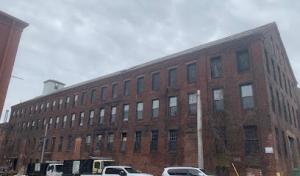
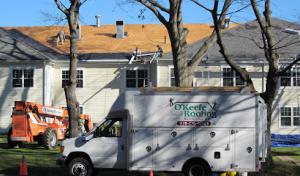
For a full roof replacement, a building permit is typically required through the Town of Reading Building Department. The process starts with the contractor or homeowner submitting the permit application, along with any required plans and details for the proposed work. The permit must be posted on site during the project so that neighbors, inspectors, and town staff can see it at a glance. This visibility helps ensure that the project follows Reading's standards for safety and code compliance, especially on older homes where roof work can impact ventilation, insulation, and ice-dam prevention.
Start the permit application early in the project planning to avoid delays that can stall your replacement, particularly when weather windows are tight in New England winters. The Building Department reviews submissions in the order they are received, and timing can vary based on workload. If your project touches attic spaces, eave lines, or historical materials, anticipate additional review time for compliance with town guidelines and any applicable historical protections. Keeping a clear line of communication with the contractor and the inspector helps streamline the process.
Once the crew begins work, rough-in inspections are typically scheduled to verify that structural decking, underlayment choices, and eave and drip edge details meet code requirements. In Reading, these inspections are a key checkpoint before any visible exterior work proceeds. Make sure access to the attic and roof line is clear for the inspector, and have the permit on site with the project address visible. If an issue is found, address it promptly to avoid hold-ups in the sequence of work.
A final inspection confirms that the roof replacement is complete and that all components-ventilation, flashing, ice-dam prevention measures, and surface installation-comply with code and the permit's scope. The inspector will verify that all flashing around chimneys, valleys, and skylights is properly installed and that clean, secure roofing is in place. After passing, the permit is closed, and the site can be left clean and free of debris. Good communication with the contractor helps ensure the final walkthrough goes smoothly, especially on older homes where unusual roof lines or penetrations require careful attention.
In this town, roof claims typically follow winter ice damage, wind-driven storm events, or leaks discovered during spring thaw rather than a single dominant catastrophic peril. The arcade of older New England homes means uneven roof lines, dormers, and intermittent flashing can create small, persistent weak spots that become claim-worthy after a hard freeze or a strong wind. You are more likely to see incremental damage build up over weeks than one dramatic, lightning-forced failure. Understanding that pattern helps you catch trouble early before a small leak becomes a ceiling stain or a mold concern.
Massachusetts homeowners insurance generally covers roof damage claims, but Reading homeowners should expect documentation, adjuster review, and possible depreciation or pre-authorization issues depending on policy terms. Weather-related wear, fallen branches, and hail damage are commonly addressed if they weaken the structure or cause interior leaks. However, insurers will scrutinize the cause, condition prior to the event, and evidence of timely maintenance. If a claim hinges on multiple events within a season, the process can stretch, and depreciation on older components may factor into payout decisions. Having a clear narrative of when issues started helps the adjuster connect the dots between a sequence of storms and the resulting damage.
Because Reading's weather can create progressive damage rather than one obvious event, photo records, dated leak notes, and prompt inspection after storms are especially important. After a storm, take wide and close-up photos of any staining, missing shingles, or lifted flashing, and note the dates of noticed leaks in a log. A professional roof inspection within days of a major event can provide a formal report that ties observed symptoms to the storm sequence, which in turn supports a smoother claim review. Keep a folder of all receipts for temporary protection and any remediation work, and share that with your insurer so the path from damage to settlement stays transparent.
Connect with contractors who help homeowners navigate the claims process from damage assessment to final approval.
Gilmore Roof & Leak Repairs
(781) 742-9066 gilmoreroofrepair.com
580 Main St suite 709, Reading, Massachusetts
5.0 from 17 reviews
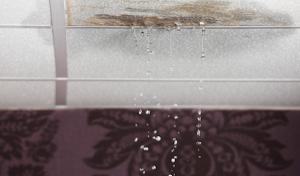
Flat-roof specialization is active in Reading, indicating a meaningful share of local homeowners and property owners need service on low-slope sections, additions, porches, or mixed-roof structures. These systems require careful attention to drainage, material compatibility, and edge detailing because inadequate slope, clogged drains, or mismatched transitions can become recurring problems. A practical focus for Reading projects is to treat any flat or low-slope area as a potential moisture hotspot, even if it looks minor from ground level. Proper diagnosis starts with a careful inspection of flashing seals, seam integrity, and the condition of edge terminations around gutters and parapets.
Reading's freeze-thaw pattern makes drainage reliability especially important on low-slope roofs because standing water and edge ice can accelerate membrane and flashing failure. When a flat or low-slope surface holds water after a storm, it sits directly on the roof membrane, stressing seams, penetrations, and fasteners. Pay particular attention to drain placement, scupper performance, and overflow paths. Seasonal checks should focus on whether drains remain free of debris and whether any seams or transitions show signs of wrinkling, bubbling, or edge peeling. A practical habit is to test drainage during milder days in late winter or early spring to confirm that water flows toward the outlets without backing up at the low points.
Spring rain in Reading can expose low-slope weak points quickly if seams, drains, or transitions were already stressed over winter. The transition from snow melt to rainfall can reveal latent issues in waterproofing, such as compromised edge channels or degraded primer and sealant over fastener penetrations. For homeowners, the takeaway is to prioritize a thorough inspection after the thaw, focusing on flashings at roof-to-wall interfaces, around penetrations, and at any added low-slope sections. If a problem area is found, plan a targeted repair rather than a full-system overhaul to minimize further heat loss and moisture intrusion during the sensitive shoulder seasons.
Keep a seasonal eye on any flat additions or porch roofs, especially where they tie into a steeper main roof. Ensure proper insulation and ventilation around low-slope areas to reduce condensation. Drainage paths should be kept clear, and any signs of pooled water or edge ice warrant faster attention. When replacing or upgrading, prioritize materials and details designed for reliability in cold, fluctuating temperatures, with attention to seam sealing and continuity of the membrane across transitions. A well-detailed edge is often what saves a low-slope system from gradual deterioration under Reading winters.
Find specialists in TPO, EPDM, and built-up flat roofing systems for residential and commercial properties.
Kingdom Roofing & Construction
(617) 230-6239 www.kingdomconstructionma.com
Serving
5.0 from 13 reviews
In Reading, the contractor market rewards crews that stop leaks fast and leave neighborhoods tidy. Look for long-established, residential-focused firms with a track record of tear-offs, deck repairs, and full replacements on older homes. Builder-focused teams or generalists without a strong Reading-specific portfolio may struggle with the unique challenges of cold starts, ice dam risks, and deck integrity after a tear-off. Ask for a concise project history that demonstrates successful winter-ready repairs and clean site turnover after each job.
Local homeowners value rapid response when a leak appears, but equally important is how clean the site is after work finishes. Request references that can speak to on-time arrivals, tidy debris removal, and how crews protected surrounding landscaping and driveways during a tear-off. When you call, note how quickly the contractor can schedule a visit and provide a clear, written plan for mitigation of any ice dam or water intrusion risks during the replacement window.
Given the prevalence of older housing stock and the freeze-thaw cycle, robust deck repair and secure roof deck attachment are non-negotiables. Seek evidence of experienced crews who routinely perform complete deck evaluation, weatherproofing, and ice-dam preventive detailing. If a contractor emphasizes new materials without addressing underlying deck integrity, press for the specifics of how they will handle insulation, ventilation, and underlayment to prevent future failures.
Manufacturer certification and drone inspections appear but are not universal differentiators in this market. Use those topics as tliers, not deal-breakers. Focus conversations on local weather resilience, proven leak-stopping tactics, and a clear plan for keeping your street neat and neighbors at ease during the project.