Last updated: Apr 19, 2026
Tewksbury sits in the Merrimack Valley, where cold snaps followed by thaws create repeated freeze-thaw stress on shingles, flashing, and roof penetrations. That dynamic can crack, loosen, or misalign components long before a heavy storm rolls in. The result is subtle failures that masquerade as isolated leaks, but in reality are signs of broader vulnerability around joints, vent pipes, chimneys, and valley intersections. When a storm finally dumps a foot of new snow and then rain, those weak spots become gateways for water inside the attic and ceiling cavities. The roof's outer skin may hold up, but the interior damage compounds quickly as moisture migrates through underlayment and deck, especially if attic spaces lack proper airflow.
The town's detached single-family neighborhoods make steep-slope asphalt roof systems the practical default, so ice backup at eaves and leaks around valleys are more relevant than coastal salt-spray concerns. Asphalt shingles can endure many seasons, but the real risk sits at the edges: eave and rake details, flashing around chimneys and vent stacks, and where roof planes meet dormers or skylights. Snow loads press down on the roof, but meltwater can back up at the eaves where gutters and downspouts fail to channel water away quickly enough. When rain follows heavy snow, water has a habit of finding the path of least resistance, which is often an underlayment seam, a loose shingle row, or a compromised valley.
Start with the eaves and soffits. Look for ice dams forming as heat escapes the attic and melts snow near the eaves, refreezing into solid ice barriers that push water back under shingles. If ice backup is visible along the eave line or if you notice damp ceiling patches near exterior walls beneath the attic, that's a red flag. Inspect flashing around chimneys, skylights, and roof penetrations; bent boots, loose sealant, or corroded metal can fail under freeze-thaw cycles. Valleys deserve extra attention: overlapping metal and shingles there are common weak spots where water can pool and find a micro-gap to seep through. Attic ventilation matters as much as shingle choice. Poor intake or exhaust can trap warm, moist air that accelerates condensation on the underside of the roof deck, weakening underlayment and inviting leaks when rain arrives after snow.
Walk the exterior with a ladder only if you're confident in safer footing, and have a helper nearby. Check for missing or curling shingles along the eaves and at roof edges; note any lifted tabs or coarse granules in gutters. Examine flashing at the chimney line for gaps or rust where ice grows. From the attic, assess for warm channels: daylight through penetrations, heavy frost on the underside of decking, or insulation gaps that allow warm air to rise and melt snow toward the roof deck. Ensure attic vents are clear and that soffit aeration isn't blocked by insulation or debris. If you see staining on interior ceilings after a thaw, that means moisture has found a path through the deck or underlayment-addressing the source promptly is crucial to stop escalating water intrusion.
Given the recurring pattern of snow followed by rain, prioritize strengthening edge details and ensuring reliable drainage before the first big storm window. If the home uses asphalt shingles, pay particular attention to sealing and securing the first couple of courses near eaves and around penetrations. A well-faired installation with solid flashing, precise corner and rake details, and robust attic ventilation reduces the chance that meltwater will back up into the structure. When in doubt, treat any questionable seam or flashing as a high-priority repair, because even small leaks can snowball into significant interior damage once rain rides in on a thaw.
Asphalt shingles are the dominant practical choice for typical suburban rooflines in this area. They align well with the common pitched roofs found across many neighborhoods and are easier to replace in phases than heavier tile systems, which matters when winter weather or storm damage requires quick, staged repairs. In snow-prone winters, asphalt provides predictable performance and a familiar maintenance routine. When choosing colors and profiles, prioritize products with good sealant and wind-resistance ratings to help prevent wind-driven leaks along edges and around vents. Given the freeze-thaw cycles common here, consider shingles with stout granule adhesion and a reliable warranty that covers ice dam-related concerns. A well-sealed roof plus properly flashed penetrations remains the simplest, most forgiving path to steady performance through repeated winter storms.
Metal roofing is present locally and can be attractive for snow shedding, helping the snow slide and reduce the risk of heavy snow buildup near eaves. However, installer skill around condensation control, flashing transitions, and noise expectations matters in New England climates. If choosing metal, seek a contractor who emphasizes vented underlayment strategies and precise detailing at chimneys, skylights, and dormers. In addition, metal can be a good winter choice when the system is paired with a careful snow management plan and an accurate assessment of attic insulation and attic-to-roof condensation risks. Expect some audible impact from hail or hard wind-driven rain; ask about deck-to-siding flashing compatibility to minimize leaks where the roof meets wall planes. For homes with reduced attic ventilation or older insulation, metal may amplify condensation issues if not installed with a thoughtful vapor barrier and air sealing plan.
Clay and concrete tile appear in the material mix provided for this market, but their weight and detailing requirements make structure and underlayment planning more important than on the area's more typical shingle roofs. Tile roofs demand a stronger substructure and careful load calculations to accommodate the seasonal snow loads and freeze-thaw cycles. They also require precise flashing details around chimneys, skylights, and vents to prevent leakage during rain-driven storms or rapid temperature changes. Because of weight, the roof deck and supporting framing should be evaluated by a qualified structural professional before installation. If a tile system is pursued, ensure the underlayment is rated for freezing conditions and that the installer has proven experience with cold-weather tile installation practices. Maintenance focus should include vigilant inspection of hip-and-valley intersections, as these are common sites for leakage after heavy wet snows.
In practice, the best material for a given home centers on structure, budget, and how the roof integrates with ventilation and weatherproofing details. The winter context-freeze-thaw cycles, heavy snow, and storm-driven rain-means prioritizing reliable flashing, sound underlayment, and robust edge detailing alongside the material choice. For most pitched homes with typical loads, asphalt shingles offer straightforward performance and phased replacement potential. Metal roofs can be advantageous where snow shedding is a priority and flashing is expertly executed. Clay or concrete tiles should be reserved for homes with sufficient structural support and a commitment to meticulous detailing of penetrations and transitions. The goal is a roof that remains tight through winter storms while maintaining sound ventilation and insulation to minimize condensation and ice dam risks.
Winter and summer storms shape leak risk in this neighborhood. Warm-season thunderstorms in Massachusetts can produce wind-driven rain that exposes weak flashing at chimneys, skylights, and roof-wall intersections common on older suburban homes. Pitched roofs here with multiple ridges and dormers mean a cascade of fast-moving water can chase leaks along joints that might look solid but are inherently vulnerable after years of freeze-thaw cycles. On older homes, those flashing details are often the failing point when a storm hits with sustained wind and heavy rainfall. Recognize that the most challenging times are when a quick downpour follows a long dry spell, or when a strong wind event accompanies rain that pushes water into seams that were barely dry to begin with.
Autumn leaf drop from mature neighborhood trees in this area can trap moisture in valleys and gutters, adding to leak risk during subsequent wind and rain events. Leaves clog downspouts and create backup that forces water up under shingles at valleys, near chimneys, and around skylights. The result is a multiply-stressed roof edge where flashing must hold up under pressure. If gutters are packed with leaves, rainwater has fewer pathways to escape, increasing the likelihood of water finding cracks or gaps along flashing lines and roof-to-wall transitions. Plan for proactive leaf clearance and gutter maintenance as fall winds ramp up.
Because winter and summer storms both matter here, homeowners need photo documentation from multiple seasons rather than relying only on post-storm snapshots. A single storm photo can miss depth in flashing angles, valley condition, and vent or chimney interfaces. Build a simple seasonal record: capture high-resolution images of chimneys, skylights, roof-wall intersections, valleys, and gutter connections at least quarterly. Use consistent angles and close-ups where flashing details meet roofing material. This ongoing archive helps identify progressive wear, hidden gaps, or shifting roof components that can fail under a next storm. If leaks appear, compare against the seasonal photos to distinguish seasonal moisture buildup from structural movement.
If leaks are noticed, proceed with caution. Prioritize safety and avoid climbing onto a wet, icy, or unstable roof. From ground level, inspect for obvious signs of flashing damage, curling shingles, or displaced gutters. Photograph any observed trouble spots after the rain subsides, and note the wind direction and intensity if possible. Use temporary measures only to limit further water intrusion-sealed plastic tarping or weatherproof sealant around accessible flashing can buy time, but schedule a professional evaluation promptly. Keep a running log of storm dates, rain totals if known, and any new leaks or damp spots growing after each event.
Prepare for weather shifts by prioritizing vulnerable roof-wall intersections, chimneys, and skylights in routine seasonal checks. Regularly clear gutters and valleys before the first snowfall and after peak leaf fall. Emphasize flashing integrity during inspections, especially around points where wind-driven rain routes water toward seams. A proactive, season-spanning documentation habit makes it possible to address emerging vulnerabilities before the next storm finds them.
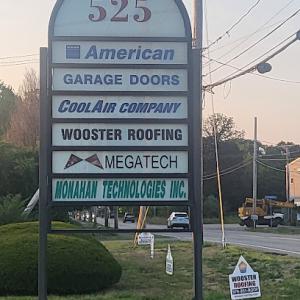
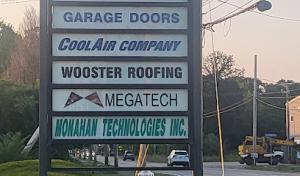
Wooster Roofing
(978) 851-7663 www.wooster-roofing.com
525 Woburn St #4, Tewksbury, Massachusetts
4.9 from 230 reviews
Wooster Roofing provides Roof Repairs, Shingle Roofs, Flat Roofs, Ice Dams, Attic Ventilation, Skylights and Chimney repairs. 40+ Years Experience to the Tewksbury, MA and surrounding area.

Couto Construction
(978) 404-7607 www.coutoconstruction.com
2500 Main St, Tewksbury, Massachusetts
4.9 from 52 reviews
Couto Construction is the most-trusted home exterior renovation serving Tewksbury, MA and surrounding areas since 1987. A family-run business they are a one-stop shop for all your home's exterior needs, specializing in roof replacement and repair, siding, windows, doors, gutters, and attic insulation. Their team of certified contractors brings decades of expertise ensuring top-quality results that last. They use only the best materials and back their work with a peace-of-mind 50-year warranty. Get a free inspection and estimate and Couto Construction will work closely with you to understand your needs and budget, ensuring a smooth and stress-free home exterior remodeling experience.
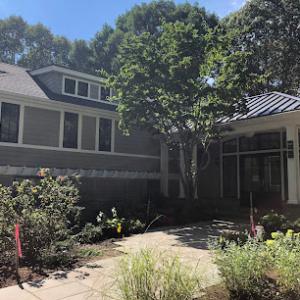
Senco Home Services
(978) 647-3626 sencohomeservices.com
1150 Main St, Tewksbury, Massachusetts
4.5 from 45 reviews
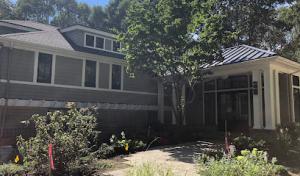
At Senco Home Services, our mission is to use our expertise and experience to give you peace of mind in a comfortable home. We believe that everyone deserves to live in a beautiful and comfortable home, and we are doing our part to make that happen. With high-quality workmanship and affordable finance options, you can have your dream home with Senco. From minor jobs like gutter repair to major projects like roof replacement, we do it all at Senco. We have specialized teams of experienced professionals for every job, so you know that you are always getting the best people for the job. From simple installs to complex repairs, we’ve got your back!
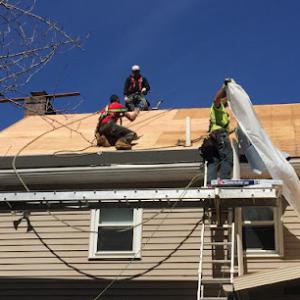
Twin Metals Roofing
(978) 663-2563 www.twinmetals.com
Serving
4.9 from 27 reviews
Twin Metals Roofing installs all types of new roofing including: asphalt shingles, metal roofs, copper roofs and rubber roof materials. Our roofers have many years of experience, continually striving to maintain open and frequent communication with our customers to make them aware of all dates, times, and details. Our staff is always available to answer any questions you have throughout the construction process.
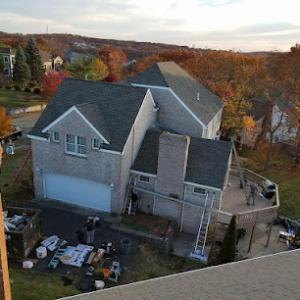
Nugent Roofing
(978) 987-2998 www.nugentroofinginc.com
Serving
5.0 from 35 reviews
We specialize in asphalt and rubber roofing. Offering free estimates and are fully insured.
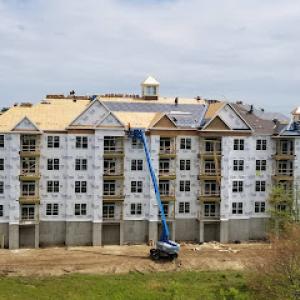
Dempsey Roofing
(978) 808-6678 dempsey-roofing.com
Serving
5.0 from 119 reviews
Licensed and Insured. In business over 35 years. Offering the following services: asphalt shingles, rubber roofing, roll roofing, chimney repair, and snow and ice removal." Offering the following services: asphalt shingles, rubber roofing, roll roofing, chimney repair, and snow and ice removal.
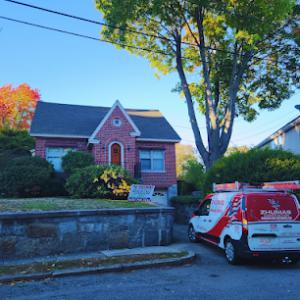
Zhumas Construction
(351) 277-2738 zhumasconstructionsincs.com
Serving
4.6 from 156 reviews
Zhumas Construction is a roofing contractor in Billerica, MA servicing Lowell, Burlington, Acton, and nearby areas. Our roofing company offers residential roofing, commercial roofing, roof repair, asphalt shingle roofing, and many more. We focus on providing good services to our clients with exceptional service with the highest quality products at a fair price, we will work to get the job done right. We have industry affiliations and certifications such as Master Shingle Applicator Certainteed. If you want to experience how your most trusted Billerica roofing company embraces our motto “Build your Dreams with Us”, call us now for a free estimate!
Greater Boston Roofing
(617) 941-3901 greaterbostonroofing.com
Serving
4.9 from 831 reviews
Greater Boston Roofing provides residential roofing, commercial roofing, and free estimates to the Andover, MA area.
Michael's General contractor
(978) 332-6126 www.michaelsgc.com
Serving
5.0 from 46 reviews
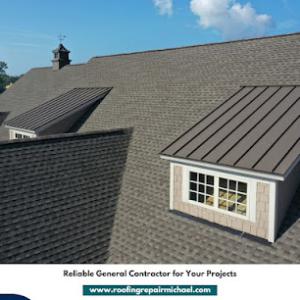
Michael's General Contractor is a leading provider of comprehensive construction solutions, specializing in general contracting services with a distinct focus on roof repair. With a wealth of experience and a commitment to quality craftsmanship, we deliver tailored solutions to residential and commercial clients alike. Our expert team ensures every project is executed efficiently, meeting the highest industry standards. Trust Michael's General Contractor for all your construction needs.
Timothy Jenkins
Serving
5.0 from 27 reviews
We strive to be better than the competition. Please consider us for your next roofing, siding, deck or any other home improvement project you have in mind! We handle asphalt, rubber, and standing seam metal roof installation and repairs, skylight installation, chimney repointing and flashing, vinyl and cedar siding installation and repairs, window, door, and gutter installation, pressure treated deck building, and much more. We promise to deliver the best service!
Adam Vaillancourt Roofing & Gutters
(978) 396-4214 www.adamvroofing.com
Serving
4.9 from 168 reviews
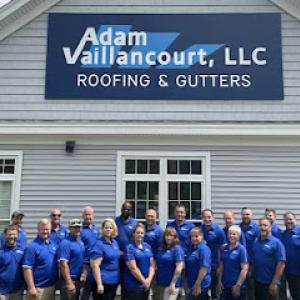
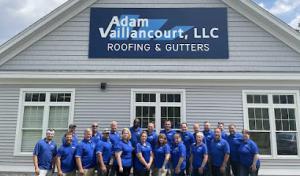
Adam Vaillancourt Roofing & Gutters is Chelmsford’s go-to roofing contractor, proudly serving Northern Massachusetts in areas such as Andover, Haverhill, and more. We specialize in residential and commercial roof replacement, roof repair, and roof maintenance—including asphalt shingles, flat roofing, and premium metal systems. Our team uses top-quality materials and industry-best installation practices to protect your home for the long haul. We also offer expert gutter solutions with Gutter Shutter® systems, professional roof cleaning and rejuvenation, skylight repair and replacement, and attic ventilation services. With a reputation built on trust, craftsmanship, and customer-first service, Adam Vaillancourt Roofing is committed to you.
JM Exteriors Roofing Siding
(978) 635-6536 jmroofingsiding.com
Serving
5.0 from 143 reviews
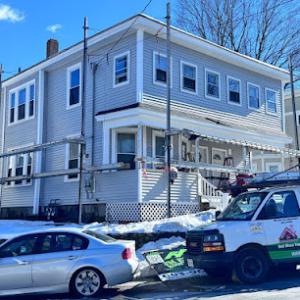
🏠 JM Exteriors Roofing Siding is your go-to expert for top-quality roofing and siding services in Lowell, MA, and nearby areas. We combine experience, professionalism, and attention to detail to protect and beautify your home. From roof repairs to siding installations, we ensure durable results with exceptional care and craftsmanship. Let us bring your vision to life! Call today for your FREE estimate and experience the difference of working with a dedicated team.
In this town, outright roof replacements are rarely just about the shingle material. Tear-off work, decking repairs, chimney flashing, and ventilation upgrades frequently add more than the basic shingle cost. When you're comparing bids, ask each contractor to itemize these elements so you're not surprised by a higher final tally. For reference, asphalt shingles run roughly 550 to 900 USD per square, while metal options span about 750 to 1,400 USD per square. If you're considering tile or wood, be prepared for higher starting points, with clay around 1,200 to 2,300 USD per square and wood between 800 and 1,600 USD per square. These figures reflect the local emphasis on steep-slope work common to the area and the need for careful detailing around flashing and venting.
Late spring and early fall are the most common installation windows in Massachusetts, and that pattern hits this area as well. Scheduling pressure during those seasons can limit labor availability and push project timing. If you have a tight deadline, plan well in advance and secure a firm start date with your contractor. Weather can be fickle, and a delayed start may cascade into extending the project, especially on larger homes with multiple penetrations such as skylights or chimneys. Factor in potential additional time for material deliveries, especially if you're opting for metal or specialty shingles.
Winter damage creates a surge in emergency demand that can affect pricing and availability. If winter has left accelerated wear on underlayment, flashing, or attic-access routes, costs can rise as crews bring these components up to code before final inspection. Older homes often need more meticulous ventilation upgrades to balance attic pressures and prevent ice damming during freeze-thaw cycles. When you're budgeting, plan for possible upgrades to underlayment or flashing beyond the basic shingle replacement, because these improvements help prevent repeat leaks during the next winter that follows a storm.
Get a clear picture of your project costs upfront - no commitment required.

Couto Construction
(978) 404-7607 www.coutoconstruction.com
2500 Main St, Tewksbury, Massachusetts
4.9 from 52 reviews
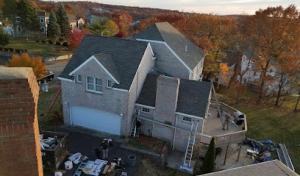
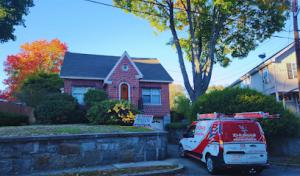
A building permit is typically required for a full roof replacement, with applications handled through the Town of Tewksbury Building Department. The process is not something to treat as an afterthought, especially when the project involves replacing most or all of the roof. Missing a permit or rushing the paperwork can lead to fines, forced delays, or the need to undo work that doesn't meet local code expectations. Make contact early with the Building Department to confirm needed documents, timelines, and any neighborhood-specific requirements, such as setbacks or modifications that might affect your permits.
Roofing inspections in this area occur at rough-in and final stages, with attention to underlayment, flashing, ventilation, and attic access rather than only the finished shingle surface. The rough-in check verifies that the roof deck, underlayment, and flashing details are properly installed to resist leaks during winter thaw and spring storms. The final inspection confirms that penetrations around chimneys, skylights, and vent stacks are sealed and that attic ventilation and access points are properly integrated with the new roof system. Expect the inspector to review attic access for safe egress and to verify that ventilation paths remain unobstructed after the installation.
Homeowners should expect permit and inspection timing to matter more on full replacements than on minor repairs, especially when weather windows are short in spring and fall. In this climate, a tight schedule can mean a narrow window for decking, underlayment, and flashing work before winter returns or the ground becomes inaccessible. Plan around potential delays by coordinating with your contractor and the Building Department to secure inspection appointments within the allowable weather and scheduling constraints. Delays at either stage can extend exposure to winter conditions and amplify risk of leaks if the roof is partially exposed.
Leaking around chimneys, skylights, and ventilation details is a common concern on pitched suburban homes. Ensure the permit package includes clear notes on flashing transitions, kick-out flashing where walls meet membrane, and attic-to-roof ventilation clearances. In this area, inspectors will scrutinize how these details integrate with the attic space and with any previously compromised flashing. Properly sequenced approvals reduce the chance of backtracking after rough-in or final, helping you avoid costly rework and lengthy weather-related hold-ups.
In Massachusetts, roof claims commonly center on wind, hail, and storm damage, but Tewksbury homeowners should be prepared for higher deductibles and closer adjuster review after severe weather. The mix of Merrimack Valley freeze-thaw cycles and heavy snow can muddy the line between sudden event damage and long-term aging, so understanding how an insurer views deterioration versus an instantaneous leak is essential for a successful claim.
Insurers often want before-and-after photos, contractor invoices, and proof that work met Massachusetts code and local permit requirements, making documentation especially important in replacements. Keep a dated record of every shingle, flashing, chimney, and skylight area, especially around roof penetrations where leak control matters most in pitched homes. If a storm strikes, gather high-quality images showing damage from multiple angles and note the weather conditions at the time.
Because freeze-thaw wear can look similar to storm damage, separating sudden event damage from long-term aging is a key issue for claims on roofs in this part of the state. Look for patterns that indicate repeated freeze-thaw cycles-scaling, micro-cracks, or granular loss-that may be misinterpreted as a single event. A careful assessment helps ensure that a claim reflects an actual storm incident rather than ongoing deterioration, which can influence both coverage and the scope of repairs.
To protect the claim process, engage a reputable local contractor who understands the nuances of pitched roofs, chimney and vent details, and the way storm-driven water can travel along roof planes. Timely, precise documentation and honest communication with the adjuster reduce the risk of coverage gaps, especially after severe weather events that test Tewksbury rooftops year after year.
Connect with contractors who help homeowners navigate the claims process from damage assessment to final approval.
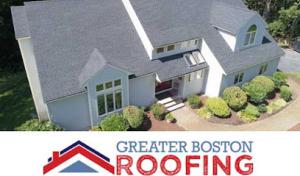
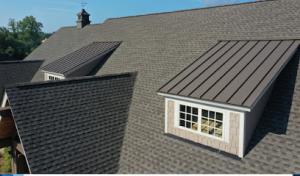
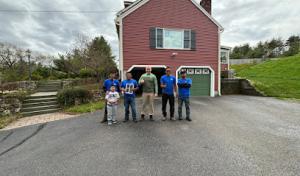
Chimneys dominate many pitched roofs in this market, with masonry cores that create persistent flashing and cricket trouble spots. In winter, that combination of thick brickwork, mortar joints, and metal flashing can trap ice and snow, pushing water into seams that others overlook. Skylights are similarly active around here; curb flashing and seal interfaces see frequent deterioration as freeze-thaw cycles stress seals and cause capillary leaks. In tight, snow-laden winters, leak diagnosis naturally starts at transitions-where chimney bases, skylight perimeters, and roof-to-flashing joints meet-before samples of the main roof planes reveal themselves.
When a leak appears after a thaw or a heavy storm, start at the transitions rather than sweeping the entire roof plane. Inspect chimney flashing with a flashlight at the base and along the sides for loose metal, rust, or lifted tabs. Look for cracked or missing mortar around the chimney crown, which can channel water into the flashing. At skylights, check curb flashing for loose screws, lifted metal, or degraded sealant. Sealant failures around skylight framing are common culprits; examine the head, sides, and bottom flashing for signs of peeling or gaps. If water appears indoors near a transition during a wind-driven storm, it's often a sign that the first line of defense at the penetration needs reworking rather than a broad shingle replacement.
Plan a seasonal check of chimney and skylight joints ahead of winter storms. Clean debris from the chimney valley and cricket areas so meltwater can shed cleanly instead of pooling. Re-seal skylight joints with a compatible, Weather-rated sealant, focusing on the curb edge and any pre-existing gaps. For crickets and flashing, ensure metal is firmly fastened and that step flashing overlaps correctly onto the roof surface to shed water toward the eaves. If ice dam buildup occurs, consider targeted insulation and ventilation improvements around the attic near these penetrations to reduce the freeze-thaw stress that drives leaks at these points.
Find contractors experienced in skylight installation, flashing, and leak repairs to bring natural light into your home.
Wooster Roofing
(978) 851-7663 www.wooster-roofing.com
525 Woburn St #4, Tewksbury, Massachusetts
4.9 from 230 reviews
Senco Home Services
(978) 647-3626 sencohomeservices.com
1150 Main St, Tewksbury, Massachusetts
4.5 from 45 reviews
Although the market leans toward pitched roofs, local contractor activity shows enough flat-roof work to matter on porches, additions, garages, and small commercial buildings. Low-slope sections in these spots catch spring rains and snowmelt before the main roof does, so drainage problems often show up first. In a town with Merrimack Valley weather, those leaks tend to travel along flashing joints and into eaves where visibility is poor, making small issues become costly if ignored.
Begin with a careful walk around any attached porch roof, dormer, or garage extension. Look for flashing that sits over a weak substrate or ties into a steeper roof issue. Pay particular attention to step flashing where the low-slope meets the main roof and where scarf joints or caulking have aged. If you see loose or hairline cracks in the sealant, treat them as early warning signs. In Tewksbury, harsh freeze-thaw cycles push moisture into seams; you want to seal up potential failure points before a warm rain pushes it through.
Develop a routine where you clear debris from low-slope gutters and scuppers after storms, and keep downspouts directed away from foundations but clear of the roof edge. Schedule a wind-driven inspection after heavy snow events to verify that ridge and parapet caps haven't shifted and that parapet coping is intact. If a roof section shows blisters or soft spots, address them before the next melt cycle. On attached or visible flat sections, consider a durable membrane if the substrate is sound but the flashing detail remains a weak link.
When replacing the main roof, plan to evaluate attached low-slope areas at the same time. Matching materials and ensuring continuous flashing transitions eliminates a common failure point. If you notice recurring leaks around chimneys, skylights, or ventilation terminations on these sections, treat the flashing as part of the primary roof system rather than a separate add-on. In practice, you'll reduce future storm-driven failures by aligning the low-slope detail with the steep-slope design from the outset. In this region, that collaboration between surfaces is the reliable path to a weather-tight result.
Find specialists in TPO, EPDM, and built-up flat roofing systems for residential and commercial properties.
Wooster Roofing
(978) 851-7663 www.wooster-roofing.com
525 Woburn St #4, Tewksbury, Massachusetts
4.9 from 230 reviews
Adam Vaillancourt Roofing & Gutters
(978) 396-4214 www.adamvroofing.com
Serving
4.9 from 168 reviews