Last updated: Apr 19, 2026
Haverhill homeowners deal with New England winter conditions that combine snow loading, ice formation, and repeated freeze-thaw cycling that can open shingle joints and expose flashing weaknesses. When the temperature swings above and below freezing, the edges of shingles flex and crack, allowing moisture to seep behind the surface. Ice dams form along eaves, backing up water under shingles and flashing and forcing leaks into attic spaces. The result is faster deck deterioration than a milder climate would produce, and small problems can escalate into widespread damage before the next thaw. If you see granule loss, lifted shingles, or dark streaks on interior ceilings after a thaw, treat it as a warning sign, not a curbside nuisance.
Roof replacement activity in this area is typically concentrated from late spring through early fall because winter temperatures and snow conditions can affect deck evaluation and installation quality. That window matters more in practice than it sounds. Contractors will not reliably tear off and install in peak mid-winter conditions, and lingering snow or ice can trap moisture in the deck during teardown. If a leak is detected in late winter, plan for an urgent, pre-season evaluation that confirms the roof's structural integrity and the condition of the deck beneath. Delays aren't just inconvenient-they leave vulnerable areas exposed to repeated freeze-thaw cycles that can worsen underlayment and rafter connections.
Older homes are more likely to reveal hidden deck deterioration only after tear-off, especially after long winters with ice backup and moisture intrusion. What seems like shingles on the surface can mask rotted deck boards, compromised sheathing, or corroded nails and fasteners. In Haverhill, those hidden issues often surface once the old roof is removed, exposing weaknesses that require emergency attention or a redesigned approach to ventilation and attic condensation control. The consequence isn't purely cosmetic; a compromised deck can undermine insulation, ventilation, and the entire roofing assembly's performance after installation.
Begin with a targeted attic inspection for signs of moisture, trapped warm air, or condensation on rafters, especially near vents and penetrations. Look for stained decking, soft spots, or a musty odor that signals moisture intrusion beyond the shingles. In the attic, ensure there is proper baffle ventilation to maintain a cold roof deck during winter, reducing ice dam risk and sheeted board warping. Consider upgrading attic insulation where gaps exist, so the thaw cycle doesn't push heat into the roof plane and melt snow from the inside out. If you notice ice buildup forming along gutters or fascia, address exterior drainage and ensure gutters and downspouts are clear and directing water away from the foundation. Immediate attention to flashing around chimneys, vent stacks, and skylines is crucial, since those joints are common failure points after a season of freeze-thaw stress. In short, a proactive evaluation now can prevent a rushed winter repair that compounds deck and ventilation issues later.
The dominant roofing mix in Haverhill includes asphalt shingles, metal roofing, slate, tile, and synthetic/composite products, so material choice often comes down to balancing winter durability against structural load and budget. In a city shaped by Merrimack Valley freeze-thaw cycles, the way a roof handles snow, ice damming, and rapid temperature swings matters as much as the surface material itself. Your decision should consider how a given roof deck and flashing can perform under repeated freezes and thaws, especially during the narrow replacement window that stretches from late spring into early fall.
When choosing asphalt shingles, plan for attic conditions first. Humid summers and winter weather amplify the effects of improper ventilation and poorly sealed flashings. A roof that breathes properly helps minimize condensation and ice dam formation, a common concern as snow piles up on shallow eaves and refreezes. Focus on verifying the integrity of underlayment and the quality of starter courses and edge flashings. In a neighborhood where homes often have multiple roof planes and aging ventilation, upgrading soffit vents, ridge venting, and mechanical attic fans can yield noticeable improvements in energy balance and shingle longevity.
Metal roofing offers a compelling combination of durability and weight performance, particularly for houses with mid-century or industrial-adjacent origination common in the area. In Haverhill, metal sheets can shed snow more predictably and resist thaw-refreeze cycles that stress asphalt joints. If choosing metal, consider panel profiles that minimize creasing and maximize deck resilience, and ensure a robust seal around penetrations such as chimneys and skylights. While metal can handle heavy loads, it still relies on a solid deck and precise flashing-especially around transitions to flat or low-slope sections where ice damming tends to start. A tight fastening pattern and corrosion-resistant flashing are small investments that pay off in winter reliability.
Slate remains relevant in this part of Massachusetts, which means some homeowners must evaluate repair-versus-replacement decisions differently than owners of standard asphalt roofs. Slate's long track record and natural resilience to freezing conditions work well, but its performance hinges on the condition of the roof deck and the ability to maintain proper underlayment. Slate calls for careful inspection of mortar and nail fixing points, since loose slates become dangerous when snow loads increase. When slate requires repair, matching existing texture and thickness is crucial to avoid uneven snow shedding. If the structure has uneven rafters or an aging deck, slate may accumulate more attention over time than a contemporary asphalt system, potentially shifting a repair into a partial reroof decision.
Synthetic/composite options sit between traditional shingles and slate in terms of weight and durability. They often provide a favorable balance for homeowners dealing with the seasonal extremes of the Merrimack Valley, offering good impact resistance and relatively forgiving installation. In practice, you evaluate synthetic products by looking at a roof's exposure to freeze-thaw cycles and how well the product tolerates attic heat fluctuations. For retrofit projects, ensure the manufacturer's installation requirements align with an existing ventilation strategy and the local roof geometry, which frequently includes complex intersections and multiple valleys.
In all these paths, the late spring to early fall window remains a practical constraint. Plan for the time needed to stage materials, protect landscaping, and coordinate with the weather patterns that bring recent snowmelt into spring then dry air into summer. A thorough inspection before replacement begins-checking chimney flashing, valley integrity, and the condition of soffits and vents-helps prevent storm leaks once the first warm days push warm air into attic spaces. In a city where winter performance and deck condition drive decisions, prioritizing ventilation, flashing quality, and proper snow-load considerations yields a roof that stands up to the next winter without surprising outages.
Spring storms bring high winds and heavy rain that commonly expose weak flashing details and can turn minor roof wear into active leaks. In this climate, skylights and chimneys sit over joints that have endured years of freeze-thaw cycles, and a single wind-driven gust can lift flashing enough to funnel water into the attic. You'll notice more leaks on days with both a sudden downpour and gusty crosswinds, especially if shingles near these penetrations show any curling or lifting. Check around each skylight and along chimney bases after a storm for damp spots or dark streaks along the interior ceiling. If water marks appear, don't wait for the next rain-address flashing and sealant deterioration before it worsens.
Prioritize the flashing around skylights, chimney saddles, and the perimeters where valleys funnel water. Weak or aged metal flashing can pull away from the deck, creating a pathway for rain to reach the attic. Inspect the joints where roofing material meets these penetrations; look for loose or missing fasteners, cracked sealant, or gaps that shed water during a downpour. In many homes, simple upgrades-properly seated step flashing, a fresh bead of compatible sealant, and a well-seated skylight flange-stop recurring leaks. For chimneys, examine the brick-to-roof interface and ensure the counter-flashing is intact and properly bedded; moss or spalling brick can disguise failures until a heavy rain exposes them. If a leak persists after a storm, treat it as an urgent signal to bring in a professional to reflash or reseal, because small flaws can compound quickly when freeze-thaw cycles resume.
Local contractor demand signals show unusually strong prevalence for skylight work and chimney-related roofing, indicating these penetrations are a frequent homeowner concern in this area. That pattern isn't random: seasonal storms, wind-driven debris, and the town's older roof decks all stress these points more than other areas of the roof. Plan ahead for the next replacement window by scheduling a targeted flashing inspection in late winter or early spring, when moisture exposure is high but temperatures allow for proper sealant curing. If you already notice loose flashing or damp spots, don't delay; scheduling a targeted repair now reduces the risk of larger leaks during the spring rain blitz and the fast-moving fall storms.
Fall leaf accumulation and wind-driven debris can increase gutter loading and back-up risk on homes with valleys, skylights, and chimney saddles that already collect water. When gutters clog, water can back up under flashing, forcing leaks at the weakest seams. Clear gutters and downspouts before the first heavy winds of autumn, and run a quick interior check for moisture in the ceiling near penetrations after significant leaf fall. If water pools on a roof valley or sits at the base of a skylight during windy rain, treat it as an urgent warning sign and arrange an inspection promptly.
Find contractors experienced in skylight installation, flashing, and leak repairs to bring natural light into your home.
Home Resolutions
(978) 417-9391 homeresolutionsllcma.com
Haverhill, Massachusetts
5.0 from 100 reviews
RJ Talbot Roofing & Contracting
(978) 361-6129 talbotroofing.com
2 Haymeadow Cir, Haverhill, Massachusetts
4.9 from 87 reviews
Sensible Home Solutions
(978) 519-7802 www.sensiblehome.com
26 Spruce St, Haverhill, Massachusetts
5.0 from 29 reviews
Home Resolutions
(978) 417-9391 homeresolutionsllcma.com
Haverhill, Massachusetts
5.0 from 100 reviews
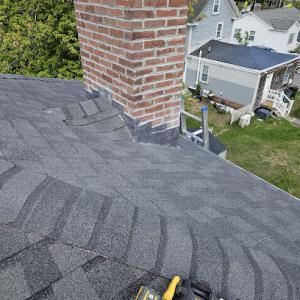
Home Resolutions is a General Contractor/Roofing Contractor located in Andover and Salisbury, MA and has been servicing all of the surrounding areas for many many years. We specialize in Painting, Painting Services, Exterior Painting, Interior Painting, Siding Installation, Roofing Repair, Window Installation Service, and more! Here at Home Resolutions, our mission is to always provide quality service at an affordable price. The success of our company is due to the dedication we provide to our customers. No matter the job, customer satisfaction is always our number one priority! Don’t hesitate to give us a call!
Mandette Roofing Plus
(978) 315-5555 mandetteroofing.com
104 River St, Haverhill, Massachusetts
5.0 from 49 reviews
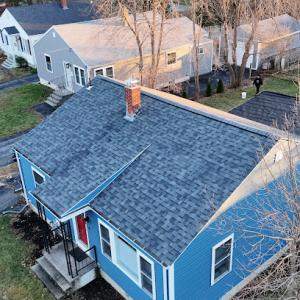
Mandette Roofing Contractor. Roofing and Siding expertise in Portland ME and Nearby Cities. With over 20 years of combined experience in the roofing industry, Amanda and Eli founded Mandette to provide homeowners with the peace of mind they deserve. They understand that a roof is more than just shingles and nails - it's about protecting what matters most to you. That's why their team is dedicated to delivering exceptional client experiences and lasting results. We assist with insurance claims by performing repairs or replacements as specified by your insurance company. Our team will guide you through each step of the claims process and work directly with your insurance adjuster to ensure you receive the coverage you need for storm damage.
RJ Talbot Roofing & Contracting
(978) 361-6129 talbotroofing.com
2 Haymeadow Cir, Haverhill, Massachusetts
4.9 from 87 reviews
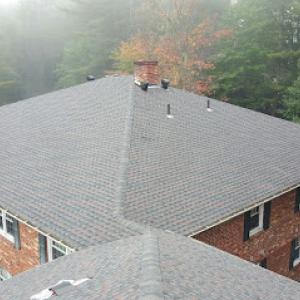
RJ Talbot Roofing & Contracting provides residential and commercial roofing services, installation, and repairs to the greater Haverhill, MA area.
Sensible Home Solutions
(978) 519-7802 www.sensiblehome.com
26 Spruce St, Haverhill, Massachusetts
5.0 from 29 reviews
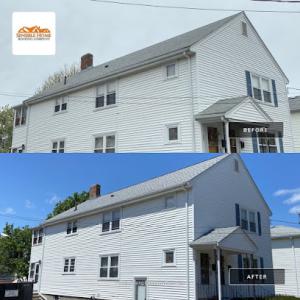
Sensible Home Solutions "Your Home, Our Duty-Designed with Integrity, Powered by Service, The Sensible Solution" As a veteran-owned and operated home improvement company, we specialize in roofing, siding, windows, HVAC, and electrical work. We deliver expert craftsmanship with honesty and reliability. Our mission is to protect your home with top-quality materials, energy-efficient solutions, and industry-leading warranties. From durable roofs to high-performance HVAC systems, we ensure every project is done right, on time, and at a fair price. With free estimates, transparent pricing, and a commitment to excellence, we make home upgrades stress-free. Trust experience. Trust integrity. Trust Sensible Home Solutions.
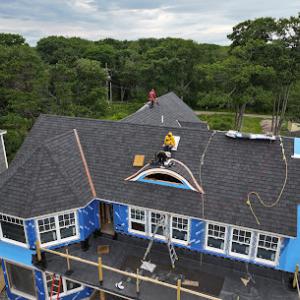
JPQ Construction
(978) 476-2192 www.jpq-construction.com
125 Brown St, Haverhill, Massachusetts
5.0 from 15 reviews
JPQ Construction is a company specializing in roofing, siding, and gutters, dedicated to providing high-quality solutions to protect and enhance your home. With over 14 years of experience in the industry, we have been delivering reliable and durable services since 2010. Our commitment to excellence, customer satisfaction, and the use of top-quality materials sets us apart.
Roman Construction
(603) 832-3355 romanconstruction.biz
37 9th Ave, Haverhill, Massachusetts
5.0 from 7 reviews
Roman Construction offers complete residential building and remodeling services from start to finish. Servicing Massachusetts and New Hampshire.
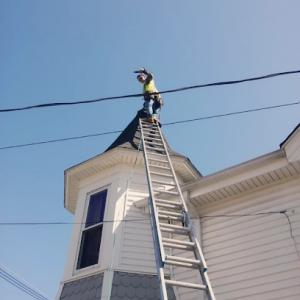
Rumi Roofing
(603) 715-0599 rumiroofing.wixsite.com
1022 Broadway, Haverhill, Massachusetts
5.0 from 4 reviews
We are a family owned, "Licensed and FULLY Insured" Roofing Contractors for over a decade with proved QUALITY and WARRANTY on all labors and materials. Offering our services doesn't matter on how big or small are any single project WE will cover YOU trough our 24/7 ROOFING EMERGENCY ASSISTANCE. FEEL SAFE AND GIVE US A CALL THEN WE WILL BE THERE THE SAME DAY FOR A FREE ROOF INSPECTION. We're covering New Hampshire and Massachusetts.
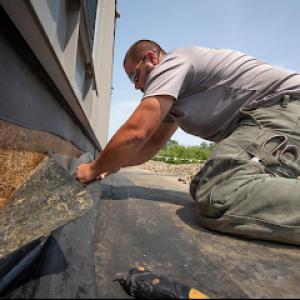
Industrial Roofing Company
11 Rogers Rd #1, Haverhill, Massachusetts
4.7 from 3 reviews
At Industrial Roofing Companies, we offer comprehensive roof management services, and industrial roofing & siding to commercial building owners and public institutions in the Northeast. From design to installation, we are true partners and advisors for our clients, with lasting building solutions. Whether it's repairing a challenging leak or tackling one of the largest projects in our area, we're committed to delivering exceptional, long-lasting solutions. Our team is committed to delivering long-standing services with excellence, transparency, and trust as our guide. We work tirelessly to inspect, design, build, and service all of your building, service, roofing, and siding needs.
Couture's Construction
(978) 552-9964 couturesconstruction.com
Serving
5.0 from 31 reviews
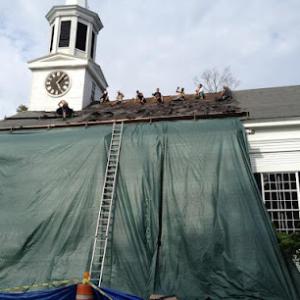
We are a family-run, owner-operated, fully licensed and insured construction company that specializes in (but not limited to) roofing, siding, windows, decks, and doors. In addition to installation of the above products, we also offer repair services to allow you to get the most out of all the elements of your home or business.
Paradise Remodeling
(781) 732-0203 www.paradiseremodelinginc.com
Serving
5.0 from 34 reviews
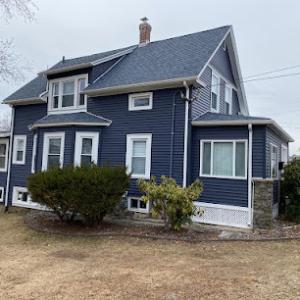
Paradise Remodeling is a trusted home improvement contractor based in Methuen, Massachusetts, proudly serving homeowners across the region since 2012. We specialize in roofing, siding, skylights, doors, and windows, offering high-quality craftsmanship and a customer-first approach on every project. As a fully licensed and insured contractor, Paradise Remodeling delivers reliable and efficient service with a strong commitment to durability, energy efficiency, and curb appeal. Whether you’re looking to enhance your home’s exterior, upgrade your roof, or improve natural lighting with skylights, our experienced team brings over a decade of expertise to every job. From the initial consultation to project completion, we prioritize your sati.
Progressive Roofing
(978) 521-9100 www.progressiveroofing.com
261 River St, Haverhill, Massachusetts
3.4 from 7 reviews
Our waste management company, Progressive Disposal, Inc. in Haverhill, Massachusetts, offers roll-off containers for residential and business customers on Boston's North Shore and Merrimack Valley, as well as Southern New Hampshire. You receive responsive customer service, competitive pricing, and reliability when you choose us. Our service is available to homeowners, contractors, retail stores, institutional locations, and schools.
MGS Construction
(603) 237-1011 www.mgsconstructionllc.com
Serving
5.0 from 526 reviews
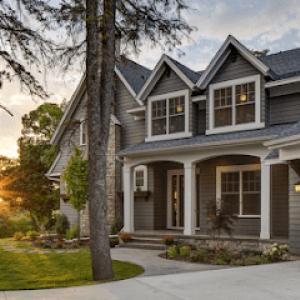
MGS Construction provides roofing, siding, windows, and decks, to all of NH and MA.
Provided Haverhill-area pricing ranges run from 350 to 650 USD per square for asphalt shingles, 700 to 1200 for metal, 1000 to 2500 for clay tile, 1100 to 2000 for concrete tile, 500 to 1000 for synthetic/composite shingles, and 1500 to 3000 for slate. Those figures are a useful baseline when you're comparing bids, but remember that the exact price tag on your project will hinge on roof complexity, deck condition, and access. If aging decking is discovered during tear-off, the total can creep higher, so plan for that possibility in your budget and schedule.
In this city, winter freeze-thaw cycles stress roofing from the first snow to the last melt. When winter damage is found after a tear-off, costs naturally rise because repairs may be paired with the replacement, and more material handling or labor is required to restore structural integrity. If the deck is soft or warped from repeated cycles of ice and snow, replacement of framing or sheathing becomes essential before or during the re-cover. Contractors typically bundle these contingencies into a single project scope, but it pays to verify what's included and what could trigger an add-on.
Haverhill's narrow replacement window matters. Scheduling can compress into late spring through early fall, especially after a severe storm or a series of freeze-thaw events that reveal hidden damage. If the replacement date slots fill quickly, you may face tighter timelines or rushed work, which can influence both cost and quality. When forecasting, build in a buffer for weather days and delivery lead times for specialty materials like tile or slate, which can require longer custom fabrication or freight waits.
Material and labor pricing in Haverhill can shift after regional storm periods, when emergency repairs and replacement demand increase across the Merrimack Valley. In those times, competitive bids can tighten, and a contractor may prioritize urgent work, sometimes affecting scheduling and price. If a storm hits during your planned window, expect a temporary price bump and a potential shift to shorter-term scheduling with an accelerated pace of work to finish before winter's return.
When evaluating bids, factor in deck and fascia condition, the roof slope, and whether old flashing or venting needs upgrading. If you're weighing materials, remember that asphalt shingles sit on the lower end of the cost spectrum, with metal and tile options climbing accordingly. For long-term performance in Merrimack Valley winters, a well-ventilated, properly decked roof with appropriate underlayment often pays back in fewer callbacks during those tough months.
Get a clear picture of your project costs upfront - no commitment required.
Sensible Home Solutions
(978) 519-7802 www.sensiblehome.com
26 Spruce St, Haverhill, Massachusetts
5.0 from 29 reviews
Prestige Roofers, LLC. Roofing , Siding & General Construction
Serving
4.8 from 17 reviews
A full roof replacement requires a building permit reviewed by the City of Haverhill Building Department. This isn't a formality to stall your project; it's the mechanism that ensures the work stands up to our freeze-thaw cycles and heavy late-winter snows. If the permit is not pulled, you risk fines, delays, and the very real possibility that a new roof won't be legally protected by code compliance. Your contractor should not overlook this step, especially when dealing with the complex roof decks found on many older houses in town.
Roofing work in this area must comply with the Massachusetts State Building Code, 780 CMR, along with any local amendments applied by the city. The code is not optional, and local tweaks exist to address practical conditions here-like ventilation, attic leakage control, and snow-load considerations that directly impact long-term performance. If a contractor says a permit isn't needed because it's "a simple replacement," push back: the code framework and city amendments still apply, and failing to follow them can bite you after a winter when vents clog and leaks appear.
The Building Department conducts inspections during and after the job and may request ventilation details or minor plan adjustments before sign-off. Expect a staged process: initial inspection of framing and roof geometry, mid-project checks, and a final inspection once shingles or other coverings are in place. Inaccurate or incomplete venting plans are a common reason for delays, so have your ventilation strategy ready and documented. The department's review is not adversarial; it's a safeguard against premature failure that could lead to interior damage during freeze-thaw cycles.
Prepare to provide detailed plans, including ventilation layout, attic insulation levels, and any structural modifications, when you submit for review. If the plan needs tweaks to meet city expectations, responding quickly helps avoid seasonal delays that bite into the narrow replacement window. Remember: a compliant project protects your home from costly leaks and performance losses when the next winter storm arrives. If you're unsure about any ventilation or plan element, address it before the permit is issued rather than after work begins.
Find specialists in TPO, EPDM, and built-up flat roofing systems for residential and commercial properties.
Big Sky Roofing & Restoration
(857) 800-1658 bigskyroofingrestorationllc.com
Serving
5.0 from 11 reviews
Prestige Roofers, LLC. Roofing , Siding & General Construction
Serving
4.8 from 17 reviews

In Massachusetts, storm-related roof damage is generally insurable, but homeowners should expect claim review to depend heavily on photos, contractor estimates, and evidence of prior maintenance. The outcome hinges on clear documentation that ties the damage to a specific event and shows how the roof performed in previous seasons. If the roof is relatively new or has had recent repairs, insurers will scrutinize whether any preexisting vulnerabilities played a role in the loss.
For older roofs in Haverhill, some insurers may limit replacement-cost treatment, making roof age and condition documentation especially important before and after storms. A visibly worn deck, soft spots, or signs of prior leaks can influence coverage decisions. Having a concise, dated record of the roof's condition before a storm helps avoid disputes about whether the damage is event-driven or the result of long-term deterioration.
Adjusters serving this market may request additional documentation, so homeowners benefit from documenting leaks, interior staining, exterior damage, and temporary emergency protection immediately. Take wide-angle and close-up photos of cracked flashing, lifted shingles, granule loss, and ponding on flat sections. Keep a log of when leaks were first noticed, and capture any interior staining or ceiling bulges promptly. If temporary tarps or boards are used, photograph those steps to show a proactive response.
Prepare a simple timeline: date of the storm, when damage was first observed, when temporary protections were installed, and when professional assessments occurred. Gather written estimates from reputable local contractors, noting any recommended repairs that address both the storm damage and existing vulnerabilities. A cohesive package that links exterior findings to interior impact tends to streamline the review process and supports a fair settlement.
Connect with contractors who help homeowners navigate the claims process from damage assessment to final approval.
Mandette Roofing Plus
(978) 315-5555 mandetteroofing.com
104 River St, Haverhill, Massachusetts
5.0 from 49 reviews
RJ Talbot Roofing & Contracting
(978) 361-6129 talbotroofing.com
2 Haymeadow Cir, Haverhill, Massachusetts
4.9 from 87 reviews