
Last updated: Apr 19, 2026
In Wilmington, the cold, snowy winters drive repeated freeze-thaw cycles that aggressively age roofs. Ice dam formation becomes a regular threat when heat from living spaces leaks into the attic, melting a path down the slope and refreezing at the eave. That ice backup, not a single storm, drives most of the moisture problems you'll see in spring, leaving attic and ceiling leaks that look sudden but actually started months earlier. This is not a one-off nuisance; it is a persistent condition that accelerates wear on shingles, underlayment, and flashing, especially on steep-slope roofs where snow tends to linger and melt unevenly.
In Wilmington, spring thaw is the real test. Once the calendar flips to warmer days, the snowpack releases its grip and reveals the leaks that began during winter loading. Water that sat behind ice dams can travel long distances inside the roof structure, pooling around attic rafters or seeping through already vulnerable spots. You may wake to damp ceilings or stained drywall after a milder night followed by a sudden warm day. The pattern is familiar: a winter heavy with snow and freeze-thaw cycles sets up the leak, and the spring rain or cresting snowmelt finishes the job. Expect to see faster deterioration around skylights, chimneys, and vent flashings, where small gaps become open channels for water.
The local contractor market responds with a strong emphasis on emergency repair services. Fast response matters here because delaying a fix during a thaw or after a winter storm increases interior damage and raises the risk of mold and compromised insulation. When a leak appears, you need an immediate assessment, temporary mitigation, and a plan for a more permanent repair that addresses the root cause-typically heat loss through the attic, compromised roof edges, or inadequate underlayment in vulnerable valleys. In practice, that means you should have a trusted emergency crew on speed dial who can seal a leak, cover the roof to limit further infiltration, and stage a follow-up repair that stabilizes the problem through the next freeze-thaw cycle.
Practical, proactive steps to defend against ice dams and freeze-thaw wear begin with attic and insulation health. Ensure your attic is well ventilated and that insulation is dense enough to keep the ceiling cold in winter. Check for air leaks around attic hatches, pipe penetrations, and ductwork; sealing these gaps reduces the heat that drives snowmelt up into the roof deck. On the roof itself, keep an eye on the eaves and overhangs for unusual ice buildup after a heavy snowfall and after storms. If you notice icicles forming in clusters along the gutter line or ice extending up under shingles, treat that as a sign to call a pro for an inspection. A thorough assessment will often identify aging underlayment, deteriorated flashing, or a compromised roof edge that invites water intrusion during thaws.
When action is needed, plan for both short-term containment and long-term reinforcement. Short-term fixes focus on preventing further interior damage-covering the problem area, repairing obvious leaks, and removing excessive icicles that can lead to gutter damage or roof fascia wear. Long-term fixes address the underlying causes: upgrading insulation, sealing the attic, adding radiant barrier or venting improvements, and repairing or replacing damaged flashing, valley membranes, and or deteriorated shingles in the most exposed zones. In a climate where winter performance dictates spring outcomes, you cannot rely on luck. A proactive, responsive approach keeps water out of living spaces and slows the rate of roof aging caused by freeze-thaw cycles.
Autumn in this area brings wind-driven storms and sudden downpours that slam roofs with forces that Wilmington's steep-slope homes feel immediately. Shingle loss, flashing movement around chimneys and vents, and slow leaks tracing across ceilings are recurring local concerns after a nor'easter or a strong front moves through. On shingles, you can notice curling, cupping, or lifted edges as moisture-driven freeze-thaw cycles approach, especially on lower pitches where wind gusts grab material along the eaves. Leaks often start at vulnerable seams, stove pipes, skylights, and step flashings where growth of moss or debris has trapped moisture. Treat any irregular drip or wet spot seriously, because small gaps can become sizable problems fast in this climate.
If a storm hits, safety first, then containment. Use tarps or roofing fabric to cover exposed areas and prevent more water intrusion, focusing on the most visibly damaged sections and any skylight openings. Document as you go: take wide exterior photos of entire roof exposure, close-ups of missing shingle tabs, flashing joints, and any dislodged or lifted metal. Inside, photograph signs of active leaks, staining, or soaked attic insulation. Time is critical; gather these visuals quickly so you have a clear before-and-after record. If you must access the roof, avoid leaning on weak areas and never step on damp or ice-coated surfaces. Keep a log of dates and weather conditions tied to each leak observation to help with later assessments.
Massachusetts insurers commonly require detailed photos and contractor estimates for wind and hail claims, so early documentation matters. Build a simple file that pairs each leak with a date-stamped photo, along with a concise note about what area of the roof is affected. When a credible contractor visits, request a written assessment that clearly identifies damaged components-shingles, flashing, underlayment, and potential structural concerns-so the claim file is cohesive and easier to adjudicate. If an adjuster arrives later, have these items ready to streamline the process and reduce back-and-forth. Don't delay reporting after the storm; timely submissions can influence the claim outcome.
The Wilmington contractor pool includes specialists in storm damage and insurance-claim workflows, so post-storm roof assessments are a real market feature. Prioritize a local crew with verifiable experience in leak tracing and rapid emergency response, plus clear communication about how they document damage and coordinate with insurers. Ask for recent, storm-specific projects in the area and check references from neighbors who faced similar autumn events. Ensure the team can perform a thorough leak trace, identify secondary damage under shingles, and propose a plan that includes temporary protection and a durable fix that withstands upcoming freeze-thaw cycles. A prompt, organized assessment helps this process go smoothly and limits further risk to the home.
Find local contractors experienced in assessing and restoring roofs after hail, wind, and severe weather events.
Stella Roofing Services
(781) 999-1572 www.stellaroofingservices.com
21 Westdale Ave, Wilmington, Massachusetts
5.0 from 62 reviews


Stella Roofing Services
(781) 999-1572 www.stellaroofingservices.com
21 Westdale Ave, Wilmington, Massachusetts
5.0 from 62 reviews
Since 2008, Stella Roofing Services has been the premier choice for residential and commercial roofing solutions north of Boston. With over 60 years of combined experience the Stella team delivers unparalleled expertise and craftsmanship. Fully licensed and insured, Stella Roofing offers comprehensive roof services, including roof installation, repair, and replacement, installing top-quality materials like asphalt, rubber, and metal roofing from trusted brands like Owens Corning, GAF, and CertainTeed. Our commitment to excellence ensures long-lasting, low-maintenance roofing system solutions that stand the test of time and New England weather. Serving Greater Boston, Cambridge, Somerville, Medford as on of the top local roofing companies.
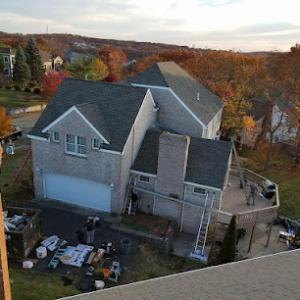
Nugent Roofing
(978) 987-2998 www.nugentroofinginc.com
58 Ashwood Ave, Wilmington, Massachusetts
5.0 from 35 reviews
We specialize in asphalt and rubber roofing. Offering free estimates and are fully insured.

J White Construction
(617) 596-3403 jw.construction
8 Lee St, Wilmington, Massachusetts
4.5 from 17 reviews
J White Construction is a licensed and insured construction company serving Metro Boston. We specialize in residential framing, full home builds, additions, and structural work. With over a decade of hands-on experience, we take pride in delivering quality craftsmanship on time and on budget. Whether it’s a new build in Cambridge or a remodel in Brookline, we bring professionalism and precision to every jo

Couto Construction
(978) 404-7607 www.coutoconstruction.com
Serving
4.9 from 52 reviews
Couto Construction is the most-trusted home exterior renovation serving Tewksbury, MA and surrounding areas since 1987. A family-run business they are a one-stop shop for all your home's exterior needs, specializing in roof replacement and repair, siding, windows, doors, gutters, and attic insulation. Their team of certified contractors brings decades of expertise ensuring top-quality results that last. They use only the best materials and back their work with a peace-of-mind 50-year warranty. Get a free inspection and estimate and Couto Construction will work closely with you to understand your needs and budget, ensuring a smooth and stress-free home exterior remodeling experience.
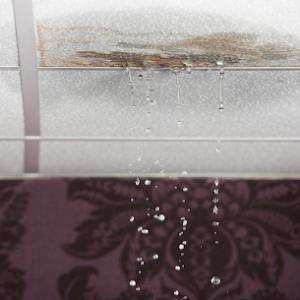
A1 Restoration
(617) 299-1405 a1restorationteam.com
Serving
5.0 from 370 reviews
A1 Restoration of Boston specializes in expertly repairing and restoring properties damaged by water, providing top-notch solutions to safeguard your home from leaks and structural deterioration. With a proven track record of excellence, we're your trusted partners in ensuring a dry and secure living space.
Historical Slate Roofing
(617) 964-1608 historicalslateroofing.com
Serving
4.8 from 23 reviews
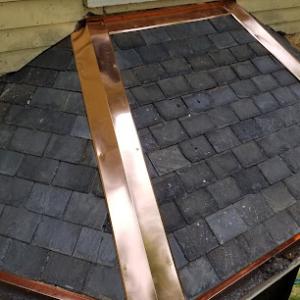
4th generation slate roofing co. Many years experience repairing slate and copper roofs. Let us extend the life of your slate roof. 30 years experience.
Action Roofing
(978) 726-9709 www.theactionroofing.com
Serving
5.0 from 83 reviews
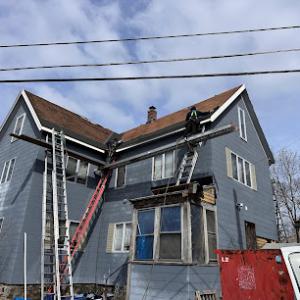
Since 2000, Action Roofing has provided Billerica MA homeowners with quality roofing maintenance repair, and replacement services. We take pride in our local reputation, and our customer-centered approach is the foundation of our business. At Action Roofing, all of our professionals are licensed by the State of Massachusetts and trained through GAF, a trusted leader in the roofing industry. We prioritize the timely and efficient completion of all projects, and we provide complete job site cleanup. With our 25-year non prorated GAF Golden Pledge installation warranty, you can be confident in the roofing services we provide. Contact us today at (978) 726-9709 for your free roofing estimate.

Gilmore Roof & Leak Repairs
(781) 742-9066 gilmoreroofrepair.com
Serving
5.0 from 17 reviews
Gilmore Roof & Leak Repairs delivers reliable and professional roofing services to homeowners and businesses throughout Reading. Our experienced team specializes in leak detection, shingle repair, full roof replacements, and preventative maintenance. Using high-quality materials and industry-tested techniques, we ensure long-lasting results built to withstand the elements. Whether you're dealing with storm damage, water infiltration, or normal wear and tear, we provide clear assessments and transparent estimates—without fluff. With prompt scheduling and a commitment to craftsmanship, clients in Reading trust Gilmore for dependable, expert roofing care.
Johnny's Pro
(781) 519-9025 www.johnnyspro.com
Serving
5.0 from 30 reviews
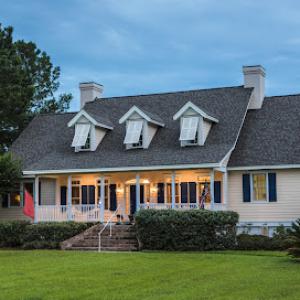
Johnny’s Pro is a trusted roofing contractor serving MA, CT, RI, and NH. We specialize in full roof replacements, including homes with existing solar systems, as well as siding and gutter upgrades. With over 17 years of experience and 7,000+ homes completed, we’re known for quality, transparency, and results that last. As Owens Corning Preferred and CertainTeed Certified installers, we follow manufacturer standards and offer extended warranties. If you’re going solar and unsure about the roofer recommended by your provider, reach out to us. Our scopes are clean, our process is smooth, and our work is built to last.
O'Keefe Roofing
(978) 276-3043 www.okeefe-roofing.net
Serving
5.0 from 12 reviews
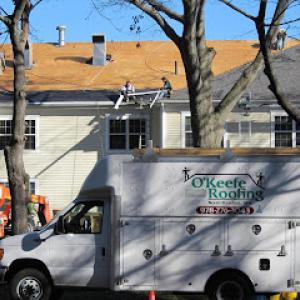
Over 25 years Experience Your Best Local Residential Roofing Contractor Free Estimates Asphalt shingle expert.
FRG Contractor Corporation
(781) 851-4202 www.frgcontractor.com
Serving
4.9 from 31 reviews
For over 20 years, FRG has provided our residential and commercial clients throughout the greater Massachusetts area with top-quality contracting services. No matter the size of the project, we are committed to delivering quality workmanship and competitive pricing. We prioritize safety standards and customer service. Our team is OSHA trained and certified to complete every job properly. FRG Contractor is also fully licensed and insured, so our clients can rest assured knowing that we are reliable and reputable. We also offer free estimates on all our services, including roofing, siding, gutters, remodeling, snow removal, general contracting, and more. Many of our services include installation, replacement, repairs, and maintenance.
D&G Roofing & Siding
(781) 265-2435 dandgexteriors.com
Serving
5.0 from 73 reviews
D&G Exteriors is a residential and commercial roofing contractor, gutter installer, siding contractor, window and door installer and deck builder. We specialize in full replacements and large residential projects. Proudly serving the greater Boston area with the best in customer service, integrity and professionalism, from the North Shore to the South Shore. Insured and licensed.
Asphalt shingles are the most practical fit for much of Wilmington's steep-slope housing stock because they handle broad seasonal swings at the lowest entry cost in the local market. They finish roof projects quickly, tolerate freeze-thaw cycles, and are forgiving on irregular or older roof lines common in townhouses and mid-century homes. When you're planning a re-roof, choose architectural or laminated shingles for better wind resistance and longer life, and pair them with a solid underlayment to improve leak protection against winter meltwater and summer humidity.
Metal roofing is a meaningful local specialty and is often considered by homeowners looking for snow-shedding performance and longer service life through New England winters. In Wilmington, metal can reduce the risk of ice dams by promoting quicker water shedding and by standing up to freeze-thaw cycles without the micro-cracking that some lower-end composites experience. If you opt for metal, pay attention to seam details, attic ventilation, and insulation so the system's temperature balance supports its performance. Metal roofs can be a good long-term investment for homes with shallow or steep pitches where aggressive weather exposure is a factor.
Slate, wood, clay, and concrete tile are all present in the broader Wilmington market, but their weight, detailing, and repair complexity matter more on older regional homes than on straightforward re-roof projects. Slate and clay/concrete tiles deliver distinct aesthetics and good longevity but require structural checks, precise fasteners, and careful installation to prevent punctures or leaks around chimneys and skylights. Wood shingles or shakes offer a natural look but demand meticulous maintenance to resist rot in humid summers and to manage insect risk. If the roof deck isn't reinforced for heavier tiles, these options become more about selective replacement rather than full-cover re-roofs.
Regardless of material, proper attic ventilation and a robust ice-dam barrier are essential in this climate. Steep-slope homes benefit from sound installation practices that limit thermal bridging and wind-driven leaks. On older homes, any high-weight option should be evaluated against existing framing and roof structure to avoid overstressing the system. For every material, work with a contractor who understands how Wilmington's freeze-thaw cycles interact with your roof's age, condition, and any skylights or flashing details.
When planning a replacement, pricing is most meaningful per square (100 sq ft). In Wilmington, asphalt shingles typically run from 350 to 650 per square, metal from 700 to 1200, clay tile from 950 to 1700, concrete tile from 900 to 1500, wood shingles or shakes from 750 to 1100, and slate from 1500 to 2700. This range reflects the inland Middlesex County climate, where a steep-slope re-roof is common, and old roofs often need additional tear-off attention. Expect the lower end for standard installations on straightforward rafters, and the higher end where decks, vents, or skylights drive extra labor.
Costs in Wilmington can rise when winter damage creates surge demand for quick-response crews, especially after snow-related leaks or autumn storm events. If a contractor must perform rapid leak containment, temporary tarping, or emergency access, the job may move toward the upper end of the material range plus expedited labor charges. Structural checks become essential after freeze-thaw cycles, so inspections may extend timelines and cost. Planning ahead with a weather window can help keep the project closer to the lower end of the per-square bands.
Project pricing can also move upward when a replacement includes structural changes, venting changes, skylight work, or more complex tear-off conditions that trigger added inspection attention. If a roof overhang needs reinforcement, rafters show signs of deterioration, or a venting retrofit is required to reduce attic moisture, budget increases accordingly. Tile and slate options, while durable, bring heavier labor and potential underlayment adjustments; slate especially can push costs higher due to weight and handling demands. In Wilmington, these factors are common in homes with mid-century framing or additions.
For a predictable estimate, get a written scope that lists materials, number of layers to remove, and any skylight or venting work. If winter weather is likely to affect timing, ask about staged pricing or phased work to avoid a sudden cost spike. Compare bids that itemize tear-off, disposal, flashing, and insulation work, so that any added structural or venting tasks are clearly priced before the first nail is driven.
Get a clear picture of your project costs upfront - no commitment required.
Nugent Roofing
(978) 987-2998 www.nugentroofinginc.com
58 Ashwood Ave, Wilmington, Massachusetts
5.0 from 35 reviews
A full roof replacement in Wilmington typically requires a building permit filed with the Town of Wilmington Building Department. The permit ensures the project meets local codes, setback rules, and fire safety standards that are specific to this area's climate and housing stock. Since the town experiences cold winters and rapid freeze-thaw cycles, the permit review often focuses on ventilation, attic insulation compatibility, and chimney or vent clearances to prevent future ice dam issues. Planning ahead for permit review helps keep the project on track and reduces the risk of weather-related delays once the crew is on the roof.
The building department handles the permit application, but the process commonly involves your roofing contractor preparing the necessary drawings, material notes, and venting details. It helps to have a clear plan for any changes to attic ventilation or roof penetrations, especially if the project includes more than a like-for-like re-roof. In particular, any proposal that alters venting arrangements or adds structural elements will draw closer scrutiny. A local inspector will reference Wilmington's adopted codes and amendments during the review, so aligning the contractor's technical details with those requirements is essential.
Wilmington inspections are performed by the building inspector at staged points during the roofing project and again after completion. Typical stages often include an initial inspection after roof deck exposure but before underlayment is installed, a mid-project check once underlayment and flashing are in place, and a final walkthrough after completion to verify that all penetrations, flashing details, and vent terminations meet code and manufacturer specifications. Scheduling these visits in advance helps align work crews with short inspection windows and minimizes rework caused by small code deviations discovered mid-project.
Additional Wilmington approvals may be needed when the job includes structural work or changes to venting rather than a like-for-like re-roof. Structural work, such as modifying rafters, improving decking, or installing new skylights with updated framing, triggers a more rigorous review. Alterations to venting systems, such as adding or relocating attic exhaust venting or solar readiness elements that impact roof penetration and attic air flow, can prompt additional documentation or hold points. Expect potential coordination with the building department, and possibly with fire, electrical, or plumbing authorities if penetrations intersect other systems.
Before choosing a contractor, verify that the company is familiar with Wilmington's permit process and can provide the required drawings and specifications. Gather essential information early, including venting plans, attic insulation considerations, and any notes on skylights or roof penetrations. When submitting the permit, double-check that all pages are complete and that the scope clearly reflects a like-for-like replacement or outlines approved exceptions. Finally, coordinate a clear inspection calendar with the contractor, ensuring access for the inspector and readiness for each stage to avoid delays caused by weather or scheduling gaps.
In this region, Massachusetts is not currently defined by a broad statewide insurer pullback, but Wilmington homeowners should still expect carrier-specific differences in coverage and claim handling. When a wind event or a sleet-driven freeze occurs, the way a claim is adjusted often comes down to the detail you provide up front: photos of the affected area, dates of discovery, and a clear record of what happened. The goal is to establish a precise before-and-after timeline so the adjuster can see what changed and when.
Wind and hail claims in this area require thorough documentation before any adjustments are finalized. Insurers typically want multiple angles of damaged shingles or flashing, close-ups of granules in gutters, and a concise timeline of when leaks were first noticed. Contractor estimates that match the observed damage help prevent back-and-forth later in the process. If shingles are lifted or flashing shows flutter from gusts, note wind directions, peak gusts if known, and any nearby trees that may have contributed to impact damage. Documenting attic conditions, such as water staining or mold growth, adds clarity to the claim.
Because claim frequency is moderate rather than extreme, Wilmington homeowners benefit from documenting damage carefully instead of assuming every leak or missing shingle will be treated as a major catastrophe claim. Take dated photos after storms, keep notes on interior signs of water intrusion, and store these records with your claim number. A simple, honest narrative of the sequence of events can save time if a review is needed. When in doubt, err on the side of completeness rather than minimalism.
Start with a quick outside inspection after a storm, noting shingles missing or lifted and signs of ice damting along eaves. Photograph attic insulation displacement or ceiling stains, then contact your insurer with the compiled evidence. Use a contractor you trust for a written estimate and attach it to the claim to anchor the adjustment process. Maintain a running file of any communications so nothing slips through the cracks during settlement discussions.
Skylight service is highly active in the area's contractor market, so you'll often encounter skylight flashing and curb details as a common local repair topic rather than a niche add-on. Start by inspecting the curb and flashing around the unit after any heavy rain or thaw cycle. Look for hairline gaps where the curb meets shingles, and check the sealant for cracking or shrinkage that can admit moisture during wind-driven autumn storms. If a skylight isn't properly flashed, even a small leak can travel along the deck membrane and show up far from the original point of entry. For a DIY check, look for dried mineral deposits or staining on the interior ceiling directly beneath the skylight, then confirm the outer sealants and flashing are tight to the curb. When professionals are called, expect a focus on curb flashing, counter-flashing against the roof deck, and the upper sealant joints around the skylight frame.
Chimney-related work is also common among local roofers, which points to frequent leak investigations where roof-to-chimney flashing is part of the problem. Begin with the junction where masonry meets the roof deck. If you see rust staining on the metal flashing or loose seals along the step flashing, address it promptly-wind-driven rains and freeze-thaw cycles compound any existing gaps. Inspect the area where the chimney shoulder meets the roof for cracked mortar or loose flashing pans. A recurring issue is flashing that's compromised at the corners or has been damaged by shingle movement. Seasonal checks should include testing the chimney cap and crown for cracks, and ensuring the flue vent isn't displacing the flashing, which can lead to water tracking down the interior walls.
These penetrations often become more vulnerable after winter cycles and during wind-driven autumn rain. Freeze-thaw wear widens hairline gaps around penetrations and can push water into seemingly solid seams. During a storm, prioritize any visible signs of moisture near skylights or chimneys-staining, bubbling paint, or peeling wallpaper are all red flags. For prevention, maintain proper attic ventilation and insulation, so external temperatures don't create rapid ice dam formation that sends meltwater toward flashing gaps. When leaks appear, trace the interior path back to the closest penetration and plan a targeted repair to flashing, seals, and the immediate surrounding shingles, rather than a broad, full-roof replacement.
Find contractors experienced in skylight installation, flashing, and leak repairs to bring natural light into your home.
Stella Roofing Services
(781) 999-1572 www.stellaroofingservices.com
21 Westdale Ave, Wilmington, Massachusetts
5.0 from 62 reviews
Nugent Roofing
(978) 987-2998 www.nugentroofinginc.com
58 Ashwood Ave, Wilmington, Massachusetts
5.0 from 35 reviews
Flat-roof specialization is meaningfully present in Wilmington, even though the city is not dominated by flat roofs overall. This means many homes have additions, porches, or garages with low-slope sections that require attention distinct from the main steep-slope roof. Understanding how these areas drain and seal will pay dividends during wet springs and freeze-thaw cycles.
Low-slope areas need reliable drainage and durable membranes that resist continual exposure to moisture. For additions or attached structures, ensure that the drainage plan directs water away from walls and toward established scuppers or downspouts. In mixed residential-commercial properties, the transition zones between steeper primary roofs and flat or low-slope sections are common leak paths; give extra attention to flashing, rock bed transitions, and the meet-up with parapets. Choose membranes with proven performance in exterior use and verify proper slope, even if only a fraction of an inch of fall per foot is present.
Spring wet conditions in this area intensify ponding risk on low-slope assemblies. After winter, inspect for irregular ponding, seam gaps, and blisters that can trap water and slow-dry any incidental leaks. Seams, fasteners, and edge terminations deserve particular scrutiny as warming days can create sudden expansion and contraction cycles. If a low-slope roof has a visible seam or surface that looks oily, aged, or punctured, plan for timely resealing or membrane replacement before peak rain exposure.
On flat or low-slope surfaces, perform routine checks after heavy storms: look for standing water near penetrations, flashings, and terminations. Keep drainage outlets clear of debris and verify that any coating or membrane integrity remains intact around skylights or roof access hatches. When planning repairs, prioritize compatible materials that match the existing system to minimize differential movement and potential leak paths. A proactive approach to these areas helps prevent slow-drying leaks and the costly disruption of interior spaces.
Find specialists in TPO, EPDM, and built-up flat roofing systems for residential and commercial properties.
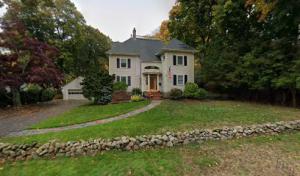
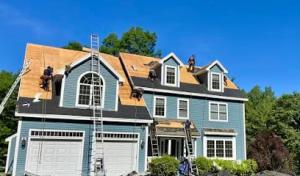
In this market, responders and cleanup crews matter as much as the roof itself. Homeowners expect a quick, thorough response to leaks and a tidy, temporary fix that doesn't leave the yard littered after the crew departs. When choosing a roofer, look for a company that prioritizes rapid triage, clear communication, and a plan to minimize disruption to an occupied home during work.
Re-roofing is far more common than niche new-construction projects, so the contractor's experience with occupied-home tear-offs is a real plus. Ask for recent references from projects where residents remained in place, and verify they can manage proper containment, debris control, and frequent housekeeping during the process. A solid plan should include a clear safe-work zone, daily cleanup, and a response timeline that matches Maine-style freeze-thaw cycles and the potential for late-season storms.
Long-established, family-owned, residential-focused firms are well represented, but credentials still matter. Confirm the contractor holds current license and insurance, and that their estimate specifies who handles inspections and who coordinates any necessary corrective work after the job. Request proof of liability and workers' compensation coverage, and ask about a designated project supervisor who will be onsite daily.
Ask how they prevent ice dams and water intrusion during and after installation, and whether they provide reflective or sealed underlayment options that improve long-term performance in humid summers. Inquire about the cleanup plan after each day's work-are tarps used, and who handles disposal of old shingles and debris? Request a written schedule with milestone dates and a point of contact for weather-related delays.
Check recent client references, especially from homes similar in age and style to yours. Review warranty details for workmanship and for materials, and confirm who will manage follow-up inspections or service calls if a concern arises after the project ends. Wilmington homeowners should ensure the roofer's aftercare aligns with the quick response and thorough cleanup the market expects.